
Reviewed · COOKING CLASSES
Cesarine: Home Cooking Class & Meal with a Local in Rome
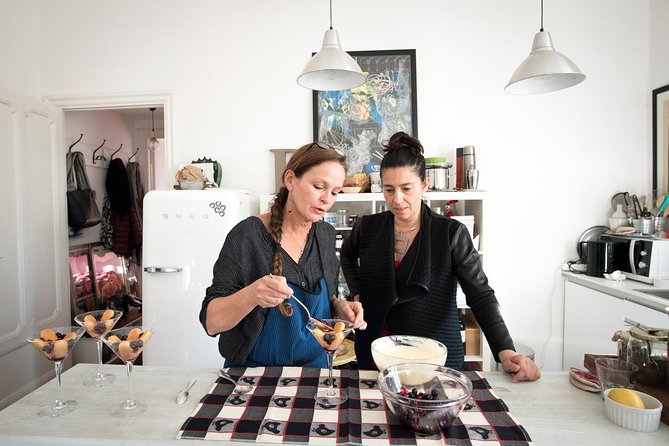
Your dinner starts in a real Roman home. This Cesarine experience is a private cooking class in a local’s house, where you learn Roman favorites and then sit down to eat what you made, with a glass of local wine.
What I like most is how practical it feels, you are not watching from the sidelines, and you get personal attention from your instructor. The other big win is that the meal is fully set up for you, ingredients plus wine, water, and espresso are included. One consideration is that this happens inside a private home, so you may not get the exact address up front, and you’ll need to follow the meeting details you’re sent and arrive a little flexible.
Key Points You’ll Care About
- Private home setting: You cook where locals actually live, not in a staged venue.
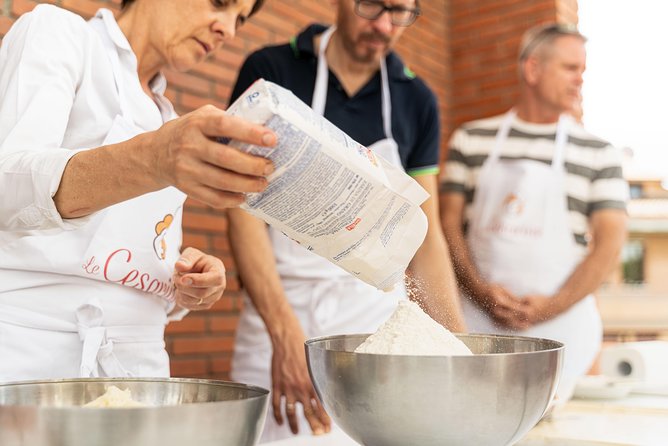
- Hands-on Roman menu: Pasta and a Roman dessert are the focus, with a seasonal starter.
- Included drinks: Wine, water, and espresso come with your meal.
- Small group attention: It’s a private class, so questions and pacing are easier.
- English-friendly: The class is offered in English.
- Good fit for a food-first night: It’s a great way to experience Rome through cooking and conversation.
A Roman Home Kitchen, Not a Staged Demo
If you’ve done any “cooking class” that feels like a performance, this one plays differently. The Cesarine format is designed around a real kitchen and a real household rhythm, so you see the kind of space Italians use day to day. That matters because Roman cooking is not about fancy equipment, it’s about simple ingredients, timing, and technique you can actually repeat later.
You’ll also notice the vibe shift when it’s private. With only your group involved, your instructor can tailor explanations, slow down for questions, and correct small technique issues as you go. That turns a meal you eat into a meal you understand.
A lot of people also highlight the host side of the experience, with names like Giovanna, Maria, and Emma coming up in how classes are described. The consistent theme is that you’re treated like a visitor who’s welcome at the table, not a customer who’s in and out.
One thing to remember: since it’s in someone’s home, you should expect a casual, lived-in feel. It’s a kitchen, not a classroom. That can be wonderful if you like warm, informal travel moments.
You can also read our reviews of more cooking classes in Rome



What You Cook: Roman Classics (Plus a Few Variations You Might See)
The menu structure is straightforward, which is good news for travelers who want a clear payoff. Plan on a seasonal starter, a fresh pasta main, and a Roman dessert. Exact choices can vary by class, but the Roman core is consistent.
Starter: Seasonal and simple
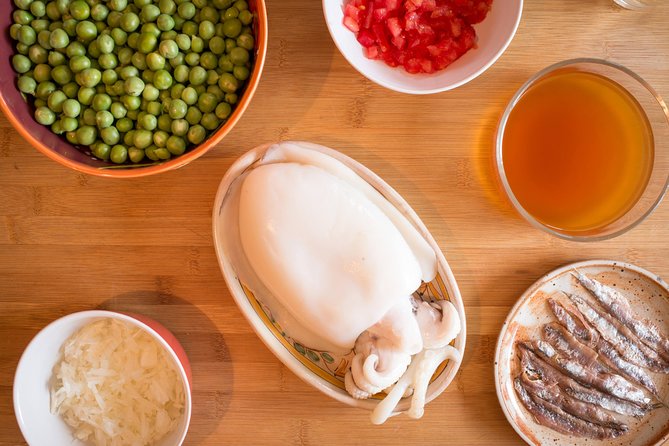
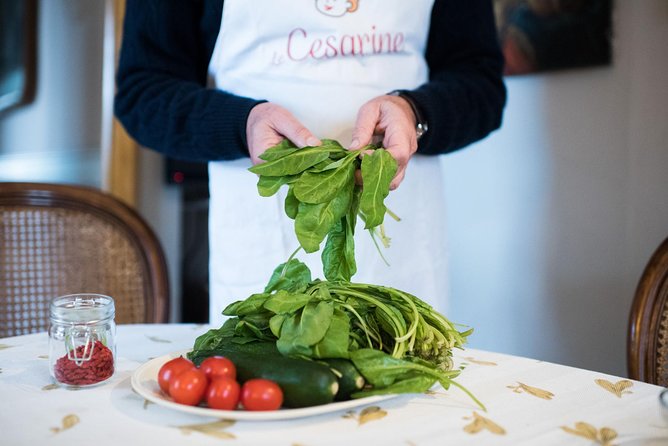
Your class starts with a seasonal starter. That’s a smart way to learn Roman flavor without pretending every day is the same. In descriptions of these sessions, you may see Italian antipasti style bites, often built around pantry-friendly ingredients Italians rely on when produce is at its best.
Main: Fresh pasta in Roman styles
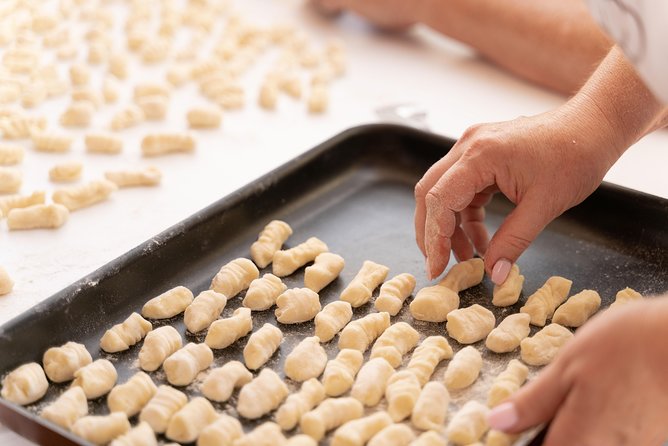
For the main, you’re learning around fresh pasta. The sample menu lists options like Rigatoni, Bucatini, or Gnocchi. That alone gives you a feel for how Roman pasta can go beyond one shape.
In some sessions, people describe rolling and shaping pasta by hand, such as cavatelli. Others mention gnocchi preparation and cooking, paired with a relatively simple sauce. One commonly described example is a tomato and mozzarella or parmesan type sauce, the kind that lets the pasta do the talking.
You might also cook or assemble a second course style item like bruschetta. One class example included a Tuscany-style sausage and cheese bruschetta, which shows how Italian cooking often overlaps region to region, even when the menu theme is Roman.
Dessert: Roman sweet, not just cake
Dessert is where the class payoff often lands. You’ll make a Roman dessert, with sample options that include:
- Ricotta and cherry tart
- Roman tiramisu
- Chocolate shortbread
- Or a similar typical Roman dessert
Even when the name changes, the lesson usually stays the same, how Romans build a dessert that tastes balanced, not just sugary. If you’re a coffee fan, the tiramisu angle is a bonus, since the meal pairing is built in.
Practical tip for you: if you’re choosing what to eat elsewhere in Rome, you’ll probably want to keep your day light beforehand. Cooking and eating takes the full block of time, and you’ll leave satisfied.
A few more Rome tours and experiences worth a look


The Meal Part: Wine, Water, Espresso, and Real Conversation
This isn’t just cooking, it’s a sit-down meal with wine and conversation. Wine and water are included, and so is espresso. That is not a small detail, it’s part of the experience design. You’re meant to cook, eat, drink, and talk, like you’re sharing an evening with a friend.
A few things I’d expect you to notice:
- The wine tends to make the atmosphere more relaxed, so learning feels less rigid.
- Conversation often turns into mini lessons about taste, coffee culture, and wine habits, especially when hosts have lived around Italy.
- You might get the recipe takeaways you’ll want afterward, including sauce notes people mention as a standout.
One described class flow starts with coffee, then moves into dough and shaping, followed by tasting courses with wine. Another mentions a family-like atmosphere and how freely the talk and wine flow. Even if your exact sequence differs, the pattern is the same. You eat what you make, with Rome’s rhythm.
If you’re traveling as a couple or a small group, this part is especially rewarding. It’s one of the rare tours where you leave with a story and a skill, not just a photo.
How Long It Takes and Where You’ll Fit It in Rome
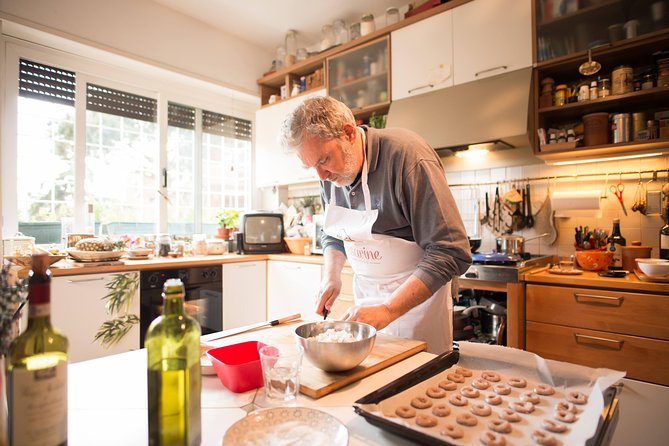
The class runs about 3 hours. That makes it workable for most itineraries, including a last-night plan, since you’ll end back at the meeting point. If you hate rushing from one major site to the next, a three-hour food experience can be a nice change of pace.
Because the activity is near public transportation, you won’t be stuck in the middle of nowhere. Still, remember it’s in a home, and Rome can be a little twisty with streets and traffic patterns. Give yourself a few extra minutes and avoid timing it too tightly right before dinner plans elsewhere.
Also note that the experience is offered in English and you’ll receive a confirmation at booking. The faster you lock it in, the easier it usually is to match it to your travel window, and this one is often booked around two to three months out on average. In plain terms, if you love food and this is on your list, don’t wait for the last minute.
Price and Value: What $118.94 Really Buys You
At $118.94 per person, this class costs more than entry-level cooking tours, but it also includes more than just ingredients. You’re paying for:
- A private class format, so you’re not sharing attention with a big crowd.
- A real home kitchen experience, which brings higher personalization and a more authentic setting.
- Ingredients for the full meal, plus wine, water, and espresso.
That last part is easy to miss when you only compare sticker prices. Many food experiences charge extra for drinks or limit what’s included. Here, the meal is bundled. So if you were planning to spend on wine and an espresso after a cooking activity anyway, you’re not buying those items separately.
If you’re the kind of traveler who wants to do one “real” food thing in Rome instead of collecting five overpriced tastings, this is a strong value shape. You leave with skills and a full meal, and you get the home-side experience that larger group classes often lose.
One more value note: the private nature likely improves your learning. When you can ask questions without waiting your turn, you get better results, and the meal you eat feels like your work, not someone else’s.
Realistic Expectations: What’s Great and What to Watch
This experience is highly rated, and the strongest praise is consistent. Here’s what that tells you before you book:
- The hostess and family warmth is a core part of the appeal. Names like Giovanna, Maria, and Emma show up in how hosts are described.
- Hands-on pasta work is a big focus, from shaping to cooking.
- The sauce and recipe details are often singled out as especially memorable.
- The overall atmosphere is casual and friendly, more like a shared evening than a strict class.
Now for the considerations, the parts that could affect your personal fit:
- Private home means fewer conveniences. You may not know the exact address until closer to the date, and you’ll have to follow directions for meeting.
- You might need to do some short feedback afterward. One comment mentions having to fill out a questionnaire. It’s not a dealbreaker for most people, but it’s worth knowing if you hate forms.
- This is not about speed or volume. It’s about making a Roman meal properly. If your priority is sampling 10 things quickly, you may prefer a different style of food tour.
If you go in with the right mindset, it’s a smooth, rewarding experience.
Who This Class Fits Best
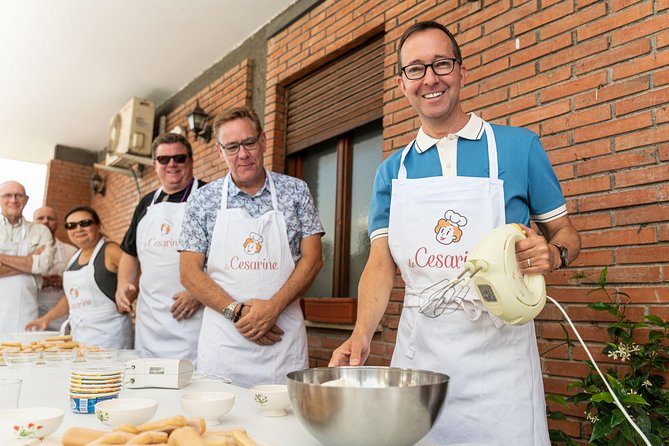
I’d point you toward booking this if you:
- Love Roman food and want to understand it, not just taste it
- Want a hands-on meal experience
- Travel with a partner or small group and prefer a private format
- Like the idea of learning in an English class without feeling lost
It may be less ideal if you want:
- A very formal, high-structure classroom experience
- A large-group social event where you meet lots of strangers
- A strictly “sit and taste” tour with minimal cooking
Should You Book Cesarine’s Home Cooking Class?
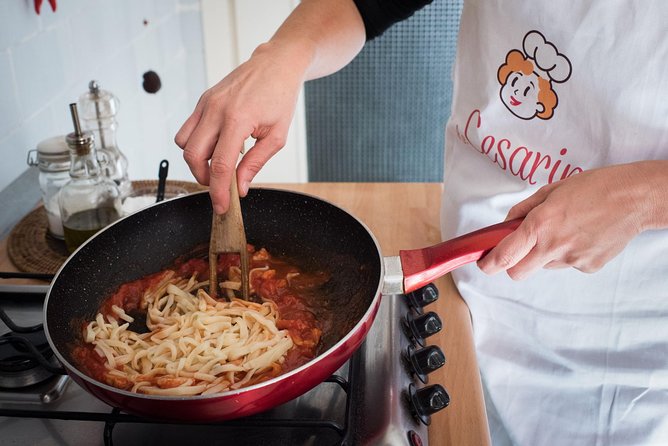
If your trip includes a night where you’d rather learn than just wander, I think you should book it. The biggest reasons are simple: you cook in a real home kitchen, the menu is centered on Roman staples like fresh pasta and a Roman dessert, and the meal is set up with wine, water, and espresso included.
Book this one especially if you want to bring home something practical, a few techniques you can repeat, plus the confidence to cook Roman-style pasta and build a dessert you actually recognize.
If you’re on the fence, decide based on one question: do you want Rome through a kitchen you can understand? If yes, this class is a very strong choice. If you only want quick bites and sightseeing, you might prefer a different type of food tour.
FAQ
How long is the Cesarine home cooking class in Rome?
The experience runs for about 3 hours.
Is the class offered in English?
Yes, it is offered in English.
What is included with the meal?
You’ll have the ingredients for the courses, plus wine, water, and espresso.
Is this a private experience?
Yes. It’s a private tour or activity, and only your group participates.
Where does the class start and end?
It starts in Rome, Metropolitan City of Rome Capital, Italy, and it ends back at the meeting point.
How far in advance should I book?
On average, it’s booked about 77 days in advance, so earlier is better if your dates are fixed.
Is free cancellation available?
Yes. You can cancel up to 24 hours in advance for a full refund.
More Workshops & Classes in Rome
More Cooking Classes in Rome
More Tour Reviews in Rome






Not for you? Here's more nearby things to do in Rome we have reviewed











Cooking Classes, compared.
 ★ 4.9Pasta Making Class with Wine, Limoncello, and DessertFrom $483,177 reviews
 ★ 4.93-in-1 Fettuccine, Ravioli, and Tiramisu Cooking ClassFrom $812,704 reviews
 ★ 4.8Fettuccine Pasta Cooking Class in Rome’s City CenterFrom $462,414 reviews
 ★ 5.0Traditional Pasta with Cocktails Cooking ClassFrom $1002,374 reviews
 ★ 4.8Fettuccine and Tiramisu Cooking Class with WineFrom $672,013 reviews
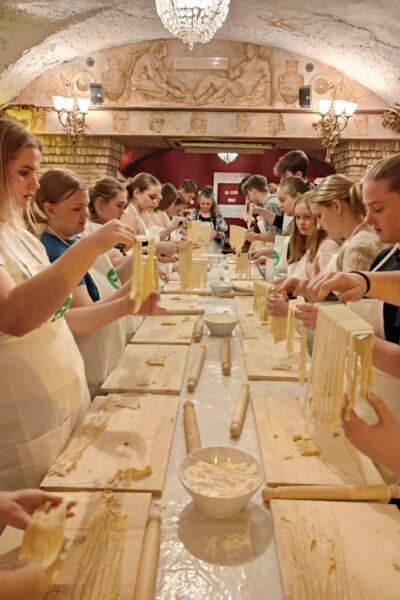 ★ 4.8Pasta & Tiramisu Cooking Class near the Spanish StepsFrom $581,395 reviews
 ★ 4.7Traditional Pizza Cooking Class near Piazza NavonaFrom $461,241 reviews
 ★ 4.9Pasta Making with Wine Tasting and Dinner in FrascatiFrom $35979 reviews
Browse the lists this tour appears in