
Reviewed · WORKSHOPS
Unique Photo Tour and Workshop in Rome Dusk to Dawn
Rome looks better when everyone else is asleep. This Rome dusk to dawn night photography workshop pairs a pro guide with private transport and real coaching when the city turns quiet and magical. I especially like the small group limit for lots of feedback, and the step-by-step focus on manual settings. One drawback to plan for, it starts at 10:00 pm, so you need stamina and you should expect to work on a tripod in cool late-night weather.
You also get a route built around classic sights at the times most people never photograph them. The emphasis is practical, long exposures, light balance, composition, and the way scenes change from night to blue hour to golden sunrise. If you’re hoping for a casual sightseeing walk with no camera settings work, you might find this more demanding than you want.
Key Highlights You’ll Feel Fast
- Moonlight and sunrise timing, so landmarks look deserted without you hunting all night
- Real instruction on manual photography, including ISO, white balance, aperture, and shutter speed
- On-the-spot coaching, from tripod setup to how to execute each shot
- A tight max group of four, which makes help feel immediate instead of generic
- Stop-to-stop variety, from the Pantheon area to Trevi at night and beyond
- Optional photo review, so you can learn from your own images afterward
Rome Dusk to Dawn: A Real Night-Photo Workshop, Not Just a Walk
This is the kind of Rome photo tour that makes night photography make sense. Daytime sightseeing teaches you where the sights are. Night photography teaches you how to see them, with shadows, reflections, and light sources doing the storytelling. That’s why the timing matters here, dusk through blue hour and all the way to sunrise. When the light shifts, your exposure choices should shift too, and the guide teaches that connection while you’re actually shooting.
What I like most is that this isn’t vague “take a few photos and hope for the best.” You practice the problem areas that usually ruin night shots: long exposures that get blurry, mixed lighting that turns skin tones weird or makes buildings look muddy, and framing that falls apart once the streets darken. The feedback is also immediate, so you adjust while the scene is still there.
If you’re an intermediate enthusiast or a passionate beginner ready to move beyond auto mode, this route can give you a real step up. If you mostly want phone photos, you might still enjoy the locations, but the technical focus will be wasted energy.
You can also read our reviews of more photography tours in Rome
Price and Value: What $420.08 Buys You in Rome Nights
At $420.08 per person for about 7 hours, this is not a budget activity. The value comes from the structure: you’re paying for a professional photographer guide, private transportation, and a small group experience capped at four people. That combination matters in Rome, where time and positioning make or break night photos.
Here’s what you’re really getting for the money:
- A trained guide who can help you fix specific settings, not just point at famous buildings
- Private transport, which reduces wasted time and helps you reposition for the next angle when the light is changing
- Hands-on practice, long exposures, exposure control, and composition choices you can repeat the next time you shoot at home
You should also consider gear. If you don’t have a camera, you can rent Nikon equipment and tripods for 50 euros per kit, paid in cash. That cost is separate, but it can turn the tour into a full “show up and learn” experience instead of a hard stop.
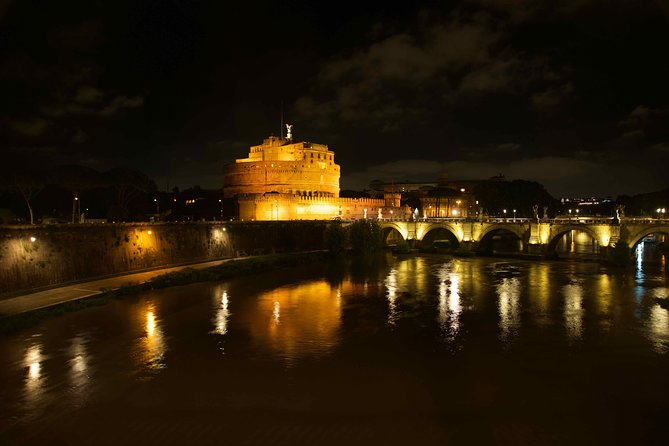
Meeting at Castel Sant’Angelo, Then Settling Into a Night Rhythm
The tour starts at Castel Sant’Angelo area, at Lungotevere Castello, 50, near the Bridge of Angels. You meet at the entrance of Castel Sant’Angelo, opposite the Bridge of Angels, unless you request pickup at your hotel, Airbnb, or home. Either way, the plan helps you begin in a landmark-rich zone right away, not after you’ve spent energy figuring out transit or getting oriented.
Starting at 10:00 pm is intentional. It puts you in the period when street lighting is strong, colors are already atmospheric, and many crowds have thinned out. By the time you reach the longer waits, you’re not just killing time. You’re shooting, checking your settings, and learning how the scene changes.
And yes, it ends back at the meeting point. That’s practical, because you don’t need to wonder where the last dark walk will dump you at 5:00 or 6:00 am.
The Dusk to Blue Hour to Dawn Advantage
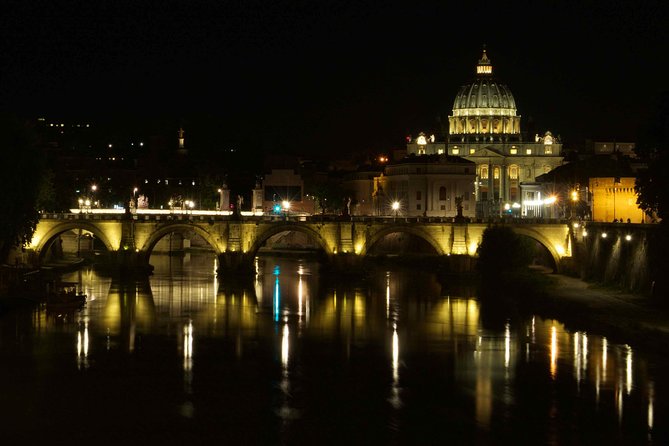
If you want better night photos, you have to understand the light curve. This workshop is built around that fact. The guide covers how light evolves from night to blue hour to golden sunrise. That’s not poetic wording. It’s a concrete shooting lesson.
In night photography, exposure problems come from mixed sources. Warm lights from buildings and cooler light from sky reflections can fight each other. Blue hour adds a different kind of challenge, sky brightness changes fast, and shadows start looking like graphic shapes instead of soft haze. Sunrise then swings contrast again. You practice settings and composition through these shifts so you can learn cause and effect, instead of memorizing one “perfect” camera recipe.
Stop-by-Stop: How the Route Shapes Your Photos
This is a long, shooting-focused route, covered both on foot and by car. You move often, which keeps you from staying in one spot while the light changes without you. The stop order is designed to take you through Rome’s most photographed areas with different lighting moods.
A few more Rome tours and experiences worth a look



Piazza del Campidoglio: Bold Angles When It’s Quiet
Piazza del Campidoglio is a strong starting point for learning composition. At night, symmetrical spaces get sharper, and leading lines become easier to see once the background darkens. This is a good place to practice framing with the geometry that Rome already provides.
Watch for the basics: where your foreground interest begins, where your symmetry breaks, and how long you can hold the frame steady on a tripod before camera shake ruins the shot.
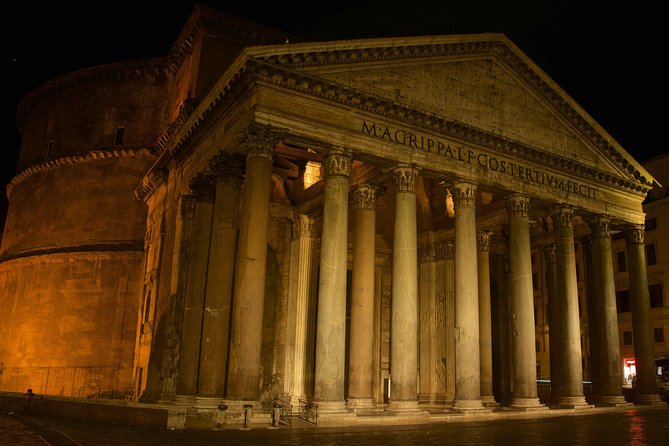
The Pantheon Area: Light Balance in a Dome-Lit World
The Pantheon is famous in daylight, but at night it becomes a study in controlled lighting. This stop is where mixed lighting gets real. Street lamps, reflections, and the building’s own illumination can pull your white balance in different directions.
The guide’s focus on light balance and white balance control helps you make the building tones look believable instead of gray-green or overly warm. Even if you’re new, you’ll understand what white balance does by watching your results change on scene.
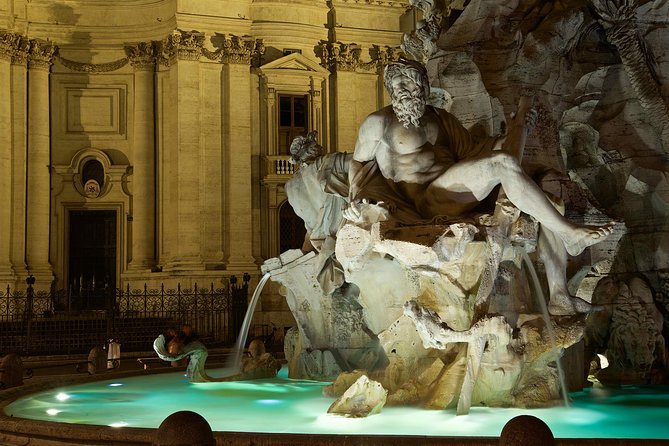
Piazza Navona: Composition That Works Even When You Slow Down
Piazza Navona gives you layers, foreground interest, and plenty of framing options. At night, you can also simplify the view by choosing angles that hide distractions. That’s where composition lessons like layering, symmetry, and leading lines become practical.
You’ll likely spend more time here checking camera settings because this kind of square can look different depending on exposure length and how much of the water and stone you bring into the frame.
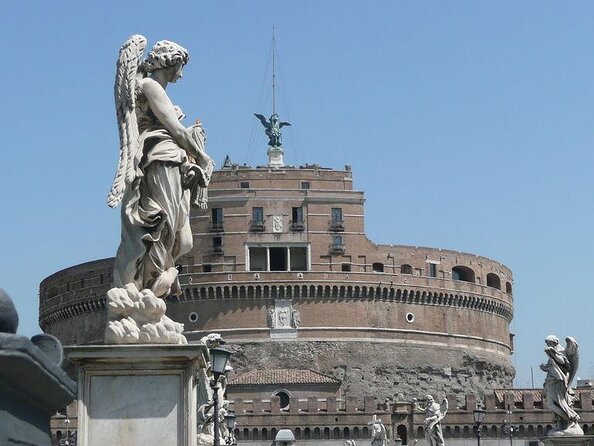
Castel Sant’Angelo Museum Exterior: Night Textures and Strong Edges
Museo Nazionale di Castel Sant’Angelo is a chance to train your eye for texture. Stone details and the contrast between light and shadow look dramatic in low light, but they also show exposure mistakes clearly.
If your photos look muddy at night, this is the moment to fix it. Adjusting aperture, shutter speed, and ISO based on what you’re seeing helps you keep details while still getting enough brightness.
St. Peter’s Square at the Right Time: A Sunrise Payday
The plan includes St. Peter’s Square, and the late-night to sunrise flow means you can shoot it as the city transitions. This is where the workshop’s timing really pays off. You’re not only photographing a landmark, you’re photographing the sky changing above it.
One of the reviews highlighted how the night stretched to sunrise at the Vatican, with the guide keeping things engaging for a younger participant. That’s a good sign: you’ll be shooting, but you won’t feel like the time is dragging without purpose.
Teatro di Marcello: Learning to Shoot “In Between” Moments
Teatro di Marcello can feel less like a postcard and more like a texture-rich classic. It’s also a great training ground for foreground interest and layering. You get chances to frame parts of the scene instead of trying to capture everything.
This stop is useful when you want to move beyond wide, generic shots and start building images that feel intentional.
Piazza Venezia and Isola Tiberina: Framing With Depth
Piazza Venezia gives you a mix of scale and structure. Isola Tiberina adds water reflections and a chance to practice exposure choices that keep highlights from blowing out. Water and stone together can teach you a lot about long exposure control.
If you’re using long exposures, pay attention to how moving water streaks, and how tripod stability affects sharpness. Small adjustments can be the difference between silky motion and blurry mess.
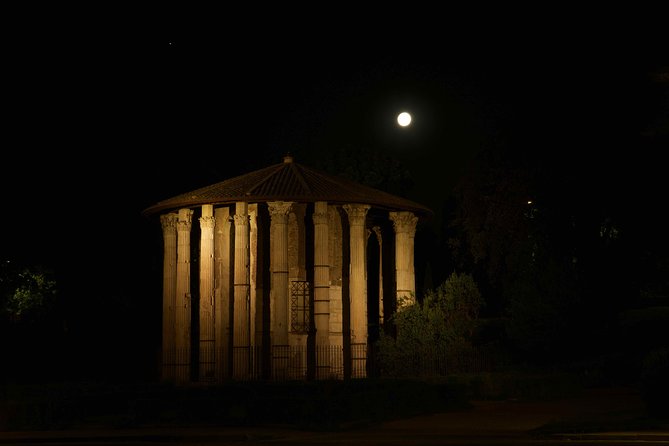
Rione Parione and Tempio di Vesta: Finding Stories in Smaller Streets
Rione Parione and the Tempio di Vesta area are where you start capturing Rome’s quieter character. This is still “famous Rome,” but framed like a lived-in city instead of a checklist.
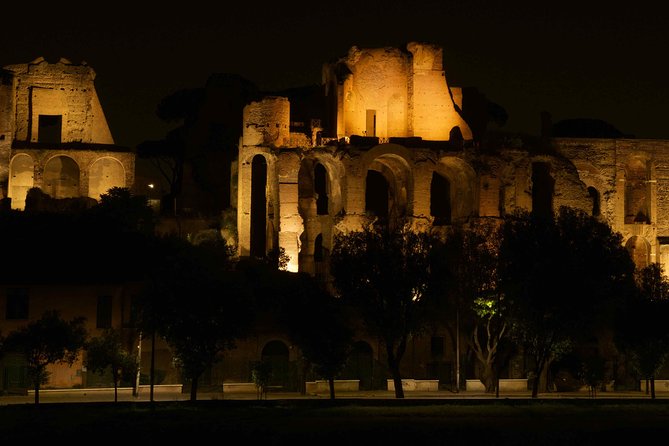
You’ll use your composition tools, leading lines and layering, to guide the eye. These stops are also where you can practice natural and artificial light use, because street corners and facades often combine multiple light sources.
Terme di Caracalla: Bigger Shapes, Tougher Light Choices
Terme di Caracalla is a large, dramatic setting, and that can be great for photos that show structure. The downside is that large spaces can expose technical mistakes faster, especially if you’re unsure how to set ISO or control shutter speed for the look you want.
The workshop’s coaching helps you decide what to prioritize: starry sharp architecture, softer atmosphere, or a balanced scene that keeps both highlights and shadows usable.
Fontana di Trevi at Night: Famous, But Still Learnable
Trevi is crowded in daylight. At night, it becomes more about light patterns and reflections than sheer human volume. This is where you can practice precise timing and framing choices to keep your image clean.
It’s also a practical place to test everything you learned: long exposure control, white balance, and composition, all on a landmark that is lit in a very deliberate way.
Photography Skills You Practice Here, Settings Included
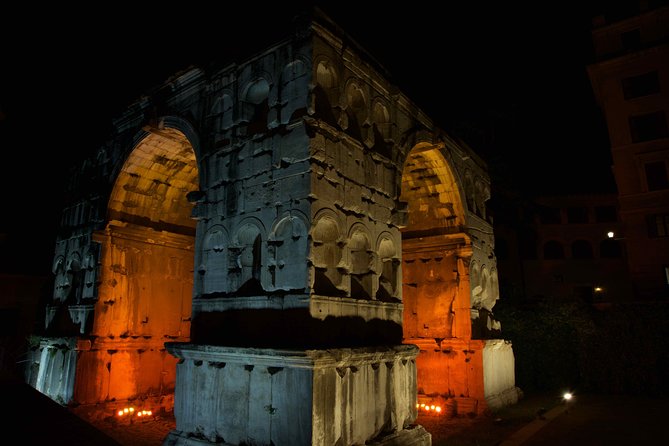
Night photography is a chain of choices. This workshop teaches the chain and gives you time to practice each link. You’ll work with manual mode and learn how to control:
- ISO control to manage noise and brightness
- White balance to prevent mixed-light color shifts
- Aperture to control sharpness and depth
- Shutter speed for long exposure look and motion control
You also practice long exposures, light balance, and the use of natural and artificial light at night. The guide doesn’t treat these as separate topics. You’ll see how each setting changes the mood, how it affects the city’s tones, and how your composition choices interact with exposure.
Composition lessons are also part of the session, including leading lines, symmetry, foreground interest, and layering. Those are the difference-makers between a photo that is technically correct and one that tells a story.
On-the-Spot Coaching: Tripods, Real-Time Feedback, Shot Execution
A major reason this gets such high marks is the coaching style. You’re not left to troubleshoot alone. The guide helps with tripod setup, then gives real-time feedback as you shoot.
That matters because at night you can’t “fix it later” with a lucky guess. If your tripod is slightly off, if you choose a shutter speed that smears the shot, or if your framing includes a distracting dark blob, you need corrections immediately while the light is still right.
This is also where a small group matters. With up to four people, you get attention. You can ask questions and get adjustments on the next shot, not next week.
Optional Photo Review: Turn Your Shots Into Real Progress
There’s an optional photo review where you can submit your images afterward for detailed critique and tips for improvement. This can be a big deal, because it helps you translate what you learned during the night into a repeatable approach for future trips.
If you like improving quickly, that review option can help you identify what to work on next: exposure consistency, focusing decisions, composition habits, or how to handle highlights.
Gear and Camera Rental: Don’t Let Equipment Stop You
The tour can be done with your own gear, but if you do not have a camera, you can rent Nikon gear plus tripods for 50 euros per kit, paid in cash. That option is helpful for beginners who want to learn without buying or borrowing complicated equipment.
If you plan to bring your own, think about whether you can comfortably use manual settings and handle tripod work for several hours. Night shooting rewards patience, but it also punishes shortcuts.
Weather and Real-World Considerations
This experience requires good weather. Rome nights can be unpredictable, and night photography suffers quickly in rain or heavy fog. The good news is that the activity accounts for that risk, offering a different date or a full refund if canceled due to poor weather.
Also plan for the human side. Starting at 10:00 pm and going until after sunrise means you should dress for cold, be ready for walking, and keep your energy up during the long shooting windows.
Who This Workshop Is Best For (and Who Should Pass)
I think this tour is a strong fit if you:
- Want to move beyond auto mode and learn what your camera is doing
- Enjoy hands-on practice and want feedback while you shoot
- Prefer fewer crowds and more “Rome after dark” atmosphere
- Like the idea of building a mini portfolio of images from iconic sites at unusual times
It might not be the best fit if you:
- Want a casual sightseeing night with minimal camera work
- Only want smartphone photos and do not want manual settings guidance
- Are not comfortable working with a tripod for long exposures
One review noted the guide stayed engaged even with a 9-year-old, which suggests the storytelling side can help keep people motivated through the long night. Still, this is a photography workshop first.
Should You Book Rome Dusk to Dawn?
If you’re serious about night photos, I’d book it. The combination of hands-on manual photography coaching, a route designed for changing light, and a limited group size makes it a practical “learn by doing” experience. You also get the payoff most people miss, deserted-feeling Rome and sunrise colors at the Vatican, plus chances to capture landmarks like the Colosseum by moonlight and at dawn.
Skip it if you want an easy, low-energy stroll or you’re not ready to get involved with camera settings. This workshop rewards effort.
If you decide to go, bring comfortable night gear, plan to shoot with patience, and be ready to try again right after the guide tweaks your settings. That is where the quality jump happens.
FAQ
What time does the Rome dusk to dawn photo workshop start?
The activity starts at 10:00 pm and runs for about 7 hours.
Where do we meet, and can I request hotel pickup?
You meet at the entrance of Castel Sant’Angelo, opposite the Bridge of Angels on Lungotevere Castello, 50, 00193 Roma. Pickup is offered upon request at your hotel, Airbnb, or home.
How many people are in the group?
The workshop is limited to a maximum of four travelers.
Is the tour only for people who already have a camera?
It works best if you bring a camera, but if you have no camera you can rent Nikon gear plus tripods for 50 euros per kit, paid in cash.
Does the workshop include photography instruction and coaching?
Yes. You practice night photography challenges like long exposures and light balance, and you receive on-the-spot coaching, including tripod setup and shot execution. There is also an optional photo review after the tour.
What if the weather is bad?
The experience requires good weather. If it’s canceled due to poor weather, you will be offered a different date or a full refund. You can cancel for a full refund up to 24 hours in advance.
More Photography Tours in Rome
More Tours in Rome






More Tour Reviews in Rome

Not for you? Here's more nearby things to do in Rome we have reviewed












Workshops, compared.
 ★ 4.9Pasta & Tiramisu Class with Fine Wine by the VaticanFrom $414,852 reviews
 ★ 4.9Pasta Making Class with Wine, Limoncello, and DessertFrom $483,177 reviews
 ★ 4.93-in-1 Fettuccine, Ravioli, and Tiramisu Cooking ClassFrom $812,704 reviews
 ★ 4.8Fettuccine Pasta Cooking Class in Rome’s City CenterFrom $462,414 reviews
 ★ 5.0Traditional Pasta with Cocktails Cooking ClassFrom $1002,374 reviews
 ★ 4.8Fettuccine and Tiramisu Cooking Class with WineFrom $672,013 reviews
 ★ 4.8Pasta & Tiramisu Cooking Class near the Spanish StepsFrom $581,395 reviews
 ★ 4.7Traditional Pizza Cooking Class near Piazza NavonaFrom $461,241 reviews
Browse the lists this tour appears in