
Reviewed · COOKING CLASSES
Much More Than Just a Cooking Class in Rome
Forget the studio, cook at a Roman home. This is a small-group class capped at 12 people, run by cook with mamma, and it happens in the family house, not a rented room, for home-kitchen authenticity. You’ll cook traditional dishes, eat what you make, and hear culinary customs passed down through generations, but note the one big catch: children under 12 are not allowed.
If you like your Rome experiences hands-on and real, this one fits. You pick a time slot, 10 am or 6 pm, and the meal shifts with it, so you get either lunch or dinner based on when you go, along with wine and an appetizer to start.
Key Highlights to Know Before You Go
- 12 people max, so you actually get attention while you cook and ask questions
- Home setting in Piazzale Aurelio, where you’ll see tools and habits used day to day
- A full cooking flow, tiramisu first, then fresh pasta, then two sauces
- Wine with your meal (18+ only) plus a welcome appetizer
- Diet options available, including vegetarian and gluten-free choices
Entering A Roman House, Not A Cooking Studio
The best part of this class is the setting. You meet at Piazzale Aurelio, 6, 00152 Roma RM, and then you step into a real Roman family home, where the kitchen feels lived in, and the instructions feel practical instead of performative.
That matters because cooking classes can either teach you technique or just feed you entertainment. Here, the goal is clear: learn what Romans actually make and how they make it, with stories about culinary methods and customs that have been handed down.
And yes, there’s a dog in the home, which sounds random until you realize it just adds to the feeling that you’re visiting family, not lining up for a show.
You can also read our reviews of more cooking classes in Rome
Lunch Or Dinner: How the 10 Am vs 6 Pm Choice Changes the Vibe
You have two start times, 10 am and 6 pm, and you choose based on your schedule. The experience runs about 3 hours 30 minutes, and the meal you eat with your cooking becomes your lunch or your dinner depending on the slot.
The 10 am option is great if you want an early anchor in your day. You’ll be done with your hands-on cooking and eating before Rome turns into late-day traffic and long lines.
The 6 pm option is better if you want your day to mellow out first. You’ll arrive, get welcomed with wine and an appetizer, then move into cooking and sit-down eating in a rhythm that feels like a real evening meal.
The Starter Welcome: Bruschette, Wine, and Fast Friend-Making
Before the cooking even starts, you’re set up for the right mood. You’ll be greeted with wine and an appetizer, plus funny stories and a chance to meet your small group.
This is not just a snack before class. It’s a setup that tells you what to expect: relaxed energy, humor, and an informal atmosphere where questions are welcome.
If you’re 18 or older, you’ll have alcoholic beverages included. If you’re under 18, alcohol isn’t included, so you can still enjoy the class vibe without feeling out of place.
The Cooking Plan: Tiramisu First, Then Pasta, Then Two Sauces
The class has a clear, satisfying sequence, and you’re not just tasting your way through. You actually cook, step by step, and then you eat what you made.
Step 1: Tiramisù Starts the Afternoon or Evening
The first dish you make is tiramisù. Starting with dessert is smart for two reasons: it gives you a win early, and it keeps you focused while you learn the rest of the process.
You’ll follow a traditional approach and prepare tiramisù with a family-style recipe, described as the grandmother’s recipe. You’ll also get time to understand what makes it work, especially around texture and the balance of the ingredients.
Expect that this will be one of the dishes people remember after the class. The tiramisù is often singled out as a standout, and it makes sense, because it’s the recipe you can most easily recreate at home and compare to your own future attempts.
A few more Rome tours and experiences worth a look


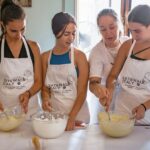
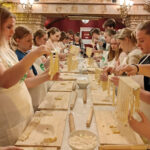

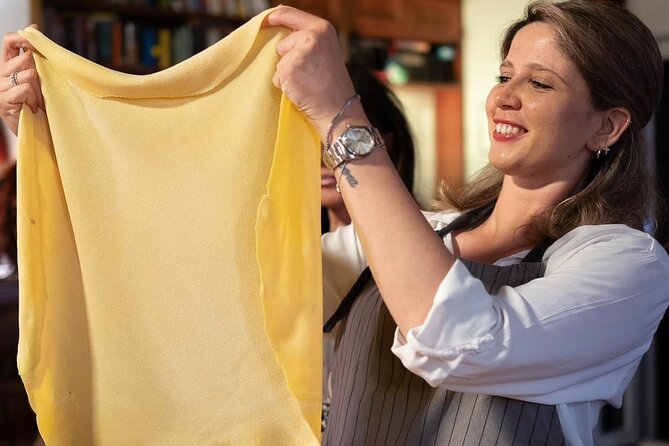
Step 2: Fresh Pasta From Scratch, Using Eggs and Water
Next up is pasta from scratch, using eggs and water. This is where the class becomes truly hands-on.
You’ll make two different pastas:
- Cavatelli served with a four cheese sauce
- Tagliatelle served with amatriciana sauce
Getting your hands on the dough changes your understanding fast. Store-bought pasta is one thing, but learning how dough behaves and how shapes are formed makes the final meal feel earned, not just assembled.
And since the class is capped at 12 people, you’re not lost in a crowd. There’s room to get your technique corrected before you cement any mistakes into the dough.
Step 3: Two Sauces, Built the Roman Way
Finally, you prepare two sauces to go with your pasta. The cavatelli pairs with the four cheese sauce, and the tagliatelle pairs with amatriciana.
This is where Roman cooking traditions shine in a practical way. You’ll learn that sauces aren’t just something you pour over pasta, they’re part of the dish’s personality. The class format makes it easier to notice how ingredients and method affect the end result.
If you care about flavor, this section does a good job of connecting the dots between technique and taste.
What You Actually Eat: Bruschette, Two Pastas, Tiramisù
The menu is simple and classic, which is exactly what you want in a Roman cooking class. There’s no confusing detour into modern fusion, you get traditional recipes and the chance to cook them properly.
Here’s the basic order:
- Starter: Bruschette
- Main: Two kinds of pasta
Cavatelli with four cheeses sauce, tagliatelle with amatriciana sauce
- Dessert: Tiramisù
After you finish cooking, you’ll have the opportunity to join in the food you prepared, paired with complimentary wine.
Vegetarian and gluten-free options are available, so you’re not forced into a one-size-fits-all menu. The details aren’t spelled out beyond those categories, so if you have more specific dietary needs, it’s worth asking when you book.
Wine and Meals: A Good Time, Without Losing the Lesson
Alcohol is included for those 18 and older, and it starts before class with the welcome wine. That does two things.
First, it keeps the tone playful. People tend to relax when they’re not feeling stiff or rushed, and the class leans into humor.
Second, it helps you stay engaged during the full 3.5 hours. You’re cooking several components, and that takes attention. The wine supports the social side, while the small-group size supports the teaching side.
So you get the best of both worlds: a fun meal with conversation, but still a real lesson you can use later.
Small Group Size: Why 12 People Changes Everything
A limit of 12 travelers is the heart of why this feels enjoyable rather than chaotic. In a larger class, you often spend time waiting, watching, or trying to guess what your turn will be.
Here, the smaller group supports better pacing. You’re more likely to get hands-on guidance, and you can actually follow along when questions pop up, especially if you’re unsure about dough texture or how to shape pasta.
The reviews you’ll hear after the fact often circle back to this energy. The women running the class are described as warm, funny, and high energy, and the atmosphere keeps moving instead of stalling when someone needs help.
Meeting Point Reality: Piazzale Aurelio and Getting There
You start at Piazzale Aurelio, 6, 00152 Roma RM, Italy. The experience is near public transportation, which is helpful in Rome, where parking can be a headache and walking can turn into a whole day fast.
Private transportation is not included, so plan to handle the ride to the meeting point yourself. If you’re staying central, give yourself a little buffer for time, since neighborhood streets and connections can be a bit unpredictable.
Once you’re at the meeting point, the rest is straightforward. The tour ends back at the starting location, so you’re not stuck figuring out how to get home after dinner.
Dietary Needs and Kids: Who This Class Works For
This class is aimed at adults and older teens who want a home-style culinary experience. Alcohol is for 18 and older, and kids under 12 are not allowed in this specific class.
If you’re traveling with kids, that doesn’t mean you’re out of luck, but you’ll likely need a different family-oriented option. The organizer notes they offer a cooking class for families if you contact them, so it’s worth planning ahead.
Vegetarian and gluten-free options are available, which is a big plus in a city where dietary needs can be hard to manage at last minute. Just remember that those options aren’t described in detail, so you’ll want to confirm what’s possible for your specific situation when you book.
Value for the Price: What $108 Buys You in Rome
At $108.02 per person, this is not a cheap activity. But it also isn’t priced like a generic tasting menu.
You’re paying for:
- A small-group, home-based cooking experience
- Hands-on prep for multiple dishes, including fresh pasta
- Alcohol included for 18+
- A full meal that you help cook
- Ongoing teaching and stories tied to technique and tradition
For Rome, where cooking classes can vary wildly, the value here comes from the combination of a real home setting, a tight group size, and a menu that’s actually substantial. You’re leaving with more than food. You’re leaving with a practical process you can repeat.
If your travel style is more food-first than check-box tourism, this kind of class tends to feel like one of your best buys.
Who Should Book This Cooking Class in Rome
You’ll enjoy this most if you:
- Want a real Roman home meal, not a staged event
- Like learning technique you can use again at home
- Prefer a small group where you get attention and humor
- Want a dinner plan that’s part entertainment, part cooking workshop
It also fits well for team building and private groups, especially because the organizer notes they can accommodate larger groups by request.
If you’re the type who needs quiet, museum-style pacing, this may feel too social. But if you like conversation, laughter, and learning while you cook, it’s a strong match.
Should You Book Cook with Mamma?
Yes, I’d book it if your goal is traditional Roman cooking in a setting that feels like someone actually invited you over. The small group size, the home-kitchen atmosphere, and the full sequence of dishes make it more than a quick class.
If you’re traveling with kids under 12, or you want a very formal, silent workshop, you might want to choose another option. Otherwise, this is the kind of Rome experience that gives you a memorable meal and a clear takeaway, pasta technique and tiramisù lessons included.
FAQ
How long is the Rome cooking class?
The experience lasts about 3 hours 30 minutes.
Where does the class meet?
It starts at Piazzale Aurelio, 6, 00152 Roma RM, Italy. The activity ends back at the same meeting point.
Is it lunch or dinner?
You choose a slot. It is offered at 10 am and at 6 pm, so you’ll have lunch or dinner depending on the time you book.
What’s included with the meal?
You get the food you prepare during the class, and complimentary wine is included for guests 18 and older. The welcome also includes wine and an appetizer.
Are there dietary options?
Yes. Vegetarian and gluten-free options are available.
Is alcohol included for everyone?
No. Alcoholic beverages are included only for guests 18 years old and above.
Is transportation provided to the meeting point?
Private transportation is not included. The meeting point is near public transportation, and you’ll need to arrange your own way there.
More Workshops & Classes in Rome
More Cooking Classes in Rome
More Tour Reviews in Rome






Not for you? Here's more nearby things to do in Rome we have reviewed












Cooking Classes, compared.
 ★ 4.9Pasta Making Class with Wine, Limoncello, and DessertFrom $483,177 reviews
 ★ 4.93-in-1 Fettuccine, Ravioli, and Tiramisu Cooking ClassFrom $812,704 reviews
 ★ 4.8Fettuccine Pasta Cooking Class in Rome’s City CenterFrom $462,414 reviews
 ★ 5.0Traditional Pasta with Cocktails Cooking ClassFrom $1002,374 reviews
 ★ 4.8Fettuccine and Tiramisu Cooking Class with WineFrom $672,013 reviews
 ★ 4.8Pasta & Tiramisu Cooking Class near the Spanish StepsFrom $581,395 reviews
 ★ 4.7Traditional Pizza Cooking Class near Piazza NavonaFrom $461,241 reviews
 ★ 4.9Pasta Making with Wine Tasting and Dinner in FrascatiFrom $35979 reviews
Browse the lists this tour appears in