
Reviewed · COOKING CLASSES
Gelato Cooking Class in Rome – Create & Taste Italian Gelato
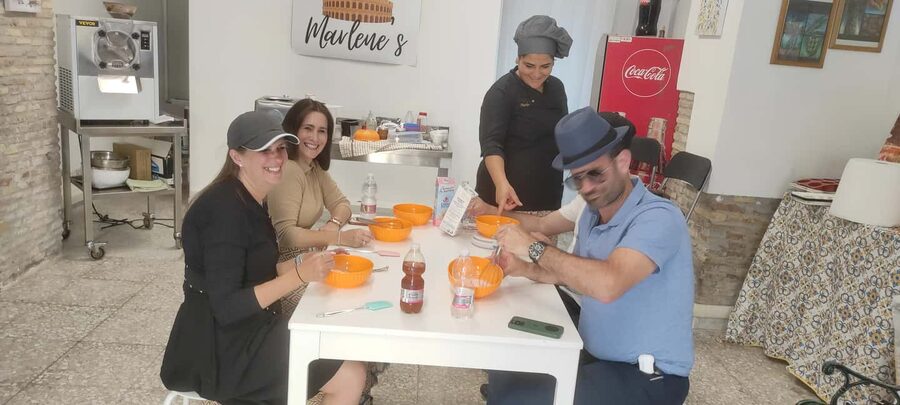
Gelato class beats most Roman food tours. At Marlene’s Gelateria, you learn to make Italian gelato with fresh, natural ingredients, then you taste the shop’s full flavor lineup. I like the hands-on, practical vibe, and the chance to compare classic and unusual flavors back to back. The one catch is the price, at $106 per person for a 1.5-hour session, so it’s a splurge you’ll want to plan for.
What makes it work for real life is the small group setup, limited to 10 people, and the teaching style that’s built for explanations you can actually use. The instructor can teach in English, Italian, Arabic, and Hebrew, so you’re not stuck with vague gestures. In classes guided by Ramon (also referenced as Raymond), the steps and texture goals are broken down clearly, including practical points like how Marlene’s gelato relates to kosher standards.
Key things I’d focus on before you book
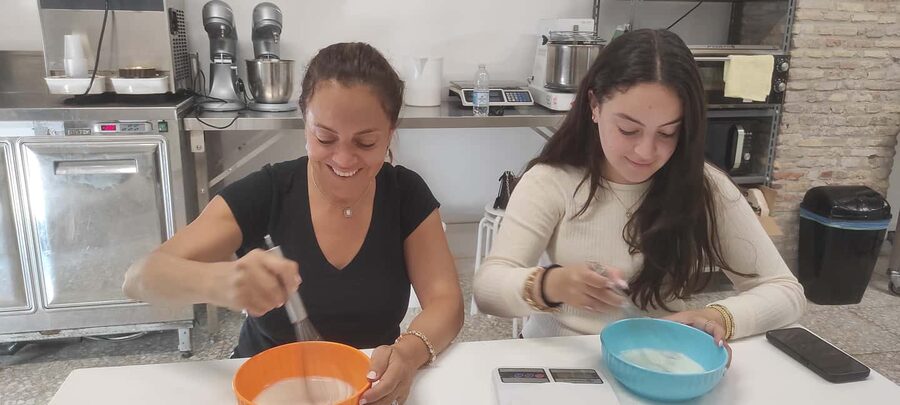
- Small group attention (max 10), so you can actually ask questions while you’re working.
- Natural ingredient approach, with gelato made without artificial colors, preservatives, or chemicals.
- Learn the gelato basics, including differences from ice cream, soft serve, and sorbet.
- Full-shop tasting time, so you can compare flavors in context, not just sample two.
- Hands-on production + take-home gelato, which turns a sweet activity into a real skill.
Inside Marlene’s Gelateria class, what the workshop is really about
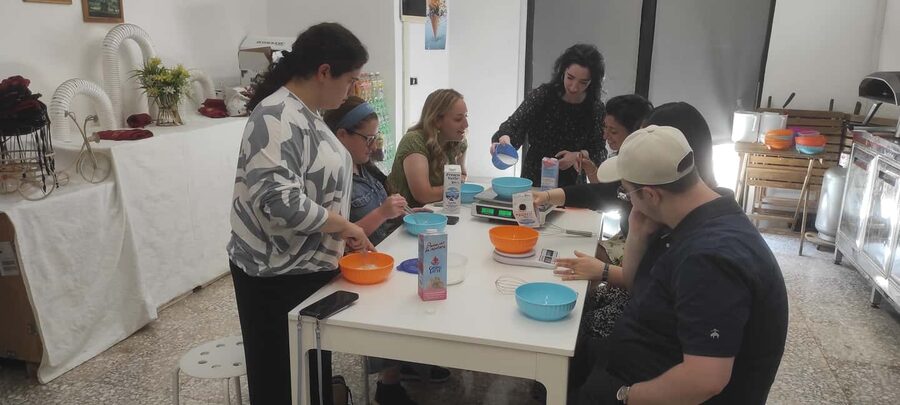
This gelato cooking class in Rome is not just a sit-and-watch dessert show. You’re working with the core ingredients and basic equipment concepts, then turning what you learn into a batch you can taste, share, and take home. It’s built for people who want the why, not just the final scoop.
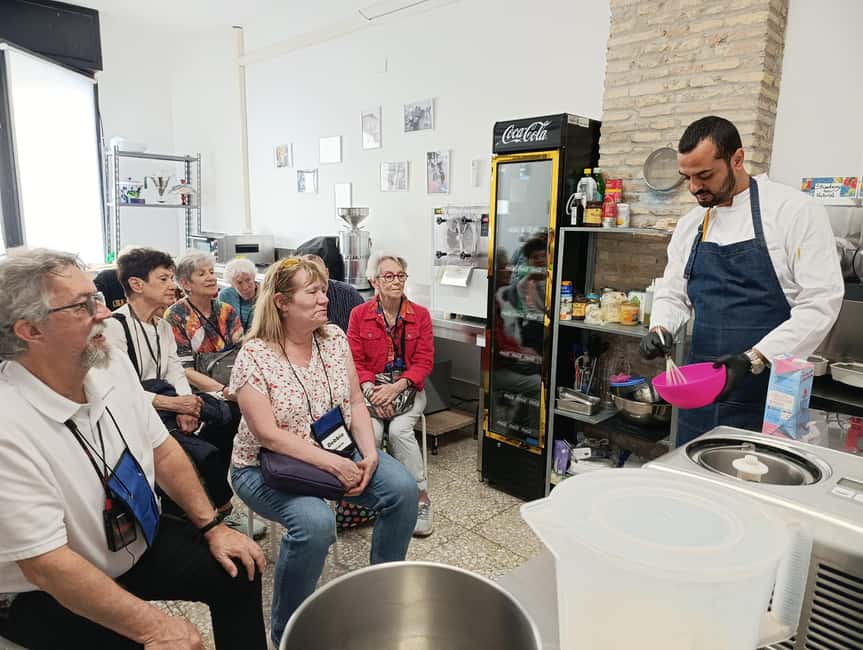
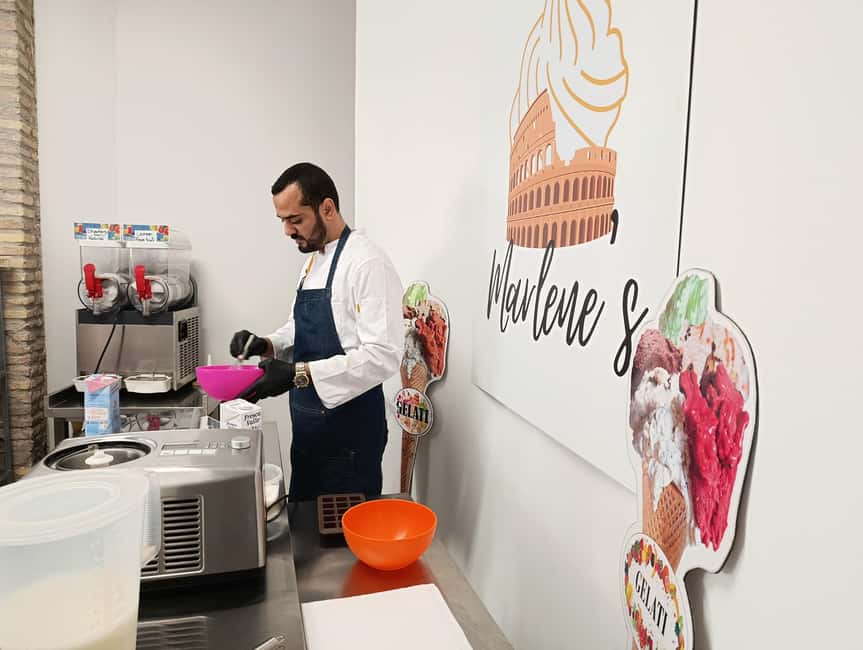
The starting point is a pro-led shop environment at Marlene’s Gelateria, where gelato is treated like a craft. You’ll get an explanation of the machines used and how ingredients are prepped before they go into the maker. That matters because gelato is not just ice cream with better branding. The texture and flavor balance depend on how you assemble and control the base.
I also like that the class explicitly frames gelato versus nearby cousins like ice cream and soft serve, plus sorbet. When you understand those differences, you stop chasing the wrong “goal texture” at home.
You can also read our reviews of more cooking classes in Rome



Your 1.5-hour plan, from gelato intro to your cone
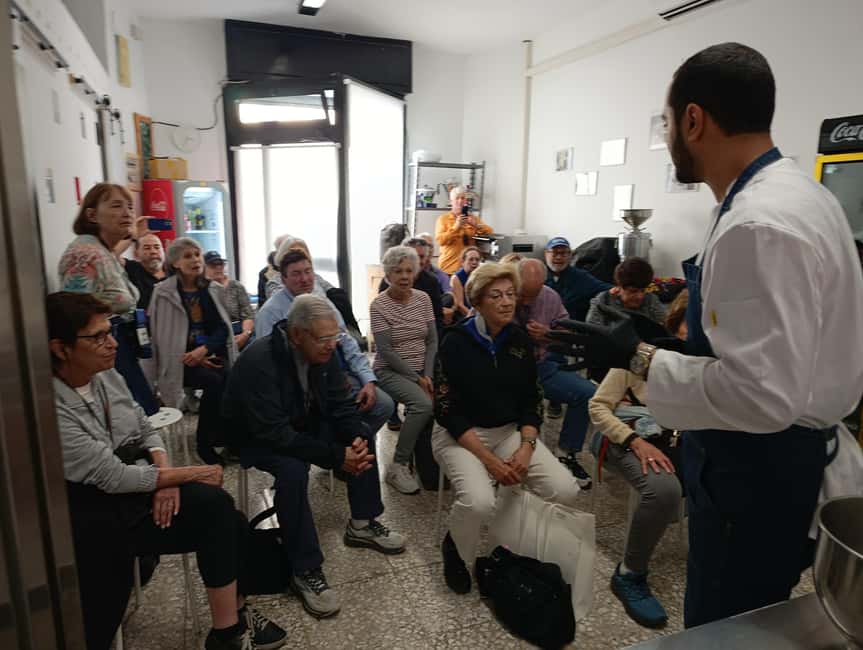
The class runs for about 1.5 hours, so it moves at a steady pace. You’ll be in a small group, and the structure keeps you from feeling lost even if you cook rarely. Here’s what the flow is designed to cover.
First, you get an intro to gelato and where it comes from, with clear talk about what makes gelato different. Expect the explanation to focus on how ingredients and texture affect the final result, not just history trivia.
Next comes ingredients and equipment. You’ll learn which ingredients matter for that gelato texture and how prep changes the outcome. You’ll also get familiar with the gear involved, including gelato machines and flavor-mixing concepts. Even if you never buy equipment, this part helps you understand what to look for when you’re buying gelato in Rome.
Then you get hands-on and create your own batch. You can choose from classic flavors like vanilla and chocolate, or go for options like pistachio or mango. You’ll practice the same general steps the pros use, under guidance, so you’re not stuck guessing.
After that, the class adds techniques and quick flavor tips. The focus is on reaching the right texture and consistency and balancing flavors when you add things like fruit, nuts, or chocolate mix-ins. This is where the class tends to feel most useful, because it translates into what you can do later in your own kitchen.
You end with tasting and sharing. You sample your own gelato and also taste what other participants make. Then you get the extra treat: a visit in the gelateria so you can sample ALL the flavors in the shop and decide which ones really win for you.
What “natural gelato” means in practical terms
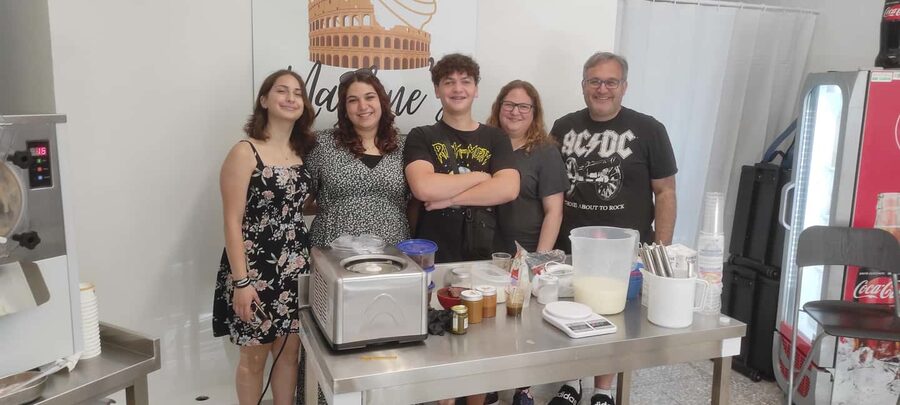
The class highlights that Marlene’s gelato is “natural,” meaning it’s made without artificial colors, preservatives, and chemicals. On paper, that sounds like marketing. In practice, it’s useful because it shapes how flavors show up.
When you skip heavy additives, the flavor work depends on better ingredients and careful balancing. That’s why the class spends time on ingredient choice and how you prep them before churning. If you’re the type who cares why one gelato tastes clean and another tastes flat, this class gives you a route to understand it.
Natural ingredients also tend to make flavor comparisons more honest. When you’re tasting a range of options in the shop, you can pick up what tastes like real fruit, real chocolate depth, or nut-forward pistachio flavor. The class tasting time is the point, because it turns learning into a real comparison game.
The instructor matters, and it shows in how the class runs
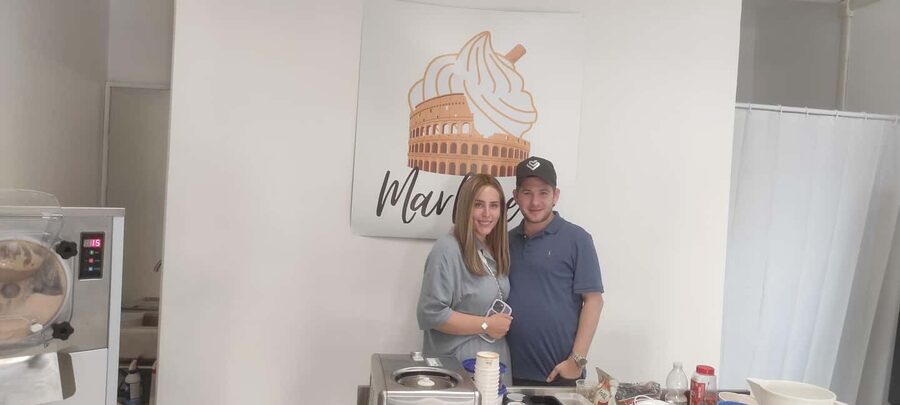
The best classes have two ingredients: a great teacher and a format that doesn’t waste your time. This one is built that way.
The instructor is credited by recent participants for being clear about the process and for knowing how to explain key steps without making you feel rushed. In classes led by Ramon (and referenced as Raymond), the teacher also connects gelato-making to broader standards, including how kosher matters at Marlene’s. That may not be your main reason for booking, but it’s a good sign that the shop takes its ingredients and approach seriously.
Language support is another big deal. You can learn in English, Italian, Arabic, or Hebrew. If you’ve ever tried to do a food class while fighting language gaps, you’ll appreciate this. You can ask a question and get an answer you can use right away.
The tasting portion, why it’s more valuable than it sounds
People book gelato classes to make gelato. That’s fair. But the tasting is where the class helps you level up faster.
You get a cone or cup from Marlene’s, plus bottled water or a soft drink. More importantly, you taste what others make, then you go back into the gelateria to sample all flavors available. That full lineup tasting is basically your “flavor lab.”
Here’s how to use it well: after each sample, ask yourself two questions. One, what flavor is the gelato trying to be, classic and clean or bold with mix-ins? Two, does it have a smooth, creamy texture or does it taste lighter and icier? Even if you can’t name the technique, you’ll start connecting what you learned about texture and consistency with what you taste in the shop.
If you love gelato, this portion alone can feel like a mini culinary tour, because you’re sampling in one place, same day, and under the same ingredient philosophy.
A few more Rome tours and experiences worth a look




Price and value in Rome, what $106 buys you
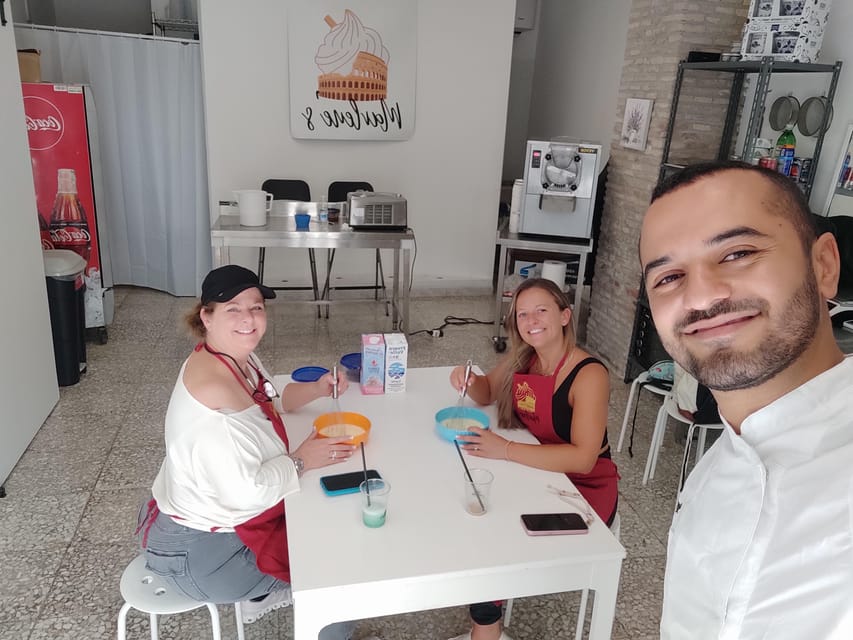
At $106 per person for a 1.5-hour class, you should judge this like a cooking lesson, not like an all-day sightseeing ticket. This isn’t the kind of activity where you’ll feel “cheap.” It’s closer to a hands-on food experience where your money goes to instructor time, small group teaching, and the tasting program.
So what value points justify the price?
You’re getting:
- A guided hands-on gelato-making session using fresh, natural ingredients
- Gelato tasting across the shop’s flavor range
- Your own made gelato, with the option to take it home
- A cone or cup plus water or soft drink
- Small group size limited to 10, meaning more attention while you work
If you’re the type who normally just buys gelato and moves on, you’ll likely feel like the cost is higher. If you want a real skill and a guided way to understand what makes gelato taste like it does, it starts to feel more reasonable.
Also, the class is designed for different skill levels. That matters because you avoid the “I paid and I didn’t learn anything” problem that can happen with workshops that only serve beginners.
Who this gelato class is best for
This works best for people who like food and also like learning with their hands.
- Families: The workshop is described as fun for the whole family, and designed for all skill levels. If kids enjoy tasting and simple food prep, they’ll probably love the making stage.
- Couples and friend groups: Two people can turn this into a shared memory, especially if you both pick different flavors and then compare notes during tasting.
- Dessert fans and home cooks: If you’re curious about the gelato versus ice cream versus sorbet differences, you’ll leave with better instincts.
- People who want a structured food experience: In a city packed with food stops, this gives you a timed, focused activity with a clear outcome.
It might be less ideal if you’re expecting a long class, or you want a lot of sightseeing. This is very much about making and tasting, not Rome sightseeing.
Tips to get the most from your gelato-making session
You’ll enjoy this more if you go in with a tiny game plan.
First, decide on your flavor direction before you arrive. If you’re into classic flavors, pick vanilla or chocolate. If you want something more “Roman gelateria exciting,” choose pistachio or mango. That helps you connect the ingredients you handle with what you taste later in the shop.
Second, treat tasting like homework you don’t hate. During the full flavor sampling, compare texture as much as flavor. The class teaches consistency for a reason.
Third, ask one practical question during the prep or mixing step. Something like how the base affects texture, or how to balance mix-ins. A small group is your chance to get a real answer.
Finally, plan for the takeaway part. You can take home your handmade gelato, so think about how you’ll carry it after the class, especially if you’re continuing on foot through Rome.
Should you book this gelato cooking class?
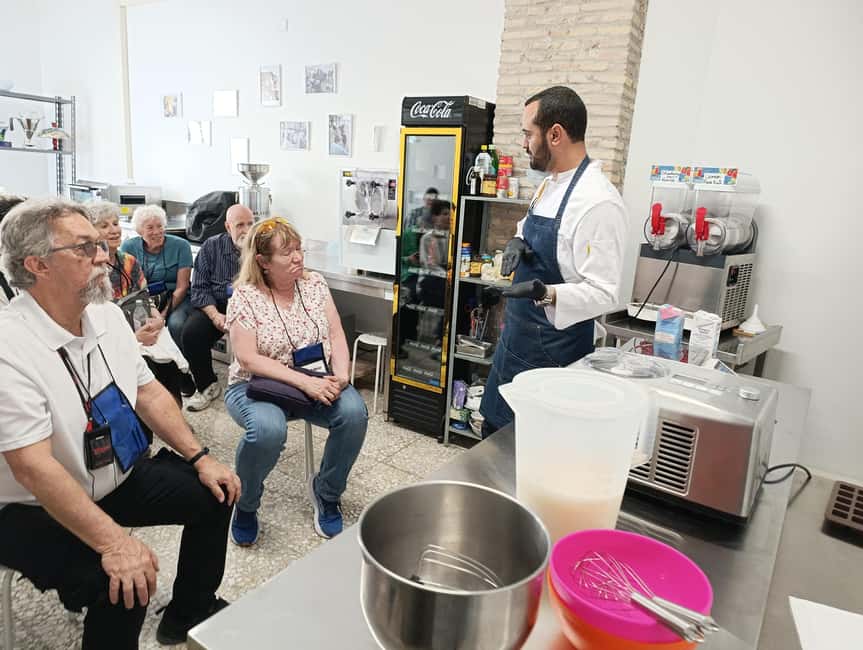
Book it if you want a hands-on gelato-making skill, plus serious tasting time in one of Rome’s gelato settings. The small group format, natural ingredient focus, and the chance to sample all flavors make it feel less like a quick sweet stop and more like a guided food experience.
Skip it if you only want a casual gelato snack and don’t care about learning process or texture. At $106, you’re paying for instruction and the shopwide tasting, not just a dessert.
If you’re a gelato person, this is the kind of activity that pays you back later, because you’ll know what to look for when you compare flavors around town.
More Workshops & Classes in Rome
More Cooking Classes in Rome
More Tour Reviews in Rome






Not for you? Here's more nearby things to do in Rome we have reviewed












Cooking Classes, compared.
 ★ 4.9Pasta Making Class with Wine, Limoncello, and DessertFrom $483,177 reviews
 ★ 4.93-in-1 Fettuccine, Ravioli, and Tiramisu Cooking ClassFrom $812,704 reviews
 ★ 4.8Fettuccine Pasta Cooking Class in Rome’s City CenterFrom $462,414 reviews
 ★ 5.0Traditional Pasta with Cocktails Cooking ClassFrom $1002,374 reviews
 ★ 4.8Fettuccine and Tiramisu Cooking Class with WineFrom $672,013 reviews
 ★ 4.8Pasta & Tiramisu Cooking Class near the Spanish StepsFrom $581,395 reviews
 ★ 4.7Traditional Pizza Cooking Class near Piazza NavonaFrom $461,241 reviews
 ★ 4.9Pasta Making with Wine Tasting and Dinner in FrascatiFrom $35979 reviews
Browse the lists this tour appears in