
Reviewed · ROME GOLF CART TOURS
Golf Cart Around Imperial Rome
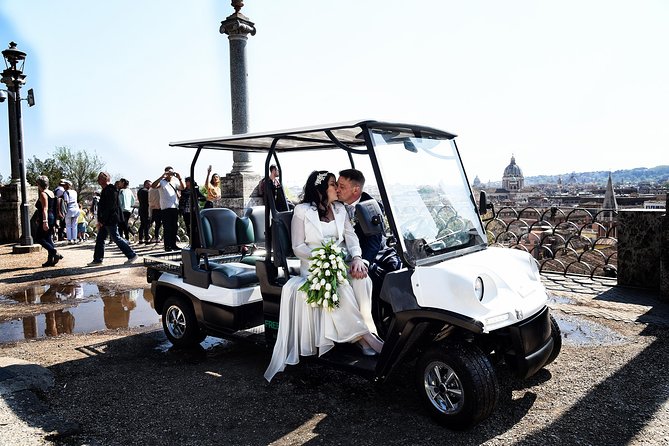
Rome moves different from a golf cart. On this 3-hour small-group loop, you ride in an open-air cart, then hop off to see famous sights close up, from Piazza Navona to the Trevi Fountain, with a driver-guide doing the talking as you glide through streets bigger vehicles can struggle with. Guides like Alessandro, Leonardo, and Giovanni show up often in the feedback, and their vibe is practical, friendly, and very tuned to how your group wants to spend the time.
I like two things most: first, you get lots of iconic stops without turning your day into a long walking test, which is huge if you’re traveling with kids or anyone with limited stamina. Second, the cart helps you get near the action, with the kind of angle for photos that’s harder from a bus stop. One thing to consider is that cobblestones can make the ride feel a bit rough, and where you sit can affect how easy it is to hear the guide.
Key points before you ride
- Max 10 people keeps the tour feeling personal and flexible.
- Open-air comfort means fresh air and quick access to photo spots.
- Major landmarks in a short window (about 3 hours) is the whole point.
- No museum tickets included, so don’t expect full indoor timed entries.
- Carts can be bumpy on Rome’s cobblestones, and seating can be front-facing or rear-facing.
Why an Imperial Rome golf cart route makes sense
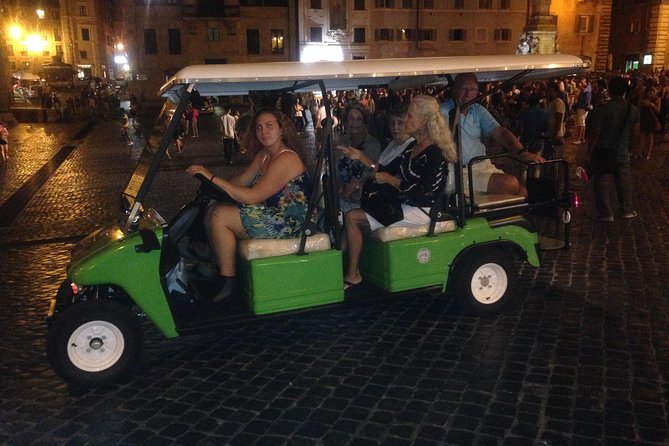
Rome is famous for great walking, but not every day is built for it. This tour is designed for speed with stops, so you can see a lot of the “greatest hits” without spending your energy hauling yourself between neighborhoods. The open-air cart also changes the feel of the city, because you’re not trapped behind glass, and you’re close enough to hear the guide’s comments while you move.
What makes this work especially well in Rome is the cart’s ability to slip into areas where large vehicles can’t go easily. In the feedback, guides are repeatedly described as driving skillfully through tight spots, and that practical skill matters because Rome’s streets can be unpredictable.
The result: you end up with a set of landmarks you can actually connect on a map in your head, rather than collecting isolated photos from far-apart locations.
You can also read our reviews of more tours and experiences in Rome.

Price and what $150.18 really buys you
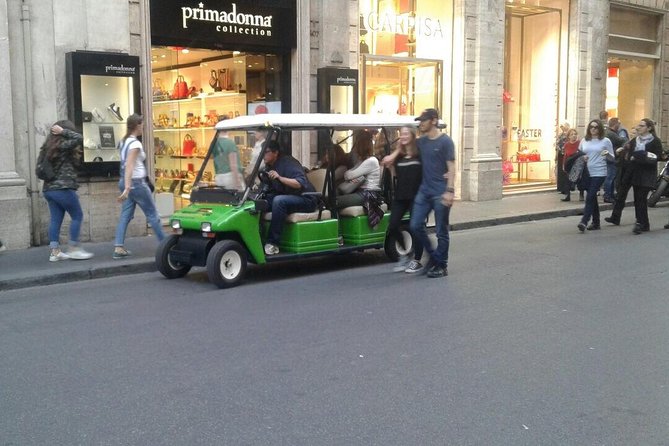
At $150.18 per person for about 3 hours, you’re paying for three things: transportation, a driver-guide, and a tight sequence of top sights in one go. You’re not paying for museum admissions, and that’s important for value math.
Here’s how to judge whether it’s worth it for you:
- If you want an efficient intro to Imperial Rome and you still plan to go deeper on your own later, the price can feel fair.
- If you’re hoping the tour includes major indoor museum tickets or long timed entry experiences, you’ll likely feel disappointed.
In other words, it’s best seen as a guided “look-and-understand” loop. You’ll walk briefly at each stop, then ride onward, which helps you keep momentum in a city where time disappears quickly.
Getting started at Via Ludovisi and how the loop runs
The meeting point is Via Ludovisi, 00187 Roma RM, Italy, and the tour ends back at the meeting spot. Pickup is offered, and the tour uses a mobile ticket, so you’ll want to have your phone ready.
This starts as a small-group experience, up to 10 people, which is a big deal in Rome. Small groups mean fewer delays when the guide needs to manage traffic, make photo stops, or adjust pacing if someone needs a short pause.
The format is straightforward: you ride between highlights, then spend short windows at each landmark. That short-stop style is why you can hit so many places in a single afternoon or morning block.
Piazza Navona: ancient stadium vibes in 20 minutes
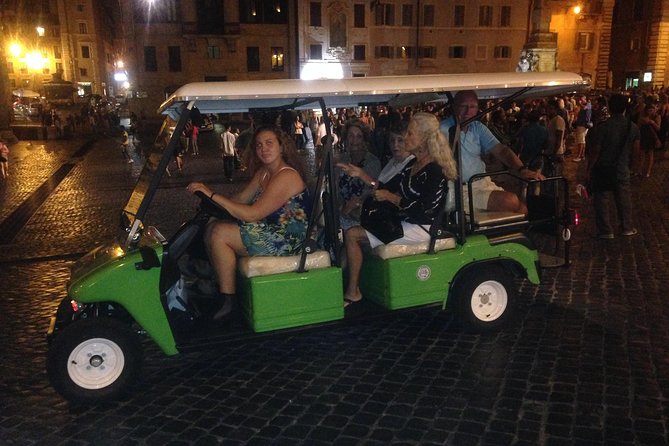
Your first stop is Piazza Navona, where you get to walk in the shadow of the ancient Domitian stadium. It’s one of those places where “wow” happens fast, because the square is visually stacked: the fountains, the church nearby, and the sense that you’re standing on top of Roman layers.
You’ll have about 20 minutes, which is long enough to do two useful things:
- take in the space and get your bearings for photos
- read the scene with the guide’s narration before you move on
One practical tip: treat Piazza Navona like your warm-up. Use it to slow down, frame the fountain shots, and get comfortable with the walking rhythm before the rest of the route starts stacking up.
Trevi Fountain coin toss, plus a smart photo plan
Next is the Trevi Fountain. It’s a quick stop, about 15 minutes, but it’s set up well: you’ll see it in full view and have time for the classic coin toss moment.
At Trevi, timing is everything. Since you only have a short window, you’ll want to decide ahead of time what matters most to you:
- do you want close-up fountain photos, or
- do you want a wider square view that shows the buildings around it?
If you’re with kids, this is also a solid “energy check” stop, because you can pause, take photos, and then reset before moving to the larger open-air sites.



Circo Massimo and the Palatine backdrop in just 10 minutes
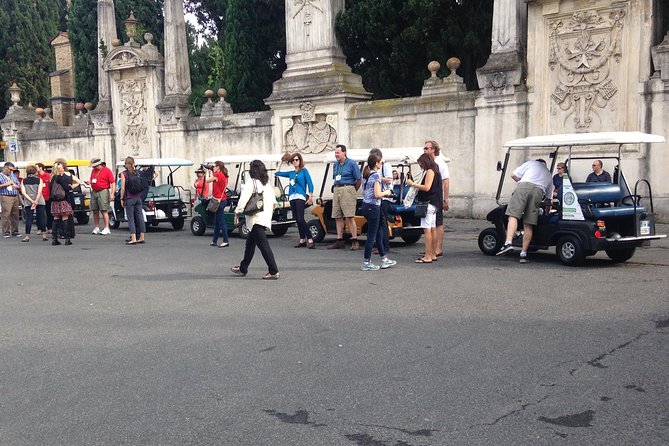
Then you head to Circo Massimo, with about 10 minutes to observe Circus Maximus and take in the backdrop of the Palatine. This stop can feel small on the clock, but it works because the setting does a lot of the explaining.
Even if you don’t go into any museum-type space, you still get the mental picture of how big Roman spectacles were. The guide’s commentary is what makes those ruins meaningful, and the cart ride between stops helps you keep the flow, instead of spending your time traveling across town.
Colosseum viewing without the museum workload
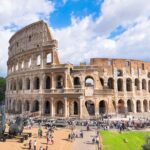
After that, you’ll arrive at the Colosseum area for about 20 minutes. This is the point where most people feel the Roman setting click into place. The Colosseum is famous, but seeing it as part of a connected route is different from seeing it in isolation.
A key value detail: the tour focuses on viewing and short time on site. Museum entrances are not included, so if you want deeper inside-the-structure experiences, plan to do that separately.
Still, for many visitors, this is the right balance: you get the iconic exterior impact, you get guide context, and you don’t lose half a day to ticket lines and indoor pacing.
Pantheon stop: the temple-of-all-gods moment
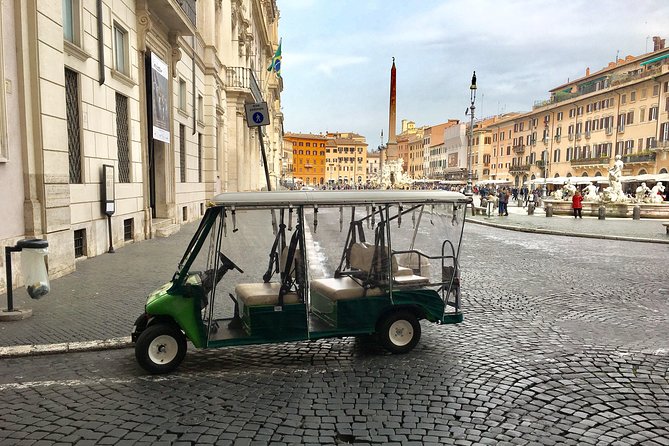
Next is the Pantheon, also about 20 minutes. You’ll see it as the temple of all gods and take in the classic architecture that makes the building so famous.
This stop is a good example of why short guided visits can work in Rome. The Pantheon is visually powerful, but it’s the story behind it that makes the time feel “used,” not just spent looking at a landmark.
If you’re planning your own later return for a longer look, use this visit to understand the building layout and decide what you want to focus on next time.
Spanish Steps and the Barcaccia fountain in 15 minutes
You’ll then reach the Spanish Steps, with about 15 minutes. This stop is tightly timed but structured, and it includes the Barcaccia fountain, which helps because the area gives you multiple photo angles in a small radius.
The Spanish Steps can be crowded, and that can affect how long you can comfortably move and photograph. With the short stop, you’ll be better off keeping your expectations focused: grab the main views, enjoy a short walk around the square, then let the tour’s pacing move you onward.
If you’re traveling with kids, this is another good checkpoint stop, because the area is lively, and you can find a place to pause without feeling stuck in one spot too long.
Villa Borghese: a gentle finish to the loop
Finally, the route includes Villa Borghese, for about 20 minutes. The name comes with a lot of meaning in Rome, and the stop is described as Il cuore di Roma, which signals the tone: less of a single monument moment, more of a scenic, open-feeling wrap-up.
This ending can work well in two ways:
- you leave the tour with a more relaxed atmosphere than another “stand and stare” landmark
- you get a chance to keep exploring nearby on your own afterward
Even if you don’t plan to go far inside the park, the stop helps break up the intensity of the earlier hits.
Guides and driving style: what the best versions feel like
A big part of this tour’s success is the guide. In the feedback, Alessandro, Damiano, Sa, Alex, Leonardo, Giovanni, Louisa, and others are described as friendly, humorous, and ready with history in a way that stays useful on the street.
What I find practical is how often the guide approach shows up as:
- accommodating different mobility needs
- answering questions as you go
- giving suggestions for food and local shopping
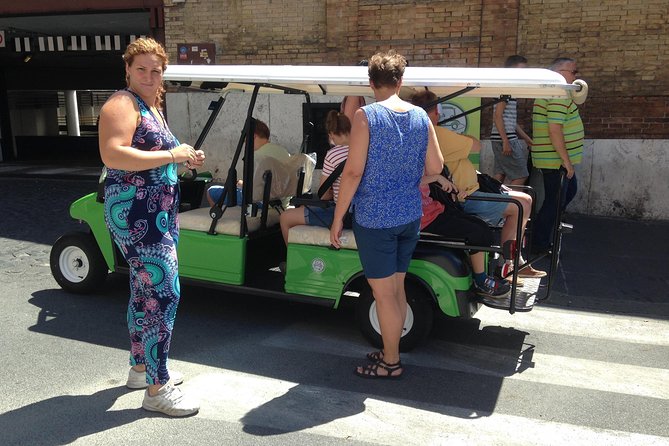
One detail that matters for comfort: carts can be oriented so you sit in different directions. In at least one note, only the front-facing seat had a seatbelt, while a rear-facing bench seat did not. That means if comfort and safety feel important to you, aim for the front seat when you can.
Practical tips for a comfy ride on Rome’s cobblestones
This tour is built for convenience, but Rome’s streets have their own rules. Cobblestones can make the cart ride feel bumpy, and that can be noticeable if you’re sensitive to uneven surfaces.
Here’s what helps:
- Dress for short walks plus waiting in open-air spaces. You’ll feel the sun and wind more than on a closed vehicle.
- If you care about hearing the guide, pay attention to where you sit. One note in the feedback said hearing can be harder from rear-facing seats.
- Bring a quick plan for photos. Since stop times are short, you’ll get more done if you decide what you want before you get out.
Also, remember that this is mostly about moving efficiently. If you want long indoor time or deep museum study, treat this as your guided primer, then schedule the deeper dive separately.
Should you book the Golf Cart Around Imperial Rome?
Book it if you want an efficient, family-friendly way to hit the biggest Imperial Rome sights in about 3 hours without exhausting walking. This route is especially appealing if you’re juggling kids, older relatives, tight schedules, or you just want your first Rome day to feel organized.
You might skip it if you’re expecting full indoor museum experiences or long stays at each monument. The tour is built for viewing and short walks, and museum entrances are not included.
One last honesty note: a small number of negative reports mention problems like late cancellations or a cart not arriving. Those cases seem rare, but it’s still wise to double-check your confirmation close to departure and keep your plans flexible if your schedule is extremely tight.
If you’re the type who likes a guided hit list, then this golf cart loop can be a great way to get your bearings fast and start spotting how Rome connects.
More Tour Reviews in Rome
Not for you? Here's more nearby things to do in Rome we have reviewed








Rome Golf Cart Tours, compared.
 ★ 4.8Imperial City Tour by Golf Cart with Optional TransferFrom $1241,024 reviews
 ★ 5.0Golf Cart Small-Group Guided Tour: Rome City HighlightsFrom $104907 reviews
 ★ 4.8City Highlights Golf Cart TourFrom $45857 reviews
 ★ 5.0Private/Group 4 Hours Golf Cart SightseeingTourFrom $168780 reviews
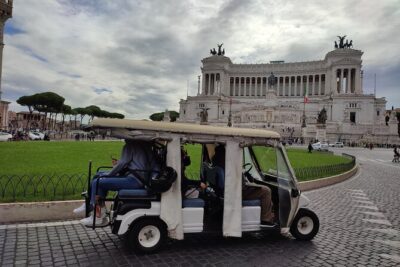 ★ 5.0Explore Rome on a Golf Cart: Private TourFrom $83757 reviews
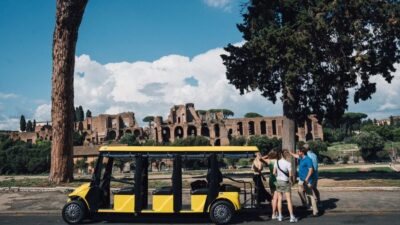 ★ 4.8City Highlights Golf Cart Tour with Local GuideFrom $71752 reviews
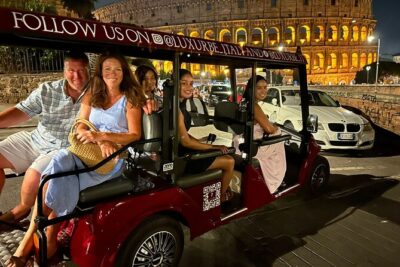 ★ 4.5Rome by Night: Golf Cart TourFrom $108688 reviews
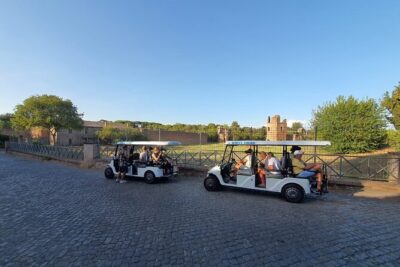 ★ 5.0Rome Catacomb & Appian Way Small-Group Tour by Golf CartFrom $107681 reviews
Browse the lists this tour appears in