
Reviewed · COLOSSEUM TOURS
Early Colosseum, Roman Forum and Palatine Hill Guided Tour
Morning ruins beat Rome’s worst sun. This early Colosseum, Roman Forum, and Palatine Hill plan is interesting because it gets you into the sites when the day is still friendly, and the guide helps the stones make sense fast, with standout pacing and Q-and-A. What I like most is the chance to enjoy the morning timing and the way guides (often including Ginevra or Katrina) explain context in a way you can actually follow, not just facts on a loop. One consideration, the walk includes some steep stairs and climbing, so plan for slower movement if you need it.
You’ll also save effort on logistics because admission and the Colosseum reservation are built in, so you spend less time figuring out lines and more time looking. The tour runs about 3 hours and keeps the group small, up to 20 people, which helps the guide manage questions and keep things moving. It even starts and ends in central spots, so you can roll into the rest of your day on your own without backtracking.
Key highlights to plan around
- Early entry for cooler, less crowded viewing (great when Rome ramps up fast)
- Professional guidance inside the Colosseum focused on what you are seeing
- Three major sites in about 3 hours, with tickets included
- Small group size (max 20) for a more controlled pace
- Multiple photo and explanation stops, not a nonstop conveyor belt
- Central meeting and ending points for an easier flow through the area
Why the early start changes the whole experience
Rome in the middle of the day can turn your plans into a heat management exercise. This tour is built for the morning, so you get the Colosseum and Forum when light, temps, and crowd levels are typically more forgiving. That matters here because you are not just looking from the sidewalk. You are moving through real archaeological spaces where you will want your energy.
I also like that the timing supports better learning. A guide can only explain well if people can actually hear over the noise and stay engaged. Morning tours tend to make that easier. If you have limited days and want a guided overview without paying for a whole day of museum marathons, this format is a solid fit.
One practical note: the morning edge is worth the effort even if you are not an early riser. You are trading sleep for comfort and quality. In this part of Rome, that trade usually wins.
You can also read our reviews of more guided tours in Rome



Meeting at Piazza di San Clemente, finishing near the Colosseum
You meet at Piazza di San Clemente (Piazza di S. Clemente, 00184 Roma RM) and the tour ends at Piazza del Colosseo (P.za del Colosseo, 00184 Roma RM). That matters because you do not start in a remote area and you do not end miles away from your next plan.
The meeting point is also near public transportation, which is helpful since this tour does not include hotel pickup or drop-off. If your hotel is within walking distance, great. If not, plan to use transit and build in a little buffer so you can handle stairs up to street level and any security checks without stress.
The tour includes admission ticketing and reservation management for the Colosseum, so once you are at the start point, you can focus on the experience rather than tickets. This is one of those “small details that save your brain” advantages that adds up fast.
What you get for $66.23: value beyond the ticket
At $66.23 per person, you are paying for a guided, ticketed morning that covers three major stops in roughly 3 hours. The Colosseum entrance ticket is listed as valued at €18 per person, plus a Colosseum reservation fee valued at €2 per person. Your remaining cost covers the professional guide and other services.
So the price is not just about entry. It is about time and interpretation. The Colosseum, Roman Forum, and Palatine Hill can feel like random ruins if you have no framework. A good guide gives you that framework quickly, pointing out how different spaces connected and what you should look for as you move.
This is especially valuable if you want to avoid the classic Rome experience where you wander, take photos, and then realize you missed half the story because no one pointed it out. With a guide, you get explanations during the walk, plus the chance to ask questions and adjust your pace based on what you find most interesting.
The tour is also capped at a maximum of 20 travelers. That size is big enough to be affordable, but small enough that you usually are not stuck behind dozens of people trying to hear a whisper over cannon-level crowd noise.
Stop 1: Colosseum, from hidden corners to real context
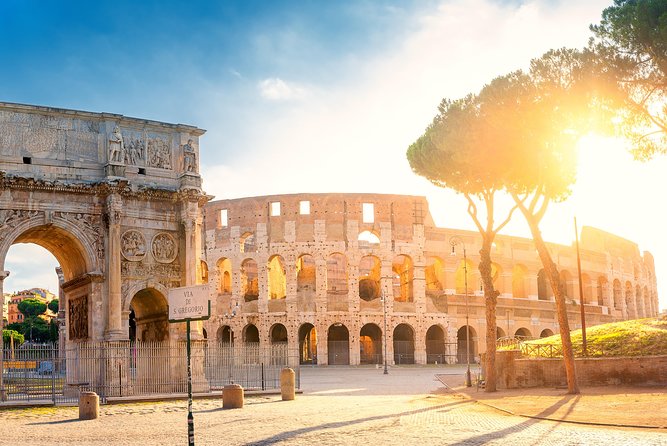
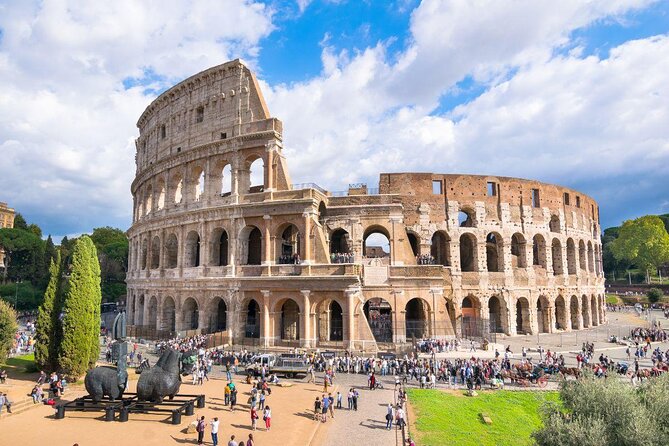
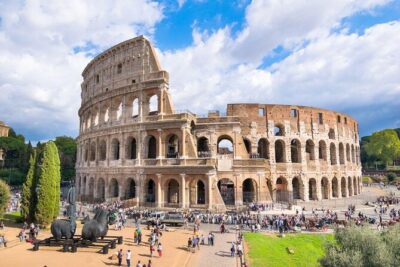
The tour’s first stop is the Colosseum, with about 1 hour on site. Your guide leads you through parts of the amphitheater experience beyond the obvious headline viewpoints. The goal is not just to stand in front of famous arches, it is to understand what you are looking at and why that space mattered.
This is where the guide quality really shows. Based on what has worked well on past runs, you can expect explanations that bring the setting to life and a pacing that avoids rushing you through everything. Some guides, including Ginevra or Katrina, have been praised for staying patient, stopping to talk through specific areas, and handling questions without making people feel cut off.
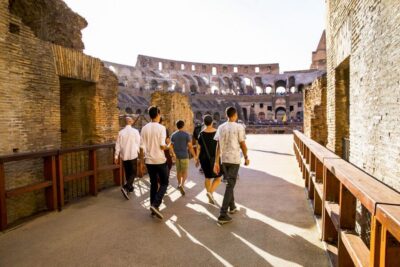
There is also a realism check built into the Colosseum: you are going to climb. Reviews specifically flagged steep stairs and lots of walking, and one good reminder is that your guide may be willing to slow down if the group needs it. Still, plan for the physical reality. Wear supportive shoes. Bring a light layer if the morning is cool, because that can change quickly.
If you like photography, the inside route gives you more chances than a “quick look then exit” approach. Aim to take photos between explanation moments, not only during them. You want the learning to stick, not just the images.
Stop 2: Palatine Hill and the Romulus legend
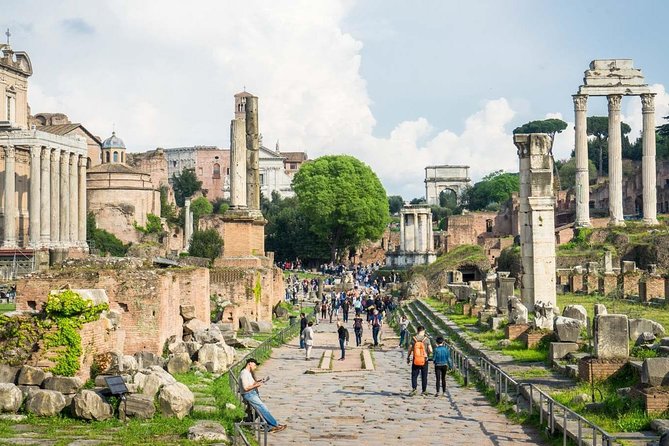
After the Colosseum, you move to Palatine Hill for about 45 minutes. This stop is special because Palatine is not just “old ruins,” it is tied to the origin stories Romans liked to tell about themselves. The site traces back to an older settlement from the 9th century BC, and legend says this is where Romulus founded the original city of Rome.
Even if you are not a hardcore history fan, a place like Palatine works well with a guide. The hill layout and scattered remains can feel confusing without help tying it together. A guide can show you what to notice and where to look as the terrain changes.
The practical side: Palatine is uphill and uneven. This is another moment to keep expectations grounded. You are not sitting down for a lecture. You are walking on archaeological ground, and that means pace and footwear matter again.
If your knees are sensitive, take your time on the steeper stretches. The tour timing gives you enough room to slow down without feeling like you are completely falling behind, and smaller group size helps because you are not stuck trying to pass people in a bottleneck.





Stop 3: Roman Forum ruins in a focused 45 minutes
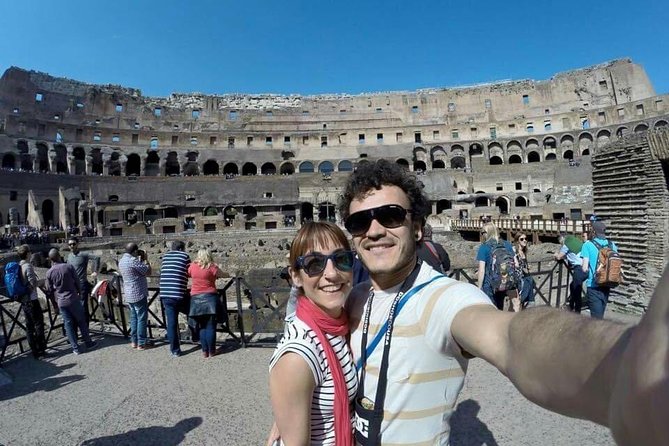
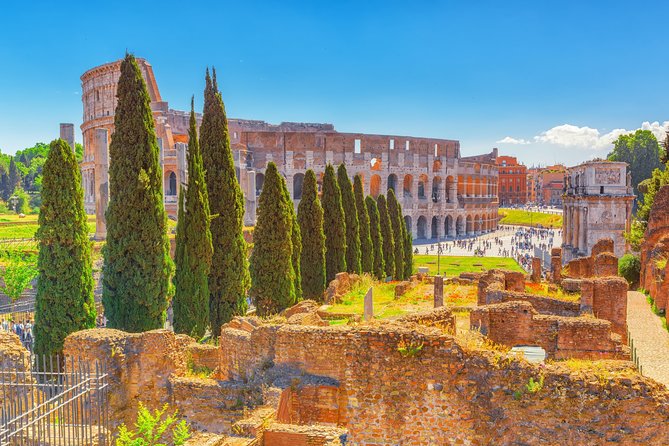
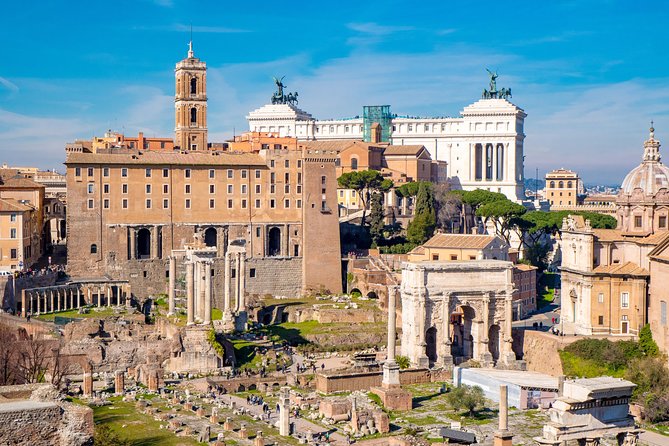
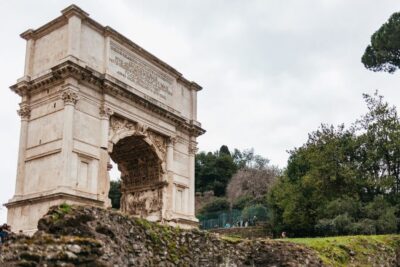
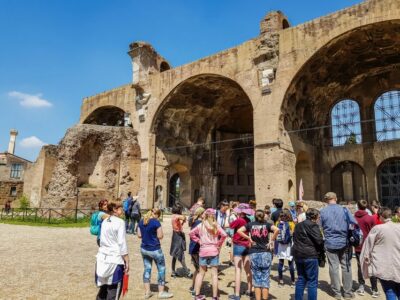
The final major stop is the Roman Forum, again about 45 minutes. This is one of the most important archaeological areas in the world, and it is filled with some of Ancient Rome’s most evocative ruins.
The Forum can overwhelm people because you see so much space and so many remnants at once. The value of a guided visit is having someone interpret what you are looking at while you are standing in the right spot. You also avoid the common mistake of trying to “see everything” yourself, which is usually impossible and often exhausting.
This part of the tour tends to work best if you are okay with a whistle-stop learning style. You will get the big picture and the key ideas, and you will leave with a clearer sense of what the area represented in daily Roman life. If you want more, you can always spend extra independent time afterward, but having context first makes that optional extra time far more satisfying.
One more practical thought: the Forum’s open-air layout and footpaths can feel busy. Keep water in mind. There is no food or drinks included, so bring what you need or plan to buy a bottle before you meet.
Pace, stairs, and how the group size affects your comfort
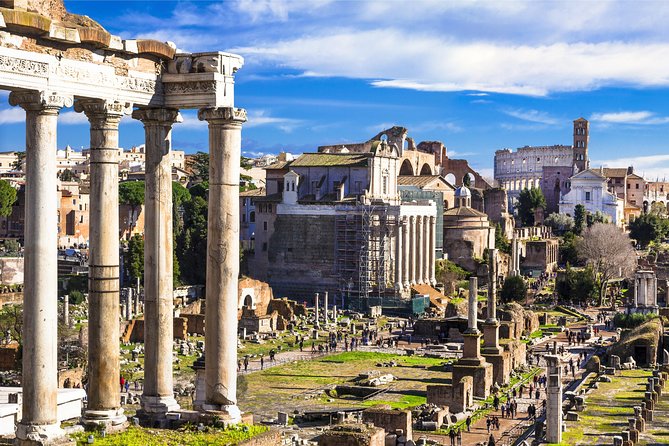
This tour is built for most travelers, and it allows service animals. Still, “most travelers” does not mean “no effort.” The Colosseum and Palatine are the main workout moments, with steep stairs, uneven surfaces, and plenty of walking over the full 3-hour experience.
What I appreciate about the way the tour is run is the focus on pacing. Multiple guides have been praised for not rushing people, stopping to explain areas, and creating a rhythm that still lets you explore and take pictures. That is huge. If you hate being herded, look for a morning guide who keeps the flow but slows down when someone has a question or needs an extra minute.
With up to 20 travelers, you usually get a balance between affordability and control. You are not stuck in a huge crowd where your guide’s voice disappears. You also are not in a private setup where you feel pressured to keep up socially. It lands in that sweet spot for many first-time visitors.
If you are traveling with older relatives or anyone who tires quickly, wear good shoes and consider doing less sightseeing after. Plan a longer lunch or a slower afternoon. You will feel the walking even if you do everything “right.”
Tickets and what to bring so you do not get turned away
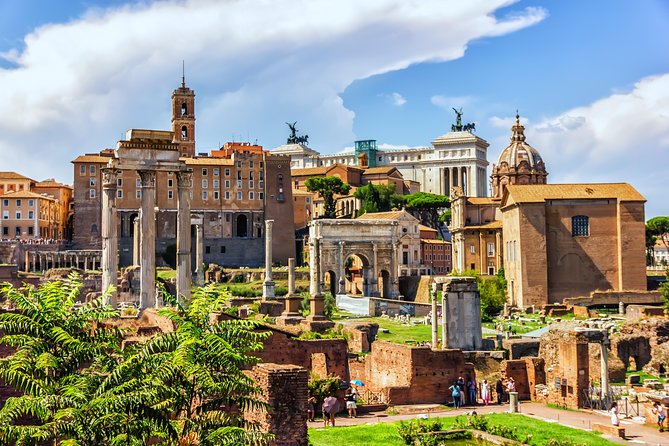
You get the Colosseum entrance ticket and Colosseum reservation fee included. That removes one major headache. But the tour still requires that everyone’s details match for entry.
Before you go, make sure you have the full names of all travelers exactly as provided at booking. At the ticket office prior to entry, failure to present a voucher with all travelers’ full names may result in denied entry to the Colosseum and Roman Forum.
Also bring a valid passport or ID document that matches the name on the booking for successful entry. This is not a “probably fine” situation. Match names and bring the document that works at the gate.
For day-of comfort, I suggest you bring:
- Comfortable shoes for stairs and uneven ground
- A hat and sunscreen if your morning starts sunny
- A small bottle of water, since food and drinks are not included
- A light layer if mornings feel cool
If you arrive early, you usually have time to orient yourself at the meeting plaza and get ready. It is better to show up a bit before start than to come sprinting up minutes late.
Weather and operational changes you might need to accept
Rome can change quickly. The itinerary may vary depending on weather conditions such as ice, rain, or high temperatures, or other events beyond the travel agency’s control. That is normal in a city where big public sites have changing rules and conditions.
If it is hot, the early start helps, but you still might encounter warm spells. If it is rainy, expect surfaces to be slick and walking to feel slower. If snow or ice becomes an issue, the route could shift.
My advice is simple: treat the tour as the core plan, but stay flexible with your expectations for the exact walk. If you come prepared with shoes and a layer, you will adapt more easily.
Should you book this early Colosseum, Roman Forum and Palatine Hill tour?
Book it if you want a morning-first way to see three top Rome sites in a single guided loop, with tickets handled for you and a guide who helps you understand what you are seeing. It is a strong choice for first-timers, limited-time visitors, and anyone who does not want to spend hours figuring out entry procedures while also trying to interpret ancient ruins alone.
Skip or reconsider if you dislike stair-heavy walking or you need very slow pacing. The Colosseum and Palatine both involve climbing and uneven ground. Also, if your main goal is total independence, you might prefer a self-guided visit so you can linger exactly where you want, without moving as a group.
If you are okay with some physical effort and you value guided explanations you can use immediately, this is a smart way to make your limited Rome time count.
FAQ
How long is the Early Colosseum, Roman Forum and Palatine Hill guided tour?
It lasts about 3 hours.
What language is the tour offered in?
The tour is offered in English.
Are entrance tickets included for all three sites?
Yes. Colosseum admission ticket and reservation fee are included, and admission tickets are also included for Palatine Hill and the Roman Forum.
Where do I meet the guide, and where does the tour end?
The tour starts at Piazza di San Clemente (Piazza di S. Clemente) and ends at Piazza del Colosseo (P.za del Colosseo).
Is hotel pickup and drop-off included?
No. Hotel pickup and drop-off are not included.
What is the maximum group size?
The tour has a maximum of 20 travelers.
What documents do I need for entry?
You must present a valid passport or ID document that matches the name provided at booking. You also need a voucher with all travelers’ full names, or entry may be denied.
Is the tour refundable if I cancel?
This experience is non-refundable and cannot be changed for any reason.
More Guided Tours in Rome
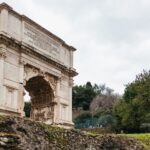
More Tours in Rome

More Tour Reviews in Rome
Not for you? Here's more nearby things to do in Rome we have reviewed












Colosseum Tours, compared.
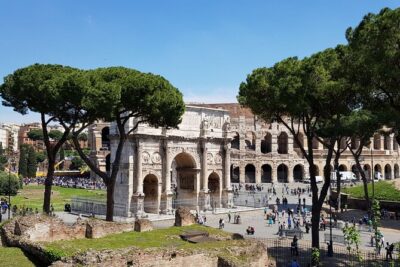 ★ 4.8Colosseum, Palatine Hill and Roman Forum Guided TourFrom $5232,814 reviews
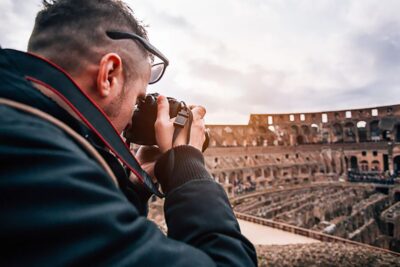 ★ 4.7Guided Tour of Colosseum, Roman Forum & Palatine HillFrom $5527,897 reviews
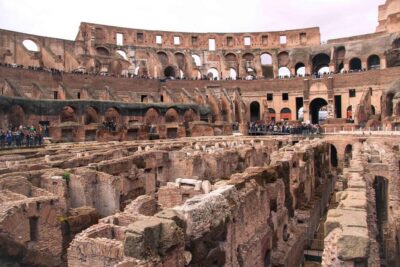 ★ 4.2Colosseum & Forum with Audio Guide App -Optional ArenaFrom $4124,770 reviews
 ★ 4.5Colosseum, Roman Forum and Palatine Hill Guided TourFrom $5923,903 reviews
 ★ 4.4Colosseum, Forum & Palatine Hill Tour & Optional ArenaFrom $5813,839 reviews
 ★ 4.6Colosseum, Palatine Hill & Roman Forum Guided TourFrom $5112,703 reviews
 ★ 4.7Colosseum: Underground and Ancient Rome TourFrom $16012,691 reviews
 ★ 4.6Colosseum Arena, Palatine Hill & Forum Guided TourFrom $7310,584 reviews
Browse the lists this tour appears in