
Reviewed · TREVI FOUNTAIN & PIAZZAS TOURS
Cooking Class 2 Hour Spanish Steps – Fettucine and Tiramisù
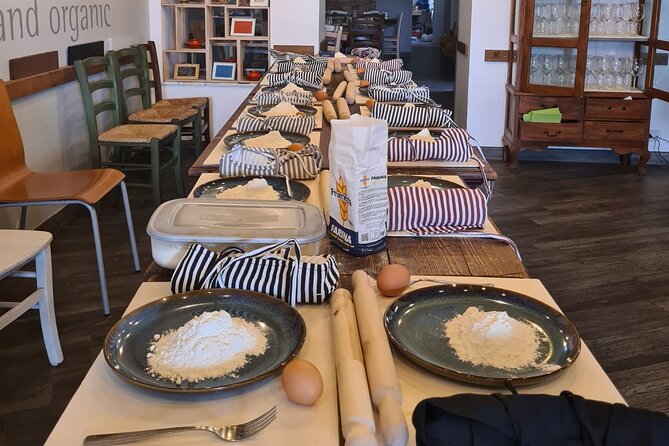
Fresh pasta, then the Spanish Steps. This 2-hour Rome class pairs hands-on cooking with a straightforward, local-romance plan: learn the dough, shape fettuccine, and finish with tiramisù, then head nearby for one of the city’s most famous photo stops. You get a real restaurant setting and an English-speaking guide, plus multiple start times to fit how your day is already going.
I like that the class is designed for results fast, not just theory. You also get a small-group vibe (max 20), and the meal includes wine and an end-of-meal limoncello shot. One drawback to keep in mind: it is quick, and some people want more time for extra steps like sauce-making, so serious cooks may feel slightly rushed.
Key highlights
- Small group format (up to 20) makes it easier to get help while you work.
- Fresh fettuccine dough practice uses simple, hands-on technique you can repeat at home.
- Tiramisu is part of the class flow, not just something you eat after.
- Wine plus limoncello turns the meal into a proper Roman evening without extra planning.
- Spanish Steps right after class is a smart way to stack experiences in the same area.
Fresh fettuccine and the Roman restaurant vibe
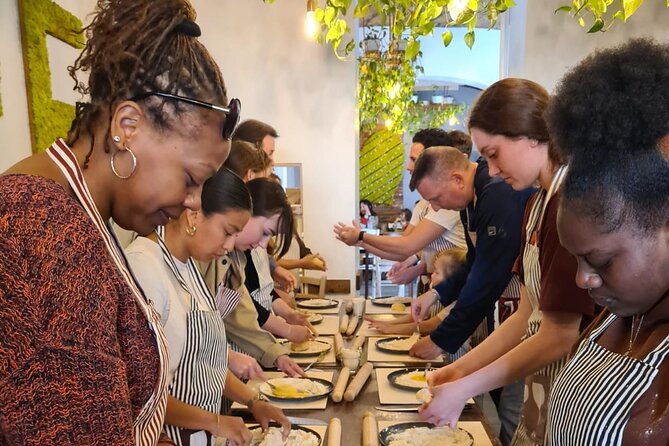
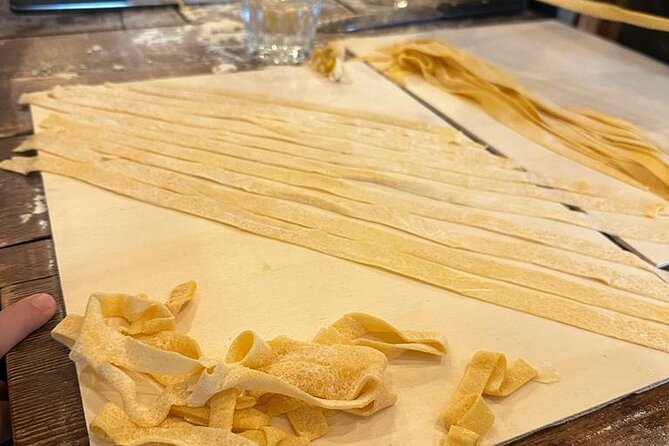
The whole experience is built around the core move: turning basic ingredients into fresh pasta using your hands. You start from scratch with dough, then move into the rolling and shaping part that makes Italian pasta feel like pasta, not just dough. The setting matters too. This happens in the center of Rome in a working restaurant, not a demo kitchen, so the pace feels like a real meal day.
In practical terms, expect the class to be step-by-step and fast-moving. You should plan to be active the entire time, not watch from the sidelines. If you want something more relaxed, this may feel busy. If you want a hands-on skill you can take home, it’s well matched.
You can also read our reviews of more cooking classes in Rome

The “step by step” technique that actually helps at home
You are not just handed an apron and told good luck. The lesson is structured so you learn the simplest, oldest technique behind a famous tradition, and you also get context about the dish and its many forms. That matters because it helps you understand what you are doing, not just what the final shape is.
One thing I think is especially useful for first-timers is learning dough consistency. Several classes led by different chefs have been praised for being patient and encouraging, and that patience is what lets you correct small mistakes before they turn into a sticky mess. Your instructor might not be the named chef in the description, and that is normal. You could end up with a teacher like Lucas, Irina, Lillo, Paulo, or others who run the session, but the goal stays the same: you finish with pasta you can be proud of.
Practical tip: wear something you do not mind getting flour on. Also, ask for help early if your dough feels too dry or too soft. Fresh pasta is forgiving only until it is not.
Choosing your pasta sauce, and what to double-check
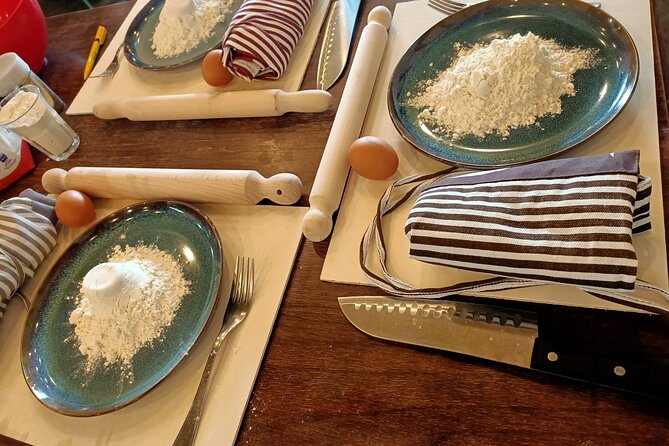
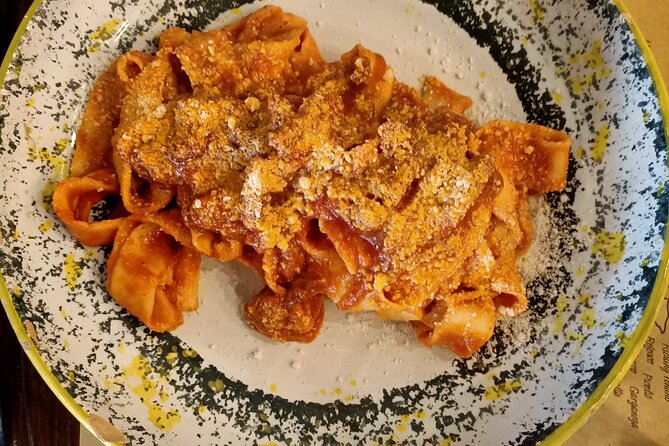
The class includes a sauce of your choice for your pasta, which is a nice way to tailor the meal to your tastes. At the same time, the details also note that sauces are not included. That sounds like a mismatch, so treat it as a prompt to confirm what you select on the day, and what is covered versus charged as an add-on.
If your priority is classic simplicity, this is still a great choice. You will get to focus on the pasta itself, and the sauce becomes the fun part where you see how flavor changes the final bite. Just go in with the mindset that the class is centered on pasta and technique, not a long, multi-step sauce workshop.
Tiramisu: the dessert that keeps the evening sweet and social
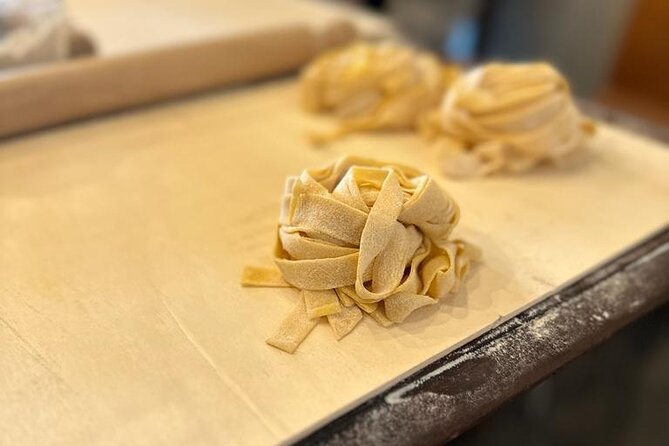
Tiramisu is built into the class flow. The details say it gets cooked all together, and that both pasta and tiramisù happen in parallel cooking steps, with pastas divided by sauce. Translation: you work, they cook in the background, and you finish by eating what you made.
This is one reason the experience feels like a vacation activity, not a lecture. You are busy enough to stay engaged, but the end result lands right on time so the sweet part of the evening does not feel rushed. People have also described the dessert part as approachable, including times when an instructor helped everyone participate and not just watch.
If you are traveling with kids or a teen who wants something interactive, dessert-making is often the hook. It gives everyone a role, and it is hard to be bored when you are assembling something that smells like coffee and cocoa.
Wine, limoncello, and planning around the timing
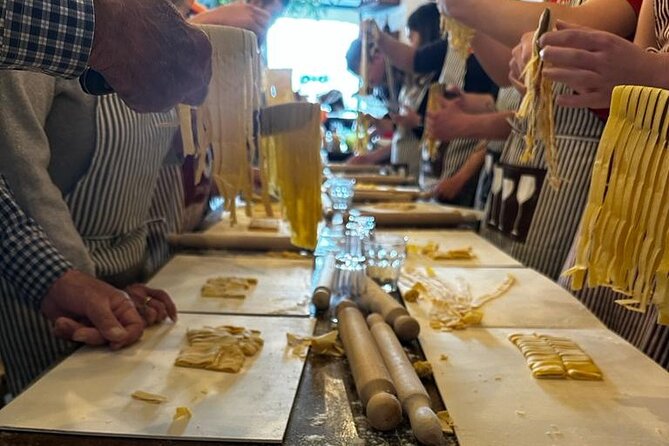
A key part of the value is that you get one glass of wine of your choice between white or red, or a soft drink alternative. Then, at the end, you also get limoncello (the details note limoncello at the end of the meal, with a choice of limoncello shot or espresso after the meal). If you do not want alcohol, you still get a non-alcohol option, so the experience is not locked behind wine.
One timing note matters: the stated duration is about 2 hours, and the included materials say time to eat is not included. That means the cooking clock may end, but you might still be at the restaurant for the meal itself. Build a buffer for the rest of your afternoon or evening, especially if you plan to walk over to other sights right after.
Also, alcohol service follows Italy’s age rules, so if you are traveling with younger visitors, plan on soft drinks for them. The class still works well for families, based on how it is described and how groups have been organized for mixed ages.
A few more Rome tours and experiences worth a look



Walking to the Spanish Steps after you cook
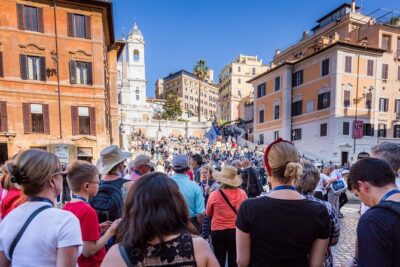
This is where the day plan feels clever. You learn pasta in the central Rome area, then you head to the nearby Spanish Steps after the class. You do not need a complicated second ticket. It is a simple “do this, then go see that” flow.
Because your class ends back at the meeting point, you will likely spend your next hour making it your own: stroll, photo, and then wander into the side streets where Rome gets quieter and more local. The biggest practical win is energy management. You spend your time in a comfortable indoor activity, then step back outside when the rest of your sightseeing mood returns.
If you are sensitive to crowds or heat, this is still worth thinking about. Start times can help. You can usually pick a start time that suits the rest of your day, so choose one that avoids the hottest or most packed hours for you.
What to expect from the class size and group energy

With a maximum of 20 travelers, this is big enough to feel social but small enough for attention. Many people focus on the fun element, but the real advantage is that you can actually get help while you handle the dough. If you are cooking for the first time, that help is the difference between a passable result and a great one.
The class tone is described as lively and friendly, and instructors have been praised for being entertaining and easy to follow. In some sessions, you may meet chefs who remember names and try to connect with the whole group. When that happens, you feel less like you are doing a chore and more like you are joining a team.
Practical expectation: it is fast-paced. You will move from one step to the next. If you hate rushing or want slow, detailed technique training, pick a longer workshop in Rome instead.
Price and value: what $113.72 covers, and what it does not
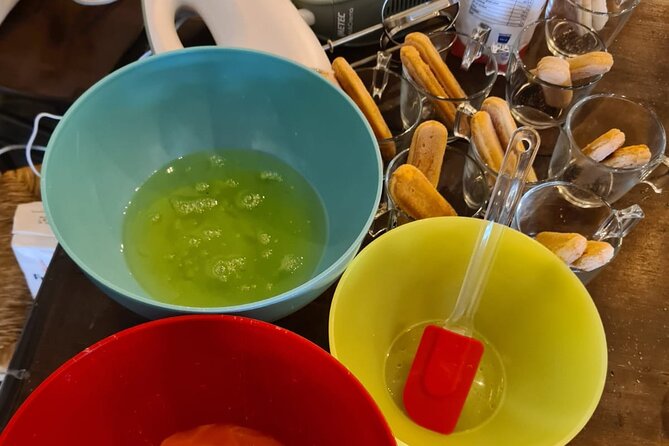
At $113.72 per person, you are paying for a bundle: cooking class, equipment, wine or soft drink, bottled water, limoncello at the end, and a certificate. You also get coffee and/or tea at the end, with the option of espresso or limoncello shot depending on what the restaurant offers at that point.
For a Rome activity, that is decent value because the included items are not just symbolic. You are making the meal, then eating it, and the wine and limoncello make the whole experience feel like a proper dinner, not a snack-and-watch. It also helps that the class is taught in English, which reduces the stress of not knowing what someone is telling you in the middle of pasta rolling.
What might cost extra as an add-on? The details say extras are not included, and there is the sauce ambiguity noted earlier. If you care about a specific wine or want extra drinks, expect that to be outside the base package. That said, you should not feel like you are being nickel-and-dimed during the core experience.
Common friction points to consider before you book
This is not a slow, deep culinary apprenticeship. Some feedback points to the class feeling more like a fun, beginner-friendly skill session than a serious training course. If your goal is technique refinement, your time may feel a bit short.
There is also the question of how much you eat. The experience is described as a meal that you cook and then enjoy, but the portion and pacing can feel different depending on how hungry you were and how your group fits into the restaurant flow. If you are coming straight from a long walking day, grab a quick bite before you arrive so you are not starting the class running on empty.
Finally, because the chef teacher may vary and the named chef might not be the instructor, keep expectations flexible. The structure seems consistent, but the personality and teaching style can change. If you are someone who learns best from one specific approach, you might want to treat this as a guided activity rather than a guaranteed one-trick teaching method.
Best for you if…
You should seriously consider this if you want an active Rome experience with a payoff you can eat and recreate. It works especially well if you are:
- Doing a first-time Rome trip and want a change of pace from sightseeing
- Traveling with a partner, friends, or teens who enjoy interactive activities
- Interested in fresh pasta technique more than restaurant review hopping
- Looking for a rainy-day plan that still feels like Italy
It may not be the best match if you want a long class, sauce-making as a centerpiece, or a quiet, contemplative cooking retreat.
Should you book the 2-hour Spanish Steps pasta and tiramisù class?
I would book it if you want a high-energy, beginner-friendly cooking win in the heart of Rome, with hands-on results and an easy next step to the Spanish Steps. The included wine and limoncello give the meal weight, and the small-group size helps you actually learn while you work.
I would think twice if your main goal is deep, technical training or if you hate time pressure. Also, given the sauce wording ambiguity, if sauce choice matters a lot to you, confirm what is included for your selection when you book or on the day.
If your ideal day is simple and rewarding, this one fits.
FAQ
How long is the cooking class?
The class runs for about 2 hours.
Where do I meet for the class?
The meeting point is V. della Croce, 34, 00187 Roma RM, Italy, and the activity ends back at the meeting point.
Is the class offered in English?
Yes, it is offered in English.
What dishes will I make?
You will make fresh pasta (fettuccine) and tiramisù.
What is included in the price?
Included: the cooking class, equipment, a pasta sauce of your choice (with notes about sauces not included), 1 glass of wine or soft drink, bottled water, coffee and/or tea at the end, limoncello at the end, and an award certificate.
Do I get taken to the Spanish Steps?
The experience highlights say you will go to the nearby Spanish Steps after your class.
How large is the group?
The maximum group size is 20 travelers.
Is alcohol included, and are there age limits?
A glass of wine is included, and service follows Italy’s legal drinking age of 18. If you are not of legal drinking age, alcoholic beverages will not be served.
More Workshops & Classes in Rome
More Cooking Classes in Rome
More Tour Reviews in Rome


Not for you? Here's more nearby things to do in Rome we have reviewed





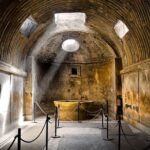


Trevi Fountain & Piazzas Tours, compared.
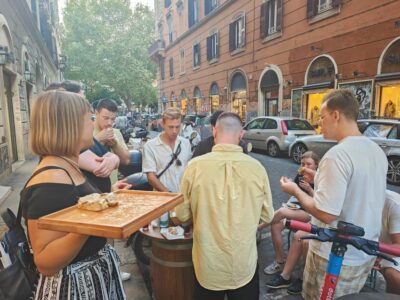 ★ 4.9Trastevere & Campo de Fiori Street Food Walking TourFrom $512,768 reviews
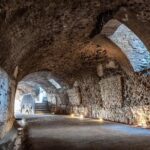
 ★ 4.3Trevi Fountain and Underground Guided TourFrom $411,664 reviews
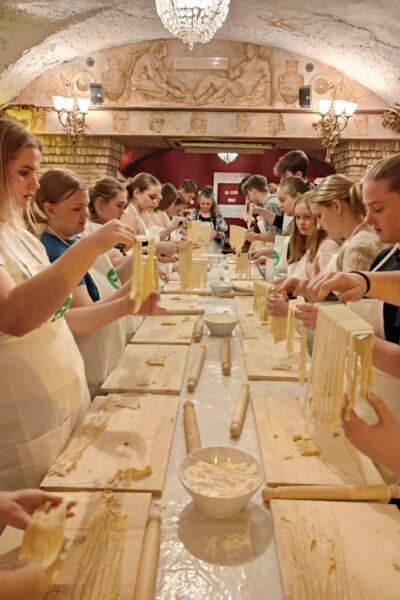 ★ 4.8Pasta & Tiramisu Cooking Class near the Spanish StepsFrom $581,395 reviews
 ★ 4.7Traditional Pizza Cooking Class near Piazza NavonaFrom $461,241 reviews
 ★ 4.7Opera Concert at Palazzo Poli – Fontana di TreviFrom $471,026 reviews
 ★ 4.5Best of Rome Walking Tour including Trevi FountainFrom $4923 reviews
 ★ 4.5Catacombs Tour with Transfer – Optional Capuchin Crypt or TreviFrom $54694 reviews
 ★ 4.5Rome Walking Tour with Piazza Navona, Trevi Fountain and PantheonFrom $35676 reviews
Browse the lists this tour appears in