
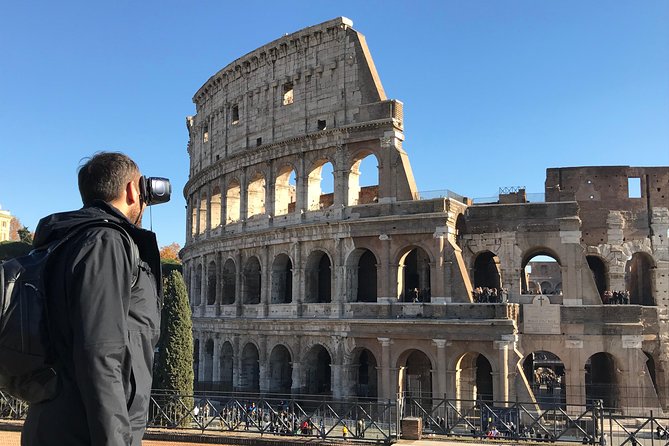
Reviewed · COLOSSEUM TOURS
Colosseum guided tour with Virtual Reality
Roman ruins feel clearer with a little tech. This 3-hour Colosseum guided tour pairs a live guide with Oculus Go VR and an app of 100 3D reconstructions of Ancient Rome, so you spend less time guessing and more time understanding what you’re seeing. You also cover several headline stops in one go, which is a big deal in Rome when your day is already packed.
What I like most is how the tour keeps it focused and human. You get an official guide in person, and the group caps at 10 people, so you’re not lost in a crowd. The guide, Dario Andreucci, is the kind of communicator who helps you connect the timeline and the architecture, not just recite dates.
One drawback to plan for is money, not time. The Colosseum entrance fee (€18.00 per person) is not included, so you’ll need to budget for that on top of the tour price.
Key highlights worth planning around
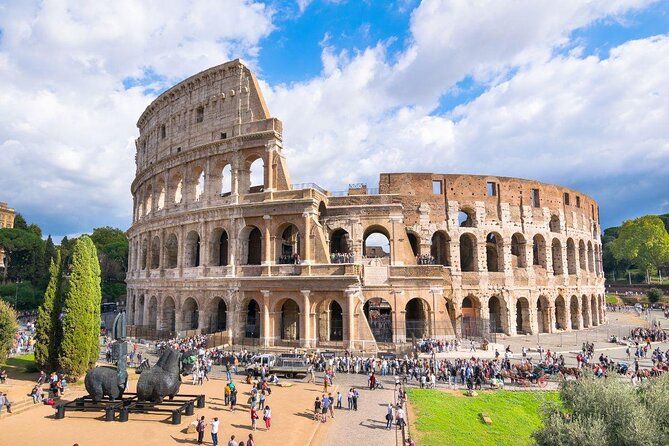
- Small group (max 10 people) keeps questions easy and the pace workable.
- Oculus Go VR + 100 3D reconstructions helps you visualize how the sites may have looked.
- Colosseum access to the 1st and 2nd floors gives you more vertical views than the usual quick pass.
- Guided stops across multiple monuments means you connect the Colosseum story to the Forum area.
- Rain or shine makes it easier to lock in your schedule without babysitting the weather.
- Ends near Via Cavour so you can roll right into your next Roman adventure.
Colosseum and Roman Forum in one smooth circuit
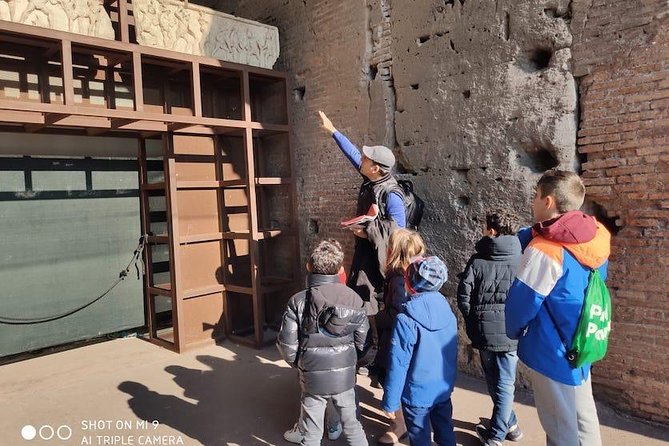
If your Rome checklist includes the Colosseum and the Roman Forum, this format is practical. Instead of picking separate tours and spending half your day in lines and transit, you hit the Colosseum first and then link the story outward with major nearby monuments. The route also makes sense visually, because arches and basilica ruins naturally “bridge” you to the Forum area.
The tour runs about 3 hours and is offered in English, which helps if you want a guided explanation without having to hunt for details on your own. And because it runs rain or shine, you can treat it like a reliable anchor on the calendar, not a maybe.
Physical effort is light to moderate. You should be comfortable walking and moving between stops, and the itinerary is not built like a sit-down museum tour.
You can also read our reviews of more guided tours in Rome



Meeting point at Piazza del Colosseo, plus what you must have
You start at Piazza del Colosseo, 1, 00184 Rome. That’s a sensible choice because it puts you right by the Colosseum area before you go anywhere else. The tour ends outside the Roman Forum, near Via Cavour, so you’re not forced to backtrack.
Before you go, take the administrative steps seriously. You’ll need:
- A mobile ticket
- Full names for everyone when booking
- A valid passport or ID document that matches those names
If your names don’t match the ID you show at the ticket office, you can be denied entry to the Colosseum and Roman Forum. That’s not a problem you want to gamble on, so I’d treat ID matching as part of the trip prep, not an afterthought.
Dress code is smart casual. Think comfortable shoes over fancy outfits, because Rome ruins are not a fashion runway.
Oculus Go VR and the app with 100 3D reconstructions
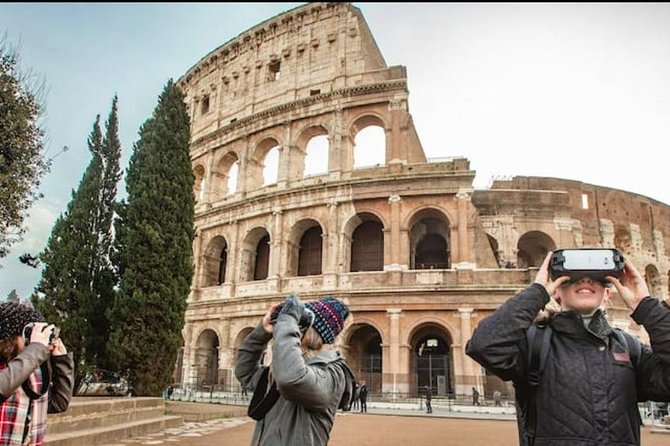
The VR setup is one of the main reasons this tour works. You’re not just hearing about what’s missing. You’re seeing reconstructions that help you fill the blanks as your guide points out real features.
You get:
- Oculus Go VR equipment
- An app with 100 3D reconstructions of Ancient Rome
Why that matters: the Colosseum and Forum can feel confusing because so much is worn down or partially collapsed. VR gives your brain a model to compare against. That means you can start spotting the “shape of the building,” understanding where crowds might have moved, and recognizing architectural ideas that otherwise blur together.
Tip for comfort: the VR gear is something you wear, so plan for a hands-and-head moment. If you’re sensitive to heat or you’re prone to discomfort with headgear, consider how long you’re okay wearing equipment. The tour is short, but it is still a real, physical activity.
Entering the Colosseum: what you’re really getting
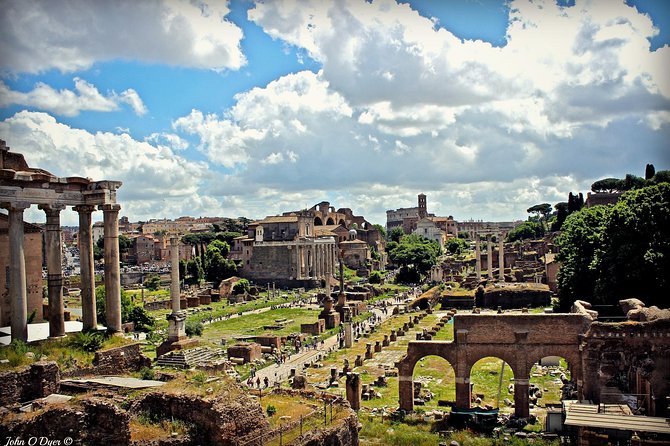
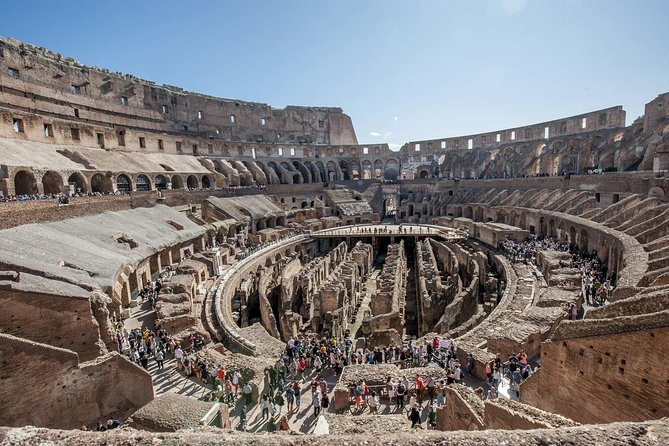
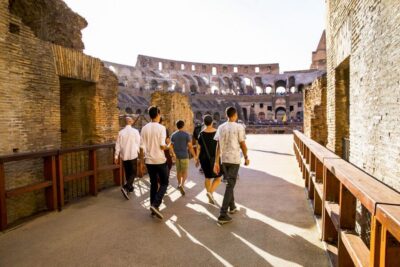
The first stop is the Colosseum, where you visit the 1st and 2nd floors with your own guide. Time on site is about 1 hour 30 minutes, and this is the core of the experience.
Here’s what makes the guided format worth it. The Colosseum is huge, but it’s also easy to wander and miss the story. A good guide helps you connect:
- What you see to how the building was used
- How the layout supports movement and viewing
- Why certain architectural choices matter
With VR reconstructions and a guide explaining what you’re looking at, you’re more likely to walk away with a mental picture that sticks. Instead of thinking, That’s an old stadium, you start understanding why it was built the way it was.
One practical note: admission is not included for the Colosseum. The fee listed is €18.00 per person, so expect to pay that separately. From a value standpoint, this is actually common for tours that include multi-monument access with guided interpretation. The VR and the guide time are the premium parts here, but you still need to handle the site entry fee.
Arch of Constantine: a quick stop with big context
Next you head to the Arch of Constantine. This stop is shorter, about 20 minutes, and it’s designed as a context bridge. Arches can feel like detours if you only think of them as photo backdrops, but a guide can quickly place them in time and explain what they were meant to communicate.
The payoff of a guided, short stop is that you learn how propaganda and power show up in stone. In Rome, the monuments around you rarely exist alone. They reference rulers, victories, and public messaging. When you understand what an arch is “saying,” the photo becomes more than a picture.
If you prefer slow travel, this is not a long pause. But if you like efficiency and want the day to stay on track, the time window fits well.





Arch of Titus: the history lesson you can actually use
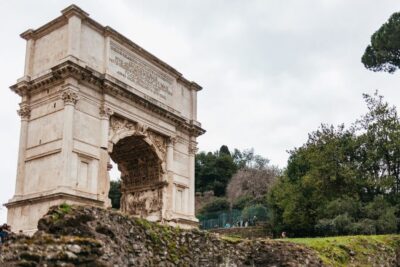
Then comes the Arch of Titus, again about 20 minutes. The tour includes a learning component focused on the history of the arch, not just a quick exterior glance.
This kind of stop works best when you view it as a chapter in a longer story. The arches sit in conversation with each other and with what comes next in your route. By the time you reach the Forum area, the meaning of the monuments tends to click more easily, because you’ve already been taught how to “read” Roman building symbolism.
If you’re trying to choose between a slow walking tour and a compact highlights tour, this is one of those routes where compact does not mean shallow. The guide’s job is to give you the key facts so you don’t feel like you’re skipping.
Basilica of Maxentius: a small stop with architectural payoff
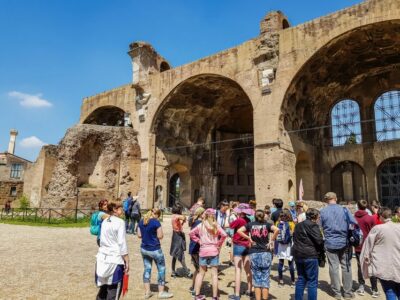
You get 10 minutes at the Ancient Basilica of Maxentius. This is a smaller window, but basilicas are worth understanding because they represent a different kind of Roman public space than arenas or ceremonial arches.
Even with limited time, a guided explanation can help you notice structural elements and get a sense of how these buildings shaped public life. You’re also building continuity for the walk toward the Roman Forum. The basilica stop acts like a transition, turning your attention from individual monuments to the civic and political center of Rome.
If you’re the type who enjoys “thinking with the guide” rather than just collecting landmarks, this short stop is a smart use of time.
Roman Forum with your guide: where the stories connect
The final major portion of the tour is the Roman Forum. You’ll spend about 30 minutes exploring it with your guide, and the emphasis is on learning the history of the Forum.
This is usually where self-guided sightseeing can feel overwhelming. The Forum is spread out, the ruins are fragmented, and it’s hard to know what matters most without guidance. Here, the guide helps you prioritize. You’re not expected to memorize everything. You’re taught enough that your walk makes sense.
At the end, the tour finishes outside the Roman Forum, nearby Via Cavour. That matters more than it sounds. It can save you time and keep you from re-crossing the same area when you’re heading to lunch, gelato, or your next stop.
How the small-group pace feels on the ground
With a maximum of 10 travelers, this isn’t a big-bus style Colosseum visit. You should expect:
- More room for questions
- Less waiting around
- A tour flow that keeps you moving without rushing you through everything
Moderate physical fitness is mentioned, which usually translates to a reasonable walking pace. You’ll go monument to monument, and you should be okay with being on your feet most of the time. This isn’t a good fit if you need a fully seated experience or if walking distances are a major issue.
Because the tour runs rain or shine, you should dress for weather. In wet conditions, comfortable shoes are key. If you’re thinking ahead, bring a plan for keeping your footing steady and your phone protected for photos.
Price and value: where the extra money makes sense
The big cost you should factor in is the Colosseum entrance fee of €18.00 per person, which is not included. Everything else that’s included is the part that changes the experience: the official guide in person, the small-group format, and the Oculus Go VR with the app and its 100 reconstructions.
So is this good value? In my view, it is when you care about understanding what you’re looking at, not just checking boxes. The VR component is the differentiator. If you’re comfortable doing monuments without a guide, you might choose a cheaper self-guided plan. But if you want a structured route and explanations that help you connect the Colosseum to the surrounding monuments and Forum area, you’re paying for interpretation time, not just access.
Also, if you’re time-strapped, the tour’s “several major stops in one session” approach is a value win. You consolidate the day into one guided effort rather than splitting it into multiple separate bookings.
Who this tour suits best
This experience is a strong match if you:
- Are visiting Rome for a first time and want the core sights organized for you
- Like tours that teach you meaning, not just names
- Enjoy visuals and want VR reconstructions to help your brain form a clearer mental map
- Prefer small groups over big crowds
It might not be the best fit if you:
- Want a long, slow wander with lots of independent time
- Are uncomfortable with wearing VR equipment for short segments
- Have difficulty with walking between stops and moving between areas at the Colosseum
Should you book this Colosseum and VR Roman Forum tour?
Yes, I’d book it if your priority is learning and getting your bearings fast in the Colosseum and Forum zone. The small group up to 10, the official guide, and the Oculus Go VR with 100 reconstructions are a smart combination for turning ruins into something you can actually picture.
Book it with eyes open on two points: you’ll pay the €18.00 Colosseum entry fee separately, and you must bring an ID that matches the names used at booking. If you can handle those basics, this is a practical way to see multiple major monuments in one guided arc without feeling like you’re piecing the day together yourself.
FAQ
How long is the Colosseum guided tour with Virtual Reality?
The tour lasts about 3 hours.
Is the tour offered in English?
Yes, it is offered in English.
What is included in the tour?
It includes Oculus Go VR equipment, an app with 100 3D reconstructions of Ancient Rome, an official guide in person, and a small group limited to a maximum of 10 people.
Do I need to pay an entrance fee for the Colosseum?
Yes. The Colosseum entrance fee is €18.00 per person and is not included.
Where does the tour start and end?
It starts at Piazza del Colosseo, 1, 00184 Rome and ends outside the Roman Forum, nearby Via Cavour.
What sites are visited during the tour?
The tour includes the Colosseum, Arch of Constantine, Arch of Titus, Basilica of Maxentius, and the Roman Forum.
What happens if it rains?
The tour runs rain or shine.
What fitness level do I need?
The tour calls for a moderate physical fitness level.
What do I need to bring for entry?
You must present a valid passport or ID document that matches the full names provided at booking. You also need to have all travelers’ full names ready, because entry to the Colosseum and Roman Forum may be denied if names do not match.
Can I get a refund if I cancel?
No. This experience is non-refundable and cannot be changed for any reason.
More Guided Tours in Rome
More Tours in Rome

More Tour Reviews in Rome
Not for you? Here's more nearby things to do in Rome we have reviewed












Colosseum Tours, compared.
 ★ 4.8Colosseum, Palatine Hill and Roman Forum Guided TourFrom $5232,814 reviews
 ★ 4.7Guided Tour of Colosseum, Roman Forum & Palatine HillFrom $5527,897 reviews
 ★ 4.2Colosseum & Forum with Audio Guide App -Optional ArenaFrom $4124,770 reviews
 ★ 4.5Colosseum, Roman Forum and Palatine Hill Guided TourFrom $5923,903 reviews
 ★ 4.4Colosseum, Forum & Palatine Hill Tour & Optional ArenaFrom $5813,839 reviews
 ★ 4.6Colosseum, Palatine Hill & Roman Forum Guided TourFrom $5112,703 reviews
 ★ 4.7Colosseum: Underground and Ancient Rome TourFrom $16012,691 reviews
 ★ 4.6Colosseum Arena, Palatine Hill & Forum Guided TourFrom $7310,584 reviews