
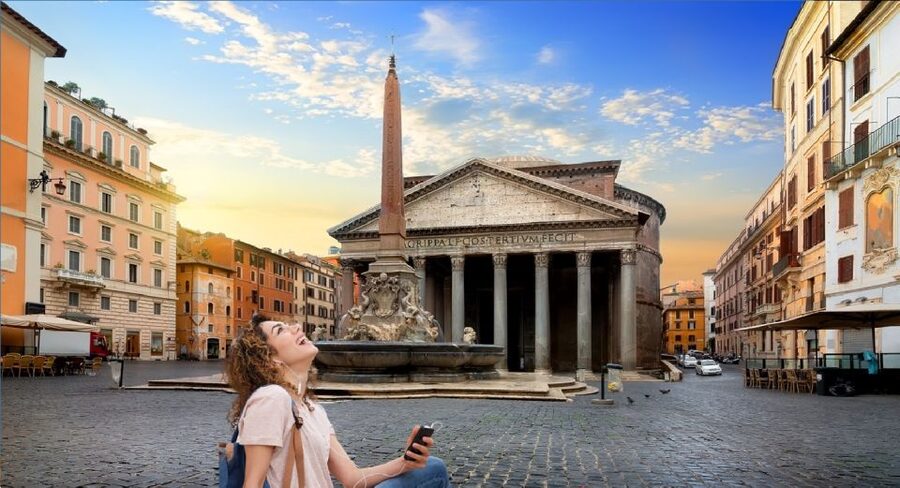
Reviewed · PANTHEON TOURS
Rome: Monuments Audio Guide with Pantheon, no entry ticket
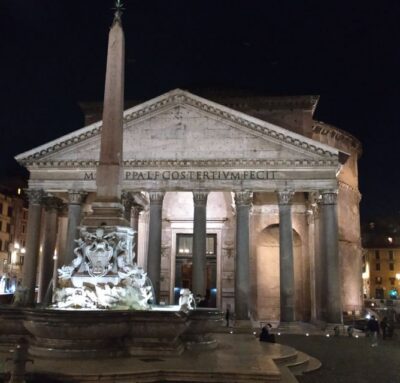
Rome always hits hard the first time, and the Pantheon is the headline. This self guided experience uses a smartphone audio guide to help you understand what you are seeing, then sends you on a walk through famous churches and squares around the monument. You also get a geo-located guide, so you are not stuck scanning your phone while the crowd rolls past.
Two things I especially like: the Pantheon portion includes indoor map + 10 audio descriptions (architecture, dome, tombs, legends), and the rest of the guide chains together nearby stops like Caravaggio at San Luigi dei Francesi and Michelangelo’s sculpture in Santa Maria sopra Minerva. One consideration: the price does not include the Pantheon entry ticket, listed separately at 5 euro, so budget for that if you want inside time.
Key highlights (what makes it worth your time)
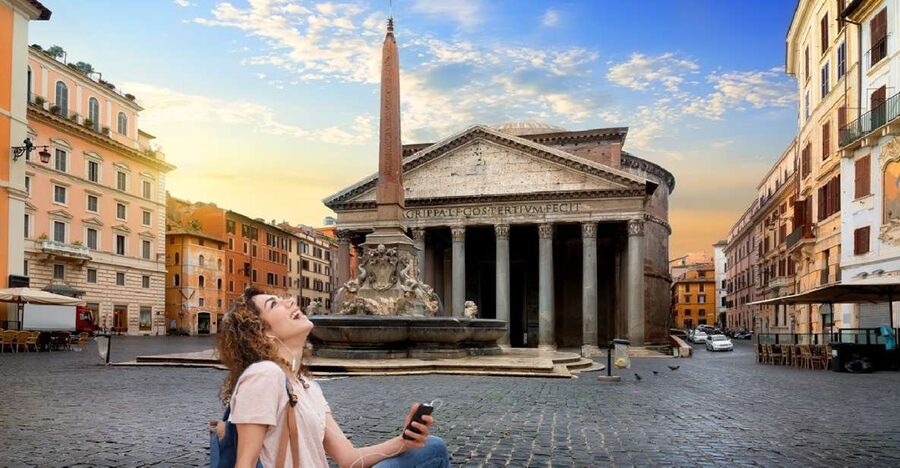
- Smartphone audio with geo map, so the route stays simple and you can go at your pace.
- Pantheon coverage with indoor map, plus dome, tombs, and legend driven stories.
- Caravaggio art stops, including 3 paintings at San Luigi dei Francesi.
- Michelangelo’s Redentore, tied to Santa Maria sopra Minerva (very close by).
- Bernini at Piazza Navona and a guided loop toward Trevi Fountain.
- Geo located points of interest, including nearby extras like San Ivo alla Sapienza.
Pantheon first, then follow the geo-located Rome trail
This is built around one practical idea: start at the Pantheon, then keep moving without the pressure of joining a big group schedule. There is no formal meeting point, so you can begin right where you want in the Pantheon area and start listening.
The guide is geo located, which matters more than it sounds. In a dense part of Rome, that means you are guided through the right streets and key spots with your phone acting like a quiet companion. When crowds swell (and they do), it helps you keep moving through the right entrances and viewpoints instead of getting lost in the noise.
You get a long-ish window, about 5 hours, which fits the “half day” style of sightseeing. You can do it fast, or you can linger at the churches, pause for photos, and let the audio take over while you stand still.
A few more Rome tours and experiences worth a look



What’s actually in the Itguides app (and how you use it)
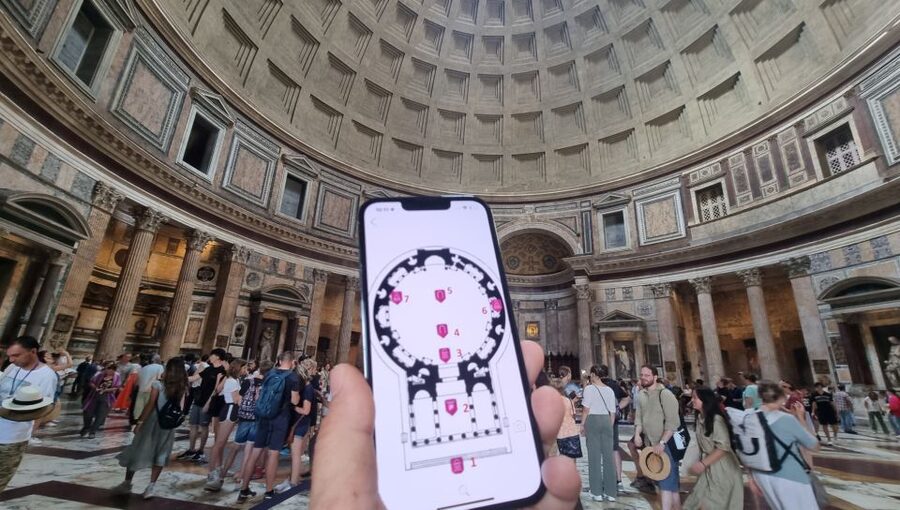
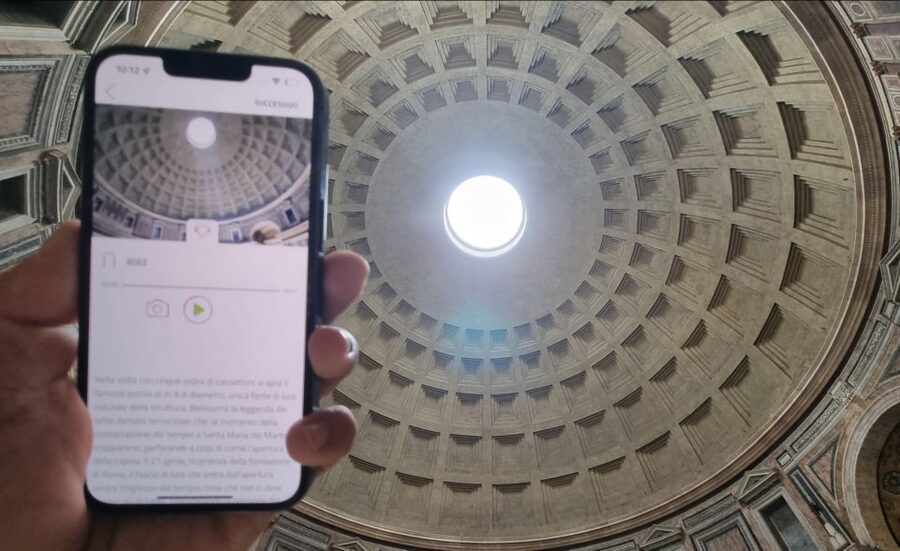
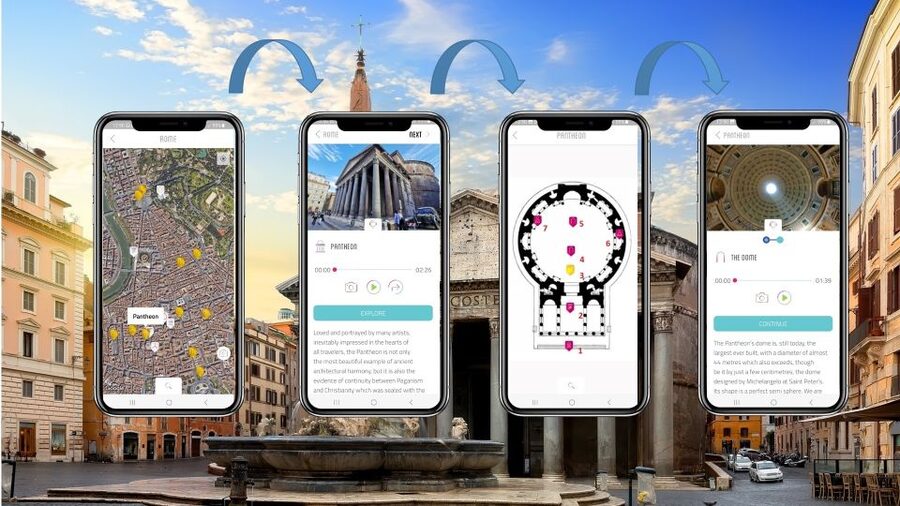
The audio guide runs on the Itguides app. It is not just audio tracks either. The guide content includes hypertext, photos, and a geo map, and the Pantheon section comes with an indoor map.
Language options are generous: Italian, English, French, German, and Spanish. That’s a big deal here because the Pantheon area can feel like sensory overload. Having the stories in your language keeps you focused on the details that make the monument click.
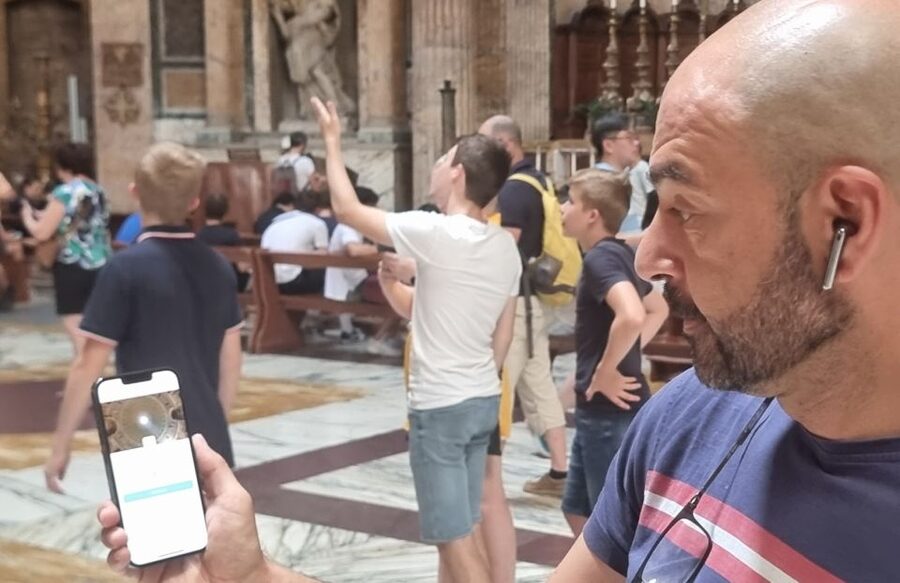
Plan for one important practical step before you start: download the contents with a good cellular signal or Wi‑Fi. If you show up without that, you might lose access to the audio and map features you need. The app itself also has a free demo you can try first, which is helpful if you want to see how controls and sound work on your phone.
The Pantheon portion: dome, tombs, and the pagan to Christian thread
The Pantheon is one of those places where you feel the history even if you know nothing going in. The guide leans into why it is so visually powerful, especially the dome and its architectural harmony.
You will get 10 audio descriptions about the Pantheon, including an indoor map. That means it is not just “look up at the ceiling.” The guide includes the kind of explanations that help you read what you are seeing: how the space is organized, what you might notice about the dome, and details around tombs.
One of the most memorable angles is the way the audio frames continuity between religious eras. The guide points out the shift that connects pagan tradition to Christianity, including the claim about the sanctuary being yielded in 608 to Pope Boniface IV by the Byzantine Emperor Foca. It also includes legends tied to darker themes, even a story about Satan. That kind of material may not be what you expect at first, but it gives the Pantheon an extra emotional layer beyond pure architecture.
Tip that saves you time: after you start, use the early audio to orient yourself, then switch to slower listening while you stand in one spot long enough to actually absorb the geometry. Crowds make it easy to rush. This guide is designed so you do not have to.
Timing inside a crowded monument: how to pace your 20 minutes
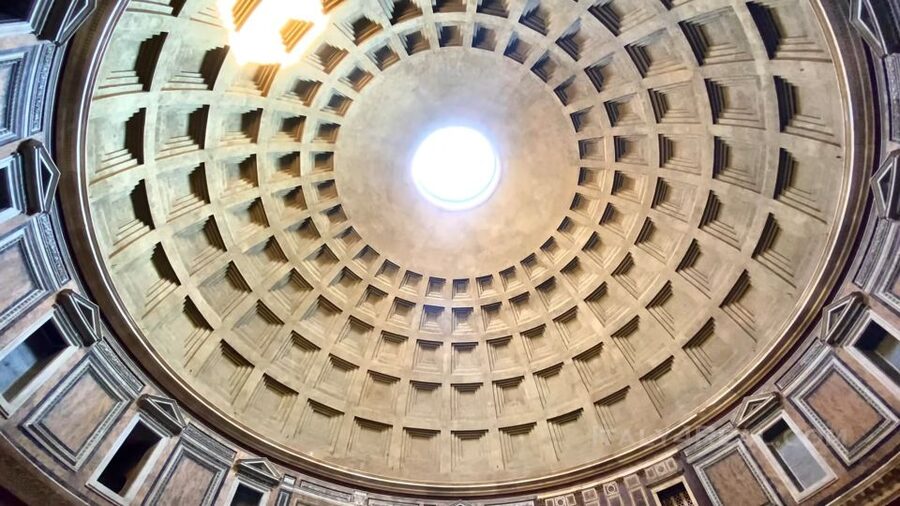
The Pantheon audio portion includes a starting segment of about 20 minutes. That structure works well because it gives you a focused “first pass,” then you can keep going depending on what you want next.
The practical challenge is the crowd. On weekends especially, lines and foot traffic can move like a tide. You do not need to fight the flow though. Use the audio as a “buffer.” If you have to pause and step aside while people pass, the story keeps you anchored so you are not just waiting.
If rain shows up, the guide includes rain management information too. That matters because the Pantheon area can get slick, and you do not want to waste your limited time simply dodging weather while you search for shade or cover.
San Luigi dei Francesi: Caravaggio paintings, not just a name drop
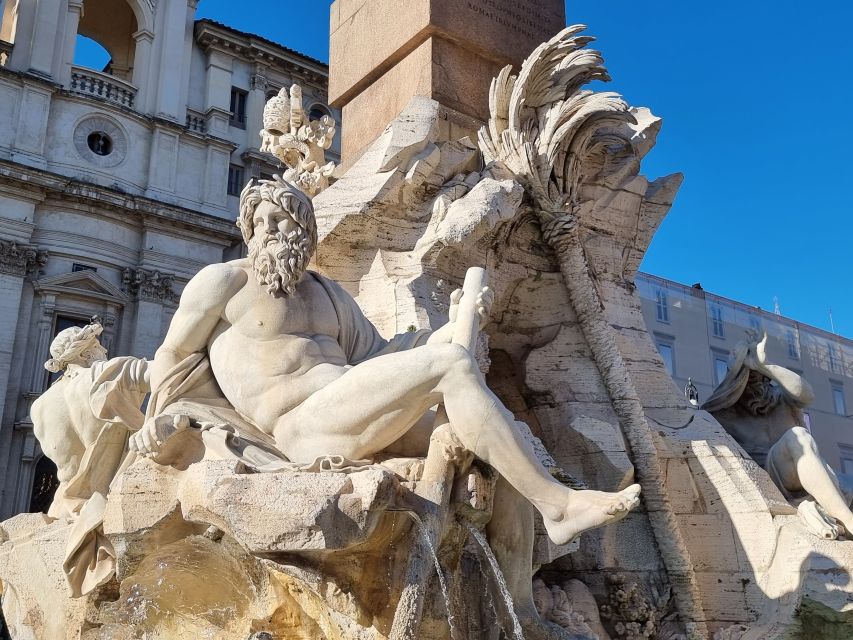
After the Pantheon, the guide points you toward one of the best-known Caravaggio clusters in Rome: San Luigi dei Francesi. This is listed as a stop with 3 Caravaggio paintings, which is a strong payoff for the walking effort.
Here’s why I think this stop is valuable: Caravaggio is easier to appreciate when you have context. The audio approach means you can arrive at the church ready to notice what makes the paintings work, instead of being stuck asking, “Okay, so what am I looking at?”
The audio keeps the connection to the Pantheon area clear, so you do not feel like you are jumping across town. You are still in the same Rome pocket, and you can build a story arc for your morning or afternoon: ancient monument first, then a later layer of art and religious intensity.
One thing to watch for: churches have opening hours that can change. The guide helps you find the places, but you will still want to respect the space when you arrive.
You can also read our reviews of more guided tours in Rome




Santa Maria sopra Minerva and Michelangelo’s Redentore
Next up is Santa Maria sopra Minerva, where you can see Michelangelo’s Redentore. The guide data places this sculpture at about 100 meters from the Pantheon, which makes it a smart “one more stop” when you still have energy.
This is the kind of placement that makes audio guides shine. If you walk past a famous work without context, you might not stop long. With the audio, you are prompted to pay attention at the right moment, so you get more meaning from less time.
I like how the route keeps you focused on artists you actually want to see. Instead of a random church tour, you get direct links to major names, and you stay near the core area rather than turning your day into a commute.
Piazza Navona: Bernini’s fountains and the advantage of self-guided pacing

Piazza Navona is one of Rome’s great theater spaces, and the guide nudges you into it with Piazza Navona (Bernini fountain). This is a high value stop because you get the classic open square experience, while the audio can help you read what you are looking at.
The self guided format matters here. In a group tour, you often end up moving because the schedule says so. With this setup, you can linger as long as you want, then move on when you feel you have captured the angle you like.
If you want a smooth flow, you can listen to the Piazza Navona audio as you approach, then save the final moments for quiet observation. That way you are not rushing your eyes through a crowd of people taking photos.
Trevi Fountain and the rest of the loop: Piazza del Popolo, Piazza Navona, and more
The guide does not stop at the Pantheon artist circuit. It extends outward with more points of interest, including Trevi Fountain and Piazza del Popolo, plus other iconic stops in the historic center.
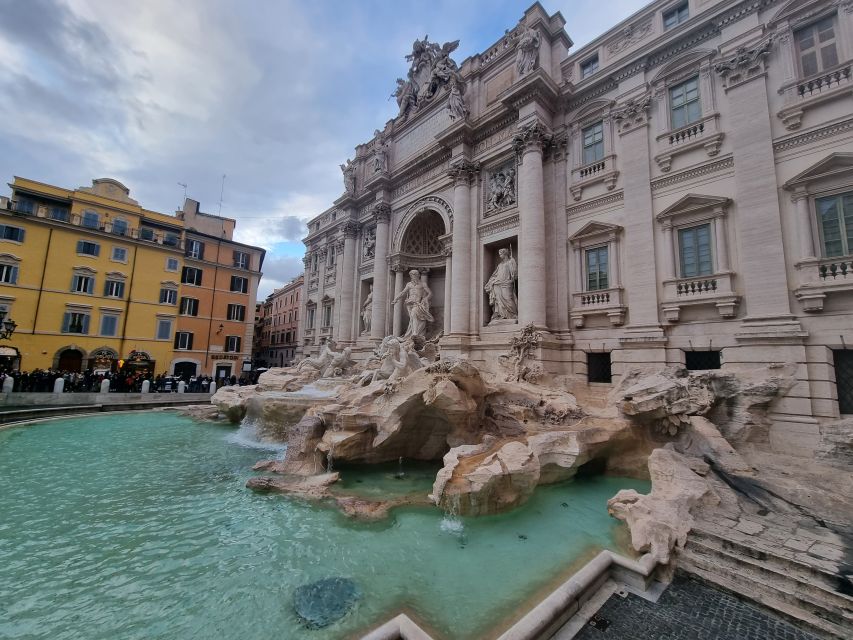
Trevi Fountain is included by name, and the guide even ties it into the familiar tradition of throwing a coin if you want to be sure of returning to the eternal city. Whether you take the tradition seriously or not, it’s a useful prompt for timing your visit, especially if you are trying to avoid the most chaotic moments.
One small planning tip: decide how you want to handle Trevi. If you want the full classic crowd scene, go when you are ready for it. If you want calmer viewing, use the audio as your structure so you do not spend the whole time waiting for a perfect photo.
The guide also covers multiple monuments and churches in the same general area, so you can “keep the story going” instead of switching to a new app or resetting your mindset every time you turn a corner.
Price and value: $2.83 plus the Pantheon ticket you should plan for
At $2.83 per person, this is priced like a deal, especially because you get a lot of content. You are paying for a digital product: Pantheon audios (including an indoor map) plus more than 20 audio descriptions of points of interest around the Pantheon area.
Now the key caveat: the ticket is not included. The Pantheon entry ticket is listed separately at 5 euro. So the true budget is basically “audio price plus Pantheon entry” if you want to go inside when the ticketing rules apply.
Even with that extra cost, the value feels strong because you are not just buying audio for one building. You are buying a planned loop of major art and landmarks all tied to the same phone experience. For many people, that is the difference between “I saw the Pantheon” and “I built a coherent afternoon in Rome.”
Who this suits best (and when to skip it)
This experience fits you best if you like control. You want to set your own pace, stop for photos without asking permission, and listen when you feel ready instead of when a guide tells you to. It also works well if you are traveling with kids or anyone who likes stories and visual descriptions you can pause and replay.
It also suits travelers who want big names without big group stress: Caravaggio, Michelangelo, Bernini, and the Pantheon all feed into a single walkable theme.
I would be more cautious if you prefer a fully guided explanation in real time. This is self guided, so you need to be comfortable using your phone, and you need to be okay managing download reliability and crowds yourself.
My booking call: yes, if you want a smart self-guided half day
I would book this if your main goal is a confident Pantheon visit plus a high value loop around it, without paying for a full walking tour. The audio depth (Pantheon architecture, dome, tombs, legends, indoor map) plus the nearby art stops is a strong mix for the price.
Skip it only if you do not plan to use your smartphone for navigation and audio, or if you want zero phone time while you explore. Otherwise, this is a very practical way to turn a busy, famous area into something you actually understand while you wander.
FAQ
Do I need a meeting point?
No meeting point is necessary. It is a self guided tour, so you can start where you prefer around the Pantheon area.
Is a Pantheon entry ticket included?
No. The ticket is not included, and it is listed separately at 5 euro.
How long does the experience take?
The duration is listed as 5 hours. Starting times depend on availability.
What do I get with the audio guide?
You get a digital audio guide by Itguides for your smartphone, including 10 audio descriptions about Pantheon history and architecture with an indoor map, plus more than 20 audio descriptions of points of interest around the area.
Where is the audio guide available?
It is on the Itguides app. You can download the app and try the free demo before you buy.
Are there multiple languages?
Yes. The guide is available in Italian, English, French, German, and Spanish.
Does the guide help me find locations?
Yes. The audio guide is geo located, with a geo map that helps you find the included points of interest.
Which major art stops are included besides the Pantheon?
The included stops list San Luigi dei Francesi with 3 Caravaggio paintings, Santa Maria sopra Minerva for Michelangelo’s Redentore, Piazza Navona for Bernini’s fountain, and Trevi Fountain.
Is the experience wheelchair accessible?
Yes, it is listed as wheelchair accessible.
What should I bring?
Bring comfortable shoes and comfortable clothes, and dress for the weather.
More Guided Tours in Rome
More Tickets in Rome


More Tour Reviews in Rome
Not for you? Here's more nearby things to do in Rome we have reviewed








Pantheon Tours, compared.
 ★ 4.9Pantheon Timeless Marvel Guided Tour with Entry TicketFrom $214,002 reviews
 ★ 4.1Pantheon Priority Entry Ticket & Audio Guide AppFrom $63,234 reviews
 ★ 4.9Pantheon Small-Group Guided Tour with Entry TicketFrom $481,094 reviews
 ★ 4.7Pantheon Small Group Tour and Skip-the-Line TicketFrom $531,008 reviews
 ★ 4.2Pantheon Guided Tour with Skip-the-line TicketFrom $28816 reviews
 ★ 4.5Rome Walking Tour with Piazza Navona, Trevi Fountain and PantheonFrom $35676 reviews
 ★ 4.5Pantheon Roma Fast-Track Entry TicketsFrom $7540 reviews
 ★ 4.9Spanish Steps, Trevi, Navona and Pantheon Sunset TourFrom $46522 reviews
Browse the lists this tour appears in