

Reviewed · TRASTEVERE TOURS
Rome: Jewish Ghetto, Great Synagogue & Trastevere Tour
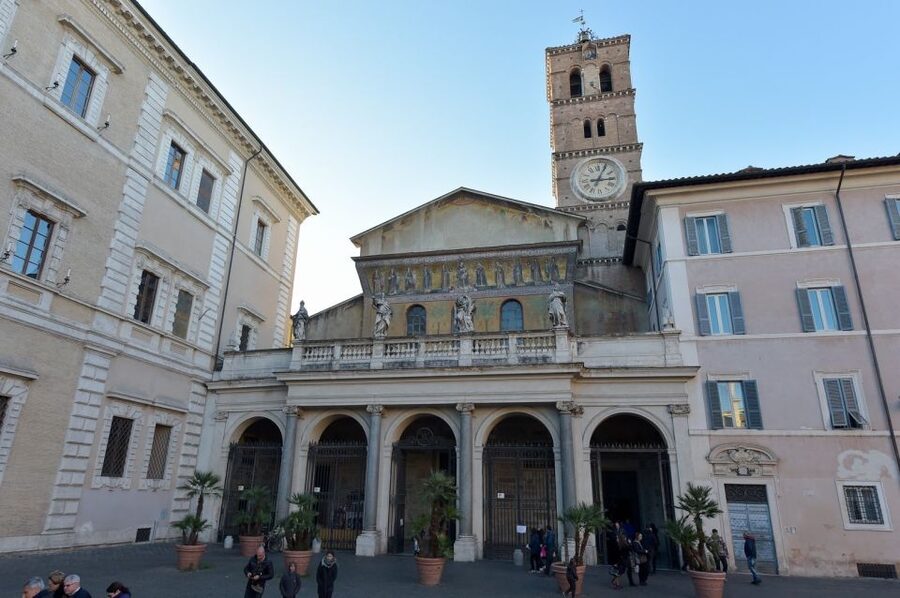
Three cultures in three hours, on foot. This tour links the Jewish Ghetto with the Great Synagogue and Museum, then threads it into Trastevere’s lively streets. I like that it runs as a small group walk, and that the key synagogue stops come with skip-the-line tickets, so you are not wasting time in queues.
One heads-up: the plan includes a stop at Santa Maria in Trastevere and time around church interiors before you fully settle into the ghetto area. If you want only Jewish-focused streets and synagogue time, that first stretch may feel slower than you hoped.
Key things to know before you go
- Meeting point by Ponte Sisto Fountain makes it easy to find without hotel pick-up
- Small group (max 10) keeps the pace human and the questions flowing
- Headsets included so you can hear your guide on busy streets
- Walk across Tiber Island for a classic Rome crossing and strong photo angles
- Jewish Museum inside the Great Synagogue area with skip-the-line entry
- Moments tied to Bernini and Caravaggio show up during the stops in this part of town
Starting at Ponte Sisto, then walking into Trastevere’s real rhythm
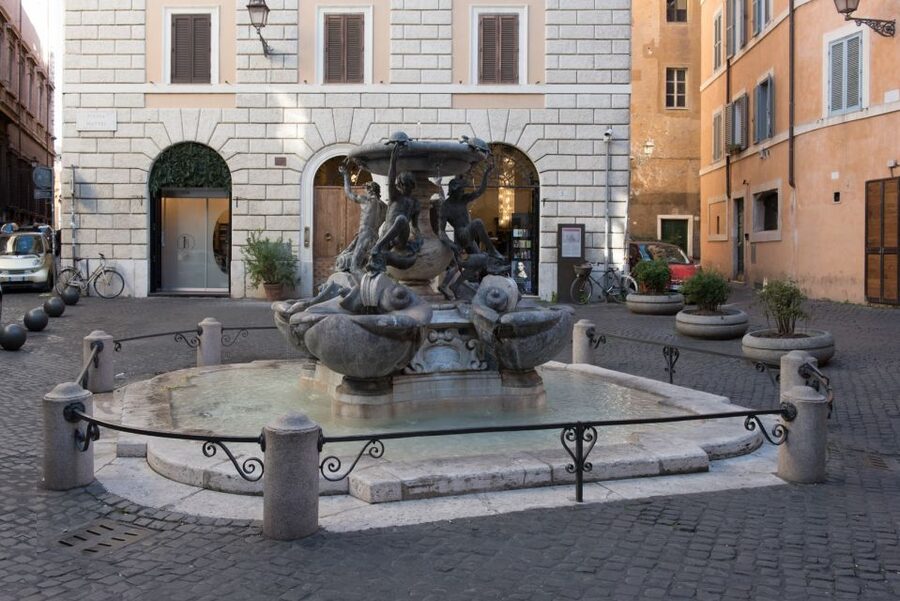
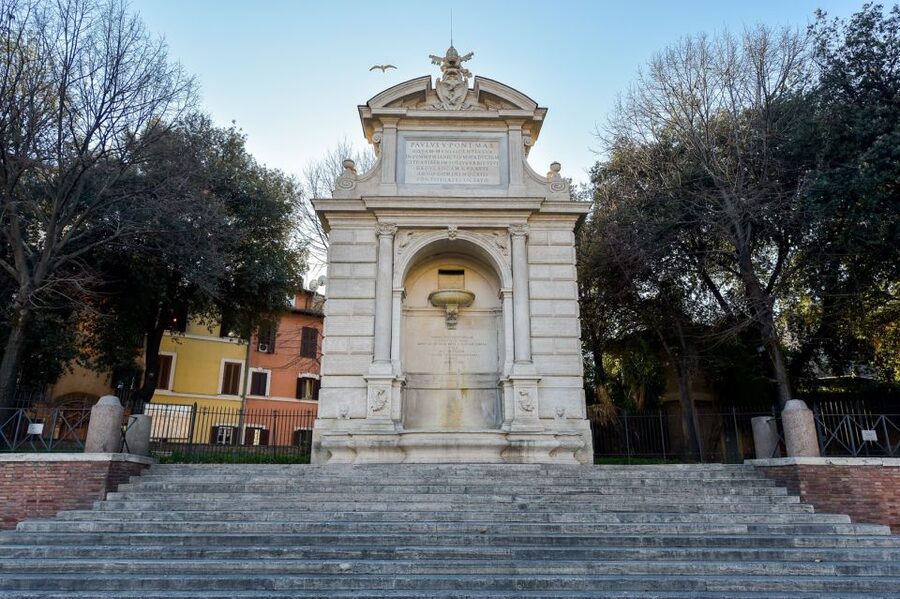
Rome rewards slow walking, and this tour uses that fact. You meet at the Fontana di Ponte Sisto, right by the Ponte Sisto area, then you head toward Trastevere. This neighborhood is famous for narrow lanes, lively piazzas, and the kind of street life that makes you feel like you are seeing how Romans actually move through their day, not just how tourists pose.
What I like about the way the tour begins is that it sets context first. Before you step into the Jewish Ghetto, you get a sense of the urban fabric around it. Trastevere is close enough to feel connected, but different enough that the transition later feels meaningful.
You also get practical walking time built in. The full experience is about 3 hours, and it is a guided, on-foot route with a live English guide. No buses, no long transfers. Just you, your shoes, and Rome doing Rome.
You can also read our reviews of more tours and experiences in Rome.



Trastevere streets and Santa Maria in Trastevere: why a church stop shows up
The tour includes a guided visit to Santa Maria in Trastevere. This matters because the area is layered. You are not walking one “theme,” you are walking Rome, where religious art and daily life overlap across centuries.
This is also where the highlights about Bernini and Caravaggio can come into play. The route is designed so you see famous artistic names in the places where they actually connect to the city’s visual culture. Even if you are primarily interested in Jewish Rome, art history shows up everywhere here, and a good guide can help you read it without losing your focus.
That said, here is the trade-off. One common complaint about this kind of mixed route is that the early church time can feel like it pushes you away from the ghetto focus. If you are traveling specifically to understand the Jewish quarter, you will want your guide to help you link each stop back to the broader story, not treat it like separate sightseeing.
Crossing Tiber Island: a classic Rome moment you can’t really fake
Then you cross toward the Tiber Island area. This is one of those Rome steps that changes how the city feels. The river gives you spacing, the island gives you a sense of structure, and suddenly the walk feels like it has a “chapter” break.
It also helps with photos. Even if you are not a camera person, you will get that rare view of Rome that feels less like street-level clutter and more like the city opening up. The tour specifically flags a “beautiful panoramic view,” and this crossing is the kind of moment where that makes sense.
If you get even a little car-sick or get tired on long days, this kind of pause can actually help. You are still walking, but you are not stuck staring at the back of someone’s backpack for long stretches.
Entering the former Jewish Ghetto: past and present in the same streets

Finally, you reach the Jewish Ghetto. This is the heart of the experience, and it is where the tour earns its name. The guided walk moves through the small lanes and pedestrian areas of the quarter, and the goal is to connect Roman Jewish lifestyle past and present in a way that feels grounded rather than academic.
A good guide here matters a lot, because the ghetto area is not just “old streets.” It is a living reminder of how communities endure, adapt, and keep their identity through changing politics and borders. And since the tour frames the Jewish community of Rome as the oldest in the world, you get an easy entry point for understanding why this quarter mattered long before it became a walking tour stop.
This is also where you will appreciate the small group format. In a crowd, it is hard to hear stories, hard to ask questions, and hard to actually look up. With a group limited to 10 participants, you can keep your eyes moving between what you see and what you are hearing.
If you are sensitive to heavy topics, keep in mind: this area is about real history, not just pretty streets. The tour is structured to teach, but the subject is serious.
Jewish Museum and Great Synagogue: where the story becomes objects and documents

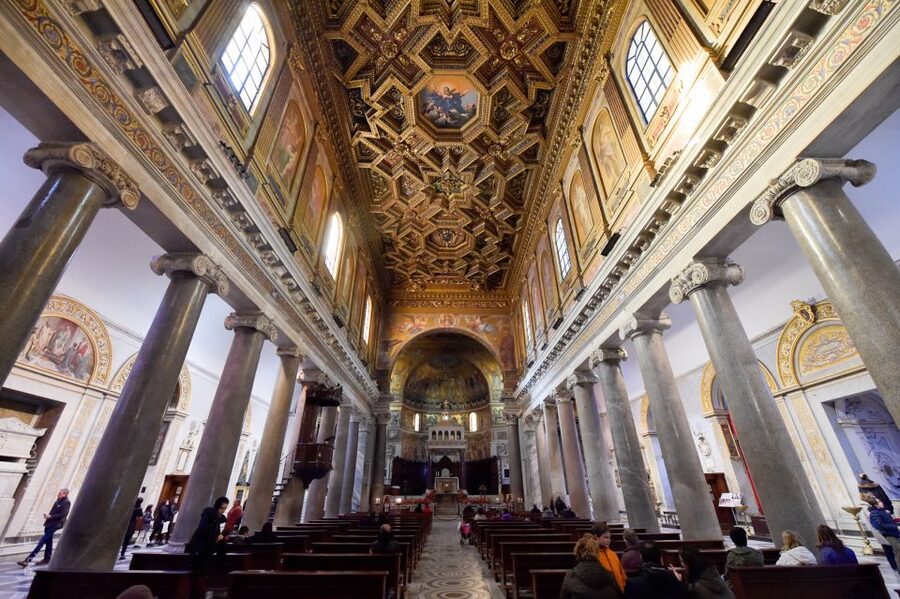
The route ends with museum and synagogue time. The Jewish Museum is located in the Great Synagogue area, and the emphasis is on artifacts and precious documents that reflect about 2000 years of Jewish history in Rome.
This is a smart pairing. A walk gives you place. A museum gives you proof. Instead of just hearing names and dates, you see the kinds of items and records that explain how people lived, prayed, traded, and organized community life.
You also get skip-the-line entry tickets for both the Jewish Museum and the Great Synagogue of Rome. In Rome, that can be the difference between feeling relaxed and feeling rushed. Even if you love museums, waiting in a long line is not the good part of travel.
Headsets are included too. That helps if the guide is speaking while you are walking near groups or traffic. If your headset muffles or crackles, fix it quickly. Your day gets better when you can actually hear every detail.






Great Synagogue highlights and what to look for during your visit
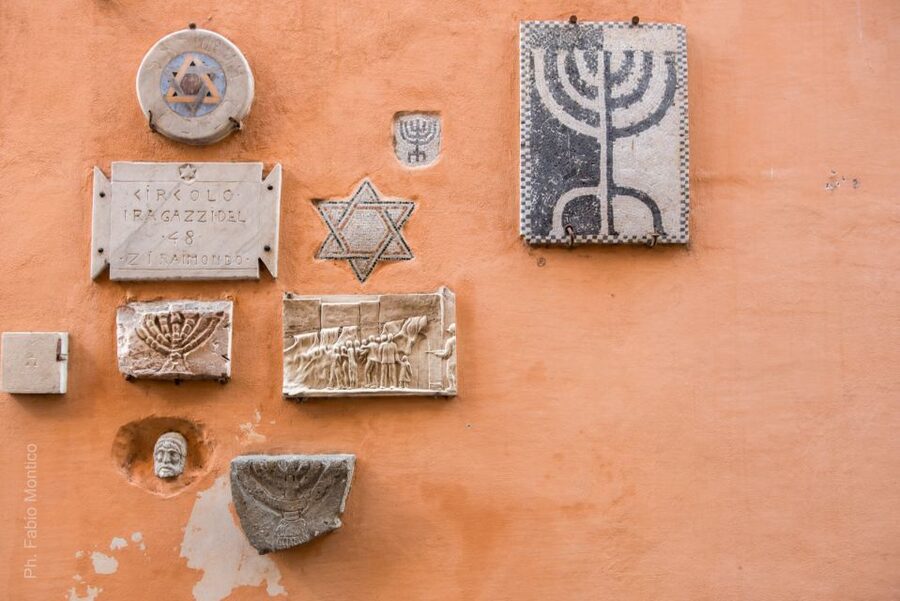
Inside the Great Synagogue area, focus on the tone of the guide’s explanations. The most useful guides connect art, ritual, and historical documents into one thread. The tour’s promise is that you will see magnificent artifacts and precious documents, so you should plan to slow down and read.
Also, keep your expectations realistic. You are in a sacred site. That means the visit is not built like a fast museum sprint. You want to give your eyes time on what is in front of you, even if the building itself is impressive.
One more practical point that matters here: the tour has a strict dress code. No shorts, no short skirts, and no uncovered shoulders. That is not just “nice to have,” it is part of entry rules. If you show up in summer heat attire, you might not be let in.
Pace, views, and why the group size changes everything
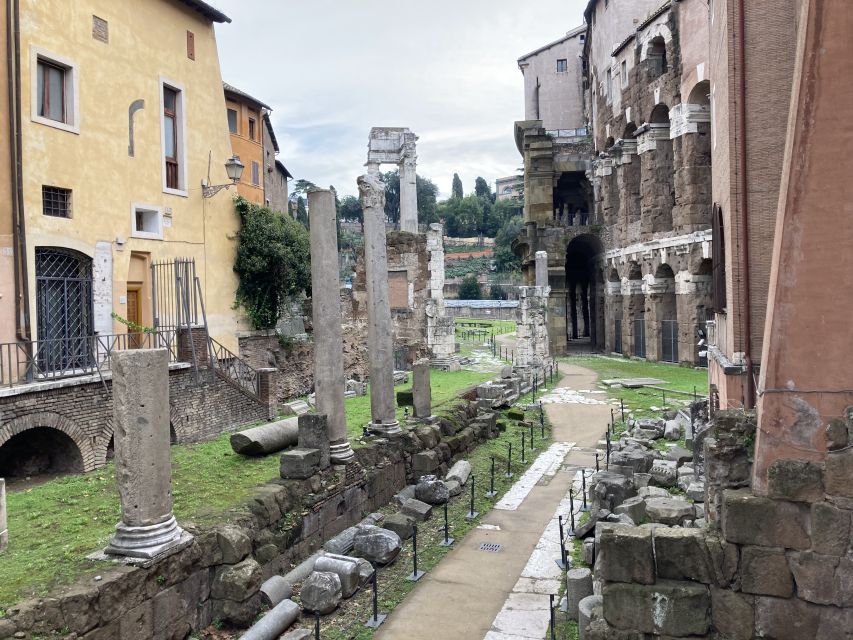
This is designed as a small group walk, limited to 10. That sounds like marketing language until you feel the difference. With fewer people, the guide can adjust on the fly, answer questions without repeating themselves 20 times, and keep everyone moving at a pace that works across fitness levels.
One guide experience noted in the available feedback includes helpful pacing and an in-tour pause for bathroom or drinks when needed. That is exactly the kind of practical touch that keeps a short tour from turning into a stressful sprint.
The tour also includes panoramic moments and artistic highlights tied to famous names. Your enjoyment of those parts depends on pace. If you are exhausted early, you will rush through the best views. If you pace yourself, those moments land better.
Price and value: is $82 worth three hours in Rome?
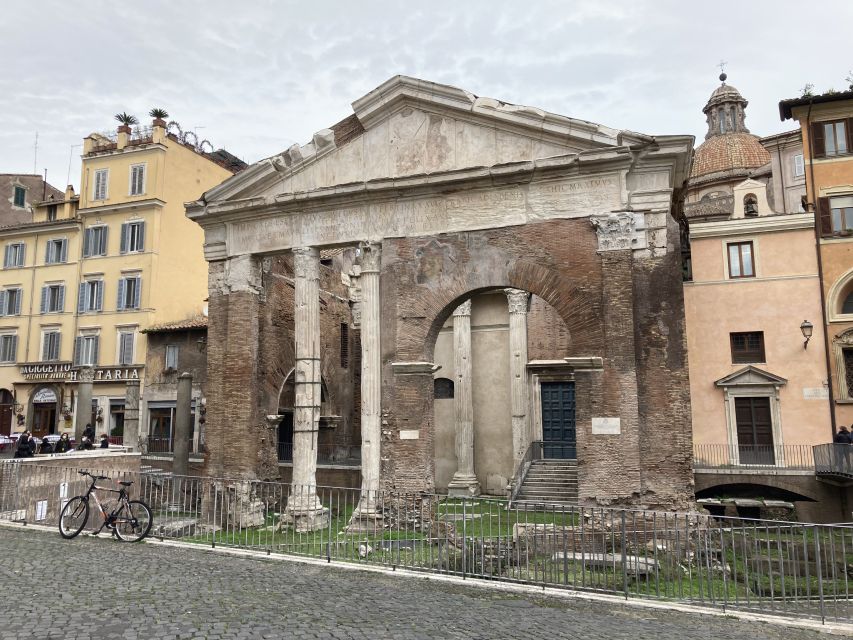
At $82 per person for about 3 hours, this is not a cheap “wander with a map” experience. But you are paying for three things that usually cost extra on your own: a live English guide, and skip-the-line entry for both the Jewish Museum and the Great Synagogue of Rome, plus headsets.
If you were to build this yourself, you would still need to decide what to prioritize and how to understand it. Guided context in this area is especially valuable because the story is layered and the buildings and objects are not always obvious without explanation.
You do need to know what you want. If you want a walking tour with both historical context and real museum time, the price starts to make sense. If you want only synagogue focus with zero church stops, you may feel it is not matching your priorities.
Practical rules you should not ignore (especially dress and bags)
This tour comes with clear restrictions. You can expect a screening moment and you will want to be prepared.
- No shorts
- No short skirts or uncovered shoulders
- No luggage or large bags
- No weapons or sharp objects
- No pets (assistance dogs allowed)
- Also forbidden to bring metal objects, big bags, and animals, with assistance dogs allowed
In plain terms: dress like you are going into a serious indoor site, and travel light. Rome is already crowded. This tour adds rules so staff can manage entry smoothly.
Wheelchair accessible is listed, but you should still remember this is a walking tour. Uneven streets and crowded sidewalks are part of Rome. If you need accommodations beyond what you can plan for, it is smart to ask the operator before you go.
Should you book the Rome Jewish Ghetto, Great Synagogue, and Trastevere tour?
Book it if you want a short, guided way to understand Jewish Rome with real stop-and-look time at the Jewish Museum and the Great Synagogue, while also getting the surrounding neighborhood context of Trastevere and a river crossing on Tiber Island. The small group limit to 10 is a big plus if you hate feeling packed in.
Consider skipping it, or choosing something more focused, if your top priority is strict ghetto-only time. The route includes Santa Maria in Trastevere, and that can shift the early rhythm.
If you are balancing history, art, and authentic neighborhoods in a single half-day, this tour is a solid value. You get the structure of a guided story, skip-the-line entry where it counts, and a walk that moves through real parts of Rome, not just one postcard viewpoint.
FAQ
Where does the tour start?
You meet in front of the Ponte Sisto Fountain.
How long is the tour?
The duration is listed as 3 hours.
Is this a small group tour?
Yes. The group is limited to 10 participants.
Are skip-the-line tickets included?
Yes. Skip-the-line entry tickets are included for the Jewish Museum and the Great Synagogue of Rome.
What is included with the tour besides the guide?
Headsets are included, along with the live English tour guide.
Is hotel pickup included?
No. Hotel pick-up and drop-off are not included.
Is the tour wheelchair accessible?
Yes, the tour is listed as wheelchair accessible.
What clothing is not allowed?
Shorts, short skirts, and sleeveless shirts are not allowed.
More Tours in Rome
More Tour Reviews in Rome
Not for you? Here's more nearby things to do in Rome we have reviewed












Trastevere Tours, compared.
 ★ 4.8Trastevere or Jewish Quarter Street Food TourFrom $513,839 reviews
 ★ 4.9Trastevere & Campo de Fiori Street Food Walking TourFrom $512,768 reviews
 ★ 4.8Guided Food Tour in TrastevereFrom $1122,266 reviews
 ★ 4.9Trastevere Guided Food and Wine Tour with 20+ TastingsFrom $1461,022 reviews
 ★ 4.8Small Group Trastevere Food Tour with DinnerFrom $132719 reviews
 ★ 5.0Rome Trastevere Pasta Making Class with Eating EuropeFrom $100505 reviews
 ★ 4.9Twilight Trastevere Food Tour with Wine TastingFrom $123490 reviews
 ★ 4.8Food & Wine Tour of Campo de Fiori, Ghetto, TrastevereFrom $81413 reviews
Browse the lists this tour appears in