
Reviewed · PASTA
Rome: Fresh Pasta-Making Class with Italian Chef and Wine
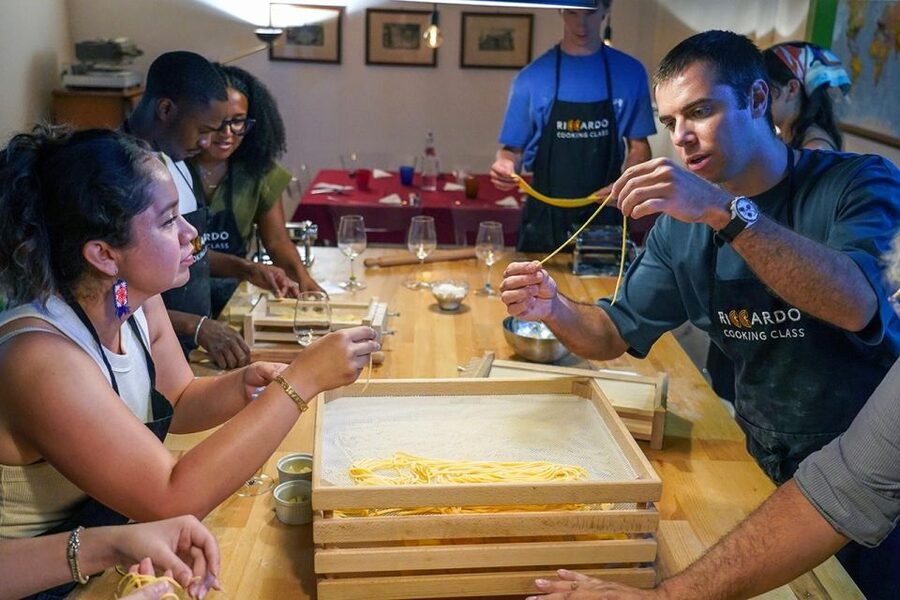
Fresh pasta is a skill you can taste. This Rome class turns you into part of Chef Riccardo’s kitchen team, learning dough and Roman sauces in a small group with wine and a 3-course meal.
I love the hands-on format: you shape pasta yourself, not just watch. I also love the focus on Roman specialties and practical technique, including approaches tied to dishes like Carbonara and Cacio e Pepe.
One thing to consider is language mix. The class runs with English and Italian, but if your group has other languages, some stories or explanations can lean more to one language than another.
Key Points If You Care About Doing It Right
- Small group (up to 10), so you get real coaching while you work the dough
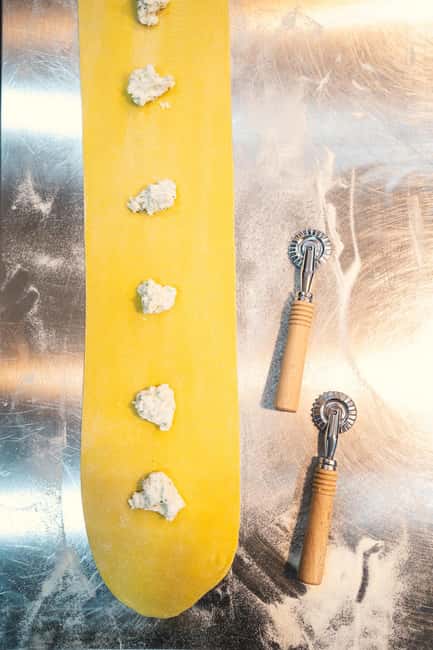
- Fresh pasta from scratch, including long pastas and stuffed shapes, plus options like Ravioli and Spaghetti alla Chitarra
- Roman sauce technique, with guidance that helps you recreate classics like Carbonara and Cacio e Pepe
- Wine included with the meal, often including prosecco and local organic wine
- Dietary flexibility, with vegetarian options and private-class requests for vegan, gluten-free, and dairy-free
A 3-Hour Pasta-Making Experience That Feels Like a Real Roman Kitchen
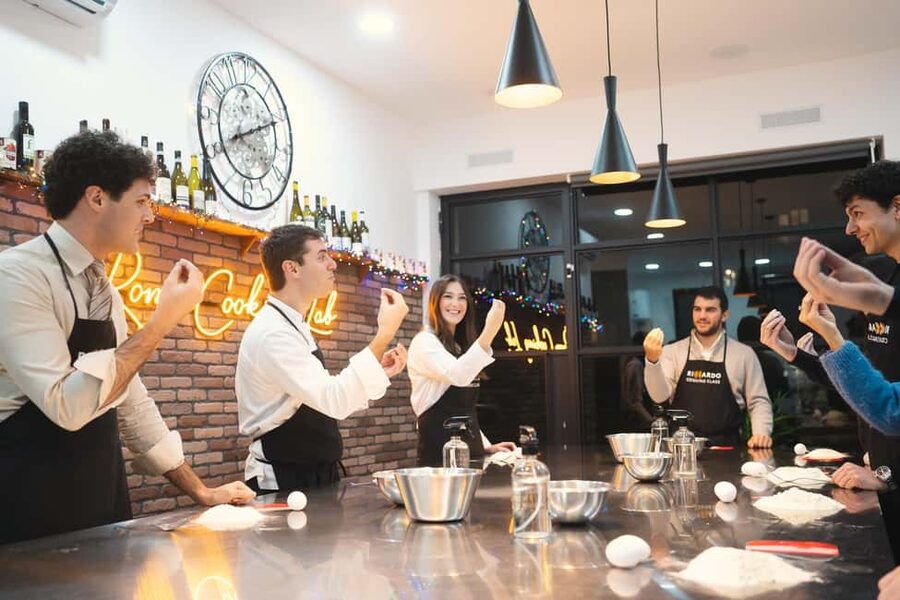
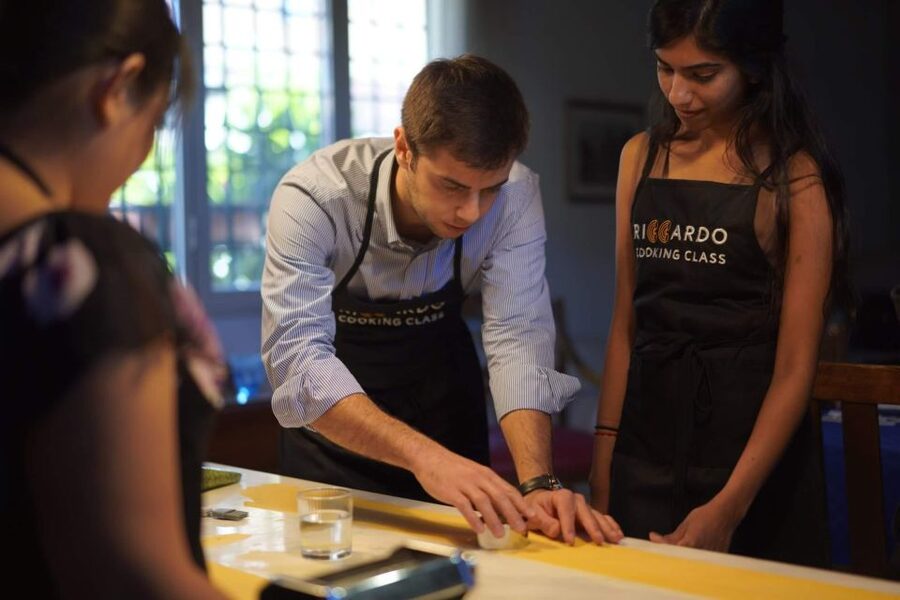
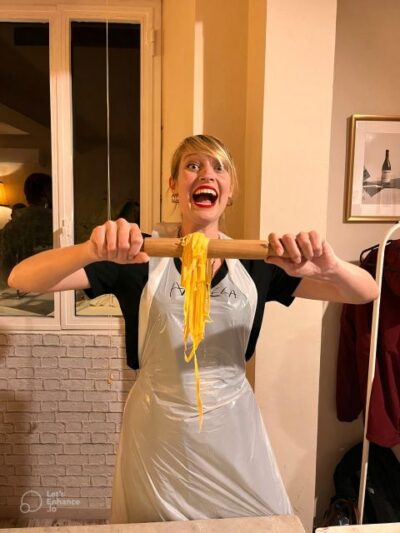
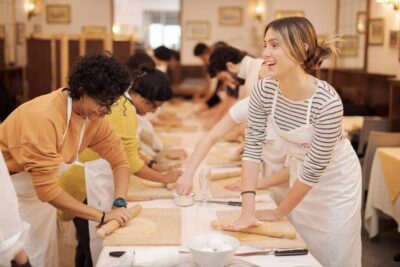
This is not one of those “sit, sip, and snack” cooking demos. It is a proper, get-your-hands-floured kind of class, designed around making pasta and sauce from scratch with a chef and a small team. You’ll learn how to go from ingredients to finished pasta, then sit down and eat what you made with wine.
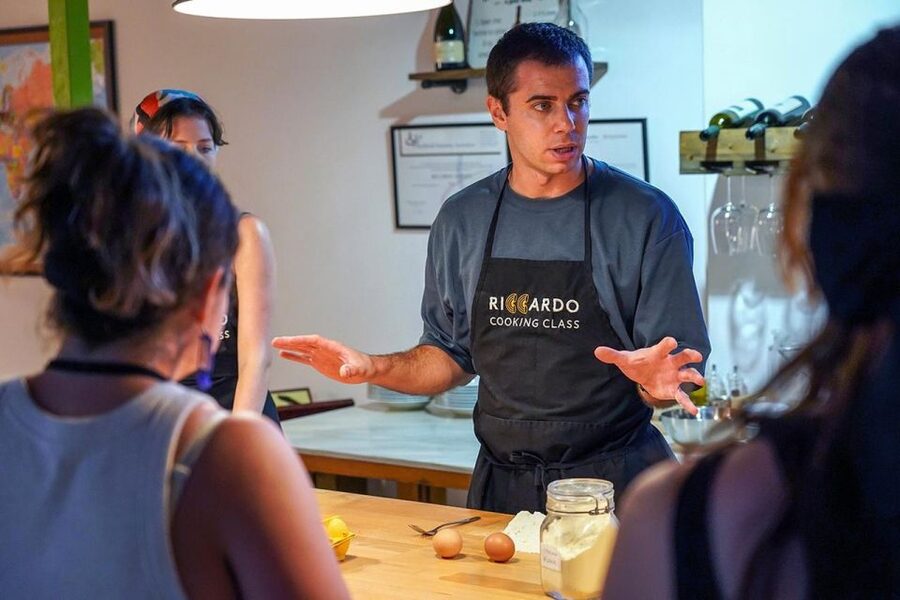
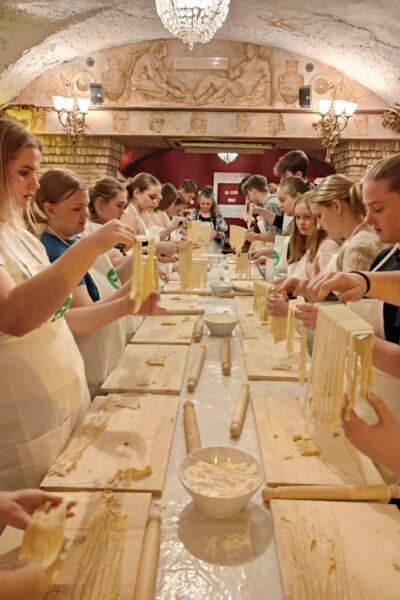
Because it is only 3 hours and capped at 10 people, it stays active. You are not waiting around for long stretches. You can also ask questions as you go, which matters when you are learning something hands-on like rolling dough or balancing sauce texture.
You can also read our reviews of more wine tours in Rome

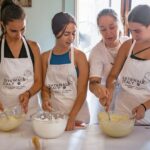
Where You Meet in Rome, and What Setting to Expect
The meeting point is at the Cooking Lab area on Circonvallazione Gianicolense 418, 00152 Roma, close to a cafe. From there, your session may take place at the studio or Chef Riccardo’s grandmother’s home depending on how that day is set up.
Why that matters: a home-style setting changes the feel. The class leans personal, family-recipe energy, not a polished restaurant stage. Even in the studio setup, the vibe stays informal, with clear instruction and a “work together” rhythm.
Also note: the class is listed as wheelchair accessible, so if mobility is part of your planning, this is one of the more thoughtfully built options.
The Core Skill You’ll Learn First: Fresh Dough and Shaping Pasta
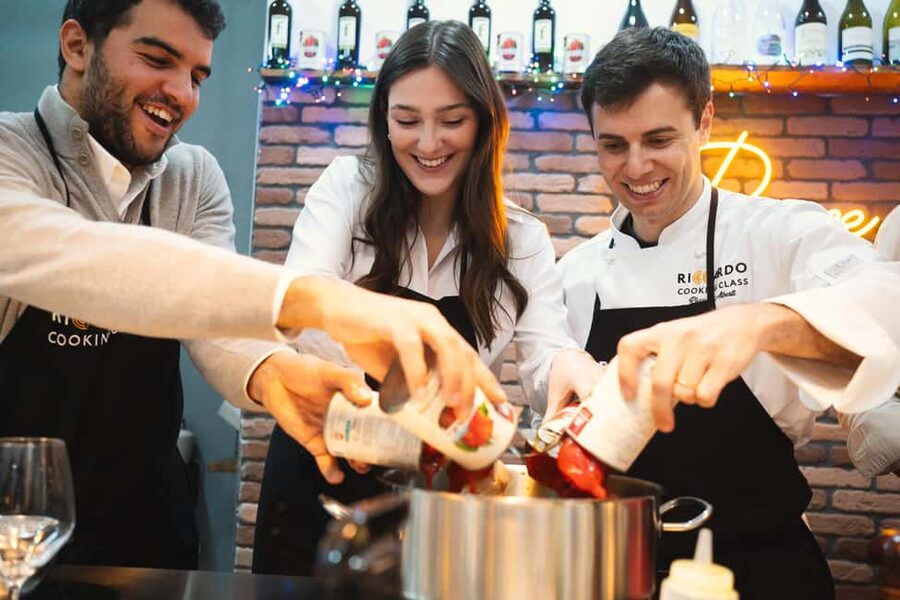
You start with the fundamentals of fresh pasta, then move into shaping. The exact mix can vary by session, but you can expect to make traditional Italian pasta shapes such as Ravioli, Tortellini, Cappelletti, Fettuccine, and Spaghetti alla Chitarra, plus other types included in the course.
What you’re really learning is process:
- How dough should look and feel before you shape it
- How to portion and form pasta without overthinking it
- How to handle differences between long pasta and stuffed pasta
If you like “cookbook results,” this class gives you the bridge from measurements to technique. You’re not just memorizing steps. You’re seeing what “right” looks like while you do it.
In sessions led by Chef Leo or Chef William (both have taught classes with this team), the teaching style shows up in the details, from explaining each step clearly to adjusting as you work. That feedback loop is a big reason people call it a highlight.
How the Sauce Teaches You Something, Not Just How It Tastes
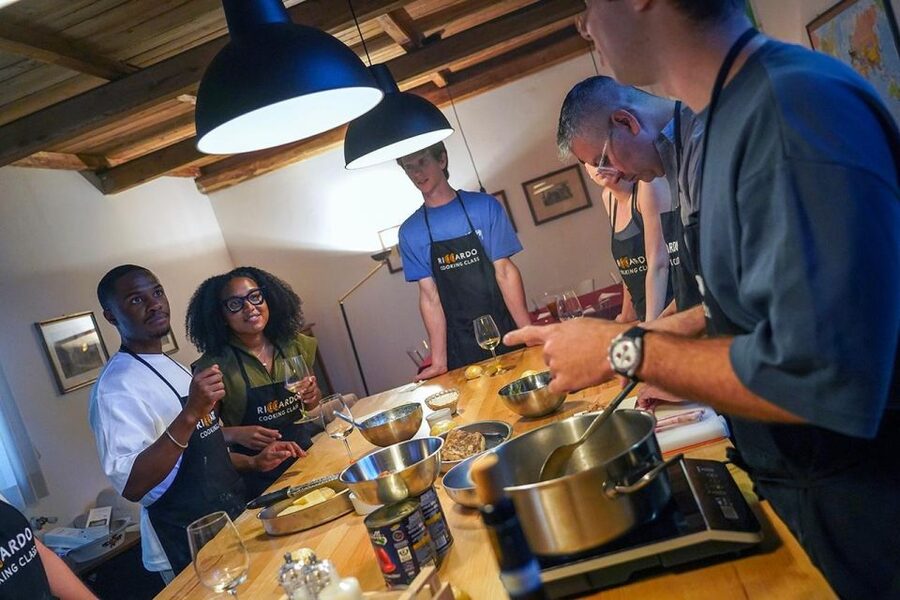
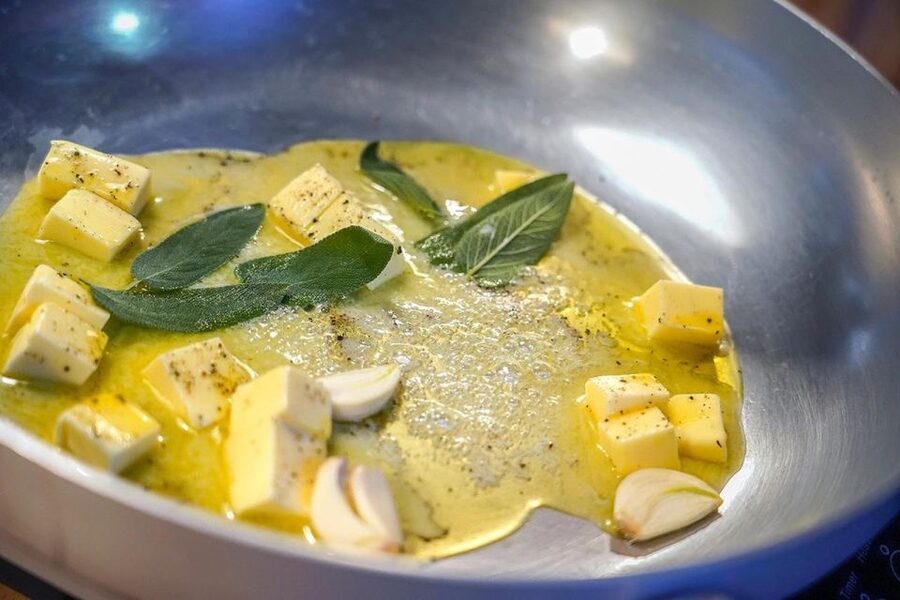
Sauce is where many cooking classes stop at flavor. Here, the focus is on method you can repeat at home. You’ll prepare well-known Italian sauces using quality ingredients, then pair them with your fresh pasta.
Two Roman classics often come up in a way that is practical and memorable:
- Carbonara, where you learn what makes the sauce cling and how ingredients work together
- Cacio e Pepe, which teaches you a different kind of control, especially around cheese and texture
Why that’s valuable: pasta is only half the equation. The other half is getting sauce consistency right. If you leave this class knowing how to troubleshoot texture, you’ll actually be able to make the dishes again instead of chasing the memory of them.
You also get exposure to regional thinking. Carbonara is not just “cream plus bacon.” The real lesson is how Roman kitchens treat ingredients, timing, and texture.
And yes, the wine usually gets tied into the meal experience. In some sessions, the pairing is taught as part of the rhythm, not treated as an afterthought.
The 3-Course Meal and Wine Tasting Part, Where It All Comes Together
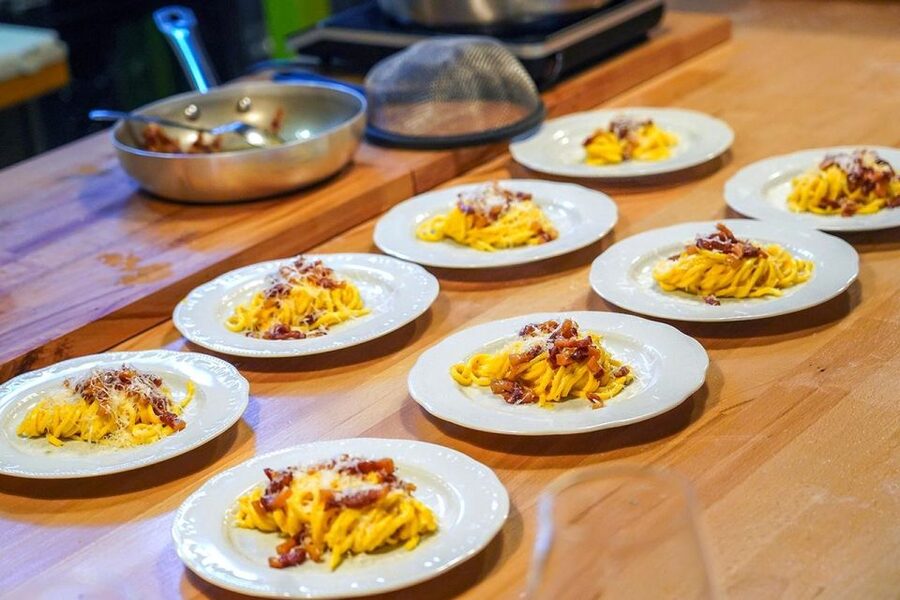
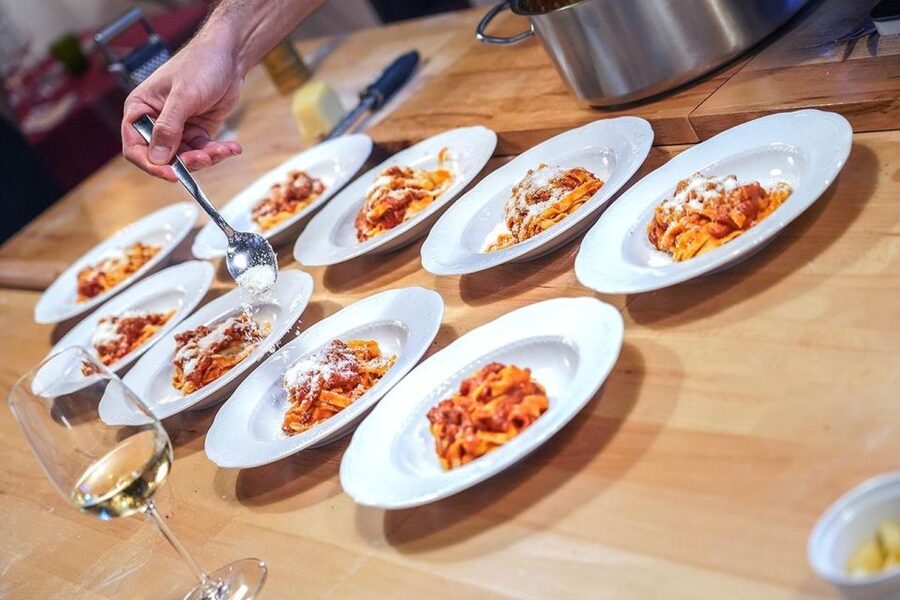
After you cook, you sit down for a meal that’s built around what you made. The format includes a 3-course meal and a wine tasting component, with selected wine throughout.
From a value point of view, this matters more than it sounds. Many classes include food, but you still feel rushed through it. Here, you get to taste your own work, compare what you made in class to how it’s served, and eat it while the techniques are still fresh in your head.
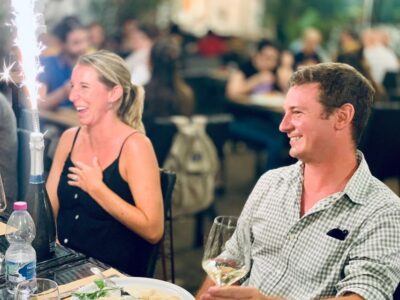
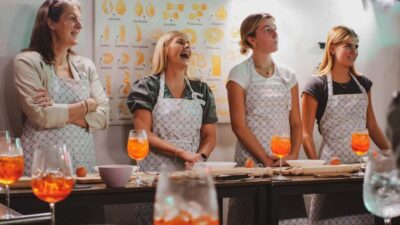
You can also expect plenty of social energy at the table. The tone tends to be friendly, with lots of laughter and group interaction. That is not just “nice vibes.” It helps you ask questions, especially if you are new to pasta-making.
A few more Rome tours and experiences worth a look
Veg and Dietary Requests, Without You Feeling Like a Compromise
If you’re vegetarian, this class includes a special menu. The goal is to keep the experience intact, not reduce it to a boring substitute.
If you have allergies or intolerance, you should inform the team ahead of time. The class setup asks for that information, so they can plan something suitable for you.
One more helpful option: private classes can be arranged with special recipes and dietary restrictions such as gluten-free, dairy-free, or vegan, plus requests for dishes like gnocchi, tiramisu, or risotto. That matters if you want a “no compromises” version of the day that still feels Roman.
Who This Class Fits Best, and Who Might Prefer Private
This class is ideal if you want:
- A true pasta-making experience, not a general cooking tour
- Step-by-step guidance while you shape dough and learn sauce methods
- A small group feel, so you can actually talk to the chef
It’s also a strong choice for couples or solo travelers who want an active lesson and then a shared meal without needing to plan dinner afterward.
You might prefer a private class if:
- You want specific dishes like gnocchi or tiramisu included
- You need stricter dietary accommodation
- Your language needs are very specific for the stories and explanations
Language mix is the only realistic drawback I’d watch for. In at least one class experience, the chef translated some parts, but most storytelling stayed in the other language for a portion of the time. If language is a top priority, ask the operator how they handle grouping for English support.
Price and Value: Is $97 a Fair Deal for Rome Pasta?
At $97 per person for a 3-hour class with hands-on cooking, selected wine, and a 3-course meal, the price lands in the “good value” zone for Rome.
Here’s why the math works:
- You’re paying for real instruction while you do real work, not a demonstration
- The meal is part of the experience, and it is tied to your cooking
- The class is small, up to 10 participants, which often means more attention per person
- Ingredient quality and wine tasting are included, which reduces the extra spend you’d otherwise make
If you compare this to a typical dinner plus cooking workshop style, it still feels reasonable. You are essentially buying a guided meal plus the skill to make it again later.
One practical tip: book this earlier in your trip if you want to carry the learning forward. The chef-style guidance often comes with restaurant and wine recommendations, which can upgrade the rest of your Rome eating plan.
Practical Tips Before You Go (So You Enjoy It More)
This is a cooking class, so show up ready to work with your hands and stay engaged for the full session. A few practical ideas help:
- Tell the team about allergies or dietary needs in advance
- If you have strong preferences for certain pasta or desserts, ask about private class options
- Plan to eat what you make, so don’t schedule anything “heavy” right before the class
You’ll also get an apron to use during the session. You can keep it for an extra cost, so decide if you want a souvenir or just return it after the day.
Should You Book This Rome Pasta Class?
If you want something more useful than a food walking tour, I’d book it. This is for people who like learning a technique, then eating the results. The combination of fresh pasta skills, Roman sauce method, and the included meal with wine makes it feel like a full experience, not a quick activity.
I would especially recommend it if:
- You care about making pasta at home later
- You want authentic Roman food education from a local chef team
- You prefer a small group setting where you can ask questions
If language comfort is your biggest concern, consider booking with a plan for English-first instruction, or go private so you can tailor the session. Otherwise, this is one of the better ways to spend an afternoon in Rome while leaving with a skill you can use long after the trip.
FAQ
How long is the pasta-making class in Rome?
The class runs for 3 hours.
What is the price per person?
The price is $97 per person.
What’s included in the experience?
You get a hands-on pasta-making class, top-quality organic ingredients, selected wine, and a meal included, plus aprons to use during the class.
How many people are in the small group?
The group is limited to 10 participants.
Where do we meet in Rome?
The meeting point is Circonvallazione Gianicolense 418, 00152 Roma, close to a cafe.
Do you cook in a home or a studio?
Your session may start at Chef Riccardo’s grandmother’s house or at the Cooking Lab, depending on the class.
What pasta and sauces will we learn?
You’ll make fresh pasta from scratch, with options that can include Ravioli, Fettuccine, Tortellini, Cappelletti, Spaghetti alla Chitarra, and more, plus sauces that cover famous Italian options such as Carbonara and Cacio e Pepe.
Is there a vegetarian menu or allergy support?
Yes, there is a special vegetarian menu. You should inform the team about allergies, intolerance, and dietary restrictions.
Can I request gluten-free, dairy-free, or vegan in a private class?
Yes. Private classes can be arranged with special dietary restrictions such as gluten-free, dairy-free, or vegan, and with special recipes like gnocchi, tiramisu, or risotto.
Is the class wheelchair accessible, and are instructions in English?
The class is wheelchair accessible, and the instructor speaks English and Italian.
More Workshops & Classes in Rome
More Wine Tours in Rome
More Tour Reviews in Rome
Not for you? Here's more nearby things to do in Rome we have reviewed




Pasta, compared.
 ★ 4.9Pasta & Tiramisu Class with Fine Wine by the VaticanFrom $414,852 reviews
 ★ 4.9Pasta Making Class with Wine, Limoncello, and DessertFrom $483,177 reviews
 ★ 4.8Fettuccine Pasta Cooking Class in Rome’s City CenterFrom $462,414 reviews
 ★ 5.0Traditional Pasta with Cocktails Cooking ClassFrom $1002,374 reviews
 ★ 4.8Pasta & Tiramisu Cooking Class near the Spanish StepsFrom $581,395 reviews
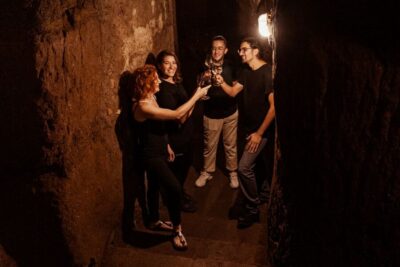 ★ 4.9Pasta Making with Wine Tasting and Dinner in FrascatiFrom $35979 reviews
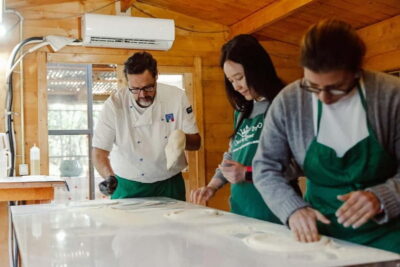 ★ 4.7Combo Pizza and Pasta Cooking Class with WineFrom $64938 reviews
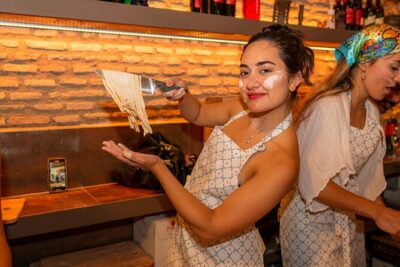 ★ 5.02-in-1 Pasta and Tiramisu Cooking Masterclass in RomeFrom $78832 reviews
Browse the lists this tour appears in