
Fresh pasta lessons feel personal. This 3-hour Rome class teaches you how to make fettuccine, hand-stuffed ravioli, and tiramisu from scratch, with an English-speaking chef. I like that you actually form the pasta yourself, not just watch it happen, and you end up eating what you made.
The class is also set up for beginners, so you can jump in even if cooking at home usually means toast. One consideration: it is not suitable for people with food allergies, and you may want to confirm any dietary needs before you book.
Key things that make this class worth your time
- Hands-on pasta work: knead, roll, and shape fresh fettuccine and ravioli yourself
- One chef guiding the steps: instruction is in English and focused on technique, not tricks
- Tiramisu you build, not just assemble: you learn how the dessert comes together
- You eat your results: the class ends with the meal you prepared
- Small extras that add value: a secret cookie recipe PDF plus reported alcohol during the meal
- Vegetarian-friendly: the class is suitable for vegetarians if you notify restrictions ahead of time
Why this Rome cooking class hits the right notes
If you like the idea of learning Italian food the way locals do it, this class delivers. In just 3 hours, you work through three favorites: fettuccine, ravioli, and tiramisu. The pacing matters here, because you get enough time to feel confident with each step, not rushed through like a demo.
I also like the practical side. You get all ingredients, chef guidance, and you leave with a written recipe PDF for cookies, which is a nice bonus if you want something fun to make after the trip. And because you finish with a sit-down meal, the session feels like more than a skill workshop.
One watch-out: the experience is not designed for people with food allergies. If you fall into that category, you’ll want to look for a class that can handle ingredient substitutions safely.
You can also read our reviews of more cooking classes in Rome
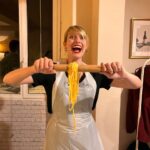
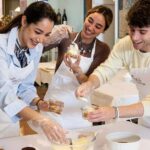
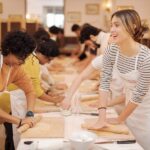
Your menu for the day: fettuccine, ravioli, tiramisu
Let’s talk about the three dishes, because they make a strong combination for learning.
Fettuccine is the base skill. You learn dough handling and how to roll it into pasta ribbons you can actually use. Even if you’ve never made pasta before, the class sets you up to understand the texture you’re aiming for and how the dough behaves as you work.
Ravioli is where you shift from rolling to finishing. You prepare hand-stuffed ravioli, which means the class goes beyond just cutting pasta sheets. You shape, portion, and seal, then you get to taste the difference between a plain pasta meal and something more crafted.
Then comes tiramisu, Italy’s signature dessert. You create it under guidance, so you learn how the dessert is put together as a process, not a vague recipe. That matters if you want to recreate it at home without guessing.
The first part: getting dough right for fresh fettuccine
The heart of this class is the pasta dough work. You’ll knead, roll, and shape fresh fettuccine, and those actions teach you what store-bought pasta never will.
Why this matters for you: once you understand the dough, the rest of the Italian cooking you see around Rome starts to make more sense. You’ll notice how small changes in handling can affect the final texture. You also get real feedback from the chef while you’re working, which is where beginner classes usually win or lose.
One detail that shows the class is serious about technique: a recent participant highlighted a tip about finding the right flour for perfect pasta. That kind of practical guidance is exactly what you want if your goal is to cook again after your trip.
Ravioli time: hand-stuffed, not just shaped
Ravioli can be intimidating if you only think of it as a restaurant dish. Here, you get a step-by-step path to making hand-stuffed ravioli yourself.
This portion is useful because it forces you to handle pasta dough with care. Sealing and shaping are where pasta making becomes a craft. If your edges aren’t consistent, it shows when you cook. The chef’s job is to keep you from getting stuck in the frustration zone.
You also learn the logic behind filling and portioning, even if the exact filling recipe is not something you need to memorize on day one. The big win is learning how to work cleanly and confidently, so your ravioli look good and hold together.
Tiramisu, the dessert workshop that actually sticks
Tiramisu is not complicated, but it is easy to mess up if you treat it like just another dessert assembly. This class helps you avoid that by guiding you through making it yourself.
You create a luscious tiramisu, and you learn the dessert as a sequence of steps. That makes it much easier to reproduce later, because you’ll remember the order and the texture cues. You’ll also understand how the components work together, not just what goes where.
And since the class ends with what you make, tiramisu is a payoff moment. You go from flour on your hands to a dessert you’re genuinely excited to eat.
A few more Rome tours and experiences worth a look


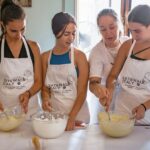
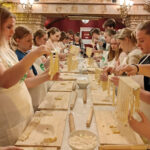

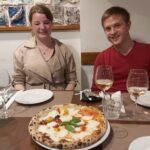
The meal experience: what you get to eat and drink
This class isn’t one of those where you leave with a brochure. You sit down and enjoy the meal you prepared, which makes the whole thing feel grounded.
A couple of helpful perks show up here based on recent experiences: a glass of bubbly plus wine and limoncello were reported as included during the session. Another note described champagne and a choice of wine at the end of the meal. Even if you don’t drink, it’s still a good sign that the host treats the meal like part of the experience, not an afterthought.
Value check for you: when you can taste the outcome of your work, you learn faster. You also avoid the letdown of paying for a cooking class where the food is separate from your effort.
Small-group feel and an instructor who guides instead of lectures
Group size can make or break a cooking class. One participant noted a very small group, with four people total including them, and that kind of setup usually means you get more attention and less waiting.
The chef, Giuseppe, comes up repeatedly in positive feedback. People highlight how he explains steps clearly, stays patient, and keeps the room friendly. That kind of teaching style is especially important for beginners, because pasta work has plenty of tiny “how it should feel” moments.
If you want to learn without feeling rushed, this format is a good match. Hands-on cooking needs time for corrections, and a calm group setup helps.
Price and value: what $69 buys you in Rome
At $69 per person for 3 hours, you’re paying for more than ingredients. You’re paying for chef time, a structured lesson, and a full meal that you make yourself.
Here’s how I see the value:
- You get all ingredients and guidance for pasta and dessert
- You practice three skills, dough handling, pasta shaping, and dessert assembly
- You end with the meal, plus a secret cookie recipe PDF
When cooking classes are overpriced, it’s usually because they’re mostly show-and-tell or the food is generic. This one is built around making the food, then eating it. That’s the difference you feel immediately.
Practical logistics that matter once you arrive
Meeting point can vary depending on the option booked, so make sure you double-check your specific instructions before you head out. Comfortable clothes are the right call, because pasta work gets messy. Also plan to move at an easy pace since you’ll be standing and working with dough.
A few rules are straightforward: pets are not allowed, and smoking is not allowed. Instructor language is English, so you should feel comfortable asking questions.
On dietary needs: the class is suitable for vegetarians. If you have dietary restrictions, you should notify the organizers in advance so they can adjust appropriately. If you have food allergies, this one is not suitable.
Who should book this cooking class
This fits well if you want a hands-on Rome experience that doesn’t depend on restaurant reservations. It’s a strong pick for:
- Food lovers who want a real cooking skill, not just a tasting
- Couples who want a shared activity and a meal at the end
- Groups of friends who like structured fun
- Beginner cooks who want guidance without prior experience
If you’re an advanced home cook, you may still enjoy it for technique practice and dessert work, but you might want to pay attention to how much depth the class goes into on the pasta dough science. The format is beginner-friendly, so it may not be for you if you want a heavy technical lecture.
Should you book this Rome class with Bella Vita Food Tours?
I’d book it if your goal is simple: learn to make three Italian favorites in one go, then eat what you made in a friendly setting. The combination of fettuccine, hand-stuffed ravioli, and tiramisu is a smart choice because it covers pasta basics, craft work, and dessert payoff.
You should consider skipping if food allergies are part of your planning. Also, if you dislike getting a little messy, pasta dough is not for you.
If you want a memorable Rome activity that feels practical and repeatable at home, this is a good fit. A chef like Giuseppe, a hands-on format, and the fact that the meal is tied to your work makes it feel worth the time.
FAQ
How long is the cooking class?
The class runs for 3 hours.
What dishes will I learn to make?
You’ll learn to make fettuccine, hand-stuffed ravioli, and tiramisu.
How much does it cost?
The price is $69 per person.
Is the class taught in English?
Yes, the instructor teaches in English.
Do I need prior cooking experience?
No prior cooking experience is required.
Are ingredients included?
Yes, all necessary ingredients are included.
Is the class suitable for vegetarians?
Yes, the class is suitable for vegetarians. If you have dietary restrictions, you should notify in advance.
What should I bring or wear?
Wear comfortable clothes. You may get a bit messy.
Is it suitable for people with food allergies?
No, it is not suitable for people with food allergies.
What is included in the class besides the cooking?
You enjoy the meal you prepared, and there’s also a secret cookie recipe PDF included.
More Workshops & Classes in Rome
More Cooking Classes in Rome
More Tour Reviews in Rome






Not for you? Here's more nearby things to do in Rome we have reviewed












Cooking Classes, compared.
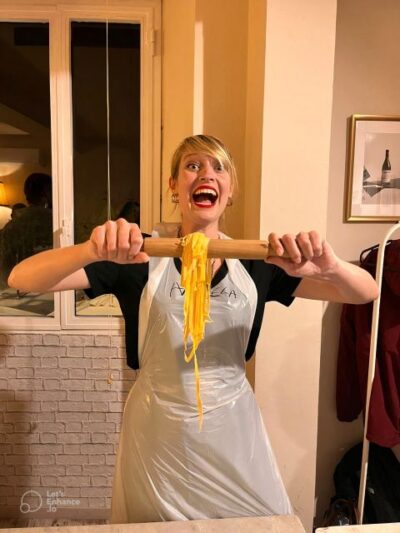 ★ 4.9Pasta Making Class with Wine, Limoncello, and DessertFrom $483,177 reviews
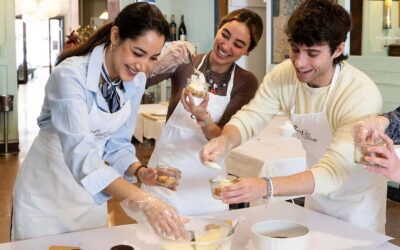 ★ 4.93-in-1 Fettuccine, Ravioli, and Tiramisu Cooking ClassFrom $812,704 reviews
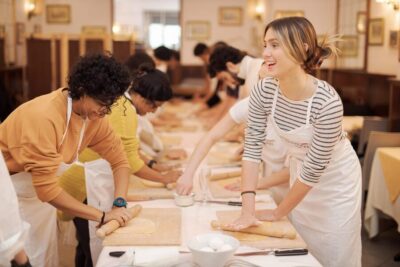 ★ 4.8Fettuccine Pasta Cooking Class in Rome’s City CenterFrom $462,414 reviews
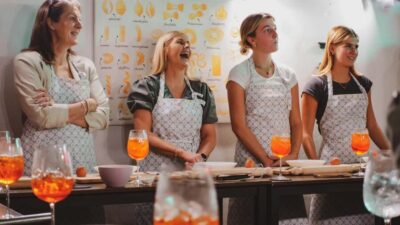 ★ 5.0Traditional Pasta with Cocktails Cooking ClassFrom $1002,374 reviews
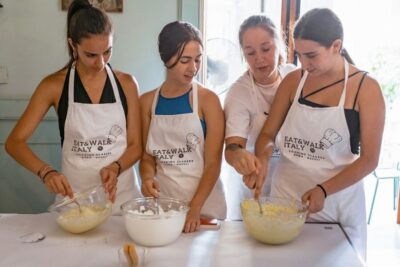 ★ 4.8Fettuccine and Tiramisu Cooking Class with WineFrom $672,013 reviews
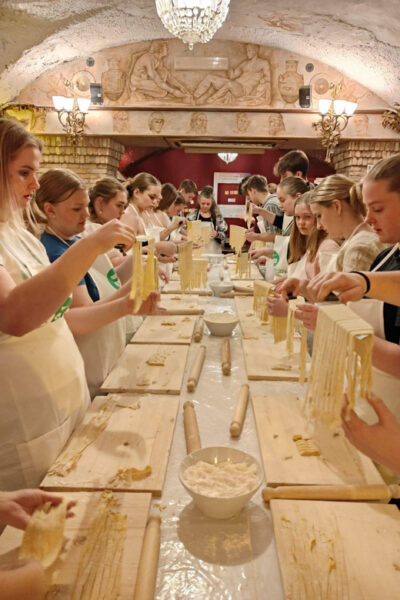 ★ 4.8Pasta & Tiramisu Cooking Class near the Spanish StepsFrom $581,395 reviews
 ★ 4.7Traditional Pizza Cooking Class near Piazza NavonaFrom $461,241 reviews
 ★ 4.9Pasta Making with Wine Tasting and Dinner in FrascatiFrom $35979 reviews
Browse the lists this tour appears in