
Reviewed · COLOSSEUM TOURS
VIP Tour of Rome (3/5/8hrs) Colosseum & Vatican Museums
One long day in Rome, no guesswork. This VIP tour strings together the city’s top sights with a licensed guide and a car waiting for you so you can spend your energy on seeing, not wrangling buses.
I love the private, no-fuss setup. You meet your guide at your hotel or apartment, then roll out with a dedicated driver in a luxury Mercedes van or sedan. Names you may meet along the way include Nicola, Patricia, Nadia, Mickey, Michele, and Laura.
I also love the control the schedule gives you. Your guide can adjust the pace based on what you care about most, and the added structure helps you hit the biggest highlights in one go. One consideration: admissions and key site rules are your responsibility, and St. Peter’s Basilica is handled differently than you might expect.
Key things that make this VIP Rome tour work
- Private tour format so you only share the day with your party, not random add-ons.
- Luxury Mercedes transfers included (van or sedan), which matters in Rome traffic and heat.
- 8-hour option tackles Vatican Museums and Sistine Chapel, where timing and crowd control really count.
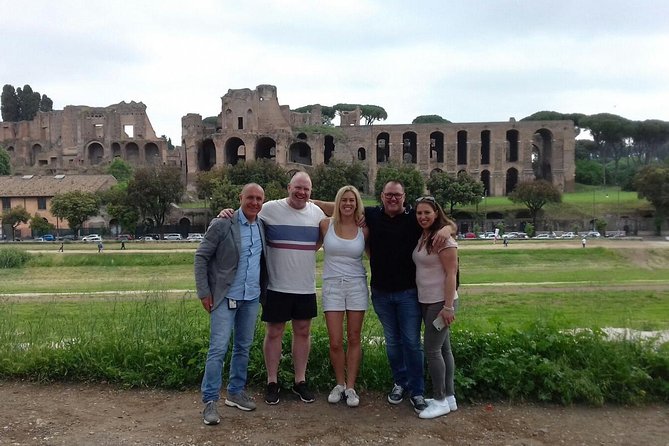
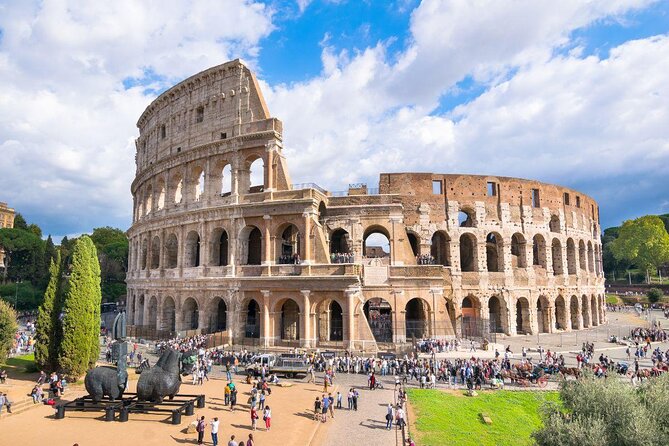
- 5- or 8-hour option includes the Colosseum plus nearby ancient Rome like the Forum and Palatine Hill area.
- Central Rome sights fit in, including Pantheon, Trevi Fountain, Piazza Navona, and more.
- Dress code and IDs matter, especially for Vatican and Colosseum entry.
The VIP feel in Rome, with a driver who understands traffic
Rome rewards people who plan. It also punishes people who improvise. This tour is built around that reality: you get a dedicated driver and licensed guide, and the vehicle is close enough to keep transitions manageable.
The “VIP” part is not just the car. It is the rhythm. Instead of you steering your day around timetables and ticket windows, your guide handles the on-site flow and gives context as you walk. In practice, that can mean less time standing around and more time looking up at details most people rush past.
And yes, the car makes a difference. One guest compared a golf cart tour from a prior visit and said the van setup worked better for hearing and comfort, especially when the weather turned or the windows got in the way. That lines up with what you should expect: Rome sidewalks are bumpy, and you want a comfortable ride between stops.
A few more Rome tours and experiences worth a look
Which length should you pick: 3, 5, 8, or 10 hours
Your time is the main decision here. The tour is offered in ranges, and the sight lineup changes based on length.
- 8-hour option is the one that can include Vatican Museums and the Sistine Chapel, plus Vatican highlights like St. Peter’s Square.
- 5- or 8-hour option is the one that can include the Colosseum, plus surrounding ancient sites like Foro Romano and Palatine Hill.
- Other central sights (like Pantheon and Trevi) appear on the broader route, but the exact mix depends on your chosen duration.
If you are first-time in Rome and want the “greatest hits,” the 8-hour slot is usually the sweet spot because it lets you do both the Vatican side and ancient Rome side without feeling like you are sprinting blind.
If you only care about the Vatican and classic central Rome, you might be happier with a shorter version. If ancient Rome is your priority, choose the option that includes the Colosseum and the nearby Forum and Palatine Hill area.
Vatican Museums and Sistine Chapel, the parts where your day can break
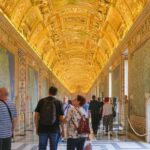
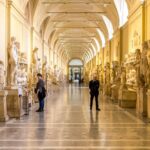
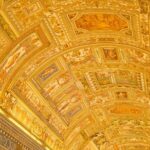
If you choose the longer version, your Vatican block starts with Vatican Museums. The focus here is on the museum experience as a guided walk: you are not just shuffled through galleries. You get time to decide what you want to look for, then you move through the long corridors toward the Sistine Chapel area.
A practical heads-up: the Vatican can feel like information overload even when you do everything right. That is why the structure helps. Your guide can steer you toward the collections you care about, and you can slow down where you want more explanation.
Sistine Chapel rules you should plan around
The Sistine Chapel stop includes the core reality of the place: it is famous, and it is tightly controlled. Inside, you cannot speak and you cannot take photos or videos. You also should expect that people-watching pressure because everyone is there for the paintings.
Your guide will give you time to look closely, not just march you in and out. That matters. If you try to skim the ceiling, you lose most of what makes it unforgettable.
St. Peter’s Square, Bernini’s colonnade and the obelisk detail
After the Chapel, you move to St. Peter’s Square. This is where the scene changes from museum rules to open-air drama. The colonnade by Bernini frames the embrace concept around St. Peter, and the square is anchored by an ancient Egyptian obelisk that ended up here centuries later.
There is also a neat “you are really in the story” feeling to this stop. Conclave crowds wait here for the new Pope’s first appearance, so the square is tied to real modern rituals, not just ancient ruins.
You can also read our reviews of more museum experiences in Rome


The big ancient hit: entering the Colosseum area without getting lost
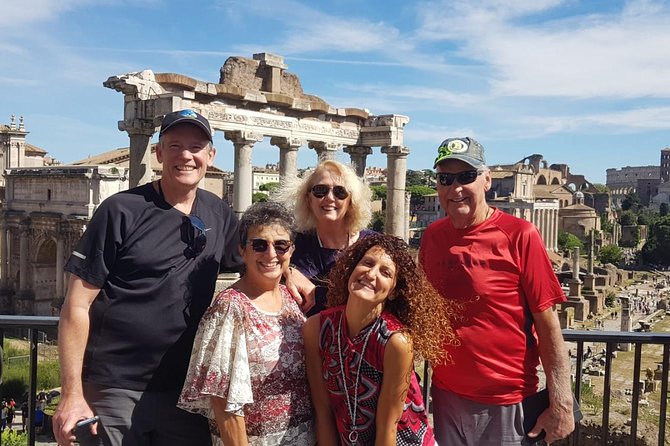
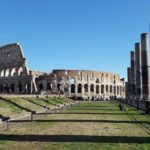
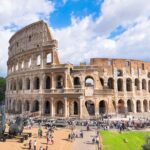
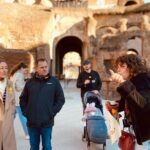
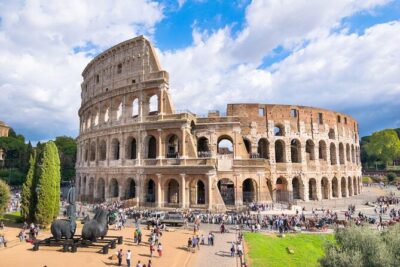
If your selected tour includes it, the Colosseum is the centerpiece. This amphitheater dates to the period when Rome was scaling up its grand entertainment and engineering, and it still works as a visual shock.
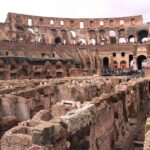
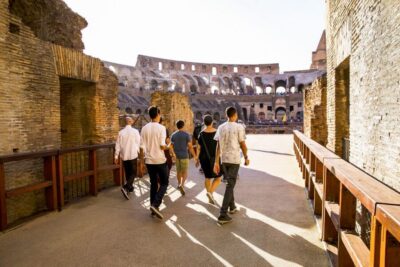
What you should do is think less about memorizing dates and more about understanding what you are looking at: arena size, tier layout, and how the building made mass events possible. That is where a real guide earns their keep.
Foro Romano and Palatine Hill, the “why Rome mattered” stops
Right after the Colosseum block, you are set up to connect the dots with Foro Romano and then the Palatine Hill area.
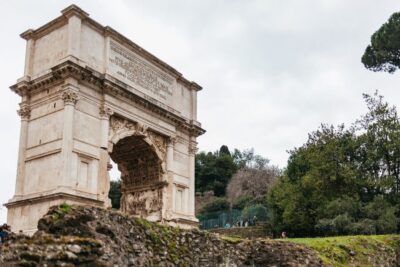
- Foro Romano is the political center vibe. It is the monumental zone that reminds you how Rome’s power system operated.
- Palatine Hill is where the story goes from public politics to imperial life. It is one of the most ancient areas of the Seven Hills, associated with the early nucleus of the Roman Empire idea. The hill also ties to Augustus-era imperial residences, which helps you picture how leadership lived, not just how leadership ruled.
These stops are short in the plan, so your guide’s job is to keep you oriented. If you are hoping to wander slowly and read every sign, do not expect that. If you want “see it, understand it, move on,” this pacing usually fits well.
Pantheon, Trevi, and the route that keeps you moving smart
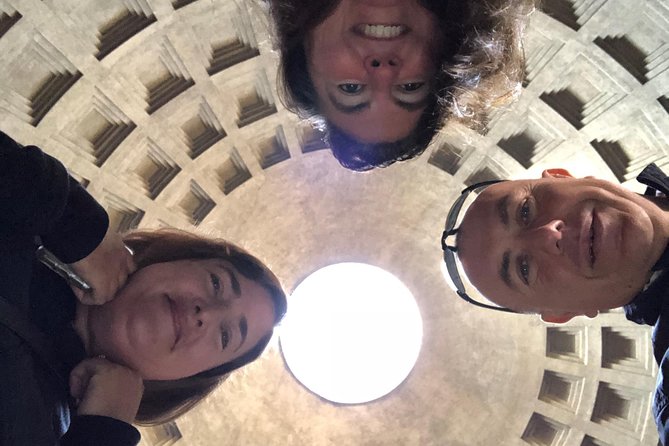
When your schedule includes the Pantheon, it is a huge win. This is one of those places that feels like it belongs in a postcard and still hits harder in person. You get an overview of its construction history, including the early version attributed to Marco Agrippa and the later rebuild under Emperor Hadrian. Then you see it as a church today, which is part of why it survived while so many other ancient buildings turned into ruins.
The key practical note: the interior and the dome are the point. You do not need a long time here to feel the “how did they do that” factor.
Trevi Fountain, the coin moment and the aqueduct detail
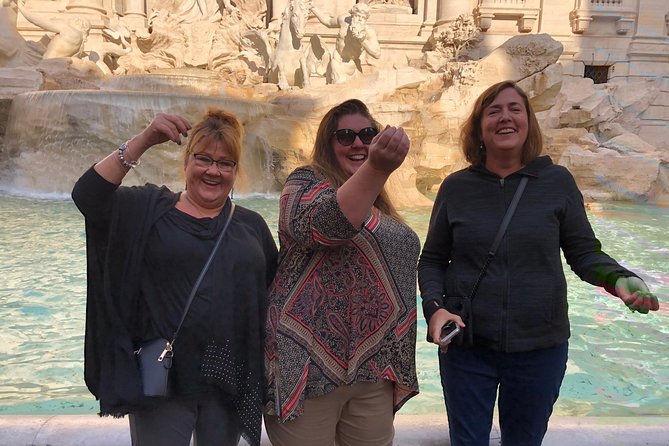
Next up is Trevi Fountain, one of Rome’s most photographed spots for a reason. You will be close enough to feel how busy it gets around the main view, and your guide can explain the water story tied to the Acqua Virgo aqueduct.
Then comes the coin ritual, the one everyone knows. Even if you are not into superstition, it is one of the simplest ways to participate in the living Rome experience.
Circus Maximus, a fast stop with a big scale lesson
Circus Maximus is quick, but it teaches scale. It is an ancient chariot-racing and mass entertainment venue in the valley between the Aventine and Palatine Hills. Even with limited time, you can connect it back to what ancient Rome built for public spectacle.
If you have ever wondered how a city like this managed crowds, this stop helps. The venue was built for intensity, not quiet.
Capitoline Hill viewpoints and the photo-friendly Roman Forum connection
If your tour reaches Piazza del Campidoglio, you gain a higher perspective. The Capitoline Hill is the smallest of the Seven Hills, but it is treated as important and symbolic as a political and religious heart. From the top, your guide can point out the Roman Forum ruins and the broader idea of Rome as a long-running empire.
This is one of those segments where the best move is to take a few minutes, look around, and then let your guide tie what you are seeing to what you learned earlier. It helps the ruins click into place.
Central Rome walk: Piazza Venezia, Via del Corso, Spanish Steps, Navona, Campo de’ Fiori
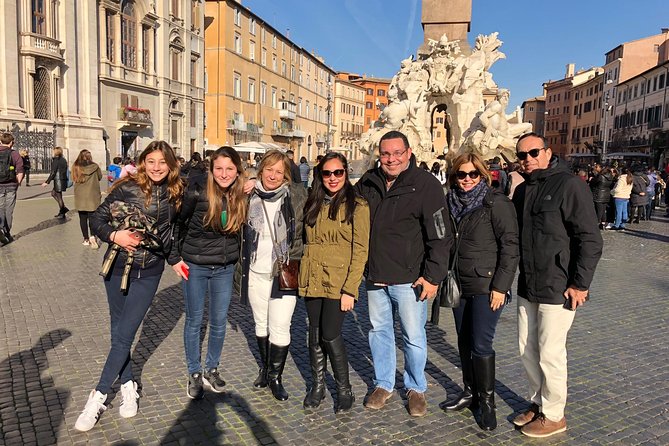
This part of the day works because it keeps the route logical. You do not bounce randomly around the map.
- Piazza Venezia serves as a central hub where several major streets intersect. It is a good orientation stop, and the guide can connect it to nearby historic pathways.
- Via del Corso is the main street feel, straight through a zone otherwise made of narrow alleys and smaller piazzas. It is part of why Rome can feel like it changes character block by block.
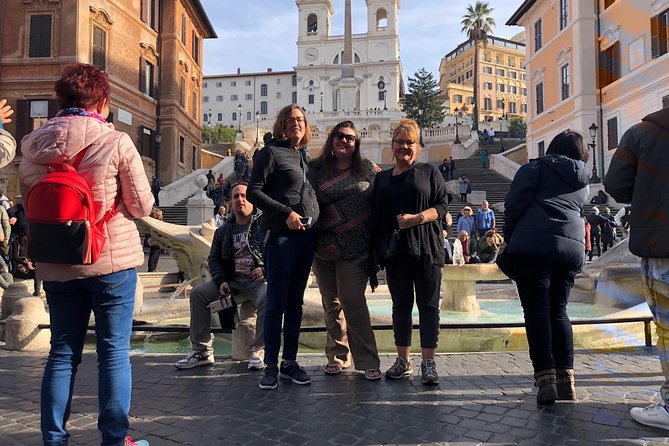
- Spanish Steps is the classic climb between Piazza di Spagna and Piazza Trinità dei Monti. It is also a France-Spain diplomacy kind of story, which makes the structure feel less like a prop and more like an artifact with a reason.
- Piazza Navona is baroque Rome at its most theatrical. It sits over older stadium ruins, and the centerpiece Fontana dei Quattro Fiumi creates the visual focal point.
- Campo de’ Fiori is a short step away and shifts the mood. It is a rectangular square with a name tied to the idea of a meadow, and it historically sat in an open space between older points of interest near the Tiber.
The value here is not just checking boxes. It is getting a sense of Rome as a layered city where older structures shape the modern street plan.
Tickets, dress code, IDs, and the one rule you should not ignore
This tour includes a lot, but not the entry fees. You should plan to pay admissions separately.
From your budget planning perspective, the not-included costs add up fast:
- Vatican Museums and Sistine Chapel: €60 per person
- Colosseum: €40 per person
- St. Peter’s Basilica: €10 per person
- Pantheon: €10 per person
Lunch is not included either.
Dress code: bring your shoulders and knees covered
You need to plan clothing for places of worship and selected museums. No shorts or sleeveless tops are allowed, and knees and shoulders must be covered for both men and women. If you show up dressed wrong, you risk being refused entry.
IDs and full names: don’t treat this as paperwork
For entry to the Colosseum and Roman Forum, you must present a valid passport or ID that matches the names provided at booking. Also, if full names are not presented in advance in the required way, ticket office entry can be denied.
This is one of those “small details” that can ruin a big day. It is worth handling carefully.
Earphones in the Vatican if your group is over 4
Inside the Vatican Museums and Sistine Chapel, earphones are mandatory if your group size is more than 4 guests. The rental cost is €5 per person, and that cost is not included.
If you are traveling as a small party, this may not apply. Still, it is good to know it exists.
Skip-the-line tickets, and why St. Peter’s Basilica is tricky
You may hear “skip the line” promises with Rome tours, but the reality is that rules change based on demand and ticketing systems.
This tour offers help with skip-the-line tickets only upon request, if available. If you use that option, tickets are paid cash directly to your guide.
Now the bigger surprise for many people: St. Peter’s Basilica will not be included due to issues tied to the high number of visitors and the difficulty in purchasing tickets under current Vatican rules. If you want to enter on your own, you will need to purchase tickets separately by following the instructions your guide provides, and it says the system asks for personal data.
If you care most about seeing the Basilica interior, you should plan for a separate visit or confirm how the individual ticket process will work for your dates.
Price and value: what you pay for at €580-ish and why it can be worth it
At $580.72 per person, this tour is not cheap. But you are paying for several things Rome makes expensive or stressful to DIY.
You are getting:
- A private, licensed guide
- Hotel, apartment, and station pickup and drop-off within Rome
- Luxury Mercedes transfers for the day
That combination is what compresses your day safely. Rome traffic and crowd flow can turn a self-guided plan into a frustrating patchwork, especially if you want both Vatican and ancient Rome.
Admissions are not included, and you should budget around the listed entry fees. Still, even after admissions, the tour can pencil out when you compare it to the cost of multiple separate tickets plus the time you lose hunting down timed entry, dealing with queues, and trying to connect the dots.
In short: if your goal is to see the big sights with the least stress and the best use of limited time, this style of VIP tour usually holds up.
Who should book this VIP Rome plan?
I think this works best if:
- You are in Rome for a short stay and want a structured greatest hits day.
- You dislike coordinating transit and timed-entry logistics.
- You want a guide who can explain what you are seeing while you move between monuments.
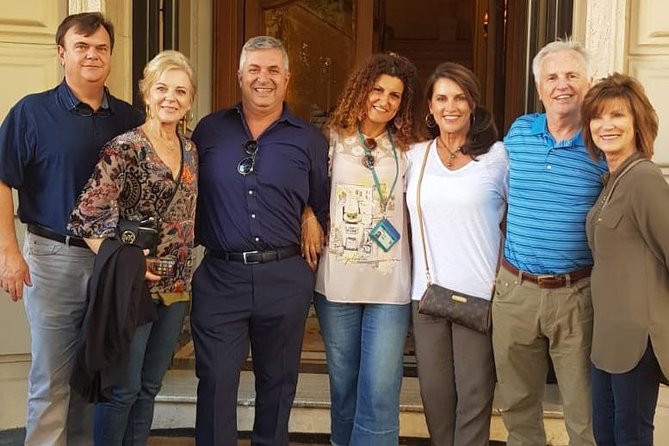
It can also be a good family choice. One family tour included kids aged 10 to 15 and the group did not feel rushed, mainly because the vehicle helped beat the worst of the heat and walking gaps.
Where it might not fit as well:
- If you want long, slow museum time and zero schedule pressure.
- If you plan to prioritize St. Peter’s Basilica interior as your single non-negotiable, since it is not included in the tour.
Should you book the VIP Tour of Rome with Colosseum and Vatican Museums?
If you want one day in Rome that feels organized, this is a strong option. The biggest reasons to book are the private guide, the luxury transfers, and the ability to tackle the Vatican Museums and Sistine Chapel in the 8-hour version while still reaching the Colosseum and ancient Rome in the longer route.
Before you click confirm, do two things:
- Budget for admissions and plan clothing for the dress code.
- Decide if St. Peter’s Basilica interior is a priority, because it is not included, and you may need to arrange it separately.
If your ideal Rome day is guided, efficient, and heavy on the iconic sights without the stress of logistics, this VIP plan is built for you.
More VIP Experiences in Rome


More Tours in Rome
More Tour Reviews in Rome
Not for you? Here's more nearby things to do in Rome we have reviewed





Colosseum Tours, compared.
 ★ 4.8Colosseum, Palatine Hill and Roman Forum Guided TourFrom $5232,814 reviews
 ★ 4.7Guided Tour of Colosseum, Roman Forum & Palatine HillFrom $5527,897 reviews
 ★ 4.2Colosseum & Forum with Audio Guide App -Optional ArenaFrom $4124,770 reviews
 ★ 4.5Colosseum, Roman Forum and Palatine Hill Guided TourFrom $5923,903 reviews
 ★ 4.4Colosseum, Forum & Palatine Hill Tour & Optional ArenaFrom $5813,839 reviews
 ★ 4.6Colosseum, Palatine Hill & Roman Forum Guided TourFrom $5112,703 reviews
 ★ 4.7Colosseum: Underground and Ancient Rome TourFrom $16012,691 reviews
 ★ 4.6Colosseum Arena, Palatine Hill & Forum Guided TourFrom $7310,584 reviews
Browse the lists this tour appears in