Reviewed · ROME
The Four Seasons by Antonio Vivaldi – Sala Dante Roma
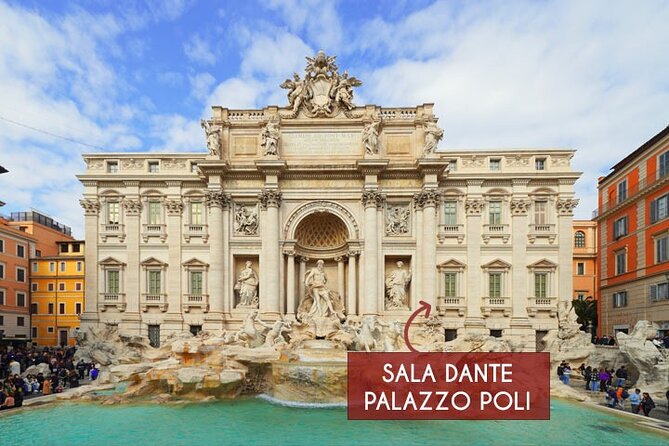
Trevi Fountain on your music break. This Roman concert pairs Vivaldi’s Four Seasons with an intimate Sala Dante setting, plus a rare view of the Trevi Fountain from the windows. It is a classic piece, presented in a small ensemble format that feels personal rather than formal.
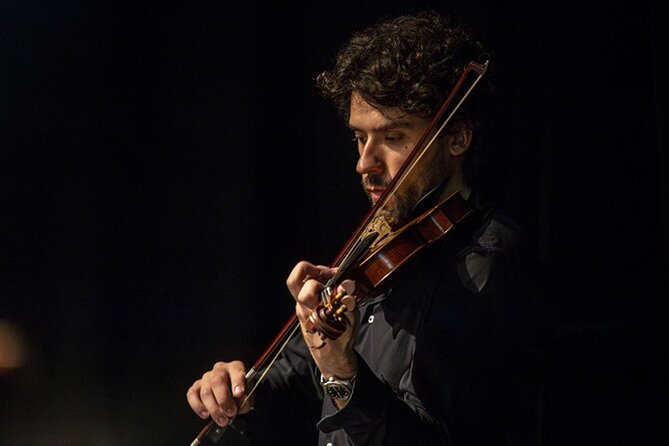
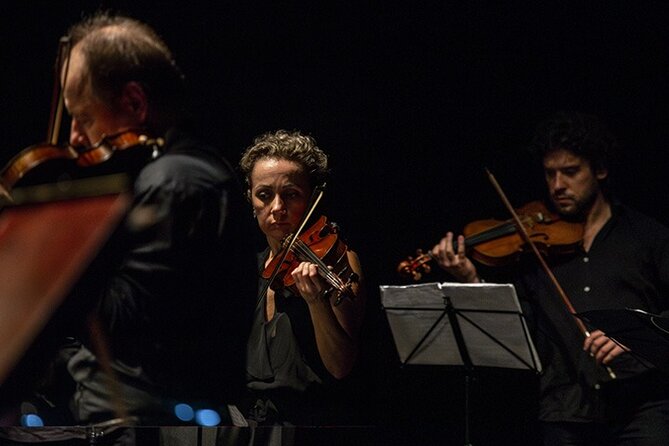
I love that this performance is done in a live, acoustic setup with a string quintet and harpsichord, including violin-led artistry from Elvin Dhimitri. I also like that the show is practical for an evening in Rome, starting at 8:30 pm at Palazzo Poli, so you can plan dinner nearby and still make it to the music without stress.
One consideration: the hall atmosphere can be affected by the audience. Some performances have had disruptions like latecomers being ushered in and people using mobile phones during the music, and the room can run warm or cool depending on conditions.
Key highlights you should know before you go
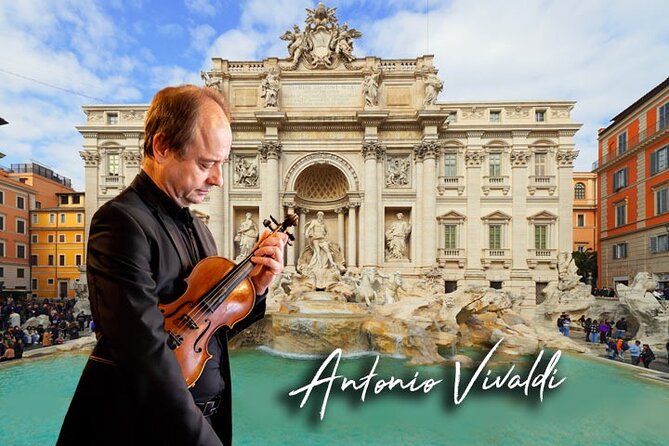
- Trevi Fountain views from Sala Dante: You literally get the landmark without leaving your seat area.
- Vivaldi with a focused chamber sound: Strings plus harpsichord, no orchestra sprawl.
- Elvin Dhimitri and Opera e Lirica musicians: A violinist with serious Rome music credentials.
- Small group size: Maximum of 20 people, so the evening stays close and orderly.
- Smart casual dress code: Easy to follow, no formal tux-and-gown vibe required.
- Seats assigned at the box office: You will not know your exact seat in advance.
Why Vivaldi’s Four Seasons feels extra special in Rome
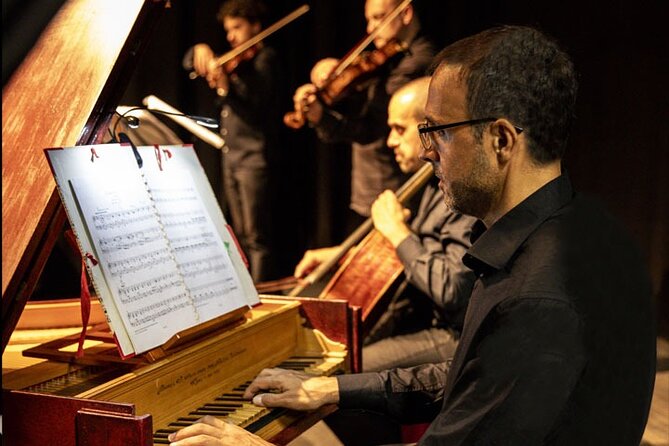
I get why people chase art in Rome during the day. But at night, your senses work differently, and that is exactly when The Four Seasons lands hardest. This is one of those pieces where rhythm, tempo shifts, and the interplay between parts do most of the storytelling. In a chamber setting, you hear the details in bowing and phrasing, not just the big picture.
This particular concert is also tuned for a Roman evening. It is not a long, multi-hour program. The performance runs about 1 hour 30 minutes, so you are not stuck missing your bedtime or your last aperitivo. And because it is offered in English, you can follow along without needing to translate the vibe.
The other reason it works so well here is location. A lot of Rome concerts are either hidden or purely indoors with no connection to the city. This one gives you a visual thread outside the music, with the Trevi Fountain visible from the windows. That little connection makes the experience feel like a memory you build in layers, sound inside, city outside.
You can also read our reviews of more tours and experiences in Rome.
Sala Dante at Palazzo Poli, and the Trevi Fountain window effect
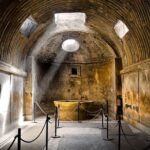
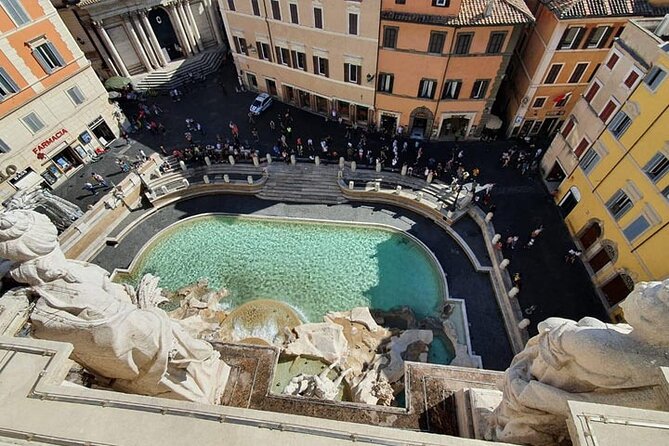
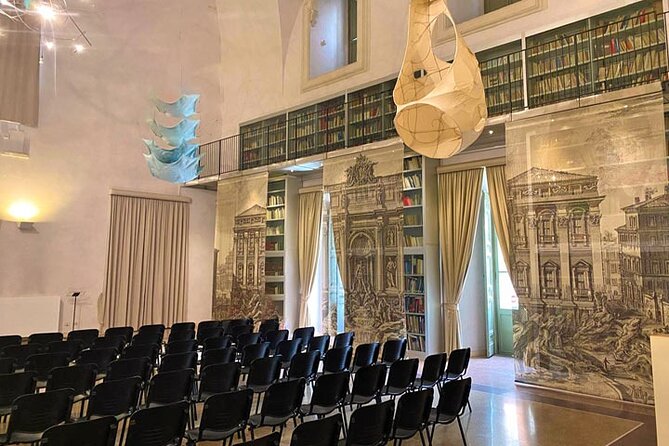
The main “wow” is the room itself. You are in Sala Dante of Palazzo Poli, at Via Poli, 54, and the windows look out toward the Trevi area. That means your brain does not clock out when the music pauses for applause. You get to glance at a skyline that tourists usually only see in photos.
Sala Dante also feels designed for clarity. Many classical concerts in large venues can blur details, especially if your seat is not perfectly centered. Here, the setup is chamber-like, and people report hearing and seeing the musicians clearly from most seats, even when the hall is full.
Now, let’s keep it honest about the tradeoffs. This is a historic, smaller venue, and conditions can vary. Some people have noted warmth inside during the performance. Others have said the room was cold or that lighting felt intense. A few also mentioned smells, which can happen in older church-like interiors because they are not built like modern theaters.
My practical take: bring a light layer, even if Rome feels warm in the afternoon. If you get cold easily, you will be happier. If you run hot, you will also appreciate a breathable outfit and maybe a small water bottle.
Stop 1: Palazzo Poli timing, arrival flow, and what to do with dinner
Your evening starts at 8:30 pm. That timing is a sweet spot in Rome. It is late enough that you can do a proper dinner, and early enough that you are still fully awake for a 70-ish minute performance. The venue is in a central area, and it is near public transportation, which matters because Rome walking routes can be slower than you think after dinner.
I like the way this experience is set up to reduce friction. The highlight promise includes skipping long lines at the box office, and that is not a small deal in Rome. Waiting outdoors while other people stream past you is the fastest way to turn a good plan into a stressed plan.
Here is how I’d structure your evening:
- Eat somewhere close to Via Poli so you are not sprinting through streets after your meal.
- Arrive a bit early so you can settle before the room fills.
- Plan to keep your phone away once the music begins, because interruptions can happen.
Also note the seating reality: seats are assigned by the theater box office and you will not know your exact seat until closer to performance time. Some people reported being able to see and hear well from most positions, but if you are picky about sightlines, plan to arrive early enough to pick up the best available option when you check in.
The musicians behind the sound: Elvin Dhimitri and Opera e Lirica
This is not “background classical music.” It is performed by a real chamber group: a string ensemble plus harpsichord, produced by Opera e Lirica srl. The violinist highlighted here is Elvin Dhimitri, described as the first violin of Opera e Lirica and a veteran orchestral musician in Rome.
What I find valuable about a performer like this is the control. The Four Seasons requires clean articulation. It also needs energy that does not turn into blur. Dhimitri’s musical background is the kind you want in a chamber performance, where you can hear everything. In a small hall, there is nowhere to hide, and that is part of why people call the musicianship “superb” and “passionate.”
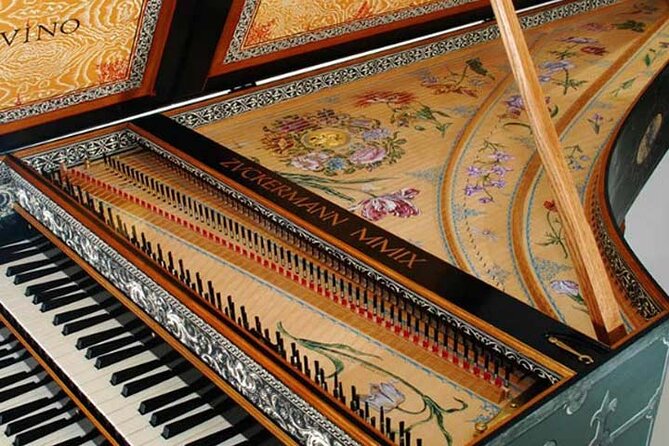
In some show formats, people have mentioned four violinists, a cello, and the cembalo (harpsichord). Even if the exact seating of the ensemble varies slightly by program day, the core point stays the same: you are not getting a diluted “orchestra lite” experience. You are hearing a compact group that can communicate clearly, and the harpsichord adds those crisp details that make Vivaldi feel bright rather than heavy.
What the performance actually delivers: strings, harpsichord, and clear acoustics
The sound is one of the best reasons to book this type of concert. With a string-led ensemble and harpsichord, you get a mix of warmth and sparkle. Strings can sing and bite depending on the passage, and the harpsichord helps outline the rhythmic structure.
One of the most-liked comments about this event is the way it lets you hear the music as a connected whole. People talk about the hall being able to carry the last notes with slow fade, which tells you the acoustics are doing their job. You also get the benefit of an unamplified chamber texture, where your ears follow the players rather than listening for a speaker system.
The emotional tone matters too. Vivaldi’s seasons are not just “pretty.” The piece has motion and contrast, from bright bursts to more reflective sections. When it is done in a hall like Sala Dante, the shifts feel more immediate because you are closer to the physical work of making sound: hands on strings, bow pressure, and small ensemble timing.
There are two comfort things to keep in mind though. Some people say the chairs can be uncomfortable if you move and the wood can make noise. Others say the room can get warm. Those are not deal-breakers for everyone, but they are real enough that I suggest you wear something that lets you sit still comfortably.


Audience etiquette: the biggest factor you cannot control
Let’s talk about the wildcard. Even with great musicians and a great room, the audience can change the experience. Some people have reported:
- latecomers being ushered in during the performance
- mobile phones being used during the music
- extra movement during quiet moments
If you are the type who wants pure focus on the music, you should enter with a strategy. Choose a seat where you can see the performers without craning. Plan to be seated early. And once the music begins, treat your phone like it is in “do not disturb” mode. It is a small action that helps keep the night as musical as it should be.
Also, if you get thrown off by people walking around, you might prefer concerts where audience behavior is tightly regulated. This one is small, which helps, but the venue can still share the space with visitors who are not used to concert etiquette.
Practical details that affect your night (price, seats, comfort)
Let’s do the value math. The price is $54.07 per person, and the experience includes local taxes and live entertainment. Transportation is not included, so you handle getting to Palazzo Poli yourself. For Rome, $54 for a live chamber-style performance with violin-led musicians and a harpsichord is often a reasonable trade, especially because it avoids the time sink of big-box office lines.
The group size is maximum 20 travelers, which can matter for comfort and the overall mood. Smaller groups usually mean fewer chaos moments, especially in narrow check-in areas.
Now for the seat situation: seats are assigned by the theater box office and are not known in advance. I view this as the biggest planning drawback. You can still end up in a great spot, but you should not book it expecting guaranteed first-row clarity.
Dress code is smart casual. That makes it easy: think nice shoes, no beach slippers, and you are good.
Lastly, temperature and lighting are not consistent across all reports. One person says it was warm. Another says cold. Someone else mentions lighting being bright. Since the venue is older and not a modern, controlled theater space, you should dress with flexibility. Bring a light layer. If you run cold, a slightly warmer layer is worth it.
Who should book this Vivaldi Four Seasons concert
This concert is a strong fit if you want:
- a classical night in Rome that is shorter than a full opera evening
- a performance that feels close, because it is a chamber ensemble rather than a massive orchestra
- a central location with a special “Rome view” element, since you can see the Trevi Fountain from the windows
- an easy language option with English offered
It is also great for couples or anyone celebrating a milestone. People describe it as a memorable way to “round off” a trip, and the combination of music plus landmark view makes it naturally photo-worthy without needing a complicated plan.
Who might hesitate? If you are very sensitive to audience noise or etiquette issues, you should be aware this can be the weak link. Some reports mention phones and latecomers. The music is the draw, but the crowd can influence your experience.
Should you book the Four Seasons at Sala Dante?
Yes, I think it is worth booking if you want a focused, chamber-style Vivaldi night in a central Rome setting, especially because of the Trevi Fountain window view. The ensemble format, the clear acoustic reports, and the fact that it is done in English make it accessible and enjoyable.
Just go in with two expectations set correctly:
1) Your seat is not guaranteed in advance. Arrive early so you can get the best available placement.
2) Your enjoyment depends partly on audience behavior. Give yourself the best chance by staying seated, keeping your phone away during the performance, and using a comfortable outfit so you can settle in.
If you want a classical evening that feels like Rome, not like a traveling copy of a concert hall, this is the kind of night that turns into a vivid story you can still picture months later.
FAQ
Where is the concert held?
It takes place at Sala Dante of Palazzo Poli, Via Poli, 54, in Rome.
What time does the performance start?
The start time is 8:30 pm.
How long is the experience?
It lasts about 1 hour 30 minutes.
Is the performance offered in English?
Yes, it is offered in English.
What is the dress code?
The dress code is smart casual.
Are seats chosen in advance?
No. Seats are assigned by the theater box office and you will not know your exact seat in advance.
Can I cancel for a full refund?
Yes. You can cancel up to 24 hours before the start time for a full refund.