
Reviewed · FULL-DAY
Rome’s 12 Best Highlights Full Day Private Tour
Rome’s best hits, packed into one calm day. This private full-day ride strings together 12 major sights with clear explanations and photo stops timed to help you see more with less hassle. I like that it’s built around an air-conditioned vehicle, so the day stays comfortable even when Rome turns hot.
Two big pluses: you get a tight route that covers ancient Rome, central squares, and the Vatican without wasting time, and the driver-guide handles the traffic picture while you focus on the sites. The one drawback to plan for is also the most important detail: most stops are viewed from the outside, so you are not automatically doing long interior visits unless you choose options that match your ticket situation.
6 Things That Make This Private Day Tour Work
- 12 highlights in about 7 hours, with set stops for photos and short explanations
- Outside views by design, which keeps the pace moving and ticket lines optional
- Comfort first with a Mercedes minivan or sedan plus bottled water and parking fees
- Driver-guides who adjust on the fly, with names like Alessandro, Claudio, Andrea, Marco, Stephane, Hector, and Cristiano showing up in past experiences
- Vatican Square time that isn’t rushed, with about an hour to look around
- A real Rome mix, from Teatro di Marcello and the Forum to Trevi, Spanish Steps, Navona, Pantheon area views, Gianicolo, and the Colosseum
The Real Value: A Smart 1-Day Route You Can Actually Use
Rome has a way of making a first day feel chaotic. Streets shift, buses crawl, and the “top sights” fight for your time. This tour is built to solve that problem with a simple idea: group the landmarks into one flowing loop and stop long enough for photos and context.
The price, $424.65 per person, can look steep until you factor in what’s included. You’re paying for a private vehicle, driver-guide, parking fees, and the time saved from figuring out routes and meeting points. If you’re a couple, a small family, or you only have one day and you want maximum value from that single window, this format often makes sense.
It also helps that it’s not a checklist where you get dropped off and forgotten. You’re actively guided, with short talks that help you recognize what you’re looking at, even when you are viewing from the street or from a nearby viewpoint.
You can also read our reviews of more private tours in Rome

How the Tour Flows: Outside Viewing, Timed Stops, and Optional Inside Visits
Here’s the core of the experience: you visit the top sites mostly from the outside. That’s why the tour lists no required admission tickets for the main itinerary. It’s a great match if you want Rome’s highlights without spending your day trapped in queues.
Still, there are a couple of important “know before you go” points:
- Pantheon and Colosseum can become inside visits only in specific cases. The tour notes that if you have tickets for Pantheon and/or Colosseum, and you select the Private Licensed Tour Guide option, the guide can guide you inside those monuments.
- Even when you stay outside, you get guided orientation. Stops are set for photos and explanations, which is the difference between seeing a building and understanding why it matters.
- Trevi Fountain has access limits. You’ll approach from street level, and the lower area is restricted to ticketed guests, so the guide focuses you close to the fountain for pictures.
So think of this as a day of sightlines and stories first, with the option to upgrade to interior time if you want that extra step and your tickets line up.
Teatro di Marcello, Palatine Hill, and Circus Maximus: Ancient Rome Without the Long Walk
The day starts with Teatro di Marcello, one of those quiet powerhouses of Roman architecture. It’s described as the second largest of the three ancient Roman theaters, and the key thrill here is that so much of it still stands. The name ties to Augustus and his nephew Marcellus, with the story anchored in the theater’s dedication in the 1st century BC. Later, it even became part of a private residence foundation in the 16th century, which gives you a neat timeline you can picture as you look at the arches.
Next is Palatine Hill. This is where Rome’s story begins, tied to the city’s origins in the 8th century BC. Later, emperors turned it into their official and private residence. The tour keeps expectations honest, because you’ll view it from the outside. You stop near the southern crest of the Circus Maximus for a viewpoint and photos, which is a smart way to “see” Palatine without committing to interior access.
Then you hit Circus Maximus, the massive chariot-racing stadium. Today it’s basically a green flat area, but it’s famous because of how it shaped Roman spectacle. Again, you view from the outside, specifically from the southern crest, which gives you the panoramic photo advantage.
What I like about this sequence: it builds a clear mental map of what ancient Rome felt like, even before you reach the big civic center sites. You start with theatrical power, then shift to imperial residence, then to public spectacle.
Piazza Venezia, the Monument, and the Roman Forum: Rome’s Political Center in One Breath
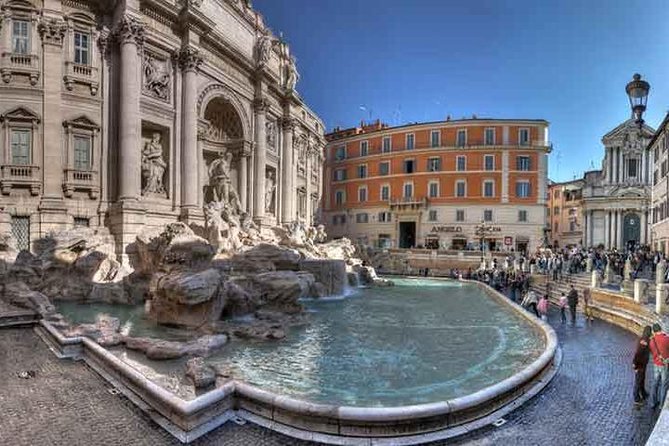
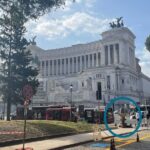
After the ancient hill and stadium views, the tour swings into central Rome with a stop at the Monument to Victor Emmanuel II in Piazza Venezia. It’s not just a landmark. It connects to the story of Italy’s unification and the role of King Victor Emmanuel II. You also get the Tomb of the Unknown Soldier at the top of the central staircase, with eternal flames and standing soldiers. You’ll view the monument from outside from a corner of the main square, so this is less about close inspection and more about catching the symbolism in the space.
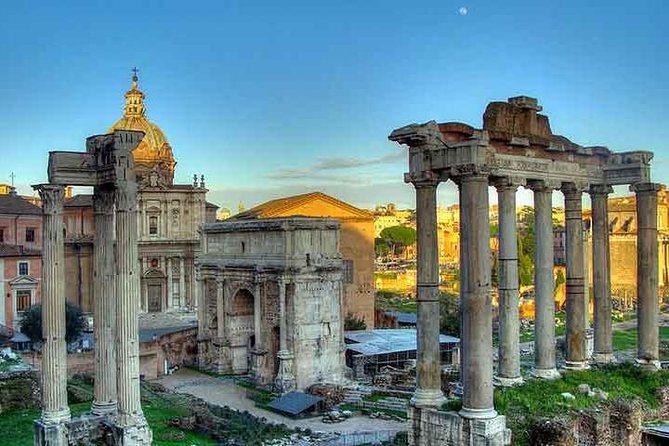
From there, you move to the Roman Forum. This is the heart of ancient Rome in the civic sense: it evolved from a marketplace into the center for public ceremonies and civic life. You won’t be doing a full walking circuit inside ruins here, because the description focuses on viewpoint viewing and a drop close to key areas for photos.
You get about 30 minutes for the Roman Forum stop time, and the guide positions you near the action points so you can look toward what’s left and connect it to what you’re learning.
Practical takeaway: the Forum area can be confusing if you just wander. A short explanation and a good viewpoint can turn your photos into something you’ll remember later, instead of a pile of stones.
St. Peter’s Square: The One Stop That Actually Feels Like a Break
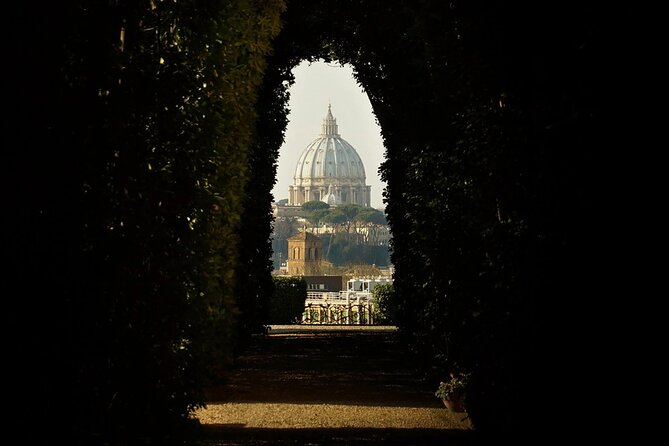
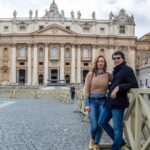
This stop is an hour, and that matters. St. Peter’s Square is open to the public in general, except during special celebrations. You get a brief but informative explanation, then time to take photos and explore the square.
This is also where the tour’s pace feels most balanced. Earlier stops are short and photogenic. Here you get space to slow down, look at the architecture, and notice the scale of the square and how it functions as a gathering hub for Christian culture. The driver-guide frames it as the place where the Pope holds meetings and audiences, plus Sunday blessings.
Small planning note: you’ll likely be standing and walking at least a bit in the Vatican area, even if your main orientation comes from a guided intro. If you hate big crowds, go in with a calm mindset. The tour’s timing helps, but you still need your best patience face on.
A few more Rome tours and experiences worth a look

Trevi Fountain, the Spanish Steps, and Piazza Navona: Rome at Street Level
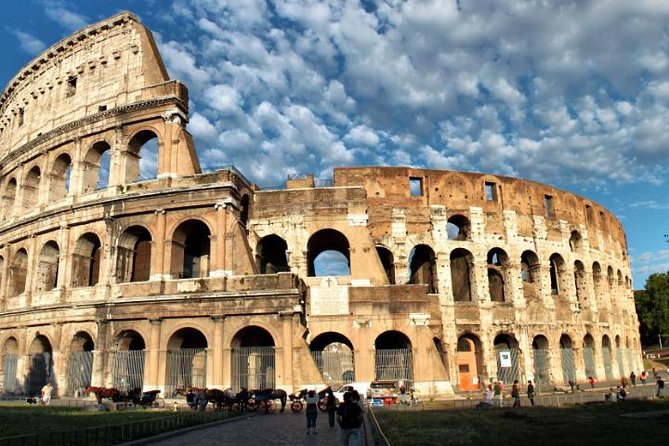
Trevi Fountain is next, and the access rules are a key detail. You’ll be guided as close as possible from street level because the lower level is restricted to ticketed guests. After a historical explanation, you get about 30 minutes for photos and exploring the immediate area.
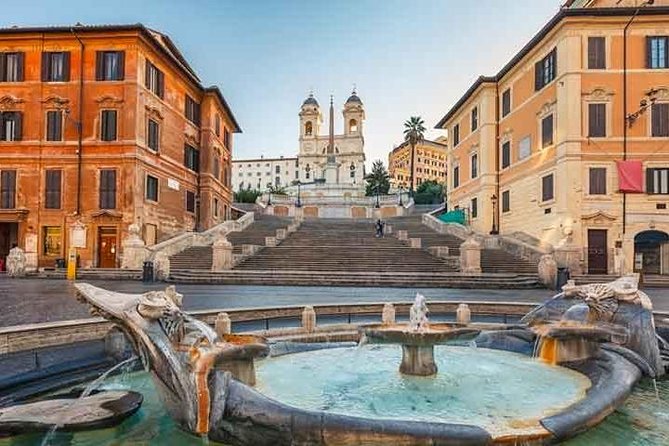
Then come the Spanish Steps, which are described as a charming plaza set in the fashion district, with a mix of local and international life around it. The stop is about 30 minutes, which is enough to stand back and catch the iconic angles, then move with the flow for pictures.
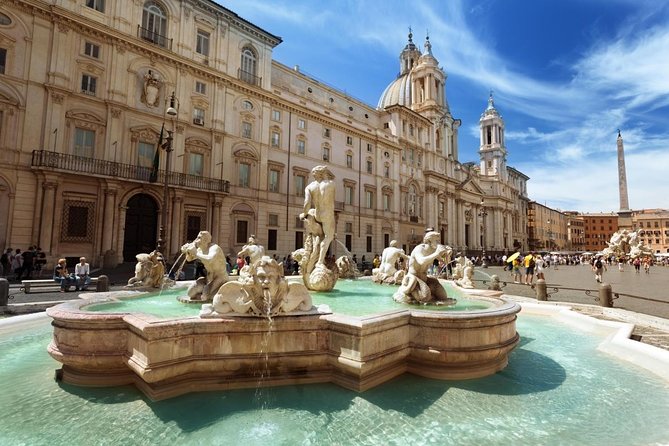
Piazza Navona follows, one of the most beautiful squares in Rome. The important “why it matters” bit is that the square keeps the shape of an arena from a Roman stadium built in 86 AD, and later the Popes shaped it into a Renaissance and Baroque showpiece. You get a shorter stop time here, about 15 minutes, and the tour drops you near the square, explains, then lets you wander briefly for photos.
Why this group of stops works: you go from ancient power to modern city life fast. These are the places where Rome feels like a movie set, but you still get enough context to know what you’re looking at.
Pantheon: The Outside View That Still Shows Why It’s Famous
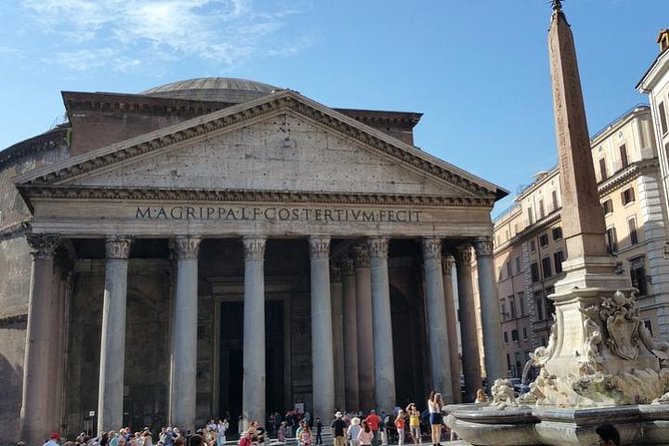
The Pantheon stop is a smart choice even if you are not entering. The tour is designed around outside viewing with about 30 minutes at the location, including time for photos and leisurely wandering.
The tour explanation frames it as a temple dedicated to all the gods and highlights the dome as an engineering marvel. Even from outside, you can appreciate why it has stayed famous for 2000-plus years.
One practical detail worth noting: ticket offices at the entrance handle cash on the left and credit card on the right. If you want to enter, you can ask for extra time, since the tour mentions it can be offered for the visit.
There’s also a real Rome comfort factor here. The tour notes it’s a good spot to grab an espresso or gelato while you’re in the area. That might sound small, but it can make a long day feel doable.
Terrazza del Gianicolo and the Colosseum: Views, Timing, and a Real Sense of Scale
The day finishes with a big skyline moment at Terrazza del Gianicolo. If you want panoramic pictures, this is the stop. It’s described as a peaceful terrace area with a large fountain and wide views over Rome. The special extra detail is that Rome fires a cannon at noon every day from this spot, and it has turned into a popular attraction.
This is about 30 minutes, with time for photos and a stroll around the area. If you time it close to noon, you may catch that moment. Even if not, you’re still getting the “look at Rome from above” payoff that makes the earlier stone monuments feel more connected.
Finally, the Colosseum. The tour describes it as the Flavian Amphitheater, built in the 1st century AD for gladiatorial contests and hunting games. You’ll view it from the outside, with the driver-guide providing a detailed explanation and time for pictures and walking around the nearby area.
Important expectation check: the core tour is outside. Still, one of the most-liked parts in past experiences is that guides help you make the best of opportunities when rules align with the date.
Price and Logistics: What $424.65 Covers, and When It’s a Good Deal
Let’s talk value in plain terms.
You get:
- A private Mercedes minivan or sedan with air-conditioning
- Private transportation plus parking fees
- Bottled water
- Free pickup and drop-off within downtown Rome
- A professional English-speaking driver-guide (one person) who drives and narrates
- A mobile ticket
- Customization by driver discretion with additional ticket-free stops when dates cause site changes
So what are you paying for? Time, comfort, and direction. In Rome, that’s often worth it if you:
- Have only one day
- Are traveling with kids or anyone who tires easily
- Don’t want to spend your morning figuring out logistics
- Want a guided day that keeps moving
Where the price may feel less attractive is if you already planned to go inside everything with your own tickets and timed entry. This tour shines when you want “see the icons fast and learn why they matter,” rather than when you want an all-day interior marathon.
Who This Tour Fits Best (and Who Should Consider a Different Plan)
This tour is a strong match for first-time visitors who want to get their bearings quickly. It also works well for groups who want shared time without each person pulling in a different direction.
It’s especially useful if you appreciate short, focused storytelling. The format gives you just enough explanation at each stop to understand what you’re looking at, then you get photos and a chance to look around.
It may not be the best fit if you want long ticketed interior time at multiple major monuments. Since most stops are outside, you’ll get impressions and context, but not a full interior museum day.
One more thought. If you’re doing a cruise excursion, double-check pickup details. The tour notes extra transfer fees can apply for locations outside downtown Rome, and one experience highlighted that coordination can get tricky with cruise timing. For cruise days, I’d treat confirmation messages as essential reading, not background noise.
Should You Book This One?
If your goal is a high-impact, low-stress Rome day, I’d book it. The biggest reason is the structure: 12 highlights, short stops with guidance, a comfortable private vehicle, and enough time at major anchors like St. Peter’s Square to feel like you actually experienced Rome, not just drove past it.
Book it if:
- You only have about a day for the classics
- You want a guided tour that keeps pace without feeling like a sprint
- You value photo-friendly stops and short explanations
Consider a different plan if:
- You want to spend most of your day inside the biggest monuments
- You dislike any “outside view only” approach
- You have complicated pickup needs and you know you’ll be stressed by last-minute logistics
Overall, this is a practical way to see the headline Rome sights and leave the day knowing how the pieces connect.
FAQ
Is this tour private or shared?
This is a private tour. Only your group participates.
Do I need tickets for the sites?
The tour does not require tickets because the highlights are visited from the outside. That said, there are notes about potential inside guidance for Pantheon and/or Colosseum if you have tickets and choose the Private Licensed Tour Guide option.
Is there pickup and drop-off?
Yes, pickup is offered and free within downtown Rome. Outside downtown Rome, an extra transfer fee may apply.
How long are the main stops?
St. Peter’s Square is about 1 hour. The Roman Forum stop is about 30 minutes. Trevi Fountain and Pantheon are about 30 minutes each. Several other highlights are about 15 minutes, and Gianicolo and Colosseum are about 30 minutes each.
Does the tour include lunch?
No. Lunch is not included.
Can I cancel and get a refund?
You can cancel for a full refund up to 24 hours in advance of the experience’s start time. If you cancel less than 24 hours before, the amount paid is not refunded.
More Private Tours in Rome
More Tours in Rome

More Tour Reviews in Rome
Not for you? Here's more nearby things to do in Rome we have reviewed




Full-Day, compared.
 ★ 4.0From Civitavecchia: Full-Day Panoramic Bus Tour of RomeFrom $641,260 reviews
 ★ 4.5Florence and Pisa from Rome: Enjoy a Full Day Small Group TourFrom $280687 reviews
 ★ 4.8Full-Day Colosseum, Vatican Museums & City Center TourFrom $192563 reviews
 ★ 4.0Tivoli Villas Full Day Trip From Rome with LunchFrom $90443 reviews
 ★ 5.0Amalfi Coast and Pompei from Rome: Enjoy a Private Full-Day TourFrom $280433 reviews
 ★ 4.6Appia Antica: Full Day Bike Rental with Customizable RoutesFrom $22419 reviews
 ★ 4.5Amalfi Coast and Pompei from Rome: Epic Full-Day TourFrom $280381 reviews
 ★ 4.5Luxury Private Full-Day Rome Tour from Civitavecchia PortFrom $408317 reviews