
Reviewed · PANTHEON TOURS
Rome Walking Tour: Pantheon, Trevi, Navona & Hidden Gems
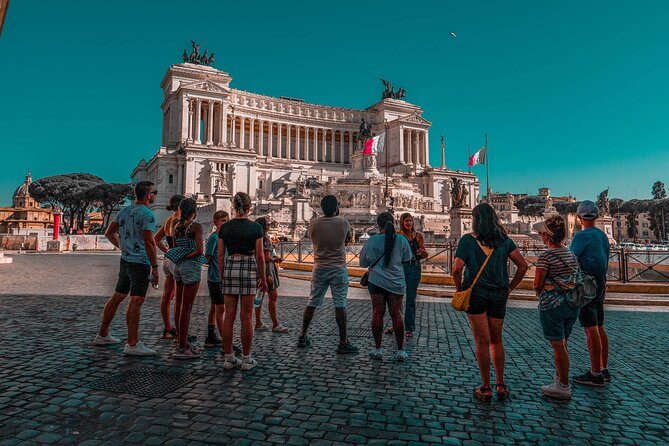
Rome feels best when you move on foot. This 2-hour walk strings together the big names, then sprinkles in quieter corners that make the city feel real. I like the small-group setup and how the English guide gives you context fast without turning Rome into a textbook.
My second favorite part is the mix of stops, you get the Roman power center vibe, plus the Baroque and classical icons, all in one efficient route. The one thing to plan for is the Pantheon access is not included, so if you want to go inside, you’ll need to handle that separately.
Key things that make this Rome walking tour worth your time
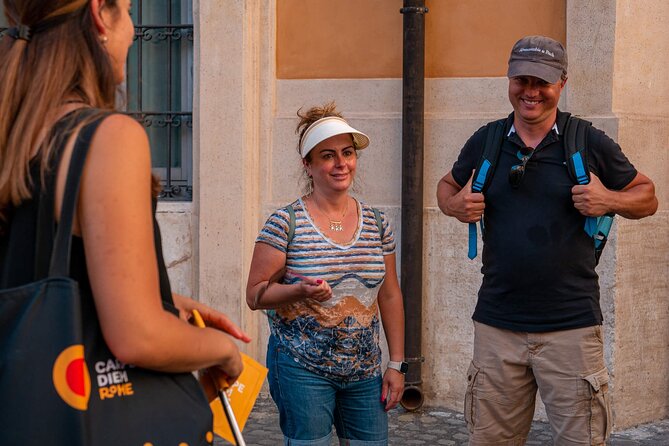
- Small group, max 15 people, so it stays easy to ask questions and keep up.
- Night Trevi Fountain timing, with legend talk built into the stop.
- Galleria Sciarra courtyard, a 19th-century art nouveau moment right in the middle of town.
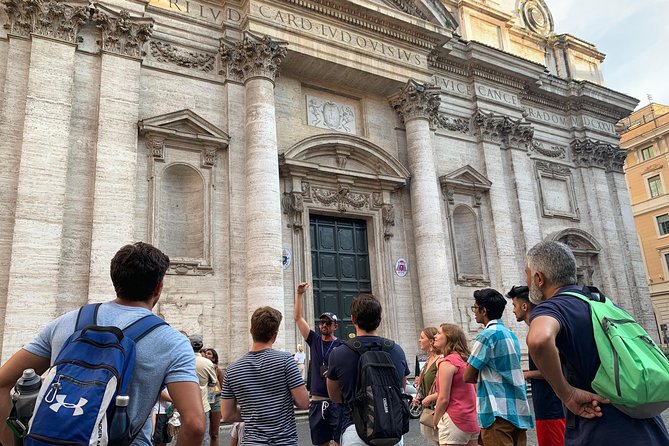
- Chiesa di Sant’Ignazio di Loyola, Baroque illusion art and a fake dome to see with your own eyes.
- Pantheon stop focused on the building, but entry is not part of the ticket.
- Easy landing at Piazza Navona, so you can keep walking, or switch to dinner mode.
Why this 2-hour Rome walk is a smart pick
If you only have a couple hours for Rome, this is one of the more efficient ways to get your bearings. You’re set up to see the city’s most famous shapes, the Pantheon dome, Trevi’s sculpted drama, and Navona’s square-grid energy, without spending half your day in transit.
I also like that the tour is built around pacing. You get shorter stops where you can absorb one idea at a time, then you’re onto the next place, instead of staring at a wall for an hour and hoping it starts talking back.
And yes, it’s good value for the price. At $30.23 per person, you’re mostly buying guide time and a route that strings everything together. With a guided walk, you spend less effort figuring out where to go, and more effort actually looking.
You can also read our reviews of more walking tours in Rome


Starting at Piazza d’Aracoeli, then walking Rome in layers
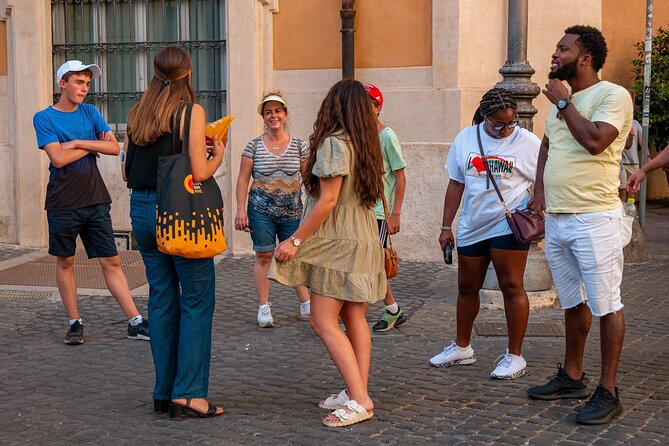
Your walk begins at Piazza d’Aracoeli, Via di S. Venanzio 8. From there, you’re guided into the area that helped shape Rome’s look for centuries, not just the postcard stuff.
This is one of those routes where the street grid makes sense once you’re standing in it. You’ll hear how power, design, and politics changed what you see today, so the buildings feel connected instead of random.
Practical tip: Rome has a lot of similar-sounding square names. Double-check your meeting pin before you get off the train or taxi, because it’s easy to mix up nearby squares in central Rome.
Piazza Venezia and the Imperial Forums: power, reinvention, and scale
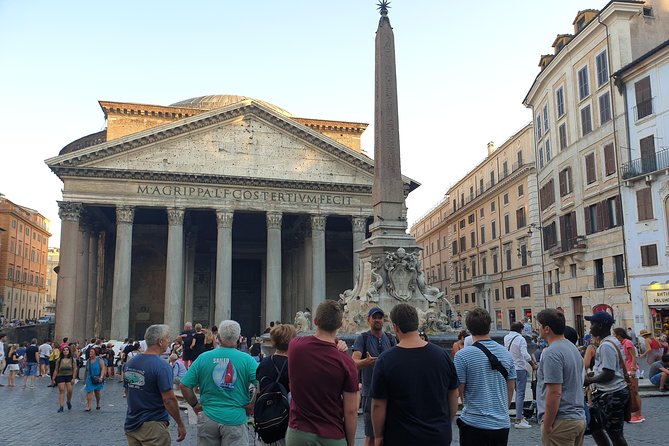
The tour’s first stop is Piazza Venezia and the ancient city area, tied to the Imperial Forums zone. This is where Rome’s “big deal” energy shows up fast, even if you’re not a hardcore history person.
What I like here is the storytelling angle. You’re not just looking at ruins and guessing. You’ll hear how the area shifted from ancient Rome’s power center into later eras, including Renaissance and Napoleonic landmarks that left their marks on the landscape.
One consideration: this part of Rome is outdoors and open to sun, wind, and crowds. If you’re doing this in warmer months, bring water and plan for a steady walking pace.
Galleria Sciarra: the courtyard break you did not know you needed
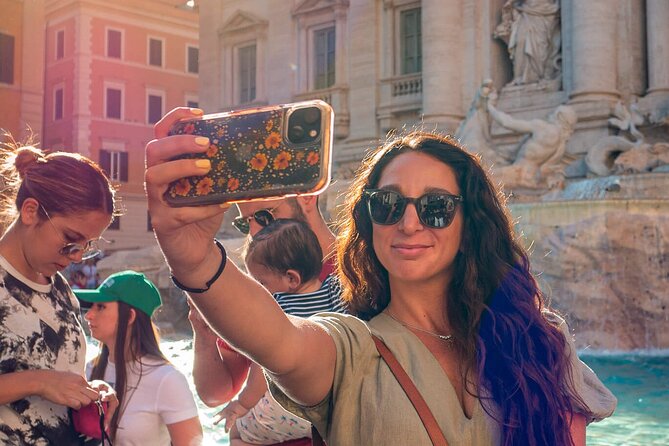
Next comes Galleria Sciarra, a 19th-century courtyard with art nouveau frescoes and intricate paintings. This stop matters because it gives your eyes a break from the big monuments.
Courtyards like this are also a lesson in how central Rome can feel surprising. One minute you’re in a dense city corridor, the next you’re in a quieter interior space where the decorative details do the talking.
Time here is brief, about 10 minutes. That’s actually good. It’s enough for you to notice what’s different, then keep moving while Rome is still fresh in your brain.
Trevi Fountain at night: coins, legends, and smart crowd energy
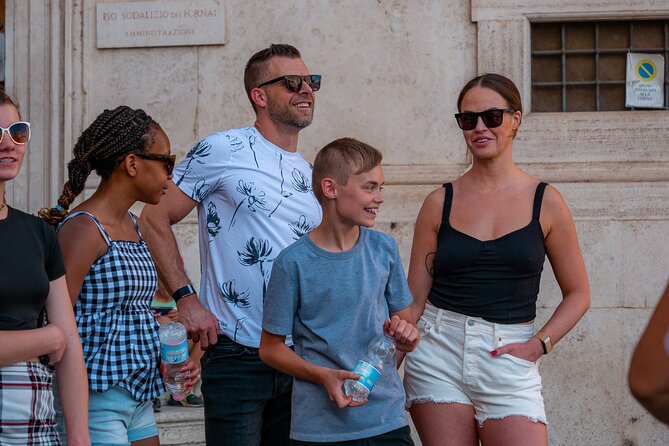
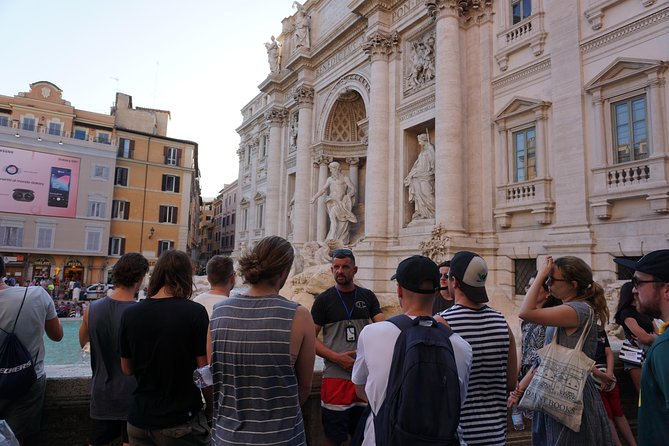
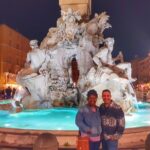
The walk hits Trevi Fountain for around 20 minutes, with the highlight described as glowing at night. Trevi is famous at all hours, but night changes the feel. The lighting makes the stonework and figures pop in a way that feels more cinematic than daytime snapshots.
You’ll also get the legends tied to the sculpted beauty and the tradition of tossing a coin for good luck. I like that the stories give you something to focus on while you’re standing shoulder-to-shoulder with everyone else.
One small reality check: Trevi is popular. Even with good timing, expect crowds. The best strategy is not fighting for a perfect angle, but watching the fountain as a whole and letting your guide steer you toward the best viewing spot.




Chiesa di Sant’Ignazio di Loyola: Baroque illusion in real time
Then you step into the Chiesa di Sant’Ignazio di Loyola, a grand Baroque church known for illusion-style art and a fake dome. If you’ve ever seen photos of optical tricks that look too good to be true, this is where you test them with your own eyes.
This stop is about wonder, but also about craft. You’re seeing how Baroque artists used light, geometry, and perspective to create space that feels bigger than it is.
It’s also a smart mid-tour reset. Churches tend to cool down your day, and the interior offers a different rhythm than the open squares. Plan on around 15 minutes, long enough to notice details without rushing.
Pantheon: what you’ll get, and what you must plan separately
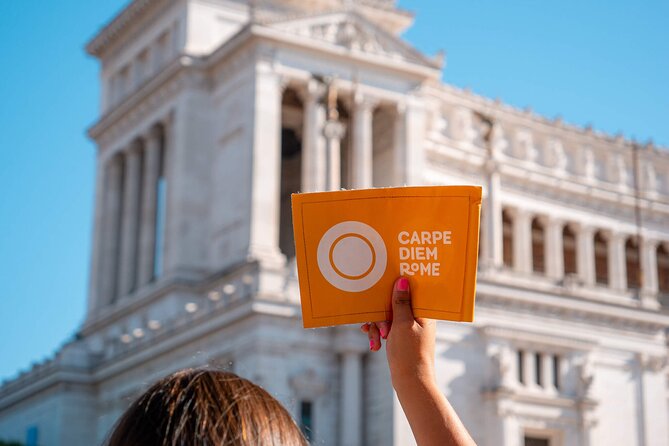
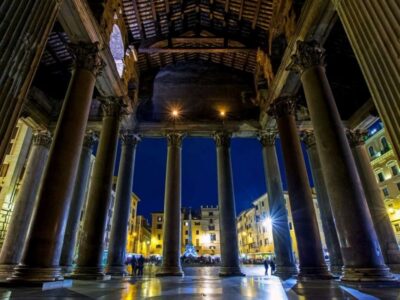
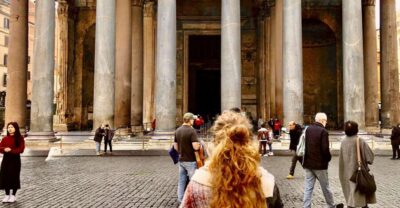
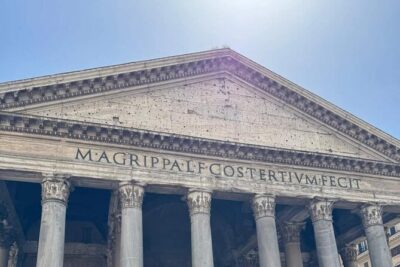
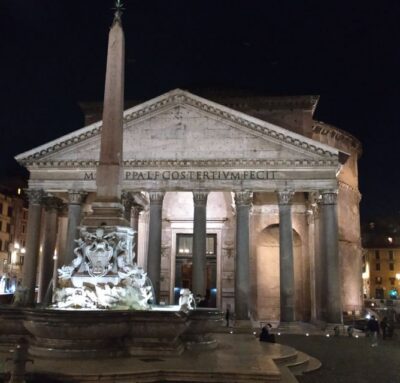
The Pantheon stop is about 20 minutes. It’s one of the world’s most recognizable buildings, and even from a short visit you’ll understand why people still talk about that dome.
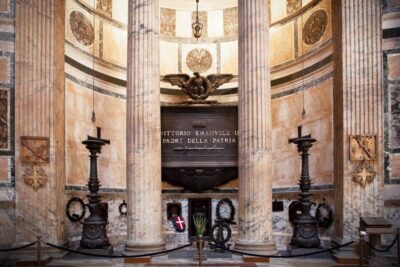
The tour frames it as a major architectural feat, once functioning as a Roman temple and now a church. That context is the key. Without it, the Pantheon can feel like just another beautiful structure. With it, you see how it evolved and why it stayed important.
Here’s your single big planning point: Pantheon access is not included. That means you should decide in advance if you want interior time. If you do, you’ll need to buy your own ticket or schedule a separate visit.
Piazza Navona: finish in the square where Rome eats well
Your walk ends at Piazza Navona after about 15 minutes at the stop. This is a strong way to wrap up because Navona is made for lingering, and it naturally pulls you toward dinner.
From this spot, you’re surrounded by Baroque beauty, plus the church of Sant’Agnese in Agone as part of the view. Even if you’re not planning a long sit-down meal, it’s a great place to pause, people-watch, and map out where you want to go next.
And yes, the practical part matters: you’ll be pointed to nearby places for food and drink. That’s useful in Rome, because the “best-looking” place isn’t always the best choice.
Guides and group size: why the experience feels personal
This tour caps at 15 travelers, which is what you want for a walking format. Large groups can turn into a moving queue. A smaller group keeps the guide’s attention more direct and makes it easier to keep questions from piling up at the back.
The reviews you shared put a spotlight on guide quality. Names that come up include Sharon, Yussef, Dan Salve, Sila, Eleonora, Anna, Vlad (Vladimir), Pauline, Clara, Alina, Eva, and Domenica. The consistent theme is clear explanations, good organization, and guides who keep everyone moving without losing people.
One practical comfort note from the feedback: pacing and shade can make a big difference on hot days. If you’re traveling in summer, I’d prioritize water, a hat, and comfortable shoes, and you’ll get more out of every stop.
Price and value: what you’re really paying for
At $30.23 per person, you’re not paying for museum tickets on this walk. You’re paying for an organized route, a guide’s explanations, and the time savings of having a plan for famous sites and lesser-seen stops.
A quick value check:
- You visit major icons like Trevi Fountain, Pantheon, and Piazza Navona.
- You also get time at Galleria Sciarra and Chiesa di Sant’Ignazio, which add character without needing a separate attraction ticket.
- You end in a restaurant-friendly area, which can save you decision energy after the walk.
Also, it’s offered in English and uses a mobile ticket, which is easy in a city where paper tickets are just one more thing to manage.
Booking timing: it’s commonly booked about 68 days in advance. If your dates are fixed, book early. Rome fills up, and this is the kind of tour that gets picked for first-day orientation.
Logistics that affect your day (more than you think)
This is a walking tour, roughly 2 hours. That’s long enough to get real context, but short enough that you can still keep the rest of your day flexible.
You’ll want to know a couple friction points:
- The Pantheon entry is not included, so don’t assume you’ll be going inside as part of the standard flow.
- There can be meeting location confusion in central Rome, so confirm your start point at Piazza d’Aracoeli, Via di S. Venanzio 8.
- The tour requires good weather. If weather turns, you’re offered a different date or a refund.
Good news: the tour is listed as near public transportation, and service animals are allowed. That helps if you’re mixing transit with walking.
Who should book this tour, and who might skip it
You should book if:
- You’re short on time and want a practical route through the classics.
- You like history told in human terms, not through a lecture format.
- You want the big sites plus a couple “wow, I didn’t expect that” stops like the art nouveau courtyard.
You might skip it if:
- You care most about deep museum-style time inside buildings. Since Pantheon access isn’t included, you may want a different option where you can spend more time inside.
- You want a super flexible walk for photography only. This is guided and structured, so the route and stop times guide your day.
This is also a great family-friendly choice, based on feedback. The pacing and shorter stops work well for kids and teens who get bored standing still.
Should you book this Rome walking tour?
I’d book it if you want a strong first taste of central Rome in about two hours, with a guide who helps the sites connect. The best reasons are the stop mix and the small group size, plus the way Trevi at night and Sant’Ignazio’s illusion art add variety beyond the usual sightseeing checklist.
But go in smart: confirm whether you want Pantheon interior time, since access isn’t included. If you plan for that, this becomes an excellent value way to start your trip or to “re-orient” after a day of wandering.
If you like walking, can manage crowds at the famous fountain, and want local context without a full-day commitment, this is a very solid pick.
More Walking Tours in Rome



More Tours in Rome

More Tour Reviews in Rome
Not for you? Here's more nearby things to do in Rome we have reviewed









Pantheon Tours, compared.
 ★ 4.9Pantheon Timeless Marvel Guided Tour with Entry TicketFrom $214,002 reviews
 ★ 4.1Pantheon Priority Entry Ticket & Audio Guide AppFrom $63,234 reviews
 ★ 4.9Pantheon Small-Group Guided Tour with Entry TicketFrom $481,094 reviews
 ★ 4.7Pantheon Small Group Tour and Skip-the-Line TicketFrom $531,008 reviews
 ★ 4.2Pantheon Guided Tour with Skip-the-line TicketFrom $28816 reviews
 ★ 4.5Rome Walking Tour with Piazza Navona, Trevi Fountain and PantheonFrom $35676 reviews
 ★ 4.5Pantheon Roma Fast-Track Entry TicketsFrom $7540 reviews
 ★ 4.9Spanish Steps, Trevi, Navona and Pantheon Sunset TourFrom $46522 reviews
Browse the lists this tour appears in