
Reviewed · WALKING TOURS
Rome: Walking Tour of World War 2 in Rome
Fascism and WWII hide in plain sight in Rome. This 2.5-hour walk turns familiar monuments into clear, human stories about World War II and how politics shaped everyday life. I especially like that you get context where most people just snap photos and move on.
I also love the pacing and scale. With a small group limited to 10, you can ask questions and actually connect the dots between key squares, streets, and sites. On recent departures, guides like James have used historical photos and video to make events feel real, not like distant textbook facts.
One possible drawback: it is a history-focused route with a fair amount of standing and walking. If you want a light, purely sightseeing stroll, this may feel heavy at times, and you’ll want solid walking shoes and sun or rain protection.
Key things you’ll notice on this WWII walk
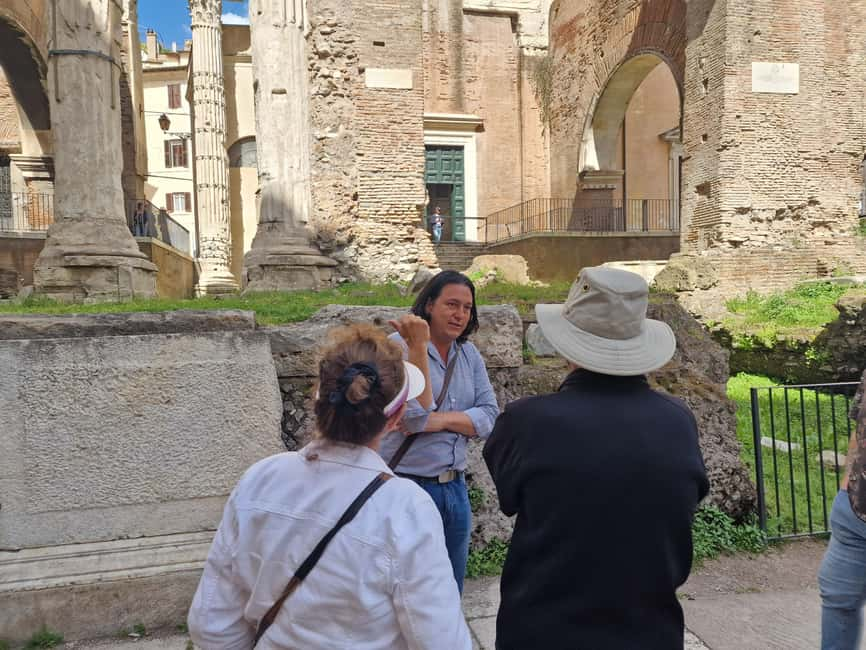
- Trajan’s Column as the launch point, so you start with Roman power before stepping into the 20th century
- Piazza Venezia and Mussolini’s stage, where Fascist propaganda is still written into the layout
- Roman Forum links to Fascist archaeology, including how ancient sites were used for political messaging
- A focused stop at the Jewish Ghetto area, connecting local history to the WWII years
- Piazza Navona and the Tiber River area, with discussion of the Church’s role during the war and Fascist period
- June 1944 liberation story, including the moment the Nazis fled and the US Fifth Army entered
Entering WWII at Trajan’s Column, not the way you expect
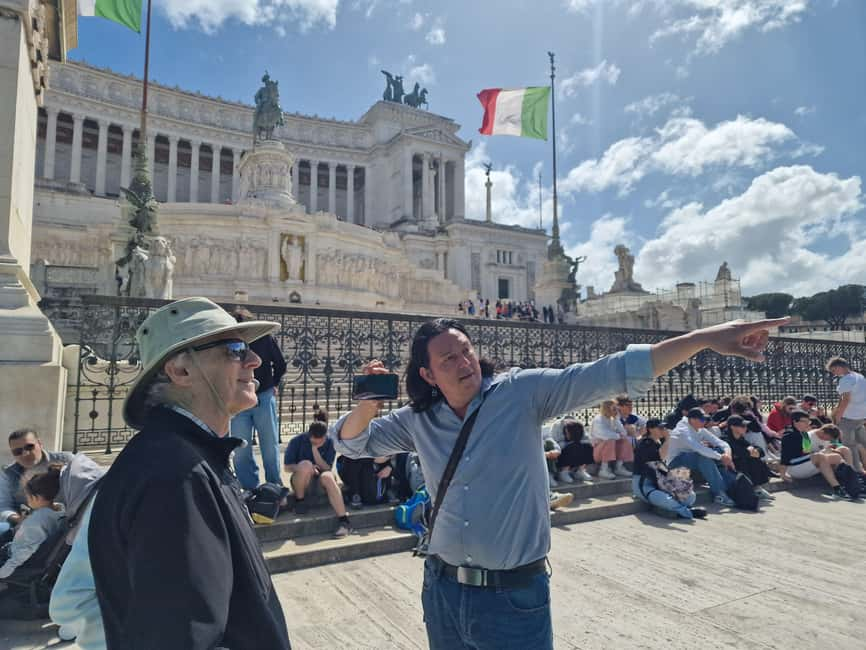
The tour meets near Piazza Venezia, but it starts its story at Trajan’s Column, with your guide standing in front of the cafe along the fencing, holding an orange sign with a lion head. It is a smart choice: Trajan’s Column is about Rome’s imperial past, and the guide uses that as a bridge into how 20th-century leaders tried to borrow power from the ancient world.
You’ll get oriented quickly. The route is built so you’re not just listening while you wander, you’re walking to specific places where WWII, Fascism, and occupation shaped what Rome looks like today. And because the group is small, the guide can point out details you would normally walk right past.
You can also read our reviews of more walking tours in Rome

Piazza Venezia and Mussolini’s balcony: the square as a political machine
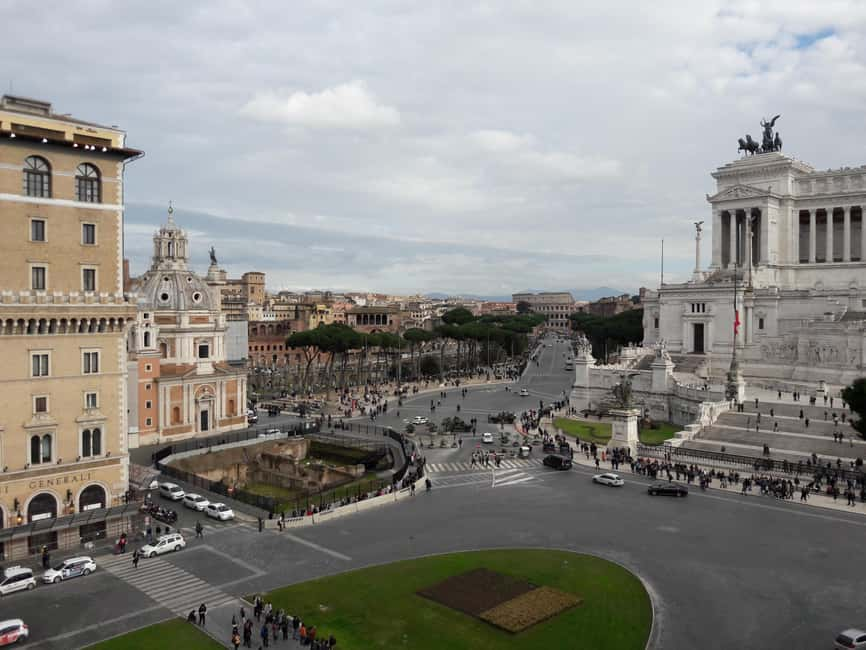
Very soon, you move to Piazza Venezia, the center stage of Fascist Italy. This is where it clicks for many people: the square is not just scenery, it is a designed stage for mass messaging.
From the guide’s explanations, you’ll understand why Mussolini’s balcony speeches mattered. When you look down into the square afterward, the space makes more sense. You’ll notice how the architecture and sightlines supported speeches to crowds, and you’ll start seeing how propaganda worked through physical space.
One of the best parts here is how the guide connects politics to culture, not just to dates. You’ll hear how Fascism held power for twenty years, how the city later came under Nazi occupation for nine months, and how that sequence of rule changed Rome’s public life and even the way institutions acted.
Roman Forum and Capitoline Hill: how ancient Rome got repurposed
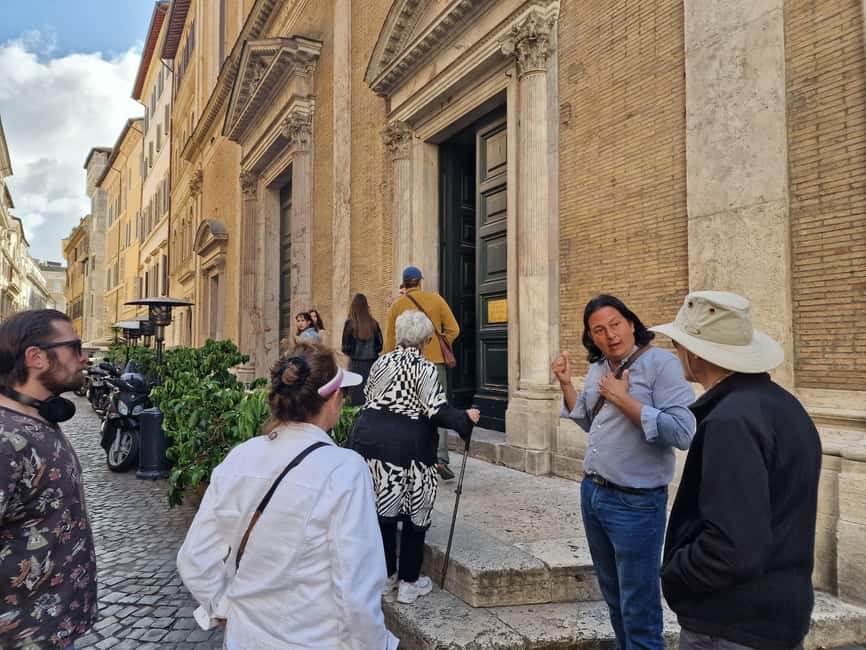
The walk continues into the Roman Forum area, moving toward Capitoline Hill. This is where the tour gets extra interesting, because the guide tackles something that often goes unnoticed: Fascists didn’t only control modern politics. They also used ancient Rome as a tool.
In plain terms, you’ll learn that Mussolini had an obsession with Ancient Rome, and that he deliberately highlighted and uncovered ancient sites as part of a campaign to link modern Italy to imperial Rome. Once that idea is explained, you start to see clues in the streets and monumental settings that feel political, not neutral.
This is also a good moment for a lot of your questions. I like that the tour format keeps conversation possible. With up to 10 people, you’re not trapped listening to a monologue the whole time.
Near the Jewish Ghetto: WWII history with local meaning
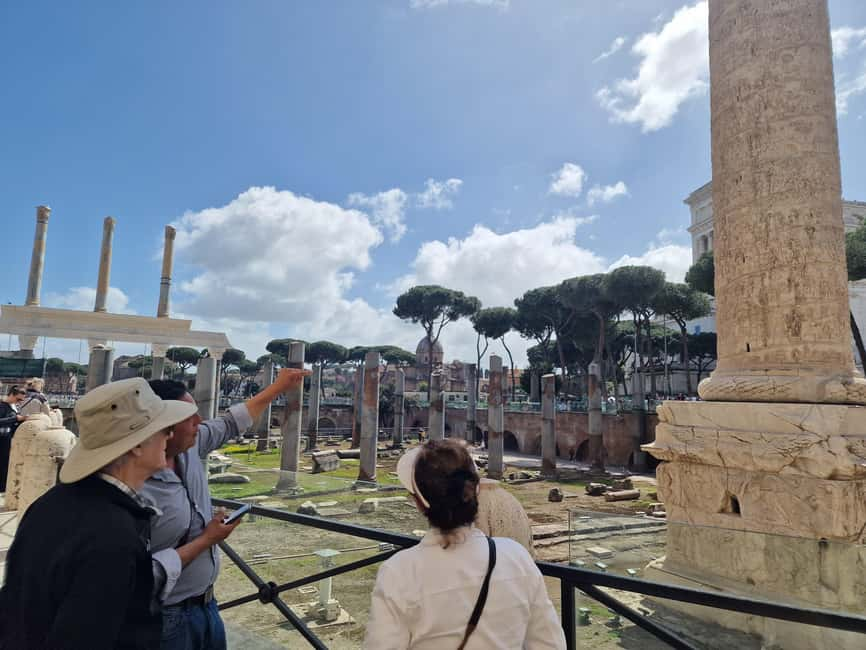
Next comes the Jewish Ghetto area. This stop matters because it anchors WWII history to Rome as a real community, not a distant battlefield story.
The guide uses this part of the walk to talk about the history of the Jewish community in Rome, then ties it to the broader wartime context. You learn how the pressures of the era played out locally, and why the places connected to this history deserve attention even when they don’t look like traditional WWII memorial sites.
If you prefer your history with clear human stakes, you’ll appreciate this part of the route. It’s the kind of context that changes how you understand a city you think you already know.
Piazza Navona to the Tiber River: where the Church fit into Fascism and war
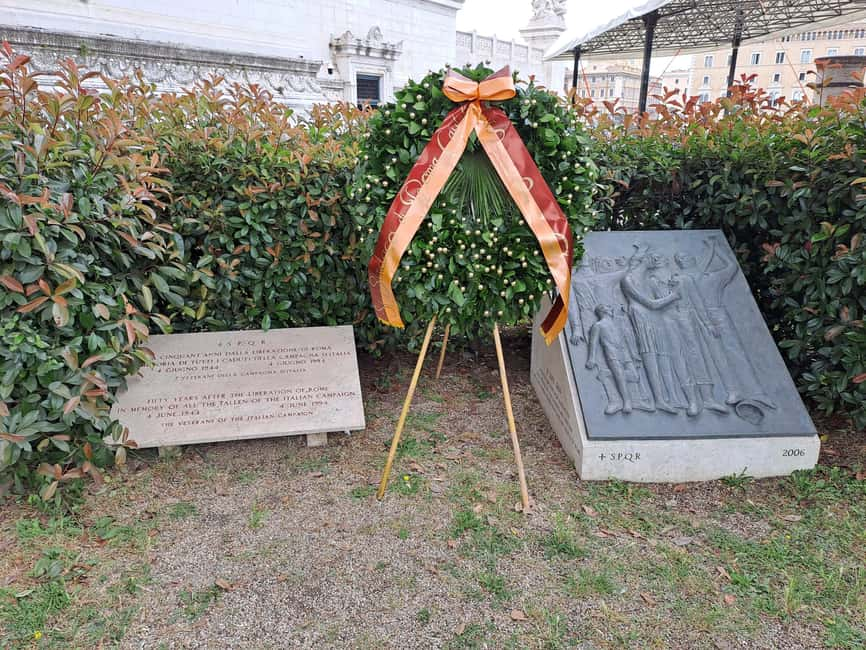
From the Jewish Ghetto, the route moves through Piazza Navona and toward the Tiber River. Here, the guide focuses on the Church and its position during the Fascist period and the war.
What I like about this segment is that it doesn’t treat religion as a side topic. You get a sense of how institutions navigated power structures, especially when Fascist rule and wartime conditions shaped public life. The Tiber area gives the guide a natural place to connect Rome’s physical geography with the pressure-cooker politics of the 1940s.
Piazza Navona also helps keep the tour from feeling like one long classroom. It is still the same story, but the atmosphere and sights make it easier to process what you just learned.





A pause near Julius Caesar’s assassination site: spotting the past you walked by
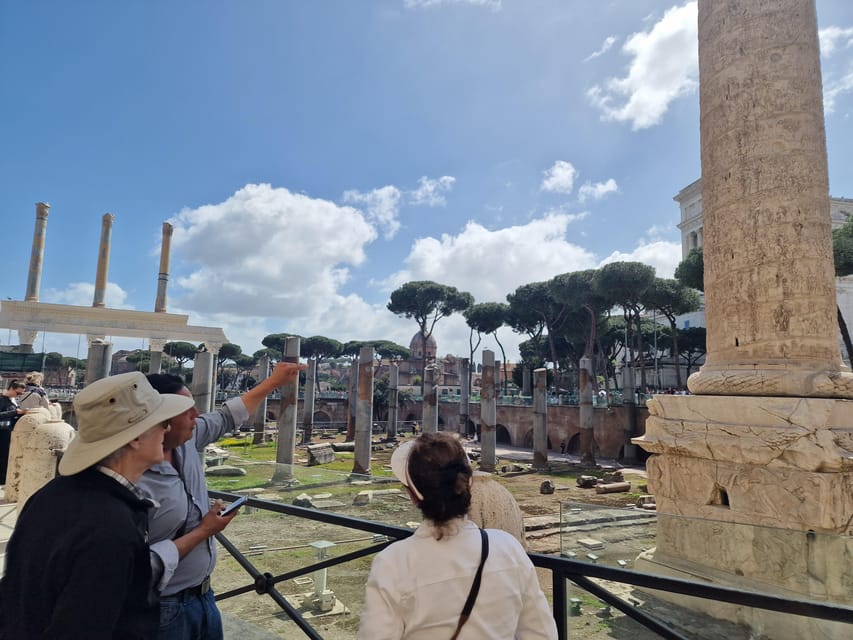
One of the most memorable moments on recent departures is a stop around the area tied to Julius Caesar’s assassination. People often realize they have walked past that kind of landmark more than once without understanding the significance.
This is one reason I think the tour works well even if you’re not a hardcore WWII person. The guide is trained to point out the “why” behind what you’re seeing. When the guide brings up a site like this, it reinforces a bigger theme of the day: Rome layers eras. WWII is only one layer, and the guide helps you stop treating the layers like separate postcards.
June 1944 liberation: the story lands where Rome feels most alive
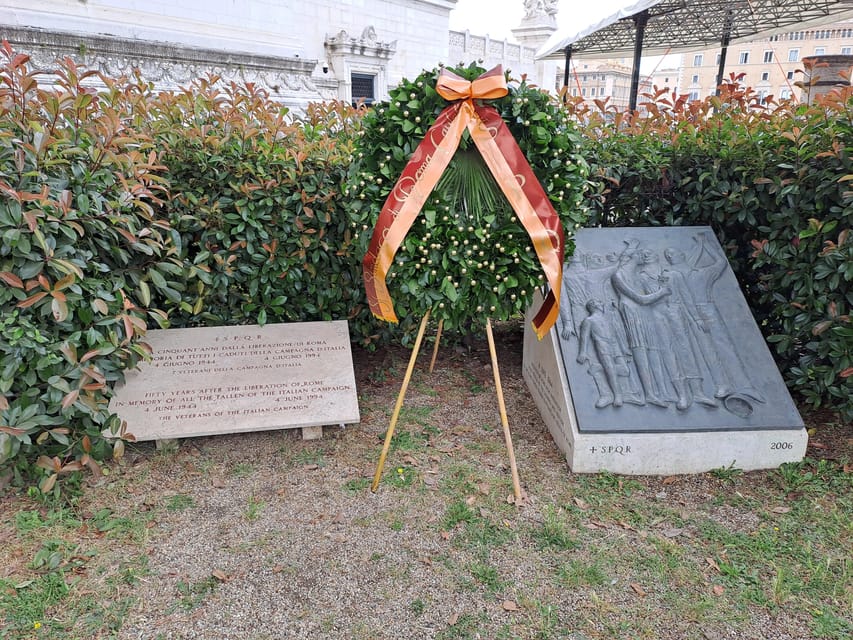
The final story focuses on June 1944, when the city’s situation changed dramatically. The guide brings you back to a key turning point: Nazis fled the city, and the US Fifth Army entered Rome, followed by scenes of mass jubilation.
This ending hits best because you’ve already spent hours learning how Fascism and occupation shaped Rome’s identity. When liberation arrives in the narrative, it doesn’t feel like a random ending date. It feels like a release, the result of everything you just connected.
I also like that the tour doesn’t just end on a dramatic moment. It leaves you with a lens for what comes next: how quickly power can change a city, and how long its traces can last.
Walking pace, small group energy, and how long it really takes
The tour runs about 2.5 hours. That timing is long enough to build context but short enough that you’re not stuck for half a day.
The walking is central Rome focused, so plan on cobblestones and uneven pavement. The provider highlights that you should wear comfortable walking shoes, and I agree. Bring bottled water, and in warm months, sunscreen and a hat make a real difference.
Because the group is limited to 10, you’re not fighting for attention. You’ll also be able to ask more direct questions, which is a big deal with a topic like WWII. The guide can adjust and explain when something feels confusing.
Price and value at $88: what you’re paying for
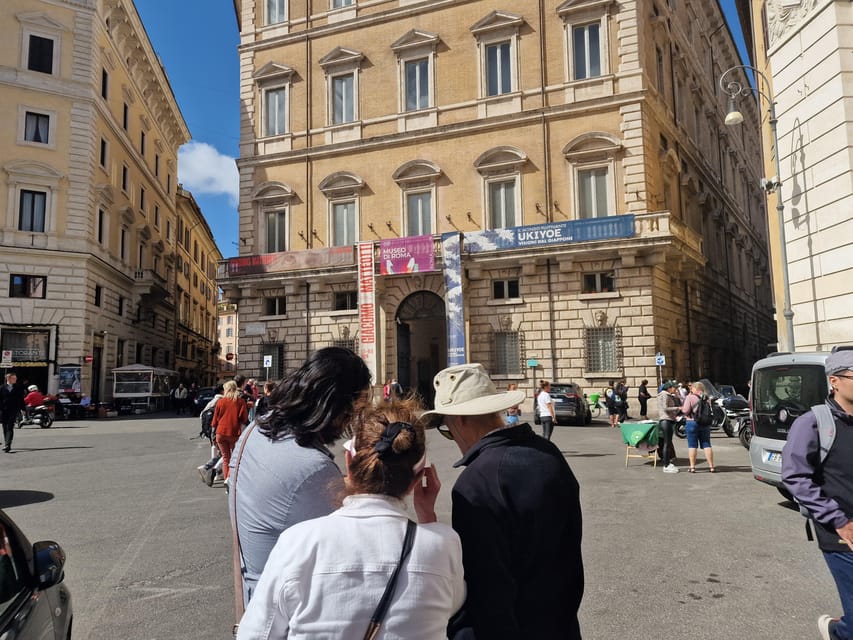
At $88 per person for 2.5 hours, this is not a budget group walk. But the value is there if you want context, not just movement.
Here is what you are really buying:
- An expert tour guide (live, English), so you get explanations tied to specific places
- Small group size, which keeps the experience interactive
- A focused WWII theme, including Fascism, Nazi occupation, and liberation, all connected to central Rome
Also, you’re paying for time. You could try to read up and self-walk, but self-guided routes often miss the political “why” behind what you see. This tour gives you that connective tissue, including how Fascists used ancient Rome for their own messaging.
Price plus topic clarity is the key equation here. If WWII in Italy matters to you, the $88 feels like paying for understanding.
Practical tips: what to bring for churches, weather, and comfort
The provider recommends bottled water, sunscreen, hat, and umbrella, and I would stick to that. Rome weather shifts, and the tour proceeds in all weather conditions unless a site is closed by authorities for safety reasons.
If you plan to visit churches during your trip, this tour adds one useful rule: bring a shoulder cover for inside churches. In warmer months, that cover can save time and hassle.
Dress for walking. Comfortable shoes are non-negotiable on city sidewalks, and in colder temperatures you’ll want warmer layers. Check in 15 minutes before departure at the meeting point near Trajan’s Column, with the orange lion head sign so you can start with the group on time.
Wheelchair accessible, but still plan your day
The tour is listed as wheelchair accessible, which is a big plus for anyone who needs that option. Still, since it is a walking tour, you should consider how comfortable you will be with paved surfaces and the route pace across central Rome.
If you’re using a wheelchair or mobility aid, it’s smart to contact the operator ahead of time to confirm the fit for your needs. The tour is designed to be accessible, but your comfort is individual.
Who this WWII walk is best for
This experience is a strong match if you:
- Like history with real-world connections to what you see in front of you
- Enjoy topics like Fascism in Italy, Nazi occupation, and the liberation of Rome
- Want a route that includes major central sites but explains what they meant politically
It may feel less ideal if you:
- Want an easy, family-style sightseeing walk with minimal serious context
- Are trying to do Rome on a very tight energy budget, because you will walk for about 2.5 hours
Should you book this Rome WWII walking tour?
I think you should book it if WWII and Fascist-era Italy are on your interest list, because this walk is built around how Rome physically carries political meaning. The small group size helps you get answers, and the guide’s use of historical photos and video is especially useful when you want the story to feel grounded, not abstract.
If you prefer history from a distance, you might feel the topic is too heavy for your mood that day. But if you can handle that, you’ll leave with a new way of reading the city. You’ll look at Piazza Venezia, the Forum area, the Jewish Ghetto zone, and the space near Piazza Navona and the Tiber with far more understanding than you had before you started.
FAQ
Where is the meeting point for the tour?
The guide stands in front of the cafe at Trajan’s Column along the fencing. They hold an orange sign with a lion head.
How long is the Rome WWII walking tour?
The tour duration is 2.5 hours.
How much does the tour cost?
The price is $88 per person.
What is included in the price?
The tour includes an expert tour guide.
What is not included?
Transportation to and from the meeting point, transportation during the tour, and food and drink are not included.
What language is the tour in?
The live tour guide is in English.
How big is the group?
It is a small group limited to 10 participants.
Is the tour wheelchair accessible?
Yes, the tour is listed as wheelchair accessible.
What should I bring and wear?
Wear comfortable walking shoes. Bring bottled water, sunscreen, a hat, and an umbrella. You should also bring a shoulder cover for inside any churches.
What happens if the weather is bad?
Tours proceed in all weather conditions unless a site is closed by authorities for safety reasons.
What is the cancellation policy?
Free cancellation is available up to 24 hours in advance for a full refund.
More Walking Tours in Rome

More Tours in Rome



More Tour Reviews in Rome
Not for you? Here's more nearby things to do in Rome we have reviewed












Walking Tours, compared.
 ★ 4.9Trastevere & Campo de Fiori Street Food Walking TourFrom $512,768 reviews
 ★ 4.9Paranormal Night Walking Tour & Secret BackstreetsFrom $341,921 reviews
 ★ 4.4Guided City Center Evening Sightseeing Walking TourFrom $46953 reviews
 ★ 4.5Best of Rome Walking Tour including Trevi FountainFrom $4923 reviews
 ★ 4.8Under the Moonlight Evening Walking TourFrom $28852 reviews
 ★ 4.9Forbidden History Walking Tour & Pub Crawl with DrinksFrom $61688 reviews
 ★ 5.0Guided Small Group Walking Tour of City HighlightsFrom $30682 reviews
 ★ 4.5Rome Walking Tour with Piazza Navona, Trevi Fountain and PantheonFrom $35676 reviews
Browse the lists this tour appears in