
Reviewed · VATICAN TOURS
Rome: Vatican Museums & Sistine Chapel Entry Experiences
The Vatican can chew up your time, fast. This skip-the-line entry helps you get into the Vatican Museums quickly, then linger with Michelangelo at your own pace. I love the straightforward flow from security to the galleries, and I love that you can stop for Greek and Egyptian antiquity before you hit the famous frescoes. One drawback to plan around: the Sistine Chapel can get crowded, and photo/video rules are stricter there, so it can feel a bit stressful if you’re hoping for a calm, slow viewing.
You’ll have a self-paced visit option, with an electronic guidebook in English included. If you choose the guided option, you might even get a guide like Alexandru, who delivered lots of information and interesting facts. Expect 2 to 3 hours, depending on the starting time you book, and note that the Sistine Chapel’s public access can be affected by Vatican schedule changes.
Key highlights worth your time
- Skip-the-line ticket entry helps you avoid the longest Vatican Museums waits after security
- Self-paced museum time means you can move at your speed, not a tour-group rhythm
- Must-see masterpieces across Michelangelo, Raphael, Leonardo da Vinci, Caravaggio, and more
- True iconic stops like Laocoön, the Apollo del Belvedere, the Gallery of Tapestries, and the Gallery of Maps
- Sistine Chapel viewing where Michelangelo’s frescoes are the headline, if access is open
- Electronic guidebook (English) to keep the art meaningful without forcing you into a full guided script
Skip the Ticket Line to the Vatican Museums
Let’s be honest, the Vatican Museums are famous for lines. This experience is built around your biggest time-saver: skip-the-line entry for the Vatican Museums ticket line. That means less time standing around, more time looking at actual art.
You’ll still go through security first, so don’t expect magic. But once you’re past that, the pace is up to you. The best value here is not just the ticket. It’s the chance to start earlier in your visit flow and avoid the feeling that you’re constantly late to your own experience.
Also, your entry timing matters. The duration is listed as 2 to 3 hours, and the exact start time depends on availability. If you’re the type who likes to choose a few “must-sees” and give them the attention they deserve, this structure supports that.
You can also read our reviews of more museum experiences in Rome
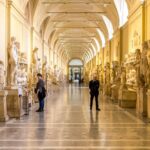

Your Self-Paced Plan in the Vatican Museums
What makes this work for many people is simple: you’re not chained to a guide’s walking tempo. You get into the Vatican Museums and can explore at your own pace with the included electronic guidebook in English.
Here’s what you should expect to see as you move through the highlights:
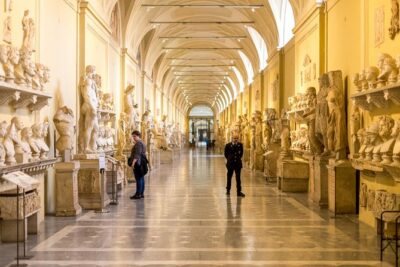
- Greek and Egyptian antiquity. This is a smart place to begin because it helps you reset your brain. Before the Renaissance hits you, you get to see how the Vatican’s collection draws from older worlds.
- Major “big name” art across Michelangelo, Raphael, Leonardo da Vinci, Caravaggio, and more. You’re not just seeing labels. You’re moving through rooms designed to make the art feel like a conversation across time.
- More time to admire rather than just pass by. The whole pitch is extra viewing time after security, and that’s what lets you slow down with the parts you actually care about.
If you pick the guided option, the experience adds context. One review praised a guide who shared lots of information and interesting facts, which is exactly what helps if you tend to rush through museums. But even without a live guide, the electronic guidebook is included, so you’re not walking in blind.
Apollo, Tapestries, and Maps: where the Vatican flexes
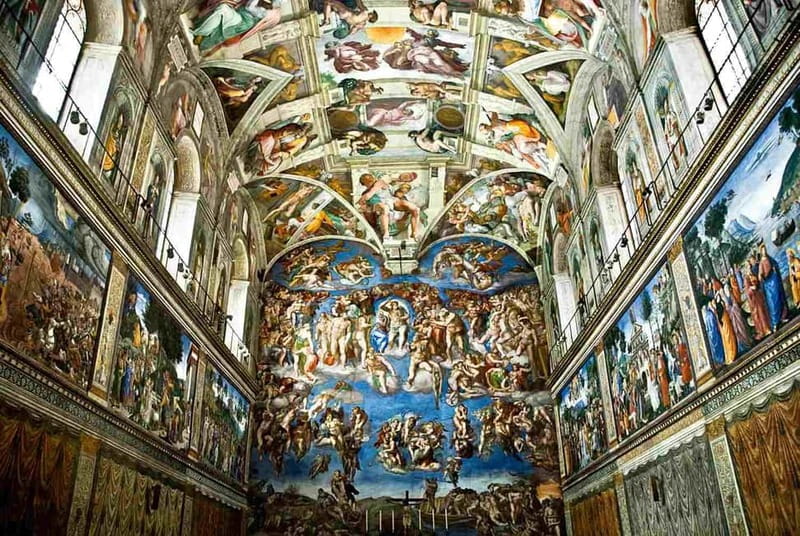
The Vatican Museums are huge, so the trick is learning which stops give you the best payoff per minute. This entry focuses on several high-impact highlights, including:
Laocoön (The statue)
It’s one of those sculptures that hits you differently once you’re up close. The drama is in the pose and expression, and you’ll likely find yourself slowing down, even if you usually skim.
Apollo del Belvedere
This is the kind of statue people mean when they talk about “iconic.” You’re looking at a work that became a reference point for later artists. It also gives you a clean landmark moment: once you’ve seen Apollo, you can mentally shift from “getting through museums” to “enjoying them.”
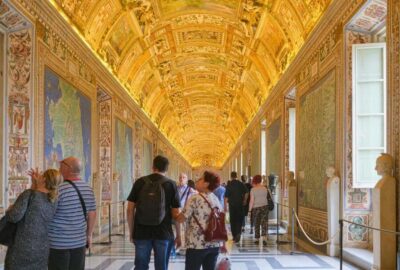
Gallery of Tapestries
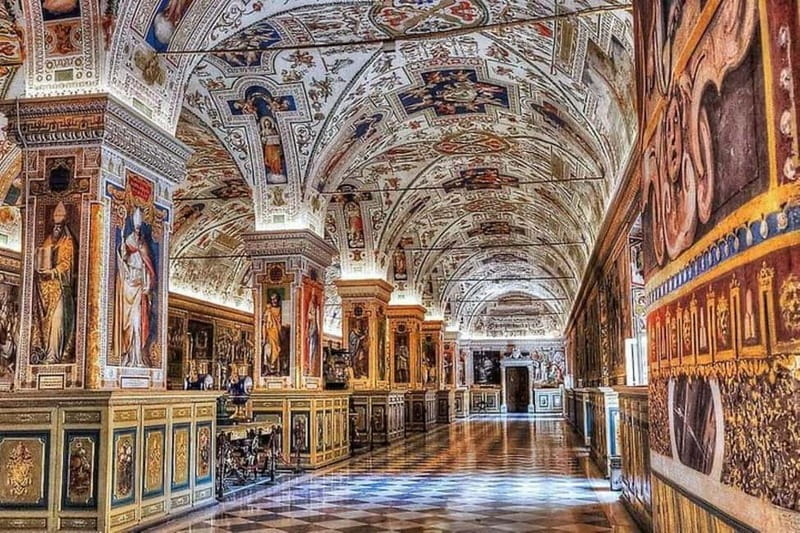
You don’t just look at the art here. You get the effect of scale and storytelling. The tapestries feel like visual theater, and they’re a nice contrast after rows of marble and framed works.
Gallery of Maps
This is another “how did they do this?” stop. You’ll see why it’s famous, and you’ll likely spend longer than you planned because it’s fun to trace what you recognize and what you don’t.
These four stops are valuable because they break up the museum workload. Instead of thinking about the whole Vatican Museums as one endless list, you get a handful of memorable anchor points.
Michelangelo’s Sistine Chapel moment, plus the crowd reality
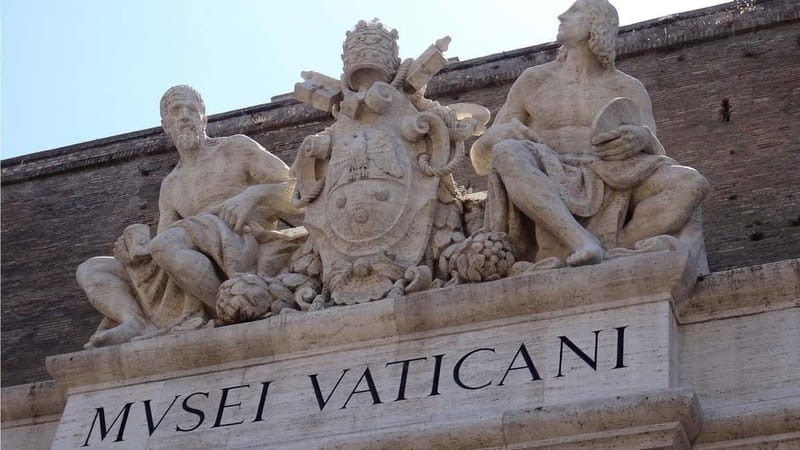
If you only care about one thing in Rome besides ancient ruins, it’s probably the Sistine Chapel. This experience includes access to the Sistine Chapel, and that’s the big payoff.
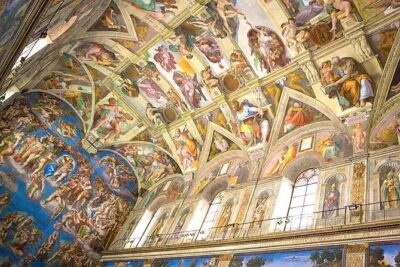
In the chapel, your main event is Michelangelo’s frescoes. People describe the feeling as spellbinding for a reason. Even if you’ve seen photos before, the scale and the density of detail hit differently in person. This is the moment where you’re most likely to stop talking and just look.
But here’s the practical reality: it can get crowded. One review noted that the Sistine Chapel felt stressful because of the number of people inside at the same time. That matches what you should plan for. You may not get a quiet, uninterrupted hour. You get a “stand, look up, take it in fast” experience.
And about photography: the tour notes say flash photography isn’t permitted, and one review specifically called out that photos and videos at the Sistine Chapel are not allowed. If your plan includes filming or taking lots of videos, adjust expectations now. You might also notice the typical gift-shop upsell immediately after the chapel exit, which can feel like a fast pivot out of the most meaningful room of the visit.
Important closure note
There’s a schedule warning you must not ignore. The Sistine Chapel is closed to the public starting April 21, and that closure is expected to continue until May 7, when the papal conclave is scheduled to begin. The key consequence: you can explore the Vatican Museums collections, but access to the Sistine Chapel will not be possible during that closure window. If your dates fall near that period, check your booking terms carefully and be ready to treat the Vatican Museums as the main event.

How to use the English electronic guidebook without getting stuck
One thing I like about this setup is that it doesn’t force you into a rigid tour script. The electronic guidebook (English) is included, so you can make art stick in your head with short prompts and context.
Here’s a simple way to use it so it actually helps:
- Use it when you’re approaching a major highlight, not while you’re mid-staircase. That prevents distractions.
- When you reach a famous piece like Apollo or the tapestries, switch to “read mode” just long enough to understand what you’re looking at.
- After you finish a highlight, give yourself 2 or 3 minutes of look-time with no screen. That helps you remember the feeling, not just the facts.
If you opt for a guided tour, guides can be extra useful for tying themes together, and reviews specifically praised guides who shared information and interesting facts. So if you like explanations, choose that option. If you like freedom, the self-paced approach plus the guidebook is enough to keep you grounded.
Dress code and photo rules that can stop you at security
This is one of those experiences where the small rules matter. The “not allowed” list includes:
- Shorts
- Short skirts
- Flash photography
- Backpacks
So dress like you respect the place. Also, the guidance says to check the weather forecast and dress appropriately. In Rome, that often means having a light layer you can manage if you’re sweating through museum halls and then stepping into cooler indoor rooms.
Photography is allowed, just not with flash. In practice, that means you can take photos where allowed, but you should keep your expectations aligned for the Sistine Chapel itself, where photos and videos are restricted.
Backpacks are a common pinch point in Vatican security and museum entry rules, so if you travel with one, plan to store it or carry a smaller bag that fits what you’re allowed to bring.
Price and value: what you’re really paying for
The price is listed as $44.41 per person. That’s the amount you see when booking this particular “Vatican Museums & Sistine Chapel skip-the-line entry” experience.
The important transparency note is that the admission price is €25 for adults and €13 for under 18, and the remaining amount covers the electronic information booklet plus advertising and booking fees. In other words, part of what you’re paying for is not only the ticket, it’s the service layer that gets you moving faster and helps you get more out of the visit.
Is it worth it? Usually, yes, if you’re time-sensitive. The biggest pain point in the Vatican is lost time. If your visit can’t afford a long wait, skip-the-line access is often the difference between a rewarding museum day and a rushed one.
Also consider the duration. At 2 to 3 hours, you’re not buying an all-day pass. You’re buying focused access to the highlights that most people want, plus the Sistine Chapel viewing when it is open.
One more planning reality: the cancellation policy is non-refundable. So only book once your dates are truly set.
Who should book this Vatican Museums entry
This is a strong choice if you want:
- Skip-the-line entry to protect your schedule
- A self-paced museum visit where you control stops and pacing
- A short, high-impact plan that includes major names and the Sistine Chapel when open
It’s also a reasonable fit for first-time Rome visitors who want the “Rome art machine” without adding more tour complexity.
It’s not suitable for everyone. The info states it isn’t suitable for people over 95, so if that’s your situation, look for alternative options built for mobility and comfort.
If you’re the type who loves a guide and wants context, choose the option that includes a guided tour. If you prefer wandering and learning at your own pace, the electronic guidebook is built for that style, and you’ll still hit the headline sights.
Should you book? My practical call
Book this if you want the Vatican Museums highlights without getting stuck in the longest waits, and you’re okay with a museum plan that moves with security first and then lets you explore independently. The value is highest when your time is limited and you care about seeing the key statues, the map and tapestry galleries, and then landing in front of Michelangelo’s frescoes.
Skip it or rethink it if your travel dates fall inside the Sistine Chapel closure window from April 21 to May 7. In that case, you’ll be paying for a museum experience but not the chapel access, so you should adjust your expectations and consider whether the Vatican Museums alone still feel like your priority.
In most other cases, this is one of those practical Rome bookings that makes your day easier, not more complicated. You’ll spend less time fighting queues, and more time looking up.
FAQ
How long does the Vatican Museums & Sistine Chapel entry take?
The duration is listed as 2 to 3 hours. Starting times depend on availability.
What does skip-the-line mean in this experience?
It’s skip-the-line entry for the Vatican Museums ticket line. Skip the ticket line is included, but it does not say you skip security control.
Is a guide included, or is it self-paced?
You can do the museums at your own pace without a guide. A guided tour is included if you select the option that includes it.
Is the Sistine Chapel included?
Access to the Sistine Chapel is included. However, the Sistine Chapel is closed to the public from April 21 until May 7 for the papal conclave period, so access would not be possible during that time.
Is an English guidebook provided?
Yes. An electronic guidebook in English is included.
How much is the ticket and what is the extra cost for?
Admission is listed as €25 for adults and €13 for under 18. The remaining amount covers the electronic information booklet plus advertising and booking fees.
Are shorts, short skirts, or flash photography allowed?
Shorts and short skirts are not allowed. Flash photography is not permitted.
Is there a backpack policy?
Backpacks are not allowed.
More Museum Experiences in Rome

More Tour Reviews in Rome
Not for you? Here's more nearby things to do in Rome we have reviewed






Vatican Tours, compared.
 ★ 4.5Vatican: Museums & Sistine Chapel Entrance TicketFrom $38144,003 reviews
 ★ 4.3Vatican Museums & Sistine Chapel Tour with Optional BasilicaFrom $7967,413 reviews
 ★ 4.5Vatican Museums, Sistine Chapel & St Peter’s Basilica Guided TourFrom $2239,149 reviews
 ★ 4.3Vatican Museums, Sistine Chapel & Basilica TourFrom $13013,872 reviews
 ★ 4.4Vatican Museums & Sistine Chapel Skip-the-Line Entry TicketFrom $4313,838 reviews
★ 4.7Vatican Museums, Sistine Chapel & Basilica TourFrom $7213,217 reviews
★ 4.4Vatican Museums & Sistine Chapel Skip-the-Line Entry TicketFrom $4313,838 reviews
★ 4.7Vatican Museums, Sistine Chapel & Basilica TourFrom $7213,217 reviews
 ★ 4.5Skip-the-Line Group Tour of the Vatican, Sistine Chapel & St. Peter’s BasilicaFrom $3012,779 reviews
Vatican Museums & Sistine Chapel Guided TourFrom $11812,117 reviews
★ 4.5Skip-the-Line Group Tour of the Vatican, Sistine Chapel & St. Peter’s BasilicaFrom $3012,779 reviews
Vatican Museums & Sistine Chapel Guided TourFrom $11812,117 reviews