
Reviewed · TOURS
Rome: The Original Fiat 500 Self-Drive Tour
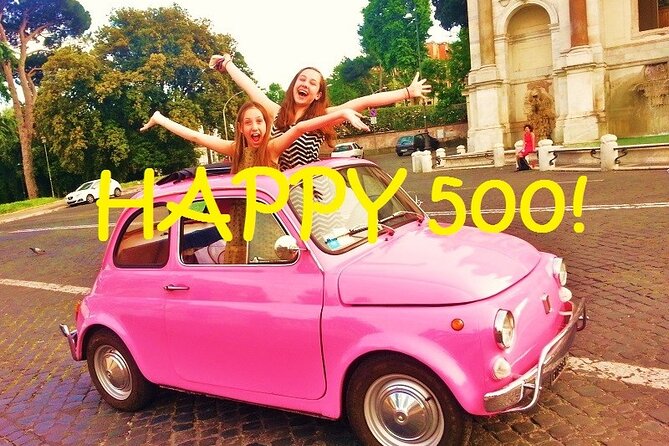
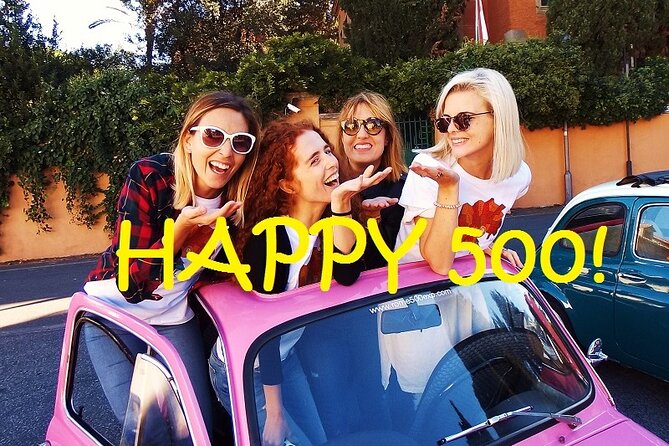
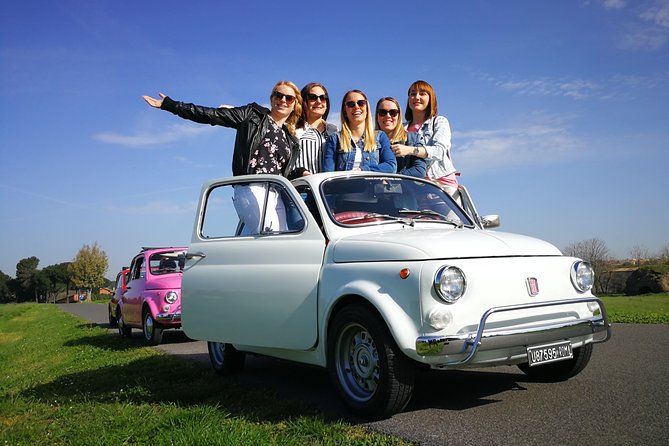
Rome’s tiny cars make big memories. You’ll drive a vintage Fiat 500 through central Rome, touring major landmarks and tucked-away viewpoints that larger buses usually skip. It’s a small-group self-drive format, so you get more personal attention and more chances to stop for photos without feeling rushed.
I love the way the tour mixes famous names with streets you’d miss on foot. I also like that the guide builds in quick breaks for views and gives you a practical picture of what you’re seeing, plus an espresso or cappuccino and free photo help using your phone or camera. That combo makes this feel more like a morning out with a local than a checklist tour.
One consideration: the Fiat 500 is manual and the car is small, with a weight and height limit. If you are not comfortable driving a stick shift, or you’re outside the size guidelines, you may want to choose a different style of tour.
Key highlights in plain terms
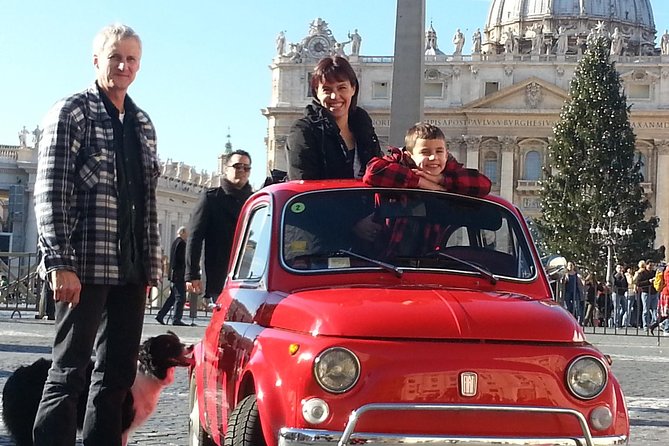
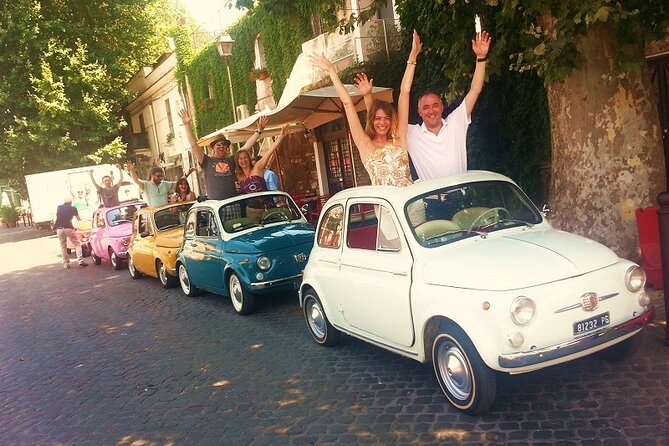
- Candy-colored Cinquecento driving in tight Roman lanes, with a guide and car caravan
- Photo-friendly stop planning that gives you time for selfies, videos, and quick walking breaks
- Landmarks plus viewpoints, including Circus Maximus, Janiculum terrace views, and Trastevere
- Specific ancient stops like Terme di Caracalla and Porta San Paolo, not just modern streets
- Included espresso or cappuccino plus a quick coffee or gelato option later (own expense)
- Small-group feel with up to 10 people split into separate Fiats
Why this Fiat 500 self-drive feels like Rome, not just sightseeing
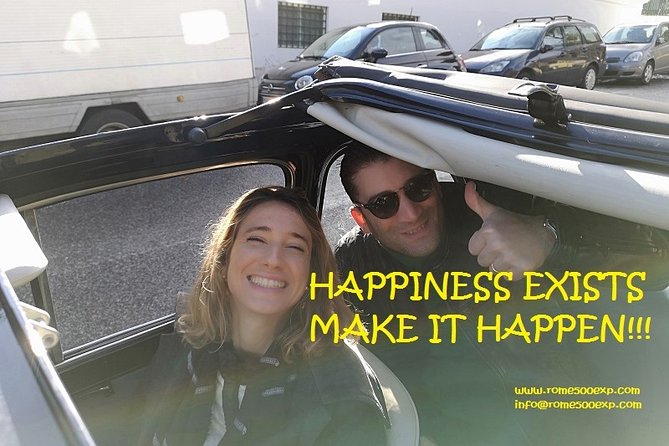
There’s driving Rome the usual way, by bus and on foot. Then there’s doing it in a classic Fiat 500, with the soft-top roof letting light and street sounds in. The city changes when you’re moving slowly through back streets, and it changes again when you look up at stone that looks older than the idea of a GPS.
What makes this tour especially fun is the balance. You’re not only chasing the postcard hits like the Colosseum area. You’re also getting a route that threads between viewpoints, gates, terraces, and neighborhoods where the streets are too narrow for most big vehicles. For people who like cars, it’s also a treat: it’s a proper manual car experience, not a token ride.
The tour also has an easy rhythm. Stops are short, but they are timed for photo moments and quick context from the guide. That keeps the day moving without turning every location into a 5-minute photo sprint.
You can also read our reviews of more tours and experiences in Rome.



Meeting at Palazzo Manfredi, and what the first minutes are really for
You meet at Palazzo Manfredi, Via Labicana 125, 00184 Roma. The tour ends back at the same starting point, so you do not need to solve a complicated transit plan afterward.
The first part of the experience matters because it sets you up for driving in traffic. You’ll get a safety briefing and a quick rundown of how the Fiat’s manual controls work before you start. Think of this as the moment to ask practical questions: how to shift smoothly, where the meeting points are within the route, and how to keep together in slow moving lanes.
Your guide also pairs you with your car. Since the Fiats are tiny, comfort limits are part of the plan. The operator allows a maximum of three adults per car, or two adults plus two children, which is important if you’re traveling with a group of mixed ages or larger adults.
Also, wear closed-toe shoes. It’s not a style rule, it’s a safety rule. You’ll be climbing in and out of a small car and walking at stops, so flip-flops are just a bad idea.
Driving a manual Cinquecento in Rome traffic: the real skill check
This is a self-drive tour, so your comfort with the basics is everything. The Fiat 500 is not automatic. The driver must be 18+ and have a valid EU driving license or an International Driving Permit.
Here’s the practical part: the company reserves the right to refuse the rental if you do not have enough experience with a manual transmission. That means you should be honest with yourself at the start. If you only drive an automatic at home, this may be stressful, and you could spend the whole tour focused on gears instead of enjoying the views.
What I like about this format is that the tour is designed for manageable driving. Guides typically keep a steady pace so you can stay with the caravan. Some teams also communicate by radio, which helps when traffic bunches up and the route requires careful spacing between cars.
If you are nervous, treat the briefing as your rehearsal. Tell the guide you want extra time at low speed and be ready to move slowly at first. The cars are small and agile, but Rome is busy, and your confidence comes from getting the first few minutes right.
The caravan route: from Terme di Caracalla to the keyhole views
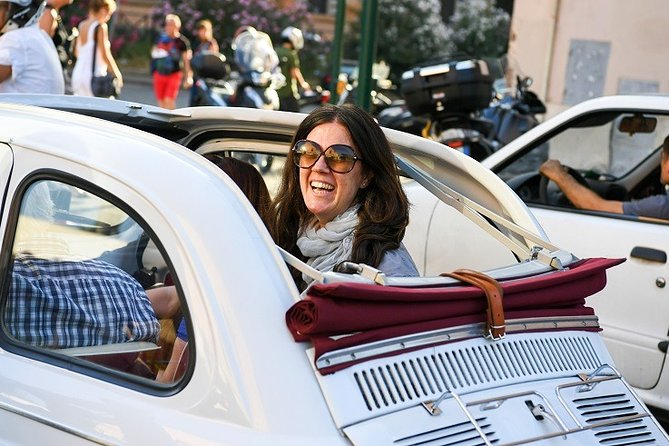
You’ll cover a lot of ground in about 3 hours, with several stops spaced for short walks and quick photos. One of the earliest stops is Terme di Caracalla, the ruins of one of ancient Rome’s biggest bath complexes. The scale here is part of the awe. It’s described as big as about 15 football pitches, and it functioned as a major health and social center, with facilities beyond just hot and cold baths, including libraries, gyms, a theatre, seminar rooms, gardens, and fountains.
The practical value of this stop is that it turns you from a “look at a ruin” visitor into someone who understands what daily life could feel like. Even if you only spend around 10 minutes there, the guide’s context makes the place easier to read.
Then you head toward Buco della Serratura, the keyhole view. This is one of those Roman surprises where the architecture turns into a framing device. You look through a keyhole and can see three countries lined up in the view, which is why it’s such a popular selfie stop. You’ll have about 20 minutes, so you can grab your shot, reposition, and still listen to the explanation.
After that, you’ll visit the related Parco Savello area, also tied to keyhole viewing. The keyhole theme is fun because it forces you to pause. Instead of only looking across a wide street, you look through a precise opening, and it makes Rome feel playful and clever.
Circus Maximus, Janiculum terrace, and the best “big view” moments
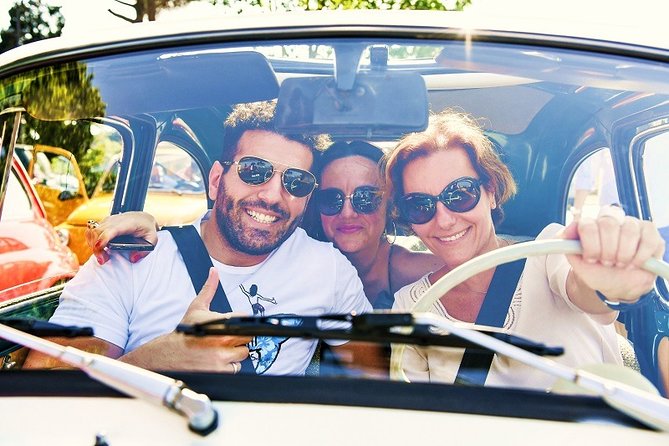
Next comes Circo Massimo, Circus Maximus. This is one of the best “wow, this was huge” stops on the route. It dates to long before the Colosseum, and it was built for spectacle, including races described in popular culture like the Ben Hur style chariot races. Today, it still sees crowds, sometimes for rock concerts, so it’s not frozen in time. It’s a living space with a familiar shape.
The time here is brief, around 20 minutes. That’s enough if you walk a little, take a couple of angles, and let the guide connect the scale to what Rome was doing with entertainment.
After Circo Massimo, you head to Piazzale Giuseppe Garibaldi, part of the Janiculum terrace area. This is a pure viewpoint stop. From here, you can see major landmarks like the Colosseum, Pantheon, Altare della Patria, and the cluster of domes that define Rome’s skyline. This is one of the best moments to switch gears mentally, because after driving through narrow streets, you get a wide, slow panorama.
If you care about photos, this is where you plan your shots. Stand in one spot for your widest frame, then walk slightly to catch a second composition. With the Fiat as your backdrop, it also becomes a memorable contrast: small car, massive city.





Porta San Paolo, the hill of broken vases, and why these stops matter
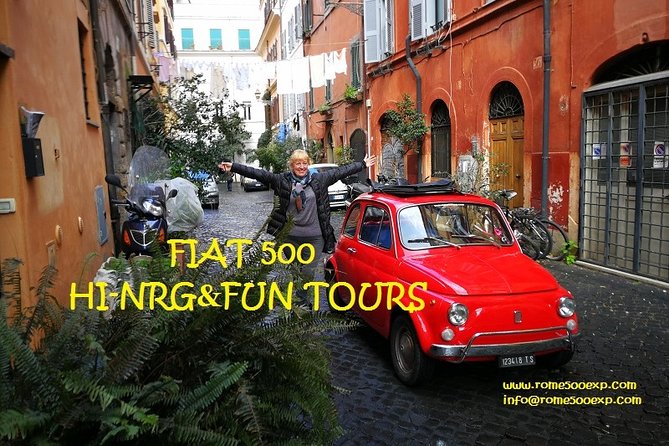
Not every Rome highlight is a grand monument. Some are details, and this tour makes room for those.
One stop is Porta San Paolo. The tour notes an Egyptian pyramid element tied to Rome. It describes the site as having the fourth biggest ancient Egyptian pyramid in Rome, built around 18 BCE, linked to the tomb of Gaius Cestius. Even if you already know some Rome facts, this kind of detail is the reason a car tour can feel different from walking tours that stick to the most obvious route.
Then you visit Via Galvani, connected to the hill of broken vases. This is the kind of information that changes how you look at ruins and artifacts. The idea is that Romans created an artificial hill from terracotta pieces used to transport goods like olive oil, fish sauce, and wine. Over time, what started as waste became a hill around 40 meters high and roughly 700 meters in circumference, estimated from terracottas from around 50 million vases.
This is a stop that’s short, about 20 minutes, but it sticks with you because it’s specific. It turns a random patch of land into a story about logistics, trade, and everyday materials.
The itinerary continues with Trastevere, where the driving is part of the experience. You’ll zip through tiny streets and feel the neighborhood energy without needing to fight through it on foot. It’s also a great reminder that Rome is more than its landmarks. Trastevere is full of daily life, and it’s exactly the kind of place where a classic small car becomes a moving conversation starter, since you’ll see people notice and take photos as you pass.
A final Roman gate, plus gelato or coffee on your terms
Near the end, the route includes Porta San Sebastiano, another ancient city gate stop. It’s a fitting closer because after the panoramic viewpoint and neighborhood driving, gates feel like the boundary points of old Rome. You’re seeing the city as a network of defenses and passages, not only as a set of monuments.
The tour also includes a planned moment to refresh. Before you end back at the starting point, you’ll stop for gelato or coffee, though that part is own expense. I like having this flexibility because it’s often hard to predict what you’ll crave after driving, walking a bit, and getting a lot of photo time.
And don’t overlook the included photo piece. The tour includes free photo shooting with your cellphones or cameras. That matters because it means you’re not stuck only taking self-timed photos. You can get a normal photo angle where you can actually see you and the car together.
What you actually get for $211.72 per person
At $211.72 per person for about three hours, the question is value, not just price. You’re paying for four things that are hard to replicate cheaply:
- A professional guide who helps you make sense of what you’re seeing, and who manages the caravan rhythm.
- Access to a vintage Fiat 500 that fits into narrow streets.
- Time-saving route design. You hit multiple areas without needing to transit between them.
- Included extras that cut small costs, like one espresso or cappuccino, plus free photo shooting.
If you were to build this day on your own, you’d spend money on transportation, likely pay for separate guided entries to specific sites, and you’d still not get the same “drive in the right places” advantage. Even with short stop times, you walk away with a better mental map of Rome and a set of photos that look different from the standard walking-tour images.
The other value piece is group size. While the activity can have up to 30 travelers overall, your self-drive experience is designed around small-group driving, with up to 10 people and separate Fiats. That usually feels more like a shared morning plan than a crowd shuffle.
Who should book this, and who should skip it
This tour is a strong fit if you want Rome with motion, not just museum time. It’s ideal for people who like classic cars, enjoy photos, and want a route that reaches quieter roads and viewpoints. It’s also a good choice for first-time visitors because you cover major landmarks and get a sense of how the city is laid out.
It may be a tougher choice if you:
- Cannot or do not want to drive a manual car.
- Fall outside the safety comfort limits, including over 220 pounds (100 kg) or taller than 6.2 feet (1.9 meters).
- Need hotel pickup and drop-off, since those are not included.
For families, the car limits matter, especially if adults and children are mixed. The minimum age for children is 5 years, and the driver must be 18+. If someone in your group does not drive, you can still participate, but you should keep the car capacity rules in mind.
Should you book the Rome 500 self-drive tour?
I think you should book this if you want a memorable Rome day that mixes iconic sights with clever detours, and you are comfortable treating driving like part of the fun. The best version of this experience is for people who like short guided breaks, clear photo moments, and a small-group pace that feels human.
If you are hoping for a fully automatic, low-effort tour with no driving stress, choose something else. Also, if your comfort needs are strict, double-check the height and weight limits before you commit.
If you want, tell me your dates and whether you plan to drive, and I’ll help you decide if this route and driving format matches your style and comfort level.
FAQ
Is the tour in English?
Yes. The tour is offered in English.
How long is the Rome 500 self-drive tour?
It lasts about 3 hours.
Where do we meet and where does the tour end?
You meet at Palazzo Manfredi on Via Labicana 125, 00184 Roma, and the tour ends back at the same meeting point.
Do I need a valid driving license to drive?
Yes. The driver must be 18 years or older and have a valid European Union driving license or an International Driving Permit. The car is manual, so the driver must have sufficient manual experience.
Is the Fiat 500 automatic?
No. The cars have a manual stick/clutch, not automatic.
What’s included in the price?
Included items are a professional guide, use of a vintage Fiat 500, coffee and/or tea (one espresso or cappuccino per participant), and free photo shooting with your cellphone or camera.
What is not included?
Hotel pickup and drop-off are not included, and food and drinks are not included.
Are there limits for passengers in the car?
Yes. Due to the size of the Fiat 500, the tour is not suitable for passengers over 220 pounds (100 kg) or taller than 6.2 feet (1.9 meters). Also, the car capacity allows up to three adults per car, or two adults and two children.
More Tours in Rome
More Tour Reviews in Rome
Not for you? Here's more nearby things to do in Rome we have reviewed












Tours, compared.
 ★ 4.3Vatican Museums & Sistine Chapel Tour with Optional BasilicaFrom $7967,413 reviews
 ★ 4.5Vatican Museums, Sistine Chapel & St Peter’s Basilica Guided TourFrom $2239,149 reviews
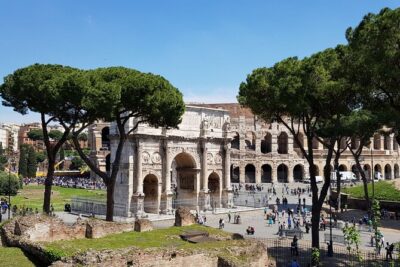 ★ 4.8Colosseum, Palatine Hill and Roman Forum Guided TourFrom $5232,814 reviews
 ★ 4.7Guided Tour of Colosseum, Roman Forum & Palatine HillFrom $5527,897 reviews
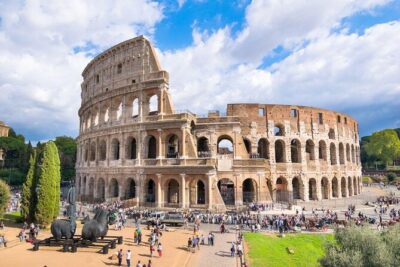 ★ 4.5Colosseum, Roman Forum and Palatine Hill Guided TourFrom $5923,903 reviews
 ★ 4.3Vatican Museums, Sistine Chapel & Basilica TourFrom $13013,872 reviews
 ★ 4.4Colosseum, Forum & Palatine Hill Tour & Optional ArenaFrom $5813,839 reviews
★ 4.7Vatican Museums, Sistine Chapel & Basilica TourFrom $7213,217 reviews