
Reviewed · FOOD & DRINK
Rome Street Food Tour and Jewish Ghetto Area Guided Sightseeing
Rome is best when you mix big sights with bite-sized stops. This street food and Jewish Ghetto walk pairs real local flavors with major landmarks you can actually process in one afternoon. You get a small group feel, so your guide can slow down when questions pop up.
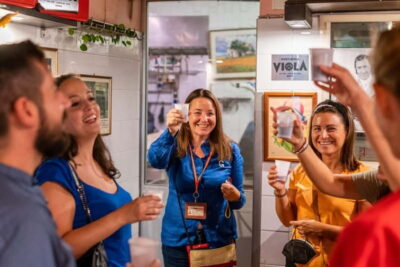
I love that the tour is built around tastings, not just sightseeing. You sample classic Rome street staples like pizza, salami, suppli (rice ball), and seasonal zucchini flower or a Judeo-style artichoke option, plus gelato. I also like that you are not stuck on a rigid script, because the guide connects food stops to what you are seeing in places like Campo de’ Fiori and the Pantheon area.
One thing to consider is the weather and comfort factor. It can get hot, and there is limited seating during a walking tour. Also, drinks are not included, so you might spend a bit extra if you want more than water.
Key highlights you will feel on the walk
- Small-group size capped at 15, for more personal guide attention
- Food focus with multiple tastings plus bottled water and snacks
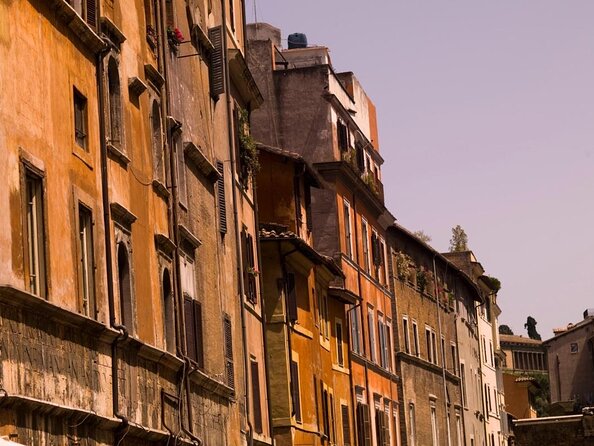
- Jewish Ghetto + ancient landmarks including the Pompey theatre area and the Great Synagogue area
- Pantheon close-up with a guide explaining project meaning and building tricks
- Historical beats like Julius Caesar’s assassination site at Largo Argentina
Why This 2.5-Hour Rome Route Fits First-Time Planning
This tour is a smart “get your bearings fast” option if you are new to Rome and want both food and context. In about 2 hours 30 minutes, you cover a cluster of historic areas that many people spread across multiple days. That matters because Rome can feel like one long maze, so having a guided route helps you move with confidence.
The price point, $54.13, is not cheap, but it is not just for walking. You are paying for an English-speaking local guide and multiple tastings, plus bottled water and snacks. In practice, that can help the cost feel reasonable compared with paying for individual street-food stops while still trying to learn the sites.
You also get a format that works well for most people: service animals are allowed, the tour runs rain or shine, and it is described as suitable for most travelers. It is also capped at 15 people, which usually means you can hear the guide and keep the pace moving without feeling rushed.
You can also read our reviews of more food & drink experiences in Rome

Starting in Campo de’ Fiori: Food Stops That Teach the Neighborhood
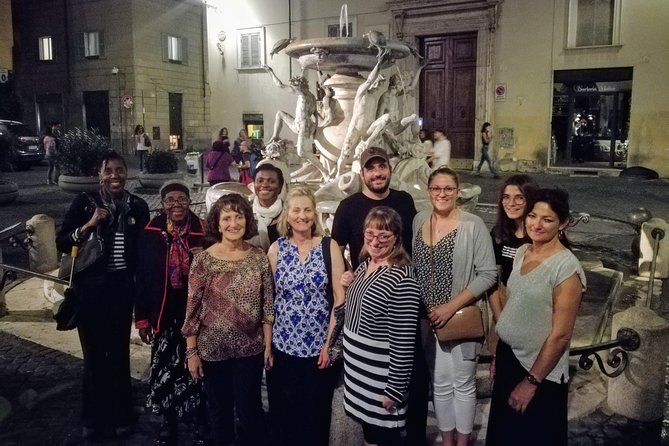
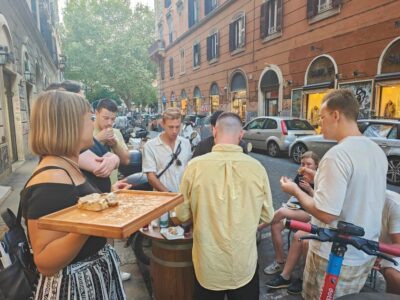
You begin at Piazza Campo de’ Fiori, and you do not just “arrive and wander.” You get led through the neighborhood at a walking pace that is designed to catch the local details you would otherwise miss. Campo de’ Fiori is a classic Rome square, but the surroundings are where the story lives, from everyday street life to small architectural cues.
The first part is also where the food energy starts. You get savoring tastings of fresh local street food while you move through the area. There is a reason this opening works. When you taste something early, the rest of the walk feels less like museum time and more like you are living in the city.
And yes, there is an obvious upside here: you are eating while you are learning, so you are less likely to lose attention after the first 20 minutes. If you hate tours where you stand around hungry, this format should feel more natural.
Pizza, Supplì, Salami, and Seasonal Veg: What You Actually Taste
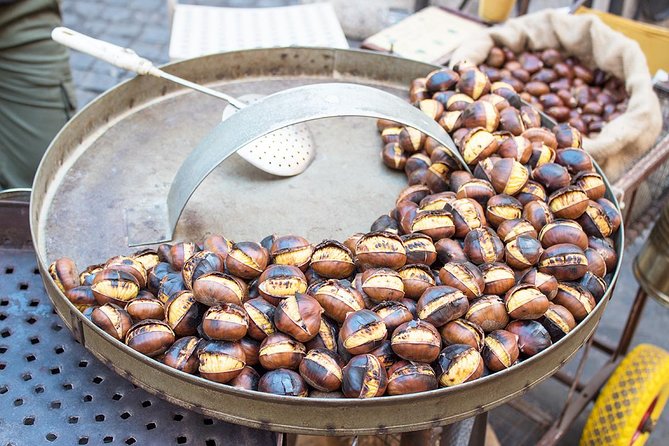
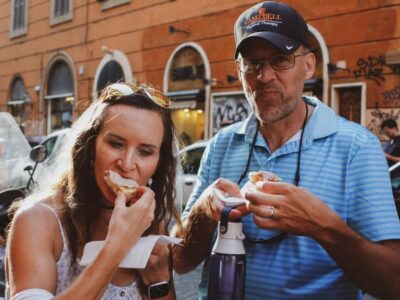
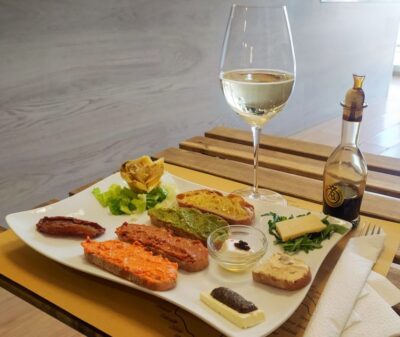
This is a food tour, so let’s talk about the menu you should expect. The tastings include pizza, salami, suppli (the Roman rice ball with tomato and mozzarella sauce), and gelato. You also get a vegetarian-friendly option that depends on season, such as zucchini flowers or a Judeo-style artichoke style choice.
A couple practical notes so you can plan your appetite. The tour includes snacks and bottled water, but it does not include drinks you might buy separately. If you want wine or beer, that is on you. Also, the tour can accommodate vegetarians, but it cannot accommodate gluten-free or dairy-free diets, and it cannot accommodate vegans. So if you are avoiding gluten or dairy, you will need to adjust your expectations before booking.
One more value point: because the tastings are built into the route, you are not hunting down places on your own and trying to figure out menus in a second language. You are basically paying for convenience plus guidance, and that saves mental energy.
Into the Jewish Ghetto and Pompey Theatre Area: History You Can Point To
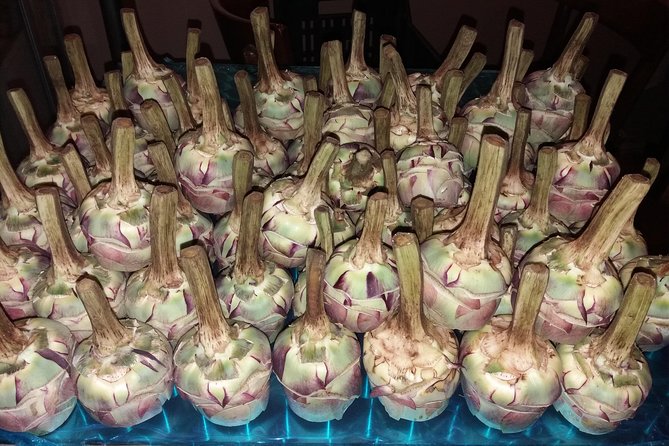
After Campo de’ Fiori, the walk continues toward the Jewish ghetto and the Pompey theatre area. This is where the tour shifts from food-forward neighborhood energy into heavier historic context. You will visit famous ancient Roman ruins and historic buildings, including the great Synagogue.
Even if you are not a hardcore history person, you will likely appreciate this segment because it ties the past to real places you can still recognize. Ancient Rome is everywhere in the city, but without a guide it is easy to look at ruins and think, so what. A good guide helps you connect the dots, and this itinerary is built to do that.
Then there is the food connection again. During this portion, you taste items that are very Roman street-style: zucchini flower options and suppli, along with pizza. That pairing does something subtle. It keeps the history from feeling like a lecture and makes it feel like part of the day.
If you are traveling with someone who usually says food tours are all hype, this section gives you credibility. You are not just eating snacks, you are also seeing significant layers of Rome in a concentrated walk.
Largo Argentina: Julius Caesar’s Assassination Site at Walking Speed
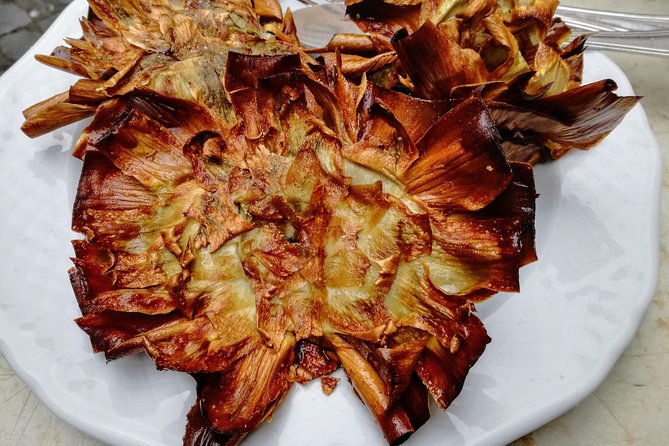
You will stop at Area Sacra di Largo Argentina, where history says Julius Caesar was assassinated. This stop is shorter, but it is the kind of place that benefits from a quick guided framework. Without context, you can see ruins and move on. With context, you start noticing what the space suggests about how Romans lived and ruled.
The value here is timing. This tour already has multiple anchor points, so a short stop works. You are not stuck for long in one spot, but you still get the key story beat, which helps you remember the tour as a coherent loop instead of scattered stops.
Heat can be real in Rome, so think of this as a “use the shade if you can” moment. You might not have a place to sit, but you can pause mentally and let your guide do the explaining.
A few more Rome tours and experiences worth a look





Piazza della Rotonda and the Pantheon: The Building Lesson You Might Not Expect
Next up is Piazza Della Rotonda, with the Pantheon as the headline. This is one of those monuments you see on day one or you regret it later. The difference on this tour is that your guide does not just point at the Pantheon and move on. You get details about its project, the meaning represented, and even different uses over the centuries.
That last part matters. The Pantheon is easy to treat like a photo backdrop, but it has had different functions across time, and a guide can help you read those changes in the architecture and the way people interact with the space today. The result is that you likely walk away understanding more than you could from a quick glance.
The time at this stop is brief, so you want to stay switched on. If you tend to wander off for photos, bring yourself back during the guide’s explanation. A couple smart questions can also turn this stop from “saw it” into “got it.”
Where Luca and the Guide Mates Fit In During the Walk
There is a short scheduled moment labeled around Made In Italy Tours by Luca and his Guide Mates. Even though it is brief, it signals that this is a team-run operation. On the guide side, one name that comes up is Luca, and another is Matias, who was described as full of energy and easy to understand.
What that translates to for you is a likely on-foot experience with clear communication. You are not dealing with a rigid, monotone script. You want a guide who can handle both the food logistics and the history explanations, and that is the sweet spot this tour tries to hit.
If your goal is a friendly, guided day where you get fed and also get context, this team-style setup is a good match.
Price, Portion Reality, and Diet Limits (Read This Before You Book)
Let’s talk money, then limitations. At $54.13 for about 2 hours 30 minutes, you are paying for a curated route, a local guide, multiple tastings, plus snacks and bottled water. You are not paying for museum tickets, since the stops listed show free admission for the walking areas.
Is it worth it? For most people who want both food and sight value without planning, yes. The tastings hit several Roman classics, and the history is targeted at major landmarks: Jewish ghetto area, Largo Argentina, and the Pantheon vicinity.
Where you should be careful is dietary needs and extra spending. Vegetarians can be accommodated, but vegans cannot. Gluten-free and dairy-free participants cannot be accommodated. Drinks are available to buy, but they are not included. So if you have allergies or strict dietary limits, this tour might not be the right match.
Also remember the “hot day with limited seating” factor. The value is in what you experience while walking, not in comfort amenities. Bring water habits in mind, even though bottled water is included.
Pacing, Crowd Control, and How to Prep for Rain or Heat
This tour runs rain or shine, which matters in Rome because weather can flip fast. The walking format is about steady movement, so you want shoes you trust. If you are in sandals, consider that most Rome streets are not made for delicate soles.
The group size cap of 15 is one of the practical reasons this tour feels manageable. Smaller groups usually mean fewer delays at tasting stops, and you get a better chance to hear the guide. That is also where the guided history stays coherent, because the guide can keep the group together while still explaining.
Reviews also pointed to heat as a real factor, with no easy seating available. If you are booking for summer, you should plan for it: light layers, a hat, and a sunscreen habit. If you are prone to fatigue, you might want to eat a real breakfast or plan lunch timing around the tour so you do not feel food-deprived.
The Best Fit: Who Should Book This Street Food and Jewish Ghetto Tour
This is a strong pick if you want a guided way to see Rome’s big-name areas without turning your day into a checklist. You will likely enjoy it if you like tasting classic street foods like pizza and suppli while also learning what you are looking at.
It is also a good fit for first-time visitors because it covers major stops in one connected route. And if you travel with someone who usually prefers history, the landmarks provide enough structure to keep them engaged, even though the day still revolves around food.
If you are vegan, gluten-free, or dairy-free, this probably is not your best option. If you are comfortable with vegetarian diets and you can handle typical ingredients used in Roman classics, you are in the safer zone.
Should You Book It?
I think you should book this tour if you want a guided Rome loop with multiple tastings, and you care about understanding what you see at Largo Argentina and the Pantheon. The small-group size helps, and the guide experience seems to be a big part of why people enjoy it, especially when the guide brings energy and clear explanations.
Skip it if your diet has strict gluten or dairy requirements, if you are vegan, or if you need lots of seating breaks during a hot day. Also, if you hate paying extra for drinks, you should know that drinks are not included.
If your ideal Rome day is part food crawl and part guided city reading, this is a solid way to get there.
More Food & Drink Experiences in Rome
More Tours in Rome






More Tour Reviews in Rome

Not for you? Here's more nearby things to do in Rome we have reviewed












Food & Drink, compared.
 ★ 4.8Trastevere or Jewish Quarter Street Food TourFrom $513,839 reviews
 ★ 4.9Trastevere & Campo de Fiori Street Food Walking TourFrom $512,768 reviews
 ★ 4.8Guided Food Tour in TrastevereFrom $1122,266 reviews
 ★ 4.8Food Tour with Unlimited Food and Barolo WineFrom $861,883 reviews
 ★ 4.9Appian Way E-bike Tour with Catacombs, Aqueducts & FoodFrom $961,210 reviews
 ★ 4.9E-Bike Night Tour with Food and Wine TastingFrom $891,131 reviews
 ★ 4.9Trastevere Guided Food and Wine Tour with 20+ TastingsFrom $1461,022 reviews
 ★ 4.9Pasta Making with Wine Tasting and Dinner in FrascatiFrom $35979 reviews
Browse the lists this tour appears in