
Reviewed · CIVITAVECCHIA SHORE EXCURSIONS
Rome Small-Group Shared Tour from Civitavecchia: 8 People Max
Rome looks different at minivan speed. This shore trip strings together Rome’s big icons and lesser-seen viewpoints in a semi-private group of 8. I like the air-conditioned ride and the way the driver works the streets to get you close enough that you do not spend the whole day walking uphill and around corners.
Two things I especially like: first, the mix of viewpoints and famous stops, from Janiculum Hill panoramas to St. Peter’s Square at the right moment. Second, the driver gives historical context from inside the vehicle, which helps you understand what you are seeing even when the stops are brief. The one real drawback to plan for is the pace. With an 8-person max group and a cruise-day schedule, each stop is short, and entry fees are not included, so you may add a few costs fast.
If you want Rome in one day without fighting traffic or figuring out meeting points, this can be a smart move. Just go in with realistic expectations about time, tickets, and how much you can physically do.
Key highlights at a glance
- 8 people max keeps it calmer than a typical cruise bus
- Close parking + less walking, because the minivan can reach areas big buses cannot
- Driver commentary from the van gives you context while you move
- Panoramic hits like Janiculum Hill show Rome like a local
- Pantheon planning matters, exterior is free but interior costs extra
- Vatican Museums are not included, so you will not cover that wing today
Why the 8-person minivan feels easier than a cruise bus
Cruise days are not built for slow tourism. This tour meets that reality with a small group format. With a maximum of 8 travelers, you get a quieter ride, less waiting around, and fewer bottlenecks at each photo stop.
The minivan also matters. Rome is made of narrow streets, traffic chokepoints, and “no big bus” zones. This itinerary leans into that by putting you in the right places where larger buses cannot go, so you spend more time looking at Rome and less time marching across open squares.
And yes, comfort counts. An air-conditioned vehicle is a big deal in the heat, especially when your “Rome day” includes a long transfer from the port. In the comments and experiences tied to this tour, the smooth, on-time driving is a common theme, and that is what you want when you have a ship schedule to catch.
The other practical plus: the driver can drop you close to stops and then give clear return times, which is the difference between a relaxed day and a frantic one.
You can also read our reviews of more tours and experiences in Vatican City.
Port-to-Rome timing: 9 hours sounds long, but it moves fast
The tour is listed at around 9 hours, and that total includes port pickup and the ride into the city and back. On a cruise day, the drive can easily eat up a big chunk of time. Plan for at least around the same kind of transfer feel you get in busy coastal cities, so do not expect a long, lingering Rome marathon.
Once you reach the sights, the stop lengths are tight. You get quick “see it, frame it, move on” windows, plus a little time to walk around the immediate area. The itinerary shows short visits like 10 to 20 minutes at major landmarks, with a longer 1 hour at St. Peter’s Square.
This is why the small group matters again. With fewer people, the driver can keep the schedule tighter and you are less likely to get stuck behind a crowd at every stop. Still, you will feel the rhythm of the itinerary, so if you love museums and slow wandering, you may end up wanting another day in Rome.
The best way to enjoy this format is to treat it like a guided tasting menu. You are sampling the icons so you know what to return to later.
Driver commentary from the van: useful context, but not inside-site narration
One of the most important details here is how information is delivered. In Italy, strict rules affect licensed guide work. On this tour, the professional English-speaking driver provides commentary from inside the vehicle, and they are not allowed to explain the sights once you are outside.
What that means for you: you will still get a lot of context while traveling between stops, and that helps your photos make sense. You will not get the kind of in-depth, step-by-step narration you might expect on a private walking tour where a guide talks at the monument itself.
There is also a practical consideration. Some past experiences included issues with audio clarity on certain vehicles, so if you are hard of hearing or rely on crisp sound, it is smart to sit where you can best hear the driver. If the mic is muffled, you will still see plenty, but you may miss some of the spoken setup.
Bottom line: if you want a “sit back and understand the highlights” experience, this works well. If you want a full guide deep in the details at each stop, you may find this limits you.
Janiculum Hill, Tiber bend, and Circus Maximus: Rome’s big-picture start
The itinerary begins with stops that quickly give you Rome’s layout and scale.
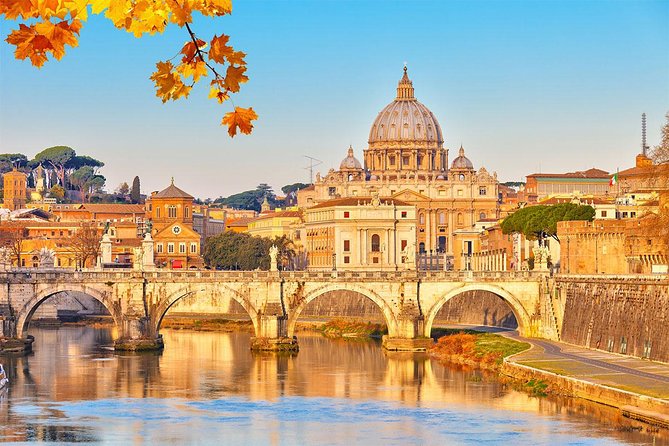
At Piazzale Giuseppe Garibaldi and nearby Janiculum Hill, you get one of the classic panoramic angles over Rome’s church domes and bell towers. This is a strong first stop because it gives you a mental map. From there, Rome stops feeling like random ruins and starts feeling like a city with a shape.
Then comes a stop at Tiberina Island, a tiny island in the Tiber River associated with healing since ancient times. You will likely not walk far here, but the location is a useful reminder that Rome’s history is not only about stone buildings. It is also about waterways, medicine, and the way people lived alongside the river.
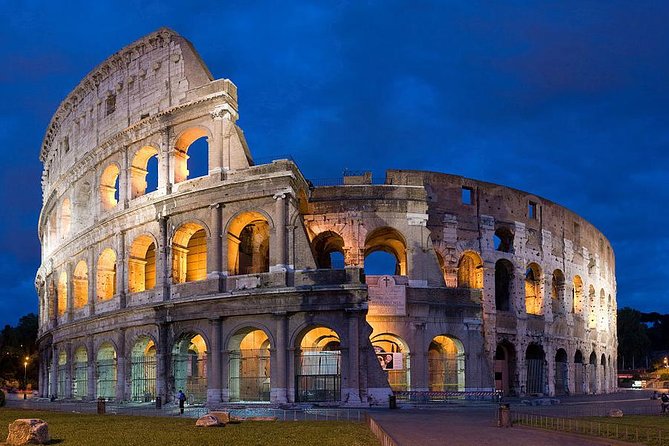
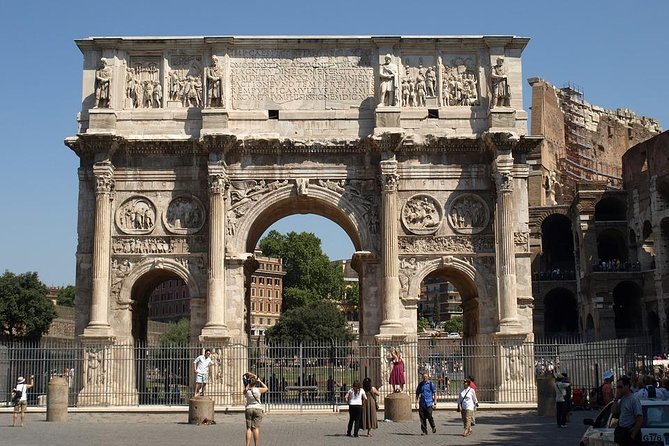
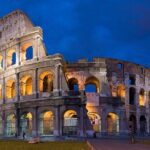
Next, you move into the “ancient Rome under your feet” zone. The Arch of Constantine is near the Colosseum area and can be viewed without an entry fee. It is a quick win for dramatic Roman architecture.
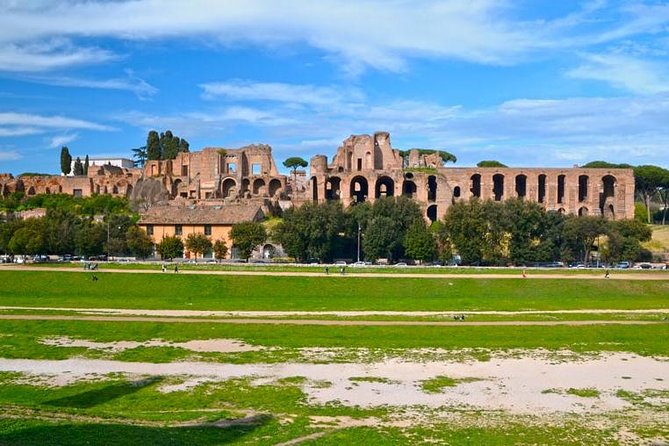
After that, you reach Circo Massimo (Circus Maximus), the ancient chariot-racing stadium. It is famous from films, but you do not need cinema knowledge to appreciate the scale. This is a place where you can stand in the valley and feel how different ancient entertainment and crowds were.
The stop at Domus Augustana rounds out the Palatine-Circus story by linking Augustus’s palace with the races below. It is a short visit, but it adds a “who watched from where” layer.
Potential drawback at this stage: each stop is brief, so it is best to decide what you want from the first half of the day. If you want long photo time, you will need to move quickly when the driver gives you the walk window.
Roman Forum and Teatro Marcello: ruins with civic and political context
As you head toward the old center of power, the itinerary shifts from entertainment to governance.
Teatro Marcello is one of those Rome oddities. It started as an arena in the late Roman Republic. Centuries later, apartments were built on top, so you get an unusual mix of ancient structure and modern living. It is not a “perfect museum ruin,” but it feels real. Rome did not preserve everything in a bubble. People adapted it.
Then you reach Foro Romano from the back side of the Capitoline Hill. The Roman Forum was the heart of civic life in ancient times, and your view includes major remnants like the area tied to Marc Antony and Julius Caesar. Even with short time, this stop is worth it because it is where Rome’s story becomes political. You are not just seeing impressive stone. You are seeing how public life worked.
You also pass by the monument to Victor Emmanuel in Piazza Venezia and the famous balcony linked to Mussolini’s speeches. This is heavy material, but it also anchors the way Rome has repeatedly reinvented its political center. You can look at it quickly, but you cannot unsee it once you know what it represents.
The best way to enjoy these stops: keep your expectations “high, but quick.” You are getting a snapshot of Rome’s core, not a full archaeology course.

Trevi Fountain and Piazza Navona: Baroque Rome without extra tickets
This is the part of the day that shifts to beauty you can photograph easily.
At Trevi Fountain, you get the world-famous Baroque centerpiece. It is large, sculptural, and unmistakable. The itinerary gives you around 20 minutes, which is enough time to find a good angle, watch the crowd ebb and flow, and still make the next stop on schedule.
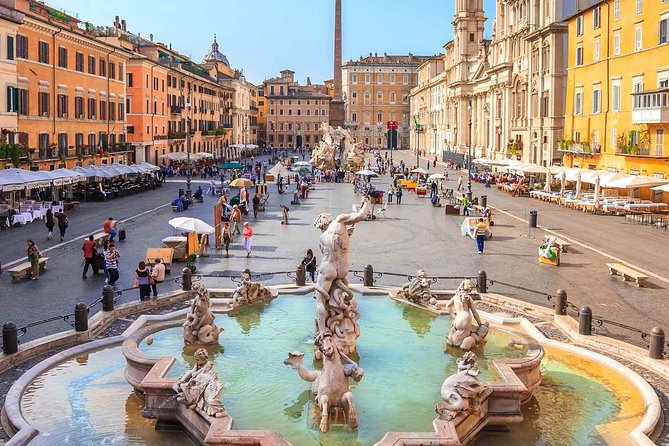
Then comes Piazza Navona, built on the site of the Stadium of Domitian. This square is a great “look around” stop because it is designed for movement. You have fountains, architecture, and that classic Roman street-life energy.
The centerpiece here includes Bernini’s Fontana dei Quattro Fiumi (Fountain of the Four Rivers). The short stop can feel quick, but Piazza Navona is the kind of place where even a brief visit gives you the Baroque feel you remember later.
One thing to watch: these are popular places, so your time can be sensitive to foot traffic. If you are the type who hates crowds, prioritize comfort. Do not try to sprint to the perfect photo spot. Instead, grab one good angle and soak up the setting as you wait for the light to shift.
Pantheon planning: exterior is free, interior costs 10 euros
Pantheon is where many one-day Rome trips rise or fall, and this one handles it intelligently.
From the exterior, it is free. You still get the engineering wonder of the giant oculus and the coffered ceiling look from outside views where you can. Even quick exterior time helps you appreciate why this building became such a symbol.
As of July 2023, the interior requires a ticket, listed at 10 euros per person. You can purchase the ticket on site. Since the itinerary provides about 20 minutes at this stop, you should think about your own priorities. If you want photos outside and a smooth route to the next stop, stick to the exterior. If you feel pulled toward the inside, be ready for the time it takes to enter and move through.
Because interior entry is ticketed, this is also where your “ticket math” changes your budget. Still, it is a fair cost if it is a must-see for you.
My practical advice: decide before you arrive. Once you are there, the crowd rhythm can make impulsive decisions stressful.
St. Peter’s Square: the timing play, the dress code, and the limits
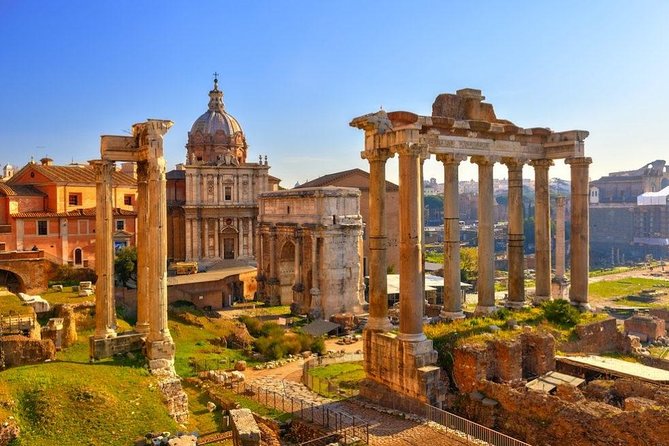
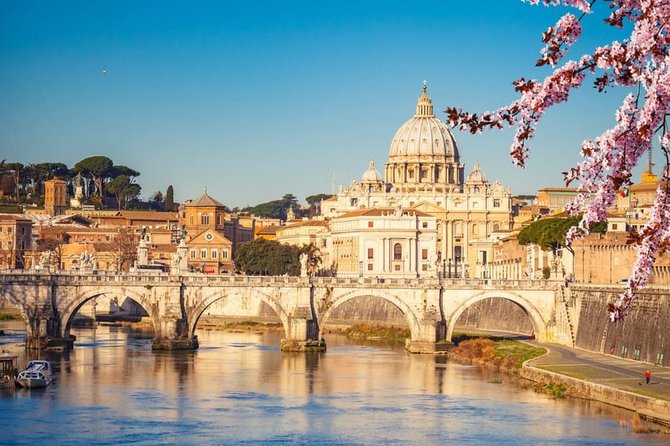
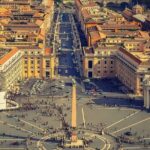
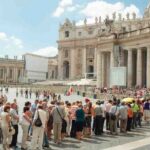
The final major highlight is St. Peter’s Square. The itinerary gives you about 1 hour, and that is a meaningful chunk compared to many other stops. You get the colonnades and a wide, iconic view of Christendom’s largest church setting.
Time permitting, you can enter the basilica. That can be free, but you should know the rules:
- shoulders and knees must be covered
- mass can restrict access
- lines for security and screening in high season can be long
This is also where a lot of the tour’s success shows up. In experiences tied to this itinerary, drivers are praised for timing the square visit well to help reduce crowd stress. You still need to be realistic: you are in Vatican City, and crowds are part of the scene.
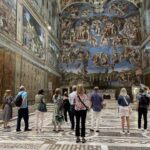
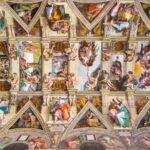
Important gap to understand: the Vatican Museums are not included. So if you dreamed of the Sistine Chapel as your centerpiece, plan a separate museum plan. This day trip gives you the Vatican exterior and square experience, plus a possible basilica visit.
Budget and value: what your $167.96 really covers
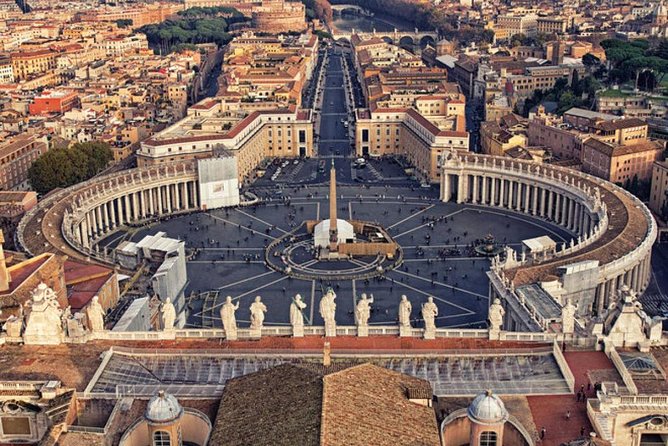
The listed price is $167.96 per person, and what you get for that is mostly the logistics and the transportation.
Included:
- port pickup and drop-off
- an English-speaking driver with vehicle commentary
- shared small-group minivan
- air-conditioned vehicle
- guaranteed return to the pier on time
Not included:
- entry fees to attractions
- gratuities
- lunch
- Vatican Museums
- a walking guide who accompanies you inside sites
So is it good value? For a cruise day, often yes, because you are buying time and access. You are not renting a car, and you are not trying to navigate parking and traffic from Civitavecchia on your own. You also have the benefit of a small group size and the ability to reach areas that larger buses can miss.
What can cost extra:
- Pantheon interior ticket: 10 euros
- any other paid entries you choose
- lunch, since it is on your own
- optional gratuities, typically appreciated
If you are the type who wants to go inside everything, your total will rise. If you are okay with exteriors where they are enough and you treat the stops as a fast Rome orientation, this pricing often feels reasonable for how much ground you cover.
Should you book this Rome shore trip?
Book this if you want a big-sights Rome day with less walking, a calmer group size, and a driver who focuses on getting you where you need to be and back on schedule. It is especially good for first-timers who want to get their bearings fast and build a wish list for a future return.
Skip it, or pair it with a museum plan, if you expect long museum time, inside-site narration at every stop, or a slow-paced route. Also consider the ticket reality. You will pay for things like Pantheon interior, and the Vatican Museums are not part of this day.
If you are traveling from Civitavecchia and your ship day is your only window, this is one of the cleaner ways to make that one day count without turning it into a stress test.
More Tours in Vatican City
More Tour Reviews in Vatican City
Not for you? Here's more nearby things to do in Vatican City we have reviewed

Civitavecchia Shore Excursions, compared.
 ★ 4.0From Civitavecchia: Full-Day Panoramic Bus Tour of RomeFrom $641,260 reviews
 ★ 4.4Civitavecchia Port: Private or Shared Guided Tour of RomeFrom $134826 reviews
 ★ 5.0Civitavecchia Private Transfer: Rome to Civitavecchia Cruise PortFrom $141669 reviews
 ★ 4.5Shared Transfer from Civitavecchia Pier to Rome Hotel or AirportFrom $82455 reviews
 ★ 4.5Civitavecchia Private Transfer: Civitavecchia Port to RomeFrom $141430 reviews
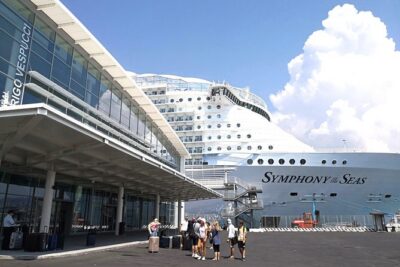 ★ 4.5Luxury Private Full-Day Rome Tour from Civitavecchia PortFrom $408317 reviews
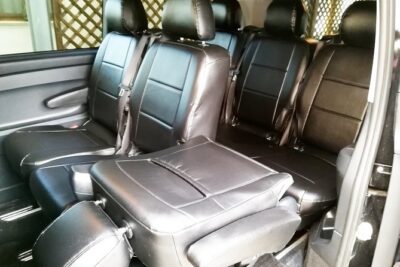 ★ 4.0Private Transfer Civitavecchia Port to Rome – Driver WaitingFrom $165315 reviews
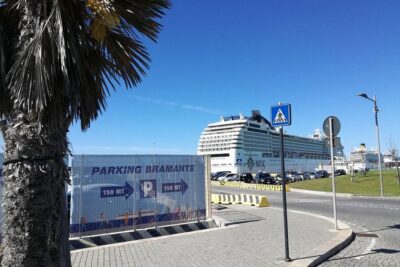 ★ 4.5Luxury Private Transfer Rome from /to Civitavecchia PortFrom $112306 reviews
Browse the lists this tour appears in