
Reviewed · PRIVATE
Rome’ s 8 Best Highlights Half Day Private Tour
Rome can feel like a lot at once. This half-day private highlights tour is built to get your bearings fast, with a driver-guide who talks you through what you are seeing as you hop between major stops. I especially like the private, tailored feel and the time set aside for photos instead of rushing you through everything like a checklist. One thing to consider, though, is that most stops are about seeing the sights from close by and from outside, so this is not the same as spending hours inside major monuments.
You will cover eight big-name sights in about four hours, using comfortable private transport that drops you close to where you want to be. If you want deep museum time or long guided walks, you might feel a bit limited by the short stop lengths. That said, for first-time Rome, or for days when you cannot spare a full day, this approach is a smart way to see the essentials without the stress.
Key highlights to know before you go
- Private Mercedes transport (minivan or sedan), air-conditioned, with bottled water included
- English-speaking driver-guide who focuses on meaning, not just facts
- Outside viewing at the main stops, with explanation time plus photo time built into the schedule
- A tight city route that connects ancient Rome, baroque Rome, and Vatican views efficiently
- Flexibility for small detours, and possible replacement stops if streets close for events
- Great for “first day” planning, because you will know where to return later
How a 4-hour private drive makes Rome manageable
This tour is designed for one goal: see the biggest hits without spending your whole day figuring out logistics. You travel in a private Mercedes minivan or sedan, and you do not have to herd your group through public transit stairs, confusing routes, or slow taxi lines.
The pacing is also the point. Each stop is short enough to keep the momentum, but long enough that you can step out, frame the photos, and absorb what you are looking at before the next drive. You get a rhythm that feels like touring with a local who already knows where the time goes.
Also, you should like the “outside first” format. The tour is built around viewing and understanding landmarks without requiring monument tickets, so your schedule stays simpler. If you are worried about buying the right tickets on the right day, this structure helps.
You can also read our reviews of more private tours in Rome

Circus Maximus and the Palatine Hill viewpoint you will remember
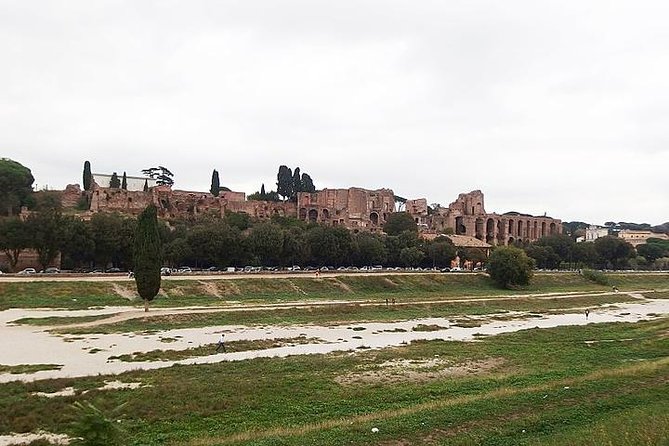
Circus Maximus is Rome in its gladiator-myth mood, even if you are only seeing it from outside. This was the biggest ancient stadium for chariot racing, and the stop is timed for a quick look plus a guided explanation. What I love about this stop is the chance to connect the site to the surrounding power centers of ancient Rome.
The view direction matters here. You get an amazing look over the Palatine Hill area, including the foundation zone and the kind of elite residence this empire ran on. It is the kind of moment where Rome’s past feels less like trivia and more like architecture you can point to.
The drawback is obvious, but worth stating. You will not have long wandering time here, and you will not leave with a full “archaeology dig” experience. Still, it is a strong opening stop because it sets context before the tour zooms toward the more famous icons.
Piazza Venezia and the Monument to Victor Emmanuel II, the square context stop
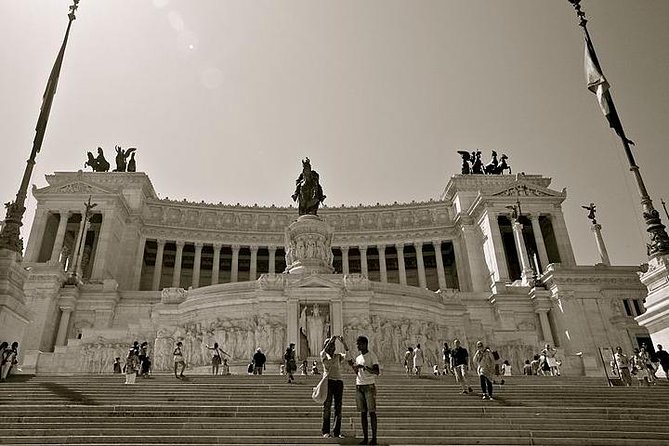
Right after Circus Maximus, the tour moves to one of Rome’s dominant landmarks: the Monument to Victor Emmanuel II. This stop is less about a single building you linger on and more about using the monument as a map anchor. It sits by some of Rome’s most important squares, so the guide can help you orient yourself fast.
I like this stop for travelers who feel overwhelmed by the city’s sprawl. When you can see how major streets and squares connect, the rest of Rome makes more sense during the days that follow. It is also a practical photo stop, because the monument gives you a big, clear backdrop.
The consideration here is simple. The stop length is about 15 minutes, so you should come ready with your camera angles in mind. If you want to climb for views or spend serious time reading every detail, you will likely want a return visit on a different day.
Pantheon dome impressions without turning it into a long ticket line day
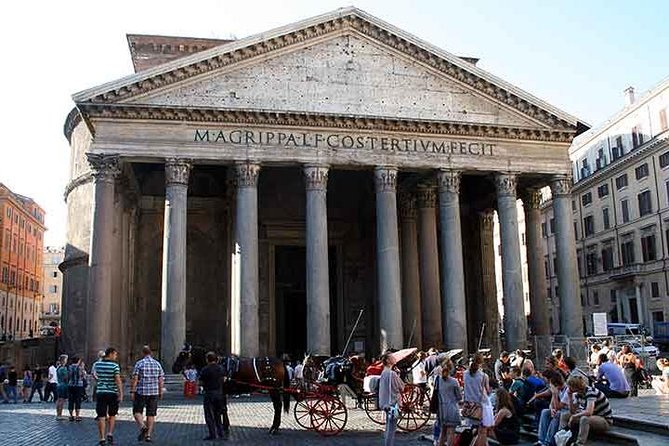
The Pantheon stop is one of the best examples of why this tour works for limited time. You are seeing the famous temple dedicated to all Roman gods, and the dome is the star. The guide’s job is to point out why the dome is such an engineering marvel, and that explanation can make the building feel way more alive.
This is also a great “pause” moment in the middle of the schedule. A 20-minute stop gives you time to step back, look up, and take a few photos without feeling you are being yanked along. If this is your first time in Rome, seeing how the Pantheon looks from the outside helps you later decide whether it is worth a dedicated interior visit.
The possible downside is that this format does not turn Pantheon into a full-depth museum day. If dome views inside and slow reading matter to you most, you will need a separate time slot. But for a highlights sprint, the Pantheon stop is a high-impact use of limited hours.
Spanish Steps and Trevi Fountain: short stops, big payoff, crowd-proof mindset
After Pantheon, the tour hits the two Rome icons that most people have on their first photo list. The Spanish Steps are famous for their elegant marble staircase and their role as a stage for films and fashion moments. This stop gives you just enough time to get your bearings, take your pictures, and watch the scene move while your guide narrates what you are seeing.
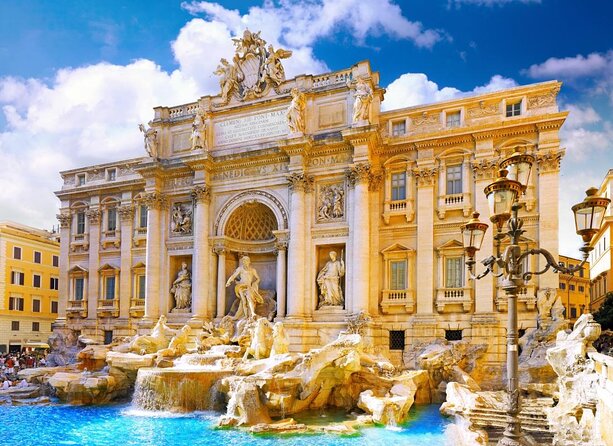
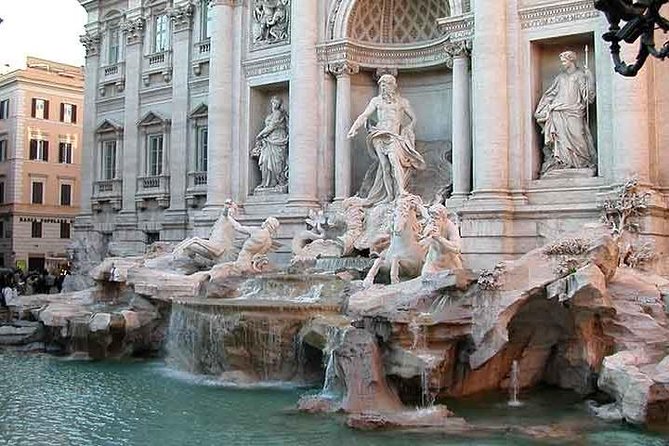
Then comes Trevi Fountain, with its famous water spectacle dedicated to Neptune. Trevi is the longer stop at about 30 minutes, which helps because it is also one of the most crowded areas in the city. The value here is that you arrive with a plan, not cold and stressed, so you can find a usable photo position and still enjoy the moment.
Here is my practical advice: expect motion and noise around Trevi and the Spanish Steps. Go in with the mindset that you are capturing angles, not waiting for a perfect empty scene. The guide’s real skill is keeping the stop efficient so you do not burn all your time just trying to move two feet.






St Peter’s Square, Vatican views from the main open space
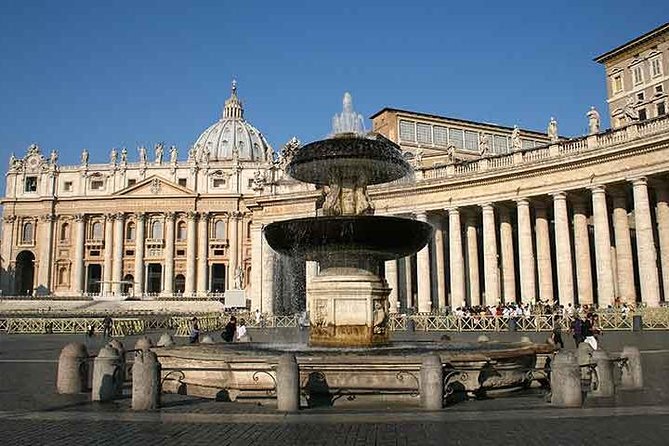
St Peter’s Square is a powerhouse even when you are not walking into every site. This stop is positioned for views of major Vatican landmarks from the square area, including the Pope’s residence, St Peter’s Basilica, and visual reference points toward the Sistine Chapel area. Even if you have seen photos, the scale hits differently in person.
The schedule gives you about 15 minutes, so you are not meant to treat this like a full Vatican day. Instead, it is designed to help you understand where everything sits relative to the square. That context is useful when you later plan an all-in Vatican visit.
The key consideration is dress and general behavior expectations around the Vatican zone. While the tour data does not spell out dress rules, you should be prepared for the area to have stricter expectations than other parts of Rome. Keep it simple: covered shoulders and practical shoes go a long way in this part of town.
Terrazza del Gianicolo for panoramic payoff
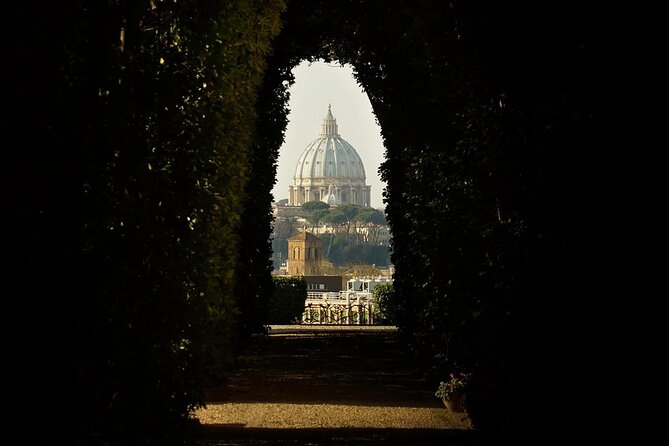
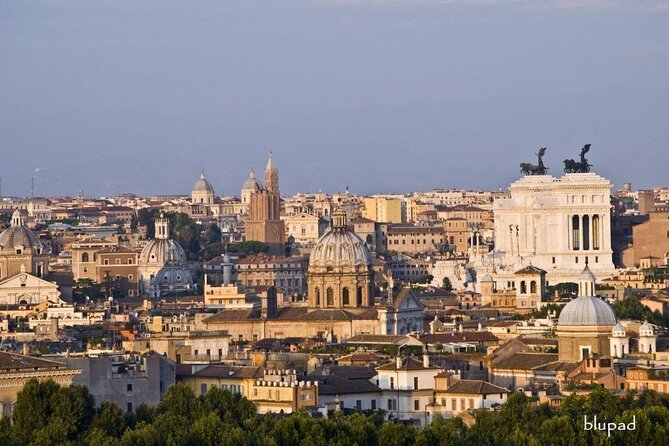
If you want one stop that feels like a reward, make it Terrazza del Gianicolo. This belvedere terrace is built for wide Rome views, and it is timed for about 15 minutes. From here, you can see much of the city, which helps you connect the names of neighborhoods to actual geography.
I like this stop because it breaks the pattern. After big monuments and central squares, you get a wider visual reset that helps everything click. It is also the kind of photo stop where a little time goes farther than you think, because your job is to scan and frame rather than rush.
The drawback is that terrace views can be sensitive to lighting and weather. The tour does not promise a specific time of day in the data you provided, so you might get better or softer views depending on conditions. Either way, it is one of the better uses of a short slot because panoramic Rome is hard to replicate later unless you seek it out intentionally.
Colosseum from outside, with the right orientation and photo time
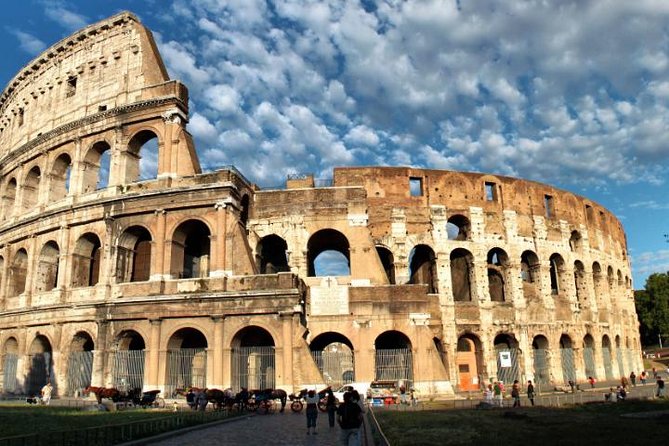
The Colosseum is saved for the last main attraction, and it is a smart choice. This tour focuses on what you can see from the outside, with a fair explanation before you get time to explore on your own. Even when you do not enter, the Colosseum is so iconic that guided orientation can make a big difference.
The value of this format is that it lets you see how massive the structure feels, then gives you a buffer to look around independently. You can take wide photos, walk a little in the nearby area, and orient yourself for a return visit if you decide you want the inside story later. For many first timers, that is the perfect setup.
The consideration is ticket-related. The tour is built around not requiring monument tickets, but that also means you are not getting the full “inside” experience. If Colosseum interior access is your top priority, plan a separate visit with the appropriate entry ticket. Think of this stop as the orientation and inspiration stop, not the complete deep dive.
Included perks that quietly improve your day
A big part of the value here is the practical stuff that reduces friction. You get bottled water, and you ride in an air-conditioned private Mercedes vehicle. That matters in Rome, where walking can be fine for short bursts but long stretches in heat can drain you fast.
Another “quiet win” is the pickup concept. Pickup is offered, and you provide the correct pickup address. For many travelers, starting with less walking to meet a group is what turns a good plan into a smooth one.
Also, the tour is in English and is led by a professional English-speaking driver-guide, one person only. This matters for pacing and communication, because you do not have to translate between a driver and a separate guide. It also fits how the schedule is built, with drives that connect quick explanation stops.
Who should book this half-day highlights tour
This tour is best for people who want Rome’s highlights in a manageable timeframe. If you have one busy day, only one or two days in the city, or you want a first-day overview before deeper planning, this structure makes sense.
It is also a strong pick for groups who would otherwise be juggling taxis and splitting up. Because it is a private setup, your group stays together with your own transport rather than weaving through the city as strangers.
You might not love it if you are the type who wants hours at each major site, reading every plaque and wandering every side lane. The itinerary is intense by design, and the stop times are meant to keep you moving.
Price and value: what $336.41 per person buys you
At $336.41 per person for about four hours, this is not a budget tour. The value comes from what you get for that money: private transport, guided commentary, and a route that packs eight iconic stops into a short window.
For me, the best way to judge value is this: compare your cost to the time and stress saved. If you do it on your own, you pay in taxis or rideshares, you pay in navigation stress, and you risk losing prime daylight time to waiting and delays. Here, you buy speed, comfort, and context.
It also helps that the tour can offer group discounts, which makes the math better when you travel with more people. If you have a small group and you want the city’s top hits without turning your day into a logistics project, this price starts to feel more reasonable.
The guides: names people remember, and why that matters
One reason this tour gets strong repeat praise is the way the guide style comes through. Some guides have been highlighted for being flexible, conversational, and good at keeping the flow friendly while still hitting the big landmarks.
In particular, Alessandro comes up often for making the day feel personalized, with time for photos and small detours when the group wants them. Antonio is another name associated with a solid overview and helpful adjustments to a group’s pace. Sabino is noted for handling Rome traffic and still keeping the schedule moving during tougher days, and Stefano is praised for going out of the way to make the experience special when plans changed. Marco and Paolo also show up as guides who make the tour feel like a true orientation, not just a ride between stops.
Since the format depends on the guide’s narration, you should treat the driver-guide as the main ingredient. If you care about understanding what you see, prioritize booking when you know you will have time to ask questions and react to the story the guide tells at each stop.
Quick tips to get more out of every stop
Bring a camera plan, even if you are not a photographer. With many stops under 30 minutes, you will get more good shots if you know your angles before you exit the vehicle.
Wear comfortable shoes and expect some curb walking. The tour drops you close, but you still need to step out, move around, and rejoin the vehicle efficiently.
Use the photo time wisely. If you want family photos, coordinate them before the guide starts walking you to the next viewpoint. It keeps everyone from scattering and losing time.
If you want extra personal touches, ask early. The tour can be customized with other spots that do not require tickets, based on the driver’s discretion. It is often easiest to weave in small adjustments when you can still maintain the overall route.
Should you book Rome’s 8 Highlights half-day private tour?
I would book this when you want a smart Rome overview with minimal stress and zero planning headaches. It is especially good for first timers, short-stay visitors, and people who want to see ancient Rome, central landmarks, and Vatican area views in one compact day.
Skip it if your top goal is long museum time or interior access at multiple major sites. This tour is built for outside viewing, quick orientation, and photo-friendly stops, not for spending hours inside every famous building.
If you are deciding today, consider this: the tour is popular enough that many people book it about two months in advance. That usually means it fills up in the best time windows, so locking it in early can be the difference between a smooth schedule and scrambling.
FAQ
Do I need admission tickets for this tour?
No. The tour is designed around driving and seeing the highlights from outside, with explanation and time for pictures, so it does not require tickets for the monuments and museums on the route.
How long is the Rome highlights tour?
It lasts about 4 hours.
Is this a private tour?
Yes. It is private, so only your group participates.
What transportation is included?
You get air-conditioned private transportation in a Mercedes minivan or sedan, plus bottled water.
Can the pickup be from my hotel?
Pickup is offered. You provide the correct pickup address so the driver can meet your group there.
What if I need to cancel last minute?
You can cancel for a full refund if you cancel up to 24 hours in advance. If you cancel less than 24 hours before the start time, the amount paid is not refunded.
More Private Tours in Rome
More Tours in Rome



More Tour Reviews in Rome
Not for you? Here's more nearby things to do in Rome we have reviewed












Private, compared.
 ★ 5.0Private Vatican Highlights Guided Tour with Sistine ChapelFrom $302983 reviews
 ★ 5.0Private Vatican Museums and St. Peter’s Basilica Early Bird TourFrom $356980 reviews
 ★ 4.5Rome Private Food Tour with 6 or 10 TastingsFrom $140902 reviews
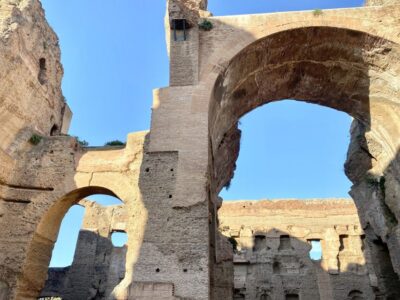 ★ 4.7Caracalla Baths & Circus Maximus — Private or SharedFrom $77835 reviews
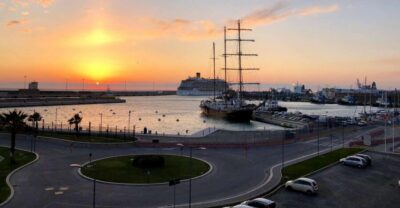 ★ 4.4Civitavecchia Port: Private or Shared Guided Tour of RomeFrom $134826 reviews
 ★ 5.0Private/Group 4 Hours Golf Cart SightseeingTourFrom $168780 reviews
 ★ 5.0Explore Rome on a Golf Cart: Private TourFrom $83757 reviews
 ★ 5.0Colosseum, Roman Forum and Palatine Hill Private TourFrom $260724 reviews