
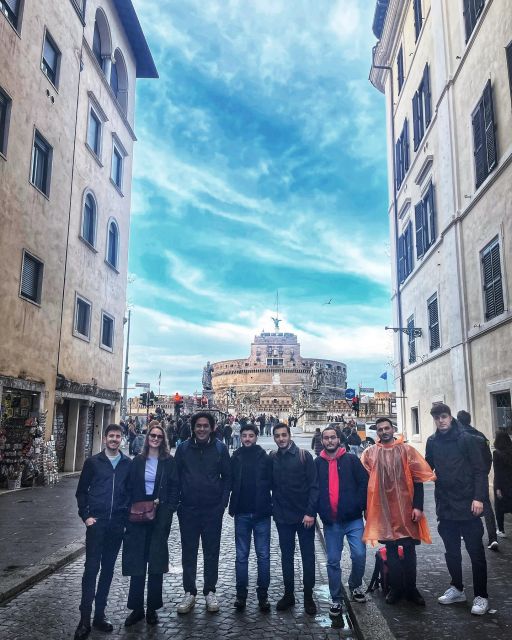
Reviewed · WALKING TOURS
Rome: Piazza del Popolo and City Sights Free Walking Tour
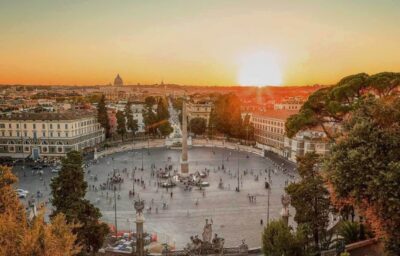
Rome rewards curiosity, and this walk feeds it. Starting at Piazza del Popolo, you’ll spot the towering obelisk of Ramesses II and follow your guide past the marble splendor of Porta del Popolo. What I love most is how the tour ties landmarks to real stories, including roots of Christianity, and how it gets you to Castel Sant’Angelo with context you cannot easily pick up from a standard brochure. One possible drawback: since it’s a walking tour for about 2.5 hours, wear comfy shoes and plan for weather, because you are mostly on your feet.
The best part is that you are not just checking boxes. Guides like Lucio and Nick come across as genuinely fun, fast to answer questions, and good at pointing out details you’d otherwise miss, including moments about historical women and lesser known corners around the area. Still, because it’s tip-based, you’ll want to be ready to choose what to pay based on the experience you get, not just the $3.54 shown.
If you like Rome best when it feels local, this is a strong way to start. You meet outside the arches and entry gates into Piazza del Popolo, then spend the next 2.5 hours turning a “nice neighborhood walk” into a clear mental map of central Rome and the kind of sights you’ll want to revisit later on your own.
Key Highlights to Look For
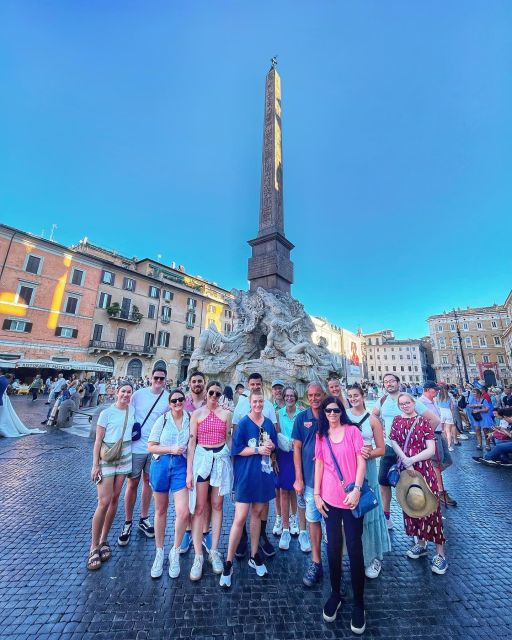
- Ramesses II Obelisk at Piazza del Popolo: big first sight, instant sense of scale
- Porta del Popolo in the Aurelian Walls: marble columns and statues you can actually describe afterward
- Castel Sant’Angelo with Hadrian’s backstory: mausoleum to fortress, explained in plain terms
- Christianity roots and ancient context: history that connects the dots between places
- Food and nightlife tips: practical recommendations for where to eat and what to do at night
Start at Piazza del Popolo, Then Let the Guide Build Your Map
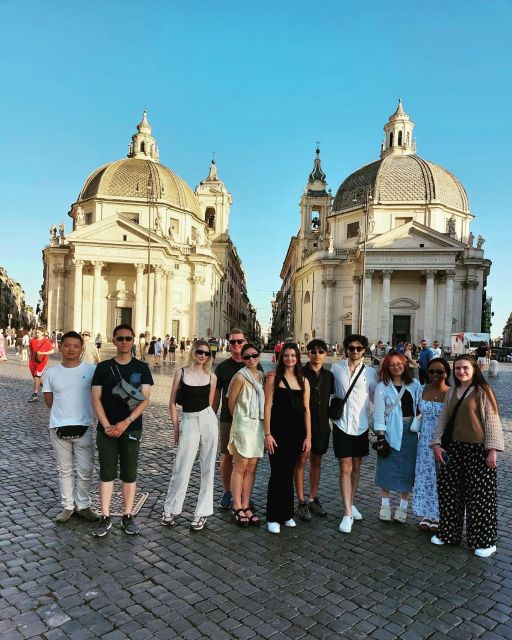
Your tour begins at Piazza del Popolo, meeting the guide outside the arches and entry gates. This matters because Rome can feel like a puzzle of streets and levels, and starting at a major landmark gives you a clean reference point right away.
From there, you walk in a focused line rather than wandering randomly. The guide sets the rhythm, explains what you are seeing as you see it, and keeps you moving long enough to cover key sights in a short time frame. A lot of people plan tours later in the day, but I like the idea of doing this early because it gives you orientation fast. One reviewer even said it helped them come back to places later with a better understanding, which is exactly what a good “first Rome” walk should do.
Language is English, and the experience is built around having a live guide, not just a recorded route. Reviews also highlight that the guides were responsive, smiling, and easy to listen to, which is a big deal when you want facts without getting stuck in a lecture.
One practical note for your day planning: you’ll be walking for 2.5 hours, so schedule it when you’re not already running on empty. This is the kind of tour that works best when you can enjoy the sights, not just survive the route.
You can also read our reviews of more walking tours in Rome


Ramesses II and the Theater of Piazza del Popolo
Piazza del Popolo is famous for a reason, and the tour leans into that with a strong opener. You’ll see the towering obelisk of Ramesses II, the kind of landmark that makes you stop even if you think you’ve seen enough obelisks already. The guide uses it as a visual anchor, then connects it to wider stories about how Rome layers meaning across time.
What I like about starting here is how the space explains Rome’s “stage design.” Piazza del Popolo is open, wide, and designed to frame movement. That openness helps you understand why later streets and gates feel the way they do. It’s also an easy place to take photos because your subjects stand out clearly against the sky and the square’s geometry.
The walk then shifts from the “wow” of the obelisk into the more architectural part of Rome. This transition is valuable because it keeps the tour from becoming pure sightseeing. You learn what to look for: how gates function, what decoration signals, and why the city’s ancient planning still shapes your walk today.
If you are the type who loves learning small details while you’re moving, you’ll probably enjoy how the guide sprinkles facts as you go. Reviews mention amusing tales and lots of Q and A, which usually means you’ll get answers to the questions you already have but did not know how to ask.
Porta del Popolo, Marble Columns, and the Aurelian Walls
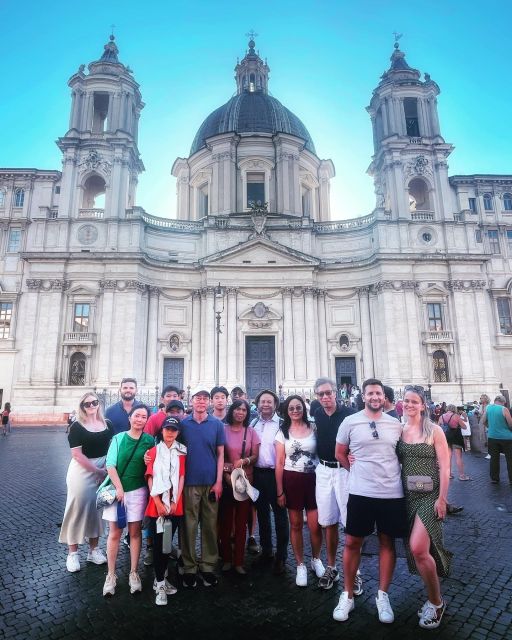
After Piazza del Popolo, the tour focuses on Porta del Popolo, a gate in the Aurelian Walls. This is where the walk gets more satisfying for people who like structure, not just monuments. A city gate sounds like a simple stop until you realize it’s both a physical barrier and a narrative device, marking boundaries and controlling flow.
You’ll admire the marble columns and statues that adorn the gate. Those details are easy to overlook if you pass by quickly, but with a guide talking you through what’s on the surface, you start noticing patterns: styles, materials, and how different elements work together visually.
The tour also explains that this gate forms the boundary between Piazza del Popolo and Piazzale Flaminio. I love when a guide gives you a boundary like this because it helps you build a mental map. Afterward, when you return on your own, you’ll understand why you feel like you crossed into a different part of the city, even if you can’t name every street.
This stop is also a chance to connect the “ancient” with the “living Rome” part. You’re not staring at ruins from a distance. You are walking right next to a monument that still sits in the middle of the city’s daily movement.
One more practical tip: if you care about photos, take them here. The gate area gives you a strong subject with clear lines, and the tour style seems to leave time for picture moments, based on reviews that specifically praised photo timing.
Castel Sant’Angelo: Hadrian’s Mausoleum to a 14th Century Castle
The highlight route heads to Castel Sant’Angelo, and the guide’s job here is to make the structure feel logical. You learn that it was built by Emperor Hadrian as a mausoleum, then converted into a castle around the 14th century. That timeline turns the building from a single landmark into a set of chapters.
It’s also one of the most satisfying sights to understand on foot because you approach with context. When you’ve been told what it used to be, you notice different aspects of the fortress. You start thinking about why it was useful, not just how it looks.
A lot of tours jump straight into facts at Castel Sant’Angelo, but what makes this one work is the framing. The guide ties ancient history to what you see around you as you walk. That makes the building feel like part of a bigger system, not an isolated “postcard.” One reviewer even called out the value of having history that you could carry into other sights, which is exactly what this kind of stop should do.
You’ll also appreciate the guide’s ability to explain in clear, question friendly ways. Reviews mention guides like Lucio and Nick were fun, easy to listen to, and very responsive. That matters here because Castel Sant’Angelo invites questions, even if you do not know you have them yet.
If you’re doing other big ticket items later in your trip, this stop acts like a mental bridge. It helps you see how Rome’s “afterlife of buildings” works, meaning one site can shift purpose across centuries.
How the Christianity Roots Fit Into the Walk
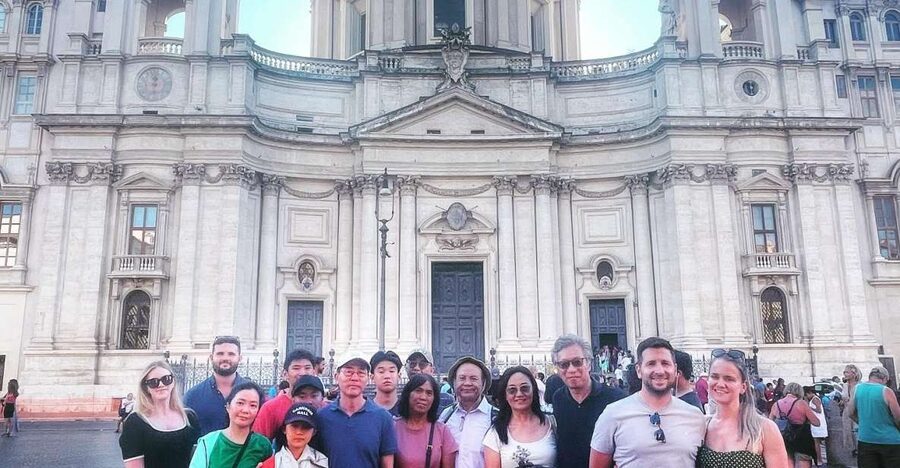
The tour promises history, and not just the “Roman ruins checklist” version. You’ll learn about the roots of Christianity as part of the bigger ancient story, with the guide connecting it to landmarks you pass along the way.
This is one of the most useful parts of the experience, because it explains why Rome’s religious sites and symbols feel connected. Instead of treating faith as separate from architecture, the guide helps you understand how ideas traveled and how buildings gained new meanings over time.
Even if you are not into deep religion topics, the approach still helps. It gives you a framework for reading the city. You stop thinking in terms of isolated attractions and start seeing themes: power, commemoration, and how communities reinterpret places.
Reviews also mention the guide pointing out historical women, which is a refreshing detail in Roman history tours that can sometimes skew one note. If you care about who gets included in the story, that kind of attention is worth the price of admission even when the cost is low.
Just remember: this is still a walking tour, not a classroom. You get the big connections and the key facts, in a way that keeps moving. That’s usually the best format for tourists who want understanding without feeling trapped in one topic.
You can also read our reviews of more city tours in Rome



Restaurant and Nightlife Tips That Save You Time
One of the smartest reasons to do this tour is what happens after: you get practical tips. Your guide shares recommendations for the best restaurants, plus suggestions for nightlife. That might sound like an add on, but it’s a travel superpower.
In Rome, choosing where to eat can be harder than picking sights. You can end up spending time reading menus while hungry, or picking a spot that looks great but fits your budget poorly. A good guide tip cuts through that.
Reviews specifically mention that the guide offered local tips and even suggested areas to revisit later. Some also pointed out that the guide made time for a break for gelato, coffee, and even a toilet stop. I love that because it keeps your energy up and makes a 2.5 hour walk feel manageable.
If you are the type who hates planning and just wants good options, these recommendations can turn the rest of your day into a smoother experience. You’ll also learn what to avoid without needing to run a search at midnight.
A quick note: since the tour is tip-based, your guide’s recommendations are part of the value you should be factoring in when you decide what to pay. If you go out and actually use the advice, you’re getting your money’s worth in a real way.
Price, Value, and the Tip-Based Reality
The listed price is $3.54 per person, and it’s also described as a tip-based tour. That combination can feel confusing at first glance, but here’s how to think about it.
You’re paying a tiny entry amount, then you decide what the guide earned through tips. That means the quality is supposed to be rewarded directly. With a tour rating of 4.8 from 83 reviews, there’s evidence that people generally feel it’s worth tipping well.
So how do you judge value quickly? Focus on outcomes, not promises. Did the guide help you understand what you saw at Porta del Popolo and Castel Sant’Angelo? Did you get answers to questions? Did you finish with a clearer sense of how parts of Rome connect?
From the reviews, the most praised aspects were: guides were very responsive, guides were entertaining, and the tour included information you typically do not get from standard guidebooks. People also liked that it covered areas you might miss if you only chase the headline monuments.
If you want a structured paid tour, this may feel too loose because it is not built around strict ticketed entry. If you want flexibility and conversation, it’s a strong fit.
Wheelchair Accessible, Small Group Style, and Timing Tips
The tour is listed as wheelchair accessible, which is a big plus for travelers who need it. In a city as uneven as Rome can be, accessibility is not a minor detail.
Duration is 2.5 hours, which is an ideal length for a morning walk or early afternoon reset. It’s long enough to cover meaningful sights, but short enough that you don’t feel like you lost your whole day.
Reviews also mention that the tour felt personal and helped people ask questions often. While group size is not listed in the core details, the “small group” feel comes through in the way people describe the experience. That usually translates to better pacing and fewer instances where you get left behind.
As for timing, I’d book this early in your trip if possible. One reviewer specifically suggested doing it on the first or second day. If you do that, you’ll carry the stories and spatial logic into every other plan you make.
Who Should Book This Piazza del Popolo to Castel Sant’Angelo Walk?
This tour is a good match if you want Rome to make sense fast. You’ll likely enjoy it if you care about how monuments evolved over time, if you like walking with a guide who can answer questions, and if you want more than just the usual photo stops.
It also fits well if you want local guidance without committing to a pricey, formal itinerary. Reviews mention that people used the restaurant and nightlife tips right away, and that’s the kind of practical help that pays off.
You might skip it if you only want a quick highlight loop with no extra context. This walk is built for understanding, not just passing by. If you already know the history well, you might still enjoy the gate and fortress framing, but the main appeal is learning while walking.
For families, it can be a manageable length, but since the tour is still a long stroll, make sure everyone has comfortable shoes and water. For solo travelers, it’s also a friendly way to meet other people in a relaxed setting.
And if you are someone who struggles with finding your way around, starting at a major landmark like Piazza del Popolo is a real help.
Should You Book This Tour?
I think it’s worth booking if you want a smart first taste of central Rome, with just enough history to make the city click. You are getting big sights like Piazza del Popolo and Castel Sant’Angelo, but the real value is the “why” behind what you’re seeing, including roots of Christianity and the evolution of Hadrian’s mausoleum into a fortress.
The guides named in reviews, including Lucio and Nick, were praised for being friendly, funny, responsive, and great at explaining architecture and stories in a way you can actually remember. If that’s the kind of guide you hope for, this tour seems to deliver.
My one caution is to treat the tip as part of the plan. With a tour that is tip-based, your final satisfaction depends on how the guide adds value. If you show up ready to ask questions and you enjoy the walking pace, it’s likely you’ll feel good about leaving a solid tip.
FAQ
Where is the meeting point for the tour?
Meet the guide outside of the arches and entry gates into the Piazza del Popolo.
How long is the walking tour?
The duration is 2.5 hours.
What language is the tour guide?
The live tour guide is in English.
Is the tour wheelchair accessible?
Yes, the tour is wheelchair accessible.
Is it really free to join?
It is described as a tip-based tour. The price shown is $3.54 per person, and you are expected to tip the guide.
Can I cancel if my plans change?
Yes, free cancellation is listed, with cancellation up to 24 hours in advance for a full refund.
Is there an option to pay later?
Yes, there is a reserve now and pay later option, described as booking your spot and paying nothing today.
More Walking Tours in Rome



More Tours in Rome


More Tour Reviews in Rome
Not for you? Here's more nearby things to do in Rome we have reviewed







Walking Tours, compared.
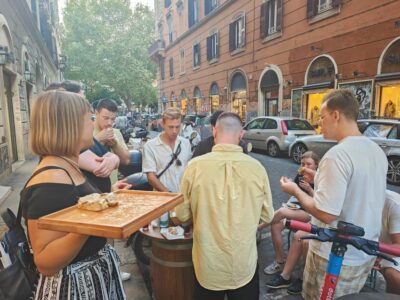 ★ 4.9Trastevere & Campo de Fiori Street Food Walking TourFrom $512,768 reviews
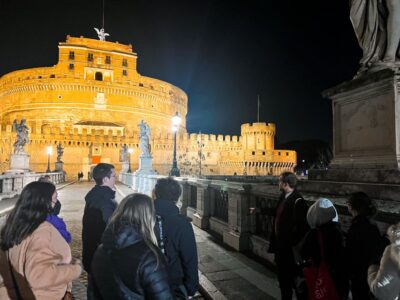 ★ 4.9Paranormal Night Walking Tour & Secret BackstreetsFrom $341,921 reviews
 ★ 4.4Guided City Center Evening Sightseeing Walking TourFrom $46953 reviews
 ★ 4.5Best of Rome Walking Tour including Trevi FountainFrom $4923 reviews
 ★ 4.8Under the Moonlight Evening Walking TourFrom $28852 reviews
 ★ 4.9Forbidden History Walking Tour & Pub Crawl with DrinksFrom $61688 reviews
 ★ 5.0Guided Small Group Walking Tour of City HighlightsFrom $30682 reviews
 ★ 4.5Rome Walking Tour with Piazza Navona, Trevi Fountain and PantheonFrom $35676 reviews
Browse the lists this tour appears in