
Reviewed · ANCIENT ROME TOURS
Rome: Ostia Antica Tour From Rome
Ancient Rome feels real at Ostia. This small-group tour keeps it moving with skip-the-line tickets and a train ride that saves you from morning traffic. I love how you get a guided walk through the port city’s streets and big set pieces, and I love that the pacing stays easy enough to actually see mosaics, baths, and forums without feeling rushed. One heads-up: you’ll pay for the train separately and the ruins involve uneven ground and stairs, so it is not for wheelchair users.
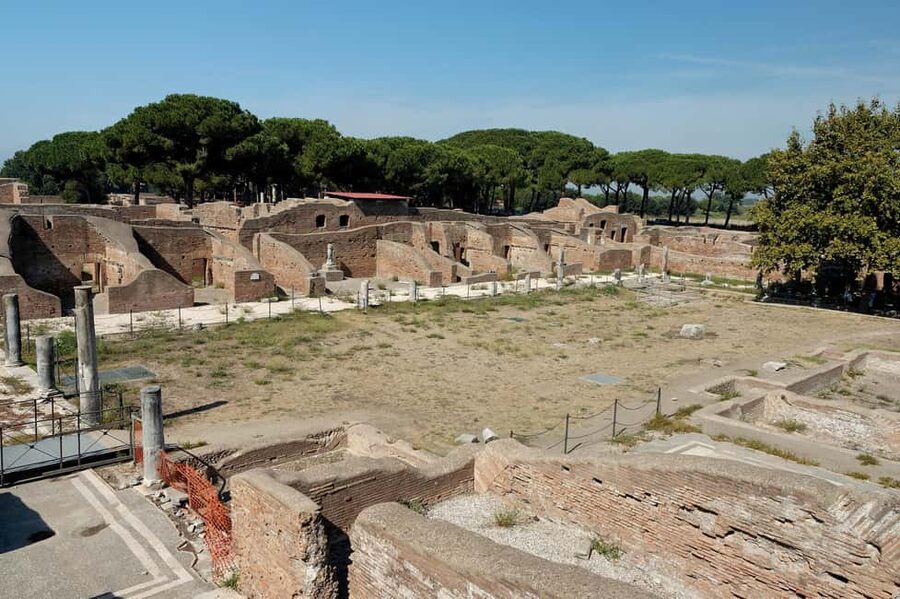
If you want a break from Rome’s crowds but still crave major archaeology, Ostia Antica is a smart choice. It’s one of Europe’s most important ancient sites, and this 4-hour experience is built to help you understand what you’re seeing, from markets and shops to temples and the bathhouses people really used.
You start at Piazzale Ostiense 9 and ride the train with your guide, then finish inside the ruins near the Forum and the largest bathhouse. Afterward, you can ask for beach directions, stay longer, or head back toward Rome with the guide.
Key things I’d watch for on this Ostia Antica tour
- Small group size (12 or less) means fewer people pushing past you in tight spaces.
- Skip-the-line admission tickets cut down waiting time so you spend more hours looking at the ruins.
- Guided train ride helps you get started smoothly, including support to buy train tickets.
- What you see is very practical Roman life, not just monuments, including trade streets, baths, and theaters.
- Firehouse and infrastructure details give the site a surprising everyday angle.
- Optional beach time after the tour makes it easier to turn this into a half-day out of Rome.
Getting to Ostia Antica by train, without Rome’s morning chaos
Meet at Piazzale Ostiense 9, just outside Piramide Metro station, near Cafe Piramide under the BAR T sign. Your guide will be holding an E&D Tours sign. It’s a straightforward meeting point, and it matters because the whole tour depends on getting there at the right time.
Then you take the train to Ostia Antica with your guide. The time on the rails is short, about 25 minutes each way, and the point is not just travel time. Going by train early helps you avoid the kind of stop-and-go that can turn a half day into a half day plus stress. It also means you arrive ready to walk, not still fighting your way through Rome.
A small but useful detail here is that the guide helps you handle the practical side of getting tickets for the train. The tour price includes skip-the-line entry, but train tickets cost €3 and are not included. So yes, you should budget a little extra, but the guide’s help reduces the chance of getting stuck at the start.
I also like that this is set up to feel semi-private. With a group limited to 12, your guide can actually point, pause, and answer questions without the constant “move along” rhythm you get in bigger tours. If you’re the type who likes taking your time, that small group size helps a lot.
You can also read our reviews of more tours and experiences in Rome.

First stop inside Ostia Antica: how the main streets make sense
Once you’re in, you get a guided visit in two chunks. There’s about 1.5 hours with your guide, then a break, then another 1.5 hours guided. That structure is good for ruins because your brain needs a breather. After the site starts to feel complex, the break gives you time to refill water and reset before you tackle the bigger landmarks.
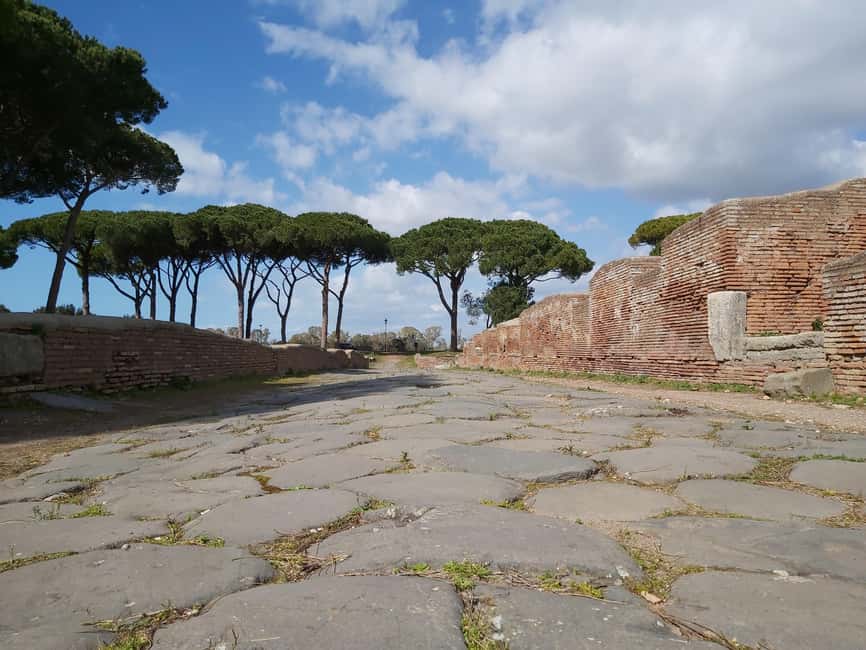
In the early part of the walk, you’ll see the ancient port town layout, including the Decumanus Maximus, the main boulevard lined with tavernas and shops. This is where the place stops being a pile of walls and starts behaving like a town. You can stand in the right spot and picture foot traffic, commerce, and the daily rhythm that would have played out here.
You’ll also pass through well-preserved buildings that show different social layers. Market and shop areas are a strong reminder that Ostia was built for business. Residential buildings and religious spaces help you shift from commerce to community, so you get a fuller sense of how people actually lived around the harbor.
One reason I like this approach is that Ostia Antica is big. When you have a guide connecting street patterns to the city’s function, you avoid the common problem of wandering while still feeling lost. You end up leaving with a map in your head, not just photos.
Mosaics, shops, and the ancient trade center that ran the city
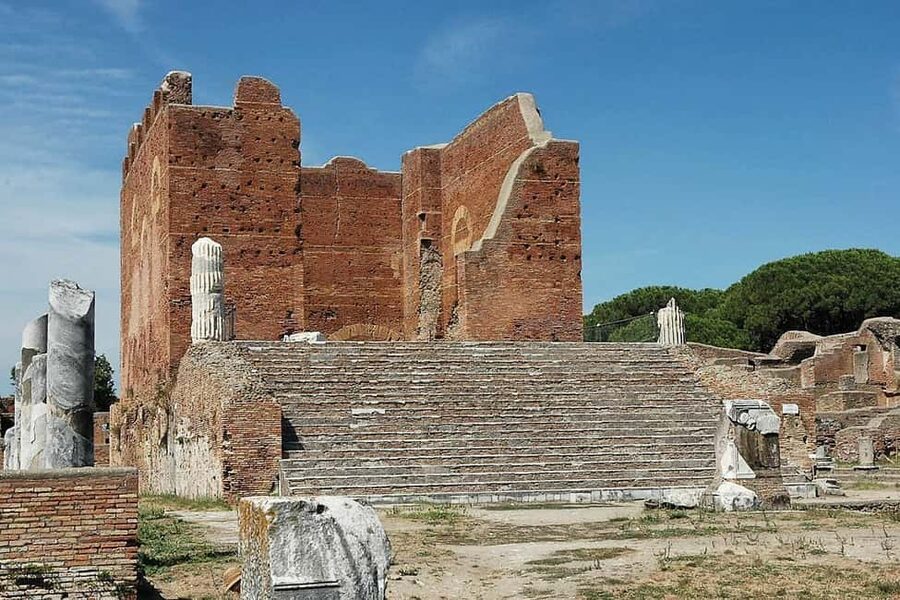
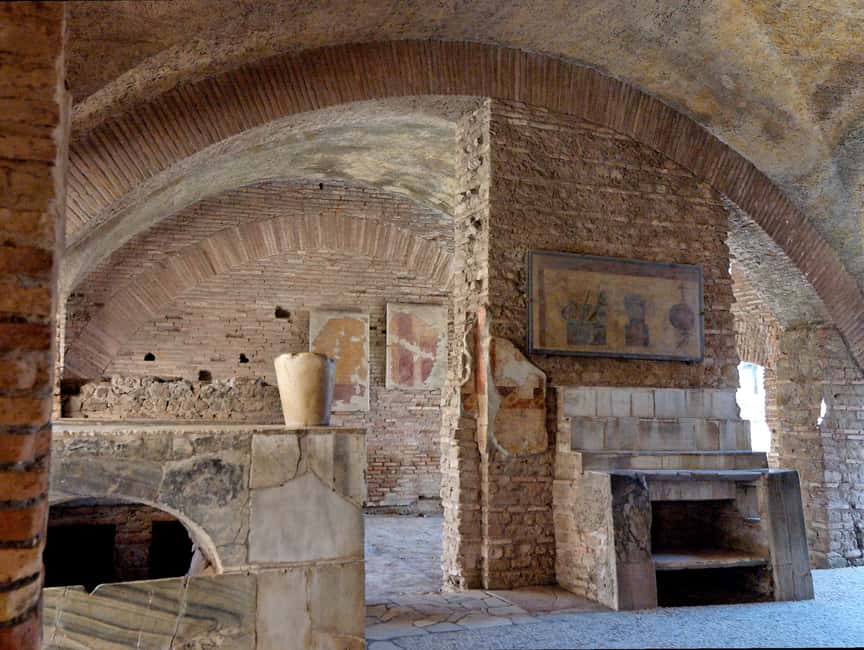
Ostia Antica’s reputation often centers on ruins, but what brings it to life is the way it shows everyday work. During the guided walk, you’ll focus on marketplaces, shops, residential buildings, and bathhouses. This is the layer where the site feels most human: you can imagine sellers, customers, messengers, and travelers moving through the same corridors you’re stepping onto now.
The tour highlights the mosaic floors of the ancient trade center. Those mosaics matter because they’re not just decoration. They connect to what Ostia was built for: global commerce through the Roman world. Built around 2000 years ago, the port city was a hub where goods, people, and information traveled. When you understand that, the buildings stop looking random. They start looking like infrastructure for movement.
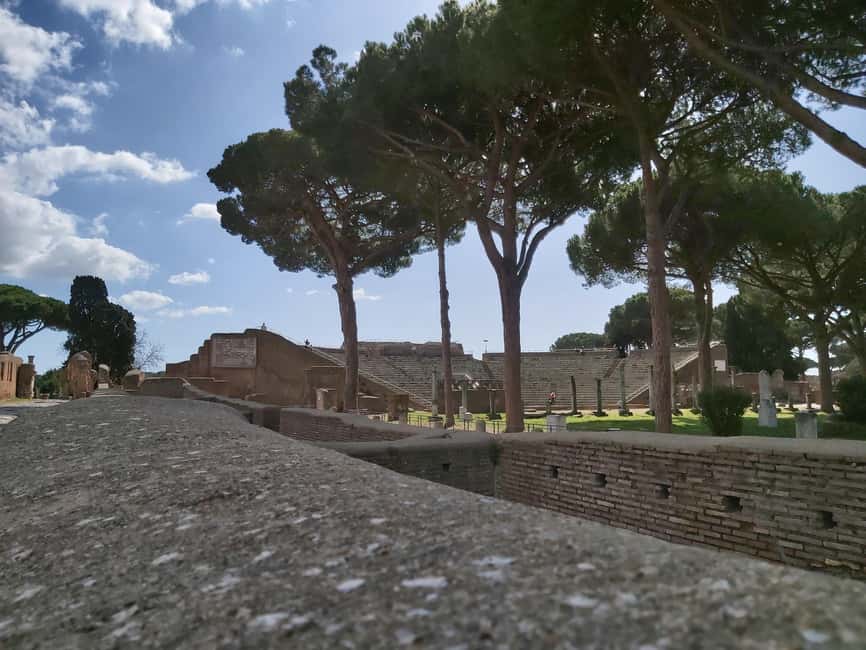
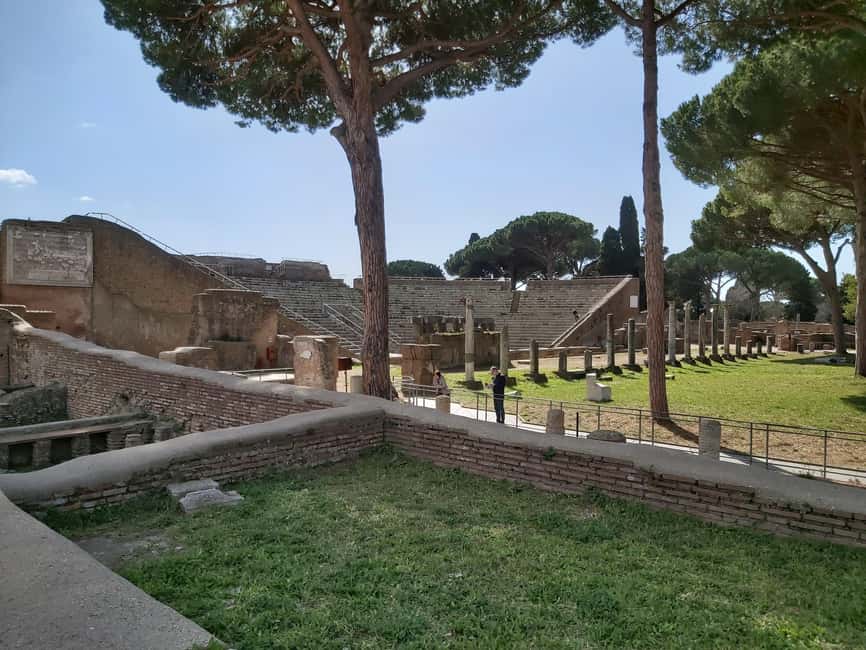
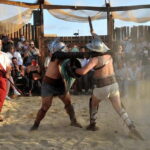
The guide also points out the city’s theater and entertainment spaces, where actors and gladiators once performed for crowds. That might sound like a side quest, but it’s part of how Roman cities worked. People came for work, then they came for spectacle. Seeing that rhythm makes the whole place feel coordinated.
If you’re curious about the details that explain how a city functioned, you’re in luck. The tour includes a stop for what’s described as the first recorded firehouse in the Western World, plus discussion of infrastructure. That kind of fact is exactly the reason Ostia can feel more satisfying than some more famous sites. You leave knowing something concrete about how the city was run.
The theatre, bathhouses, and the practical side of Roman entertainment
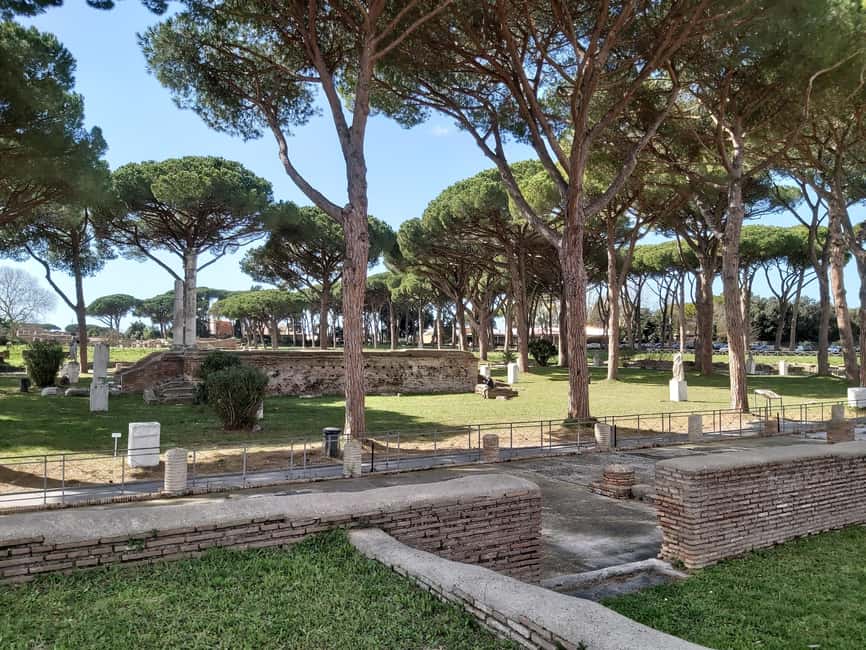
You’ll see the ancient theatre, a major piece of Ostia’s public life. This is where the history becomes story-shaped. Actors performed, and gladiators also entertained crowds. It’s a reminder that entertainment was not a separate world from daily city life. It was part of the same public system that organized people, schedules, and gatherings.
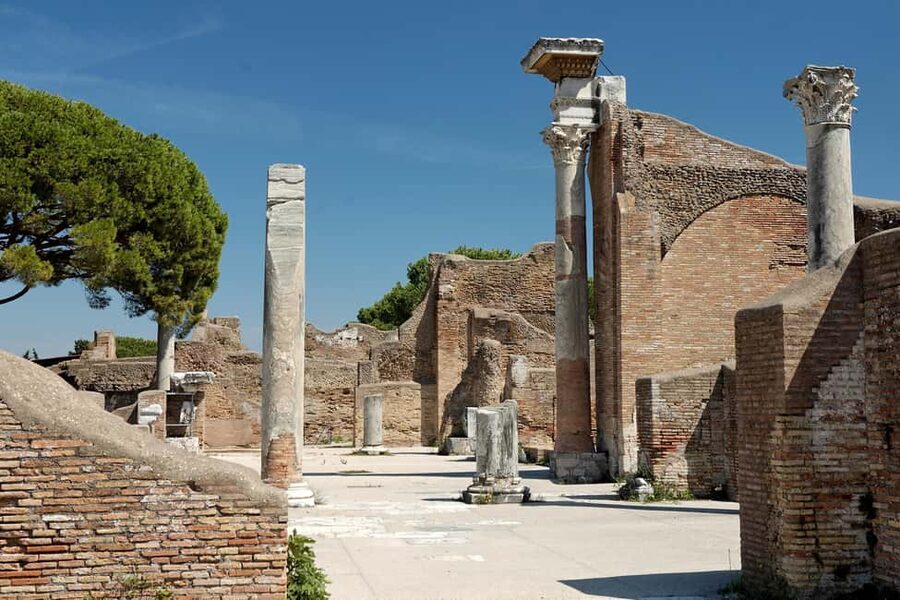
Then comes one of the most valuable segments for many visitors: the bathhouse focus. Bathhouses were central to Roman society, not just a luxury for elites. In the tour’s walk, you’ll reach the impressive Forum area and the largest bathhouse of Ostia Antica at the end.
In reviews, guides often get praised for explaining baths beyond the basics. Expect clear explanations of what these spaces meant and how people used them. You may also spot unusual features, like mentions of glass windows. Even if you have to look twice to notice them, the point is that Roman engineering decisions show up in the smallest things.
This is where the smaller-group format earns its keep. In a big crowd, bathhouse ruins become “more stones.” In a group capped at 12, your guide can pause at key spots and make you look at the details you’d otherwise miss.
Mid-tour break and the small choices that keep the day comfortable
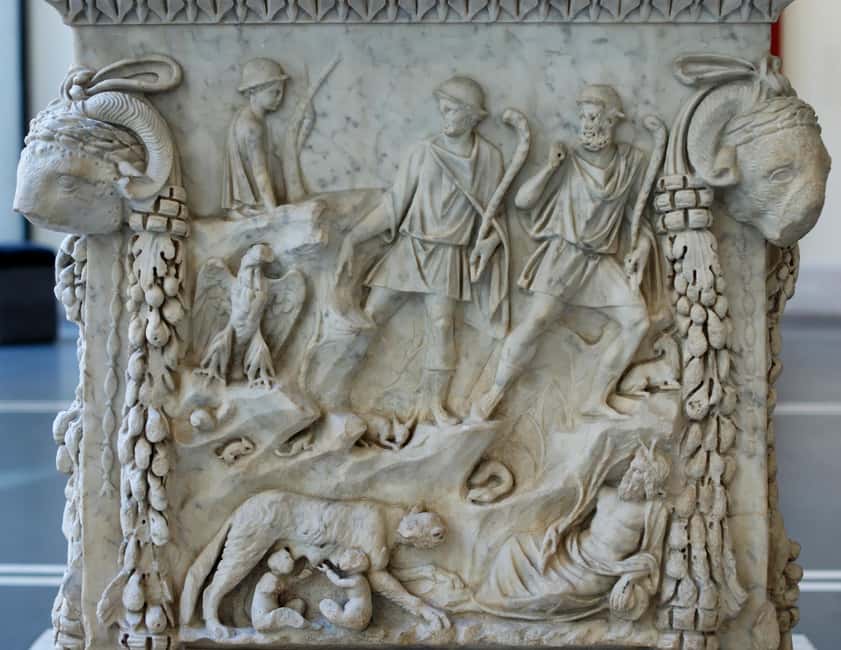
You get a break in the middle of the experience, around 20 minutes. You can use it to refill water, use the facilities if you need them, and grab a snack if you want. The tour notes water fountains are available on site, which is helpful when you’re walking over open areas.
There’s also a short lunch break, but it’s at your own expense. That means you should plan to pay for food yourself, and it helps to travel with realistic expectations. This is a four-hour tour, not a full day with meals included.
Weather matters here. The tour runs in all weather conditions, so dress accordingly. Wear comfortable shoes because you’ll be on ancient surfaces that are not designed for sneaker comfort. Ostia is also not wheelchair accessible, which is consistent with the kind of uneven ground and stair climbing ruins typically require.
I’d especially recommend this tour if you like structure without over-scheduling. You’re not racing through 20 stops; you’re getting time at the meaningful areas, with a break so you don’t feel cooked before the best parts.



Finishing near the Forum and the largest bathhouse, then choosing your next move
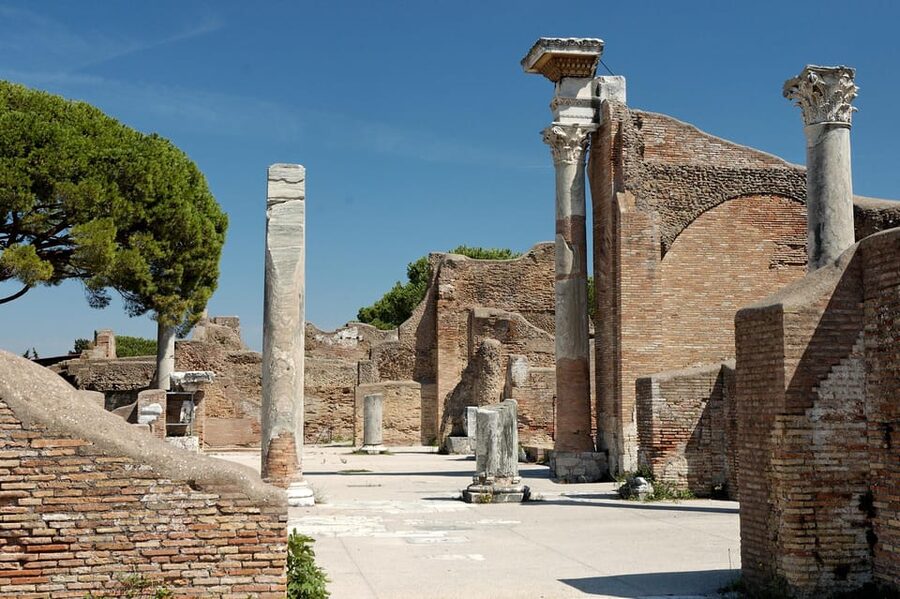
The tour ends at the impressive ruins of the Forum and the largest bathhouse of Ostia Antica. That’s a strong finish. The Forum area tends to feel like the city’s administrative and social core, while the bathhouse is the place where Roman daily life becomes vivid again.
Once you’re done, you have choices. You can ask the guide how to get to the beach and spend the rest of your day there. You can also explore more parts of the site on your own if you still have energy. Or you can return to Rome with the guide.
This flexibility is practical. Ostia Antica is a half-day destination that can easily turn into a longer day, especially if you pair it with a beach outing. If you like to keep momentum, return to Rome. If you want a slower pace, stay on site or head toward the coast.
Price and logistics: what $77 includes, and what you still need to budget
At $77 per person for a 4-hour experience, this tour is positioned as good value for people who want real guidance plus entry handled for you. The price includes skip-the-line admission tickets and a local guide, and it includes the small-group cap of 12 or less. Those two items are the big drivers of value because they reduce wasted time and increase the quality of the explanations.
What is not included matters for budgeting:
- Train tickets cost €3.
- Pick-up and drop-off are not included, so you’re responsible for reaching the meeting point.
- Food is on your own during the short lunch break.
The best way to think about the price is this: you’re paying to turn Ostia from a self-guided walk into an organized story. If you care about understanding how the city worked, that guidance time is usually worth more than the entry ticket alone.
Also consider the time you save. Skip-the-line is not just a comfort perk. It helps you keep your day from bleeding away while you wait, especially if you arrive during a busy period.
Who should book this Ostia Antica tour from Rome
This one fits well if:
- You want a history-focused outing but with a calmer feel than the biggest, most famous Rome day trips.
- You like archaeology that connects to everyday life, trade, and public spaces like theaters and baths.
- You’re traveling with kids or teens, since guides here are praised for keeping younger visitors engaged.
- You appreciate a small group pace, capped at 12, with room to ask questions.
It might be less ideal if:
- You need wheelchair access, since the tour is not suitable for wheelchair users.
- You’re not comfortable walking on uneven ruins and stairs.
- You want a full day on site with no breaks, because this tour is intentionally around four hours.
Should you book it?
If your goal is to see Ostia Antica in a way that actually clicks, I think it’s a yes. The combination of skip-the-line entry, a small-group cap, and a guide who helps connect streets, mosaics, entertainment, and infrastructure is exactly what turns Ostia from impressive ruins into an understandable city.
Book it if you want your half day to feel efficient and satisfying, not chaotic. Skip it only if you’re chasing a slow, independent wander with no guidance, or if mobility limits make ruins like these a bad match for you.
More Tours in Rome
More Tour Reviews in Rome
Not for you? Here's more nearby things to do in Rome we have reviewed









Ancient Rome Tours, compared.
 ★ 4.7Colosseum: Underground and Ancient Rome TourFrom $16012,691 reviews
 ★ 4.4Colosseum, Ancient Rome Tour or Self AudioGuided TourFrom $392,866 reviews
 ★ 4.9Appian Way, Catacombs, & Roman Aqueducts E-bike TourFrom $851,421 reviews
 ★ 4.9Appian Way E-bike Tour with Catacombs, Aqueducts & FoodFrom $961,210 reviews
 ★ 5.0Appian Way Aqueducts Bike Tour (Catacombs & Lunch Option)From $78975 reviews
 ★ 4.7Appian Way, Aqueducts, and Catacombs TourFrom $64942 reviews
 ★ 4.7Caracalla Baths & Circus Maximus — Private or SharedFrom $77835 reviews
 ★ 4.7Colosseum Arena Access and Ancient Rome Guided TourFrom $94774 reviews
Browse the lists this tour appears in