

Reviewed · PASTA
Rome on a Table: Roman Pasta and Wine Tasting
Wine and pasta near the Vatican.
This Roman tasting puts three classic bowls and four Lazio wines on one table, with a host who connects recipes to real Roman rituals and banquets. I love the tight, small-group setup that keeps questions easy to ask, and I love that you taste the logic behind the pairings, not just random sips. One possible drawback: it is a short, 2-hour experience, so you will leave full but not stuffed, and you will not get a full meal at a Roman trattoria pace.
The setting is practical too. It starts at 6:30 pm, and the tasting room is a quick walk from the Vatican Museums, which makes this a smart add-on to an evening of sightseeing. If you prefer long, late dinners, the timing may feel a bit early for your usual Rome rhythm.
At the end, you finish with a classic Italian digestivo. Expect a choice such as Limoncello, Sambuca, or a local Amaro, plus a final toast that feels more like hanging with friends than a staged show.
Key things to know before you go
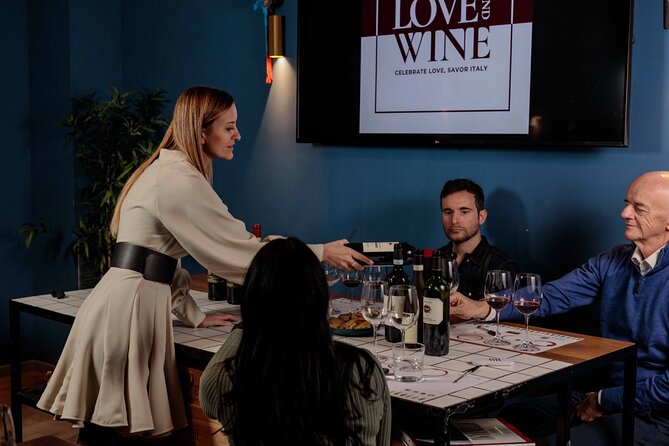
- Three Roman pasta dishes, one after another: Carbonara, Amatriciana, and Cacio e Pepe
- Four Lazio wine tastings plus a sparkling welcome pour
- The host ties food to Roman life, including banquets, rituals, and daily habits
- You’ll hear grape names that actually matter in Lazio, including Malvasia, Syrah, and Cesanese
- Small-group size, max 12, so the vibe stays relaxed and interactive
- Digestivo at the finish, with Limoncello, Sambuca, or local Amaro as your choice
A short walk from the Vatican Museums, with a small-group vibe
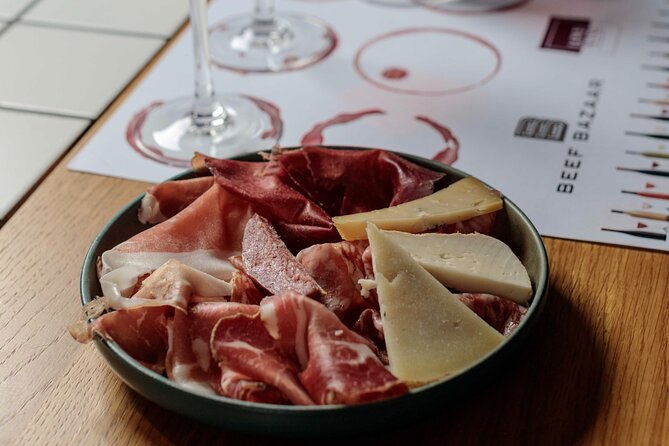
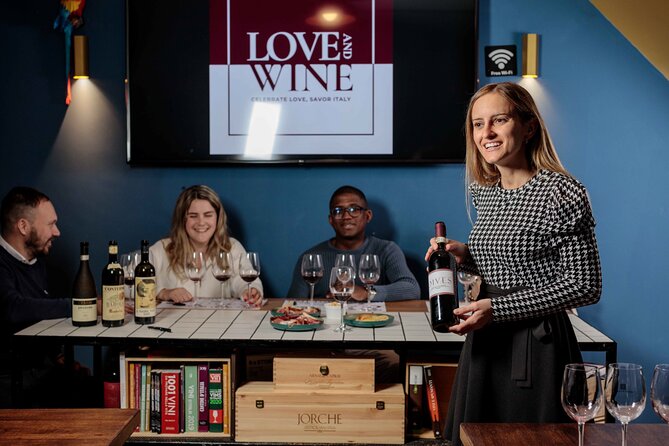
This is the kind of Rome food experience that fits neatly into a tight schedule. You meet at Beef Bazaar, Via Germanico 136, then head to a private room that is about a 5-minute walk from the Vatican Museums. Starting at 6:30 pm also helps if you are done with daylight sightseeing and just want something warm and social before the evening gets too late.
The group size matters. With a maximum of 12 people, you are not lost in a crowd, and you get time for back-and-forth questions. That is a big part of why this tasting works: you can ask about why Carbonara is built the way it is, or what makes a Lazio wine pairing feel right with Cacio e Pepe.
One more practical detail: you do not need to bring paper tickets. The experience uses a mobile ticket, and you get confirmation at booking. If you like simple logistics while traveling, this one stays out of your way.
You can also read our reviews of more food & drink experiences in Rome



Your welcome pour: sparkling Lazio wine and what the host covers
You begin with a sparkling local wine, guided by the host. This opening is more than a kickoff. It sets the tone by giving you the theme for the night: how Roman pasta and wine traditions connect to daily life, banquets, and rituals.
I like this approach because it gives you a mental handle for what you are about to eat. If you walk in knowing only the names Carbonara, Amatriciana, and Cacio e Pepe, you might still enjoy the food. But with the framing, you start noticing details, like how texture, salt, and pepper show up again in the wine choices.
In the reviews, the host gets high marks for friendliness and for answering questions in plain language. Names that show up repeatedly are Ally (notably as a cheerful sommelier who is easy to talk to) and Alessandra (in at least one case connected to arranging a private tasting). So if you care about a host who keeps things human, not robotic, this fits.
The pasta course lineup: Carbonara, Amatriciana, and Cacio e Pepe
The core of the evening is three classic Roman pasta dishes, served with paired Lazio wine selections.
First up is Carbonara. The host explains the surprising origins behind the dish, and that story matters because it changes how you think about the sauce. Carbonara is not just creamy comfort. It is salt, egg richness, and the way pepper hits the palate. When the pairing makes sense, it feels like the wine is agreeing with your taste buds, not fighting them.
Next comes Amatriciana. Expect the more rustic evolution of the recipe to be part of the conversation. This matters because Amatriciana tends to lean savory and deeper, often with a tomato base and a salty backbone. With the right Lazio wine, that richness can feel balanced rather than heavy.
Finally, you get Cacio e Pepe. The theme here is simple brilliance. It is pasta and cheese with pepper, built around restraint. A good pairing will make the pepper feel aromatic instead of harsh and will keep the cheese from turning the whole bite into one flat flavor note.
A couple of reviews also mention an extra savory touch, like local cold cuts and cheeses. That is not guaranteed from the basic outline alone, but it is enough of a recurring detail that you should expect some additional bites along the way. Rome at night often does that, and it works well with wine.
Practical note: since this is tasting format, the pasta portions are designed to be enough to enjoy the flavors but not so large that you fall asleep mid-course. If you are really hungry, I would treat this as your dinner, not a snack, but also not a replacement for a big late Roman meal.
Four Lazio wines and the grape names you’ll remember
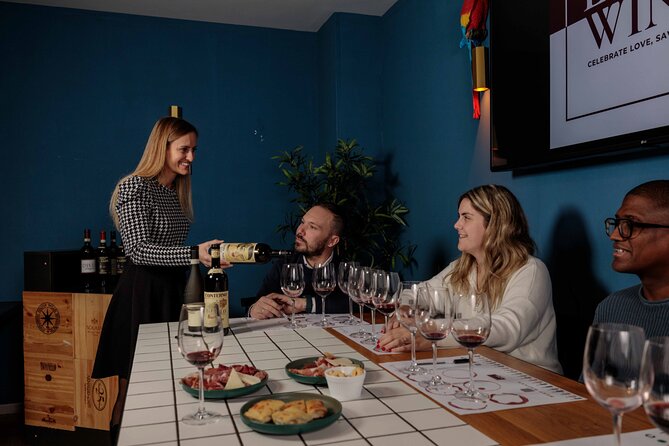
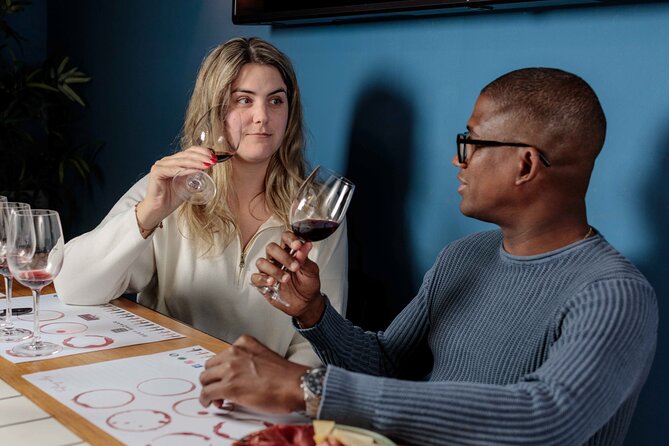
You taste four wines from Lazio, plus the sparkling welcome pour. The pairing is part of the lesson, and you get the reasoning behind it rather than a lecture dump.
The wine side is where Lazio starts feeling less like an abstract region and more like a set of flavors with personality. You learn about local grapes including Malvasia, Syrah, and Cesanese. Even if you do not become a wine expert by the end of the meal, you will at least leave with names you can connect to what you felt in the glass.
In the reviews, people liked that the explanations stayed approachable. The host also tends to be upbeat and question-friendly. That matters if you are new to wine and want to know what to look for without feeling judged. One reviewer note also emphasizes that the sommelier speaks in English, and can also use Italian if you want, which is a huge help for international visitors.
If you are cautious with alcohol, plan for small tastings but expect to feel it by the time digestivo arrives. You are drinking a series, not just one pour.
Digestivo and the Roman ritual angle that makes it stick
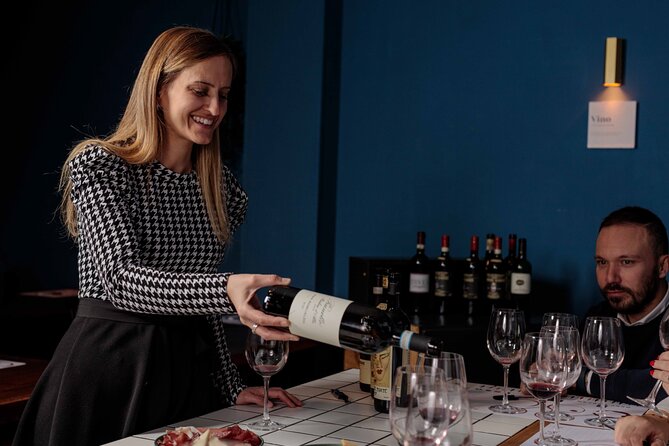
The final moment is a traditional Italian digestivo. You get a choice, such as Limoncello, Sambuca, or a local Amaro, and you cap the experience with a toast.
I like digestivo as a closer because it puts a punctuation mark on the meal. Your palate is not just done eating, it is reset. Also, it is a good reality check on the whole theme for the night. Roman wine culture was not only for banquets and public moments, it lived with daily life and ritual timing. Ending this way makes that idea feel concrete, not theoretical.
The best tastings help you remember three things: what you ate, what you drank, and why they fit together. Here, the why comes from the host’s stories around origins and Roman influence on both cooking and wine practices. That is what makes it more than a checklist of dishes.
You can also read our reviews of more wine tours in Rome






Price and value for 2 hours of food and wine in Rome
At $86.73 per person, this is not a budget street-meal. But it also is not pretending to be a luxury restaurant evening.
Here is the value math in real traveler terms. In about 2 hours, you are getting three pasta dishes, multiple wine tastings from Lazio, and a digestivo. You are also paying for guidance and pairing explanations, in a small-group setting that caps at 12 people. If you have ever paid for a couple of glasses of wine in tourist-heavy zones, you already know how quickly costs climb. This format turns that spend into an organized evening with food included.
The main thing to consider is your goals. If you want a full, slow, multi-course Roman dinner with lots of downtime between courses, you might feel the pacing is tight. If you want a focused evening that is easy to understand and fun to talk through, the price starts to make sense fast.
Who this tasting is perfect for, and who should skip it

This works best for food lovers who also enjoy learning, even if you are not a wine person.
You’ll likely enjoy it if:
- You want to try Carbonara, Amatriciana, and Cacio e Pepe in one go
- You like hands-on storytelling tied to what is on your plate
- You want a small group near major sights like the Vatican Museums
- You want your wine pairings explained clearly in English (and potentially also Italian)
You might skip it if:
- You expect a hands-on cooking class where you make pasta yourself
- You dislike alcohol, even in tasting portions plus digestivo
- You need a long sit-down dinner, because this is designed for a tidy 120-minute window
Also think about your evening rhythm. It starts at 6:30 pm, so it fits best when you want an early-to-dinner slot, not a super late night.
Tips to get more out of the tasting without slowing the group
Keep your expectations simple: this is an organized tasting, not a free-for-all dinner. Show up a bit early so you can settle in, get oriented, and start on time.
Between tastings, pace yourself. With four Lazio wines and additional pours, plus a digestivo at the end, you will want water and breathing room. If you are sensitive, tell the host you want smaller sips. In reviews, the host comes off as approachable, and a good host will help you find a comfortable pace.
Come ready with at least one question. It can be something basic like what makes Cesanese different, or how a recipe origin changes the way you taste. When you ask, it turns the experience into an actual conversation, which is exactly what keeps the small-group format feeling special.
Should you book Rome on a Table: Roman Pasta and Wine Tasting?
Book it if you want a smart evening near the Vatican Museums that mixes three Roman classics with Lazio wine, in a small group where the host answers questions. The most praised parts from the experience descriptions are the friendly, upbeat host and the solid pairing focus, plus that digestivo finish that makes it feel like a real Roman-style closure.
Skip it if you only want a long traditional sit-down meal, if you hate wine, or if you want something hands-on like cooking at the stove. But if you like tasting your way through Rome with explanations that actually connect to what you taste, this is a very reasonable way to spend your night.
FAQ
What dishes are included in the Roman pasta tasting?
The experience includes three Roman pasta dishes: Carbonara, Amatriciana, and Cacio e Pepe.
How many wines will I taste?
You will taste four wines from Lazio, and the experience also starts with a sparkling local wine.
What digestivo will I have at the end?
You can choose a traditional Italian digestivo: Limoncello, Sambuca, or a local Amaro.
Where does the tour begin?
The meeting point is Beef Bazaar, Via Germanico, 136, 00192 Roma RM, Italy.
What time does the tasting start?
The start time is 6:30 pm.
How long is the experience?
It lasts about 2 hours.
How large is the group?
The maximum group size is 12 travelers.
Is this experience held near major attractions?
Yes. The tasting room is about a 5-minute walk from the Vatican Museums.
What language is it in?
It is offered in English, and the sommelier can also speak Italian if you want.
Is there free cancellation?
Yes. You can cancel up to 24 hours in advance for a full refund. If you cancel less than 24 hours before the start time, the amount paid is not refunded.
More Wine Tours in Rome
More Food & Drink Experiences in Rome

More Tour Reviews in Rome






Not for you? Here's more nearby things to do in Rome we have reviewed












Pasta, compared.
 ★ 4.9Pasta & Tiramisu Class with Fine Wine by the VaticanFrom $414,852 reviews
 ★ 4.9Pasta Making Class with Wine, Limoncello, and DessertFrom $483,177 reviews
 ★ 4.8Fettuccine Pasta Cooking Class in Rome’s City CenterFrom $462,414 reviews
 ★ 5.0Traditional Pasta with Cocktails Cooking ClassFrom $1002,374 reviews
 ★ 4.8Pasta & Tiramisu Cooking Class near the Spanish StepsFrom $581,395 reviews
 ★ 4.9Pasta Making with Wine Tasting and Dinner in FrascatiFrom $35979 reviews
 ★ 4.7Combo Pizza and Pasta Cooking Class with WineFrom $64938 reviews
 ★ 5.02-in-1 Pasta and Tiramisu Cooking Masterclass in RomeFrom $78832 reviews
Browse the lists this tour appears in