
Reviewed · WALKING TOURS
Rome: Moonlight Walking Tour – Free for Kids
Rome in the dark hits different. This moonlight walk gives you a calmer, cooler way to see major Ancient Rome landmarks while an English-speaking guide connects the dots. I especially like the way you start in the action around Piazza Navona and end with a payoff view of the Colosseum.
Two things I really like: you get history that feels story-driven, not lecture-heavy, and you keep moving through recognizable squares and streets that look gorgeous when they are lit up. The one watch-out is simple, it is still an evening walking tour, so bring comfortable shoes and plan for a lot of standing in places where sound can be tough near fountains.
If you want an efficient first-night orientation, or you are visiting in warm weather, this tour is built for that. It is also listed as free for kids, which can make it a smart family value, as long as the children can handle a solid 2 to 2.5 hour stroll.
Key highlights worth knowing
- Moonlight Rome route that trades daytime crowds for evening atmosphere
- Local guide storytelling focused on Ancient Rome and what you are seeing
- Big-photo moments at Trevi, Trajan’s Column, and a final Colosseum viewpoint
- Iconic sights in a tight loop without the stress of route-planning
- Small-group feel in many departures (some groups are reported around 6 to 8 people)
- Kids pricing noted as free for kids, but confirm the exact rules at booking
Why Rome at night changes how the city feels
Rome has a rhythm. Daytime is for movement and lines, but night shifts the mood into something more human.
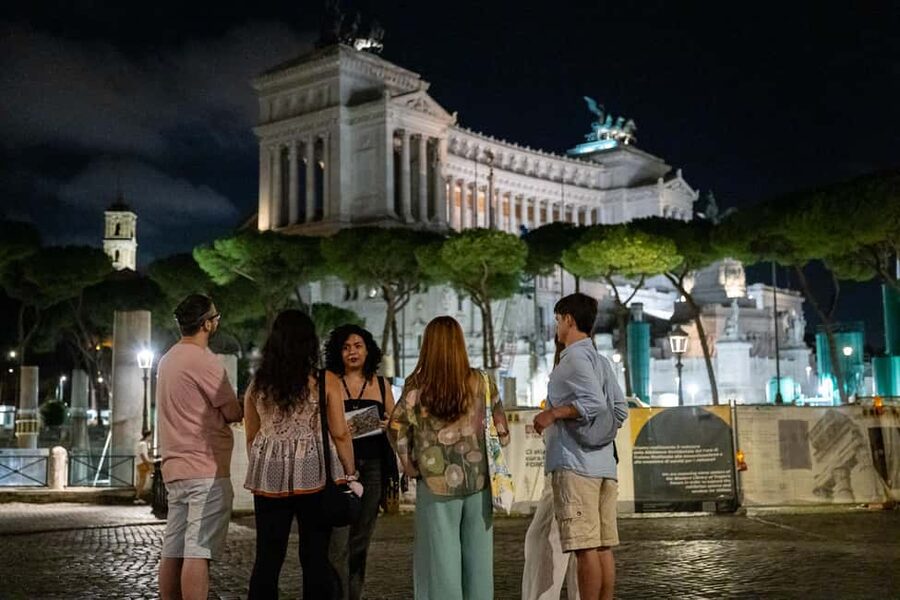
On this tour, you step into a quieter, cooler city while still covering the kind of sites most first-timers want right away. The lighting does real work here, especially around major monuments like the Pantheon area, Trevi Fountain, and the Forum zone.
You can also read our reviews of more walking tours in Rome

Meeting at Pasquino or Aracoeli, then heading to Piazza Navona
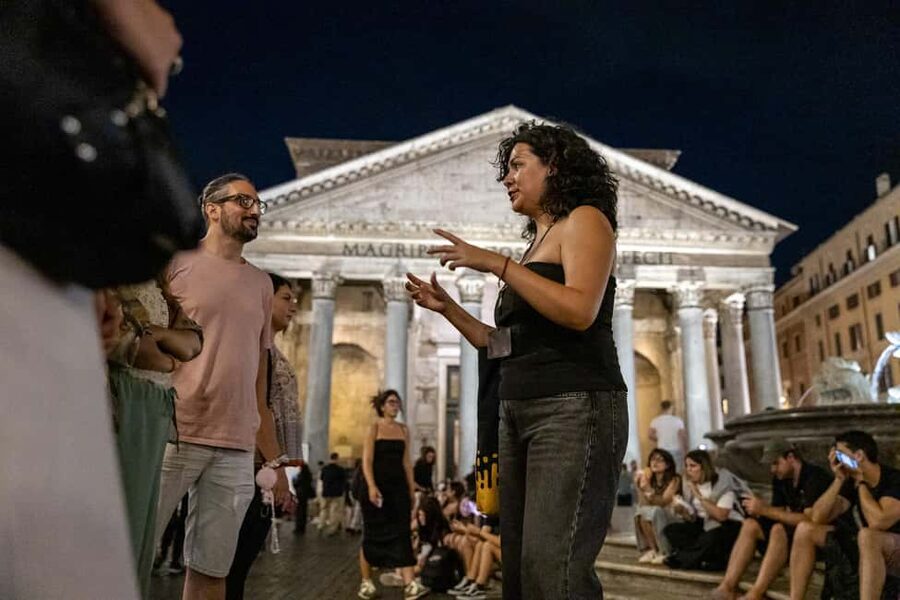
Your start depends on the option you book, with two possible meeting points listed: Piazza di Pasquino or Piazza d’Aracoeli. Either way, you are positioned in central Rome so the walk begins quickly, rather than burning time with a long transit.
From there, the tour lines you up for one of Rome’s best opening moves: Piazza Navona. You get a guided stop here, and the big draw is the Fountain of the Four Rivers, a baroque showpiece that looks extra theatrical at night.
One practical note: Piazza Navona can be lively, so have your phone ready for photos, but also give your guide a moment to point out details before you start shooting. The guide’s pace is part of the value, you get to know what you are looking at, not just what it looks like.
Piazza Navona to the Pantheon: learning the city’s “why”
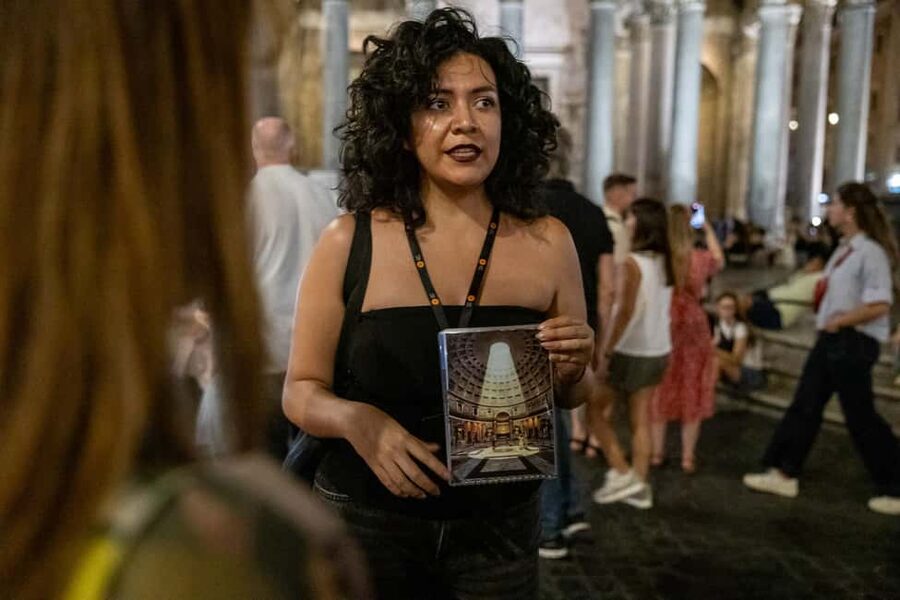
After you meet up and take in Navona, the route shifts toward the Pantheon area. The Pantheon stop is listed as a pass-by with a short guided component, so it is not a long, museum-style visit.
Still, this kind of stop matters. When you understand the building’s role and reputation, even a quick look becomes more rewarding. Night lighting also helps the Pantheon feel less flat, and more dramatic.
This is also the moment where the guide storytelling really starts to click. Guides who have led these walks include people like Anna, Dan, and Sila, and the recurring theme in feedback is that they keep things engaging and answer questions instead of rushing you through.
Sant’Ignazio di Loyola and the fake dome effect
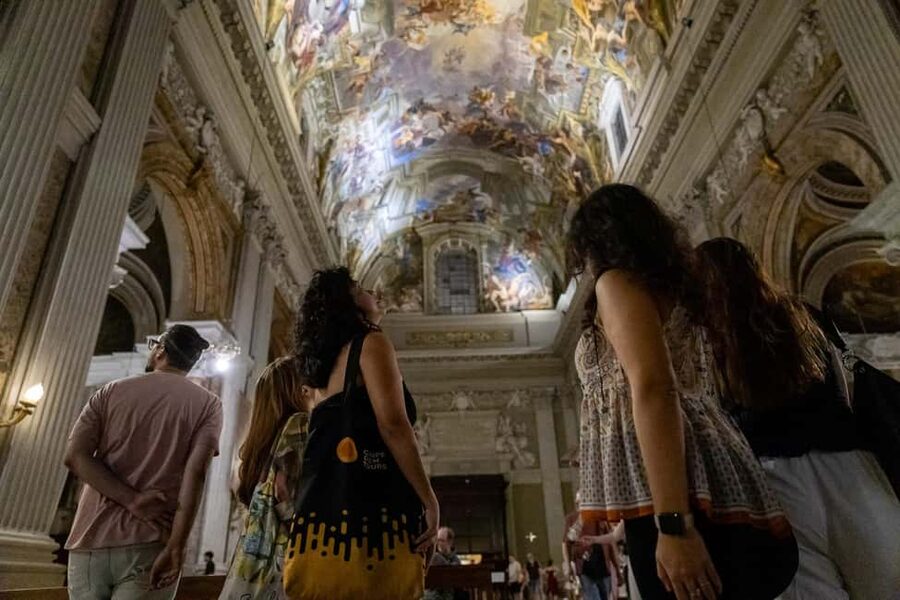
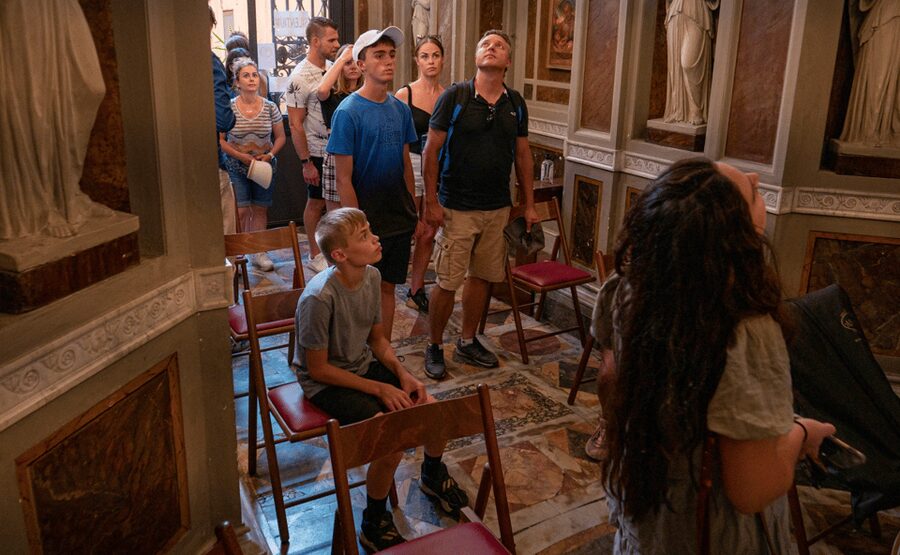
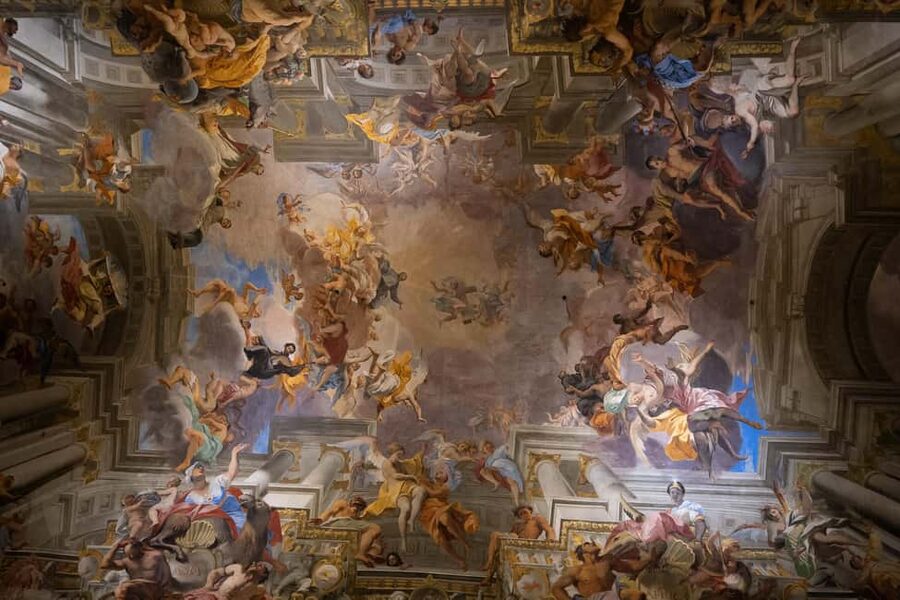
Next up is the Church of Sant’Ignazio di Loyola, with a longer guided stop listed (about 30 minutes). This is one of the most memorable parts of the route because it is not just exterior sightseeing.
Inside, you are looking for the famous illusion effect often nicknamed the fake dome. Even if you have seen pictures before, night walking tends to make indoor highlights feel like a breather, and a guide can point out what makes the illusion work so it lands properly.
If you are the kind of person who likes architecture details, this stop is a good use of time. It also gives you a break from open-sky walking, which helps if your feet are already a little tired.
Galleria Sciarra: a quieter pause between the big names
The next guided stop is Galleria Sciarra, listed at about 20 minutes. This is the kind of location that can feel like a secret pocket in Rome, and that is exactly why it works well in a night tour.
You get a change of scenery between the huge monuments and the next big fountain moment. It is also a good stretch break in the middle of the walk, because the timing gives you a few minutes to reset before you head into Trevi.
Look for what your guide points out. In feedback, guides including Diletta and Paulina are praised for adding extra context while you walk, so this stop tends to get more interesting when you pause and actually listen.



Trevi Fountain at night: legend, coin toss, and photo timing
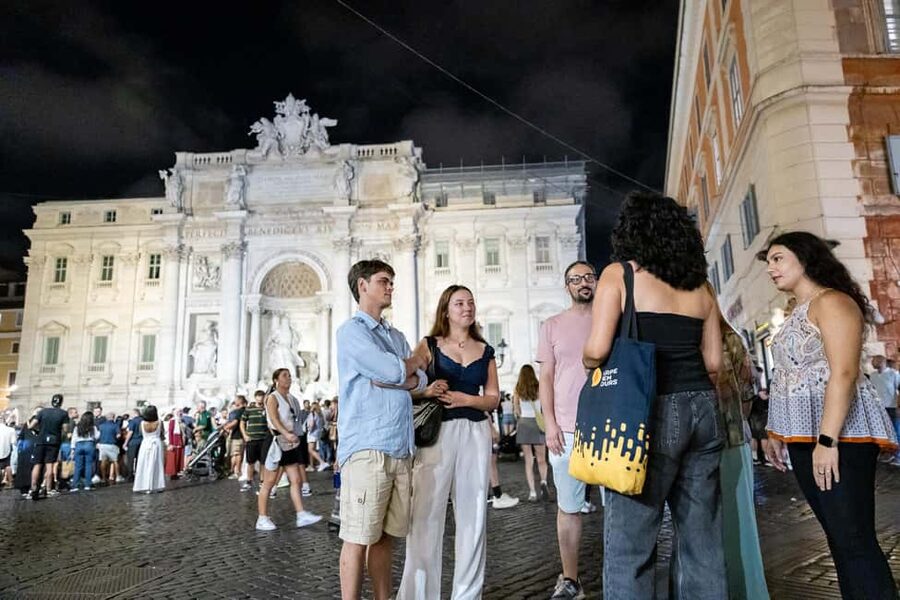
Trevi Fountain is the showstopper most people already have on their list. Here it is not treated like a quick stop to check a box. It is listed as a guided moment (about 30 minutes).
The guide covers the fountain’s history and the legend tied to the coin toss. That makes a difference, because you are not just staring at a crowded landmark, you are understanding what you are seeing while the light turns the marble into something softer.
One practical consideration: fountains attract noise and voices, and standing close can make it harder to hear. The tour still builds in time for photos and a rhythm where the listening gets easier as you move along, so don’t worry if the first minute is chaotic.
Piazza Venezia and Trajan’s Column: Rome gets political fast
As you continue, the route brings you to Piazza Venezia, with a guided stop listed around 20 minutes. This square is tied to the monument built to commemorate Vittorio Emanuele II, and your guide helps you understand why this area matters in the story of Italy and Rome.
Then comes Trajan’s Column, listed as another guided stop (about 20 minutes). This is one of the places where you can either see “a tall column” or you can see a narrative. With a guide, you get the sense of how Rome celebrated power, campaigns, and identity through art and public monuments.
If you like history that is tied to visuals, this section is your payoff. The tour keeps the pace moving, but the storytelling gives you a mental map so the Forum zone later makes sense.
Via dei Fori Imperiali and the evening Forum vibe
You then pass along Via dei Fori Imperiali (about 20 minutes). This is the stretch where the scale of the ancient world hits you. It is also a good reminder that Rome’s power was built in public space.
Even when it is a pass-by, the timing helps. You are between guided stops, so it functions like a moving viewpoint where your guide can point out what to notice as you go.
If you are doing this tour as your first major night in Rome, this is where you start feeling oriented. Once you see how the monuments relate to the road and the surrounding structures, you will understand your future sightseeing much faster during the rest of your trip.
Finishing with a picture-perfect Colosseum viewpoint
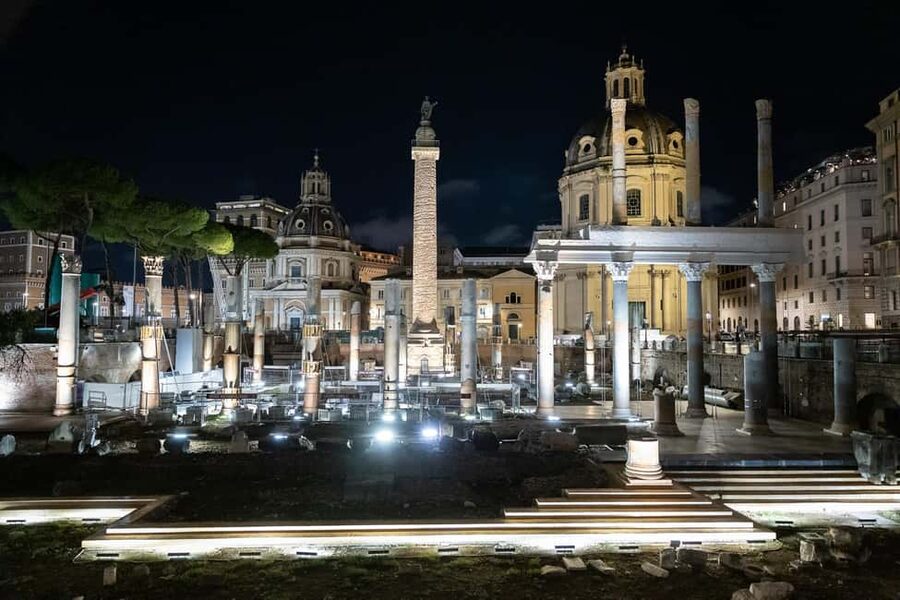
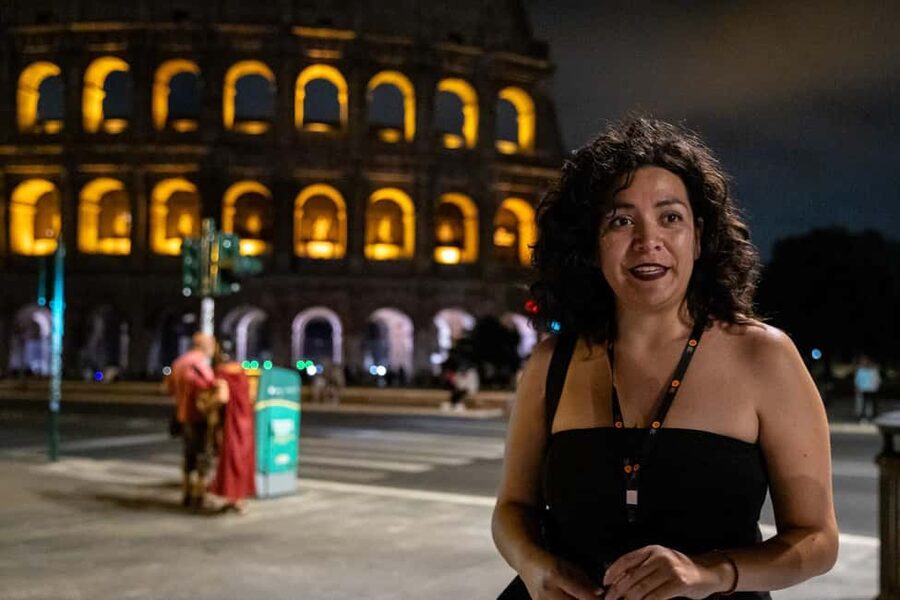
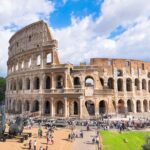
The tour ends with a final highlight: a secret picture-perfect viewpoint that overlooks the illuminated Colosseum. You do not just get the Colosseum as a postcard. You get it as a moment, framed by the night and set up for photos.
Your end location is listed with two drop-off options: Piazza Navona or Colosseum. That matters if you are planning a dinner or a night walk afterward, because it can cut down your return time.
Also, since the tour runs about 2 to 2.5 hours, you are typically done at a time when you can still eat, grab gelato, or go for a second look at one favorite landmark. If you already booked other evening plans, this duration is a manageable slot.
Price and value of a $28 moonlight walking tour
At $28 per person, the real question is what you get for your money. Here, you are paying for two things that add up fast in Rome: a local guide and a structured route that hits the classic sites without you figuring out the order.
You get a guided tour plus hidden gems and a list of recommendations, and the stops are timed so you see multiple major landmarks in a relatively short window. That is why first-timers often find the value strong, especially if you are trying to cover a lot before the rest of your trip gets booked.
Food and drink are not included, so treat this as a history and sightseeing experience. The upside is you stay flexible, and you can eat when and where you want.
Who this tour is best for
This works especially well if you:
- want an organized night introduction to Ancient Rome
- prefer fewer daytime crowds and want the moonlit atmosphere
- like architecture and public monuments more than museum-style pacing
- are traveling with kids and need a shorter, story-focused evening
It is also a good solo option. One of the more useful practical notes from feedback is that the tour can help you stay confident at night, including assistance with basics like getting a taxi at the end.
If you are in Rome for only a couple days, this is a smart way to get oriented without committing to a full-day plan.
Small-group energy, guide style, and how to get the most out of it
One reason many people rate this tour so highly is the guide factor. Names that show up with standout praise include Sila, Dan, Aline, Diletta, Anna, Sharon, and Mary.
The common threads: guides keep the facts moving with stories, they answer questions, and they take care of the group so the walk feels smooth. Some feedback also notes that a group of around 6 to 8 people can make it feel more personal and easier to engage.
To make it work for you, do two simple things:
- Ask one question when the guide stops talking to the whole group, usually right at a landmark
- Take photos during the built-in photo moments, not while you are standing still trying to “figure it out”
And yes, night walking means your feet still do the work. Plan for it with comfortable shoes, because this tour is active even though it feels fast.
Weather, hearing, and comfort tips that actually matter
You will be outside a lot, so wear comfortable clothes and expect a change in temperature from daytime. Evening also means uneven sidewalks and cobblestones, especially in central Rome.
Hearing can be the hardest part at very busy landmarks. If your guide is near a fountain or a crowd, step half a step back when you need to listen clearly. As the tour moves, the sound typically gets easier, and your guide’s voice becomes clearer.
Should you book the Rome moonlight walking tour?
I think you should book it if you want a high-value first night in Rome, with a route that connects the big sights and explains what you are seeing as you go. The combination of classic landmarks, a quieter evening pace, and a guide who tells stories makes the money feel reasonable.
I would think twice if you hate walking tours or you need a sit-down heavy format. This is also not a food experience, so if your ideal evening is mostly dinner and wandering with minimal time in guided stops, you might want a different style of tour.
If you are choosing between this and a self-guided plan, the math usually favors the tour, because you save time figuring out the sequence and you get context you would likely miss alone. For Rome at night, that kind of shortcut is worth real effort.
FAQ
How long is the Rome moonlight walking tour?
It runs about 2 to 2.5 hours. Starting times can vary, so check availability for the specific departure you want.
Where do I meet the guide?
Your meeting point can vary depending on the option booked, with start locations listed as Piazza di Pasquino or Piazza d’Aracoeli.
Where does the tour end?
The tour finishes at one of the listed drop-off options, either Piazza Navona or near the Colosseum, depending on your booking.
What landmarks will I see?
You will pass by or stop at places including Piazza Navona, the Pantheon area, the Church of Sant’Ignazio di Loyola, Galleria Sciarra, Trevi Fountain, Piazza Venezia, Trajan’s Column, and viewpoints overlooking the Colosseum.
Is food included?
No. Food and drink are not included, though there is a short break for photos or a refreshment.
What language is the guide?
The tour offers live guides in English and Spanish.
Is the tour suitable for kids?
The experience is titled free for kids. The exact eligibility details are not provided here, so confirm the kids policy during booking.
What should I wear or bring?
Bring comfortable shoes and comfortable clothes. Since it is a walking tour at night, comfort matters more than style.
More Walking Tours in Rome


More Tours in Rome
More Tour Reviews in Rome
Not for you? Here's more nearby things to do in Rome we have reviewed





Walking Tours, compared.
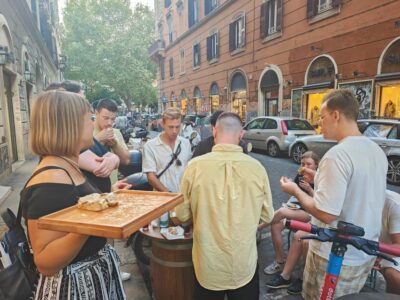 ★ 4.9Trastevere & Campo de Fiori Street Food Walking TourFrom $512,768 reviews
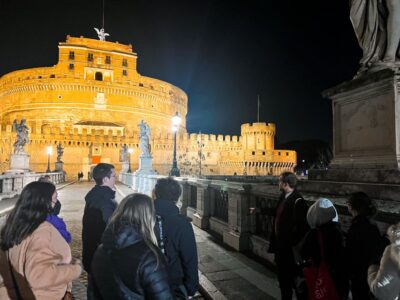 ★ 4.9Paranormal Night Walking Tour & Secret BackstreetsFrom $341,921 reviews
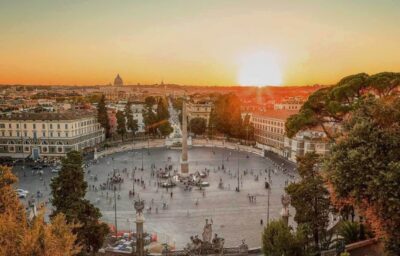 ★ 4.4Guided City Center Evening Sightseeing Walking TourFrom $46953 reviews
 ★ 4.5Best of Rome Walking Tour including Trevi FountainFrom $4923 reviews
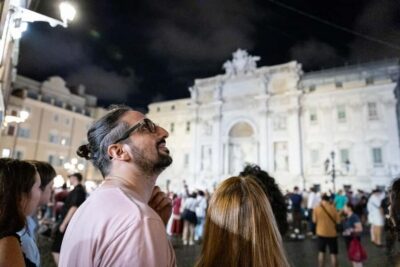 ★ 4.8Under the Moonlight Evening Walking TourFrom $28852 reviews
 ★ 4.9Forbidden History Walking Tour & Pub Crawl with DrinksFrom $61688 reviews
 ★ 5.0Guided Small Group Walking Tour of City HighlightsFrom $30682 reviews
 ★ 4.5Rome Walking Tour with Piazza Navona, Trevi Fountain and PantheonFrom $35676 reviews
Browse the lists this tour appears in