
Reviewed · COLOSSEUM TOURS
Rome in A Day Tour: Vatican, Sistine, Colosseum, Trevi & Pantheon
One day, Rome’s biggest hitters. This Rome in A Day tour strings together the Colosseum, Trevi, and the Vatican with a real guide who keeps the day moving and focused. I especially like the mix of a local guide plus professional art historian guidance, so you are not just seeing landmarks, you are getting the why behind them.
I also like how it feels built for people who do not want to plan a route: you meet at the Colosseum area and go straight into the big sites in a sensible order. In the feedback I saw, guides such as Tommas, Sara, Max, and Massimiliano got praise for making the stories click, which matters when you have only a few hours.
The main consideration is that Rome, and the Vatican in particular, can throw curveballs. The tour warns that parts of the Vatican, including the Sistine Chapel and/or St. Peter’s Basilica, might close last minute for major pope events, and you also need a strict church and museum dress code. Long walking is also part of the deal, so plan for your shoes and stamina.
Key Points to Know Before You Go
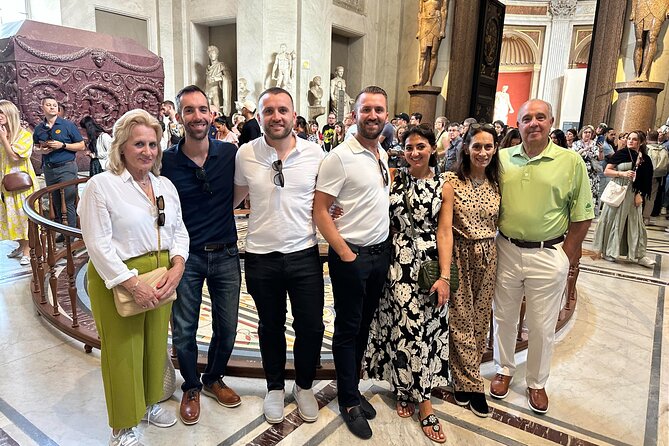
- Private group feel: It is set up as a private tour, so you avoid the shuffle of a huge crowd.
- Colosseum start, inside first: You begin at the Colosseum and go in right away, with reservation support.
- Forum and Sacred Way momentum: After the Colosseum, you walk to the Roman Forum and continue up toward Capitoline Hill.
- Trevi and Pantheon are timed for short stops: You get moments at both, plus a guided route through Rome’s lanes.
- Vatican itinerary can flex: If Vatican areas close, the guide provides alternatives focused inside the Vatican Museums.
- Dress code is real: Covered knees and shoulders are required, or you risk being turned away.
Why This 6-Hour Rome Route Works So Well
Rome is not a single attraction. It is a pile of masterpieces, spread out like someone dropped a museum cart down the Appian Way. This tour solves the main problem fast: it gives you a tight route with trained guidance, so you spend less time figuring out where to go next and more time understanding what you are looking at.
The day is built around two anchors: the ancient core around the Colosseum and Roman Forum, then the spiritual and artistic core in the Vatican. The breaks are short, but the order is practical. You tackle the most time-sink locations early, then shift to the more condensed walk-and-see rhythm of Trevi, Pantheon, and Piazza Navona before you cross the Tiber.
Also, the private setup matters. Even when you are doing a whirlwind day, having only your group in the mix helps the guide keep control of pacing and explanations. The people praised in the reviews often sound like they use that time well, not just race you through.
You can also read our reviews of more tours and experiences in Rome.



Meeting at Piazza del Colosseo, 9:00 am Start, Then In You Go
You meet at Piazza del Colosseo, 3, 00184 Roma RM at 9:00 am. This is a smart choice because it puts you right by the Colosseum area, so you are not burning time on transit.
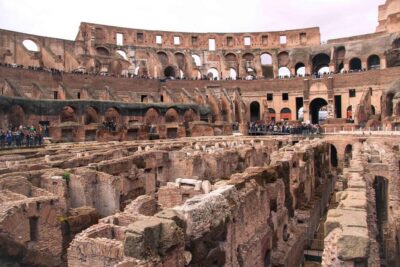
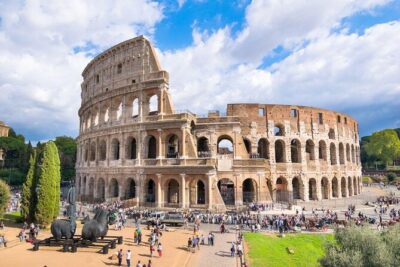
From there, the plan is direct: you start at the Colosseum and begin your visit inside. That matters because the Colosseum is one of those places where impatience ruins the experience. If you have even a small amount of time, being inside first lets you get oriented while your energy is still high.
Practical tip: wear shoes you can walk in for hours. You will move between sites and also spend time inside. The tour lists a moderate fitness level, which basically means you should expect real walking, not just standing around looking at stone.
Entering the Colosseum: More Than a Big Photo Stop
The Colosseum stop is about 1 hour, and the ticket and reservation fee for the Colosseum are included. That is a real value piece because it saves you from doing extra ticket work while you are in Rome.
When a guide leads the Colosseum well, you stop treating it like just an iconic ruin. You start noticing patterns: how it functioned as a spectacle machine, how the architecture shaped movement, and how the scale was designed to impress people across the stands.
In feedback, guides like Tommas and Thomas got credit for being passionate and clearly able to connect what you see to what it meant. That is exactly what you want here. If you can only spend a limited time in the ancient world, it helps to understand how it all fit together.
Roman Forum After the Colosseum: Your Guided Shortcut Through Ancient Rome
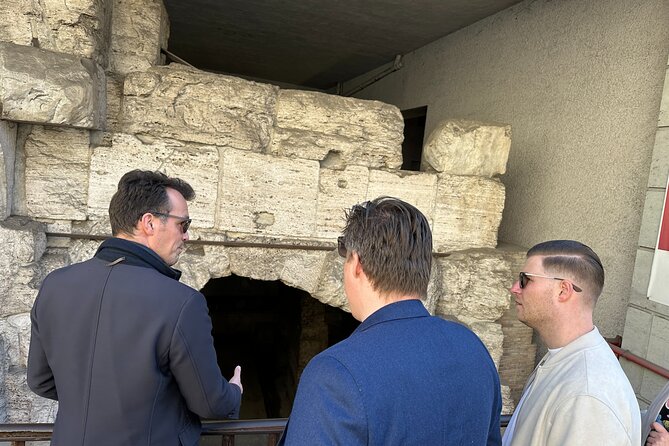
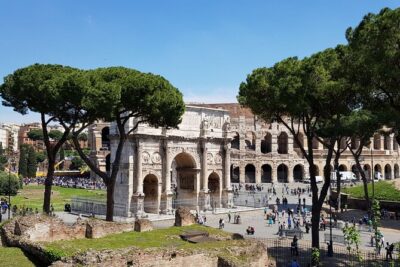
After the Colosseum, the tour heads outside to the Arch of Constantine and then to the Roman Forum. This part is about 1 hour, and it includes admission tickets.
The Forum stop is not just a bunch of ruins. It is the political, religious, and social center of ancient Rome, and the route you take helps you focus on the big landmarks around the square.
You will see the Arch of Titus, the House of the Vestal Virgins, the Temple of Saturn, the Senate House, and the white marble Arch of Septimius Severus, among other highlights. That list is a cheat code for your brain. Without context, a lot of ancient stone looks the same. With guidance, you can separate the power buildings from the worship spaces from the monuments that signal who mattered.
Important note for entry: you must provide valid passport or ID that matches the name used at booking. The tour also warns that failure to present a voucher with all travelers full names before entry may lead to denied entry to the Colosseum and Roman Forum. So handle your paperwork before you get to the ticket desk.
Walking the Sacred Way Toward Capitoline Hill and Il Vittoriano
Next comes a walk up the Sacred Way toward Capitoline Hill and Il Vittoriano. This is where the tour adds variety. You shift from the ancient city center to a viewpoint and a more modern monument, which helps you see how Rome keeps layering eras on top of each other.
Il Vittoriano is one of those places people either love or feel indifferent about, but it is worth seeing because it gives you a sense of Rome’s later state building and national symbolism. If your day has been all ancient stone so far, this stop acts like a palate reset without wasting time.






Trevi Fountain in a Tight 30 Minutes: What to Do With Your Coin Toss
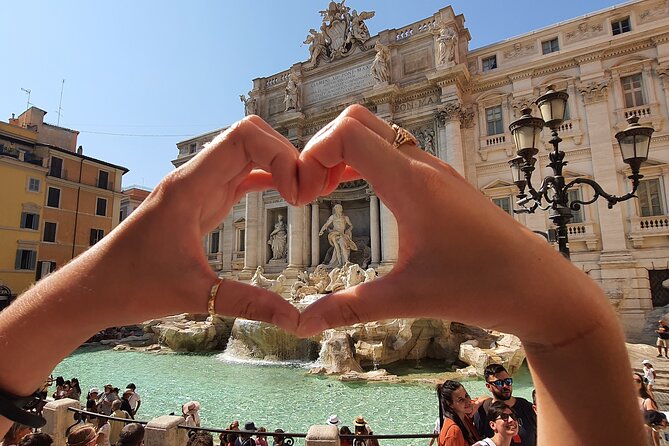
The Trevi Fountain stop is about 30 minutes. You get a chance to see it as a movie-famous backdrop, including the connection to Fellini’s La Dolce Vita, and yes, you can throw a coin in for the classic legend.
Here is the practical part: Trevi is always crowded. So the best way to use your time is not to treat it as a long sit-and-stare moment. Look from your guide’s vantage point, let the crowd settle around you, and then enjoy the fountain as a sculptural achievement and a social stage.
If you are hoping for a quiet Trevi photo, adjust expectations. Your time here is short, so aim for a few solid looks rather than chasing perfect emptiness.
Pantheon and Piazza Navona: Two Stops, One Smart Alley-and-Square Rhythm
After lunch, you head toward the government district and key monuments, including the Parliament building, the Palace of the Council of Ministers, and the Column of Marcus Aurelius. Nearby is the Temple of Hadrian, built in his honor by Emperor Antoninus Pius.
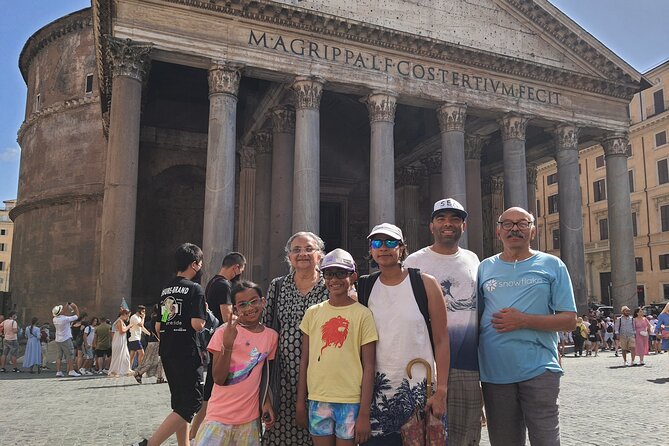
Then you walk through little alleyways to the Pantheon. The tour notes Raphael is buried there, which is a great hook for making the visit feel personal instead of purely architectural. The Pantheon is the kind of stop where you can stand there, look up, and suddenly understand why people still talk about it centuries later.
One caution: the tour schedule lists Pantheon admission as included, but one review complained that Pantheon admission was not actually included and the company did not notify them beforehand. That is not a reason to cancel your plans, but it is a reason to confirm what is included for Pantheon right after booking, so you know what you are paying for and what you might need to pay onsite.
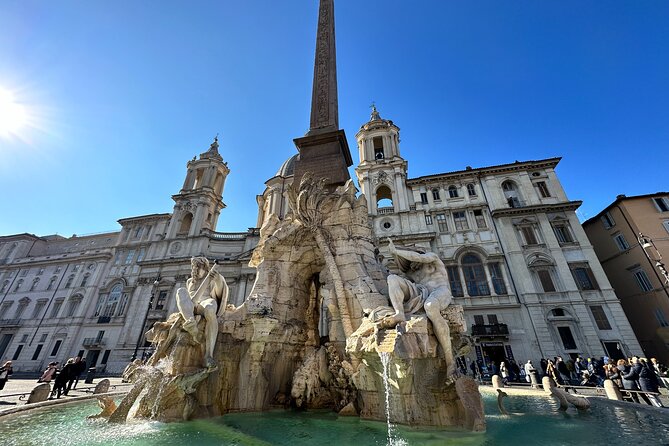
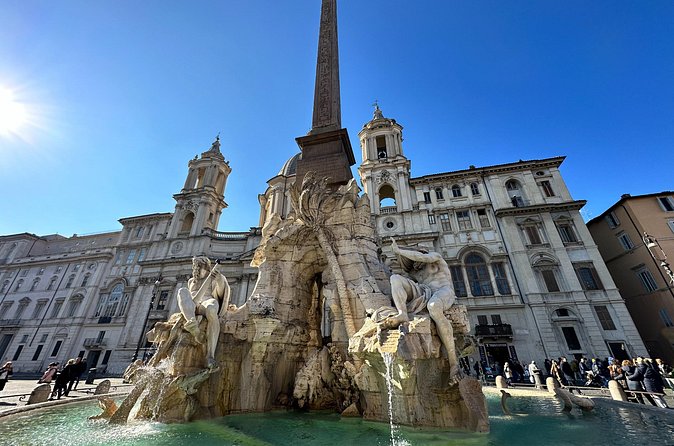
After Pantheon, you move to Piazza Navona for about 30 minutes. You will pass the Ancient Baths of Nero and end up at the square’s star feature: Bernini’s Fountain of the Four Rivers. This is a perfect close for the Rome part of the day because it feels lively and theatrical, and the fountain is easy to understand visually, even if you skip some of the deeper sculpting details.
Vatican Museums and Sistine Chapel: Two Layers of the Same Masterpiece
Then you cross the Tiber to the Vatican. The tour includes a visit of the Vatican Museums and the Sistine Chapel, with a scheduled museum time and a longer Sistine Chapel slot.
The Sistine Chapel part is about 1 hour and is listed as admission included. You will see Michelangelo’s famous ceiling frescoes, plus works by other Renaissance artists including Raphael. This is the moment where you stop thinking in terms of hours and start thinking in terms of scale and artistry.
A good guide makes the difference between seeing ceiling frescoes and actually understanding what you are looking at. Based on the praise in the feedback, the guides here tend to use art history context to connect composition, symbolism, and technique. That is exactly what you want when you have only a slice of time.
One big heads up: the tour explicitly warns that Pope Francis-related mass events can cause last-minute closures, and the Sistine Chapel and/or St. Peter’s Basilica might not be accessible. If that happens, your guide will provide an alternative focusing on the Vatican Museums. So the Vatican plan is not fragile, but it is not rigid either.
St. Peter’s Basilica and Square: The Signed Pietà Moment
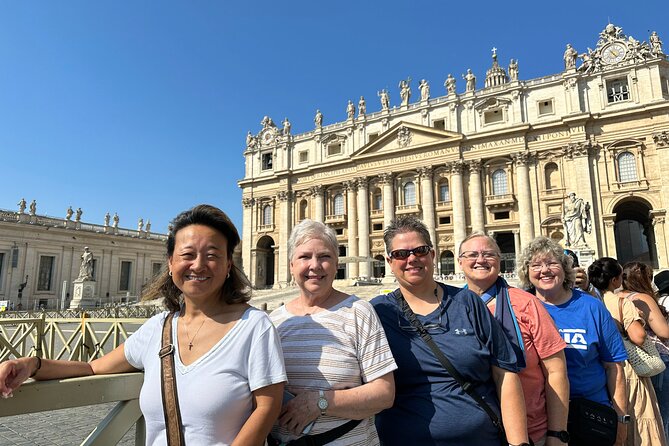
St. Peter’s Basilica is scheduled next for about 30 minutes. You will explore side chapels with hidden crypts, see Michelangelo’s Pietà, and learn why it is the only work he signed. The guide also explains Bernini’s altarpiece and how Michelangelo triumphed for the chance to paint St. Peter’s magnificent dome.
This is a stop where the guide’s explanations can really change your experience. The Pietà is famous, but it becomes more meaningful when you understand the story behind why it is signed, and how artists of different eras handled similar religious themes.
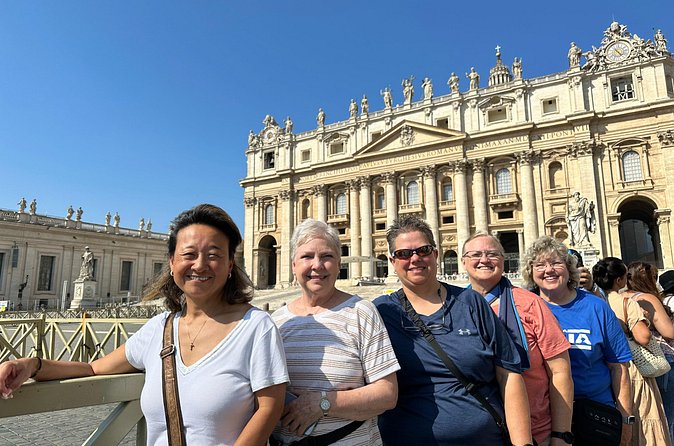
After the basilica, the tour ends at St. Peter’s Square for about 30 minutes. This is where you get the open air to reset your eyes after being surrounded by art and marble indoors.
Because of Jubilee and pope activity, the tour warns the basilica might not be accessible as part of the tour, though you can go later and queue. That is worth planning for mentally, even if you hope it never happens.
Price and Value: What $668.05 Buys in a One-Day Sprint
At $668.05 per person for an approximately 6-hour private tour, the price looks steep until you break it down.
Here’s what you are getting that drives value:
- You are paying for a private experience, not a shared group slog.
- You get both a local guide and a professional art historian guide, plus a professional guide.
- Colosseum entrance ticket and the Colosseum reservation fee are included, listed as €18 and €2 per person in the provided details.
- The rest of the cost covers the guided service and the overall orchestration for a long, ticketed day.
The value question comes down to this: do you need expert help to make Rome’s top sites make sense quickly? If yes, this tour can be a cost-effective use of your limited vacation hours. If you prefer total control and self-guided wandering, you might do better renting your own guide or buying tickets and building your own route.
Also, watch for ticket inclusions that can feel inconsistent. The one clear complaint I saw involved Pantheon admission not being included despite being expected. That does not invalidate the tour experience overall, but it is a good reminder to confirm which admissions are included for every stop that matters to you.
Tickets, Names, IDs, and the Dress Code Rules That Matter
Rome will let you enjoy it, but the access rules can be strict.
First, bring a passport or ID that matches the name you provided at booking. For Colosseum and Roman Forum entry, the tour warns that if the voucher does not include all travelers full names, entry can be denied.
Second, follow the dress code. The tour requires no shorts or sleeveless tops, and knees and shoulders must be covered for both men and women in places of worship and selected museums. If you ignore this, you risk refused entry. It is a small rule, but it can derail the day more than any traffic jam.
Third, expect a lot of walking. The tour calls for moderate physical fitness. Even with good pacing, you are moving between five-star sights and going inside some of them. Plan for hydration and keep your daypack light.
Who This Tour Fits Best (And Who Should Skip It)
This tour is best for you if:
- You have limited time and want to hit major landmarks in one go.
- You like explanations, not just photos.
- You would rather pay for a guide than spend your trip plotting how to connect the Colosseum to the Vatican without losing half a day.
It may not be ideal if:
- You hate crowds and want lots of slow, unstructured wandering.
- You prefer to tailor the day at your own pace, stop where you want, and skip what you do not.
- Your schedule is tightly dependent on the Vatican basilica or Sistine Chapel being open, since the tour warns closures can happen last minute.
Should You Book This Rome in A Day Tour?
If your top priority is efficiency with strong guidance, I think this tour is a solid buy. You get a private format, Colosseum and Forum access built into the day, and Vatican time that focuses on the art people actually come to see. The guide quality seems to be the standout strength, with names like Tommas, Sara, Max, and Massimiliano showing up in the praise for making history land.
Before you book, do two quick checks:
1) Confirm exactly what is included for Pantheon admission, since there was at least one booking issue noted about it not being included.
2) Plan your Vatican expectations with flexibility in mind, since the tour warns last-minute closures can affect the Sistine Chapel and St. Peter’s Basilica.
If you can handle a long day of walking and you care about expert explanations, this is one of the better ways to stack Rome’s top sights into a single, well-managed route.
FAQ
What time does the tour start, and how long is it?
The tour starts at 9:00 am and runs for approximately 6 hours.
Where do I meet the guide, and where does the tour end?
You meet at Piazza del Colosseo, 3, 00184 Roma RM, Italy. The tour ends at the Vatican Museums area in Vatican City.
Is transportation to and from attractions included?
No. Transportation to or from attractions and hotel pick up and drop off are not included.
What dress code do I need for churches and museums?
You must have knees and shoulders covered for both men and women. The tour states no shorts or sleeveless tops, and refusing entry is possible if you do not follow the dress requirements.
Which entrance tickets are included?
The Colosseum entrance ticket and the Colosseum reservation fee are included. The schedule also lists admission tickets for the Sistine Chapel and St. Peter’s Basilica.
What happens if the Sistine Chapel or St. Peter’s Basilica are closed last minute?
The tour warns that areas might close due to pope activity, and it notes that the Sistine Chapel and/or St. Peter’s Basilica might not be accessible. In that case, your guide will provide a valuable alternative focusing on the Vatican Museums.
More Tours in Rome
More Tour Reviews in Rome
Not for you? Here's more nearby things to do in Rome we have reviewed












Colosseum Tours, compared.
 ★ 4.8Colosseum, Palatine Hill and Roman Forum Guided TourFrom $5232,814 reviews
 ★ 4.7Guided Tour of Colosseum, Roman Forum & Palatine HillFrom $5527,897 reviews
 ★ 4.2Colosseum & Forum with Audio Guide App -Optional ArenaFrom $4124,770 reviews
 ★ 4.5Colosseum, Roman Forum and Palatine Hill Guided TourFrom $5923,903 reviews
 ★ 4.4Colosseum, Forum & Palatine Hill Tour & Optional ArenaFrom $5813,839 reviews
 ★ 4.6Colosseum, Palatine Hill & Roman Forum Guided TourFrom $5112,703 reviews
 ★ 4.7Colosseum: Underground and Ancient Rome TourFrom $16012,691 reviews
 ★ 4.6Colosseum Arena, Palatine Hill & Forum Guided TourFrom $7310,584 reviews
Browse the lists this tour appears in