
Reviewed · CATACOMBS & UNDERGROUND TOURS
Rome: Immersive Underground and Piazzas Tour
Rome has a second city under your shoes.
I like that this tour is built around archaeologist-led explanations and real questions, not just sightseeing. I also like the tight storyline from Piazza Navona’s fountains down into the underground, then back up at major icons like the Pantheon and Trevi. One heads-up: it is not all underground, so you should expect more street walking than the word underground might suggest.
The route moves in a smart loop over about 3 hours, starting near Piazza Navona and ending at Trevi. Guides often sound like they are teaching a class you actually want to attend, with lots of practical context on what you are seeing and why it mattered. That makes it a strong fit if you want history with explanations, not just photos.
Key takeaways before you go
- Archaeologist guides with strong Q&A: Many guides have archaeology training and will answer follow-up questions as you go.
- Piazza Navona sets the stage above ground: You start with the square’s famous fountains, then walk down into the Roman world beneath them.
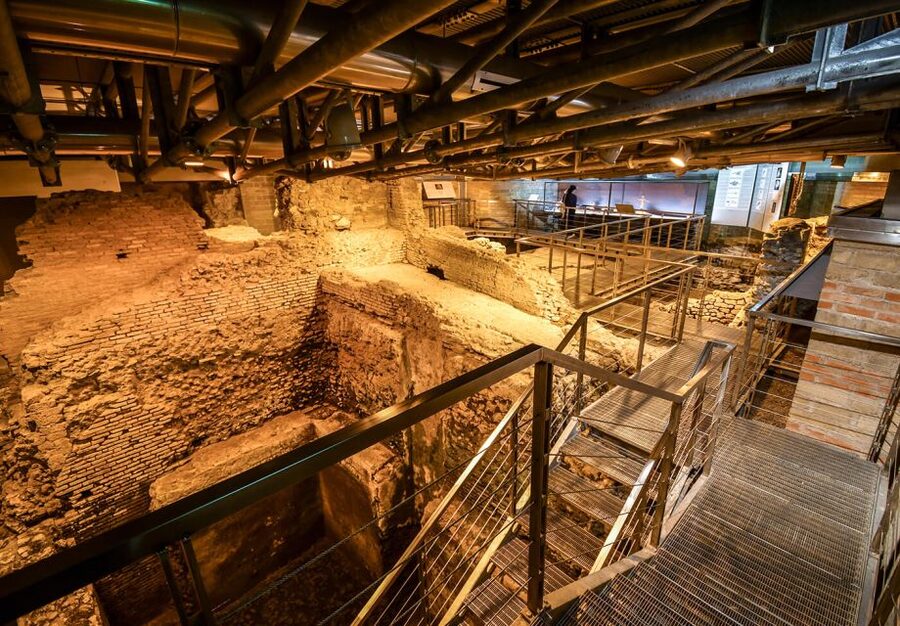
- Two underground stops, one connected theme: You see athletics and water infrastructure through the Stadium of Domitian area and Vicus Caprarius.
- Pantheon visit has real dress rules: Shoulders and knees must be covered since it is an active church.
- Trevi is both a photo moment and a water-history capstone: You end with tradition at the fountain, after seeing where the water story starts.
- Plan for some above-ground walking: Crowds and transferring between stops mean you will be on your feet more than you might think.
Piazza Navona First, Then the Roman World Under Your Feet
This is the kind of Rome tour that helps your brain reorganize the city. You do not start at the Colosseum or the Forum and then hope the rest makes sense. Instead, you begin at a lively, postcard-famous square, Piazza Navona, and let the guide connect it to what lies underneath.
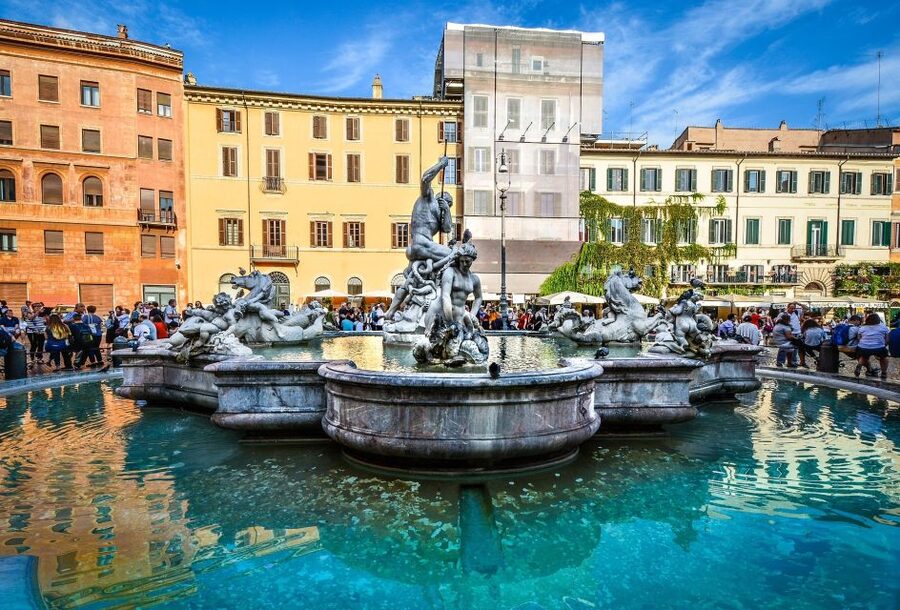
Piazza Navona is not just pretty. It is a historical stage set. The main fountains in the square were created during the papacy of Gregory XIII, and you get a focused look at three fountains rather than a rushed glance. Fontana dei Quattro Fiumi, designed by Bernini and dated to 1651, becomes a visual anchor, so when you later picture ancient Rome under the same footprint, it clicks faster.
From there, the tour shifts down into underground spaces built over older structures. That change of level matters more than you might expect. You get a cooler, calmer rhythm below street level, and your guide can point out structural traces you would never notice if you were just walking by. In a city famous for ruins, this makes the difference between seeing Rome and understanding how it was layered.
Practical note: this tour can involve multiple transfers and sections above ground, so wear shoes that handle uneven pavement and long standing.
You can also read our reviews of more tours and experiences in Rome.


Piazza Navona, Fontana dei Quattro Fiumi, and the Stadium of Domitian Below
Piazza Navona is the “above-ground warm-up,” then the underground starts right after. You spend time at the square and its fountains, then you head into the subterranean area beneath the streets around the stadium site.
Under this part of Rome is the Stadium of Domitian. It was used mostly for athletic contests. There is also a dramatic twist in the timeline: after the Colosseum suffered fire damage in 217 A.D., the area was used, briefly, for gladiator shows. That detail is exactly the kind of context a good guide brings to the table. It helps you see the site not as a single-purpose ruin, but as a living part of Roman life that adapted when major venues were compromised.
What you gain by going down here is perspective. Rome can feel like random monuments if you bounce between them with no thread. Here, the guide connects an iconic baroque square to a specific imperial-era use case. That gives you a map in your mind, which makes later stops like the Pantheon and Trevi feel like part of the same city, not separate chapters.
One thing to keep in mind: this stop includes both explanation time and walking time. The underground parts are a major highlight, but the approach and movement between sites still take energy.
Pantheon Time: Dress Code, Legend, and Why the Stories Matter
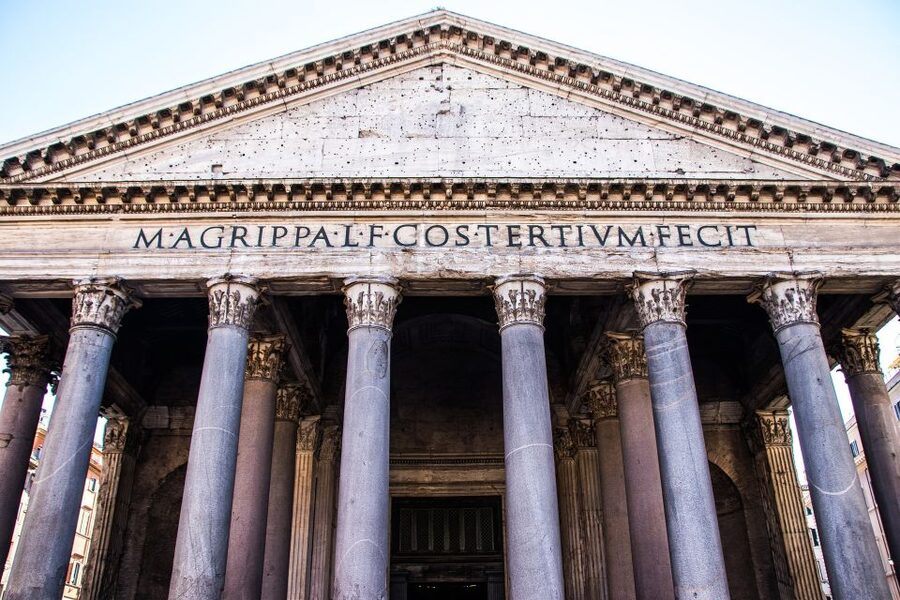
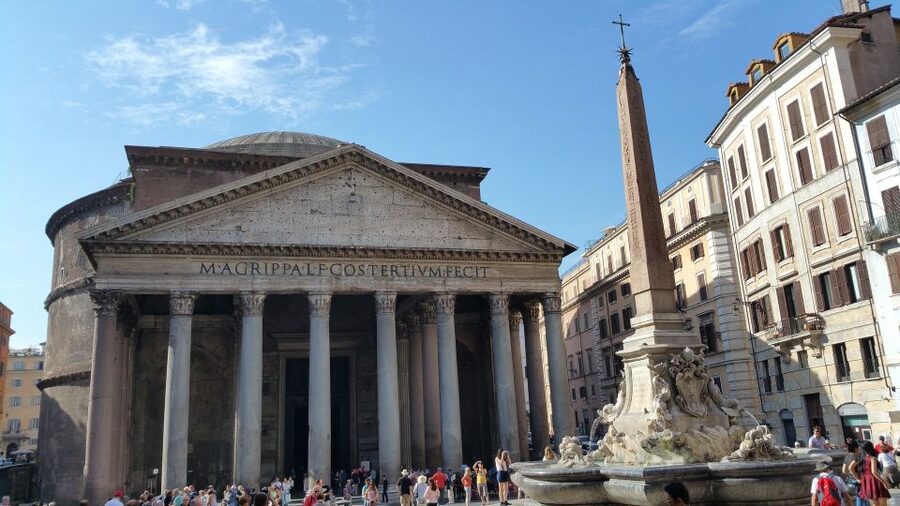
Next comes the Pantheon, one of the easiest places to feel overwhelmed because it is famous, crowded, and visually dominant. The value of a guided visit here is that you get the “why” behind what you are looking at, not just the “what.”
You also need to plan clothing. Since the Pantheon is an active church, shoulders and knees must be covered to enter. The tour also does not allow shorts, short skirts, or sleeveless shirts. If your packing plan is built around summer comfort, treat this as your big constraint, not a minor detail.
Once inside, the guide brings stories into the architecture. A Roman legend ties the Pantheon to Romulus, Rome’s founder: at his death, Romulus was seized by an eagle and taken up into the skies with the gods. That sort of legend might sound like folklore, but in Rome it functions like cultural glue. It helps you understand why people attached meaning to a place long before it became a tourist magnet.
There is another practical advantage for some groups: one guest noted the tour helped with ordinary lines for Pantheon entry. That does not mean every departure will be identical, but it is a good reason to consider a guided visit rather than trying to wing it.
If you have ever walked into the Pantheon thinking, So this is it, and then left feeling like you missed the point, this is the moment where a strong guide can flip that around.
Vicus Caprarius, the City of Water, and the Aqua Virgo Aqueduct Pieces

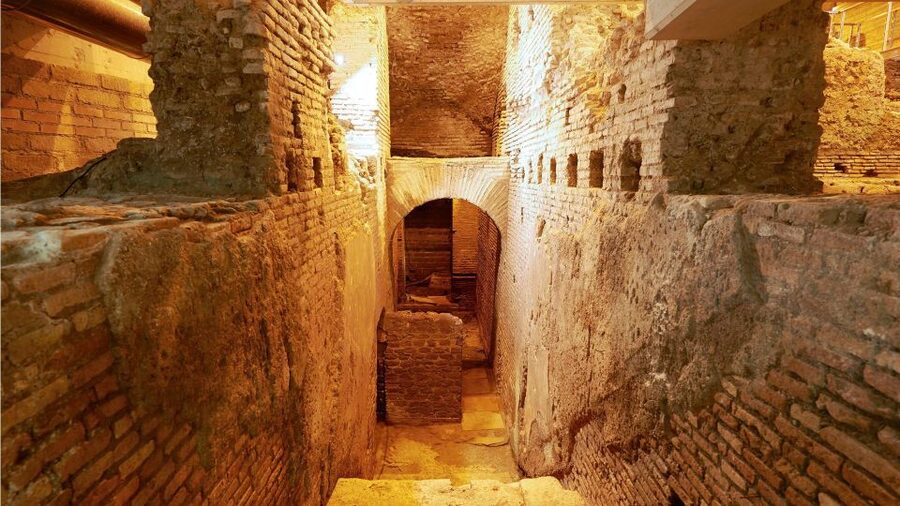
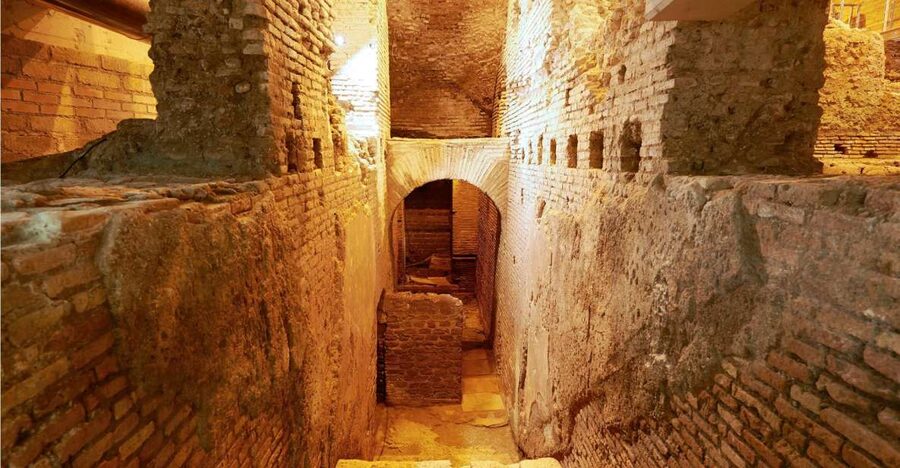
After the Pantheon, you go to Vicus Caprarius, also known as the City of Water. This is where the tour’s theme starts to sharpen, because you are no longer just looking at impressive buildings or iconic squares. You are looking at how Rome supplied life through water.
The underground archaeological area includes an intricate labyrinth of remains. Two named highlights stand out in the explanations. First is the remains of an imperial-era domus. Second is the castellum aquae of the Aqua Virgo aqueduct.
Those terms matter because they describe function, not just decoration. A domus tells you about the daily scale of elite life. The castellum aquae, tied to Aqua Virgo, points to the infrastructure logic behind fountains like Trevi. When you eventually stand at Trevi and perform the coin toss tradition, you are not thinking about water as a romantic idea. You are thinking about water as engineering, distribution, and a network of parts that had to work for centuries.
This stop is also a mental reset. The underground spaces tend to be cooler than street level, and the pacing often feels calmer because you are not constantly fighting through crowds of above-ground sightseeing. That cooling effect is not a small perk in Rome, where midday heat can flatten your attention span.
Expect the guide to point out features you would miss on your own, like how these remains fit together as a water-system story.
Trevi Fountain Finish: Coin Toss Tradition After Seeing the Water System
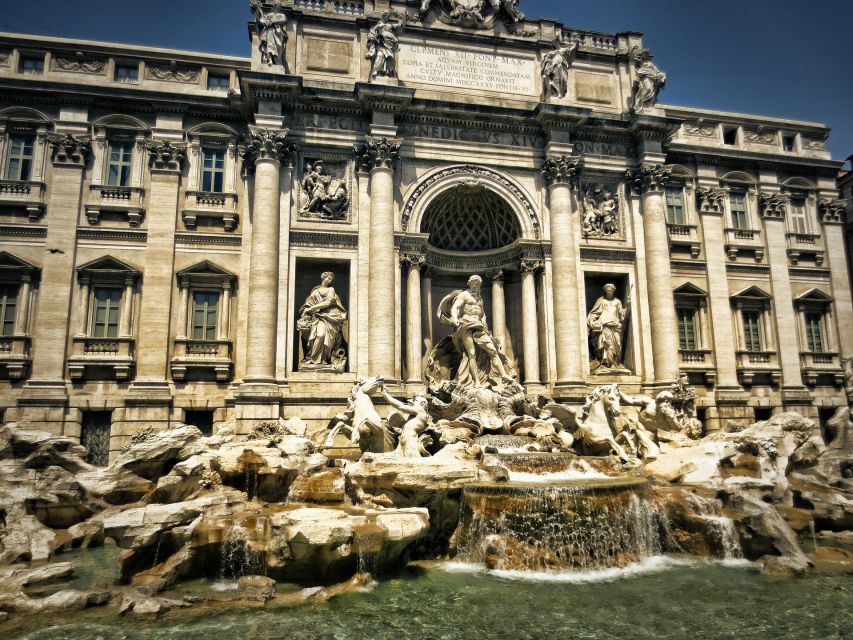
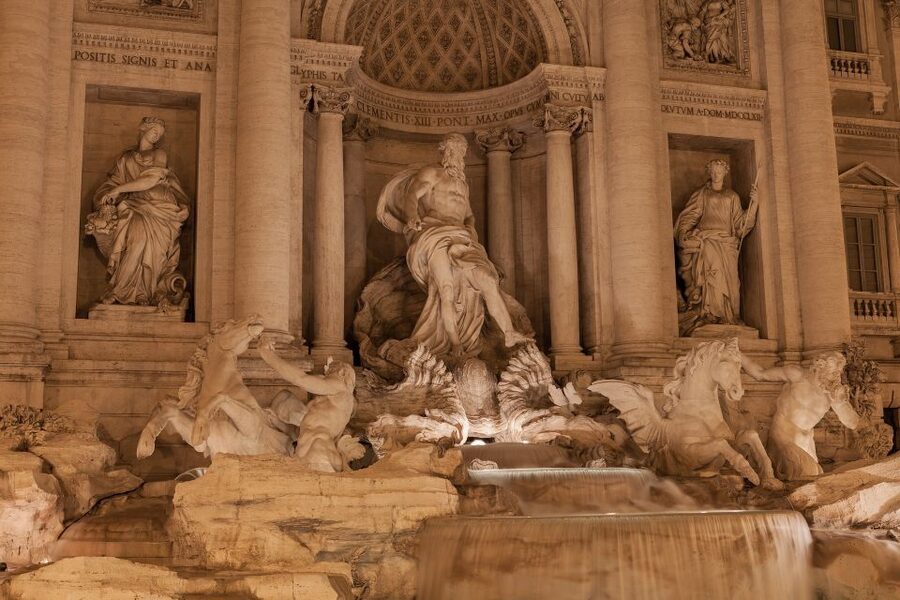
You end at Trevi Fountain. The tour includes a guided component at the fountain plus time for photos, so you get more than a quick pass and you get the context behind what you are doing.
You will throw a coin in the water, following the classic tradition. That ritual is fun, but this tour adds a different layer: you have already spent time underground learning how water moved through the city, including Aqua Virgo related pieces. So instead of the coin being the only takeaway, it becomes a symbolic capstone.
If you care about connections, this is where the experience rewards you most. The stop can feel like a finale that makes sense, because Vicus Caprarius and the aqueduct infrastructure are part of the long road that eventually leads to the fountain culture people see today.
Also, ending at Trevi is convenient because it is a natural stopping point for continuing your day, whether you head to more central Rome sights or just want a location with lots of food options nearby. Just remember you have already walked through multiple layers of the city, so pace your next move.




Guide Style and Pace: When Archaeology Training Shows Up
One of the most consistently praised parts of this tour is the guide. The information you get is not the generic facts version. Many guides here are archaeology-trained and speak with confidence about what you are standing over.
You might get guides such as Amanda, Francesca, Alex (Alessandra), Sabrina, Maria, Gloria, Caterina, or others. Names change by departure, but the pattern is the same: lots of enthusiasm, strong explanations, and a real willingness to answer questions. That is a big deal in Rome, where the difference between a good and great tour is usually Q&A quality.
Pacing also matters for the value. Some groups reported that the tour time felt well distributed, with enough time for photos at the important places and patience for repeated questions. Others mentioned rest and toilet stops were appreciated on hot days. It will still be a 3-hour walking experience, but a competent guide helps you stay comfortable without turning it into a slow crawl.
Audio can matter in Rome crowds too. A guest specifically called out how a microphone and headphones helped in larger groups. If your departure uses audio support, it makes explanations easier to follow.
What to Wear and Bring for a Smooth Pantheon and Underground Day
This tour is straightforward about clothing and footwear, and you should treat those rules as your checklist for success.
Bring
- Comfortable shoes
Avoid
- Shorts
- Short skirts
- Sleeveless shirts
Pantheon entry requirement
- Shoulders and knees covered, since it is an active church
A second heads-up is access variability. Due to the Jubilee, some monuments may be under restoration, and routes might change. The Pantheon also may not be accessible on some days due to religious functions. That means it is smart to check any updates sent to you before your departure.
If you want a simple packing plan, choose pants or long skirts, a shirt with sleeves (or a light layer you can add), and shoes you can wear for a few hours of city walking plus some time standing around in crowds.
How Value Works for a 3-Hour Underground and Piazzas Loop
This tour is built for people who like structure. You get a sequence that starts in a baroque focal point, moves into an imperial-era athletics site, shifts to one of the most iconic churches in Rome, then lands in a water-focused underground area, and finishes at Trevi with tradition.
The value is not just that you see multiple stops. It is that the stops connect through themes:
- Athletics and empire in the Stadium of Domitian area
- Legends and sacred architecture at the Pantheon
- Water infrastructure at Vicus Caprarius, including Aqua Virgo linked elements
- Trevi as the cultural finale after learning where the water story fits
Also, having an archaeology-trained guide tends to reduce your mental workload. Instead of you trying to piece together what each site was and how it relates, the guide provides the bridge.
The main downside is practical: you will walk more than you might expect if you pictured this as mostly underground. One guest flagged that it is not 100% underground, so build that expectation into your planning.
Who Should Book This Tour (and Who Might Prefer Something Else)
Book this if you want:
- A guided day with strong explanations and room for questions
- An off the main-axis feel, especially with the underground archaeology sections
- A history-first route that connects squares and famous landmarks to what came before
You might reconsider if:
- You dislike walking and prefer fully indoor or fully underground options
- You do not want to deal with the Pantheon clothing rules
- You need wheelchair access, since this tour is not suitable for wheelchair users
If you are visiting Rome once and want a deeper understanding of how the city was layered, this is a smart use of a 3-hour block.
Should You Book the Rome Underground and Piazzas Tour?
Yes, I think this is worth booking if you want guided context and you are excited by the idea that Rome is literally stacked. The underground sections at Piazza Navona’s area and Vicus Caprarius, plus the Pantheon and Trevi finish, give you a complete arc that feels more like a story than a list.
Do book with the right expectations. Plan for some above-ground walking between sites, wear clothing that works for the Pantheon, and wear shoes you can trust. If you do those things, you will be set up to enjoy what this tour does best: turning major sights into a connected, water-and-empire Rome you can actually picture.
FAQ
How long is the Rome Underground and Piazzas Tour?
The tour lasts 3 hours.
What languages are available for the live guide?
The live tour guide is available in Italian, English, and Spanish.
Where do I meet the tour?
The meeting point may vary depending on the option you book. One option starts near Fontana dei Quattro Fiumi and the National Academy of San Luca, and another option starts at Piazza Navona. Coordinates are 41.89896774291992, 12.473087310791016.
What should I wear for the Pantheon?
You need to cover your shoulders and knees since the Pantheon is an active church. The tour also does not allow shorts, short skirts, or sleeveless shirts.
Is this tour wheelchair accessible?
No. This experience is not suitable for wheelchair users.
Can I cancel, and is pay later available?
Yes. You can cancel up to 24 hours in advance for a full refund, and you can reserve now and pay later to keep your plans flexible.
More Tours in Rome
More Tour Reviews in Rome
Not for you? Here's more nearby things to do in Rome we have reviewed








Catacombs & Underground Tours, compared.
 ★ 4.7Colosseum: Underground and Ancient Rome TourFrom $16012,691 reviews
 ★ 4.6Crypts and Catacombs Underground Tour with TransfersFrom $745,341 reviews
 ★ 4.7Colosseum Underground Small Group Guided TourFrom $1054,844 reviews
 ★ 4.8St. Peter’s Basilica, Dome Climb, and Underground TourFrom $383,404 reviews
 ★ 4.7Colosseum Underground, Arena & Forum TourFrom $1573,272 reviews
 ★ 4.3Trevi Fountain and Underground Guided TourFrom $411,664 reviews
 ★ 4.6Catacombs and Capuchin Crypt Guided Tour with TransferFrom $411,606 reviews
 ★ 4.7St. Peter’s Basilica Priority Access Tour with Dome & CryptFrom $831,476 reviews
Browse the lists this tour appears in