
Reviewed · VATICAN TOURS
Rome: Guided Tour of St. Peter’s Basilica with Dome Climb
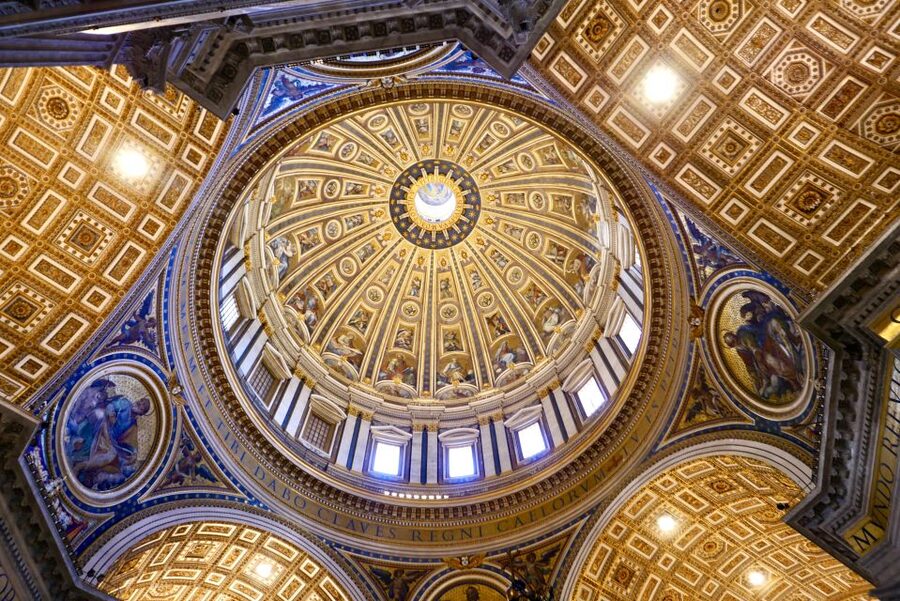
The dome climb rewires how you see Rome. This guided St. Peter’s Basilica experience with an art historian brings the building to life, then you climb up toward the top for 136-meter views and a close look at the dome’s interior mosaics.
I especially like the way the guide ties the architecture to real stories, from why the basilica took 150 years to rebuild to what you’re actually seeing in the marble, ceilings, and mosaics. You’ll also get a smooth route through Saint Peter’s Square and the basilica so you spend more time looking and less time guessing. One thing to plan for: this is not a skip-the-line setup, so security lines can add time, and the dome terrace can be off-limits in bad weather.
From what I’ve seen in the guide roster, names like Sara, Marco, Valentin, Paul, Francesca, and Elonora pop up often, and that matters because this place is huge. Your guide has to keep the group moving while still making the art understandable, and the best ones also give practical crowd tips, like how to navigate the Jubilee-era flow changes.
Quick hits
- Art historian storytelling that turns marble and mosaics into a timeline you can remember
- Elevator for part of the climb, then stairs to the viewing deck
- Up-close dome mosaics from inside the structure, not from a far-off photo spot
- Terrace views from 136 meters, with big landmarks on a clear day
- Realistic routing that avoids the Vatican Museums and Sistine Chapel so you can focus on St. Peter’s
St. Peter’s Basilica, with an art historian guide that makes it make sense
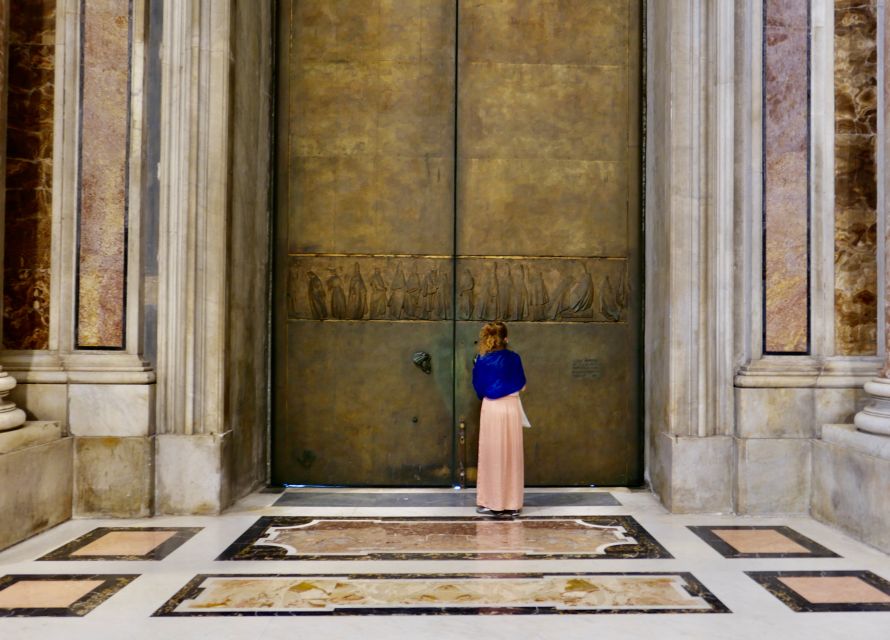
St. Peter’s Basilica can feel like sensory overload. The ceilings go golden, the marble changes tone as you move, and the dome keeps pulling your eyes upward. A guide who can explain what you are looking at is the difference between passing through and actually understanding the place.
This tour is built around that exact idea. You spend your time on the basilica’s key visuals, including the impressive array of marble finishes, decorated ceilings, and mosaics. You’ll also hear why the rebuild took 150 years, which helps you connect the Renaissance-style design to the long, complicated history behind it.
If you like art that has a job to do, you’ll appreciate the focus here. The church is not just a museum room. It’s a functioning sacred space, and your guide helps you read the symbols and artistic choices without turning everything into a lecture.
You can also read our reviews of more guided tours in Rome
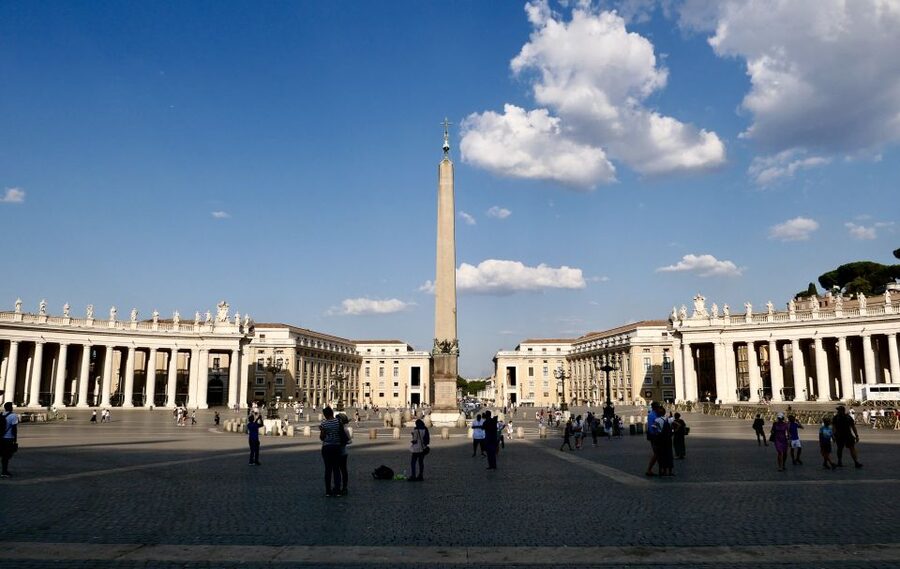
Saint Peter’s Square first: use the photo stop to get your bearings fast
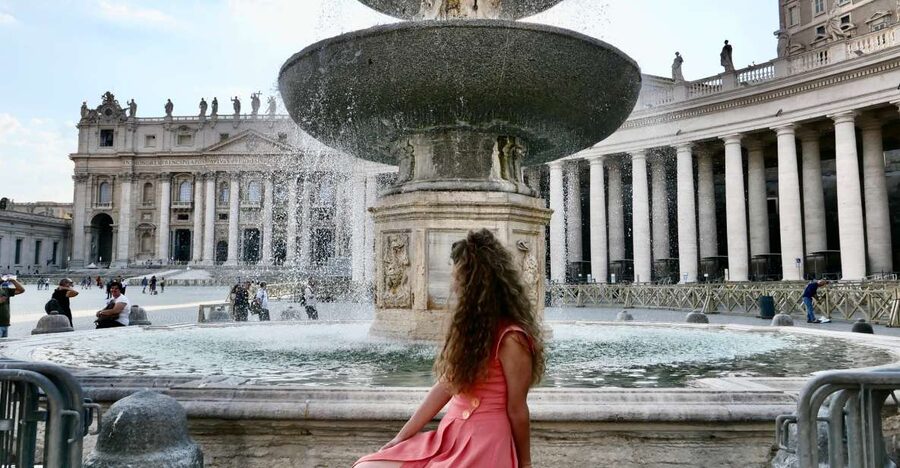
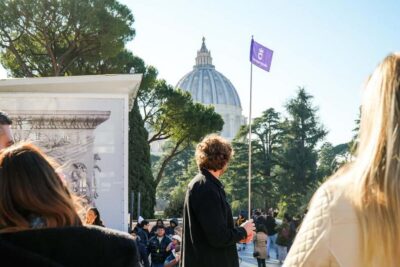
Before you’re swallowed by the basilica interior, you’ll land in Saint Peter’s Square. There’s a photo stop and sightseeing time built in, and that matters because the square is where the whole Vatican complex starts to “click” visually.
From this vantage, you can understand why the basilica’s scale feels deliberate. You’re not just standing in front of a church. You’re in an urban stage designed to frame pilgrims and sightlines. Even if you only spend about 20 minutes here, you’ll walk into the basilica with a clearer mental map.
A small practical tip: dress for the wait and the walking. The square area can be windy and sunny, and you may be moving through security before you’re fully comfortable.
Inside the basilica: marbles, ceilings, and Michelangelo’s Pietà focus
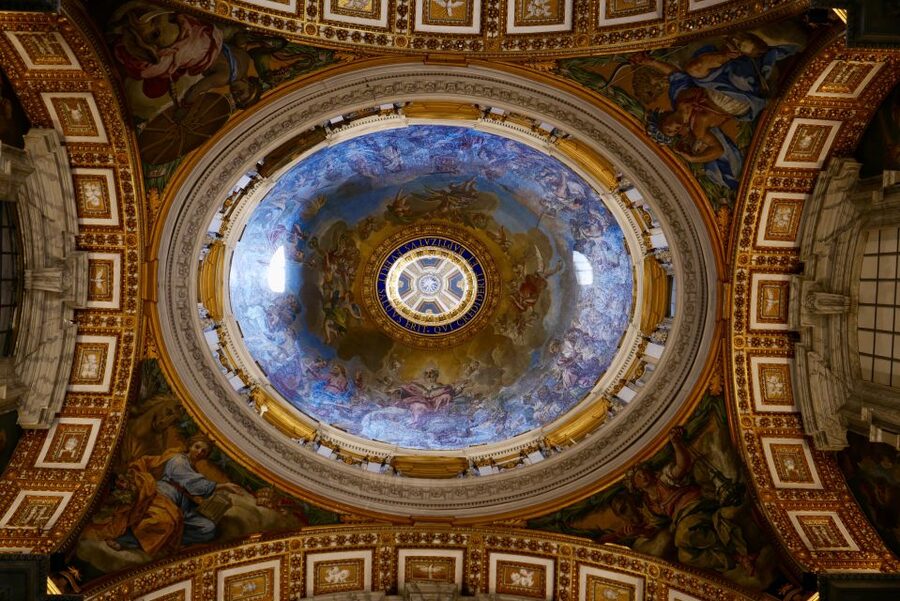
Once you enter the basilica, the tour shifts from orientation to explanation. You get a guided walk through the core areas, with time to stop, look, and absorb details you would normally miss if you were just following a route on your own.
What makes this part good value is the way your guide points out the “why” behind the visuals. You’ll see the basilica’s array of impressive marble and learn how the materials and decoration create that polished, ceremonial feel. The ceilings and mosaics become easier to read when you know what to look for.
You’ll also get Michelangelo’s Pietà in the conversation, plus the bigger narrative of Renaissance art inside a place shaped by centuries of rebuilding. If you want religious art history without getting buried in dates, this is a strong approach.
The dome climb plan: elevator up halfway, then stairs to the top
The dome is the reason most people book this in the first place, and the climb is staged in a way that helps. You take the elevator with your guide up to about halfway toward the top, then continue by stairs to reach the viewing deck at the very top.
That two-part structure is practical. The elevator reduces the hardest effort early on, and then the stairs let you finish with the anticipation building as you near the interior rim. Expect a photo-stop moment along the way, but the real star is what’s around you while you climb.
One important note: the dome terrace might not be accessible during bad weather. If the weather won’t cooperate, you can ask for a partial refund and visit other areas, or cancel for a full refund.
Dome mosaics up close: the interior view is the hidden payoff
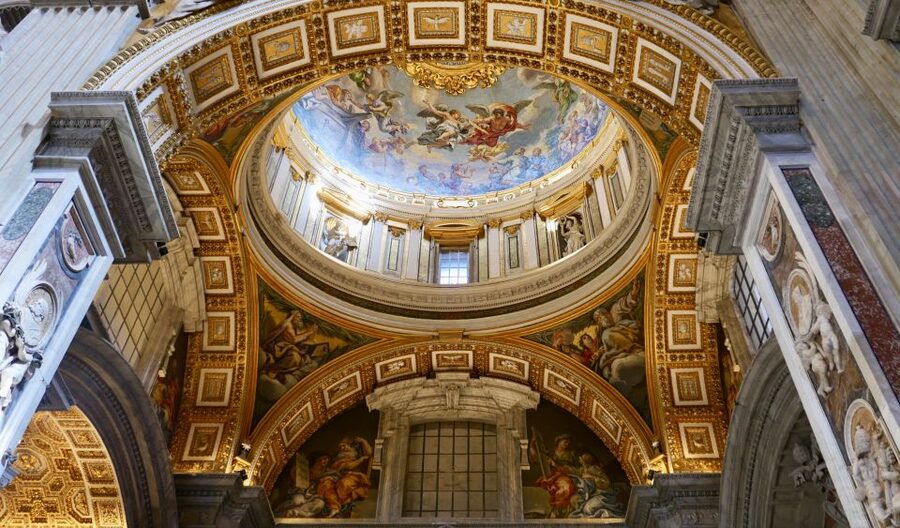
This is where the tour feels more than just cardio plus a skyline view. As you climb, you first get to “contend with” the dome interior up close, focusing on the mosaic details rather than only looking outward.
Seeing dome mosaics inside the structure changes how they read. From street level, they can look like glitter. Inside, you understand how the design guides your eyes upward and how the imagery fits the architecture. Your guide encourages you to pause for that moment, which is smart because the mosaics are easy to rush past.
After that, the climb shifts from interior contemplation to exterior payoff.
The 136-meter viewpoint: spot Rome’s icons from above
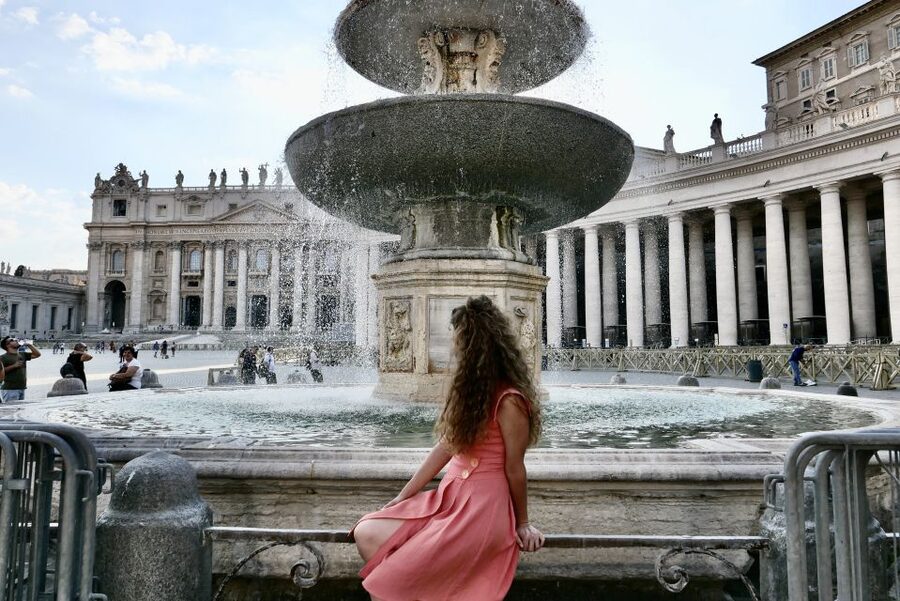
At the top, you’re reaching 136 meters above the square area, and the views are the big reward. On a clear day, you can spot landmarks like the Colosseum, the Pantheon, and Castel Sant’Angelo, plus other historic sites.
This is also a perspective shift for your whole Rome day. You stop thinking of Rome as separate neighborhoods and start seeing how the ancient and Renaissance layers overlap. Even if you have walked past these icons at ground level, the higher vantage helps connect them.
If you’re coming from a classic “first-time Rome” checklist mindset, the dome view is an efficient upgrade. You get multiple famous silhouettes in one place, and you also understand the scale of Vatican City in relation to the rest of the city.
Timing reality check: 2 hours on paper, security lines in real life
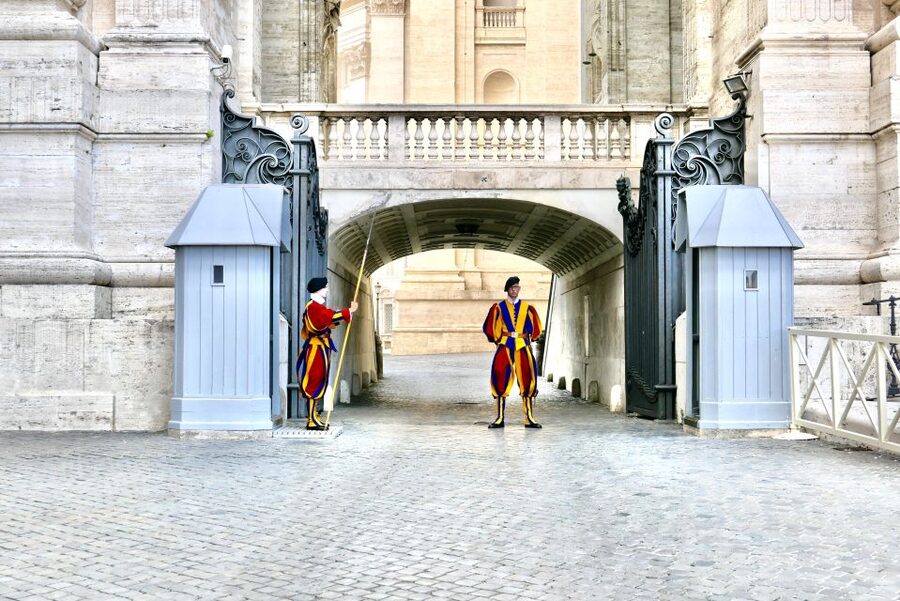
On the schedule, the experience runs about 2 hours. But St. Peter’s area involves security checks at the entrance, and this tour does not claim to skip them. Those lines can take anywhere from 15 to 120 minutes, and there may also be lines for the elevator.
So here’s how you should plan: treat the dome climb as the centerpiece, but give yourself buffer time. If you have a tight appointment after, I’d schedule it with extra room, or be ready for the day to run long.
It also helps to know that closures can happen. St. Peter’s Basilica can face partial unforeseen closures due to Vatican administration. The guide will adapt by highlighting alternative sites within the basilica so the overall duration stays unchanged, but your exact viewing stops might shuffle.
Who this tour fits best, and who should skip the dome climb
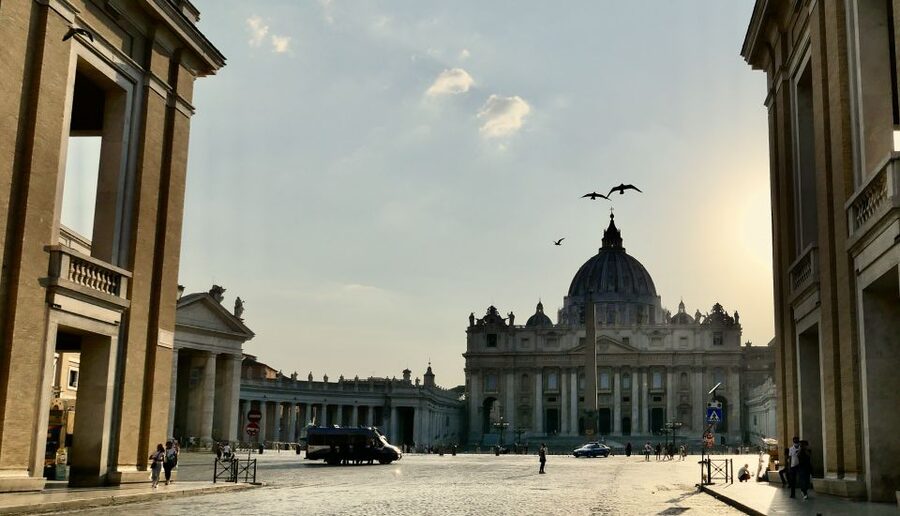
This is a strong fit for people who want art history plus a real viewpoint, and who can handle stairs. It is not suitable for wheelchair users, people with back problems, people with claustrophobia, or people with vertigo.
Even if you don’t have any of those issues, consider the practical reality. The climb includes a long stair portion after the elevator, and the dome interior can feel enclosed as you move upward.
On the other hand, if you like structured walking, want a guide to keep you oriented, and enjoy seeing major icons from a high perspective, this is built for you.
Price and value: what $64 buys you in a city that nickel-and-dimes
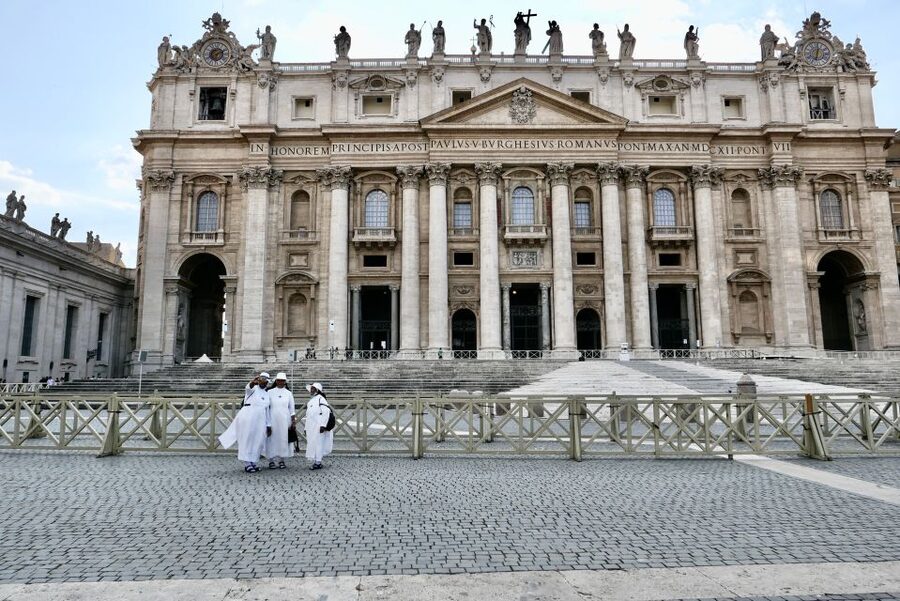
At about $64 per person, you’re paying for three things at once: a professional art historian guide, the basilica entry with guided focus, and dome access where the elevator fee applies. In a city like Rome, where many “sightseeing” tickets either skim the art or skip the tough parts, this combo matters.
You’re not just buying views. You’re buying interpretation. When a guide explains why the basilica took 150 years to rebuild, why the decoration looks the way it does, and what to notice in the mosaics, you end up with a faster, clearer understanding of the site.
Is it a deal if you hate crowds or dislike climbing? Not really. But if you’re open to stairs and you want your money to go toward a guided, high-impact experience, it feels reasonable.
What to bring (and what to wear) so you don’t get stopped at the door
Pack the basics and you’ll move smoothly:
- Bring a passport or ID card, since tickets are nominative
- Wear comfortable shoes
- Bring a long-sleeved shirt
Avoid what isn’t allowed: shorts, short skirts, sleeveless shirts, and large bags or luggage. Pets are not allowed either, and you also should not bring weapons or sharp objects.
Names on tickets matter here. You’ll be asked for the full names of all travelers when booking, and entry can be denied if the voucher names do not match the IDs.
Should you book this St. Peter’s Dome guided tour?
If you want the basilica plus the dome viewpoint without getting lost, I’d book it. This is a smart choice when you want an art historian to translate the visuals, and when you value a skyline moment from a specific height.
Book it especially if:
- you care about mosaics and marble details, not just big photo stops
- you want a guided structure that helps you navigate the basilica efficiently
- you’re comfortable with stairs after the elevator
Skip it if:
- you have vertigo, claustrophobia, or back issues
- you need an elevator-only plan
- you have zero tolerance for security queues
FAQ
Does this tour include the Vatican Museums or the Sistine Chapel?
No. Vatican Museums, the Sistine Chapel, and the Vatican Necropolis are not part of this tour.
Is skip-the-line access included?
Skip-the-line entry is not included unless a specific option is selected. You should expect time in security lines.
How does the dome climb work?
You take the elevator up to about halfway, then climb the stairs the rest of the way to the viewing deck at the top.
What can you see from the top of the dome?
From the height of 136 meters, you can admire views of St. Peter’s Square and Rome, and on a clear day you may spot the Colosseum, the Pantheon, Castel Sant’Angelo, and other historic sites.
What are the tour languages?
The live tour guide is available in English, Spanish, German, French, Portuguese, Italian.
What should I bring for entry?
Bring a passport or ID card, wear comfortable shoes, and plan for a long-sleeved shirt.
What if the dome terrace is closed due to weather?
If the terrace is not accessible because of bad weather, you can ask for a partial refund and visit other areas, or cancel for a full refund.
More Guided Tours in Rome
More Tours in Rome

More Tour Reviews in Rome
Not for you? Here's more nearby things to do in Rome we have reviewed






Vatican Tours, compared.
 ★ 4.5Vatican: Museums & Sistine Chapel Entrance TicketFrom $38144,003 reviews
 ★ 4.3Vatican Museums & Sistine Chapel Tour with Optional BasilicaFrom $7967,413 reviews
 ★ 4.5Vatican Museums, Sistine Chapel & St Peter’s Basilica Guided TourFrom $2239,149 reviews
 ★ 4.3Vatican Museums, Sistine Chapel & Basilica TourFrom $13013,872 reviews
 ★ 4.4Vatican Museums & Sistine Chapel Skip-the-Line Entry TicketFrom $4313,838 reviews
★ 4.7Vatican Museums, Sistine Chapel & Basilica TourFrom $7213,217 reviews
★ 4.4Vatican Museums & Sistine Chapel Skip-the-Line Entry TicketFrom $4313,838 reviews
★ 4.7Vatican Museums, Sistine Chapel & Basilica TourFrom $7213,217 reviews
 ★ 4.5Skip-the-Line Group Tour of the Vatican, Sistine Chapel & St. Peter’s BasilicaFrom $3012,779 reviews
Vatican Museums & Sistine Chapel Guided TourFrom $11812,117 reviews
★ 4.5Skip-the-Line Group Tour of the Vatican, Sistine Chapel & St. Peter’s BasilicaFrom $3012,779 reviews
Vatican Museums & Sistine Chapel Guided TourFrom $11812,117 reviews
Browse the lists this tour appears in