
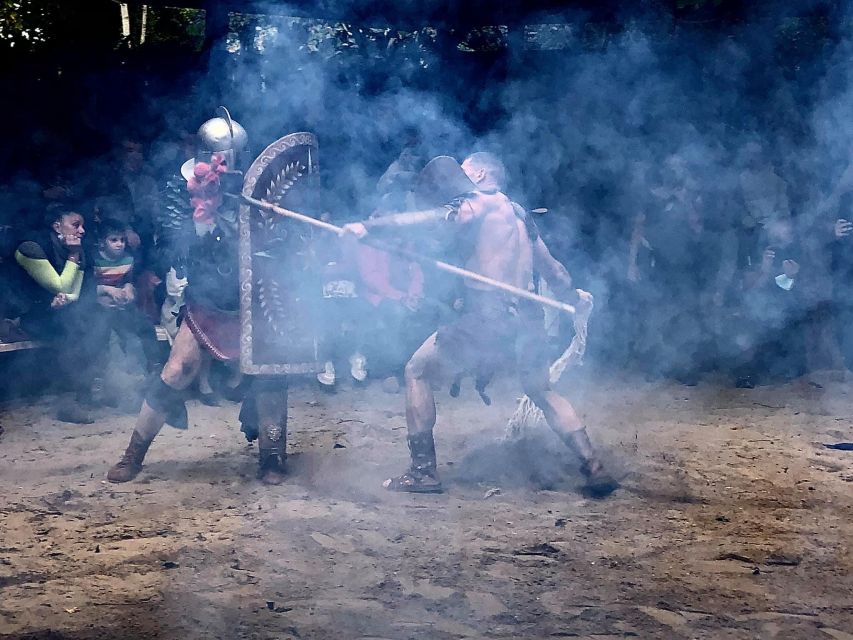
Reviewed · COLOSSEUM TOURS
Rome: Gladiator Show and Museum Tickets
Roman history hits differently at night.
This Rome experience is a full evening built around a nearby gladiator arena, not the same old Colosseum photo routine. I love the real reenactor energy and the way the night blends museum-style facts with fight-and-dance storytelling in an equipped arena setting. One thing to think about first is logistics: it is not in the middle of central Rome, so you’ll want a plan for getting there and especially for leaving after the show.
What I like most is that you do not just sit and watch. You start with a visit to the Museo storico, didattico del legionario romano, then shift into a show that includes gladiator fighting plus ancient dances and ritual-style segments. The cast also encourages questions and crowd involvement, so the evening feels social and easy to jump into.
The main drawback is location and afterward options. The area around the venue can feel isolated, and if you arrive late to dinner planning, you may end up relying on a taxi to get back to real restaurant choices.
Key things to know before you go
- Museum first at the Museo storico, didattico del legionario romano, so you get context before the arena moments
- Entrance around 20.45 with the event ending around 22.00, and the show portion running about an hour
- Show uses historical reenactors with real weapons and armour, and photos are encouraged
- Audience participation is part of the format, so you will not be a silent bystander
- Dates run May to September 2026, so timing matters for planning your Rome evenings
- Transportation is the trickiest part, since the venue is about 3.5 km from the Colosseum
Why this gladiator night feels different from a generic show
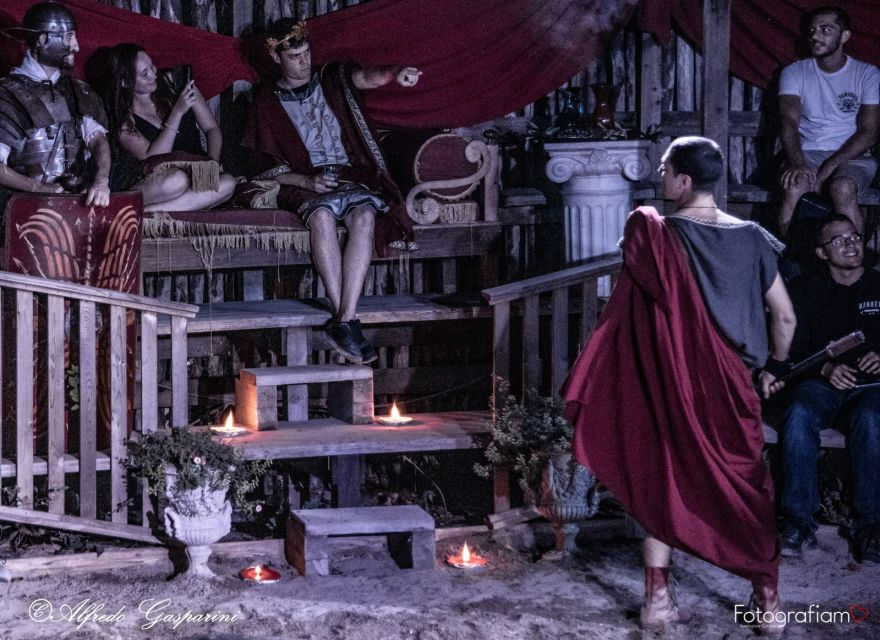
Rome has plenty of entertainment that borrows the look of the past. This one tries harder to recreate the rhythm of Roman spectacles, with music, lights, and effects that build toward a fight. It is set at the gladiators’ headquarters, in an equipped arena space, about 3.5 km from the Colosseum, which makes it feel like you are stepping into a working camp.
What works fast is the pacing. You do not just get a random sequence of stunts. The program flows from welcome and museum viewing into a performance that includes fighting and multiple forms of performance like dance and pantomime, plus ritual-style elements.
If you enjoy history but you also like an active night out, this hits a sweet spot. It is not pretending to be a full archaeological lecture. It is closer to a living evening show, where you learn by watching and asking.
A few more Rome tours and experiences worth a look



Entering the Museo storico del legionario romano before the show
The evening starts with the museum visit: the Museo storico, didattico del legionario romano. Think of this as your setup act, the part that helps you understand what you are about to see in the arena.
You arrive, get oriented, then spend time looking around the museum space before the main performance begins. This is especially helpful if you are going with kids, because they get a few anchors first. You’re not relying on costume alone to explain what is going on.
Even the way the evening is staged helps. Reviews repeatedly highlight that the museum portion feels engaging rather than boring. And since it happens before the fighting ramps up, you get a clearer picture of Roman legion life and the training concepts behind what you will watch.
My practical tip: if you want the museum time to actually stick, arrive a few minutes early when you can. The evening moves on a schedule, and the best explanations are the ones you can actually hear.
Armory cocktail time: a small break that makes the night feel complete
Right after the museum portion, you get a cocktail stop in the Armory of the Legion. The point is not a long meal. It is a breather, a chance to reset your attention, and it keeps the vibe Roman and theatrical.
Some evenings include Roman nibbles and wine-style refreshments during this armory segment, and one widely praised detail was a honey-forward wine served in a way meant to match Roman tastes. Even if your specific drink differs, the structure stays the same: you get a moment of hospitality before the arena gets loud.
This is also the time when the cast energy is at its friendliest. People mention being welcomed warmly and having opportunities to interact and ask questions, which helps if you do not know a ton about gladiator culture going in.
If you are hungry, do not plan on this being a dinner replacement. In the real world, you’ll want a proper meal either before heading over or after you finish.
The arena show: fights, ancient dances, Vestals rites, and pantomime
The main event is built like a Roman spectacle program. After the welcome and museum time, you shift into the arena experience with an organized sequence of performances.
Here’s what to expect in plain terms:
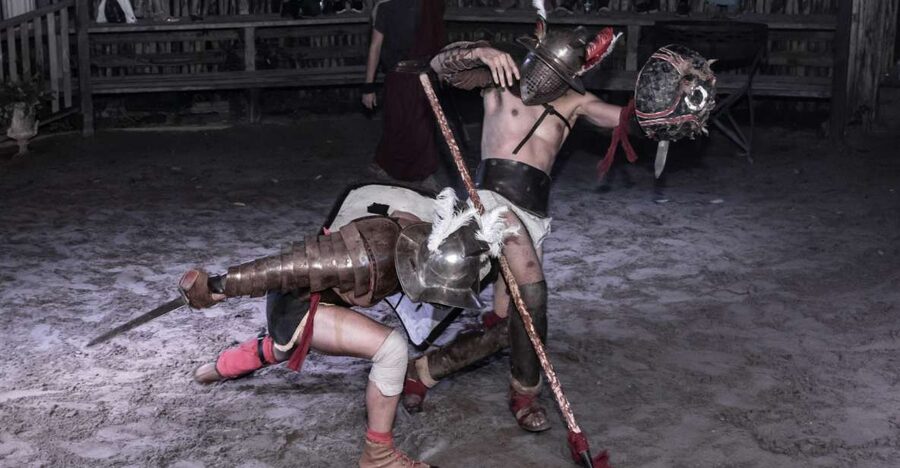
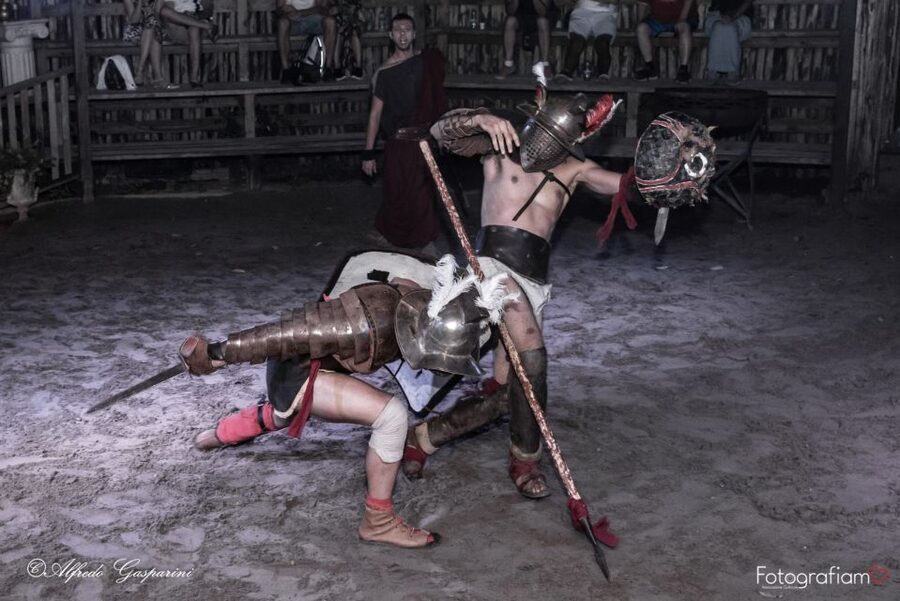
- Gladiator fight moments in the arena, with reenactors in armour and using real weapons
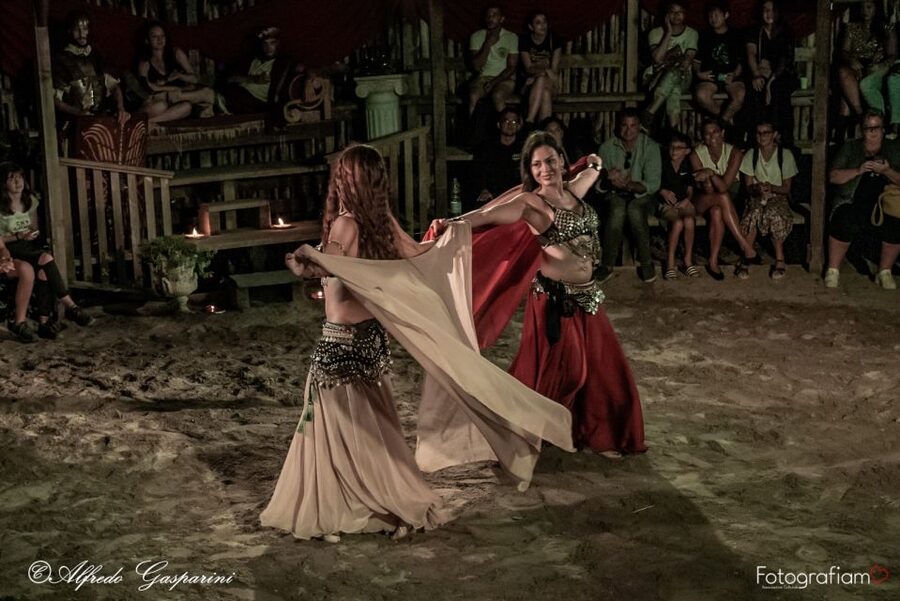
- Ancient dances, which add rhythm and variety rather than making the night only about combat
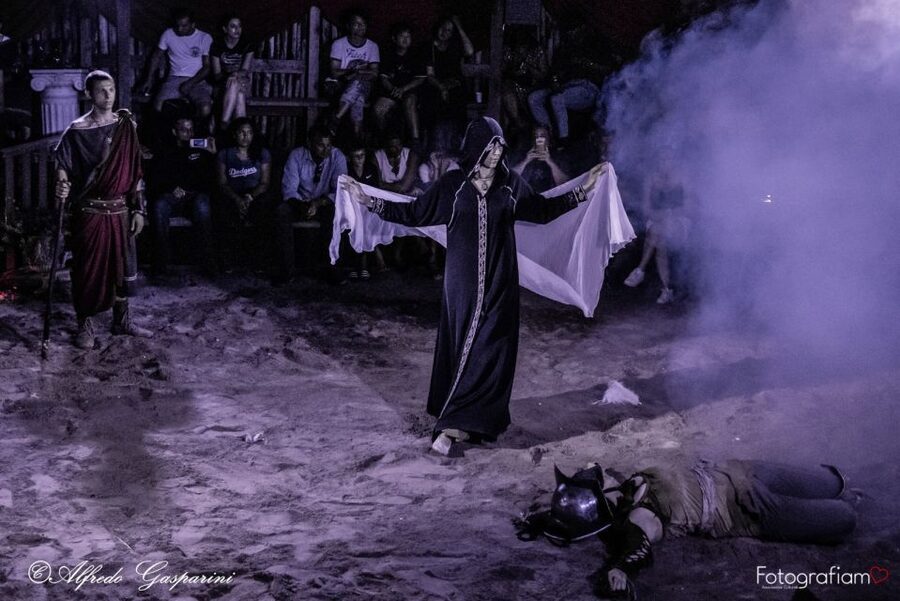
- Vestals rites as a ritual-style segment
- Pantomime to keep the show theatrical and story-driven
- Audience participation, where you will be pulled in at points rather than watching everything from the sidelines
Also, there is often a warm-up comedy-style act before the fighting. It can be funny, and it also serves a practical purpose. It gets the crowd comfortable, lowers the tension, and helps everyone buy into the format quickly.
One big reason people love this: the fight choreography feels intense. Some viewers even describe moments where it felt like the fighters were close enough that they wondered if it was real. That reaction is part of the appeal. The show is not shy about physicality, because the whole point is to recreate the drama of Roman games.
Audience participation: fun, social, and surprisingly well run
A lot of shows claim participation. This one actually builds it in.
The cast encourages the crowd to get involved, and the format includes moments where you can engage in ways that feel natural rather than forced. People mention being able to take photos and having the energy of the performers carry the interaction.
This is great if you travel with family. It keeps younger viewers from getting bored during museum time, and it gives adults something to do besides hold a phone up for an hour. It is also a good solo option, because you are not stuck quietly watching an entire evening alone.
Safety and comfort note: since the show uses real weapons and armour, pay attention to where you are asked to stand or move. For kids, choose a spot where they can see without being in the action zone.
You can also read our reviews of more museum experiences in Rome


Real weapons, real armour, and the value of reenactment style
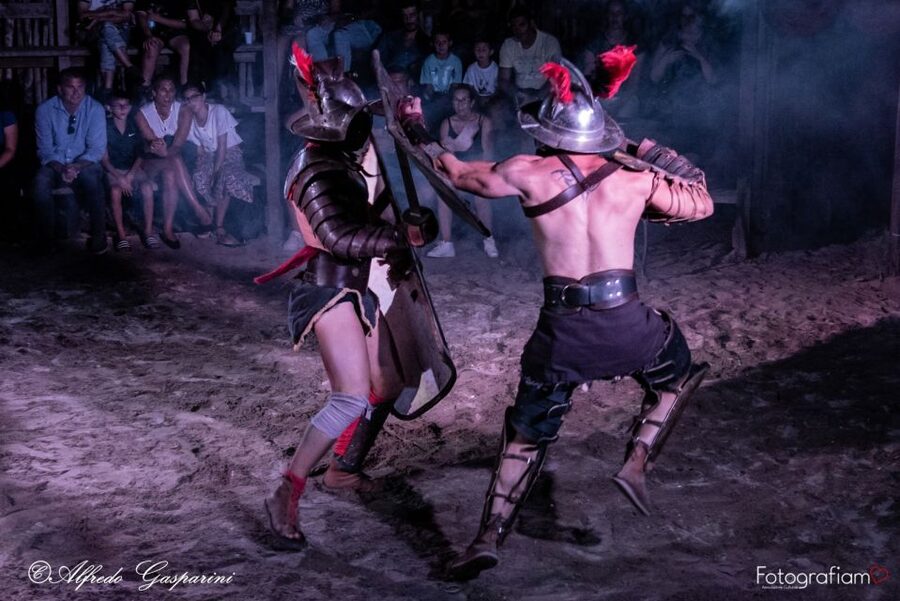
The show is performed by historical reenactors with real weapons and armour. That matters for two reasons.
First, it makes the visuals sharper. Costume and props are not just for decoration. Second, it adds weight to the performance. You feel like you’re watching trained performers, not just actors in themed clothing.
The reenactors also make space for questions. That is a small thing, but it changes the vibe. You leave with details you can actually use to interpret what you see later in Rome.
If you are a person who hates cheesy tourist theatre, take a careful look at what you expect. This show can be playful, and it uses humour as part of the pacing. But the core performances still aim for authenticity in the look and tone.
Price and value: $29 for a full evening package
At about $29 per person, this is priced like an entertainment add-on, but it includes more than a basic ticket to a stand-alone show.
You get:
- Museum visit (Museo storico, didattico del legionario romano)
- The arena show with multiple performance segments
- A cocktail stop in the Armory of the Legion
In a city like Rome, you’ll often pay similar money for something that is purely a performance with no context. Here, you get context first, then action, which makes the whole evening feel more rounded.
Is it the cheapest way to spend a night? Probably not. But it is one of the better options when you want value that includes both learning and entertainment.
Best value strategy: if you want the biggest impact per dollar, go on a night when you are not exhausted. One-and-a-half hours is long enough to get your money’s worth, but short enough that you still have time for a real Roman dinner after.
Getting there and leaving: buses, walking, and the after-show scramble
Location is the practical issue to plan around. The venue is roughly 3.5 km from the Colosseum, which is close enough to feel connected, but far enough that it is not a casual stroll in many cases.
Based on real experience from people who went:
- You can use buses 118 and 218, and the walk is about five minutes from the stop
- Taxi is a sensible backup, especially if you have mobility concerns or you are travelling in a group
- Walking from places like Termini is possible, but it can be tiring, and parts of the route can feel unfriendly for pedestrians
The bigger challenge is what happens when the show ends around 22.00. Some viewers point out that the area near the venue may not have services close by, and public transport options might be limited after the evening wraps.
Practical move: pre-plan dinner so you’re not hunting for food at the end. If you are worried about transport, ask about taxi options through the hosts. People report that the team helps make sure you get home safely.
Who should book this gladiator show, and who should skip it
This experience fits best if you:
- Want a fun family-friendly evening with audience participation
- Like performances that mix fight choreography with dance and theatrical segments
- Prefer a more active style of learning rather than reading wall text
- Are visiting Rome and want a night that feels like a Roman spectacle, not just a daytime museum shuffle
You might want to skip or think twice if:
- You only want a quiet, academic history experience and dislike playful comedy segments
- You strongly dislike settings where real weapons and armour are part of the performance tone
- You prefer everything to be inside the densest central Rome walking zone, with lots of late-night options nearby
Should you book this Rome gladiator show?
I think it is an easy yes if your goal is a memorable Roman evening that mixes context with theatre. The combination of the legion museum visit, the Armory cocktail stop, and an arena show that includes fighting plus dances is exactly what makes the $29 price feel fair.
Book it if you want something that feels authentic in spirit, with reenactors who put energy into the performance and who are ready to interact with the crowd. Just plan transportation and dinner ahead, because the location is a bit more out-of-the-way than Rome’s usual late-night hotspots.
If your schedule is flexible and you are travelling in peak months from May to September 2026, this is the kind of add-on that can become a standout night fast.
FAQ
What is the duration of the gladiator show and museum ticket?
The total experience runs about 1.5 hours.
Where do I meet for this activity?
Meet at Rome Gladiator School, also referred to as Gruppo Storico Romano.
What time does the event start and when does it end?
Entrance is listed for 20.45, and the event ends around 22.00.
How far is the venue from the Colosseum?
The arena headquarters is about 3.5 km from the Colosseum.
What’s included with the ticket?
You get a visit to the Museo storico, didattico del legionario romano and the gladiator show.
Are photos allowed during the show?
Yes. The reenactors use real weapons and armour, and you can take pictures.
Are there refreshments included?
There is a cocktail stop in the Armory of the Legion as part of the evening.
When does this activity run in 2026?
Shows run from May to September in 2026.
More Museum Experiences in Rome
More Tickets in Rome


More Tour Reviews in Rome

Not for you? Here's more nearby things to do in Rome we have reviewed









Colosseum Tours, compared.
 ★ 4.8Colosseum, Palatine Hill and Roman Forum Guided TourFrom $5232,814 reviews
 ★ 4.7Guided Tour of Colosseum, Roman Forum & Palatine HillFrom $5527,897 reviews
 ★ 4.2Colosseum & Forum with Audio Guide App -Optional ArenaFrom $4124,770 reviews
 ★ 4.5Colosseum, Roman Forum and Palatine Hill Guided TourFrom $5923,903 reviews
 ★ 4.4Colosseum, Forum & Palatine Hill Tour & Optional ArenaFrom $5813,839 reviews
 ★ 4.6Colosseum, Palatine Hill & Roman Forum Guided TourFrom $5112,703 reviews
 ★ 4.7Colosseum: Underground and Ancient Rome TourFrom $16012,691 reviews
 ★ 4.6Colosseum Arena, Palatine Hill & Forum Guided TourFrom $7310,584 reviews
Browse the lists this tour appears in