
Reviewed · FOOD & DRINK
Rome: Eat Like a Roman Ghetto & Campo de’ Fiori Food Tour
Rome tastes better with a local guide. This Campo de’ Fiori and Jewish Ghetto food walk pairs classic bites like supplì with the stories behind landmarks, and it is the kind of tour guides like Angelica and Giulia are praised for. I like the tight focus on Roman favorites, plus the way you move through neighborhoods such as the Jewish Ghetto without it feeling like a museum day.
One thing to consider first: it is not suitable for vegans and it is not set up for gluten-free diets. If you eat flexibly, you will be in great shape, but those restrictions matter.
Key highlights to expect on this Rome food and history tour
- Campo de’ Fiori market stop (morning tours only), including a local fruit market moment
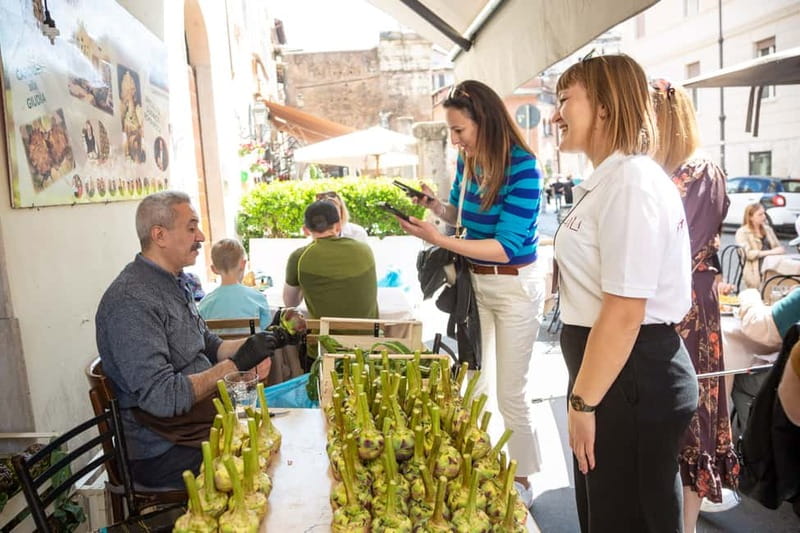
- Jewish Ghetto street food focus, with Carciofo alla Giudia (fried artichokes) on the menu
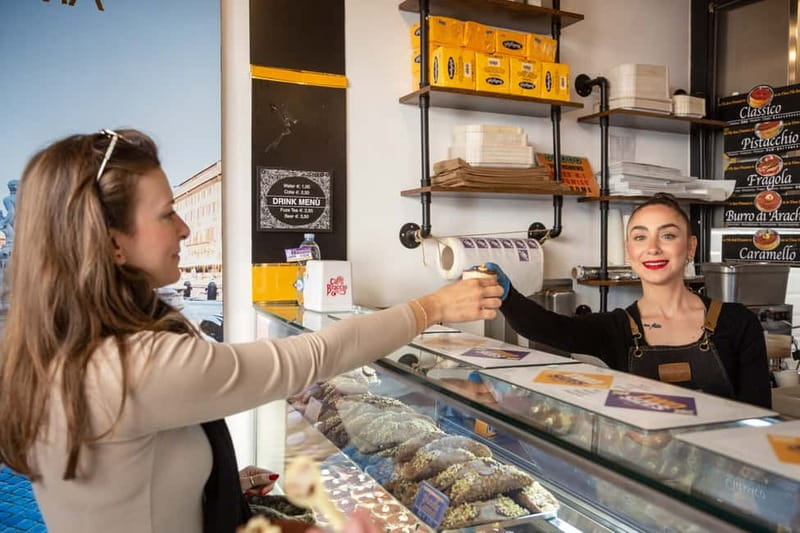
- Roman classics tastings, including supplì, pizza, and porchetta panini
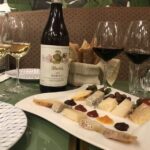
- Extra morning tasting for some departures: olive oil, truffle, and vinegar tasting
- Gelato finale near major sights, with a stop at Gunther Gelateria
- Historic walking route, featuring pass-by stops like Teatro Marcello and Largo di Torre Argentina
Starting in the center: Piazza di San Simeone to Campo de’ Fiori
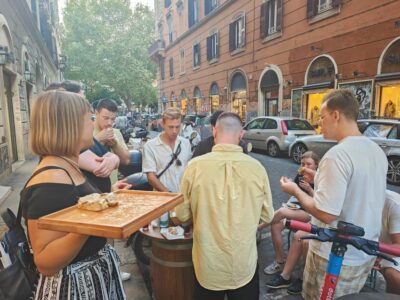
This tour is built for first-time Rome energy, the good kind. You meet your guide at the fountain in Piazza di San Simeone, then you head toward Campo de’ Fiori and the nearby old streets around Piazza Navona. The route is designed so food shows up early, not 90 minutes later.
As you walk, you pass sights without turning the day into a photo scavenger hunt. You might see the Chiostro del Bramante as a quick pass-by, then you are off to the first proper tasting stop at a local spot. I like that rhythm because it keeps your appetite from taking over the schedule.
Also, this is a licensed local guide experience. You are not just collecting bites, you are getting why-this-exists context as you go. Guides such as Claudio, Daniele, and Mateo di Marco are repeatedly praised for turning street scenes into stories you can actually remember.
You can also read our reviews of more food & drink experiences in Rome

Campo de’ Fiori: the market stop and why it matters
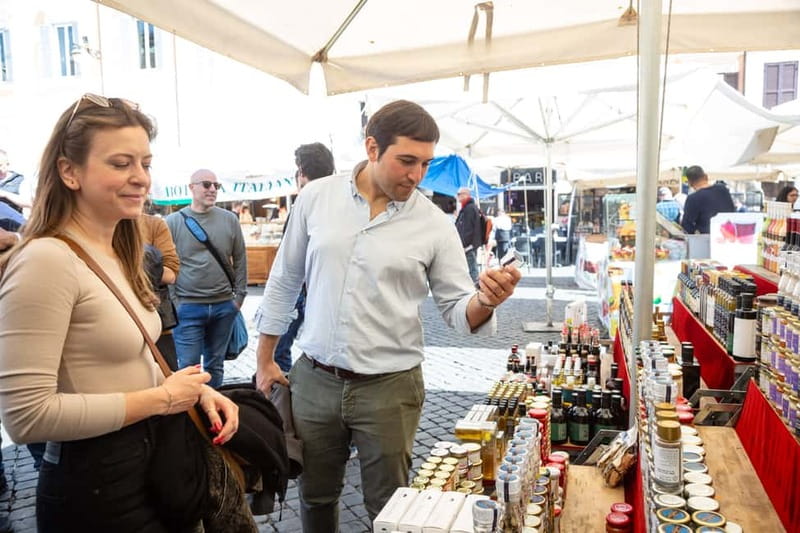
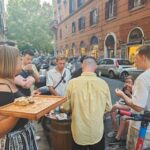
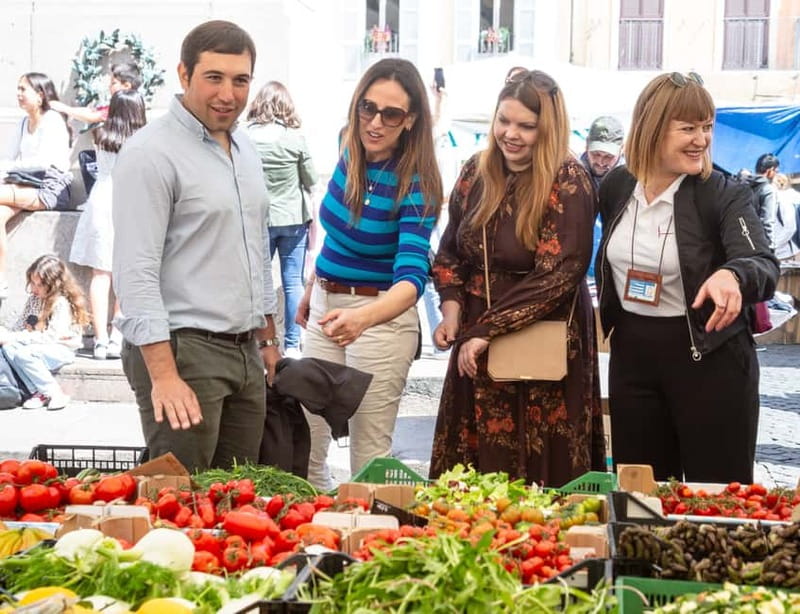
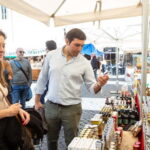
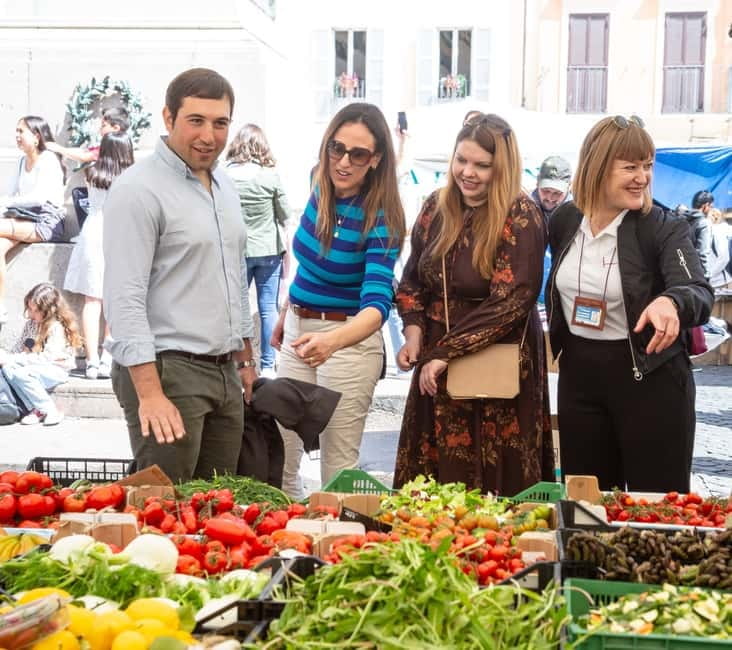
Campo de’ Fiori is famous for a reason, but the best part is what you learn to notice when you are there with a plan. Morning tours add a stop at the local market, including the fruit market. That market time is not just for browsing. It sets up the rest of the food tour by showing the kinds of ingredients and flavors Romans build into everyday eating.
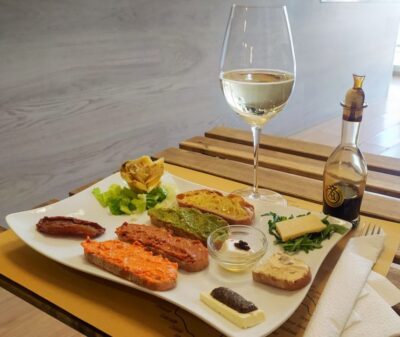
If you are doing the morning departure, you are also more likely to get that extra tasting layer: a sample of olive oil, truffle, and vinegar. Even if you think you already know Italian food, this is a helpful way to understand how Romans think about balancing richness (oil), aroma (truffle), and bite (vinegar).
On the walk itself, you also pass by key piazza moments like Piazza and Passetto del Biscione. These stops help you connect the food you are tasting to the streets you will later want to explore on your own.
The street-food lineup: what you actually taste
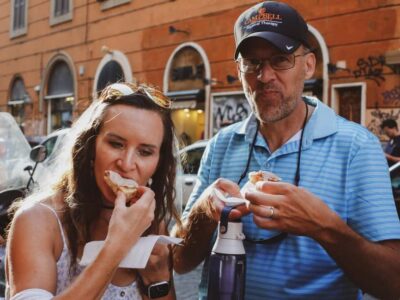
This is a street-food tour, not a sit-down dinner. The included tastings focus on Roman staples you can recognize quickly once you see them. The main items on the list are:
- Panini with porchetta
Expect a savory, pork-forward bite, usually served fast and meant to be eaten standing. Vegetarian options are available, so you are not stuck entirely on the sidelines.
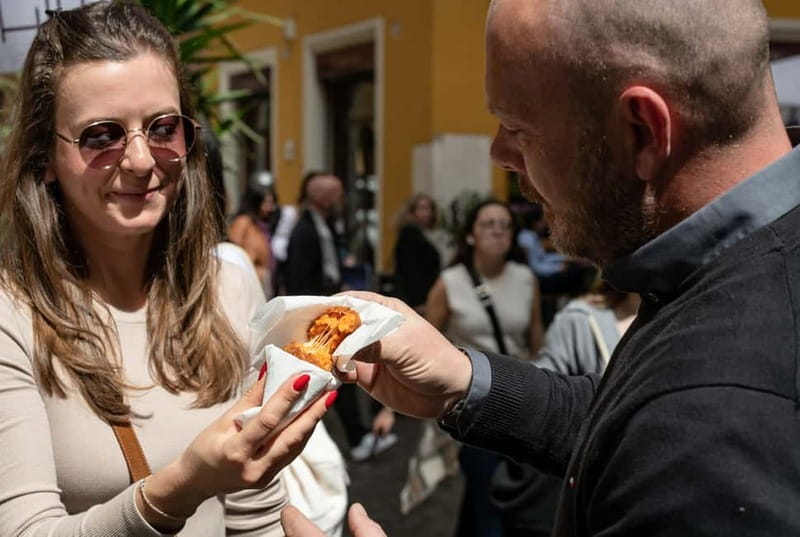
- Supplì (deep-fried rice balls)
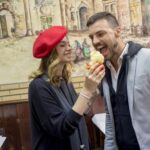
This is one of Rome’s most satisfying handheld foods. The outside is crisp, and the inside is all about the rice flavor, with that fried crunch you will be craving later.
- Roman-style pizza
You will get a slice format that makes sense for walking. This tasting helps you compare what you get in Rome versus what you might know from elsewhere.
- Carciofo alla Giudia (fried artichokes)
This is the signature Ghetto-style item. If you like crisp, savory snacks, this is usually the favorite. The texture is the headline, the taste follows.
- Artisanal gelato
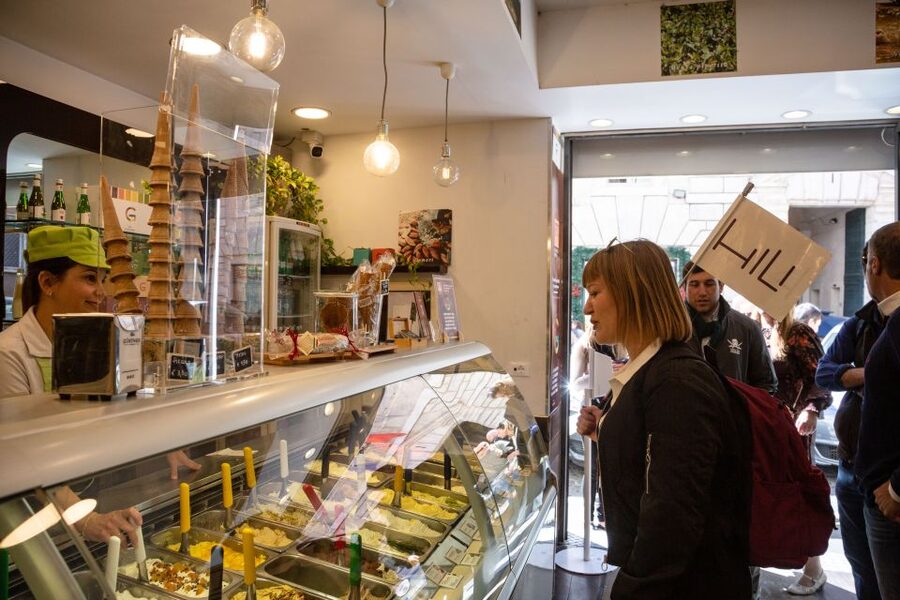
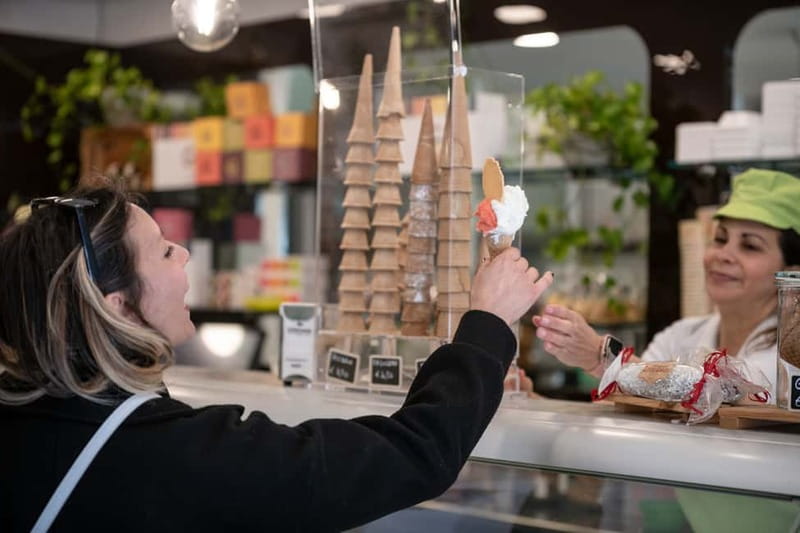
The tour ends with gelato near iconic landmarks, including a stop at Gunther Gelateria.
Morning tours also include an olive oil, truffle, and vinegar tasting. That is a nice add-on if you want to understand Roman flavor logic, not just eat your way through it.
One practical tip: eat slowly during tastings, even if your group is rushing. The fried items are hot and the gelato is cold, so pace yourself, or you will end up with a mouth that feels like it got into a fight.
Jewish Ghetto walking route: Portico d’Ottavia, fried artichokes, and small details
The Jewish Ghetto portion is where the tour becomes more than just food. You walk through the area and spend a dedicated stretch there, with tastings tied to the local culinary tradition. The big food moment is Carciofo alla Giudia, the famous fried artichoke.
But the value is how the guide connects the neighborhood to what you see. You pass by landmarks such as Portico d’Ottavia, and you might notice the Turtle Fountain. These details matter because they help you stop thinking of the Ghetto as a single sight and start seeing it as a real place with identity.
The guide also layers in stories, and that is where names like Julia, Fiammetta, and Alessandria come up in feedback for doing history in an easy, human way. You get to ask questions, and you are not treated like you are slowing down the group.
If you care about food culture, this is the section to pay attention to. Street food here is not random snacking, it is part of how communities survive, adapt, and express themselves.
History on the route: Julius Caesar, Largo di Torre Argentina, and Teatro Marcello
Roman food and Roman history travel together whether you want them to or not. This tour gives you the history at a manageable pace, tied to what you are looking at.
One standout story is the tour’s mention of the murder of Julius Caesar. You also pass by or near major historic zones, including Largo di Torre Argentina, which is linked to Caesar’s assassination site. The walk also includes Teatro Marcello as a pass-by, plus Pantheon as another pass-by sight.
I like this approach because it avoids the trap of doing history as pure facts. Instead, it gives you a thread: this street, then this event, then how the city’s identity keeps showing up in daily life and food choices.
You may also get a fun street moment, including mention in feedback of a talking statue stop. Even if you know about it already, it is a great way to break up the seriousness without losing the vibe.
A few more Rome tours and experiences worth a look



Morning tour perks: Campo de’ Fiori market and flavor tastings
If you can, I think you should try to book a morning tour. The itinerary makes morning departures special because of the stop at the market and the added tastings.
Morning tours can include:
- a stop at the local fruit market in Campo de’ Fiori
- an olive oil, truffle, and vinegar tasting
That olive oil truffle vinegar stop is the kind of thing that changes how you read menus later. You start noticing whether a dish is meant to be rich, bright, sharp, or aromatic. And when you are in Rome, those differences show up fast.
If your schedule only allows an afternoon start, you still get the core street-food route. You just miss the market time and the extra pairing tasting.
Gelato finale near the landmarks: Gunther Gelateria moment
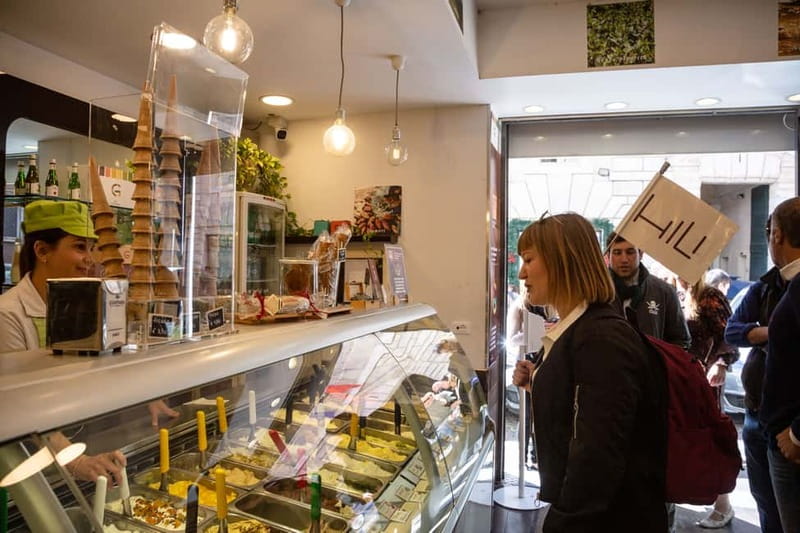
You end with artisanal gelato, and the tour includes a stop at Gunther Gelateria. This is the perfect final note because it resets your palate after fried foods. It also gives you a sweet reward that feels tied to the route, not tacked on at the very end.
You will also be finishing in the central area around Piazza di S. Eustachio. That matters because it makes it easy to continue your day on foot. You are not sent out to the edge of town with a single frozen cup as your last memory.
If you are gelato indecisive, plan for one simple approach. Pick the flavor you think you will crave later, not the flavor that sounds most complicated. Rome is not a place for decision fatigue.
Price and value: $36 for a 2.5-hour food route
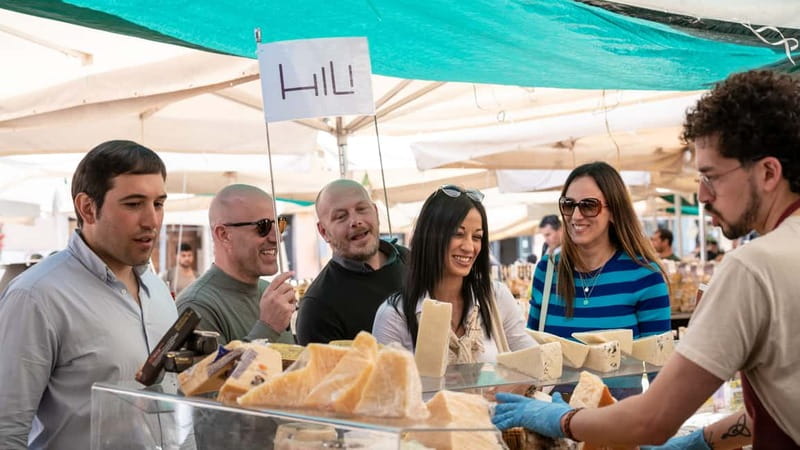
At $36 per person for about 2.5 hours, the value comes from two places: the guided walking element and the number of tastings included. This is not just a sample platter in a classroom. You get five tastings plus a guide who keeps the food connected to the streets and landmarks you are seeing.
You are also getting access to spots you might not find quickly on your own, especially around the Jewish Ghetto and the specific Roman snack culture. Street food is great, but it is even better when you are not guessing what is actually worth your money.
One note on budgeting: drinks are not included. You will likely want water, especially in warmer months. Set aside a bit extra so the tour does not turn into a drink-hunting mission at the worst possible time.
Practical logistics: pacing, meeting point, and comfort level
This is a walking tour, so wear shoes you can trust. The itinerary includes multiple stops that are quick (some around 10 to 20 minutes), plus several pass-by sights. It works well for people who like to move, eat, and look without doing long sit-down breaks.
Your start is clearly marked: the guide meets you at the fountain in Piazza di San Simeone. The walk concludes around Piazza di S. Eustachio, based on the route outline.
Good to know:
- The tour is English language with a live guide.
- It is listed as wheelchair accessible.
- The experience is not suitable for vegans and not suitable for people with gluten intolerance.
- Vegetarian options are available.
If you have allergies or dietary restrictions, tell the guide in advance. The tour is not positioned for deep accommodation, but it does ask you to flag needs so they can handle it.
Who this tour is best for, and who should skip it
I would book this if you want:
- a Roman street-food sampler in one focused walk
- a history layer that stays connected to real neighborhoods
- a guide who can turn landmarks into plain stories you will remember later
It is also a good choice early in your trip. You leave with a mental map, not just a satisfied stomach. Guides like Claudio, Julia, and Fiammetta are frequently praised for recommendations after the tour, which helps you plan where to go next.
I would skip it if:
- you need a gluten-free diet
- you are vegan
- you dislike eating a mix of hot fried items and cold gelato back-to-back
If you are vegetarian, it can still work well, since vegetarian options are available. Just be clear with the guide about what you can and cannot eat.
Should you book this Rome food and history tour?
I think you should book it if you want one efficient, central walk that hits Roman food classics and then adds real neighborhood context in the Jewish Ghetto. The $36 price lands as good value because you are paying for a guide plus multiple tastings, not just snacks.
The decision comes down to diet fit. If you are comfortable with dairy and gluten, and you eat mixed foods, this tour is an easy yes. If you are vegan or gluten intolerant, look for a different format that can truly handle your needs.
If you are ready for a short, story-filled sprint through Rome’s most snackable corners, this one is worth your morning or evening time.
FAQ
What is the duration of the Rome Eat Like a Roman Ghetto and Campo de’ Fiori food tour?
The tour lasts about 2.5 hours.
Where do I meet the guide?
Meet your guide at the fountain in the center of Piazza di San Simeone.
What is included in the price?
You get a guided walking tour in the city center, 5 delicious food tastings, a visit to Campo de’ Fiori and the Ghetto area, and a local tour guide.
Are drinks included?
No, drinks are not included.
What food will I taste on the tour?
Tastings include panini with porchetta, supplì, Roman-style pizza, fried artichokes (Carciofo alla Giudia), and artisanal gelato. Morning tours also include an olive oil, truffle, and vinegar tasting.
Are there vegetarian options?
Yes, vegetarian options are available.
Is the tour suitable for vegans?
No, it is not suitable for vegans.
Is the tour suitable for gluten intolerance?
No, it is not suitable for people with gluten intolerance.
Is the tour wheelchair accessible?
Yes, it is listed as wheelchair accessible.
What language is the guide?
The tour is guided in English.
More Food & Drink Experiences in Rome

More Tours in Rome



More Tour Reviews in Rome
Not for you? Here's more nearby things to do in Rome we have reviewed








Food & Drink, compared.
 ★ 4.8Trastevere or Jewish Quarter Street Food TourFrom $513,839 reviews
 ★ 4.9Trastevere & Campo de Fiori Street Food Walking TourFrom $512,768 reviews
 ★ 4.8Guided Food Tour in TrastevereFrom $1122,266 reviews
 ★ 4.8Food Tour with Unlimited Food and Barolo WineFrom $861,883 reviews
 ★ 4.9Appian Way E-bike Tour with Catacombs, Aqueducts & FoodFrom $961,210 reviews
 ★ 4.9E-Bike Night Tour with Food and Wine TastingFrom $891,131 reviews
 ★ 4.9Trastevere Guided Food and Wine Tour with 20+ TastingsFrom $1461,022 reviews
 ★ 4.9Pasta Making with Wine Tasting and Dinner in FrascatiFrom $35979 reviews
Browse the lists this tour appears in