
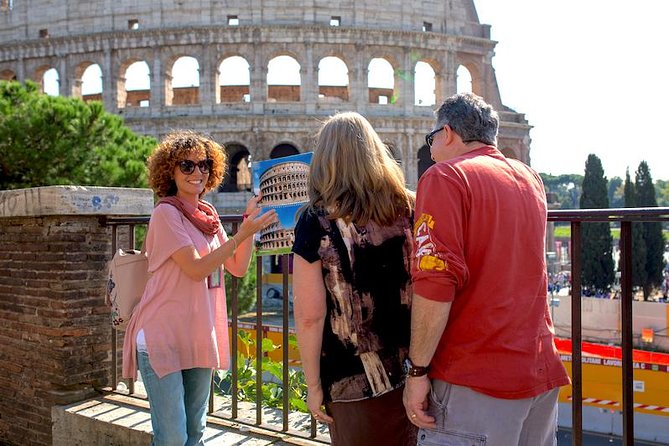
Reviewed · COLOSSEUM TOURS
Rome: Colosseum, Roman Forum and Palatine Hill Private Tour
Three hours, one classic Roman power move.
I love the skip-the-line entrance, because it turns the Colosseum from a waiting game into a start-fast moment. I also love the private guide angle, the kind where you get real answers and smart routes instead of just wandering. One possible drawback: at this pace, you may not have time to linger everywhere, and a couple spots can end up closed when you arrive.
This is a tight route through the places you keep seeing in photos, plus the context that makes those stones feel like a living city. You’ll meet at the exit of Caffè Roma (Via del Colosseo, 31) and finish back in the same Colosseum-area zone, with the tour ending listed as Largo Corrado Ricci. Wear comfortable shoes. You’ll be moving.
Key things to know before you go
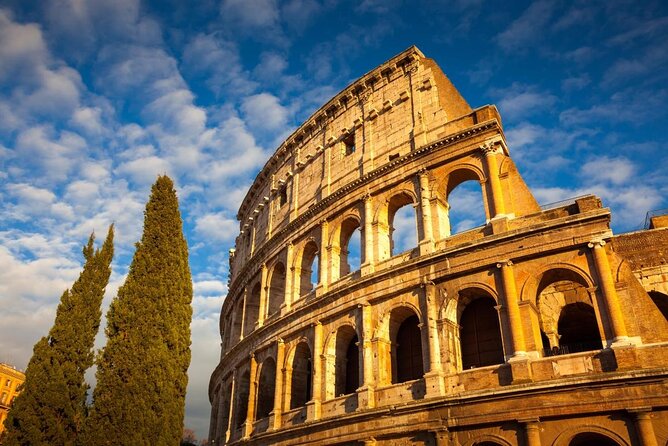
- Fast entry to the Colosseum so your morning or afternoon doesn’t get eaten by lines
- A Roman-history guide in a private setting, with time for questions, not a lecture rhythm
- Roman Forum focus on real-world politics and daily life, not just pretty ruins
- Palatine Hill and the emperors’ homes, where power lived above the city
- Raphael and Julius II show up in the Palatine area, tying Renaissance art to ancient Rome
- Expect a lot of ground in 3 hours, so it’s best if you’re okay with a well-paced visit
The route that makes ancient Rome click in 3 hours
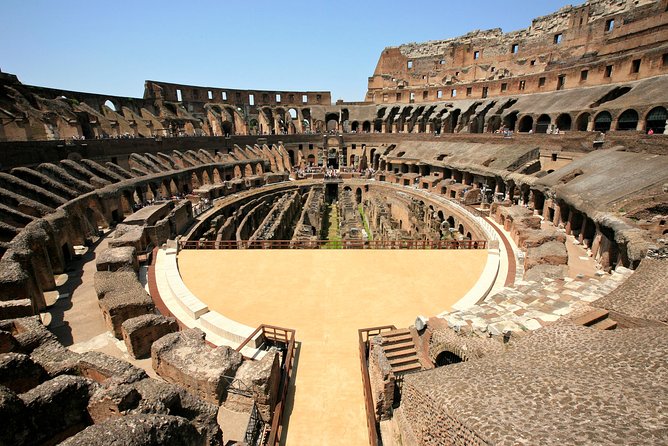
This tour is built around a simple idea: start at the biggest headline site, then walk the political and residential story that surrounds it. You begin at the Colosseum, move to the Roman Forum, then finish on Palatine Hill. The total time on site is tight but workable, especially with reserved access and a guide who knows where to stand and what to prioritize.
The schedule is also human. You get photo stops, but you also get actual guided time: about 1.5 hours at the Colosseum, then 45 minutes at the Forum, then 45 minutes on Palatine Hill. That middle chunk matters. Many self-guided visits turn the Forum into a confused ruin walk. Here, it’s framed as the beating heart of the Roman Republic, with the right stories attached.
One more practical note: this isn’t a “hang out on benches for hours” style tour. You’ll be walking, stopping, and looking up. Go in with comfy shoes and realistic expectations for how much you can absorb in a short window.
You can also read our reviews of more private tours in Rome

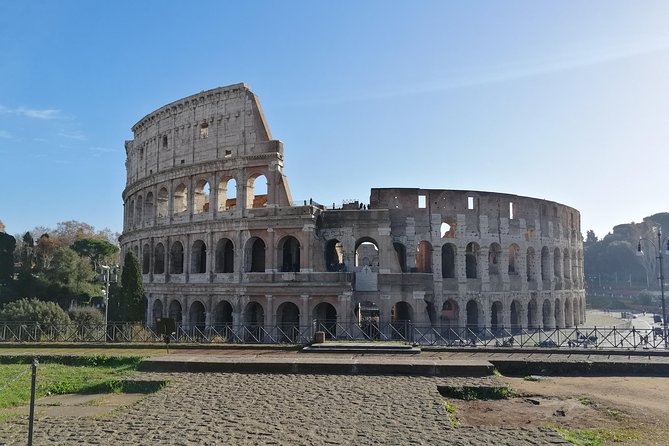
Entering the Colosseum: quick access, better perspective
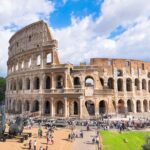
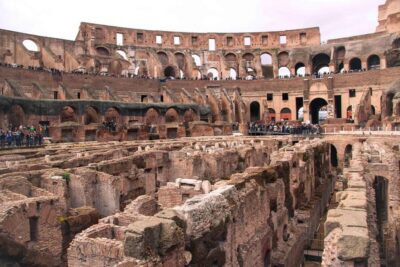
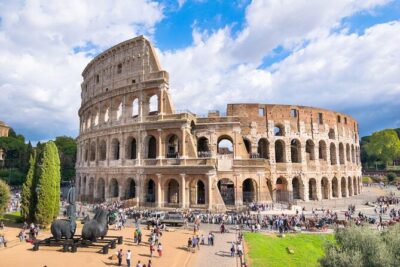
The Colosseum is the obvious stop, but what makes the experience worthwhile is the way you enter and how the guide helps you read the site. With skip-the-line entry, you bypass the worst of the crowd crush, and that alone can change your mood. Instead of feeling rushed by your place in line, you can focus on understanding what you’re seeing right away.
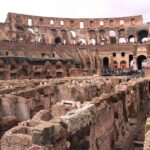
Inside, the guide spends about 1.5 hours orienting you. You’ll hear how this arena connects to the Flavian Dynasty, and you’ll get the broader picture of why the Colosseum became such a symbol. The guide also helps you spot the points where the architecture starts to tell a story, not just look impressive in a photo.
If you’re the type who wants a “why” behind the “wow,” this is where a private guide earns its keep. You don’t just stand and rotate for pictures. You learn what mattered, what was staged, and what people would have felt when the place was alive with noise. The Colosseum can feel overwhelming on your own. With guidance, it becomes more structured and easier to follow.
Photo stops are included, which is good because you’ll want a few angles. But the real value is that your guide keeps you moving with purpose, so you don’t lose time staring at the first view you find.
Roman Forum: the Republic’s political street you can walk through
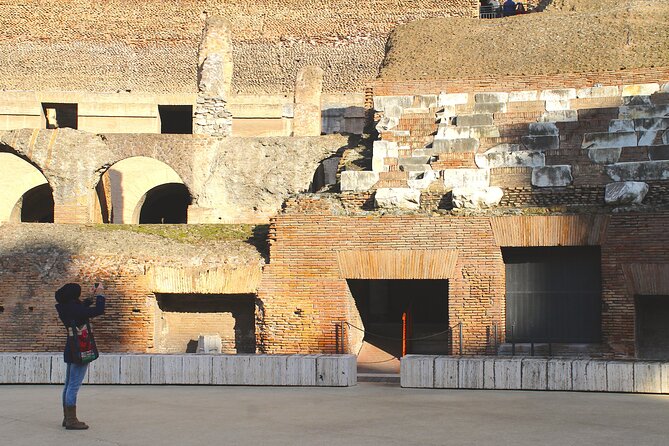
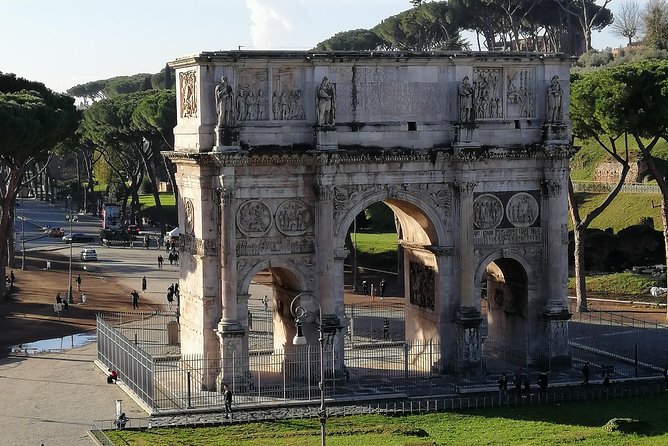
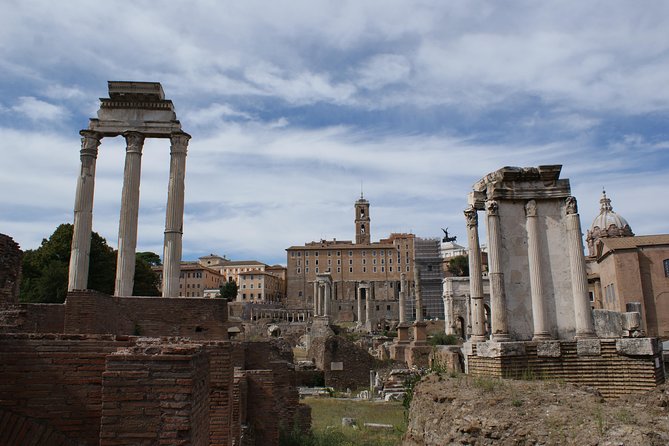
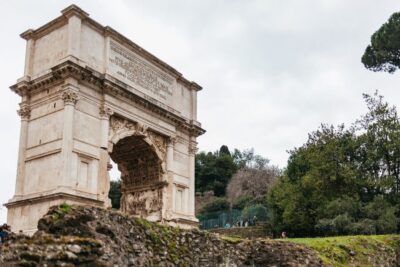
After the Colosseum, the tour shifts gears. The Roman Forum is where Rome’s public life happened, and it’s also where many visitors get lost. It’s easy to see temples and arches and assume it’s all ceremonial. The guide helps you understand it as the political, social, religious, and economic heart of the Roman Republic.
You’ll spend about 45 minutes here, including a photo stop and guided exploration. That’s long enough to build a mental map. You’ll hear how the Forum functioned as a meeting place for senators, soldiers, orators, and ordinary people connected to power. You’ll also look for the kinds of remnants that show how worship and public life overlapped, since the Forum still contains traces of ancient places of worship.
Here’s the practical upside of having a guide: you’ll know what to pause for. Without help, you might wander past the most meaningful bits while your eyes chase the biggest-looking stones. With a plan, you can understand why certain areas mattered and what each ruin likely represented in its time.
The downside is the Forum is big and layered. In a 45-minute guided window, you get highlights. You do not get every corner. If you’re a serious Forum superfan, you may want a longer second visit later. But for most first-timers, this timing is the sweet spot between “too short” and “too scattered.”
Palatine Hill and the Palace of the Emperors, plus Raphael
Palatine Hill is Rome’s “where the emperors lived” chapter, and it often steals the show because it feels more intimate than the Colosseum. You’ll spend about 45 minutes on Palatine Hill, again with a photo stop and guided time.
This area is tied directly to imperial power. The guide points out how the emperors lived here, and you’ll get to see the Palace of the Emperors area. It’s not just a viewpoint. It’s a story about rule and residence, and it helps connect the political scene of the Forum to the homes, offices, and prestige of the top tier.
One of the more interesting highlights is the mention of the apartments that Raphael painted for Julius II. That’s a smart cultural bridge. You go from ancient power to Renaissance interpretation, and suddenly Rome feels like one long conversation between eras, not a pile of separate time periods.
Because the time on Palatine Hill is shorter, your guide will likely steer you to the best sections to see the scale and the key remains. If you love panoramic views, you’ll appreciate that you’re ending with a place that naturally invites looking outward, not just reading ruins.
If your energy is limited, Palatine Hill can be the most rewarding part to enjoy with a little patience. It’s also a good place to ask your guide one of those questions you’ve been saving all morning, like how the sites connect, or why Rome’s power structure evolved.
Why the private guide matters more than you expect
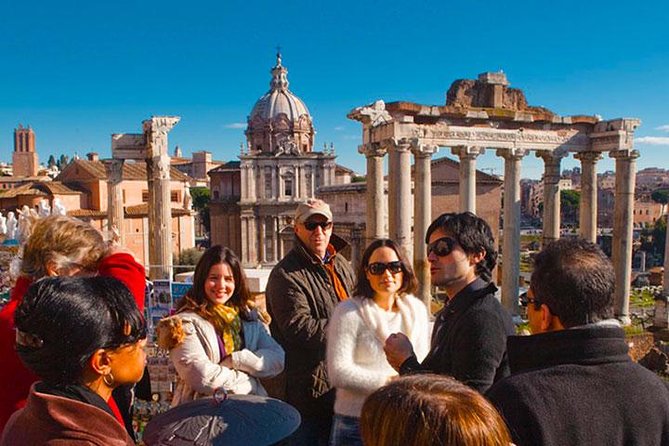
A private tour isn’t automatically better. But here, it actually changes the experience. The main reason is simple: the Colosseum and Forum are where crowds and confusion waste time. A guide helps you keep momentum and makes the stones intelligible.
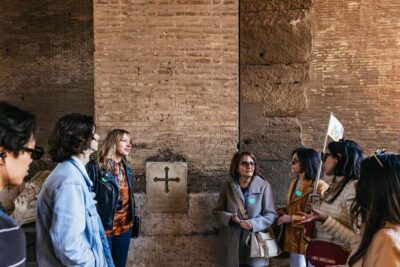
In the strong word-of-mouth around this tour, specific guide styles get praised. You’ll see names like Fabio highlighted for engaging storytelling and for managing mixed ages in a group. Rosella is called out for helping people get around crowds quickly. Yevgen shows up repeatedly for making navigation easier and for creating the kind of context that makes the sights feel less like random ruins. Giuseppe is praised for detailed explanations and even tailoring moments when someone had back problems and needed frequent stops. These aren’t tiny details. They point to a real skill set: crowd-smart timing plus clear explanations.
So what does that mean for you? It means you’ll spend less time bargaining with your own attention span. You’ll stand at the right spots. You’ll hear the right connections. And you’ll have a human who can answer your specific questions rather than forcing you into a group pace.
This also helps on the “first day in Rome” factor. The Colosseum area is visually dramatic but mentally chaotic. With a guide, you get your bearings fast, and the rest of your trip feels easier afterward.
Language options also matter. This tour lists Spanish, Dutch, English, French, German, Italian, Japanese, Russian, and Abkhazian. If you’re traveling with family or want comfort in your own language, that’s a genuine quality-of-life boost.



Price and value: what you’re really paying for
The price shown is $514.93 per group up to 1, and the duration is 3 hours. That can sound steep if you’re thinking like a museum ticket shopper. But this isn’t just admission. You’re paying for reserved entry to multiple sites plus a private guide covering the connections between them.
The value angle is strongest if any of these are true for you:
- You want to maximize a limited time window.
- You dislike losing time to crowd chaos.
- You learn better with a guided narrative than with a guidebook.
- You want your questions answered in real time.
Skip-the-line access matters here because the Colosseum can be slow and sweaty in ways that sap your attention. When you cut waiting time, the day feels less like logistics and more like discovery.
Also, you’re not paying for one building. You’re getting a coordinated route that ties together the Colosseum, the Forum, and Palatine Hill. That’s a practical advantage. If you try to piece this together on your own, you’ll spend extra time deciding where to go and how to interpret what you’re seeing.
So, is it worth it? For many solo travelers and couples, yes, especially if you care about understanding the big picture. If you’re the kind of traveler who only wants open-ended wandering and doesn’t care much about context, you might find the cost harder to justify.
Timing, walking comfort, and the one logistics check
This tour is short by design, so you’ll want to start your day ready to move. The simple rule: comfortable shoes. There’s no getting around that. Even with skip-the-line entry, the sites involve plenty of walking and repeated stops.
One more logistics detail: you’re not supposed to bring luggage or large bags. If you’re traveling with more than a daypack, plan to store big items before heading to the meeting point.
Now, about mobility. The activity info lists wheelchair accessible, but an additional note says it’s not suitable for wheelchair users. That contradiction is exactly the kind of thing you should confirm before booking. Don’t assume one note cancels the other. Ask the operator directly what the workable route is for your specific mobility needs.
For heat and crowd comfort, timing helps. Late morning or afternoon can still be crowded, but you may find it less punishing than the earliest opening rush, depending on season. If you can choose a start time, pick one that matches your tolerance for standing and sun.
Should you book this private Colosseum, Forum and Palatine tour?
I’d book it if you want a first-time Roman day that feels organized, explained, and efficient. The combination of private guidance and skip-the-line entry is the core win. You’ll come away with a clearer sense of how the Colosseum, the Forum, and Palatine Hill connect, instead of just collecting a stack of photos.
I’d hesitate if:
- You’re traveling with a tight budget and can accept waiting in lines.
- You want lots of free time to linger at every corner with no structure.
- You have mobility needs and want certainty about the route, given the mixed wheelchair notes.
If your goal is to see the big three and actually understand them, this is a strong pick. Start your trip with a guide who can help you read Rome’s power story in one compact afternoon, then use that foundation to explore the city at your own pace.
FAQ
How long is the Colosseum, Roman Forum and Palatine Hill private tour?
The tour duration is 3 hours.
Where do I meet, and where does the tour end?
You meet at the exit of Caffè Roma, Via del Colosseo, 31, 00184 Roma RM, Italia. The tour finishes in the Colosseum area, and the end location is listed as Largo Corrado Ricci, with the activity also described as ending back at the meeting point.
Is skip-the-line entry included?
Yes. Skip-the-line tickets are included.
Is this tour private?
Yes, it is a private group tour.
What languages are available for the guide?
The guide languages listed are Spanish, Dutch, English, French, German, Italian, Japanese, Russian, and Abkhazian.
Is the tour wheelchair accessible?
Wheelchair accessible is listed, but there is also a note stating it is not suitable for wheelchair users. It’s best to confirm the practical route with the operator before booking.
What’s included, and what’s not included?
Included: entry to the Colosseum, Roman Forum, and Palatine Hill, plus a private guide. Not included: hotel pickup and drop-off, and food and drinks.
Are luggage or large bags allowed?
No. Luggage or large bags are not allowed.
More Private Tours in Rome
More Tours in Rome
More Tour Reviews in Rome
Not for you? Here's more nearby things to do in Rome we have reviewed





Colosseum Tours, compared.
 ★ 4.8Colosseum, Palatine Hill and Roman Forum Guided TourFrom $5232,814 reviews
 ★ 4.7Guided Tour of Colosseum, Roman Forum & Palatine HillFrom $5527,897 reviews
 ★ 4.2Colosseum & Forum with Audio Guide App -Optional ArenaFrom $4124,770 reviews
 ★ 4.5Colosseum, Roman Forum and Palatine Hill Guided TourFrom $5923,903 reviews
 ★ 4.4Colosseum, Forum & Palatine Hill Tour & Optional ArenaFrom $5813,839 reviews
 ★ 4.6Colosseum, Palatine Hill & Roman Forum Guided TourFrom $5112,703 reviews
 ★ 4.7Colosseum: Underground and Ancient Rome TourFrom $16012,691 reviews
 ★ 4.6Colosseum Arena, Palatine Hill & Forum Guided TourFrom $7310,584 reviews
Browse the lists this tour appears in