
Reviewed · COLOSSEUM TOURS
Rome: Colosseum, Arena and Palatine Hill Small-Group Tour
Arena time in Rome beats the view from above. This small-group Colosseum tour takes you beyond the usual photo stop, onto the arena floor where the drama actually happened.
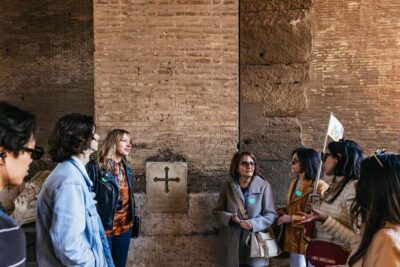
I love the route, because you don’t just wander around the outside walls. You enter the ancient amphitheatre and walk out onto the arena floor through the Gladiator’s Gate, the way gladiators themselves would have gone. I also like the human side, the tour is led by a fully licensed local expert who can answer questions and keep the story moving without turning it into a lecture.
One thing to consider is the time split. You cover a lot in 3 hours, so if you want extra minutes specifically in the Roman Forum, you may find the pacing a touch tight.
Key takeaways before you go
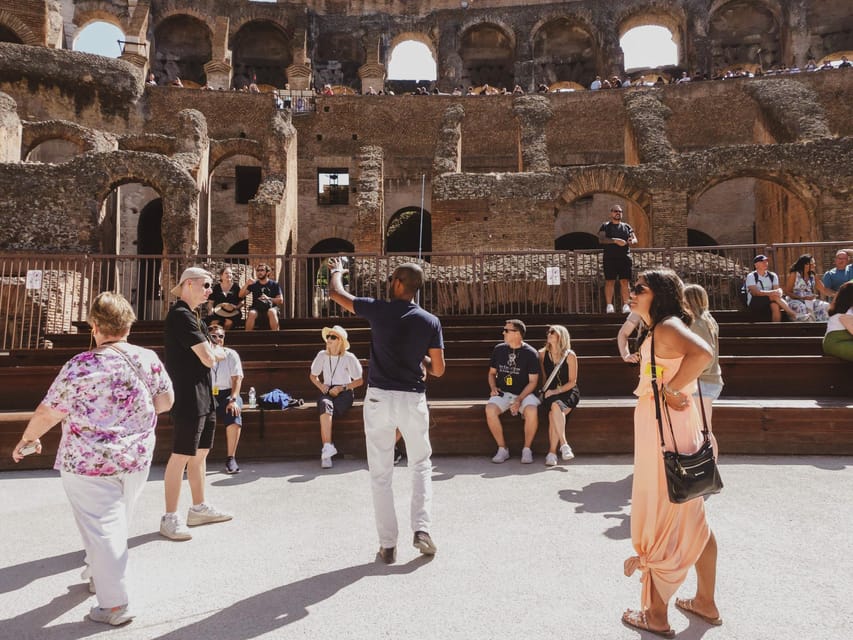
- Arena floor access through Gladiator’s Gate, so you stand where the fighters stood, not just where you can photograph from the stands
- Palatine Hill in 30 minutes, enough time to grasp why emperors chose this spot for power and luxury
- Roman Forum as the finish point, with a guided walk through the ruins that shaped everyday Roman life
- Headphones are included, which helps you hear your guide clearly even when crowds thicken
- Small group feel, often around a dozen or so, making it easier to ask questions and get better attention
Stepping onto the Colosseum arena through the Gladiator’s Gate
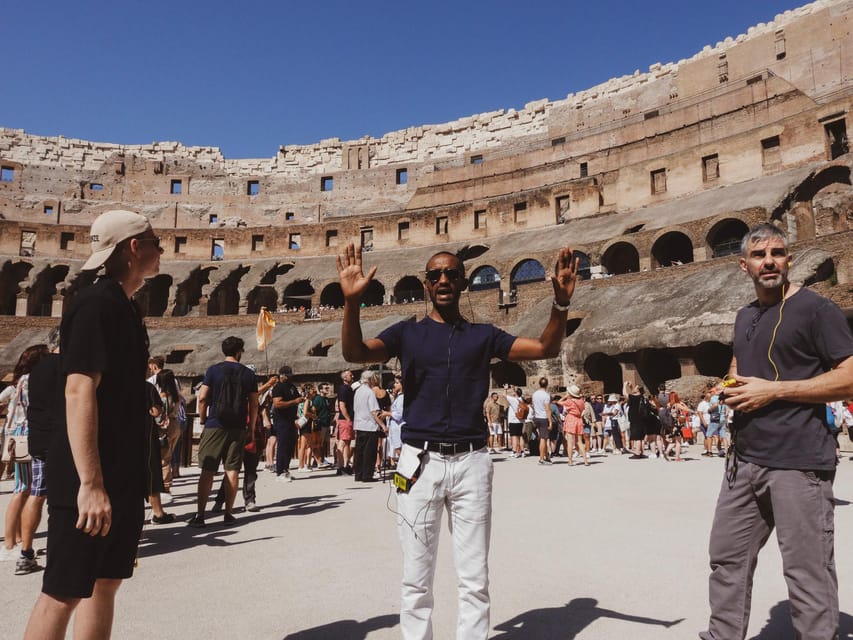
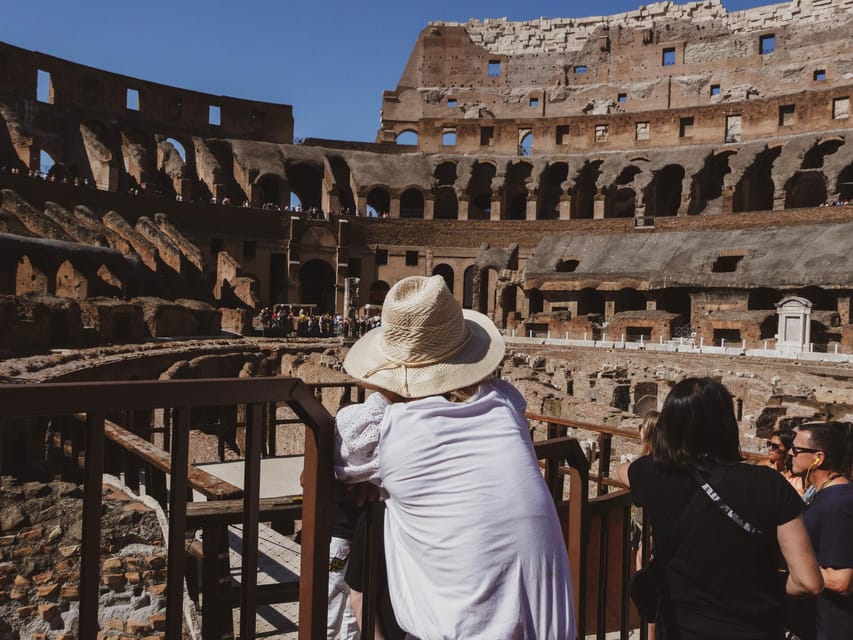
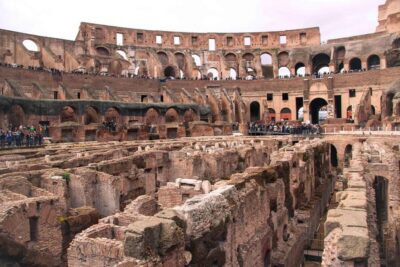
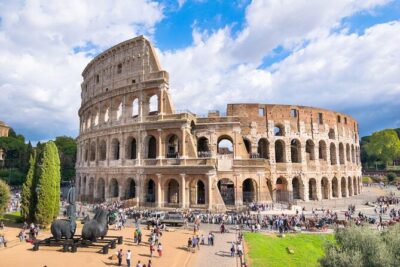
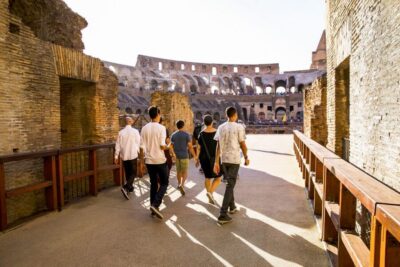
The Colosseum hits different when you’re on the arena level. From the outside, it looks massive. From inside, it feels engineered for spectacle, like a purpose-built machine for crowd emotion.
What makes this tour special is the entry approach. You get taken inside and then sent out onto the arena floor through the Gladiator’s Gate. That detail matters because it changes your mental map. You start seeing the site as a set of routes and staging points, not just one big ruin.
You’ll also spend guided time in the Colosseum itself, about one hour. In that window, your guide connects the big image to the smaller cues, like how the amphitheatre functioned as a political stage, not only entertainment. The guide’s job is to help you imagine the place working, with the cheers, the noise, and the built-in sense of danger that made the games feel larger than life.
And yes, you’ll have the moment people chase: standing on the arena floor. Even if you’re not a gladiator-obsessed history nerd, that physical step grounds the whole story. It’s the difference between reading a chapter and standing in the margins.
You can also read our reviews of more tours and experiences in Rome.

The Colosseum story you actually remember
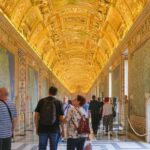
Most Colosseum tours focus on dates and names. This one aims for understanding. The guide talks about the height of the Roman Empire, and how emperors used the city’s biggest stage to show off power and wealth. When the story connects to what you can see in front of you, the information sticks.
The Colosseum also becomes a lens for other Roman themes. For example, your guide helps connect the games to how Rome displayed captured riches and conquered peoples. That’s not just trivia. It helps you interpret why the place was built and why it mattered to Romans day after day.
If you’re into construction and engineering, keep expectations realistic. One review-style concern that comes up is that some people want more focus on how the Colosseum itself was built. This is still a guided experience, but it isn’t advertised as an architecture deep dive. If you’re the type who loves materials, techniques, and structural details, you might enjoy adding a bit of outside reading before you go.
Still, the guide format is built for questions. People praise guides who could answer prompts on the spot, including one guide described as a historian (Giorgio) and another with PhD-level archaeology training. Even if your guide isn’t the same person, the skill set seems consistent: story first, clarity always.
Palatine Hill: emperors’ turf without the overwhelm
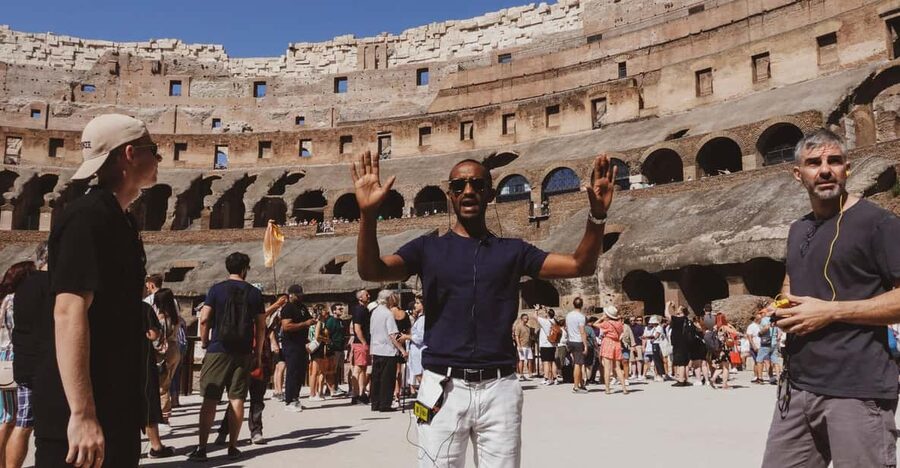
Palatine Hill is where the tour shifts from entertainment spectacle to political and personal power. This is the hill where emperors built palaces and elite Romans put their villas. In practice, that means you’re looking at a place that explains not just what rulers did, but where they chose to live.
You’ll get about 30 minutes on Palatine Hill with a guided walk. That’s a short window, so you need a guide to pick the right landmarks and make sense of what’s left behind. The best part of this stop is how quickly your guide can rebuild the neighborhood. You look around, see fragments and ruins, and then the guide turns that into a living context: where people gathered, where luxury showed up, and why this location symbolized status.
The hill can get hot and bright, especially in Rome’s long summer days. Several people note that strong guides pay attention to comfort, including efforts to find shade when possible. If you’re sensitive to heat, plan to bring water and dress for sun, because your time is timed and you’ll be outside.
Is 30 minutes enough? For most visitors, yes. It’s enough to grasp the big idea and get oriented for the rest of your Rome day. If you want a longer Palatine Hill wander, you could add extra time on your own after this tour ends, but as a guided “hit the highlights” stop, it works.
Roman Forum at human speed: daily life among the ruins
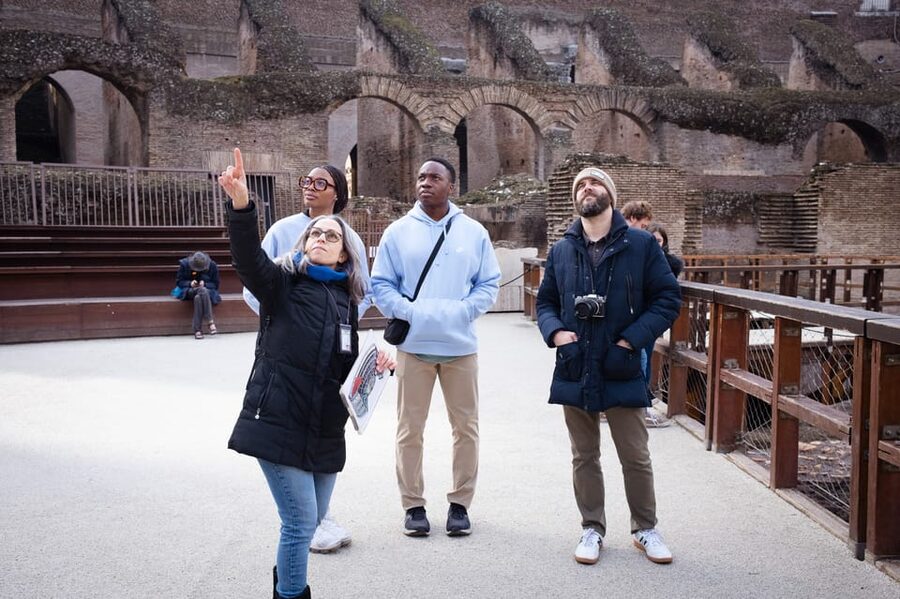
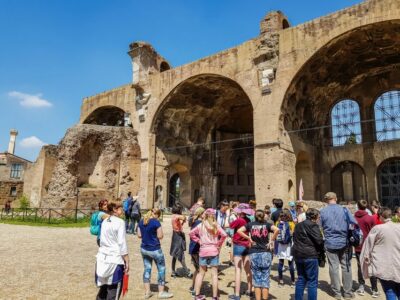
The Roman Forum is where Rome feels real, even when the buildings are gone. This tour ends at the Forum, and the guided approach is key because the ruins are confusing if you’re walking solo.
This part of the experience is about everyday Rome, not only big speeches and famous names. Your guide points out the sense of movement and activity that once filled the space. You weave through enormous ruins and connect the dots between mythic founders, senators and officials, and more ordinary market life.
The payoff comes when your guide turns the Forum into a map of roles. Instead of seeing scattered stones, you start recognizing patterns, like where authority clustered and where commerce and traffic likely moved. That’s why a guide matters here. In the Forum, intuition is hard. With commentary, you get traction fast.
One pacing note to keep in mind. Some people want more time in the Forum and less time in the Colosseum. That’s the tradeoff of a tight 3-hour format. If you’re a Forum-first person, you might look for tours that spend extra minutes here. If you love the full sweep, the balance of arena plus hill plus Forum can feel like a perfect sampler.
Small-group pacing, headphones, and what to expect in the crowd
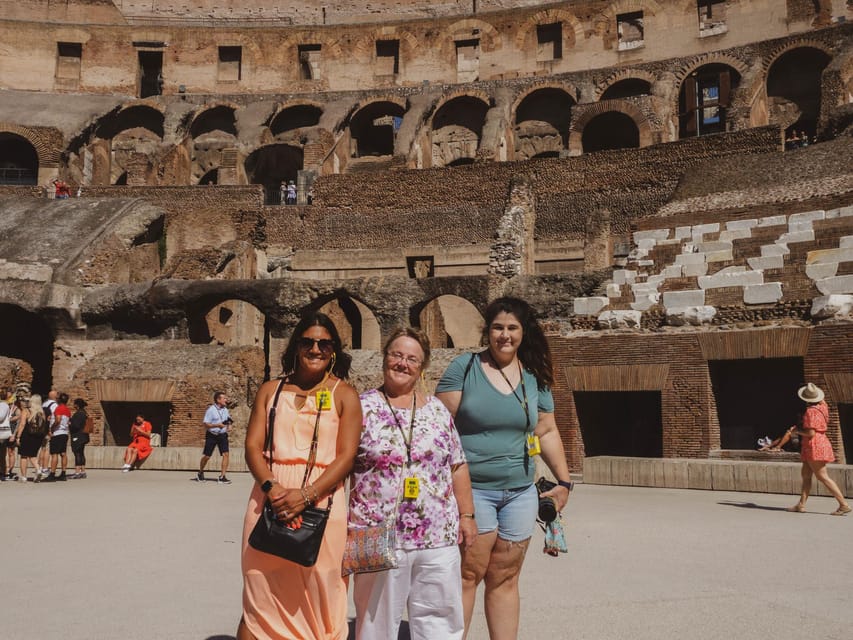
Small-group tours are supposed to be personal. In a place like the Colosseum, the crowd pressure is real, so the real test is how well the guide keeps the group together and moving.
You’ll have headphones, which makes a noticeable difference. The site is loud and everyone has their own distractions. Headphones let you keep your focus without constantly turning your head or giving up on hearing the guide when groups cluster.
Group size is described as small, and one experience noted a group around 15 people. That seems like the sweet spot for this kind of walk. It’s large enough to have energy, small enough that questions feel welcome and the guide can manage photo stops.
Comfort matters too. You’ll be outside and walking through uneven terrain. If you plan to take photos, wear shoes you can trust, and expect some time when you’re waiting for the guide to finish explaining a spot before you move on.
Your tour can also start in different places depending on ticket timing. In other words, don’t treat the route as one fixed script. You’ll either begin with the Colosseum or start with the Roman Forum and Palatine Hill, then shift into the Colosseum portion. The key is that the tour still aims to cover all three big areas in one session.



Meeting point at the Arch of Constantine, and how to find your guide
Logistics can be stressy in Rome, so this part is worth getting right.
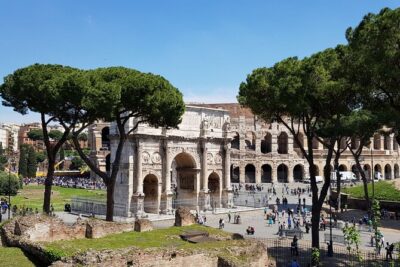
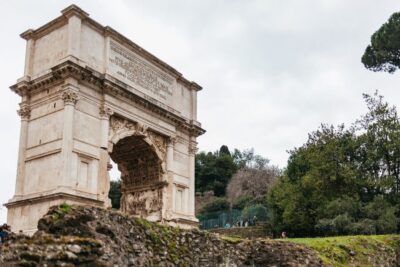
You meet at the Arch of Constantine. The guide will be holding a yellow flag, and you should gather on the side furthest away from the Colosseum. That detail helps because the area around the arch can feel like a traffic circle of tourists.
The end point is the same meeting point. In practice, that means you can plan your next stop without guessing where you’ll end up. You’re not hopping across town after a timed entry day.
Bring your ID. You’ll want your passport or ID card on hand for entry, especially if anyone in your group is a minor. Also note that you may need to provide full names of all travelers when you book, so use the names exactly as they appear on documents.
Finally, a practical heads-up: this experience is non-refundable. That’s not a dealbreaker for most people, but it does mean you should be sure your plans are solid before you lock in dates.
Price, value, and how to decide if it fits your Rome style
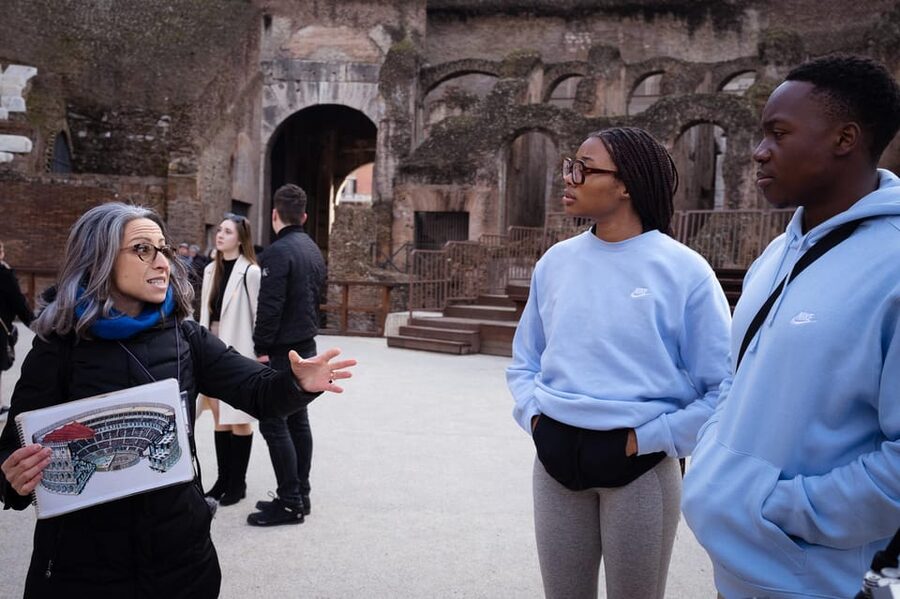
At $107.62 per person for about 3 hours, you’re paying for three things at once: guided context, small-group convenience, and arena-level access that most people do not get.
If you do Rome on your own, you can still see the Colosseum and walk the Forum. But you’ll likely spend extra time figuring out where to go and why each place matters. You can also end up with a “checklist tour” vibe, where the stones stay stones.
Here, the value is the way the guide structures your visit. You’re not just going from A to B. You’re learning what you’re looking at in each zone: arena staging at the Colosseum, imperial residential power at Palatine Hill, and the Forum’s day-to-day workings.
The small-group format is part of that value. Less wandering. Better listening. More chance to ask questions. Headphones keep you in the story even when crowds swell.
One more value factor: Colosseum admission is free on the first Sunday of the month, and tours are discounted on those days. If your schedule allows, it can be a smart time to go, but remember you’re still doing a guided small-group walk, not a casual self-guided stroll.
So who gets the best match? People who want a guided story, want arena floor access, and prefer a guided route that helps them feel confident in the ruins instead of guessing.
Who should book this Colosseum, arena, Palatine, and Forum tour
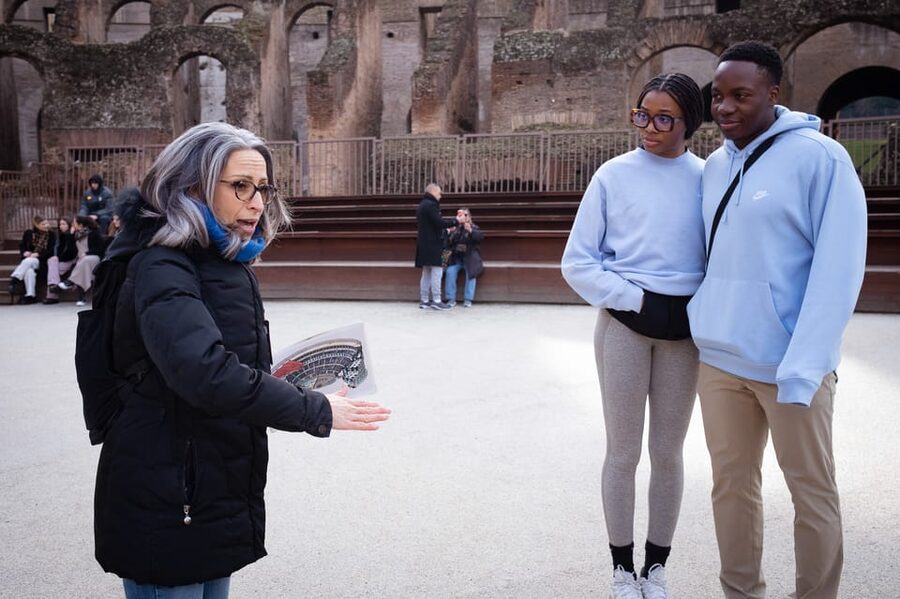
This tour makes the most sense if you fall into one of these buckets:
- You want arena floor time and a guided walkthrough, not just a quick pass-by photo mission.
- You like hearing the “why” behind Roman power, from emperors’ luxury at Palatine Hill to the Forum’s daily machinery.
- You’d rather move with a plan and headphones than piece together the route in silence while crowds press in.
It may be less ideal if you have very specific interests like construction engineering or you want long, slow wandering of one site. The schedule is built for coverage, not for deep solo exploration. You’ll get solid highlights, but not hours and hours of study.
If you’re traveling with mixed ages or different history levels, this format often works well. The guide can pace explanations, keep things clear, and answer questions without losing the group.
Should you book it? My take
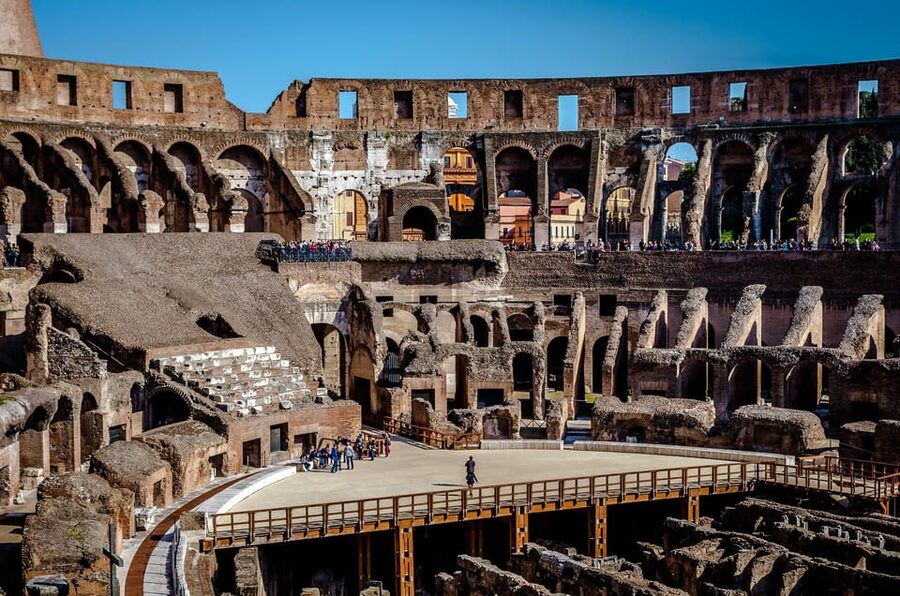
I’d book this tour if you want the Colosseum to feel like a real place, not a background landmark. Standing on the arena floor through the Gladiator’s Gate is the kind of experience that changes how you remember the rest of Rome.
The Palatine Hill stop is short but meaningful. It helps you understand why rulers chose this hill. And the Forum finish is a strong way to cap the visit, because you leave with a sense of daily Roman life rather than ending on spectacle alone.
Just be honest with yourself about pacing. You’re covering a lot in 3 hours. If you care most about the Forum, you may wish for more minutes there. If you care most about the Colosseum’s building details, you may want to supplement with your own reading or a separate focused visit.
Overall, this is a strong choice for a first serious day of Ancient Rome, especially if you like small-group attention and a guide who keeps the story organized.
FAQ
How long is the Rome Colosseum, Arena and Palatine Hill small-group tour?
The tour lasts about 3 hours. Starting times vary, so check availability for the day you want.
Where do we meet, and how do we recognize the guide?
You meet at the Arch of Constantine. The guide will be holding a yellow flag on the side furthest away from the Colosseum.
Do we stand on the Colosseum arena floor?
Yes. A key part of the tour is stepping onto the Colosseum arena floor through the Gladiator’s Gate.
Does the tour always start at the Colosseum?
Not always. The tour may start with the Colosseum or with the Roman Forum and Palatine Hill, depending on the time of tickets the operator can purchase.
What language is the guided tour offered in?
The live tour guide speaks English.
Are headphones included?
Yes. Headphones are included, which helps you hear the guide while walking and touring.
What do I need to bring?
Bring a passport or ID card. This is especially important for minors traveling with you.
Is food and drink included?
No. Food and drink are not included in the tour price.
Is Colosseum admission free at any time?
Yes. Colosseum admission is free on the first Sunday of the month, and the tours are discounted on those days.
More Tours in Rome
More Tour Reviews in Rome
Not for you? Here's more nearby things to do in Rome we have reviewed







Colosseum Tours, compared.
 ★ 4.8Colosseum, Palatine Hill and Roman Forum Guided TourFrom $5232,814 reviews
 ★ 4.7Guided Tour of Colosseum, Roman Forum & Palatine HillFrom $5527,897 reviews
 ★ 4.2Colosseum & Forum with Audio Guide App -Optional ArenaFrom $4124,770 reviews
 ★ 4.5Colosseum, Roman Forum and Palatine Hill Guided TourFrom $5923,903 reviews
 ★ 4.4Colosseum, Forum & Palatine Hill Tour & Optional ArenaFrom $5813,839 reviews
 ★ 4.6Colosseum, Palatine Hill & Roman Forum Guided TourFrom $5112,703 reviews
 ★ 4.7Colosseum: Underground and Ancient Rome TourFrom $16012,691 reviews
 ★ 4.6Colosseum Arena, Palatine Hill & Forum Guided TourFrom $7310,584 reviews
Browse the lists this tour appears in