
Reviewed · ROME NIGHT TOURS
Rome by Night: 3-Hour Guided Walking Tour
Rome looks different once the sun drops. This Rome by Night walk trades midday crowds for a smoother pace, with a guide doing the heavy lifting on history and architecture. I especially like the way the tour strings together major landmarks after dark, and I like the included headsets that keep the narration clear even in busy streets.
The main consideration is simple: this is an English-only tour, and it is designed for able-bodied walking. Also, the big monuments and sites are closed in the evening, so entrance fees are not part of the ticket.
You start at sundown, so the best light often shows up right when you are in the right spot for it. If you want to get your bearings fast and understand what you are seeing, this is a smart way to spend 3 hours.
Quick highlights
- Sundown start for classic Rome views when it is calmer
- Headsets included so you do not miss the story at street level
- Full Forum area overview with Imperial Forums context
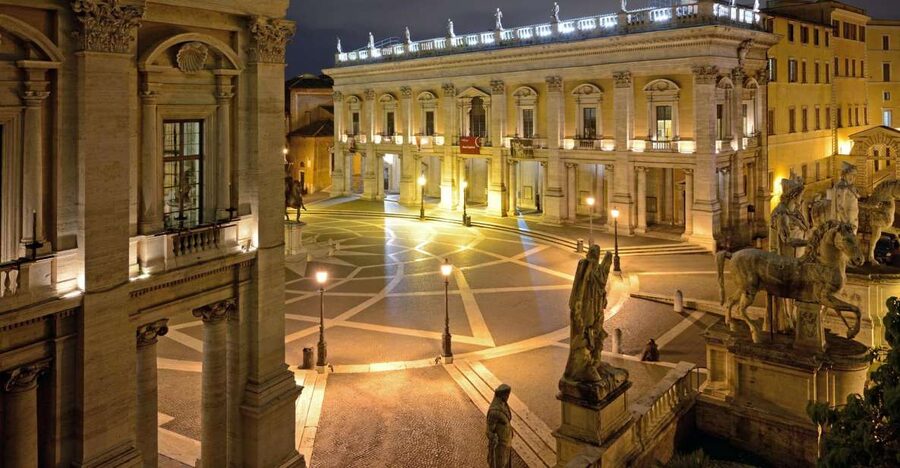
- Major icons on the route like Piazza Navona, Pantheon, Trevi Fountain, Capitoline Hill, and the Colosseum
- English live guide with narration that sets the sites in order
- No entrance fees because key monuments are closed at night
Why Rome by Night feels worth it
Daytime in Rome can be loud, hot, and packed. This tour leans into the opposite rhythm: night gives you breathing room, and the buildings look more dramatic when the streetlights take over. You still see the headline stops, but you do it while the city feels less like an obstacle course.
I like the practical payoff: you spend 3 hours learning the connections between places. The Colosseum is not just a photo, it is part of a bigger urban story that stretches through the Roman Forum and the Imperial Forums. When you understand that, your next visits click faster.
There is also a real energy shift. The route includes bright, well-known landmarks like Trevi Fountain and Piazza Navona, yet you are seeing them in a different atmosphere than the daytime rush. One review even mentioned a smoother night due to a public holiday, with calmer roads, but the key idea holds: fewer tourists makes it easier to actually look.
You can also read our reviews of more walking tours in Rome

What you cover in 3 hours, step by step
This is a guided walking tour built around a greatest-hits loop, with time spent on storytelling rather than ticking boxes.
You will move through:
- Piazza Navona: a classic Rome square that helps you orient toward the older layers of the city.
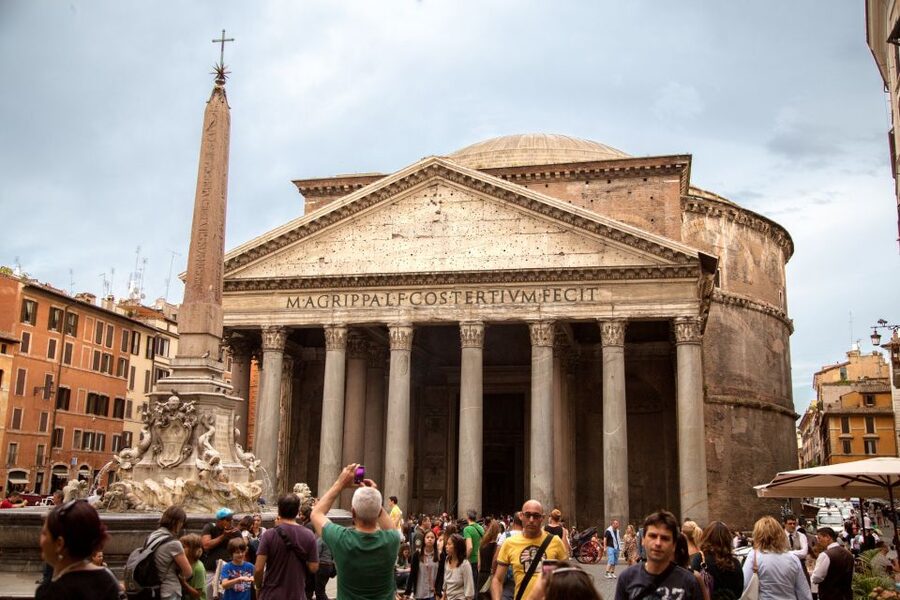
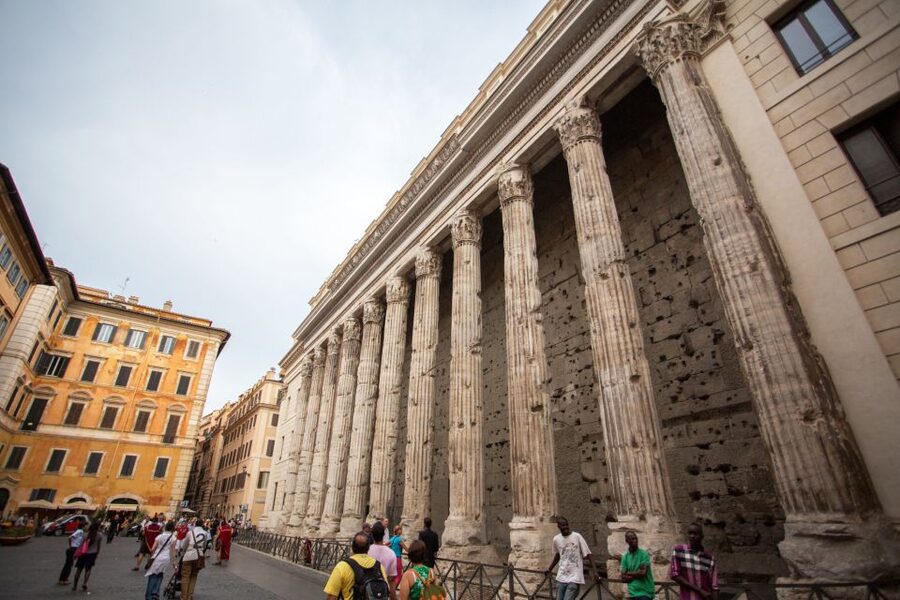
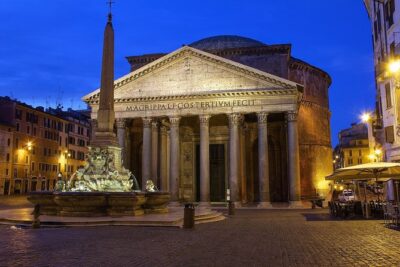
- Pantheon: one of the most iconic Roman structures, where the guide can tie design and scale back to Roman engineering.
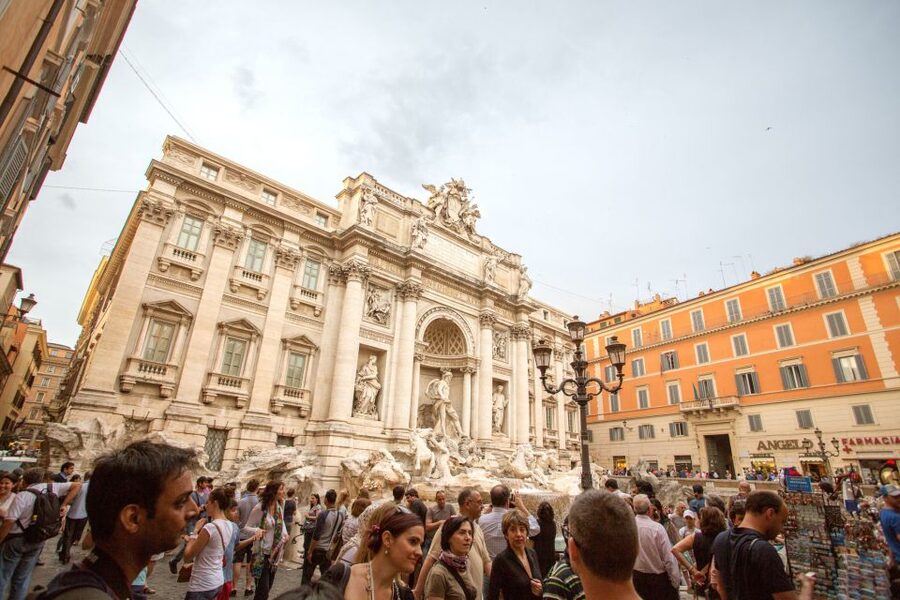
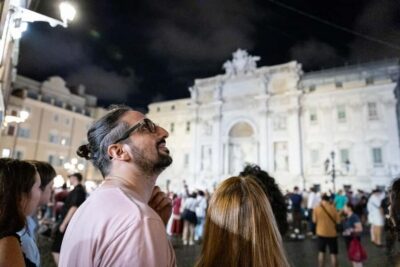
- Trevi Fountain: an easy landmark to recognize, but better understood when you have context for why this spot matters.
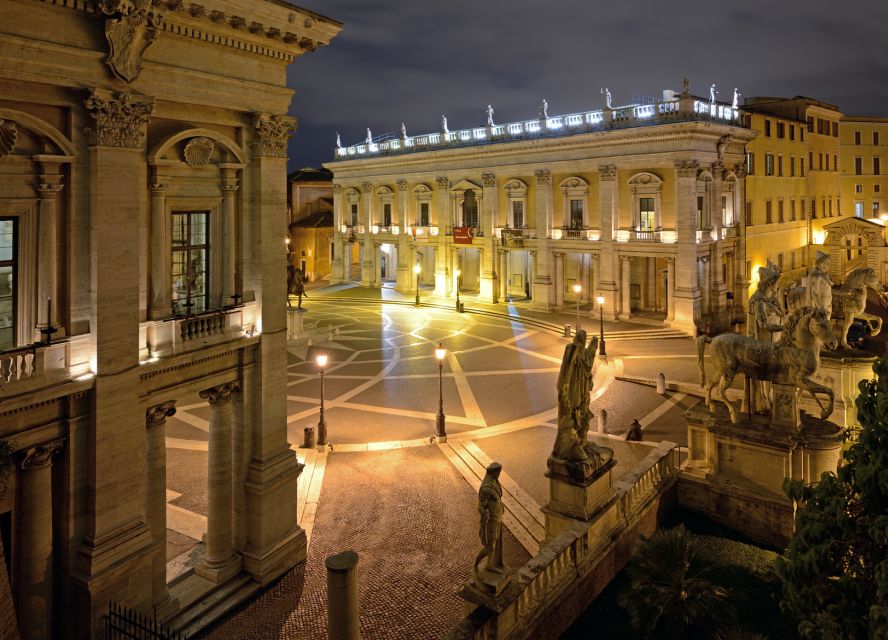
- Capitoline Hill: a major viewpoint and power-center theme in Roman history, useful for understanding why the Romans chose certain places.
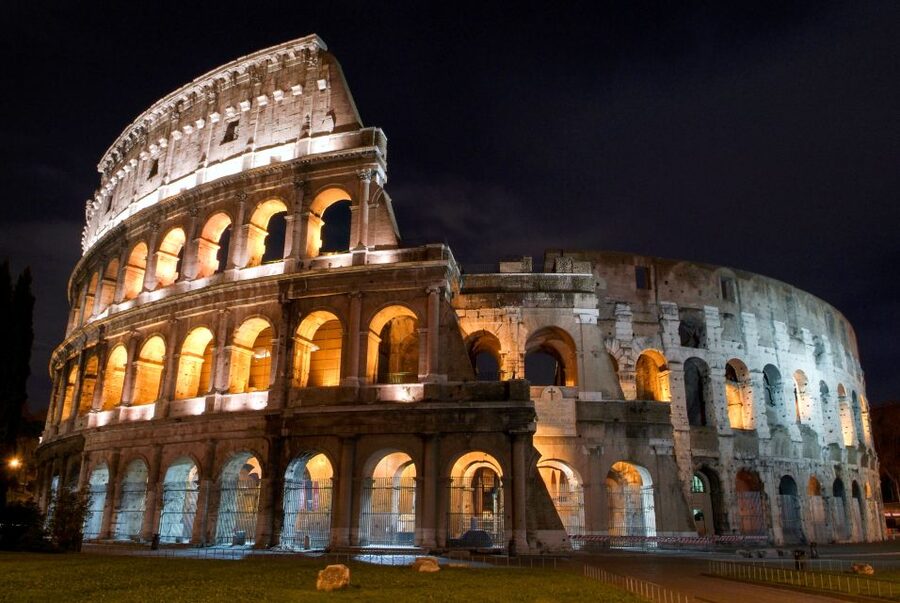
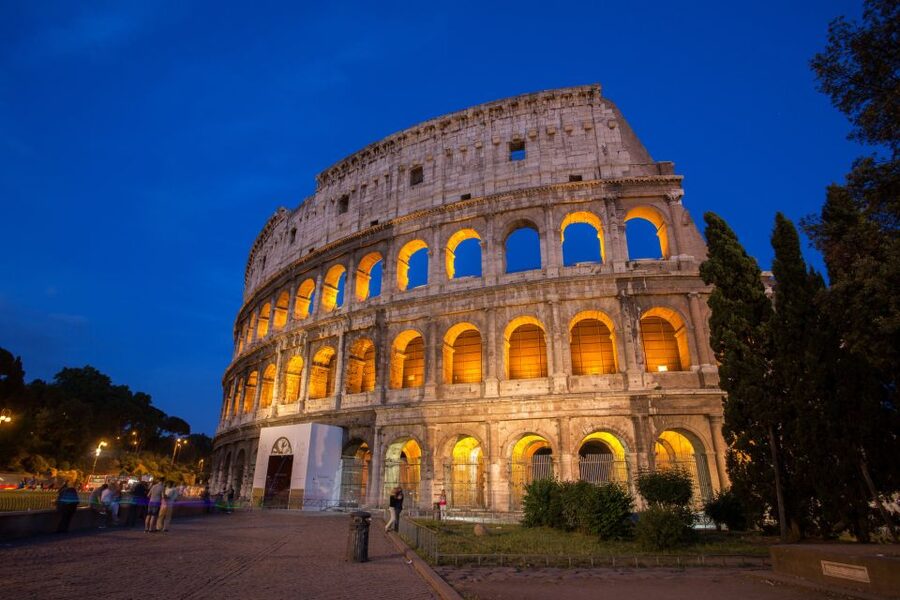
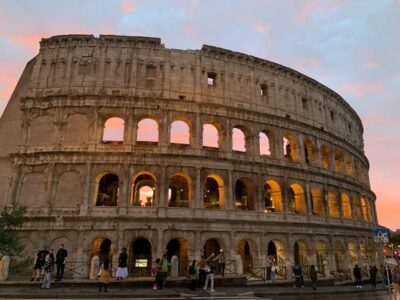
- Colosseum: the visual centerpiece, best enjoyed at night with the lighting doing some of the drama.
And then there is the big value add: a full overview of the Forum area, including the Imperial Forums. That is the part that turns the tour from scenic to educational. Even if you do not go inside monuments in the evening, the layout and history still make sense when explained in order.
One more detail to keep in mind: because many monuments are closed after dark, you are mostly experiencing exteriors and public-space views. You might get chances for small breaks to explore nearby areas, but do not plan on a long list of indoor stops.
Starting near Colosseo, and how to avoid the first-stress problem
Your meeting point is outside the metro station Colosseo (B line), between the green news stand (Kiosk) and the yellow bus stop. The tour starts at sundown, and you are asked to arrive 25 minutes early.
That early arrival matters for two reasons. First, Rome at night still has foot traffic, and you do not want to spend the first 10 minutes searching the exact spot. Second, a late arrival can stress the whole group, and since this tour depends on synchronized timing and walking flow, it helps to be ready to go.
Practical tip: wear shoes you trust. This is a walking tour at night, so even short streets can feel longer than you expect once you are moving in the evening. If your feet tend to complain after a couple hours of cobblestones, you will be happier planning for it now.
Piazza Navona to Pantheon: how the guide turns icons into a map
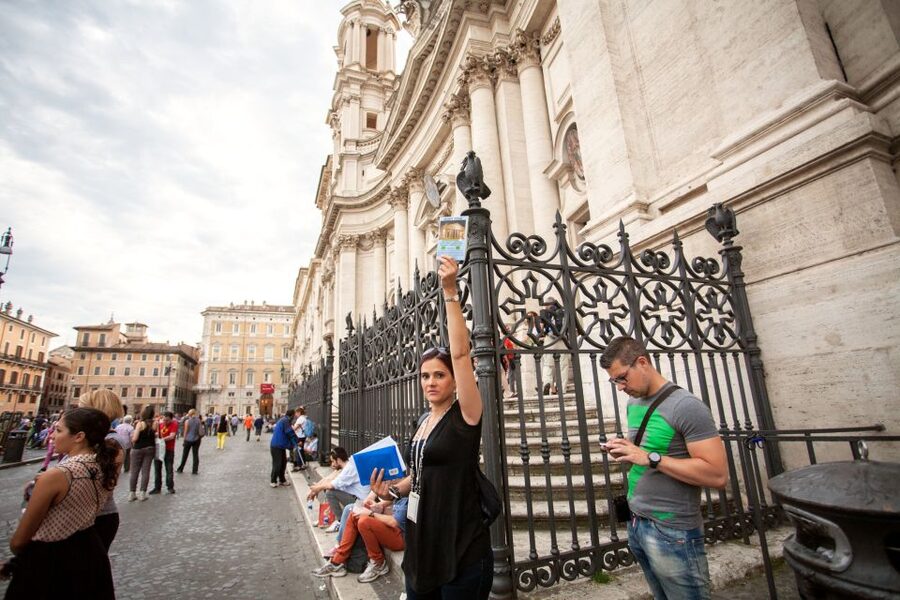
The tour starts shaping your mental map right away. Piazza Navona is a good first stop because it is open and easy to “read” from the street. It sets a scene, and it gives you a visual anchor for where you are in Rome.
From there, the Pantheon experience is less about chasing a quick photo and more about understanding what you are looking at. The night timing helps, because the building stands out in a quieter atmosphere. Even if you are only seeing the exterior, you can still connect it to Roman design logic when your guide explains it clearly and in sequence.
I noticed something important across the guide feedback from past tours: when the guide clicks, the narration carries the whole experience. Reviews mentioned guides like Renate, Clare, and Chiara for passionate, story-driven explanations that made the stops feel like chapters instead of separate sights. The flip side is that this is English only, so if you struggle with fast spoken English, it is worth mentally preparing for a lot of listening.
Trevi Fountain and Capitoline Hill: the best moments are the in-between looks
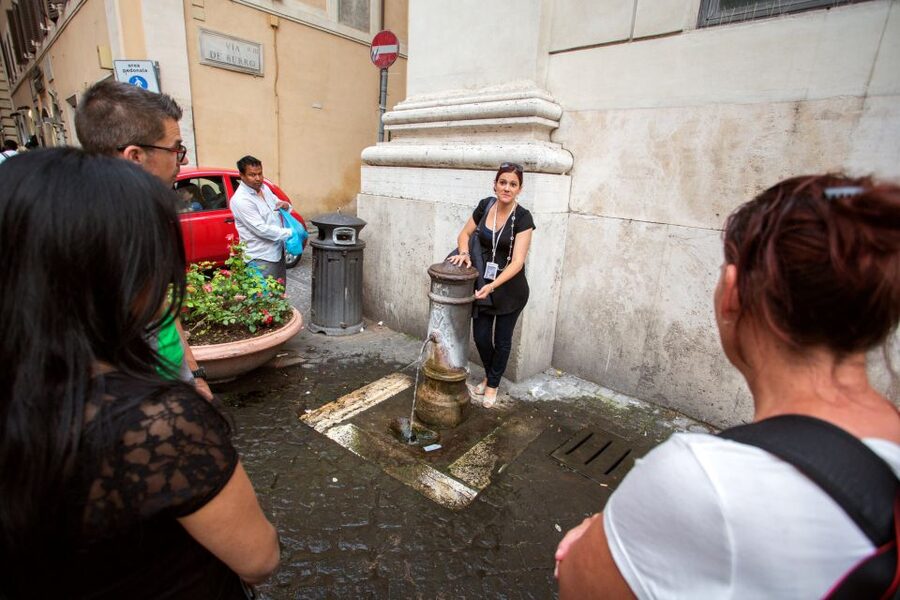
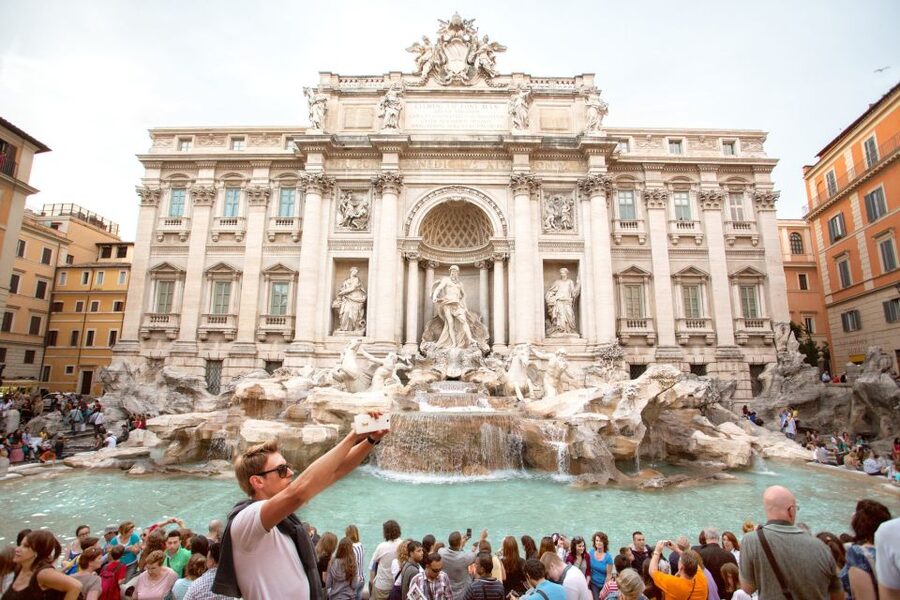
Trevi Fountain is one of those places you think you already know, until you see it with context. At night, it can feel more cinematic than crowded. The guide helps you understand why this location became a focal point, rather than treating it like a standalone postcard.
Capitoline Hill adds another layer. It is not just a hill to look at, it is a theme about Roman power and city planning. When you get the explanation here, you understand why viewpoints and “centers” mattered. It is the kind of stop that makes later sightseeing easier because you start recognizing patterns in the city.
A useful way to get the most out of these moments is to watch for the guide’s pacing. When the group is stopped, it is usually for a reason, so step forward, listen, then step back for your own photos. If you try to do photos first, you often miss the point the guide is making.
You can also read our reviews of more guided tours in Rome
The Forum overview: why this part is the payoff
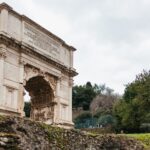
This is the tour’s backbone. You get a full overview of the Forum area, including the Imperial Forums. That matters because the Roman Forum is vast and confusing on your own. Even when you know you are in the right “area,” it is hard to see where one building ends and another begins.
On a night walk, you cannot rely on slow wandering and deep museum time. So this guided overview is what makes the Forum meaningful without needing entrances. Your guide stitches the story together so the space stops being a set of ruins and starts being a timeline.
This is also where headsets do real work. Rome streets can drown out voices. With headsets included, you can keep up with the narration without shouting across the group. Reviews praised the microphone and headset clarity, which is a big deal when you want to learn instead of just follow.
If you love history, this part will feel like the tour’s secret ingredient. If you are not a history person, this is still the best section, because it gives you a simple framework for what you are looking at.
The Colosseum finish: floodlights, scale, and a calmer crowd
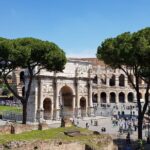
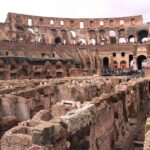
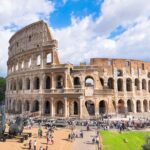
The route lands you at the Colosseum area, one of the most photogenic ruins in the world. At night, the scale hits differently. Floodlights make it feel less like an ancient artifact and more like a living part of the city’s skyline.
Just remember the evening reality: monuments are closed in the evening, so you are not booking a nighttime interior visit with this tour. But you can still appreciate the massing, the exterior story, and the way the surrounding area frames it.
One review highlighted how the Colosseum looked at night with moonlit atmosphere, and that is exactly the sort of magic you get when you plan for a dusk start. You are positioned during the best light window, not hours later when you are tired and light is gone.
When you reach the end, the practical value is that you leave with names and relationships in your head. You are not just standing in front of an icon, you know what it represents and what came before and around it.
Price and value: is $66 a good deal?
At $66 per person for 3 hours, this tour is not “cheap,” but it also is not trying to be. The value comes from three things you would otherwise have to work harder to get on your own.
First, you get a licensed tour guide doing expert narration. Second, you get headsets, which improve clarity and reduce the friction of listening in Rome streets. Third, you get the Forum area overview, which is the hardest part to piece together without help.
If you plan to spend several hours on your own trying to coordinate viewpoints, you might end up with more walking time and less understanding. This tour compresses the learning into a guided loop, with night timing that also reduces the daytime crowd pressure.
What could change the value for you is expectations. If you came hoping for lots of interior access, you might feel limited since evening closures apply. If you came for guided context plus iconic night views, the price is more in line with what you get.
Who this tour suits best
This tour fits best if you:
- Want a first-night orientation so Rome stops feeling random
- Like history when it is explained in plain language, not as a lecture
- Prefer night sightseeing with fewer crowds
- Enjoy group walking as long as the guide keeps things moving
It is not a fit if you:
- Need wheelchair access (it is not wheelchair accessible)
- Expect lots of monument entry in the evening (entrance fees are not included, and key sites are closed at night)
- Are traveling with a pet (pets are not allowed)
Should you book Rome by Night?
I would book this if you want the classic Rome hits with real context, and you are happy to enjoy exteriors and viewpoints rather than chasing indoor ticketed stops. The included headsets and the Forum overview are the two strongest reasons to choose this tour instead of piecing it together on your own.
Pass on it if spoken English at speed would feel stressful, or if you cannot do a 3-hour walking plan. Otherwise, it is a smart way to turn your evening into more than just wandering.
FAQ
Where is the meeting point?
You meet outside metro station Colosseo (B line), between the green news stand (Kiosk) and the yellow bus stop. Arrive about 25 minutes before the tour departure time.
How long is the tour?
The tour duration is 3 hours.
What is included in the tour price?
The tour includes a live tour guide and headsets.
Are entrance fees included?
Entrance fees are not included. Please note that monuments and sites will be closed in the evening.
Is the tour in English, and are pets allowed?
The tour is available in English only. Pets are not allowed.
Can I cancel for a refund?
Yes. There is free cancellation, and you can cancel up to 24 hours in advance for a full refund.
More Walking Tours in Rome


More Tours in Rome

More Tour Reviews in Rome
Not for you? Here's more nearby things to do in Rome we have reviewed





Rome Night Tours, compared.
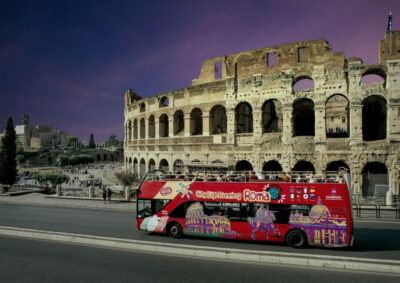 ★ 4.1City Highlights Open-Top Bus Night TourFrom $222,038 reviews
 ★ 4.5Colosseum Sunset Tour with EntryFrom $491,230 reviews
 ★ 4.9E-Bike Night Tour with Food and Wine TastingFrom $891,131 reviews
 ★ 4.8Under the Moonlight Evening Walking TourFrom $28852 reviews
 ★ 4.5Night Tour of Rome with Local Pizza Dinner and Gelato ExperienceFrom $237780 reviews
 ★ 5.0Rome Bar Crawl: Interactive Night Tour with Games and KaraokeFrom $78769 reviews
 ★ 4.7Colosseum Arena Twilight Tour & Imperial Forum VisitFrom $78689 reviews
 ★ 4.5Rome by Night: Golf Cart TourFrom $108688 reviews
Browse the lists this tour appears in