
Reviewed · TICKETS
Rome: Bioparco di Roma Zoological Garden Entry Ticket
Rome has a zoo escape. At Bioparco di Roma you can walk through a 42-acre park that holds 1,200+ animals across about 200 species, all set on part of the historic Villa Borghese estate. I especially like the skip-the-line entry, because it cuts down your first-hour stress and gets you into the park while the animals are still active.
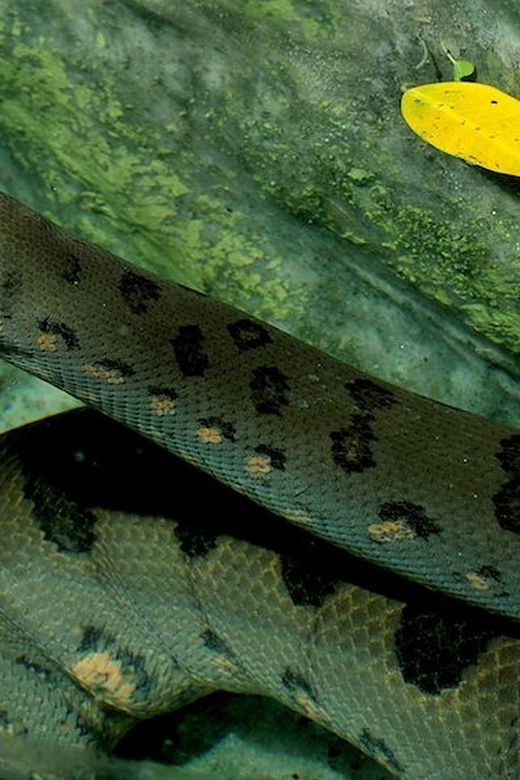
My other favorite part is the Reptile House, which many people call out for its mix of iguanas, snakes, and lizards, plus the chance to get up close to animals you rarely see in European zoos. One thing to consider first, the park is big, so plan on real walking and expect you might miss some animals at certain times, plus a few enclosures can be under construction.
Key Things That Make This Bioparco Visit Worth It

- Skip-the-line entry through a separate gate line, so you start seeing animals sooner.
- 1,200+ animals across ~200 species from five continents, with mammals, birds, reptiles, and amphibians.
- Reptile House highlights with iguanas, snakes, and lizards that tend to be the star stop.
- Conservation focus tied to endangered species, environmental education, and scientific research.
- Easy-to-follow park flow that many visitors say avoids a lot of backtracking.
- Helpful info boards in Italian and English, so you can actually learn as you walk.
Getting Into Bioparco di Roma Fast, Without Burning Half Your Day
This ticket is built for a simple win: skip-the-line entry. You use a separate entrance and ticket line at the gate, which matters in Rome because small delays can quietly eat up your day. Once you’re inside, you’re not stuck waiting while everyone else filters in.
Your ticket is valid for one day. That’s ideal if you’re also doing classic Rome sights, because you can decide if you want a focused 2- to 3-hour loop or a longer stroll that turns into a half-day. Plan for a full day only if you’re the type who enjoys lingering, reading signs, and stopping for breaks.
Also note this is a non-refundable ticket type. If your plans are fragile, build in buffer time for weather or transport delays.
A few more Rome tours and experiences worth a look



Villa Borghese Grounds Make the Zoo Feel Less Like a Box
Bioparco di Roma sits in a real park setting, spread across 42 acres on part of the original Villa Borghese estate. That green, walkable feel changes the experience. Instead of darting from enclosure to enclosure, you get more of a wandering rhythm, with time to stop, shade yourself, and watch animals settle into their daily patterns.
This setting also helps explain why the zoo works well as a break from the city. You can take a breath. It’s not just a list of animals, it’s a place where the paths, lawns, and viewing areas encourage a slower pace.
One more practical note: it’s large enough that you should not assume you’ll “quickly do the zoo.” Some visitors report walking around 6 miles in a full pass. If you’re bringing kids, or if your feet are already tired from Rome’s hills, start early and pace yourself.
The 42-Acre Self-Guided Route: Where to Start and What to Hit First
This is not a guided walkthrough with fixed stops. It’s a self-guided zoo visit, so your best move is choosing your priorities before you enter.
Start With the Reptile House, Then Ride the Momentum
If you only remember one plan, make it this: go to the Reptile House early. It’s commonly highlighted for good reason. You’ll find a great variety of iguanas, snakes, and lizards, and reptiles often feel more “active” when visitors are not yet flooding the area.
Even if you’re not a reptile superfan, it’s a smart anchor stop because it gives you a totally different viewing experience than primates and big cats. It also makes the rest of your route easier, because you’ll already have one standout visit under your belt.
A small drawback: like most zoos, some animals may be asleep or hidden at any given time. If you hit reptiles early and the timing is wrong, you can still keep moving and check back later.
Then Look for Primates, Big Cats, and the “Wow, That’s Real” Moments
After reptiles, follow the general zoo flow and aim for the headline animals. The park includes lemurs and chimpanzees, plus birds and big cats such as tigers. You’ll also run into bears.
Some visitors specifically comment on the look and care of animals, saying enclosures were clean and animals appeared well kept. At the same time, you should stay realistic. A zoo enclosure is always an enclosure, and a few people note there are improvements that could be made to certain animal spaces, like more room for roaming for animals such as sea lions, tigers, or lions.
I’d treat your expectations like this: you’re visiting for the chance to see rare species and conservation programs, not for a perfect “wild” simulation.




Don’t Skip the Bird Areas, Including the Peacocks
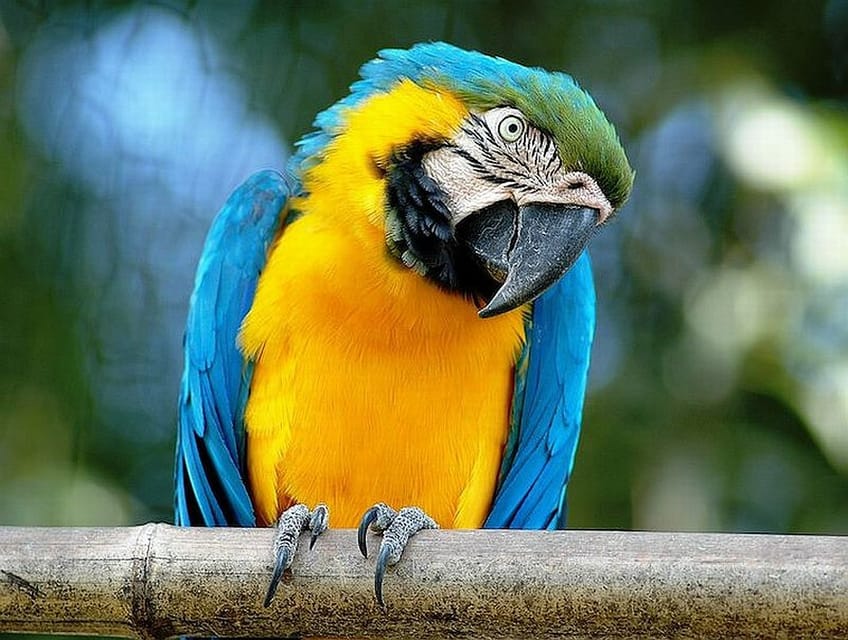
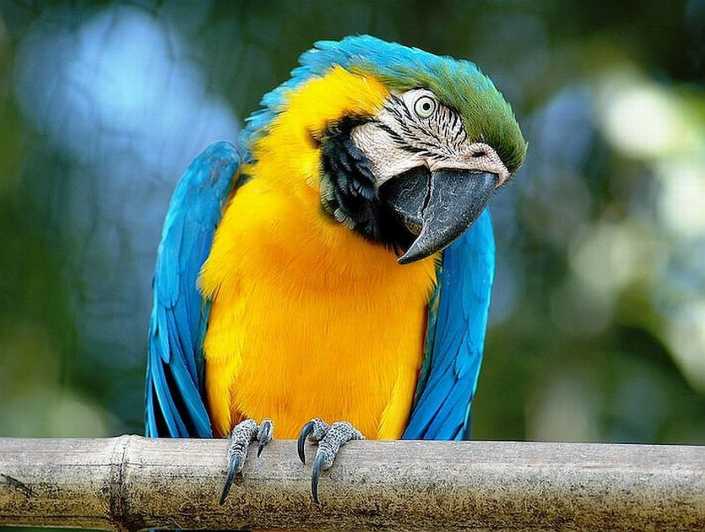
Birds are part of the zoo’s cross-continental mix. One fun detail people mention is peacocks roaming freely in open areas. That’s the kind of small surprise that turns a normal walk into a memorable one, especially if you’re visiting with kids.
Bird spotting is also a good “cool down” strategy. When mammals are resting or hidden, birds are often more visible, and it can keep your motivation up without sprinting.
Finish With the Bears and Any Water-Adjacent Enclosures
If you enjoy larger mammals, plan a closing loop that includes bears. Some visitors call out the brown bear area and mention a viewing setup near water, where you might catch swimming or playful behavior.
Why save this for later? Because it tends to reward your patience. If you’re there for hours, you’ll have more chances to see animals shift from resting into active periods.
Conservation and Endangered Species: Why This Zoo Feels More Purposeful

Bioparco di Roma isn’t just a sightseeing zoo. It’s active in conservation of endangered species, environmental education, and scientific research. That matters because it gives you more to look for beyond fur and feathers.
As you walk, pay attention to the signboards and any educational framing around species. Even when animals are not visible, the information helps you understand why each enclosure exists and what the institution is trying to do beyond display.
Balanced truth: conservation messaging doesn’t replace the reality of how animals live in zoos. Still, a park that invests in endangered species work gives your visit more meaning. If conservation is a priority for you, this is one of the better Roman options.
When Animals Are Out: Timing Tips That Actually Help
This is the part that turns a standard zoo visit into a great one: the animals’ daily rhythm.
Go early for more movement
Several people recommend entering earlier in the day. The idea is simple. Animals often look more active earlier, and you’ll have a better shot at seeing normal behaviors, not just a sleeping statue.
Weekdays can feel calmer
If your schedule allows it, aim for a weekday. Reviews often describe quieter days, with fewer lines and more space to observe without weaving around crowds.
Plan for weather, because Rome can surprise you
Rain can happen, and one visitor noted they had a great time even during heavy rain with waterproof ponchos. So bring light rain protection. It helps you keep walking instead of retreating early.
Expect some enclosures to be less than perfect
Some people saw enclosures under construction. Others noticed certain animals weren’t engaging or enrichment seemed limited in a few cases. This doesn’t automatically ruin the visit, but it is a real reason to keep your expectations flexible.
Read the Signs: Italian and English Info That Makes the Walk Smarter
One of the underrated perks is that many information boards are available in Italian and English. That can completely change how much you enjoy the visit, because you’re not only scanning for movement. You’re learning while you walk.
I also like that the layout is described as clear. Visitors say the park is easy to follow and doesn’t require constant backtracking. That means you spend more energy watching and less energy figuring out where to go next.
If you care about learning, give yourself time. Don’t rush the signboards, especially around the Reptile House and any conservation-focused areas.
Food, Water, and Break Strategy Inside the Park
Food is where many zoo tickets fall short, and Bioparco is no exception. Your ticket does not include food and drinks, so you’ll need to budget for snacks if you don’t bring anything.
Here’s what I’d do in practice:
- Bring water because you’re walking a lot.
- Consider a picnic if you want more choice and better value.
- If you buy inside, plan for limited options.
Several visitors say food inside is limited and that buying outside before you go can help. Others mention cafes and snack stations inside, with some describing prices as reasonable for a zoo. There are also places to sit, plus vending machines for drinks, which can save time when you’re tired.
If you want a smoother visit, use these breaks strategically:
- Take a longer lunch stop once you’ve hit your top priority (like reptiles).
- Use smaller snack breaks between animal clusters to keep energy up.
Also, there are toilets around the park, which is a big plus when you’re trying to avoid turning a long walk into a scramble.
Value for Money: Is a $25 Entry Ticket a Smart Rome Add-On?

At about $25 per person, this is priced in the “you’re paying for access and convenience” category. What makes it feel like good value is the scale: over 1,200 animals, around 200 species, and multiple continents in one place. That’s a lot of variety for one ticket day.
The other value driver is the skip-the-line entry. Even when lines are short, the time saved matters. If you’re pairing the zoo with other Rome plans, you’re buying back hours.
So is it worth it?
- If you want an animal-focused day in Rome without juggling multiple transport steps, I think yes.
- If you want a quick 45-minute stop, the price might feel less justified, because the park is big and a quick loop risks missing the best bits.
For me, the best way to justify the ticket is to plan at least 3 hours, ideally 4, and build a route around one “must-see” area plus a few guaranteed animal zones.
Getting There and Leaving: A Few Real-World Tips

Bioparco di Roma is inside Rome’s broader area, but it doesn’t feel like it’s right next to the center. Many people use taxis or rideshare.
One practical caution: there are warnings about white taxis and getting overcharged. If you’re using a car, consider rideshare (like Uber) or a black cab type service instead. Use your common sense, check your route, and agree on the plan before you roll.
When you’re done, you can often connect back toward central areas. One review notes bus connections from right outside that can take you toward the Trevi Fountain area. That means you can treat the zoo as a “side quest” that still fits smoothly into a Rome itinerary.
Who This Visit Best Fits (and Who Might Want Another Option)
This zoo ticket is a strong match for:
- Families with kids who need an active break from monuments.
- Adults who want something different from museums and churches.
- Anyone who loves reptiles or wants to see animals you rarely spot back home.
- Conservation-minded visitors who care about endangered species work.
It may be less ideal if:
- You want minimal walking and low time commitment.
- You hate zoos and feel uncomfortable comparing animal enclosures to nature.
- You have limited mobility and want the easiest possible day. The park is wheelchair accessible, but it’s still a large grounds visit.
If you do go with kids, plan for height-based ticket rules on site. Under 1 meter enters for free, and children over 1 meter up to 10 years old should choose the child rate. Height is measured at entry, so bring your expectations, plus patience.
Should You Book Bioparco di Roma Skip-the-Line Tickets?
Yes, book it if you want a calm, green Roman break with serious animal variety. The combination of skip-the-line access, a big park with clear paths, and a Reptile House that many people single out makes this a high-probability day.
I’d particularly book if:
- You’re visiting during a busy time and want to reduce waiting at the gate.
- You already did the big Rome sights and want a different kind of highlight.
- You’re traveling with kids and want something that works even when the city heat or crowds get annoying.
I’d think twice if you want a quick stop, or if you strongly prefer open-range wildlife experiences over zoo visits. But for most people who want a full, walkable animal day in Rome, these tickets are a solid, practical choice.
FAQ
How many animals and species are at Bioparco di Roma?
Bioparco di Roma has over 1,200 animals representing around 200 species, from five different continents.
What does the skip-the-line ticket include?
The ticket includes skip-the-line entry to Bioparco di Roma through a separate ticket line at the gate.
How long is the ticket valid?
The ticket is valid for one day. You’ll need to check availability for starting times.
Where can I pick up the Tramezzino?
Tramezzino pickup is available from 11:00 AM to 5:00 PM, and you can pick it up at Bar Ninfeo, Ristorante Mascagni, Chiosco Oasi del Lago, or Bar Voliera inside Bioparco.
Is the park wheelchair accessible?
Yes, the visit is wheelchair accessible.
Does the ticket include food and drinks?
No. Food and drinks are not included.
How do child tickets work?
Child pricing is based on height. Children under 1 meter enter for free. Children over 1 meter and up to 10 years old should select the child rate, and height is measured on entry.
Are free tickets available for people with disabilities?
Free entrance is available for people with a 100% certified disability, and for a companion. Free tickets must be collected at Bioparco’s ticket office with documents showing the disability percentage.
Is this entry ticket refundable?
No. The activity is non-refundable.
What languages are available?
The activity is described as available in multiple languages, but the listing specifically notes languages availability without listing which ones.
More Tickets in Rome


More Tour Reviews in Rome



Not for you? Here's more nearby things to do in Rome we have reviewed









Tickets, compared.
 ★ 4.5Vatican: Museums & Sistine Chapel Entrance TicketFrom $38144,003 reviews
 ★ 4.0Hop-On Hop-Off Panoramic Open Bus Ticket 3 Circuits x 1From $2015,405 reviews
 ★ 4.4Vatican Museums & Sistine Chapel Skip-the-Line Entry TicketFrom $4313,838 reviews
 ★ 4.2Vatican Museums & Sistine Chapel Skip-The-Line TicketFrom $4111,708 reviews
 ★ 4.3Vatican Museums & Sistine Chapel Skip-the-Ticket-Line TourFrom $13010,486 reviews
 ★ 4.2St. Peter’s Basilica & Dome Entry Ticket & Audio TourFrom $177,537 reviews
 ★ 4.2Vatican: Vatican Museums Sistine Chapel Skip-the-Line TicketFrom $716,682 reviews
 ★ 4.1Vatican & Sistine Chapel Ticket with Optional Audio GuideFrom $465,405 reviews