
Reviewed · ROME NIGHT TOURS
Rome at Night: Small Group Guided City Walking Tour
Rome looks different after dark. This small-group evening walk strings together big-name sights with the kind of stories you just miss when you wander alone. I liked how the route keeps moving, so you see Rome’s glow and still get context fast, whether your first stop is Piazza Navona or you’re ending at the Colosseum viewpoint.
What I love most is the local guide energy. On different departures, I saw guide names like Yousef, Csenge, Sharon, Domenica, and Antonio pop up, and each one seemed to turn monuments into real places with human details. One thing to consider: entry is not included for Pantheon, Roman Forum, or the Colosseum, so you’ll mostly view them from the outside during the walk unless you plan separate tickets.
Key highlights to look for
- Piazza Navona at night, including Bernini’s Fountain of the Four Rivers
- Trevi Fountain with time to actually walk around and take in the scene
- Pantheon pass-by plus a major church stop like St. Ignazio, where you can slow down inside
- Roman Forum via Via Fori Imperiale, focused on what daily life was like (entry not included)
- Colosseum finish with a viewpoint, the kind of dramatic ending photos are made for
Why Rome at Night feels easier than daytime
Night in Rome has a simple advantage: you see the same monuments with less pressure. Street lighting changes the mood, and crowds tend to thin out near major squares. That means you can look up, stop for photos, and actually hear your guide’s explanation without fighting for space.
This tour also helps you avoid the common first-day problem in Rome, where you pick landmarks but waste time figuring out the order. Here, you get a tight sequence that makes sense on foot, so you can get your bearings quickly and then explore more confidently the next day.
And yes, you do walk. The best payoff comes from being out there when the city looks like it does in postcards, but feels like a real evening street.
You can also read our reviews of more walking tours in Rome

Meeting at Piazza del Colosseo and ending with a Colosseum viewpoint
You start at Piazza del Colosseo 1, right by the Colosseum area. It’s convenient, and it also sets the tone: you’re not traveling far to start, and you’re walking in the general direction of Rome’s ancient core.
The tour ends at the same meeting location, then finishes with a spectacular viewpoint that overlooks the Colosseum. That last stretch is a smart move, because you’re primed for the sight after seeing nearby history on the way in. If you’re timing your trip, this also works well for returning to dinner afterward.
One practical note: the tour is designed for a smooth walking pace, and it’s a group of up to 15. You should still plan for a steady walk in the evening, especially if you’re wearing less-than-ideal shoes.
Piazza Navona, Bernini’s Four Rivers Fountain, and the square as a stage
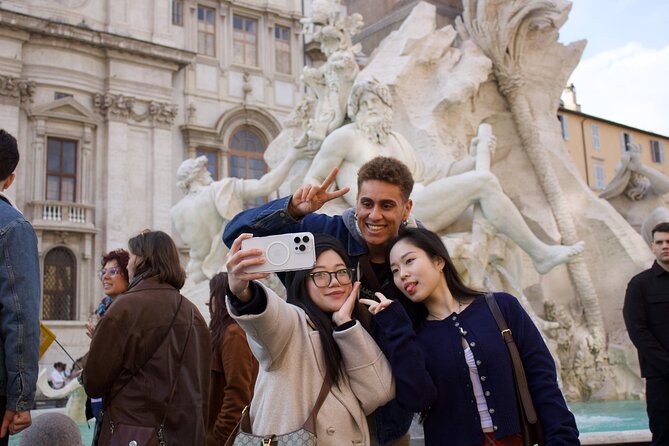
Your first major stop is Piazza Navona, widely loved because it feels like a theater. Even when you’re not a history person, the square’s shape and grandeur grab you. At night, the fountains and facades look extra crisp against the dark.
The star here is Bernini’s Fountain of the Four Rivers. Your guide’s job is to help you read what you’re seeing: the fountain isn’t just a pretty centerpiece, it’s tied to the way Rome wanted to project power and identity. You’ll have about 20 minutes at this stop, which is long enough for a good look and a few photos, without dragging the whole group.
Drawback to plan for: Piazza Navona is popular at any hour, so if you’re very picky about photo angles, you’ll want to pay attention to where your guide asks you to stand.
Pantheon and St. Ignazio: two stops that slow the pace inside important spaces
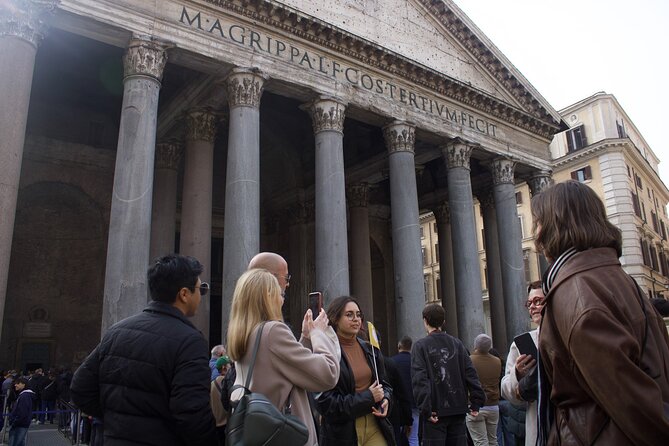
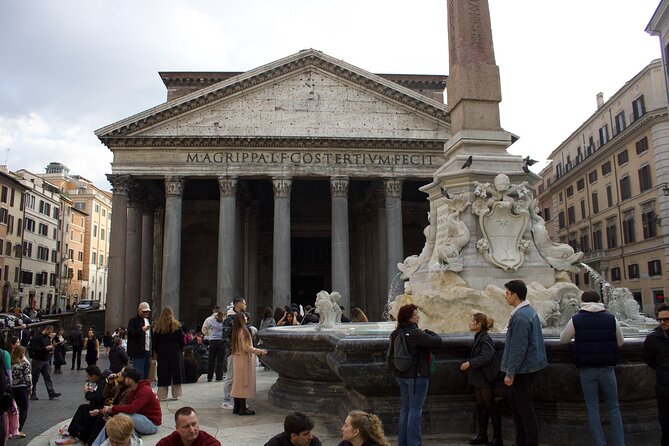
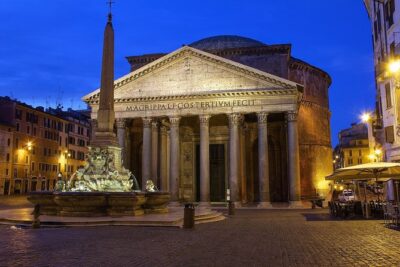
After the first square, the tour route includes the Pantheon area, recognized for its massive dome (the kind people talk about in awe even if you don’t study architecture). Even though Pantheon entry is not included, you still get the value of having a guide point out what makes it special before you decide whether you want to come back and go inside later.
Another stop in the mix is a major church, often St. Ignazio. A key reason this works is that it gives you a break from the open-air walking. From what I saw in guide feedback, people really liked getting a chance to look around inside St. Ignazio during the night walk.
This section is a nice balance: you’re not only seeing Rome from the street. You’re also getting a chance to feel how the city shifts from grand civic spaces to quieter, interior moments.
Tip: if you’re sensitive to cold, this is a good part to wear an extra layer. Even short interior stops can make the rest of the evening more comfortable.
Trevi Fountain at night: time to circle, not just pose
Next up is Trevi Fountain, and your timing matters. During the day, Trevi can feel like a living picture. At night, it’s more manageable, and the crowd energy is different. Your guide also helps you understand why this fountain is so famous, even though central Rome has many others.
You get about 20 minutes here, and that’s the sweet spot. It means you can walk around it, look up at details, and not feel like you’re trapped in a single photo spot the whole time.
One more practical point: Trevi is a magnet. If you have a goal like buying gelato nearby, using the restroom before you arrive, or getting a calmer moment to shoot photos, do it early in your stop, not at the busiest moment.
You can also read our reviews of more guided tours in Rome
Piazza Venezia and the Altare della Patria area: Rome’s modern identity meets the ancient city
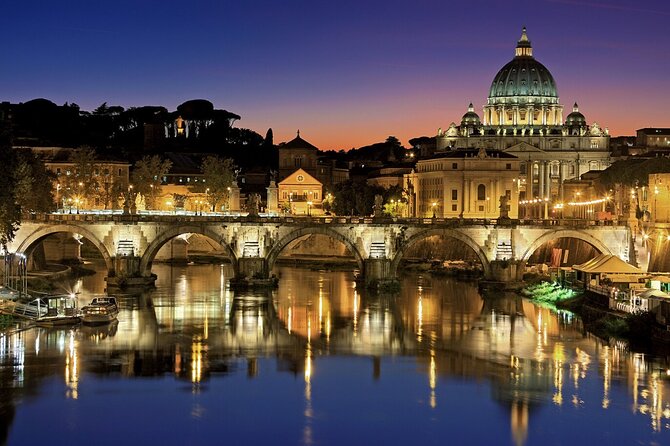
From Trevi, you head toward Piazza Venezia, which gives you a big open view of how Rome layers time. This stop also connects to Italy’s national story, with the Altare della Patria featured as Rome’s biggest building in the area.
Your guide frames the site so it doesn’t feel random. The point is that Rome is not only ancient ruins and Renaissance churches. It’s also where modern Italy marked its identity. That historical thread can help you make sense of why the area looks the way it does, and why people still gather there.
Expect about 20 minutes here. It’s enough time to stand, look, and learn the story without turning it into a long detour.
Via Fori Imperiale and the Roman Forum, seen the right way (even without entry)
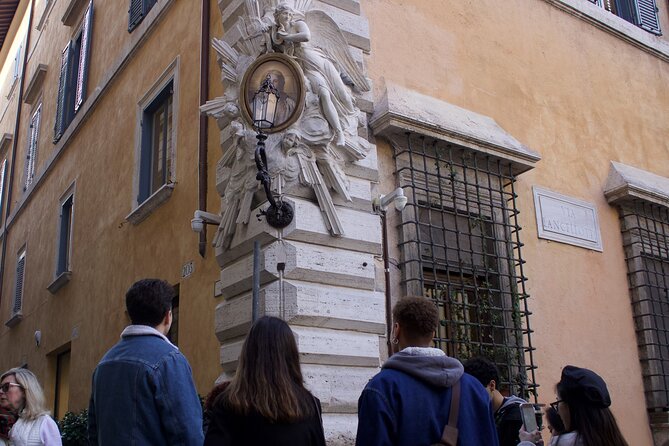
The tour then turns toward the Roman Forum, with a walk on Via Fori Imperiale. This is a smart choice because the path guides you through the feel of the ancient city, instead of only listing monuments.
One thing you should know upfront: Roman Forum entry is not included. That means you won’t be going deep inside the complex as part of this walk. But you still get a lot from the viewpoints and the route itself. A good guide can help you imagine movement, daily routines, and why this area mattered, even if you’re not inside the ticketed zones.
This stop is about understanding the layout. Once you learn the basics of where things were, you’re better prepared to return later, buy a ticket, and explore on your own at a deeper pace.
If you’re someone who only wants interiors and ticketed areas, you might feel limited here. If you’re the type who enjoys context and seeing the city’s spine, this stop is a strong part of the evening.
Colosseum under lights: the majestic finish, minus the ticket line
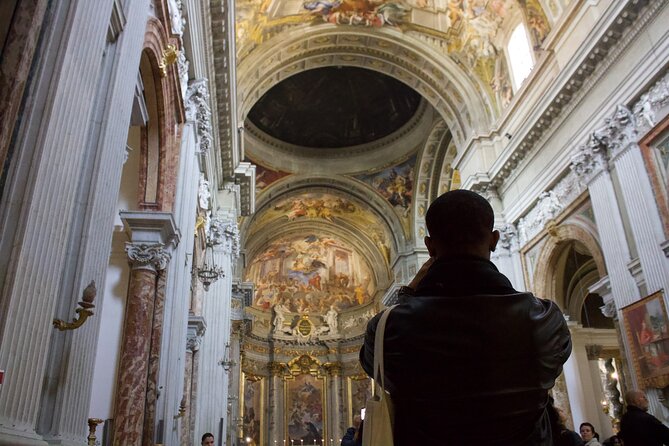
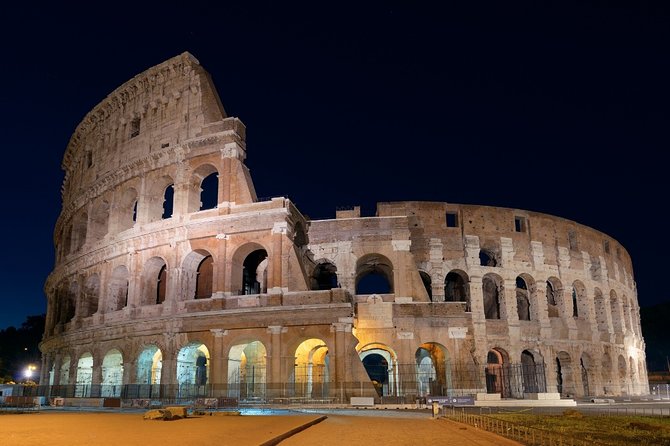
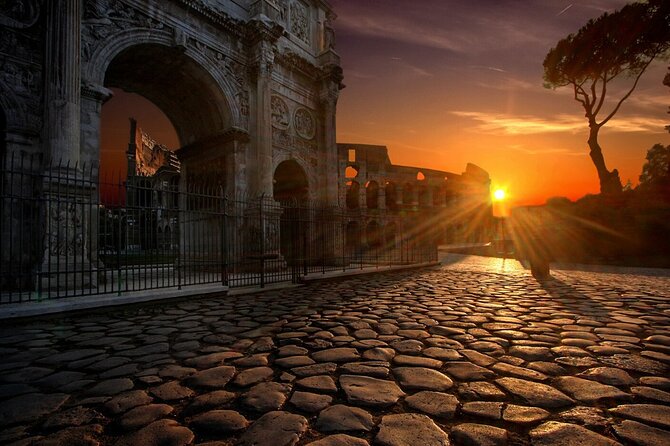
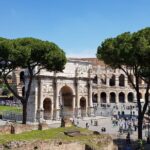
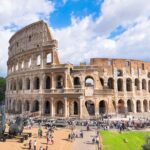
You end with the Colosseum experience. The magic is obvious: at night, the Colosseum looks monumental in a different way. Lighting makes the scale easier to appreciate.
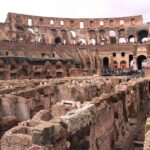
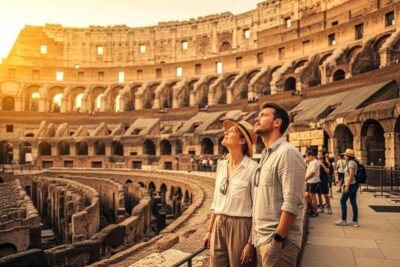
But again, Colosseum entry is not included. So the payoff is in the outside views and your guide’s storytelling, not in walking the floor inside the arena. You do get a finish at a viewpoint overlooking the Colosseum, which is a great way to close a walking tour.
This is also why the tour works well for a first evening. You get a huge wow moment right away, then you can decide later if you want to go in with a separate ticket.
What you get from the guides on this route
The most consistently praised part across guide names like Yousef, Csenge, Sharon, Domenica, Sila, Antonio, Dan, Pablo, and Alina is how they handled pacing and questions. People repeatedly highlighted guides who made the time fly by and kept the group engaged.
You’ll feel that in real time during stops. Your guide will pause the group where listening is easy, share stories tied to what you’re looking at, and help you understand the bigger picture fast. Several people also mentioned that the walk felt safe and easy to manage because you weren’t stuck figuring out street-by-street navigation alone.
Also, if you’re traveling solo or as a small group, this format tends to work well. The group size stays small, and conversations can happen without the usual big-tour chaos.
Price and value: $29.04 for a lot of city
At $29.04 per person for about 2 hours (approx.), this is priced like a way to get your bearings, not like a full museum day. The value comes from coverage: multiple iconic stops, plus a couple of meaningful diversions, guided throughout by someone local.
What makes it feel like a good deal is the mix of:
- big famous squares like Piazza Navona and Trevi
- a structured ancient-city walk direction like Via Fori Imperiale
- a finish at the Colosseum viewpoint
- and a clear storytelling focus so the sites don’t feel disconnected
The main tradeoff is also part of the value equation: entry fees are not included for Pantheon, Roman Forum, and the Colosseum. If you want to spend hours inside those places, you’ll need separate plans. If you want an efficient overview that sets you up for later, this price makes sense.
Booking timing can help. The average booking window is about 47 days in advance, so planning ahead can improve your chances, especially around peak travel seasons.
Small-group size means you notice more
With a maximum of 15 travelers, you’re not fighting a crowd of strangers. That matters at night, when visibility is lower and streets can narrow quickly near major sights.
In practice, a small group means:
- your guide can stop the group without losing everyone
- you can ask a question and get a direct response
- you can keep moving at a pace that feels comfortable
People also liked that the tour felt easy to follow, including during winter evenings.
What to wear and bring for Rome at night
You’ll want comfortable walking shoes. The walk is described as smooth, but it’s still a walking tour, so your feet will notice if you ignore comfort.
If you’re going in winter, plan for cold evenings. People also recommend warm clothes, and at least be ready for occasional rain, since weather can flip on and off. A simple umbrella can save your evening plan.
If something comes up, you can also ask your guide if you need to step away early. One review noted that it’s possible to leave before the end if needed, as long as you tell the guide.
Who this tour suits best (and who should reconsider)
This is a great fit if you:
- want a first-night orientation so your days afterward run smoother
- love history but don’t want a full-day ticket-and-line marathon
- prefer a small-group experience over large crowds
- enjoy learning city context while you walk
It’s less ideal if you:
- only care about ticketed interior visits
- expect included entry to Pantheon, Roman Forum, or the Colosseum
- dislike walking in the evening, even if the pace is gentle
In other words, think of this tour as a guided evening map of Rome’s big moments and the stories behind them.
Should you book this Rome at Night walking tour?
If you want the classic Rome feeling without spending your first day lost or overwhelmed, yes, book it. For the money, you get a tight route, a local guide, and a sequence of highlights that works especially well for night photography and first-time orientation.
I’d book it early in your trip, because the learning sticks and it helps you navigate afterward. Just go in knowing the key limitation: entry is not included for Pantheon, Roman Forum, or the Colosseum, so keep a separate plan for tickets if you want to go inside.
FAQ
How long is the Rome at Night guided walking tour?
The tour runs about 2 hours (approx.).
Is the tour in English?
Yes, the tour is offered in English.
What is the group size limit?
The maximum group size is 15 travelers.
Where does the tour meet and where does it end?
It meets at Piazza del Colosseo, 1, 00184 Roma RM, Italy, and it ends at the same location.
Which sights are included, and is entry included?
You’ll visit key stops like Piazza Navona, Trevi Fountain, Piazza Venezia, and areas around the Roman Forum and Colosseum. Entry tickets are not included for Pantheon, Colosseum, and Roman Forum.
Is there a mobile ticket?
Yes, the experience includes a mobile ticket.
Is the meeting point near public transportation?
Yes, it is near public transportation.
What should I wear for an evening walking tour?
Wear comfortable walking shoes. If you’re traveling in winter, plan for cold weather and consider bringing an umbrella in case of rain.
When will I receive confirmation?
Confirmation is received at the time of booking.
What is the cancellation policy?
Free cancellation is available up to 24 hours in advance for a full refund. If you cancel less than 24 hours before the start time, the amount paid is not refunded.
More Walking Tours in Rome


More Tours in Rome

More Tour Reviews in Rome
Not for you? Here's more nearby things to do in Rome we have reviewed






Rome Night Tours, compared.
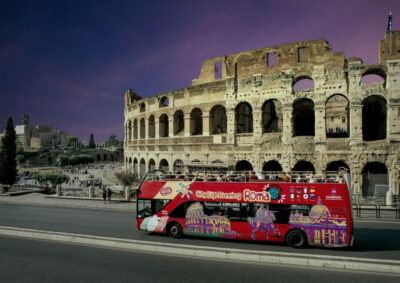 ★ 4.1City Highlights Open-Top Bus Night TourFrom $222,038 reviews
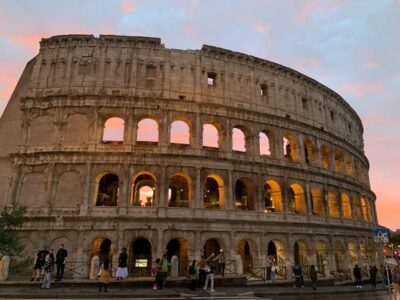 ★ 4.5Colosseum Sunset Tour with EntryFrom $491,230 reviews
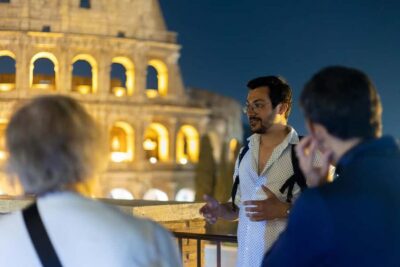 ★ 4.9E-Bike Night Tour with Food and Wine TastingFrom $891,131 reviews
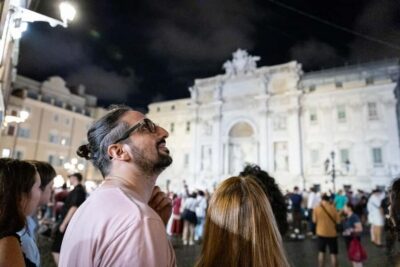 ★ 4.8Under the Moonlight Evening Walking TourFrom $28852 reviews
 ★ 4.5Night Tour of Rome with Local Pizza Dinner and Gelato ExperienceFrom $237780 reviews
 ★ 5.0Rome Bar Crawl: Interactive Night Tour with Games and KaraokeFrom $78769 reviews
 ★ 4.7Colosseum Arena Twilight Tour & Imperial Forum VisitFrom $78689 reviews
 ★ 4.5Rome by Night: Golf Cart TourFrom $108688 reviews
Browse the lists this tour appears in