
Reviewed · HALF-DAY
Rome: Angels and Demons Tour Half-Day Semi-Private
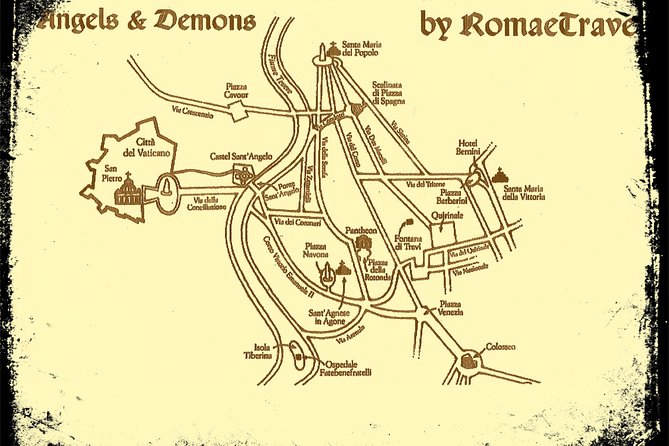
Dan Brown clues guide your Rome walk. This Angels and Demons half-day tour is built around real locations from the book, told by an English-speaking guide in a small group that keeps the day relaxed. You start at Santa Maria della Vittoria and finish near St Peter’s Basilica, with mostly outdoor viewing and church interiors where available.
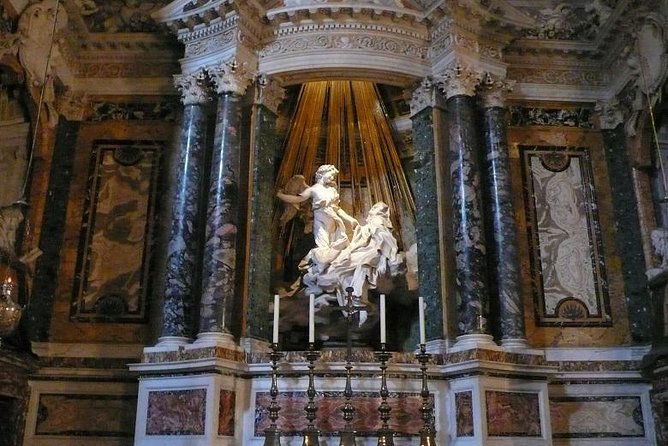
I love the fact that it is story-first. The guide connects Bernini’s Cornaro Chapel masterpiece, the Ecstasy of Saint Teresa, with the book’s atmosphere in a way that makes the art feel practical, not academic, and people like Irene and Luisa have been singled out for pacing and flexibility. I also like the small-group size, limited to a maximum of 14 (and at times up to 8), because it makes it easier to ask questions and stay together.
The only real watch-out is logistics. You should expect a lot of walking on uneven pavement, and churches can be disrupted by Mass, weddings, or temporary closures, which sometimes leads to itinerary swaps.
Key highlights worth your attention
- Bernini at Santa Maria della Vittoria: the Ecstasy of Saint Teresa is the big emotional anchor for this route
- Pantheon from the outside: you get the key Christian reuse story and why it matters
- Castel Sant’Angelo at a distance: Hadrian’s mausoleum-to-fortress backstory, explained where you can actually see it
- Santa Maria del Popolo’s art lineup: Raphael, Bernini, Caravaggio, and more, framed as living locations not textbook names
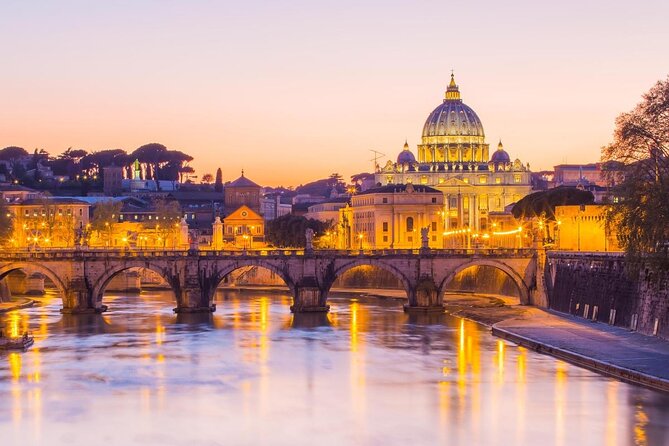
- St Peter’s area storytelling: you see the Basilica from the outside while the guide ties it back to the plot and the Vatican setting
- Small group control: guides like Felice and Vittoria have been praised for adjusting to pace and heat
Dan Brown in Rome: what this half-day tour feels like
This is not a sit-down, museum-only day. It is a walking route that uses Angels and Demons as a set of signposts, then teaches you what those places meant in Rome before the novel ever showed up. Even if you never read the book, the best moments are still the art and architecture stops that the guide turns into real-life context.
You are moving through several major Rome landmarks with a local guide, and the group stays small enough for the guide to slow down when needed. That shows up in the way guides like Chiara, Federico, and Pavlios are described: they do more than recite dates, they connect the dots so you leave with a clearer mental map of central Rome.
The time commitment is short on paper, about 3 hours, but it often stretches closer to a 3.5 to 4 hour feel because you are walking, pausing for explanations, and waiting your turn at churches. Plan for a solid walking workout, not a casual stroll.
You can also read our reviews of more private tours in Rome

Santa Maria della Vittoria: Bernini’s Ecstasy of Saint Teresa, explained in plain language
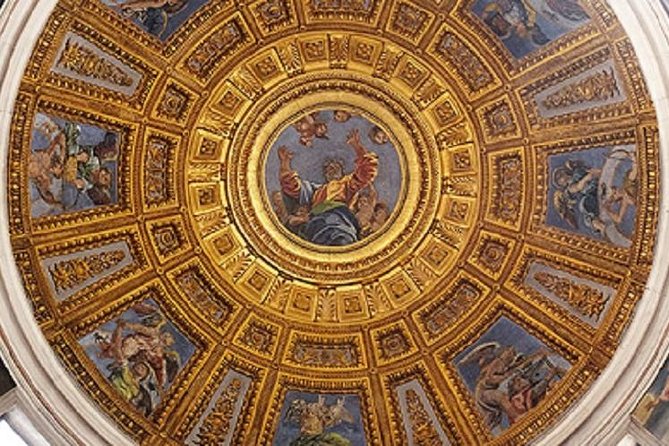
Your first major stop is Santa Maria della Vittoria, where Bernini’s Cornaro Chapel houses the Ecstasy of Saint Teresa. This is the kind of place where you will instantly see why a novelist would want it in the story: dramatic light, theatrical religious art, and a feeling of motion inside a quiet space.
What makes this stop especially valuable on a guided route is the way the guide frames what you are seeing. You do not just hear the name Bernini and move on. Instead, the guide helps you notice the details that make the chapel so famous, and then relates why it became such a pop culture magnet after Angels and Demons brought it into the public conversation.
There is also a practical angle. Because the visit is tied to a real church stop, you get a better sense of how Rome layers history on top of daily worship. Just know there can be interruptions, and some guides have handled this by shifting you to another church when a planned one was not available.
Castel Sant’Angelo from the outside: why Hadrian built a tomb fortress
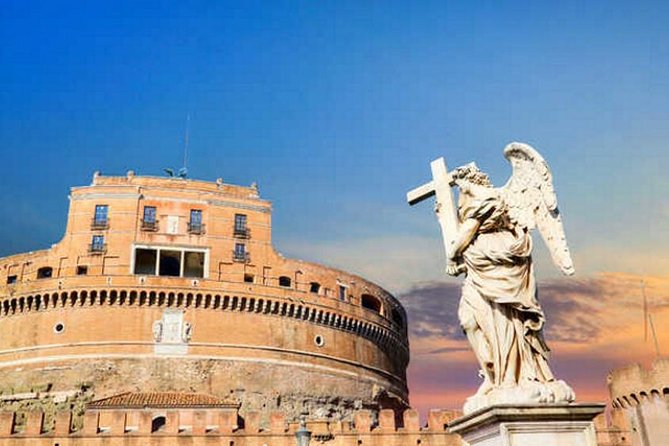
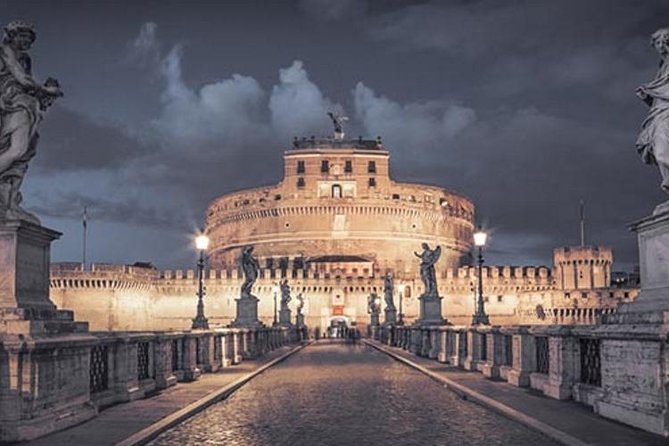
Next comes Castel Sant’Angelo, seen from outside. From street level, you may not notice how many centuries the building has lived through. The guide’s job here is to make that timeline click.
The story is straightforward and memorable: construction began under Emperor Hadrian with the intention of using it as a mausoleum for him and his family. After that, popes used the structure as a fortress and castle, and that mix of sacred and military purpose is the reason the site feels so heavy in the best way.
This stop also works as a breathing point. You are not forced to rush inside, and you can take photos and look for sightlines. Even the outside viewing has value because it helps you connect the “real Rome geography” to the book scenes without needing to pay for extra attractions.
Small note: if you are the type who wants every photo framed perfectly, arrivals and crowd flow can affect timing, since you are coordinating a small group through active public spaces.
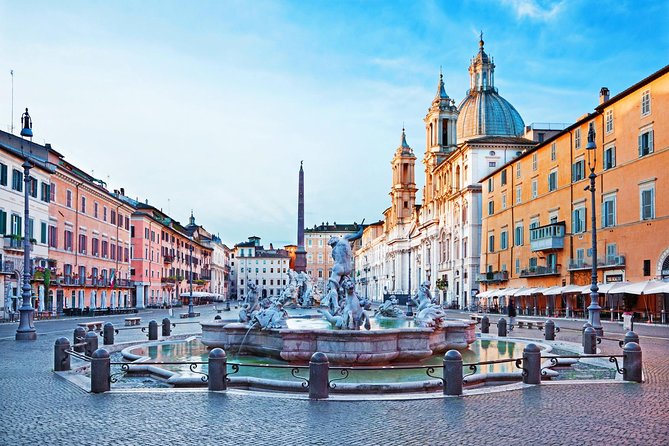
Pantheon from Piazza della Rotonda: the Christian reuse story that makes it make sense
The Pantheon is one of those Rome places that feels instantly familiar, even if you have only seen photos. In this tour, you see it from the outside, and the guide focuses on why it became so important in Roman religious life.
The key idea you will hear is the Christian reinterpretation of a sacred space built for all gods. The Pantheon is often praised for its preservation, but the real payoff comes from understanding how reuse shaped meaning. The building did not lose its identity. It got a new one, and Rome’s history shows up in that shift.
You also get a strong “who is buried here” context. The tour explanation includes that in 1870 it became a shrine of the kings of Italy, and it includes the burial of figures such as Victor Emanuel II and others. It also notes that Renaissance artist Raffaello Sanzio is buried in the Pantheon, which helps you connect Roman and Renaissance layers without needing a separate art lecture.
The outside format is actually a win for some people. It keeps the pace moving and avoids turning your day into a line management problem. If you want an in-depth interior visit later, you can always build that on another day. But for a half-day themed route, the outside viewing plus story is a smart balance.
Santa Maria del Popolo: where multiple master painters show up in one church
The route then moves to Chiesa di Santa Maria del Popolo, a parish basilica run by the Augustinians. This is the stop that often turns into a favorite because the guide can explain how a church becomes a miniature gallery for major artists.
You are told that the church contains works by several famous names, including Raphael, Gian Lorenzo Bernini, Caravaggio, and other artists. What matters for you is how the guide frames these works as part of Rome’s religious and artistic machinery, not just a list of signatures.
A bonus for book fans is that the guide’s storytelling approach can make the church feel like a character in the novel rather than a static building. People have mentioned that guides adjusted when a planned church was unavailable, leading to another church experience with interesting information, which is the kind of flexibility you want on a walking day.
Do keep your expectations grounded. This is not an art history marathon. It is a themed route with enough art inside the churches to reward you, then enough movement outside to keep you oriented around central Rome.
A few more Rome tours and experiences worth a look


St Peter’s Basilica from the outside: ending at the Vatican without getting trapped
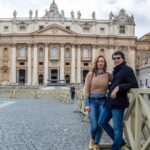
The tour finishes near St Peter’s Basilica, in Vatican City territory. Here, you see the Basilica from the outside while the guide explains its role in Christian Rome.
You are told about the big architectural names, including Donato Bramante, Michelangelo, Carlo Maderno, and Gian Lorenzo Bernini. The guide also situates St Peter’s as a Renaissance masterpiece and a major Catholic shrine, with a reminder that it is not the “mother church” of the entire Catholic Church and that it is distinct from being the Diocese of Rome cathedral.
The practical benefit of ending here is that you are at a natural hub for the rest of your day. You can walk to nearby areas, grab a meal, or connect to transit. The practical downside is exactly that it is at the Vatican edge, so you should plan your return to your hotel with enough margin if you are doing other activities later.
Some people mentioned issues like not receiving pickup or not getting a drop back to their hotel. The safest plan is simple: treat this as a start-to-finish walking tour with an end point near the Basilica, not a hotel-to-hotel service.
Why the guide and small group size matter more than the theme
Yes, this tour is built around a Dan Brown connection. But the reviews show something more useful: the guides do real interpretive work. People highlighted guides by name, like Felice, Irene, Luisa, Vittoria, and Chiara, for being flexible with the group and adjusting the tour to match energy levels.
That flexibility shows up in two ways you will feel on your feet. First, the guide can slow down when heat or energy becomes an issue. Second, if a church stop is delayed or temporarily closed, a good guide will not just shrug, they will find an alternative so you still get a meaningful arc.
The small group limit is what makes this workable. With a maximum of 14 people, and a stated cap of up to 8 travelers, you are far less likely to get “tour-line” treatment. You can ask a question without the whole group stopping for ten minutes, and you can hear the guide better if you stay close.
Walking realities: heat, crowds, uneven pavement, and how to handle it
This route is a walking tour, and the shoes question is not a suggestion. Comfortable shoes are recommended, and multiple people stressed that it can be hard on the legs, with up and down streets and uneven pavement.
Here’s how to make it easier:
- Wear shoes you can walk fast in, not just comfortable ones.
- Bring water, especially if you are visiting in warm months.
- If you struggle with hearing, stick closer to the front. Some guides have been described as soft spoken, and crowd noise can swallow explanations.
Also, remember that churches can have events. Weddings, Mass, and temporary closures can affect access. The best mindset is to accept that you are on a live day in Rome, not a perfectly scripted video.
If you are someone who gets frustrated by last-minute adjustments, this might be harder. But if you enjoy learning anyway and you like a guide who can pivot, you will likely appreciate the hands-on reality.
Price and value: is $76.89 a smart way to do these stops?
At $76.89 per person for about three hours with a local guide, the value depends on what you want from your Rome day.
You are paying for two things:
1) Expert storytelling that makes art and architecture easier to understand
2) A tight route that strings together major sights without you doing the research in advance
The tour lists admission tickets as free for the church stops it highlights, and that matters because churches and major sites can add up when you build a DIY day. Even when the tour does not include inside visits for every location, the guide still covers the meaning of what you see.
The biggest value driver is time. If you tried to do these places alone, you could absolutely manage the route, but it would take more planning to get the “why” behind each stop. This tour hands you that why in the flow of a walk.
Where value can feel weaker is if you wanted full interior access everywhere, or if you were hoping for a low-walking, minimal-effort day. This route is designed for mobility and attention, not for lounging.
Who should book this Angels and Demons Rome tour
This is a strong fit if:
- You love the idea of seeing major Rome landmarks with a narrative thread, whether from the book or just from the guide’s connections
- You want a small group day with a guide who can adjust when conditions change
- You are short on time and want a coherent hit list in a half-day window
It may not be the best choice if:
- You cannot handle lots of walking or uneven streets
- You need a guaranteed interior visit at every stop, no exceptions
- You prefer a slow, self-paced sightseeing day with no route structure
One more practical tip: if you care about sound quality, plan to stand near the guide and keep your expectations realistic in busy church squares.
Should you book this Rome Angels and Demons tour
If your priority is a story-led, organized route through Bernini, the Pantheon area, and the Santa Maria del Popolo art stops, I think you will like it. The most praised element across guide names like Felice, Irene, Luisa, and Vittoria is how the day stays human, with flexibility and a pace that can be adjusted.
But go in with the right expectations. This is a walking tour in a city full of real-life schedule disruptions. If you prepare for that, the tour feels like a smart way to get oriented fast and see key landmarks with explanations that stick.
FAQ
How long is the Rome Angels and Demons tour?
The tour is listed at about 3 hours.
Is this a walking tour?
Yes. You should expect a good amount of walking, and comfortable shoes are recommended.
How big is the group?
The tour is described as small group limited to a maximum of 14 people, and additional info lists a maximum of 8 travelers.
Where do we meet and where does it end?
You start at the Church of Santa Maria della Vittoria, Via Venti Settembre, 17, 00187 Roma RM, Italy. The tour ends at Saint Peter’s Basilica, Piazza San Pietro, 00120 Città del Vaticano, Vatican City.
Are admission tickets included?
Admission tickets are listed as free for the highlighted stops.
Is pickup and drop-off included?
Pickup and drop-off is listed as not included.
More Private Tours in Rome
More Tours in Rome
More Tour Reviews in Rome
Not for you? Here's more nearby things to do in Rome we have reviewed





Half-Day, compared.
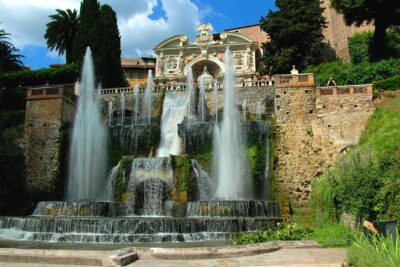 ★ 3.5Hadrian’s Villa and Villa d’Este Half-Day Trip from RomeFrom $118808 reviews
 ★ 5.0Rome Golf Cart Tour : Half-Day Private or Small Group SightseeingFrom $107528 reviews
 ★ 4.8From Rome: Ostia Antica Guided Half-Day Trip by TrainFrom $58486 reviews
 ★ 4.5Catacombs and Roman Countryside Half-Day Walking TourFrom $78411 reviews
 ★ 4.5Trastevere and Rome’s Jewish Ghetto Half-Day Walking TourFrom $66282 reviews
 ★ 4.2Hadrian’s Villa and Villa d’Este Half-Day TourFrom $113165 reviews
 ★ 5.0Classic Half-Day Wine Tour in Frascati with LunchFrom $108131 reviews
 ★ 4.9Half-Day Tour by Vespa with DriverFrom $181116 reviews