
Reviewed · MUSEUMS
Percy Jackson and Ancient Myths Tour at the Capitoline Museums with Alessandra
Mythology turns art into a family mission. On the Percy Jackson and Ancient Myths Tour at the Capitoline Museums, kid-friendly guide Alessandra connects Greek and Roman gods to what you see on the walls, and I love the way the tour uses scavenger hunts to keep kids switched on. You also get a memorable combo of famous myth moments, like the wolf origins of Rome with the authentic Lupa and a peek at a Cyclops in the museum. The main drawback to weigh is simple: it is about 2.5 hours, so very young kids, or kids who are wiped out after travel, may need patience and a little extra adult managing.
This is also a smart way to do Rome museums, because you are not just walking and reading. You get a guided format built around games and storytelling inside a museum, and the visit includes admission, while the tour runs from Piazza del Campidoglio and ends right back there.
Key points at a glance
- Kid-focused Percy Jackson storytelling ties characters and objects together in plain, kid-friendly language
- Games and mini-quests help kids search for specific statues and myth links instead of passively watching
- Romulus and Remus plus the authentic Lupa gives you the wolf-origin story in a museum setting
- You will spot major myth sculptures, including Hercules, Love and Psyche, Satyrs, and Centaurs
- A Cyclops moment inside the museum makes the mythology feel concrete and surprising
- Private tour format for your group plus a choice of morning or afternoon timing
Entering the Capitoline Museums at Piazza del Campidoglio
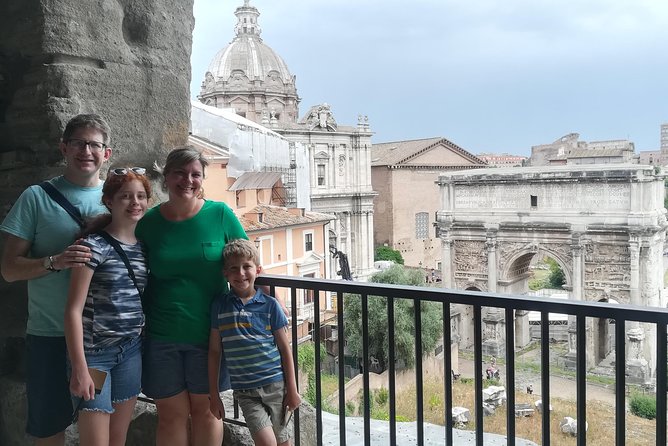
You start at Piazza del Campidoglio, 00186 Roma RM. That matters because it puts you at the center of Rome’s big museum zone and keeps things straightforward for families. The tour ends back at the meeting point, so you are not stuck figuring out how to reconnect once the 2.5 hours are done.
If you are planning a day around this, pick a morning or afternoon slot based on your kids’ energy. That flexibility is a real quality-of-life feature in Rome, where museum timing can be the difference between a fun day and a cranky one.
Also, the tour includes a mobile ticket, so you can keep everything simple on your phone and avoid last-minute paper scrambling. And because it is offered in English, you can keep the learning in one lane instead of juggling translation.
You can also read our reviews of more museum experiences in Rome



What Alessandra does with Percy Jackson in a real museum
This tour is built to make museum art and archaeology feel like story. The whole pitch is Percy Jackson themed, but you are not getting a one-note fan tour. You are getting guided museum time where gods, monsters, and heroes are connected to actual sculptures you can stand in front of.
What I like about Alessandra’s approach is the balance. You can expect question-based interaction and games that match kids’ ages and needs, plus real explanations that adults can follow. The best tours for families do two things at once: they keep kids moving and they give adults something worth paying attention to. This format is aimed directly at that.
The tour also sets expectations early. It is not just listening. You play, you search, and you use the museum space like a classroom playground. If your group includes both Percy Jackson fans and kids who get bored in galleries, this is the kind of structure that helps everyone stay involved.
The gods and goddesses you will connect to what you see
You will learn about Greek and Roman gods and goddesses, and the tour explicitly names Jupiter, Juno, Minerva, and others. That is useful because it gives you a set of anchors before you start identifying statues.
In plain terms, these names are not trivia for their own sake. In museums like the Capitoline, many sculptures and symbols look confusing if you do not know what they are supposed to represent. When your guide connects the myth identity to what you are viewing, you start spotting patterns on your own as you move through the galleries.
This is also a nice way to introduce mythology without drowning kids in complicated backstory. You are learning the core characters and linking them to visible art. Adults get context too, because the tour helps you understand why certain figures show up again and again in Roman collections.
Romulus and Remus, the Lupa, and Rome’s wolf origin story
One of the tour’s standout myth threads is Rome’s founding tale. You will listen to the story of Romulus and Remus and see the authentic Lupa, the wolf associated with their origins.
This is a big deal for Percy Jackson readers because it grounds the broad myth-world in a tangible Roman setting. You are not just hearing about the wolves as a concept, you are seeing the art connection to the legend. It makes the story feel less like something you read and more like something Rome built into its own identity.
For kids, this is also a strong narrative hook. It gives them something to look forward to, and once the story is explained, they tend to remember details because they connect the words to a specific object in front of them.
Practical note: the wolf story can lead to lots of questions, because kids often connect it to other monster or hero characters. Having an interactive guide helps you keep those questions moving instead of letting the group stall.
Hercules, Love and Psyche, and the creatures kids love spotting
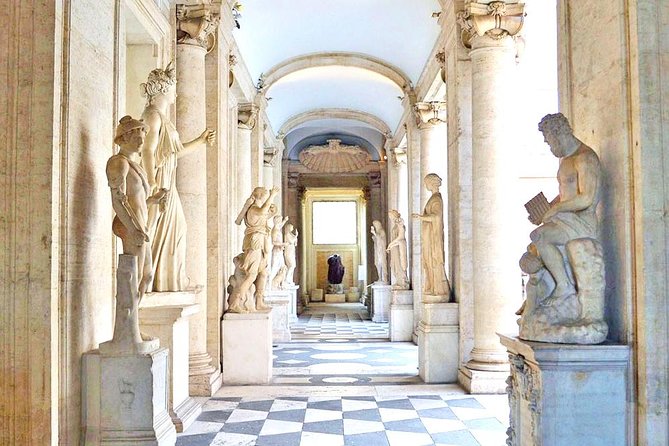
You will see statues tied to several major myth themes, including Hercules, Love and Psyche, Satyrs, and Centaurs. These are not random picks. They are characters and creature types that show up in mythology in ways that are easy for kids to visualize.
I particularly like the way these choices support different kinds of interest. If your child is drawn to action and strength, Hercules gives them a hero. If your child likes romance and relationships, Love and Psyche gives a more emotional myth angle. If your child loves weird hybrids and creatures, Satyrs and Centaurs are instant visual payoff.
This is also where the museum storytelling becomes more than explanation. The tour uses games and mini-quests, so kids are encouraged to find the statues and make the connections themselves. That active searching helps your child remember what they saw, and it helps adults appreciate the art without feeling like a lecturer is going on at them for two straight hours.





A Cyclops inside the museum, and why it works

Yes, you can find a Cyclops inside the Capitoline Museum, and the tour points it out as part of the mythology experience. This is the kind of detail that makes the museum feel less intimidating and more like a set.
What matters here is not the shock of seeing a Cyclops figure. What matters is how a good guide uses that moment. They connect the monster image to the broader myth ideas you have been discussing all along. When it is tied to the story you already learned, the museum becomes a place where mythology is translated into objects.
If you have a young Percy Jackson fan, this section is likely to be a highlight. A specific monster sighting is easy for kids to name later, and it often turns into the moment they tell you about during dinner.
Duration, pacing, and what the 2.5 hours really feels like
The tour runs about 2 hours 30 minutes, and that timing is built around staying engaged. It is long enough to see meaningful highlights, but not so long that it turns into a marathon of standing.
Still, consider the practical reality: museums require attention, and kids require breaks even when the activity is fun. If your group arrives tired from flights or a hectic schedule, plan on a little extra kindness and flexibility. The best strategy is to arrive with enough buffer time that you are not racing the clock.
Because the tour is designed around scavenger hunts and games, the pacing should feel more active than a standard museum walk. You are moving and participating, not just listening. That format typically helps kids handle the duration better than quiet tours.
Price and value: what you pay for at $239.38 per person
The price is $239.38 per person, and admission is included. On top of that, you get a guided team that includes a Blue Badge guide, a local guide, a professional art historian guide, and a professional kid-friendly guide.
That matters for value. In many family tours, you either get a guide who is great with kids but lighter on art context, or you get the art depth but the energy is wrong for children. Here, the structure suggests you get both: myth storytelling and art-historical support, delivered in a way that kids can handle.
You also have group discounts, which can matter if you are traveling as a larger family group or bringing friends. And since it is listed as a private tour format, your group stays together without being mixed into a random crowd you cannot control.
Two things to keep in mind when judging value:
- Food and drinks are not included, so plan your own snack or water strategy before or after.
- There is no hotel pickup or drop-off, so you will want to factor in how you will get to Piazza del Campidoglio using public transport or a short taxi or ride-share.
Logistics that help: private group, English, and mobile ticket
This experience is offered in English, which keeps communication simple. You also get a mobile ticket, which reduces friction on arrival.
The tour is described as private, meaning only your group participates. That can be a big deal with kids. You are more likely to get a pace that suits your child’s attention span, and questions can get answered without constantly restarting because another family is holding the guide hostage with a different agenda.
Meeting point is Piazza del Campidoglio, and you return there at the end. Near public transportation, so getting there should be manageable even if you are not staying right in the historic center.
Tips to make the scavenger hunts actually fun
The tour includes games and scavenger hunts tailored to kids’ ages and needs, and you will likely be searching for myth-linked statues. To make the most of that, do two simple things before you go.
First, brush up on the basics of the Percy Jackson world for your child. You do not need full rereads. Just knowing the key names and the general idea that Greek and Roman gods connect to places and symbols will help them connect faster once the tour starts.
Second, decide ahead of time how you want to handle competition and questions. If your kids like challenges, lean into the game energy and let them participate fully. If your kids are shy or overstimulated, give them permission to go at their own pace and keep your encouragement calm. The point of the format is to help them stay engaged, not to stress them out.
And if you are bringing a mix of ages, remember that the guide is using games adjusted to kids’ needs. That is your cue that it is okay to let each child participate in their own lane.
Who this tour is best for
This tour is recommended for children aged 6 and over, and children must be accompanied by an adult. That is a clear fit for many families who want something more structured than a self-guided museum visit.
It is also a good option for adults who are curious about mythology but do not want a stiff, lecture-only tour. The guide format is designed so adults can enjoy the art context while kids stay actively involved.
If your child loves Percy Jackson, this is the kind of tour where the mythology feels attached to real objects. If your child does not read the books, the mythology angle still works because the tour focuses on gods, creatures, and recognizable myth themes.
Should you book the Percy Jackson myth tour at the Capitoline Museums?
Book it if you want a family-friendly Rome museum experience that teaches mythology through interaction, not just speeches. Alessandra’s kid-centered approach, the scavenger hunt style, and the chance to see major myth subjects like the wolf-origin Lupa, Hercules, Love and Psyche, Satyrs, Centaurs, and even a Cyclops make this a strong pick for Percy Jackson fans and mythology curious families.
Skip it or rethink if your group needs a very quiet, low-energy museum visit. With kids, 2.5 hours can be a lot, even when it is structured. If your kids are older and game-ready, you will likely love the format.
FAQ
How long is the Percy Jackson and Ancient Myths Tour?
The tour runs for about 2 hours 30 minutes.
What is the price per person?
The price is $239.38 per person.
Where do we meet for the tour?
You meet at Piazza del Campidoglio, 00186 Roma RM, Italy.
Is admission included?
Yes, admission ticket is included.
Is this tour private?
Yes. It is described as private, with only your group participating.
What age is this tour recommended for?
It is recommended for children aged 6 and over, and children must be accompanied by an adult.
Can we cancel for a refund?
Yes. Free cancellation is available if you cancel at least 24 hours in advance for a full refund.
More Museum Experiences in Rome

More Tours in Rome

More Tour Reviews in Rome
Not for you? Here's more nearby things to do in Rome we have reviewed












Museums, compared.
 ★ 4.5Vatican: Museums & Sistine Chapel Entrance TicketFrom $38144,003 reviews
 ★ 4.3Vatican Museums & Sistine Chapel Tour with Optional BasilicaFrom $7967,413 reviews
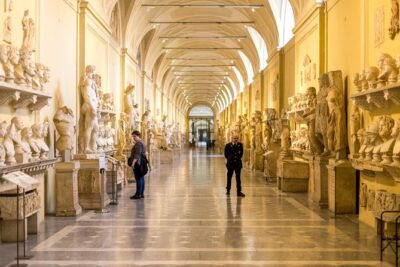 ★ 4.5Vatican Museums, Sistine Chapel & St Peter’s Basilica Guided TourFrom $2239,149 reviews
 ★ 4.3Vatican Museums, Sistine Chapel & Basilica TourFrom $13013,872 reviews
 ★ 4.4Vatican Museums & Sistine Chapel Skip-the-Line Entry TicketFrom $4313,838 reviews
★ 4.7Vatican Museums, Sistine Chapel & Basilica TourFrom $7213,217 reviews
Vatican Museums & Sistine Chapel Guided TourFrom $11812,117 reviews
 ★ 4.2Vatican Museums & Sistine Chapel Skip-The-Line TicketFrom $4111,708 reviews