
Reviewed · VATICAN TOURS
Papal Basilicas: St. John Lateran, Saint Mary Major, St. Paul outside the walls
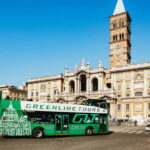
Three Papal Basilicas, one smooth half-day. This tour is interesting because you hit the big three Papal Basilicas in Rome with a private guide and hotel pickup, so you spend less time figuring out transit and more time understanding what you are actually seeing. I like the way the schedule is structured for a comfortable walk between sites, with included tickets and an English-speaking team keeping everything moving.
One thing to plan for: during Jubilee Year, security and crowd flow can mean longer waiting times, and entrance may not be guaranteed without waiting in line. If you are traveling with a tight timetable, that uncertainty matters.
Key things to know before you go
- Private, half-day format covers three major basilicas with a more personal guide experience
- Hotel pickup and drop-off in a luxury vehicle takes the stress out of Rome logistics
- Admission tickets are included for each basilica stop
- English-speaking driver and guide help you follow the stories behind the art and traditions
- Jubilee Year lines are real and entry may require extra patience
- Short visits per stop mean good highlights, but not hours of free roaming
Papal Basilicas in Rome, the easy way: pickup, private guide, and a tight route
Rome can be a study in friction. Trams, buses, traffic, and “Where do we actually go in here?” moments can chew up a day fast. This private half-day tour is built to fix that. You get picked up from your hotel, travel in a luxury vehicle, and you are dropped back at the end. That matters, especially if you want to see the three Papal Basilicas without turning your trip into a logistics project.
The format is private, meaning only your group goes along. That gives your guide room to slow down when questions come up, and to tailor the pace to what you care about most. In the reviews, guides like Tatiana and John Carlo stood out for turning each basilica into more than a quick sightseeing stop. That is the real value here: a guide who can connect architecture, relics, and tradition to what you are staring at.
Just note the trade-off. This is a half-day, and the stops are timed. If you want a long, quiet prayer session, you may feel a bit rushed.
You can also read our reviews of more tours and experiences in Rome.



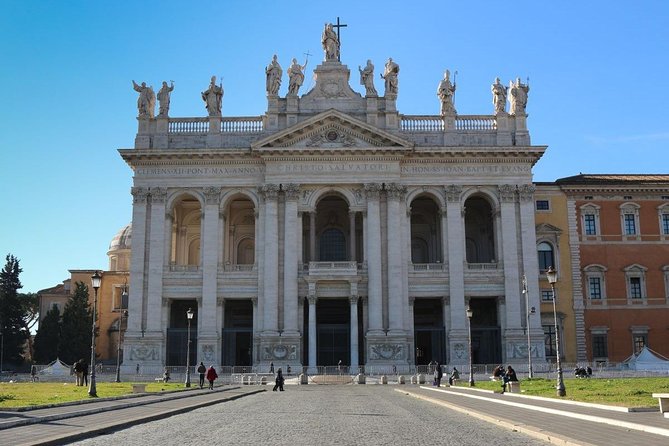
Stop 1, Arcibasilica di San Giovanni in Laterano: Rome’s oldest church and the seat of power
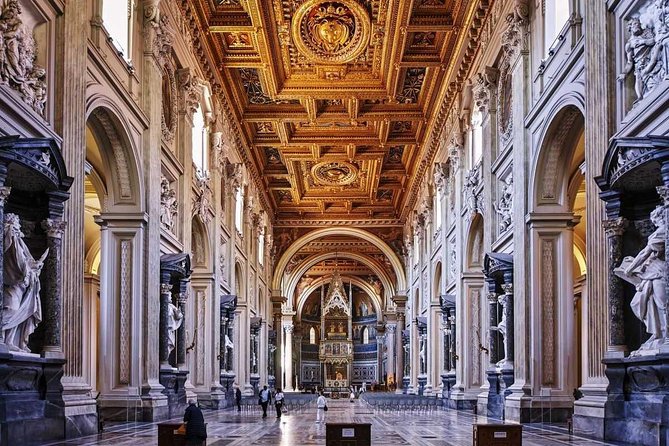
St. John Lateran is the first stop for a reason. It is often described as the oldest church in Europe, and it has a political-spiritual gravity that other sites in Rome do not quite match. The story starts with Constantine I handing over the Lateran Palace to the bishop of Rome. Over time, the building became a major Christian church in the fourth century, and it remains the oldest public church in Rome in the way it functions in the wider Catholic world.
When you visit, you are not just looking at an old building. You are stepping into a place tied to how popes were enthroned and how Roman Christianity developed its center of gravity. The best part of going with a real guide is that the “why” gets attached to the “what.” Instead of walking through a beautiful church with only guidebook-level context, you get explanations that connect the basilica to the broader story of papal Rome.
In your allotted time, plan to focus on the big visual structure first, then let the guide steer you to the details. That order helps you avoid the common problem of seeing everything in a blur because you were trying to memorize the whole building at once.
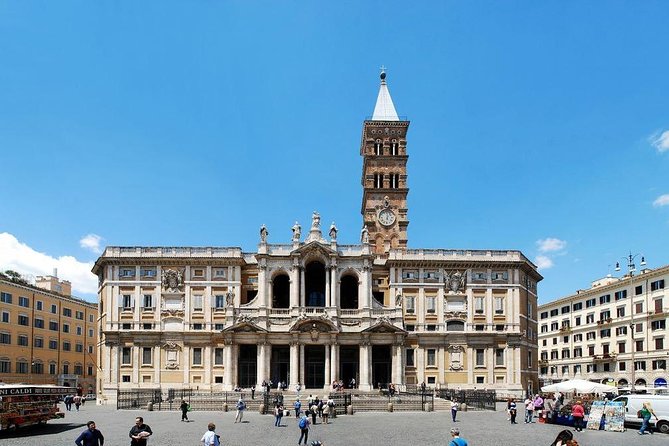
Stop 2, Basilica di Santa Maria Maggiore: a major Marian basilica, plus relic stories
Santa Maria Maggiore is one of Rome’s standout Marian churches, and it is known as the largest of the churches dedicated to the Virgin Mary in Rome. That alone makes it worth putting on your list, but the point of this stop is the mix of scale and meaning. This is an ancient Catholic basilica where tradition, art, and devotional objects are part of the experience.
A highlight from the guidance you may receive here is how relics and sacred traditions show up in the basilica’s story. For example, one account mentions learning about encased wood relics connected to the crib of Jesus. Whether you care deeply about relic history or you just like understanding why a place matters, this kind of detail turns a church visit into something that feels specific, not generic.
You also get practical value from the guided stop: the guide helps you orient quickly inside a large space. In Rome, that is half the battle. Without that, you can spend your time “getting oriented” instead of actually enjoying the art and symbols.
The potential downside is simple. Santa Maria Maggiore is a big, important basilica. In a half-day tour, you will not get a slow wander. You should choose this tour if you want key highlights and context, not if you want to treat the basilica like your personal study hall for hours.
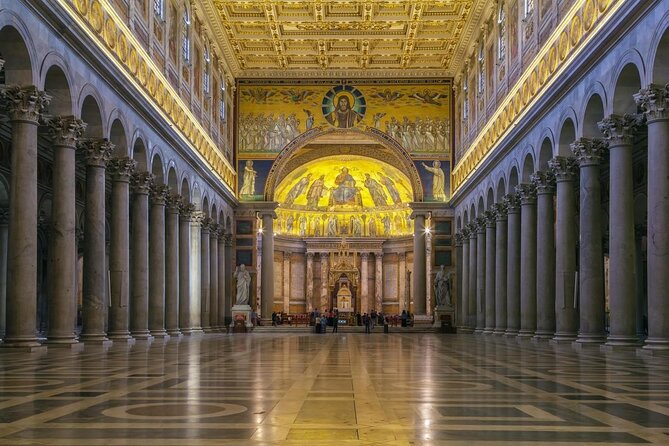
Stop 3, Basilica Papale di San Paolo Fuori le Mura: burial ground, Easter Candle, and 266 popes
If St. John Lateran is about the center of papal authority, St. Paul Outside the Walls is about the dramatic Christian story of Paul. This basilica is one of Rome’s four major basilicas and is noted as the second largest after St. Peter’s. It was founded on the burial ground of St. Paul, so you are visiting a site where tradition says the memory of Paul is anchored in place.
This is also the basilica stop where guides often go big on narrative details. One review mentioned learning about the images of all 266 popes painted there, as well as the Easter Candle and the reconstruction history of the basilica. That kind of information is exactly what makes a guided visit pay off. Instead of just thinking, “Nice church,” you start recognizing patterns, themes, and why certain things were included.
The guide stories can also include background on major early Christian figures. In one account, a guide shared context around St. Stephen, St. Lawrence, and the reasons behind Paul’s beheading and Peter’s crucifixion. The same account also highlighted being amazed by the presence of St. Paul and St. Peter’s burial traditions as part of the basilica’s significance.
You may find it helpful to approach this stop with the right expectation. This is not a museum lecture. It is a devotional site with artwork and sacred elements that make more sense once someone explains what you are looking at.
As with the other two stops, you get about 45 minutes here. If you love St. Paul’s story more than the other sites, you might wish for extra time, since the pacing is tight.
Timing and pacing: what 4 hours really means for three basilicas
The tour runs about 4 hours total, and each basilica visit is about 45 minutes. That rhythm can feel perfect or slightly frustrating, depending on your travel style.
Here is the practical take. In 45 minutes, you can do two things well:
1) See the main parts of the church without stress
2) Absorb a guided storyline that ties the art and tradition together
What you probably cannot do is everything. You will not have unlimited time for side chapels, long prayer cycles, or slow photography sessions. Also, in at least one review, the visitor wished for more time at St. Mary Major and St. John Lateran compared to St. Paul. That tells me something important for you: time allocation can feel uneven if your top priority is not the last stop.
So decide your own priority in advance. If you want the best chance to linger, you can use the first visit to spot what you want to see most, then follow the guide without trying to cover the entire basilica on your own.





Price and value: is $583.42 per person worth it?
At $583.42 per person, this is not the cheapest way to see Roman highlights. But value in Rome is not only about the ticket price. It is about the friction you avoid.
You are paying for:
- Private tour instead of a crowded group
- Hotel pickup and drop-off in a luxury vehicle
- Transportation with an English-speaking driver and guide
- Admission tickets included for each basilica stop
If you were to DIY this, you would need to plan transit, line strategy, and entry timing across three major churches. That is doable, but it is not always relaxing. For many people, the real value is getting someone else to solve the moving parts.
This tour tends to make the most sense if you fall into one of these groups:
- You want maximum meaning in a limited time window
- You dislike navigating independently in busy religious sites
- You want context from someone who can explain symbolism and tradition quickly
- You are traveling as a family or small group and prefer a smoother day
If your budget is tight, you may compare against shared tours. If you are someone who loves long visits and deep quiet, you might prefer fewer stops and more time per stop. This tour is built for highlights and understanding, not for lingering all day.
Jubilee Year planning: entrance can mean waiting longer
The big wildcard here is Jubilee Year. During this Holy Year period, access to these Major Papal Basilicas may involve longer-than-usual waiting times because of increased visitor flow and enhanced security procedures.
That means two things for your planning:
- Your timeline can get stretched by security and queue time. Even if the tour is well organized, you may still need to wait longer than normal.
- Entrance cannot be guaranteed without waiting in line, especially at peak hours.
If you are visiting during Jubilee Year, you should treat patience as part of the price of admission, not as an optional mindset. Build in buffer time, and avoid scheduling the rest of your day too tightly.
Practical tips for your visit inside all three basilicas
A few things can make the experience smoother across all stops, even though the churches are different.
- Dress for respect and comfort. You will be in churches, and you will be doing walking and standing.
- Use your time strategically. In a timed visit, look first for the main focal areas, then take the details your guide points out.
- Bring a portable layer. Churches can feel cooler than you expect.
- Skip the rigid photo plan. Let the guide’s story guide what you want to capture, instead of chasing the perfect angle.
- Expect security checks in Jubilee Year. If you are flexible about timing, the day feels easier.
Also, the tour uses a mobile ticket, so keep your phone charged and ready. That helps you move quickly at the places where tickets are checked.
Should you book this private Papal Basilicas tour?
Book it if you want a well-paced half-day that connects the major Papal Basilicas to the stories behind them, with pickup, private guiding, and tickets included. It is a smart fit when you care about history and symbolism, but you do not want to manage the logistics across three huge churches.
Skip it or reconsider if you are visiting during Jubilee Year and you cannot handle waiting times, or if your travel style is all about long, unscheduled time in each basilica. In those cases, you might prefer a plan with fewer stops and more hours per site.
One more decision helper. This tour is free to cancel up to 24 hours before the start time, so if your schedule is still fluid, you can keep some flexibility while you finalize the rest of your Rome days.
If you want your Papal Basilicas day to feel smooth, meaningful, and organized, this is the kind of tour that makes Rome easier and the basilicas clearer.
More Tour Reviews in Rome
Not for you? Here's more nearby things to do in Rome we have reviewed












Vatican Tours, compared.
 ★ 4.5Vatican: Museums & Sistine Chapel Entrance TicketFrom $38144,003 reviews
 ★ 4.3Vatican Museums & Sistine Chapel Tour with Optional BasilicaFrom $7967,413 reviews
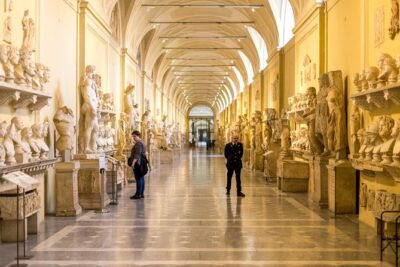 ★ 4.5Vatican Museums, Sistine Chapel & St Peter’s Basilica Guided TourFrom $2239,149 reviews
 ★ 4.3Vatican Museums, Sistine Chapel & Basilica TourFrom $13013,872 reviews
 ★ 4.4Vatican Museums & Sistine Chapel Skip-the-Line Entry TicketFrom $4313,838 reviews
★ 4.7Vatican Museums, Sistine Chapel & Basilica TourFrom $7213,217 reviews
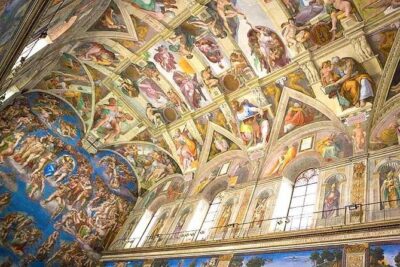 ★ 4.5Skip-the-Line Group Tour of the Vatican, Sistine Chapel & St. Peter’s BasilicaFrom $3012,779 reviews
Vatican Museums & Sistine Chapel Guided TourFrom $11812,117 reviews