
Reviewed · PANTHEON TOURS
Pantheon and Jewish Ghetto Tour
One dome, two faiths, and real politics. This Pantheon tour pairs ancient engineering with a guided story that connects art, religion, and power in a way that feels practical, not academic. I like that you get skip-the-line entry and clear headset audio, so you spend less time stuck in the crush and more time looking up.
My second favorite part is the walk into the Jewish Ghetto, where the route turns from grand monuments to streets and spaces tied to community memory. One drawback to consider is timing risk, start times and on-site access can shift, so you will want to arrive a bit early and be ready for changes.
Key points that make this tour worth your time
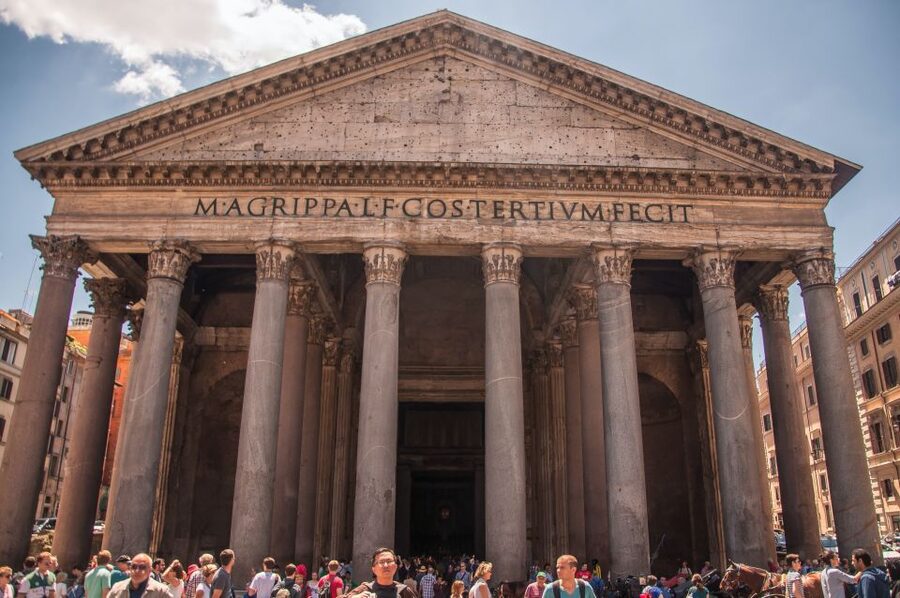
- Pantheon skip-the-line access plus headsets, so hearing your guide stays easy even when crowds swell.
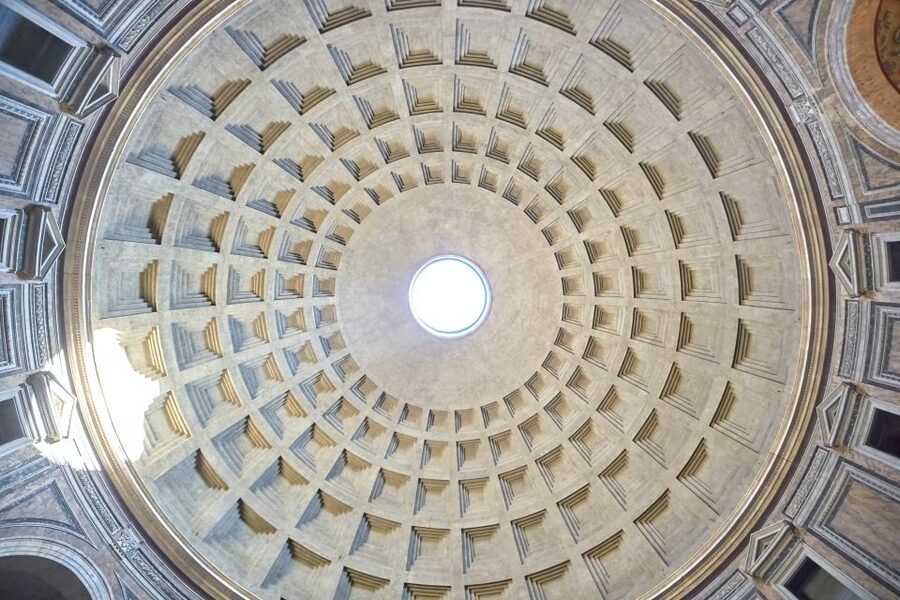
- The dome and oculus effect gives you that exact moment of light you came for, plus context for what the building became later.
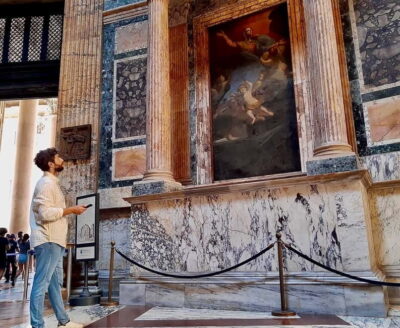
- Raphael’s tomb and former Italian monarchs inside the Pantheon add a strong afterlife to the visit beyond photos.
- A guided route through Roman ruins pockets around Piazza della Minerva and Largo di Torre Argentina, not just a single-site stop.
- The Jewish Ghetto walk along Via del Portico d’Ottavia, finishing at the Portico of Octavia for a clean end point.
Pantheon skip-the-line and headset clarity
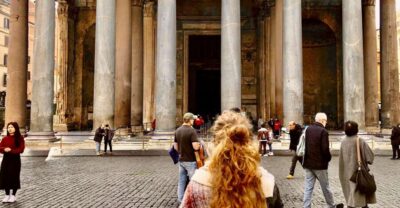
The Pantheon is one of those places where words can help, but only if you are inside the room when you need them. You will start at the Pantheon area and go in with skip-the-line tickets, which matters because Rome loves lines, and your time is limited.
The tour includes headsets, and that is a big deal in a high-noise site. You can actually follow the guide’s explanations without constantly moving your body to hear over people shuffling around you.
I also like that the guide does more than point at the obvious. You get a guided visit inside the Pantheon, which is the kind of site that can feel like a museum showroom if no one tells you what to notice first.
You can also read our reviews of more tours and experiences in Rome.



The Pantheon’s dome and oculus: the moment to plan around
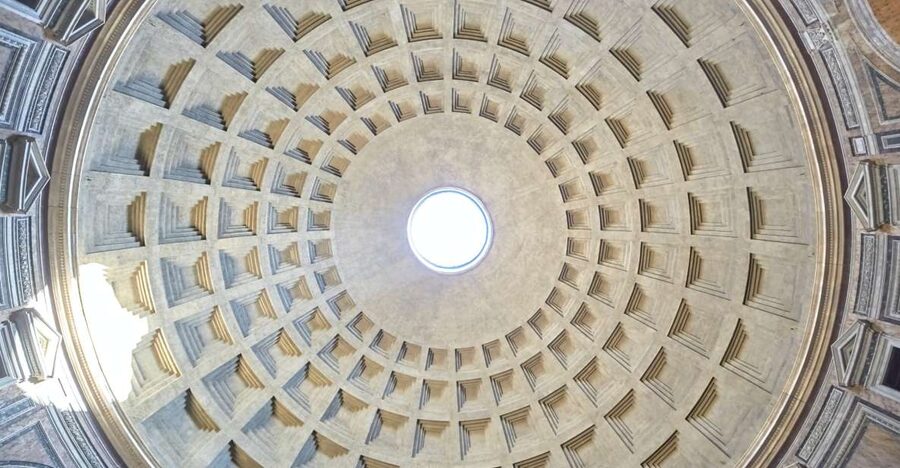
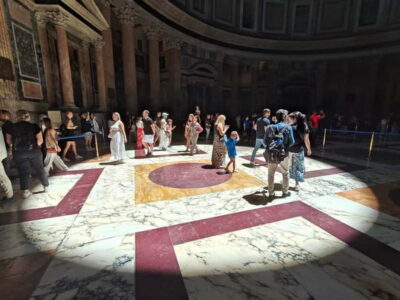
Here is what you should expect right away. The Pantheon’s signature feature is the grand dome with its central oculus, and the interior fills with natural light through that opening. Even if you have seen pictures, the first time it happens in person is still a full-body experience, because the light looks like it is doing something active, not just shining.
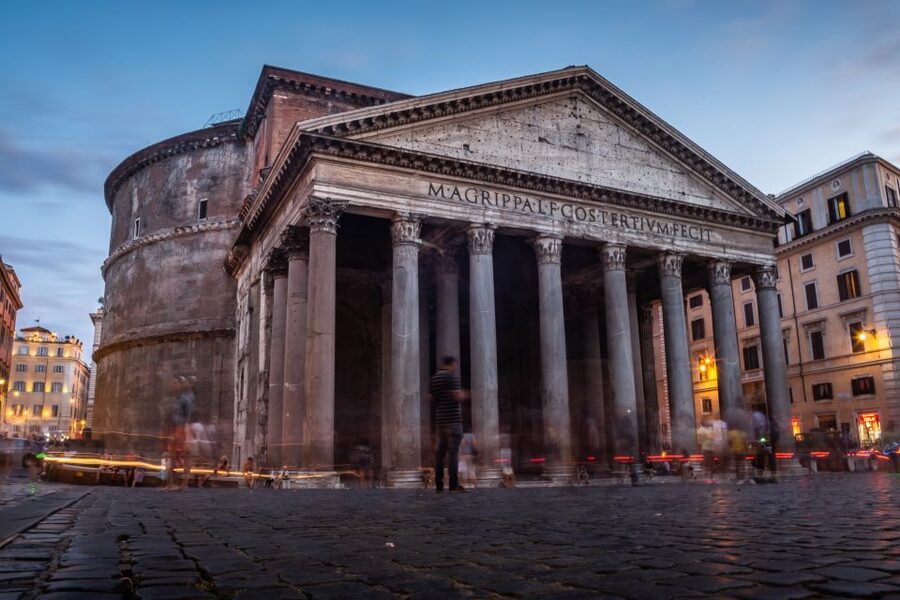
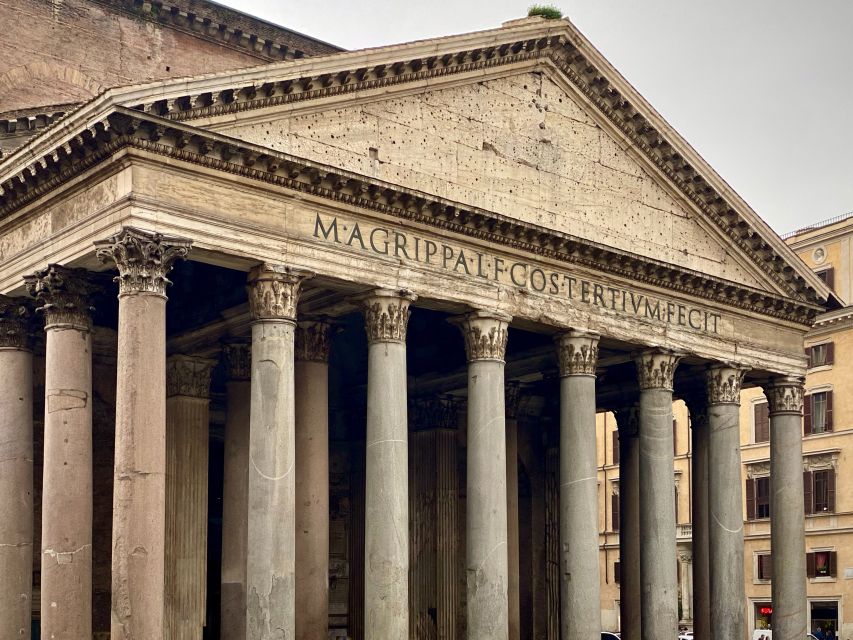
The guide also frames the building as an engineering achievement, not only a pretty landmark. The Pantheon was originally a temple honoring all gods, and that starting point matters, because it explains why you feel the building is civic and religious at the same time.
If you are trying to do the Pantheon on your own, you can manage it. But on a guided format, you also get help sorting the layers: what it was, what it became, and how people kept using it while the city’s power changed hands.
Raphael’s tomb and former Italian monarchs inside the same walls
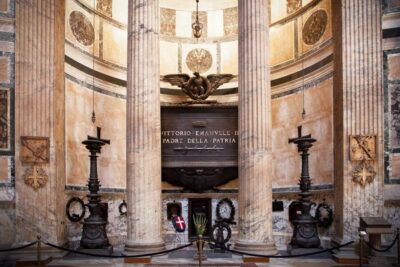
One reason this tour feels more than superficial is that it handles what happens after the architecture. Inside the Pantheon, you will see the tomb of the painter Raphael, plus the resting place of former Italian monarchs.
That mix surprises people. You walk in for the dome and end up understanding why the Pantheon is still a public stage for meaning. It is not just Rome appreciating old stone. It is Rome using a famous space to confirm who matters across eras.
If you care about how art and politics share a room, you will like the way the tour connects those dots. The Pantheon becomes a shortcut to understanding Italian identity too, because it is easy to forget how much modern national symbolism can borrow from ancient buildings.
Piazza della Minerva and Largo di Torre Argentina, Rome’s layers in motion
After the Pantheon stop, your route shifts into the city fabric. You will walk through Piazza della Minerva and Largo di Torre Argentina, where remnants of Rome’s past remain visible.
These are not just “pretty squares.” They are reminders that Rome keeps building over itself, then leaves enough behind that you can still read the old city at street level. Even in a short walking tour, this kind of stop helps you stop thinking of Rome as a set of isolated attractions.
The practical upside is that you get variety. You are not stuck in one giant attraction bubble. You are seeing how different types of space connect, monumental and ruin-pocket, with your guide giving you the thread so it does not feel random.
Piazza Mattei and Via del Portico d’Ottavia: getting to the Jewish Ghetto core
Then you shift gears into the historic Jewish Ghetto area. The walk goes to Piazza Mattei and along Via del Portico d’Ottavia, which is described as the heart of the neighborhood.
This part is where the tour earns its subtitle, because you are not just sightseeing. You are moving through a part of Rome where the story of daily life, community survival, and political control all left physical marks.
What you should do on this segment is simple: slow down and look for how the spaces frame people. The guide’s job is to connect those observations to history, but your job is to stay present, especially as the route shifts from open squares back into street corridors.
If you want a tour that includes places you might otherwise skip, this is it. The Pantheon is the headline. The ghetto route is the human-scale story.






Portico of Octavia finish: a strong visual ending
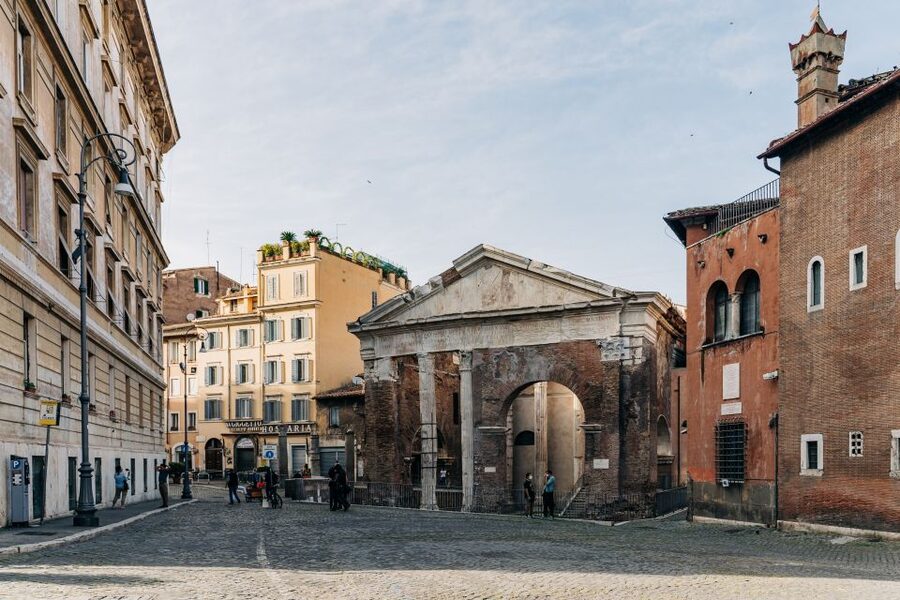
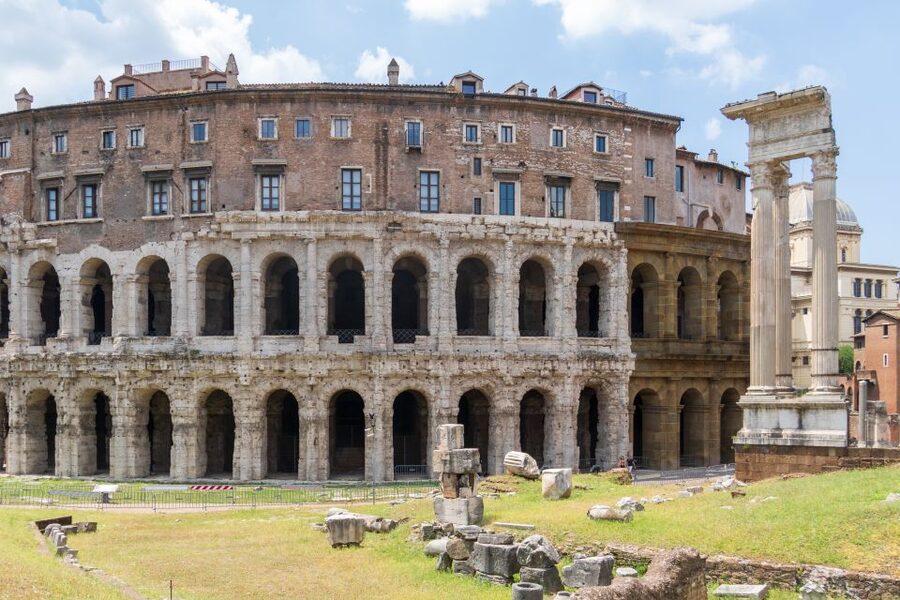
You end in front of the Portico of Octavia, which makes for a satisfying wrap-up. A good finish point helps you remember a tour, and this one gives you a big, recognizable structure to anchor the whole experience.
The ending also fits the tour theme. Octavia’s portico ties back into the broader idea of Rome reusing and reinterpreting spaces. First you saw a temple-turned-landmark. Then you walked through the city’s older layers. Now you land on a monument that feels like it has watched centuries go by.
If you like taking one last photo and knowing exactly why you are there, you will appreciate how the route is designed to conclude with meaning, not just exhaustion.
Group size, timing, and how long to budget
The tour is listed as 2 hours, and the walking portion is also described with a longer time frame (around 3 hours in the program detail). In real terms, I would budget for about 2.5 to 3 hours on your day, especially because you will transition between sites and go through security and entry processes.
This is a walk-and-see format, not a bus ride. That means your pacing matters. Wear comfortable shoes and keep your drink situation realistic. Rome is flat-ish in the center, but you still rack up steps.
Small-group guided tours are often the best for this kind of route, because your guide can keep the group together while still spending time answering questions. If you are the type who likes to know what you are looking at instead of just moving from stop to stop, this fits.
Price and value: is $65 a fair deal?
At $65 per person for a tour that combines Pantheon skip-the-line tickets, guided time inside, headsets, and a guided walk in the Jewish Ghetto area, I think the value is solid if you care about interpretation.
Here is the simple math. Skip-the-line access and headsets are not free, and you are also getting guidance through multiple stops rather than a quick entrance and exit. Add in that you end at a clear landmark and you have a structured route, and the price starts to make sense for a short stay.
If you are visiting Rome with a flexible schedule and you enjoy DIY wandering, you could try to piece it together. But if you want a guided thread connecting art, religion, and politics in a compact block, paying for structure can actually save you time and confusion.
Who this tour is best for
This is a strong fit if you want a concentrated dose of Rome’s big symbols plus a real neighborhood context. I especially think it suits you if:
- You have limited time and want the Pantheon plus the Jewish Ghetto in one go.
- You like tours that explain why landmarks matter, not just how old they are.
- You want an experience that mixes architecture and human story.
It is less suitable if you need step-free access, because the tour is listed as not suitable for people with mobility impairments and wheelchair users.
Also, if you travel with teens who get restless, the pace can work well since the route changes environments often. Just make sure everyone has comfortable shoes, because walking between sites is part of the deal.
Practical rules: what you must wear and bring
This tour is very specific about attire for Pantheon entry. You should bring passport or ID, and you should wear clothing that meets the Pantheon rules, since access is only permitted with suitable dress.
Plan on dressing conservatively:
- No shorts
- No short skirts
- No sleeveless tops
- The guideline also says hems should not be above the knees, and it mentions vests as not allowed
A lot of people underestimate this. Then they end up hunting for a solution outside in the sun, which turns a great day into a stressful one. For Rome, it is worth packing a backup layer.
Footwear matters too. The tour is a walking format, so go with comfortable shoes you can stand in.
Timing realities: closures, ceremonies, and guide punctuality risk
Two things can affect your exact experience on any given day. First, the Pantheon can have anticipated closures, postponed openings, masses, concerts, or other events that may change how service time runs.
Second, tour logistics can shift when guides or schedules get disrupted. Even when the tour is well run, you should treat punctuality as a key factor, not a given.
My practical advice is boring but effective:
- Arrive early to the meeting point you booked.
- Double-check your confirmation details before you head out.
- If your itinerary is tightly packed, keep a little buffer afterward.
This way, you protect your plan without assuming everything will be perfect.
Languages and communication you can count on
The live tour guide offers Spanish and English. If you do not speak either, you might still catch the main points, but this is designed for those two languages, and the tour includes headsets to help you hear clearly.
If you are a listener, this format is friendly. If you prefer quiet observation, you can still do it, but you will get more value if you let the guide steer your attention.
Should you book the Pantheon and Jewish Ghetto tour?
I would book it if you want two major Rome moments in one guided walk: the Pantheon with its dome and inside-the-walls stories, and then the Jewish Ghetto route that brings the city’s human history into focus.
Skip it if you are very sensitive to schedule changes, since Pantheon access can shift, and start times depend on smooth operations. Also skip it if you need wheelchair or step-free support, since the tour is not suitable for those needs.
If your goal is a guided, meaningful, time-efficient Route through iconic Rome and a historic neighborhood, this is a good match for your day.
FAQ
How long is the Pantheon and Jewish Ghetto tour?
The duration is listed as 2 hours. The walking portion is described as about 3 hours in the program details, so plan for roughly a half-day block.
Is Pantheon skip-the-line entry included?
Yes. The tour includes skip-the-line tickets to the Pantheon and a guided visit inside.
What languages is the live tour guide available in?
The guide is available in Spanish and English.
Where does the tour start and meet?
The meeting point may vary depending on the option booked. One listed starting option is near Piazza della Rotonda, 4.
What should I wear to enter the Pantheon?
You need suitable attire, including no shorts, no short skirts, and no sleeveless tops. The rules also indicate hems should not be above the knees, and they mention vests are not allowed.
Is the tour suitable for wheelchair users or mobility impairments?
No. It is not suitable for people with mobility impairments and wheelchair users.
What is included in the price, and what is not?
Included: skip-the-line tickets to the Pantheon, headsets, a guided Pantheon tour, and a guided Jewish Ghetto tour. Not included: hotel pickup and drop-off, and food and drinks.
More Tours in Rome
More Tour Reviews in Rome
Not for you? Here's more nearby things to do in Rome we have reviewed












Pantheon Tours, compared.
 ★ 4.9Pantheon Timeless Marvel Guided Tour with Entry TicketFrom $214,002 reviews
 ★ 4.1Pantheon Priority Entry Ticket & Audio Guide AppFrom $63,234 reviews
 ★ 4.9Pantheon Small-Group Guided Tour with Entry TicketFrom $481,094 reviews
 ★ 4.7Pantheon Small Group Tour and Skip-the-Line TicketFrom $531,008 reviews
 ★ 4.2Pantheon Guided Tour with Skip-the-line TicketFrom $28816 reviews
 ★ 4.5Rome Walking Tour with Piazza Navona, Trevi Fountain and PantheonFrom $35676 reviews
 ★ 4.5Pantheon Roma Fast-Track Entry TicketsFrom $7540 reviews
 ★ 4.9Spanish Steps, Trevi, Navona and Pantheon Sunset TourFrom $46522 reviews
Browse the lists this tour appears in