
Reviewed · WALKING TOURS
Historical Walking Tour in Rome City Center with Hidden Gems
Rome has a meaner side than you think. This 2-hour 15-minute historical walk layers scandal and power struggles into the city center, linking sights that most people only see one by one. I love that the stories are tied to real rivalries, so Rome feels like it is still fighting for control.
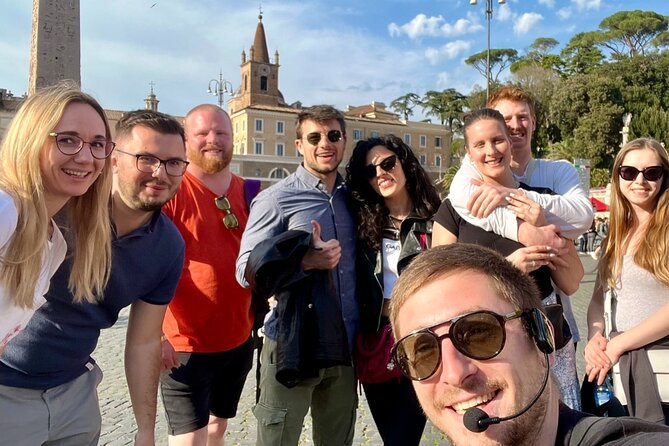
I also love the guide energy, especially when guides like Jacopo or Jacob bring dark humor into the mix without turning the visit into a lecture. It is a small group format, and that helps you actually hear the details the guide is pointing out, not just catch a glance and move on.
One possible consideration: it is tip-based, and the guide works for tips alone, so plan to tip well. If you dislike politically incorrect jokes, this might not match your style, since the humor is part of the package.
Key Reasons This Rome Walk Hits Different
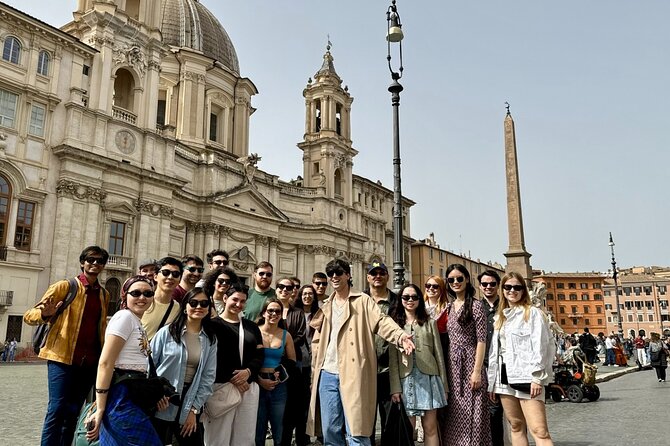
- Power plays in stone, from an imperial column to the families who shaped the city
- Off-limits moments and places you do not usually see on the standard checklist
- Major Roman landmarks in one loop, including the Pantheon and Trevi Fountain
- Baroque visual tricks, with frescoes and optical illusions at Sant’Ignazio di Loyola
- Scandal stories with dark humor, including La Pimpaccia, the Female Pope
Route Plan: Forum of Trajan to Piazza Navona (and Why That Matters)
This tour runs through central Rome with a clear start and finish. You begin at the Church of the Most Holy Name of Mary at the Forum of Trajan (Foro Traiano, 89, 00187 Roma RM), and you end in Piazza Navona (00186 Roma RM). It starts at 11:00 am, and it is designed to take about 2 hours 15 minutes.
The pacing is built for a first or second day in Rome. You get the comfort of a compact route, but you are not boxed into one museum room. With a max of 25 travelers, it stays conversational, and you can usually ask questions without the guide shouting over a crowd.
You will also have practical support. The tour uses a mobile ticket, and it is offered in English. It runs near public transportation, which helps if you are doing this between other plans.
You can also read our reviews of more walking tours in Rome


Colonna Traiana: Empire Propaganda in One Quick Stop
The walk kicks off at Colonna Traiana, an ancient Roman column from the 2nd century. The stop is brief, around 10 minutes, and you do not need to buy an admission ticket for this part. Even in a short time, you can catch why this monument matters: columns like this were not just art, they were statements.
On this tour, the guide connects the column to power struggles and ambition, so you are not just looking at stone. You are watching Rome explain itself, then back it up with authority. If you like history that includes betrayal and career moves, this is a strong opener.
Practical note: the column is outdoors and the stop is short. That means you should bring your attention, not your camera patience. Listen for what the guide points out, and you will get more than a quick photo.
The Heart of Ancient Rome: Forums Energy in the Middle of the Walk
Right after Colonna Traiana, the route moves through the core area people associate with ancient Rome. The tour frames it as the most important part of the old city, which is a useful mental model. This is the kind of Roman center where politics, religion, and public life overlapped constantly.
This section is valuable because it turns the walking into context. Instead of treating monuments as isolated stops, the guide uses the location to explain why Rome built like it did, and who benefited. It also sets up the next stop, which focuses on one of the city’s power dynasties.
If your goal is to understand how Rome worked, not just what it looks like, this is the part that gives you a foundation.
Palazzo Colonna: One Family, Centuries of Influence
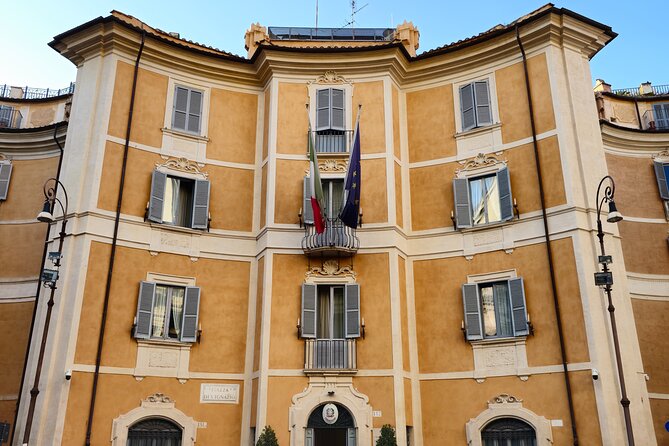
Next up is Palazzo Colonna, the residence of the oldest and richest clan in Rome. The stop is around 5 minutes, and the admission ticket is listed as free. Short as it is, it is a pointed reminder that Rome’s history did not only belong to emperors and popes. It also belonged to families who played the long game.
This is where you start seeing the tour’s main theme: power struggles, ambition, betrayal, and corruption. The guide uses the place to talk about influence across time, which is exactly what makes a city-center walk feel different from a checklist tour.
Because the stop is short, you will want to keep an eye out for what the guide points at. Focus on the story cues, not just the facade, and you will get more out of the time.
Santi Apostoli: Frescoes, Crypts, and a Secret Passage Story
Santi Apostoli is one of the most interesting stops on the route, with time set aside at about 15 minutes. The tour highlights it for frescoes and crypts, and it also links it directly to the tomb of the Colonna family. You are also told this church matters for the Roman families tied to it, and there is even mention of a secret passage to the papal gardens.
Here is what makes this stop worth your attention. The guide treats it like a living clue. Instead of only praising the art, the explanation connects symbols and locations to who had access, who had protection, and who could move behind closed doors.
One practical consideration: churches can mean uneven surfaces and a quiet environment. Go slower than you think, and follow the guide’s cues for where to look first.
You can also read our reviews of more city tours in Rome


Trevi Fountain: The Icon, Plus the Darker Story Behind It
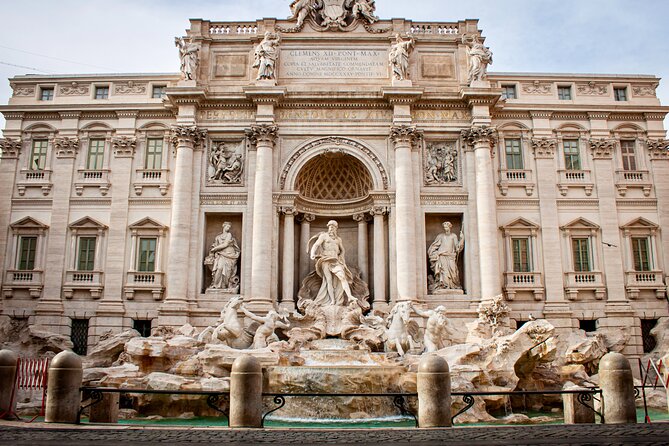
Then you hit Trevi Fountain, the most iconic fountain in Rome, with about 15 minutes on the ground. This is where the tour balances big-name Rome with its darker storytelling approach. You are not just doing the classic stop, you are getting the scandals and politics the guide ties to the monument and its surrounding culture.
Trevi is usually a crowded place, so the time matters. Having 15 minutes within a guided route gives you a chance to pause, listen, and see the fountain as more than a photo spot. If you are sensitive to crowds, arrive with patience and plan to focus on the guide’s story beats rather than trying to fight for a perfect angle.
The tour keeps the mood moving, so it never turns into standing still for an hour.
Sant’Ignazio di Loyola: Optical Illusions That Make Baroque Click
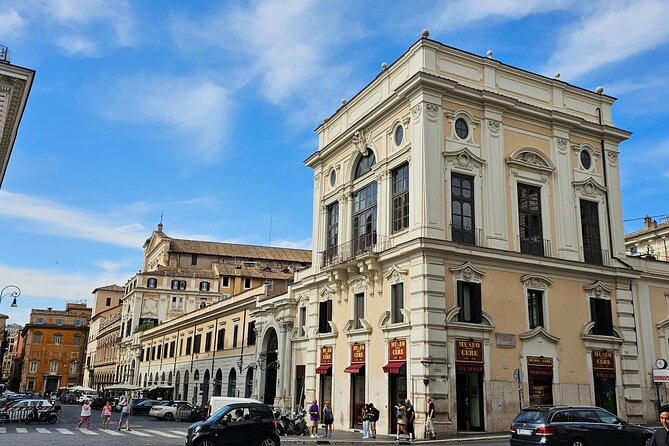
Chiesa di Sant’Ignazio di Loyola arrives next, and this stop is built around visual impact. You get about 10 minutes at a 17th-century church known for stunning frescoes and optical illusions. This is the kind of place where you can feel the craft fast, even if you are not a baroque specialist.
On this walk, the guide’s role matters because the stories are tied to how people in that era used art and architecture to control perception. Optical illusions can feel like a trick, but the explanation helps you see why the trick was worth doing in the first place.
Practical tip: look up, then look again. Optical illusions are easier to catch when you let your eyes adjust to what the ceiling is doing.
Pantheon in 5 Minutes: The Best-Preserved Roman Monument Moment
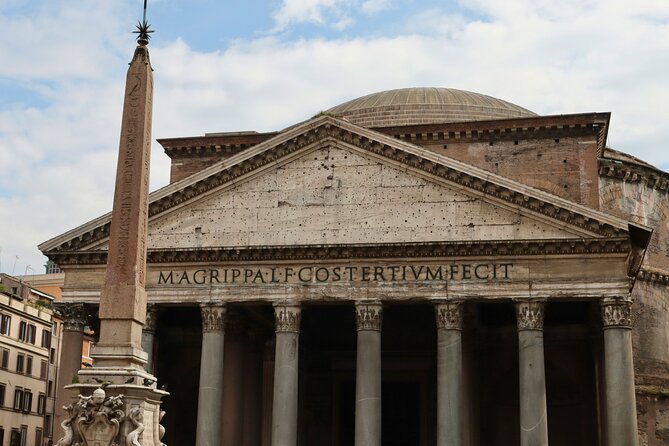
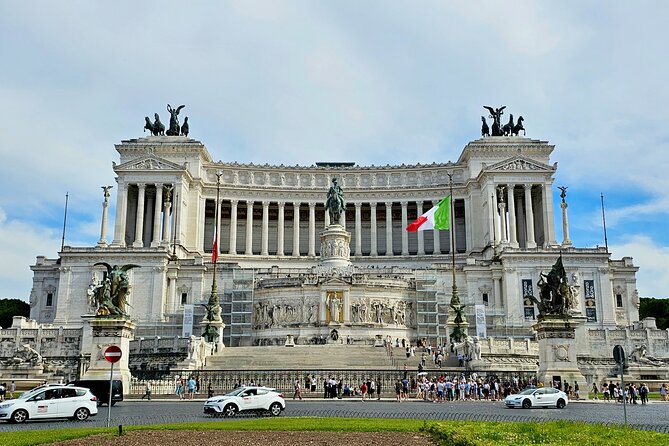
The Pantheon is one of those places where the building does most of the talking. The tour gives you about 5 minutes, and it calls it the best preserved ancient Roman monument. It also notes that the 2nd-century Roman temple was converted into a basilica.
That conversion detail is exactly why this stop works inside a story-driven tour. You are not just admiring the architecture, you are watching how Rome repurposed power and sacred space over time. The guide’s job is to connect that shift to the bigger theme of the walk: ambition and control reshaping what people worship and where they gather.
Since the stop is short, prioritize listening and quick visual scanning. If you want long lingering time, you can always come back later on your own.
Piazza Navona and La Pimpaccia: The Female Pope Story
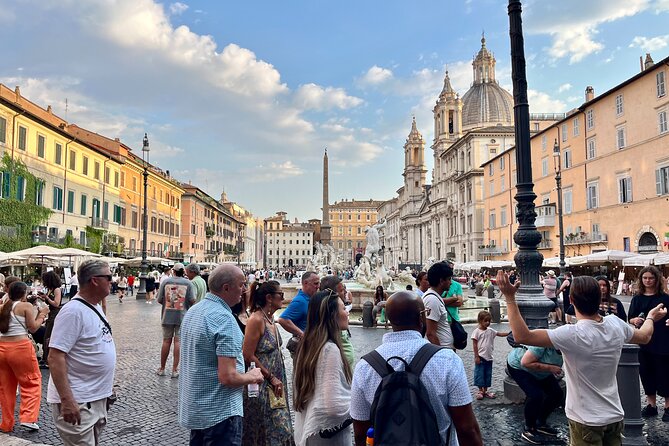
The walk ends in Piazza Navona, with about 10 minutes in the square. The tour frames it as one of Rome’s most beautiful squares and spotlights the story of La Pimpaccia, also known as the Female Pope. This is one of those history tales that feels like theater, with scandal and dark comedy as the hook.
Why this ending lands well: it gives you a story you can remember while you walk away. Piazza Navona is a lively place, and when your final stop has a scandalous narrative attached, your brain keeps the details longer.
If you are thinking about timing, end-of-tour pacing matters too. You finish here because the square is easy to re-orient in, and you can decide what you want to do next without feeling trapped on a rigid schedule.
The Guide Factor: Humor, Edge, and Time for Questions
A big reason this walk earns consistent top marks is the guide style. Guides such as Jacopo, Jacob, and Max show up in the feedback, and they share two qualities that matter on a tour like this. They bring humor, and they keep the material connected to what you are seeing right now.
You will also hear stories that lean darker than what you get on many mainstream walks. Expect scandal, corruption, crime and murder, war, and betrayal, plus dark humor and politically incorrect jokes. That is not just a gimmick. It is how the tour makes centuries of history feel like human drama.
One practical thing to remember about a tip-based format: your tip is not an afterthought. If you want this to be fair and rewarding, tip in a way that reflects the time and effort. People who loved the tour also made a point of tipping well, especially when the guide went beyond a quick facts script.
Who This Tour Fits Best (and Who Might Want to Choose Another Option)
This tour is a great match if you like history as story. It is built for people who want power struggles, betrayal, and ambition to be part of the explanation, not a background detail. It is also a strong option if you have only a couple of days in Rome, because the route hits major monuments like the Pantheon and Trevi while still keeping time for less standard moments.
It also seems to work well for teens. The guide’s humor style and fast pacing make it easier for younger travelers to stay engaged for two hours. If your group wants a calmer, strictly educational format with no edgy jokes, you might find the tone too much.
Language-wise, it is offered in English. And with service animals allowed and a route near public transport, it is set up to be practical for many visitors.
Price and Value: Why This Works at a Low Per-Person Cost
The price listed is $4.84 per person. That number looks almost unreal for a licensed guide and a 2-hour 15-minute walking route. The key detail is that it is tip-based, meaning your main direct support for the guide happens through tips.
So the value equation is not just what you pay up front. It is what you give back for the storytelling, the behind-the-scenes context, and the effort to connect offbeat elements to famous sites. If you tip appropriately and appreciate the guide’s style, the overall value can feel excellent for a compact day in the center.
One more angle: the tour includes stops described as free entry ticket-wise. That helps you avoid surprise admission costs at each landmark, which makes planning easier when your day is already packed.
Should You Book This Rome City-Center Walk?
Book it if you want Rome as drama, with scandals and power plays built into the stops you already plan to visit. The route is short enough to fit a tight schedule, and the guide approach seems to be a big part of the appeal, especially when guides like Jacopo or Max bring humor and clarity to the story.
Skip it, or at least think twice, if you are sensitive to politically incorrect jokes or you prefer very formal, no-edgy-content explanations. And if you are tight on cash for tips, reconsider, since the tour is designed around tipping and the guide works for tips alone.
If you are the type who enjoys looking up at frescoes, listening for story clues, and hearing why monuments exist beyond the postcard version, this is a strong way to spend a half-day in Rome.
FAQ
What is the duration of the tour?
The tour lasts about 2 hours 15 minutes.
Where does the tour start and where does it end?
It starts at the Church of the Most Holy Name of Mary at the Forum of Trajan (Foro Traiano, 89, 00187 Roma RM, Italy) and ends in Piazza Navona (00186 Roma RM, Italy).
What time does it start?
The start time is 11:00 am.
Is the tour offered in English?
Yes, the tour is offered in English.
Do I need to pay entry tickets for the stops?
The itinerary lists admission ticket free for the stops included in the walk.
How big is the group?
The tour has a maximum of 25 travelers.
Is it tip-based, and are service animals allowed?
Yes, it is tip-based, and service animals are allowed.
More Walking Tours in Rome



More Tours in Rome

More Tour Reviews in Rome
Not for you? Here's more nearby things to do in Rome we have reviewed






Walking Tours, compared.
 ★ 4.9Trastevere & Campo de Fiori Street Food Walking TourFrom $512,768 reviews
 ★ 4.9Paranormal Night Walking Tour & Secret BackstreetsFrom $341,921 reviews
 ★ 4.4Guided City Center Evening Sightseeing Walking TourFrom $46953 reviews
 ★ 4.5Best of Rome Walking Tour including Trevi FountainFrom $4923 reviews
 ★ 4.8Under the Moonlight Evening Walking TourFrom $28852 reviews
 ★ 4.9Forbidden History Walking Tour & Pub Crawl with DrinksFrom $61688 reviews
 ★ 5.0Guided Small Group Walking Tour of City HighlightsFrom $30682 reviews
 ★ 4.5Rome Walking Tour with Piazza Navona, Trevi Fountain and PantheonFrom $35676 reviews
Browse the lists this tour appears in