
Reviewed · CATACOMBS & UNDERGROUND TOURS
Explore Christian Rome and the Underground of San Clemente
Beneath Rome, Christianity changes shape. This small-group walk links the surface churches to the secret levels below, including the underground of San Clemente and the unforgettable statue of Michelangelo’s Moses. I like how the route turns theology and politics into something you can actually see, one stop at a time.
The main catch is practical: you have to follow the basilica dress rules. Shorts, miniskirts, and uncovered shoulders are not allowed, so plan your outfit before you leave the hotel. You’ll still get the Holy Stairs experience near San Giovanni in Laterano, with the focus staying on what these places meant, not just how they look.
The tour runs rain or shine and lasts about 3 hours, led by a live guide in English, Spanish, or French. Expect guided visits, walking between churches, and enough time at each site to understand what you are seeing without feeling rushed.
Key highlights at a glance
- San Clemente’s underground levels: a rare look at Christianity layered from early centuries into later Rome
- A real Constantine thread: you follow his story toward the later churches tied to his world
- Scala Santa (Holy Stairs) time: a major pilgrimage site near St. John Lateran
- Santi Quattro Coronati fresco discovery context: the Four Seasons, Zodiac, Liberal Arts, and King Solomon themes get explained
- Michelangelo’s Moses in San Pietro in Vincoli: not just famous, but central to why this tomb work mattered
- Skip-the-line at San Clemente: built into the visit so you spend more minutes inside
Why this Christian Rome tour feels different under your feet
Rome is full of churches. This one adds a twist: you get to see how Christian Rome literally sits on top of earlier worlds. The star is the underground at San Clemente, where you can move through time instead of just reading about it.
I like that the tour builds a story you can follow. It starts with the Lateran area, then moves through churches connected to key turning points, including the era around Emperor Constantine. By the time you reach San Pietro in Vincoli, the message lands: art, power, and faith are all tied together in physical spaces.
There’s also a human side to the guide’s role here. When the guide can explain the why behind each layer, the underground stops feeling spooky and starts feeling like a real historical document. In past groups, guides named Roberto and Mohamed have been praised for strong passion and straightforward storytelling styles that keep the focus on the sites.
You can also read our reviews of more tours and experiences in Rome.
Price and what you actually get for about $167
At about $167.66 per person for roughly 3 hours, the value comes from access plus interpretation. You are paying for a professional guide time, guided entry components, and the San Clemente entrance tickets built into the tour.
If you were to visit these places alone, you’d still face the same realities: churches with limited visiting rhythms, entry rules, and the time sink of figuring out what to look for in each site. Here, the guide helps you connect the dots, especially at San Clemente where the point is not just going underground, but understanding why it was built in layers from the 1st to the 12th century.
This tour is a good fit if you want a concentrated route rather than a full-day plan. If you love to wander at your own tempo for hours, you might find 3 hours a bit structured. But if you want the highlights with context, this pricing makes sense.
Laterano Caffè meetup: quick start, less wandering
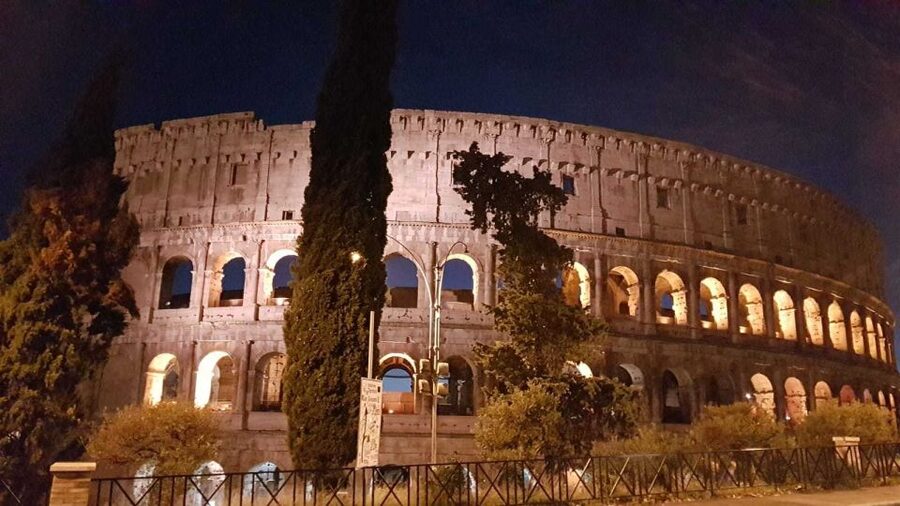
You meet at Laterano Caffè, with the guide waiting in front of the coffee bar. The tour ends back at the same place, so you do not have to re-route your day after the basilicas.
If you are staying close enough, there is also a pickup service in the city center inside the Aurelian Walls. That matters in Rome, because the walking and the crossings can be the slow part of the experience, not the churches themselves.
This start also helps you hit the Lateran area with momentum. The Lateran zone is not just a random church cluster. It’s named after the family that owned the territory where popes stayed before heading to Avignon in France, and then returning to Rome later from that period.
St. John Lateran Basilica: Rome’s cathedral, explained in plain terms
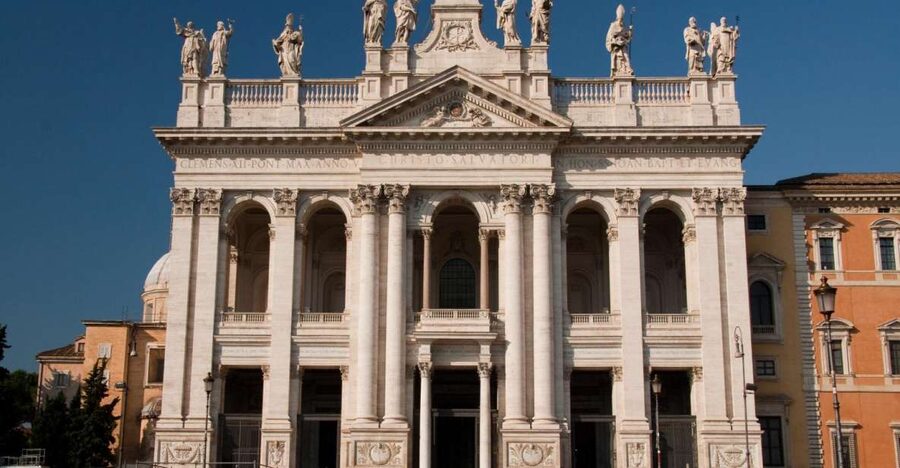
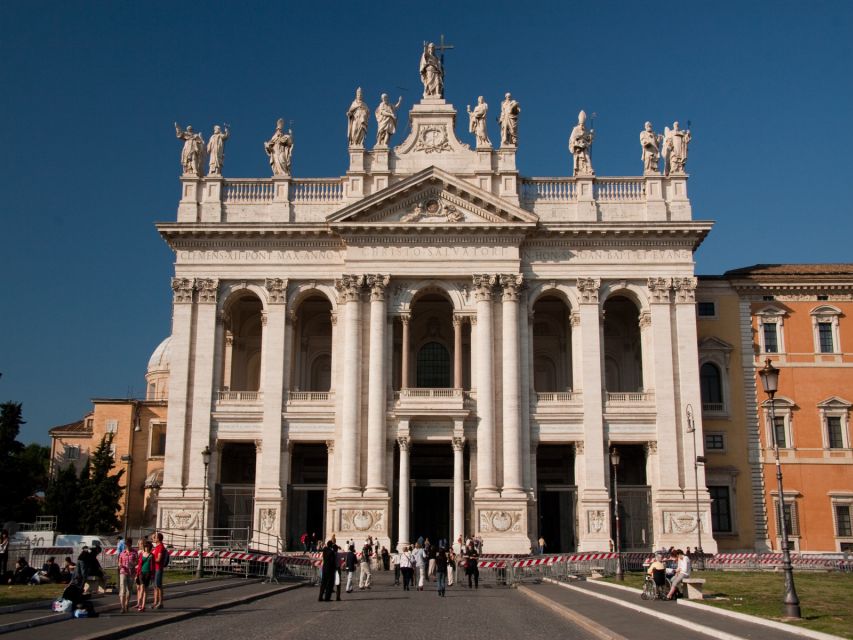
Your first major stop is Basilica di San Giovanni in Laterano. It’s the oldest of the four Papal Basilicas, and it is often referred to as the Church of Rome. That title can sound like a slogan until you hear how the building functioned as a center of authority and identity.
The tour includes a photo stop and a guided visit, plus a short walk. You’ll also get oriented to a key idea: the basilica is the place where the bishop’s seat is located. That single fact makes the Lateran sites feel less like sightseeing and more like living institutional history.
One practical note: this is where clothing rules can stop your day. The basilicas require appropriate attire, so if you show up in shorts, miniskirts, or with bare shoulders, you can end up waiting at the entrance or being turned away. Plan for this before you reach the first church.
San Clemente al Laterano: three levels and the Mithras altar
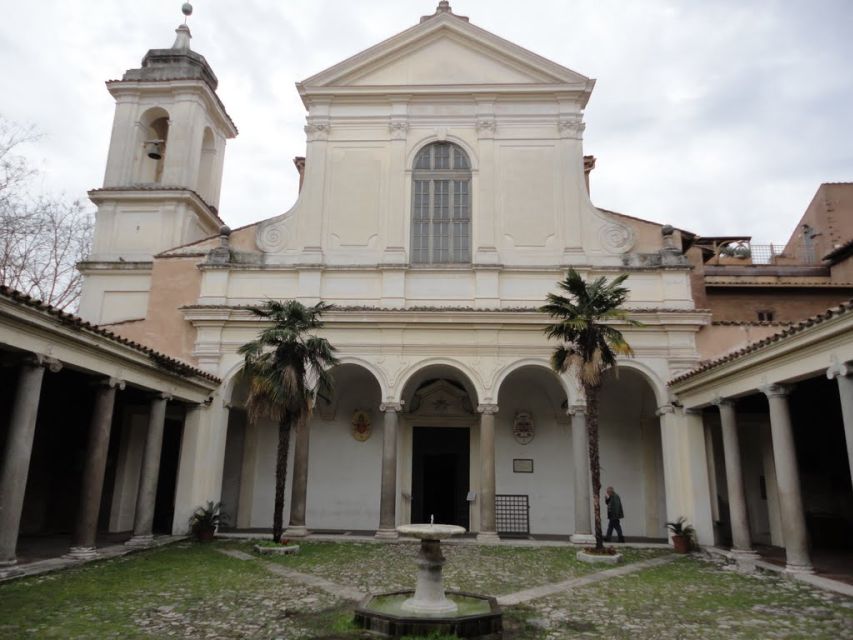
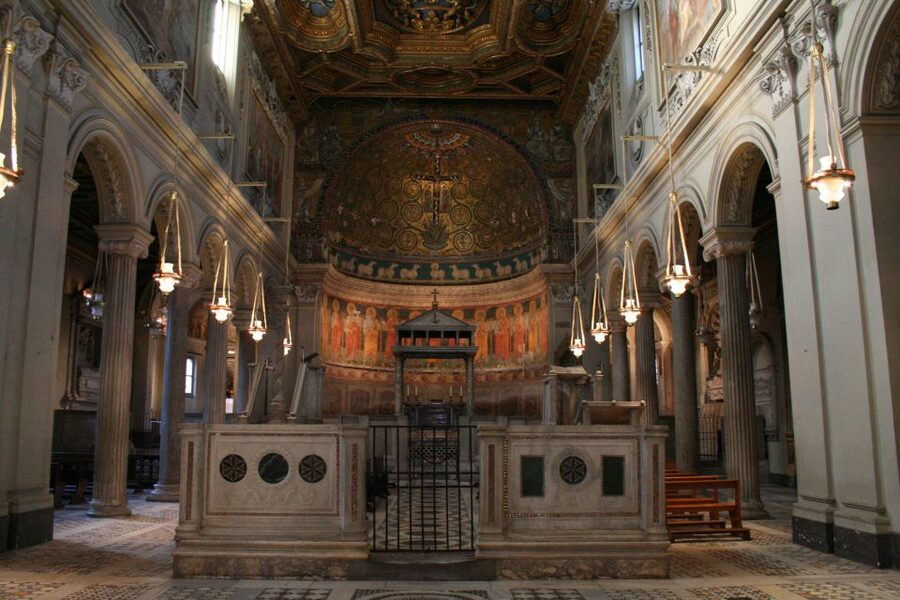
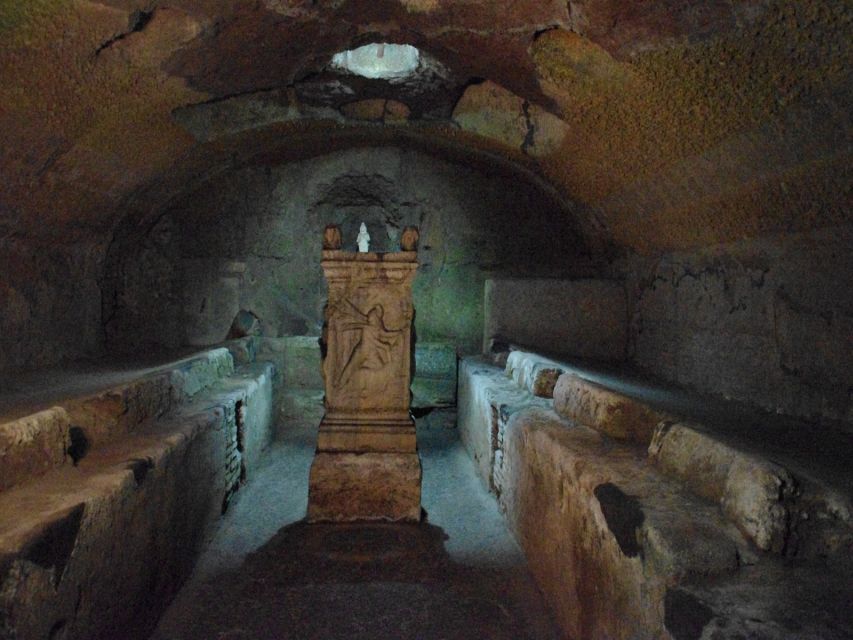
Then comes the stop that makes this tour worth it: Basilica di San Clemente al Laterano and its underground floors. This church is famous for one reason you can feel immediately: it is built on three different levels, spanning from the 1st through the 12th century.
You get guided time in the basilica and access to the underground. The big learning moment is that you are not looking at random ruins. You’re watching layers of occupation and religious reuse, where new communities kept building on what older Rome left behind.
One detail that can really change how you see the site is the altar of Mithras from the 1st century. Even if you are not focused on Mithraism, it helps you understand a simple reality: Christianity arrived into a world with older religious practices, and the geography of belief mattered.
The tour also includes basilica entrance tickets, with a skip-the-ticket-line feature. That helps because San Clemente is the kind of place where standing around costs you the best part, which is getting underground while the site is quiet enough to absorb.

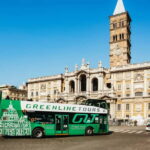
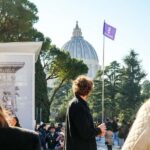
Santi Quattro Coronati: Constantine’s thread and frescoes with big themes
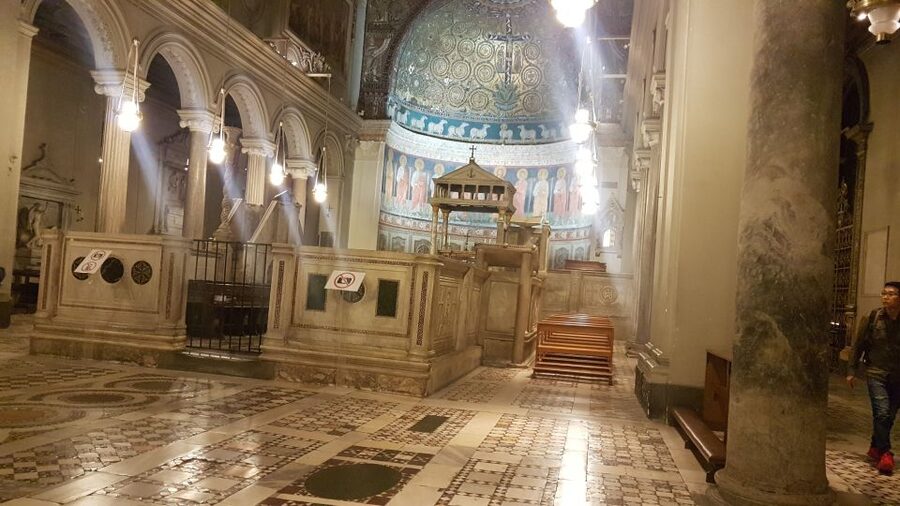
Next you visit Santi Quattro Coronati. This church is dedicated to four anonymous saints and martyrs, which makes it a little different from places named for a single famous figure. That choice of dedication gives the guide a chance to talk about how early Christian memory worked, especially when names were not the main point.
This stop is short, but it is not shallow. You get a photo stop and a guided visit, with a brief walk. The best value here is that the guide follows the story of Emperor Constantine, connecting what comes before and after across the route.
You also get context about a major discovery: in 2002, an extraordinary series of frescoes was found. The scenes include the Zodiac, Four Seasons, Liberal Arts, and King Solomon. If those subjects sound like they belong in a schoolroom or a lecture hall, that’s the point. The church art links Christian space with the wider intellectual world people knew.
Holy Stairs near St. John in Lateran: what the Scala Santa visit adds
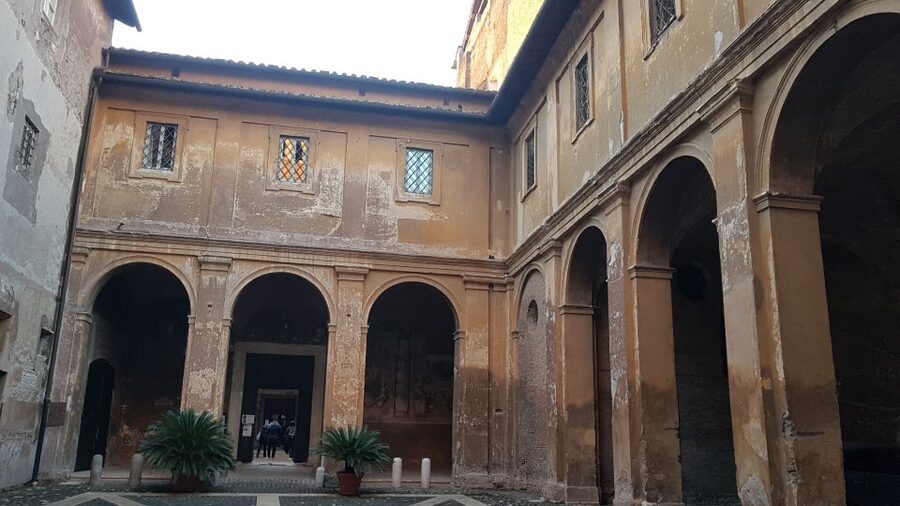
The tour highlights include the Scala Santa, the Holy Stairs, in the sanctuary near St. John in Lateran. Even if you are not a religious pilgrim, this is one of Rome’s most recognized pilgrimage experiences, and it adds emotional weight to the route.
What I like about including the Holy Stairs here is timing. You’ve already anchored yourself at Lateran, so the Stairs feel like part of the same religious ecosystem, not a random detour. After the underground layers at San Clemente, the Holy Stairs offer another kind of layered experience, where belief is expressed through ritual movement and tradition.
The tour gives you guided support, so you can focus on the experience instead of trying to sort out which rules apply or where to look. Just remember the earlier clothing requirement, because sanctuary entrances can be strict.
San Pietro in Vincoli and Michelangelo’s Moses: the art stop that changes everything
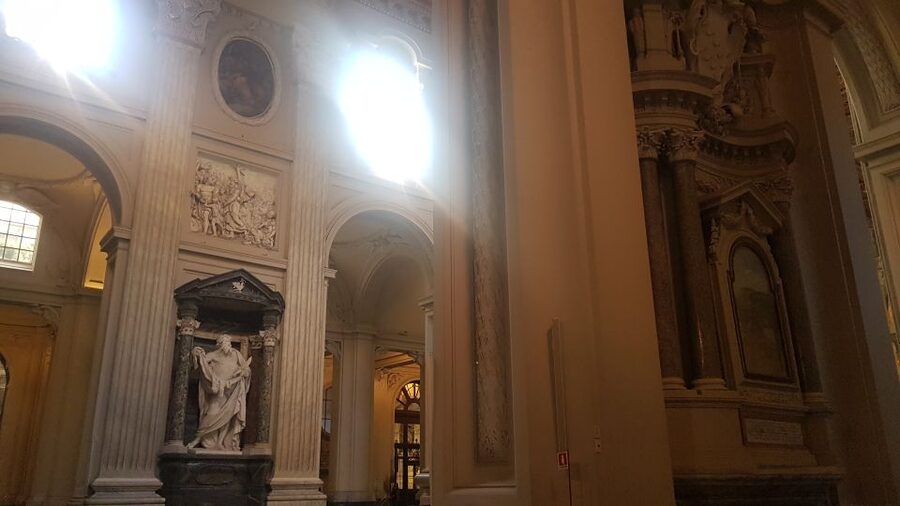
The final named site is Basilica of San Pietro in Vincoli. Here, tradition centers on chains, including a story that Helene, Constantine’s mother, brought chains to Rome and a miracle where those chains joined to another chain connected to St. Peter.
But this basilica is also a major art stop. The church is well known for the statue of Moses created by Michelangelo for the tomb of Pope Julius II. The tour emphasizes this as Michelangelo’s most important work, and even if you are not deep into Renaissance art, it’s hard to miss why people linger here.
This matters for your visit because it turns the route from “early Christianity under Rome” into “how later Europe remembered it.” You see an arc: early centuries, later medieval layers, then Renaissance sculpture that reinterprets authority and scripture into human form.
The schedule gives you photo stop time and a guided visit, with the walk kept short. The payoff is that you end with a single visual anchor that can carry the entire theme of the tour in your mind.
What the walking is like, and how to prepare
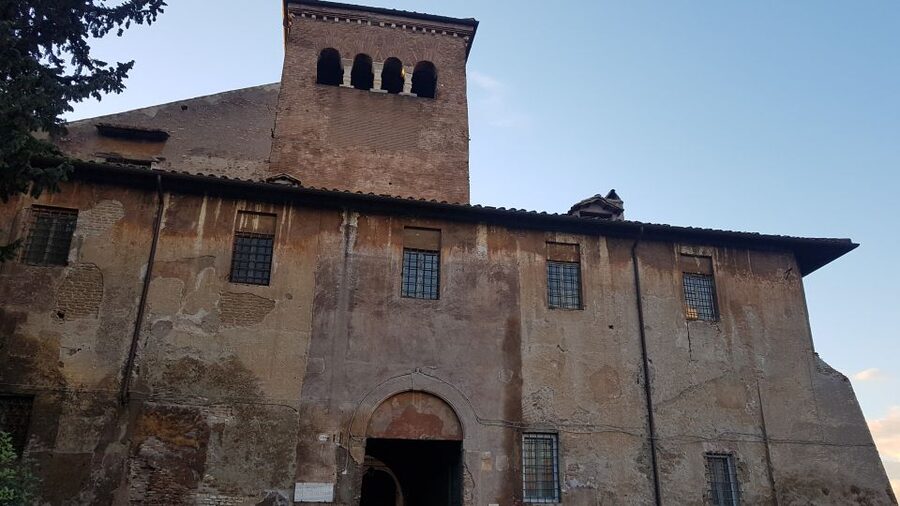
This is a walking tour, plus visits to churches and an underground area. The good news is that each stop gets guided attention, so you are not wandering while trying to interpret everything alone.
You should bring comfortable shoes, a camera, and sunglasses if the sun hits while you’re outside between stops. You also need to plan for the no-luggage rule, since large bags or luggage are not allowed.
One more practical point: the tour operates rain or shine. If it’s wet, Roman surfaces get slick quickly, and the underground steps can feel more demanding. Pack footwear you can trust, not just the shoes that look best in photos.
Clothing rules: the one thing that can quietly derail your day
The basilicas require appropriate clothing. That means no shorts, miniskirts, or uncovered shoulders. This is not a suggestion. If you show up casually dressed, you could be refused entry or forced to wait while you sort something out.
My advice is simple: dress for churches first, then for comfort. A light layer over your shoulders can solve a lot of problems, and longer pants often beat last-minute shopping.
Once you follow the rules, the rest of the experience flows smoothly. Your time stays focused on the sites, not on the entrance line drama.
Tour style, languages, and why the guide matters
The tour is led by a live professional guide for about 3 hours. You can choose Spanish, English, or French, so you should be able to get the storytelling in a language you understand well enough to catch details.
The guide also controls the pace. The itinerary is structured enough to cover major stops, but not so tight that you feel like you are just marching. In other words, it’s a walking tour that still leaves room to stop, look, and ask yourself why a place was built the way it was.
Based on feedback about guides, a strong part of the experience is how they explain connections without injecting sarcasm or cynicism into the material. When the guide has both passion and clarity, San Clemente’s underground in particular turns from confusing to memorable.
Should you book this Christian Rome underground and churches tour?
Book it if you want a focused route that connects Constantine-era stories, the underground of San Clemente, the Holy Stairs at Scala Santa, and Michelangelo’s Moses in one half-day plan. It’s also a smart choice if you like understanding what you are looking at, since the guide provides interpretation where you would otherwise be guessing.
Skip it if you need step-free access or you use a wheelchair. This tour is not suitable for people with mobility impairments or wheelchair users, which makes sense given the underground component and the church stairs.
If your schedule is tight and you still want more than the usual surface-level church photos, this one is a strong bet. You get the underground that most visitors miss, plus an art finale that ties the whole Christian Rome theme together.
FAQ
How long is the tour?
The tour lasts about 3 hours.
Where does the tour start?
The meeting point is Laterano Caffè, and the guide waits in front of the coffee bar.
What main sites are included on the route?
You visit Basilica di San Giovanni in Laterano, Basilica di San Clemente al Laterano (including its underground), Santi Quattro Coronati, and Basilica of San Pietro in Vincoli, including Michelangelo’s Moses.
Is the underground part at San Clemente included?
Yes. Basilica of San Clemente al Laterano entrance tickets are included, and you can explore the underground floors.
Do I need to skip the ticket line for San Clemente?
Yes, the tour includes a skip-the-ticket-line feature for the basilicas as described in the activity details.
What clothing is required to enter the churches?
You cannot wear shorts or miniskirts, and your shoulders must be covered. You also need to follow the basilica dress requirements listed for entry.
Does the tour run in bad weather?
Yes. The tour operates rain or shine.
More Tour Reviews in Rome
Not for you? Here's more nearby things to do in Rome we have reviewed





Catacombs & Underground Tours, compared.
 ★ 4.7Colosseum: Underground and Ancient Rome TourFrom $16012,691 reviews
 ★ 4.6Crypts and Catacombs Underground Tour with TransfersFrom $745,341 reviews
 ★ 4.7Colosseum Underground Small Group Guided TourFrom $1054,844 reviews
 ★ 4.8St. Peter’s Basilica, Dome Climb, and Underground TourFrom $383,404 reviews
 ★ 4.7Colosseum Underground, Arena & Forum TourFrom $1573,272 reviews
 ★ 4.3Trevi Fountain and Underground Guided TourFrom $411,664 reviews
 ★ 4.6Catacombs and Capuchin Crypt Guided Tour with TransferFrom $411,606 reviews
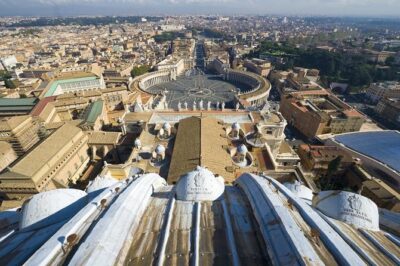 ★ 4.7St. Peter’s Basilica Priority Access Tour with Dome & CryptFrom $831,476 reviews
Browse the lists this tour appears in