
Reviewed · MUSEUMS
Doria Pamphilj Gallery Entry Ticket
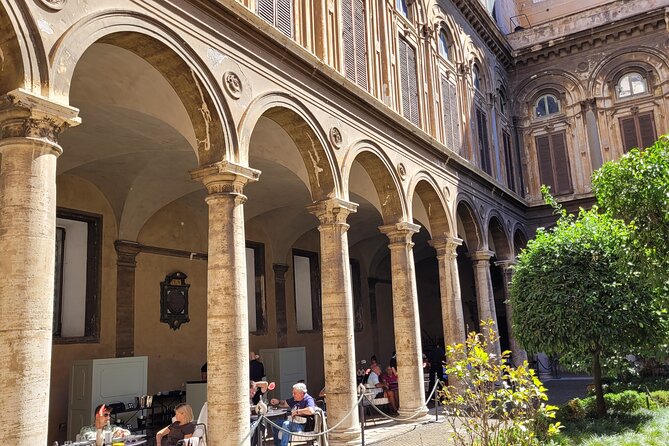
A private palace full of major art. The Doria Pamphilj Gallery is a rare chance to see big names in a calmer setting, with timed entry that helps you plan your time in Rome. I like the fact that this is a self-guided visit, so you can linger with the works that hit you. I also like that the included audio is built to explain the collection and the family behind it, which makes the art feel connected to real lives.
One possible drawback: the experience’s value depends on your ticket price and how smoothly your entry is redeemed at the door, so read your voucher carefully before you go. If you’re trying to save every euro, it can feel pricey compared with buying at the ticket counter.
Key things to know before you go
- Timed entry every two hours (10am to 6pm), built for a smoother arrival.
- A self-paced audio visit, so you can control how long you spend in each room.
- Four centuries of art, from the 15th to the 18th century.
- Works by Bernini, Caravaggio, Titian, Velazquez, and more, all in one private collection.
- Not a full palace takeover, since private rooms of the palace are not included.
- About 2 hours is a realistic planning window for a satisfying visit.
Palazzo Doria Pamphilj: why this gallery works in real life
The Doria Pamphilj Gallery takes place inside the Palazzo Doria Pamphilj, a private collection tied to the family that still owns it. That matters, because the visit feels different from a huge public museum. You are not trying to sprint through dozens of wings and thousands of objects. Instead, you can actually look at paintings, compare styles, and read the room clues the audio provides.
What I like most is that it feels manageable. The art is impressive, but the experience is not the kind that overwhelms you. If you already plan to see the Vatican Museums and other big hitters, this is a good counterbalance.
Also, the collection is tightly focused in time and taste. It started with Pope Innocent X Pamphilj in 1644, and it has grown into a museum that spans the 15th to the 18th century. Depending on how they count, you’ll see hundreds of works in the range of roughly 400 paintings, plus a larger total of artworks across the collection. Either way, it is enough to feel substantial without feeling like a full day.
A few more Rome tours and experiences worth a look



Your 2-hour route: what to expect inside
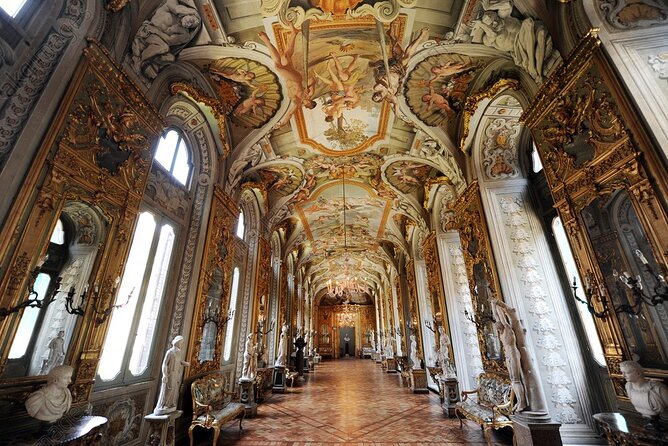
This ticket is built around a self-guided visit. That is the core value here: you have secured admission, and you explore at your own pace with an audio guide designed for the collection.
Here’s how to think about your time.
Start with context, then move room to room
When you walk in, you are not just collecting random images. The audio is there to help you connect what you see to the collection’s story, and that makes your stop-and-stare moments more satisfying. You’ll get background on the Pamphilj family and how the collection was assembled over generations.
Expect a strong mix of Renaissance and Baroque
The collection includes major Renaissance and Baroque names. You can plan your visit around schools and styles rather than strict chronology. For example, you can spend more time where Caravaggio-style drama grabs you, then switch gears for the more polished grandeur you might associate with Titian or other leading painters included in the collection.
You will likely keep circling back to the same themes
Because the collection runs across multiple centuries, you’ll notice repeated interests: portrait presence, religious storytelling, and the kind of emotional realism that makes Baroque art so compelling. One unique detail is that at least one painting is kept in a special place and has had its own room since the 19th century. Even without knowing the specific title ahead of time, that kind of curatorial choice tells you which works the palace treats as especially important.
You can also read our reviews of more museum experiences in Rome



How long does it take in practice?
Two hours is a realistic target if you’re doing a thoughtful self tour. If you want to read more than average, expect closer to that upper end. If you only do highlights and move quickly between rooms, you might finish earlier.
Highlights that matter: Bernini, Caravaggio, Titian, and friends
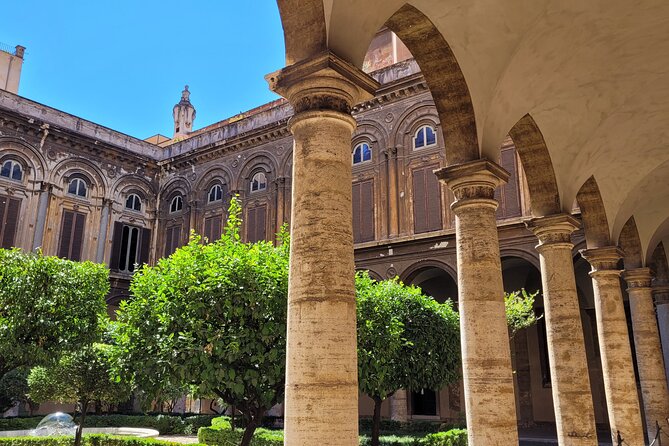
The reason to book this specific gallery is the concentration of famous artists inside a private setting.
Here are the names you can plan around, all tied to the collection’s strengths:
- Caravaggio: expect that intense realism and dramatic lighting approach associated with his work.
- Bernini: even if you mostly know Bernini by reputation, seeing him in the context of this collection helps you understand why he mattered.
- Titian: you’ll find works that reflect the richness of color and composition often associated with his era.
- Velazquez: a great contrast point, since it adds breadth beyond Italian painters.
- Bruegel and Carracci: useful if you want more variety across subject matter and painterly style.
This gallery is not just about one star. The real payoff is how the museum lets you compare styles within the same environment. You can stand in front of a work, take in the mood, then walk a bit and feel the shift to a different approach.
Audio guide pacing: how to get the most without getting stuck
Because this is self-guided, your success depends on how you use the audio and your time slots.
Use the audio as a map, not a script
The audio guide is meant to help you understand the history of the collection and the family story behind it. Use it like a route marker. If a particular painting pulls you in, you do not have to rush forward just because the audio says the next stop is coming up.
Give yourself permission to slow down
The collection’s strength is visual comparison and context. If you stay at full speed, you can miss why Baroque art in particular works so well in a curated setting.
A note for planning: audio expectations
The experience is described as including an audio guide, and that is a major part of the value for many visitors. Still, tickets sold through different sellers can sometimes lead to confusion about what you actually receive at the door. Before you leave, check your booking details and voucher instructions, so you’re not standing there figuring it out on the spot.
Timed entry from 10am to 6pm: choosing the right slot
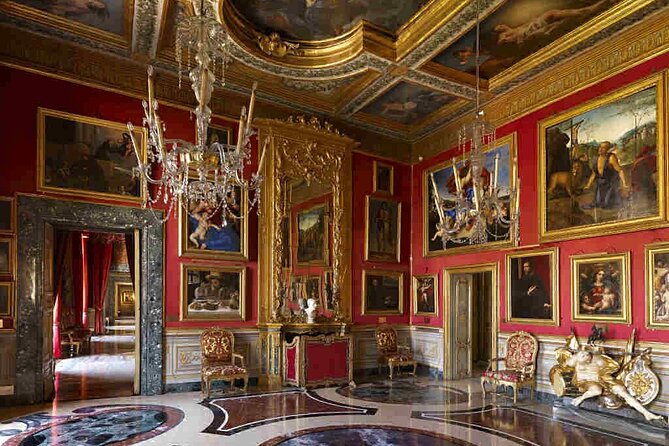
Timed entry is offered every two hours from 10am to 6pm. That gives you flexibility, especially if you’re building a Rome day with other sights.
Practical advice: pick a slot when you’re least likely to be rushed. If you schedule it right after a crowded morning attraction, you may feel like you’re skating through rooms. If you place it late in the afternoon, you might enjoy a slower pace but should still stay aware that your other plans might run long.
Also, because this is about 2 hours, timed entry helps you anchor the rest of your day. It turns the gallery from an optional detour into a reliable plan.
Price and value: paying for peace of mind
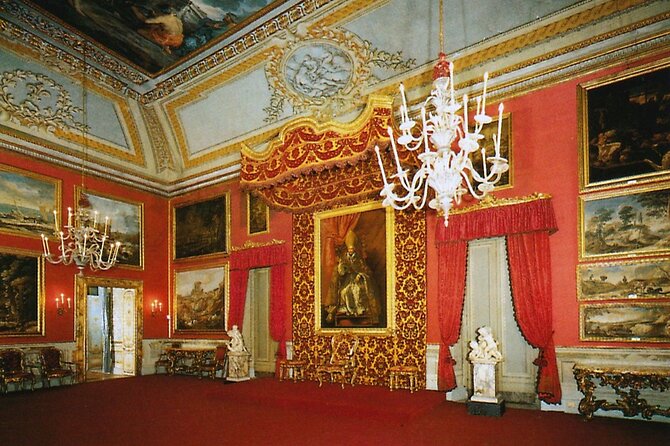
The ticket price for this experience is listed at $34, with a visit time of about 2 hours. That is not a bargain price, so it’s worth understanding what you are paying for.
You are paying for secured admission with a smoother entry process. In a private palace setting, that can be worth it if you want to avoid waiting around when you arrive. But if you’re comparing purely on base ticket cost, the price can feel high.
Here’s the balanced way to look at it:
- If your top priority is a predictable entry time, the higher price can be justified.
- If your top priority is saving money and you’re comfortable handling on-site ticketing, buying directly might cost less.
Either way, the smartest move is to check what you’re getting beyond entry. This experience includes entrance to the museum and is designed around history and self-guided discovery.
What is not included (and how that affects your expectations)
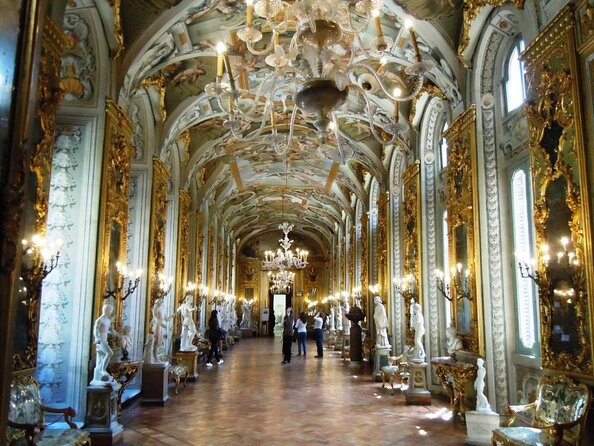
This ticket includes museum entry, but it does not include everything.
- A guided tour is not included.
- Entry to the private rooms of the palace is not included.
That means you should set your expectations for what you will see: you are there for the public-facing gallery collection. You are not walking through the most personal family spaces beyond what the ticket allows.
If you were hoping for a fully narrated tour with a live guide, this is likely not the right match. The audio is helpful, but it is still self-paced rather than real-time Q and A.
Getting there: location and logistics in plain terms
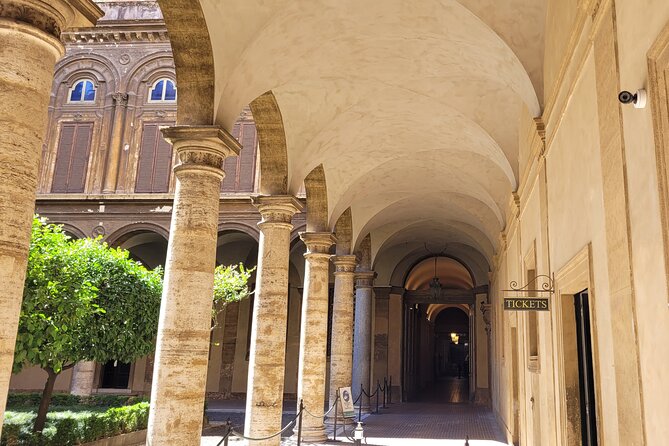
The gallery is in Rome, Italy, and it’s near public transportation. That matters because Rome is easier when you can hop on and off transit without complicated planning.
The timed entry format also helps with logistics. You do not need to show up at an exact minute like a theater ticket, but you do want to arrive with enough buffer to get through any checks and find your route inside.
Who this fits best
This experience is a strong choice if you:
- Want a high-quality art museum that does not take over your whole day.
- Prefer self-paced touring over joining a group.
- Like understanding the family behind the collection, not just absorbing names of painters.
- Are planning a Rome itinerary that already includes big attractions and want something calmer.
It may be less ideal if you:
- Need a live guide to keep you moving.
- Want access to private palace rooms beyond the gallery.
- Are extremely price-sensitive and plan to do lots of museums in a tight budget.
Should you book this Doria Pamphilj ticket?
I’d book it if you want a focused, art-forward visit with a clear structure and a calmer feel than the giant museums. The biggest strength is the combination of secure entry, a self-paced audio visit, and major artists in a private collection context.
I’d think twice if the price feels too close to your mental budget line, or if you know you’ll be stressed by ticket redemption. If you go this route, the fix is simple: double-check your voucher instructions and make sure you understand what your ticket includes before you arrive.
In the end, this gallery works best when you treat it like a paced museum stroll, not a race. If you do that, you’ll come away appreciating how the Pamphilj collection hangs together across centuries.
FAQ
How long does the Doria Pamphilj Gallery visit take?
The experience is listed at about 2 hours, approximately.
What is included with the Doria Pamphilj Gallery entry ticket?
Your ticket includes museum entrance. It is also designed for self-paced discovery with history context.
Is a guided tour included?
No. A guided tour is not included with this experience.
Can I access the private rooms of the palace with this ticket?
No. Entry to the private rooms of the palace is not included.
What timed entry options are available?
Timed entry is available every two hours from 10am to 6pm.
Where is the gallery and is it easy to reach?
The experience is in Rome and is near public transportation.
Is this ticket refundable if plans change?
No. The experience is non-refundable and cannot be changed for any reason. If it is canceled due to poor weather, you’ll be offered a different date or a full refund.
More Museum Experiences in Rome
More Tickets in Rome


More Tour Reviews in Rome




Not for you? Here's more nearby things to do in Rome we have reviewed












Museums, compared.
 ★ 4.5Vatican: Museums & Sistine Chapel Entrance TicketFrom $38144,003 reviews
 ★ 4.3Vatican Museums & Sistine Chapel Tour with Optional BasilicaFrom $7967,413 reviews
 ★ 4.5Vatican Museums, Sistine Chapel & St Peter’s Basilica Guided TourFrom $2239,149 reviews
 ★ 4.3Vatican Museums, Sistine Chapel & Basilica TourFrom $13013,872 reviews
 ★ 4.4Vatican Museums & Sistine Chapel Skip-the-Line Entry TicketFrom $4313,838 reviews
★ 4.7Vatican Museums, Sistine Chapel & Basilica TourFrom $7213,217 reviews
Vatican Museums & Sistine Chapel Guided TourFrom $11812,117 reviews
 ★ 4.2Vatican Museums & Sistine Chapel Skip-The-Line TicketFrom $4111,708 reviews