
Reviewed · ANCIENT ROME TOURS
Daily life in Ostia Antica (private tour)
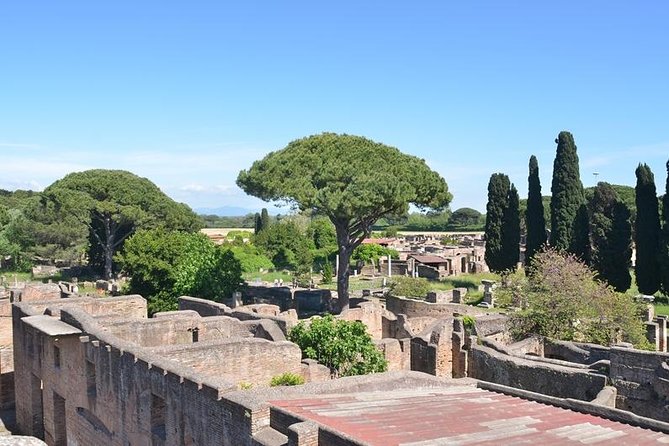
Three hours, and Ostia Antica starts to make sense. This private tour walks you through one of Rome’s most readable ancient sites, with a guide who helps you connect ruins to real daily life. You’re not just seeing stones, you’re learning how this former port city functioned.
I love how the tour turns scattered remains into a clear story. The stops highlight Roman public life and ordinary routines, from bathhouses to shops, with guides like Paola and Maria Rita (known for detailed, site-specific explanations) helping you notice what matters. You’ll also get real payoff from the preserved mosaics, including marketplace tile scenes that point to trade and professional groups.
One consideration: this is an outdoor visit, and it requires good weather. If conditions are poor, the tour may be moved or refunded, so plan your Rome days with a little flexibility.
Key Highlights You’ll Actually Feel on the Ground
- Private group attention: only your group tours, so you can set a pace that fits ages and interests.
- Admission included: the ticket is part of the 3-hour experience, not an extra add-on at the park.
- Bathhouses you can visualize: Terme di Nettuno and Terme del Foro help you picture how Romans washed, chatted, and recovered.
- Guild identity at Piazzale delle Corporazioni: this is where trade culture becomes tangible through the buildings and artwork.
- Daily-life route, not random monuments: you’ll move through a logical slice of city life across neighborhoods and civic spaces.
- Real history explainers: guides including Paola, Maria, and others are described as passionate and technically strong, especially on how spaces were used and uncovered.
Why This Ostia Antica Tour Works Better Than Reading Ruins Alone
Ostia Antica can feel like a reward for people who like meaning, not just location. The site is large, and without guidance it’s easy to walk past important clues and miss why certain buildings were built where they were. This private format solves that. You’re with a guide for about three hours, and you’ll get help interpreting what you’re looking at as you go.
I also like the focus on daily life. You are not only chasing temples and big drama. The route leans into how people ate, shopped, worked, socialized, and cooled off in public bath facilities. That makes the whole place easier to understand, even if you are not a classicist.
The other quiet advantage is that Ostia Antica often feels calmer than the most famous Roman stops. If you want to get out of the noise and chaos of central Rome, this is a strong change of pace. You still get serious archaeology, just with a more relaxed rhythm.
You can also read our reviews of more private tours in Rome


The Meeting Point and How the 3-Hour Timing Shapes Your Visit
The tour starts in 00119 Ostia Antica, Rome, and it ends back at the meeting point. That matters because you can treat the visit as a clean block of time, rather than worrying about transportation puzzles at the end.
A 3-hour visit is long enough to get a real arc, but short enough to stay comfortable. You’ll cover multiple parts of the archaeological park, including both civic and commercial spaces. The timing also helps keep the experience practical: you can see several key areas without turning it into an all-day march.
One more detail that affects your day: it’s offered in English, and it’s described as suitable for most people. If you are bringing kids or multi-generational family members, the private format lets the itinerary be shaped to the ages and interests of your group, which is exactly what you want when attention spans vary.
Stop-by-Stop: What You’ll See at Parco Archeologico di Ostia Antica
This tour concentrates on one main area, Parco Archeologico di Ostia Antica, and that’s a good thing. It keeps your guide’s explanations connected. You’re not bouncing around town. You’re learning one city and its logic.
Here’s what to expect across the main sights:
Necropolis: Learning a City From Its Neighbors
You’ll start with the Necropolis, the burial area that sits next to where daily life played out. That pairing is important. Roman cities were not built as separate worlds. Death was part of the social map, and the location of tombs tells you how people thought about memory, status, and space.
This stop is also where your guide’s interpretation can shine. Ruins alone can look repetitive, but with the right commentary you begin to see differences in layout and meaning. You start understanding that Ostia Antica wasn’t just a port for ships and trade. It was a community with families, routines, and long-term ties.
Practical tip: take a moment to look back at the site from where you stand. The necropolis setting can help you understand how the city related to the outskirts.
Terme di Nettuno: The Roman Bathhouse World Made Understandable
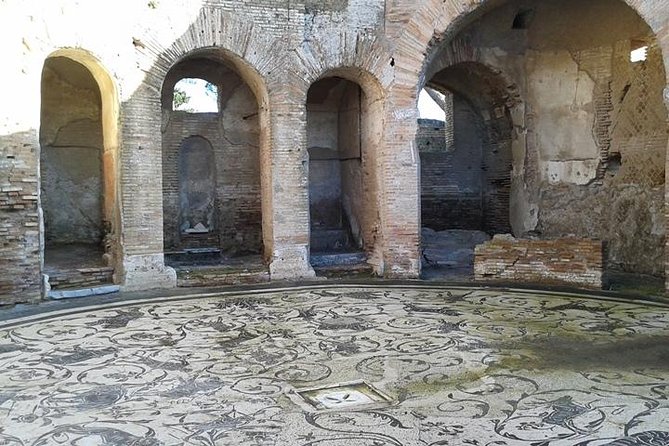
Next up is Terme di Nettuno, one of the bath areas. Bathhouses are great teaching tools because they show Roman ideas about public life, health, and social time. In a city like this, bathing was not only hygiene. It was also a place to meet people and pass the day.
When you step through bath-related spaces with a guide, you start recognizing patterns: where movement would flow, where people would wait, and how different rooms served different purposes. The walls and floors become more than decoration. They become a map.
Also, baths tend to reveal craftsmanship. If your guide points out the design and function behind the remains, you’ll leave with a mental picture of how an average person likely used these facilities.




The Theater: Entertainment at a Human Scale
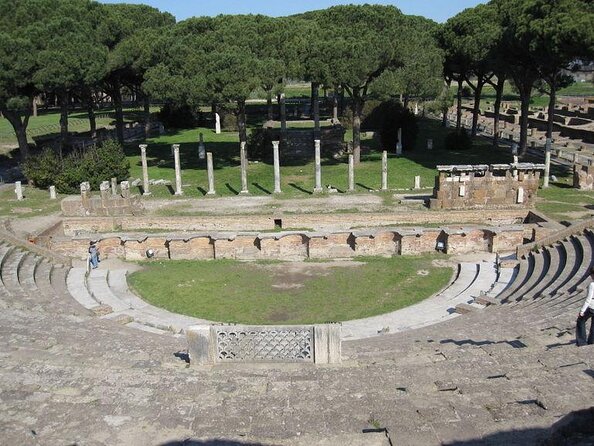
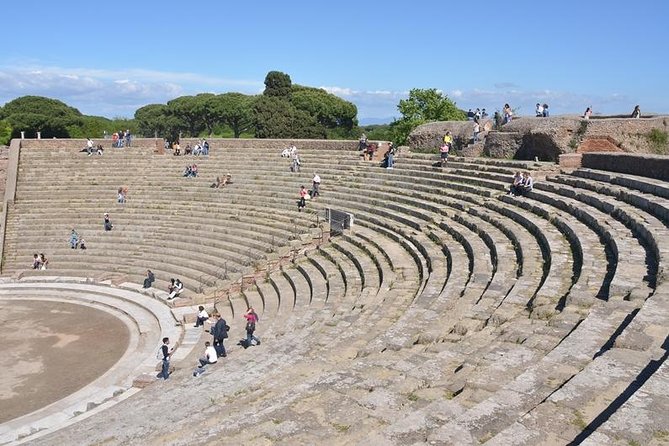
You’ll see the Theater, and this is one of those stops where your guide can help you connect architecture to behavior. A theater is a social machine. People came together, events repeated, and public culture had a physical home.
Without context, ruins can look like rubble plus seating shapes. With interpretation, you start figuring out sightlines, how people gathered, and how performances would fit into the city’s calendar.
This stop also helps balance the tour. After tombs and baths, the theater brings a different kind of daily life into focus, reminding you that Roman culture involved crowds, noise, and shared experiences.
Piazzale delle Corporazioni: Where Trade Culture Becomes Visible
One of the most memorable parts of this kind of Ostia Antica route is Piazzale delle Corporazioni. This area is strongly tied to commerce and professional identity. If you like occupational history, this is the kind of place that makes the ancient world feel specific instead of generic.
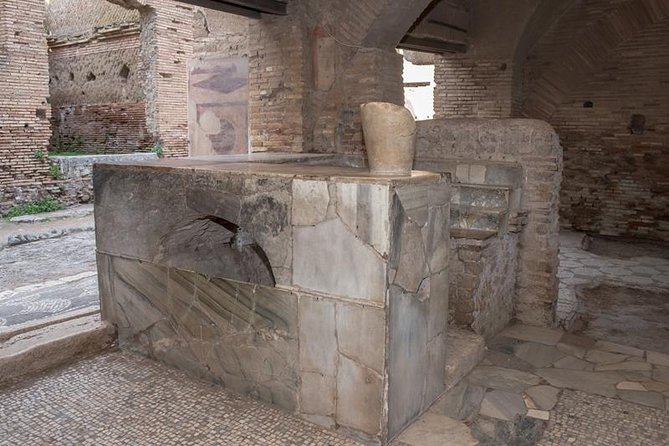
There’s also a strong chance you’ll be shown artwork details, including tile and mosaic scenes that label professional groups with words and images. One account from a previous guide focus highlighted the marketplace stall artwork tied to specialized groups related to shipping and marine commerce. Even if you don’t remember every label, the takeaway is clear: people in Ostia Antica lived with visible work identities.
This is the stop where you can really feel the port-city logic. Ostia was not only Rome’s shipping support. It was a working town with pride, trades, and organized business networks.
Terme del Foro: Civic Life, Social Flow, and Everyday Movement
You’ll also visit Terme del Foro. Like Nettuno, this bath area helps you understand how public space worked in the center of city life. Baths here feel closer to civic routines, not tucked away in the background.
Pay attention to how these areas connect. Your guide’s explanations should help you connect why bath facilities were placed near other high-traffic parts of the city. You’re learning movement patterns: where people would go before work, after work, or between errands.
If you love Roman art, baths are also a great place to notice decorative elements. Even when only fragments remain, the surviving design tells you what people valued.
Capitolium: Civic Power and the City’s “Center of Gravity”
Next is the Capitolium, a civic and religious focal point. This is where you shift from everyday routines to the authority structures that shaped daily life. Romans believed the gods protected the city, and civic architecture expressed that thinking in stone.
The value of this stop is perspective. After baths and trade areas, you can see the city as a system: work, socializing, worship, and governance all interacted. Your guide should help translate that system, rather than leaving you with a list of building names.
If you’re the kind of person who wants to know why a city’s layout matters, the Capitolium is a turning point.
Tabernae: The Shops and the Texture of Ordinary Days
Finally, you’ll look at Tabernae, the shopfront areas. This is where Ostia Antica starts feeling closest to street life. Shops are where you imagine customers, sellers, transactions, and the small talk of normal days.
A guide’s job here is to help you see what kind of commerce likely happened and how the building design supported it. Tabernae also connect nicely back to the trade identity you likely see earlier in Piazzale delle Corporazioni. Together, the two areas help you understand how commerce was embedded into city structure.
If you want the simplest way to remember this tour, think of it as a loop through work, social time, civic order, and daily consumption.
What Makes the Guide Part Matter (Paola, Maria, and the Best Kind of Explanations)
A private tour lives or dies by interpretation. This one is strongly praised for guides who explain everyday life and how structures were built and uncovered.
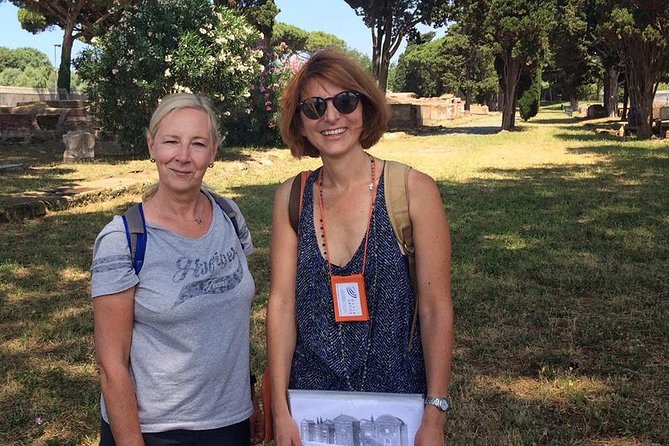
Names that show up in strong feedback include Paola and Maria, and at least one guide is described as a trained archaeologist. That background tends to show up in the way explanations stay grounded in the remains. You hear about materials, construction, and function, not just dates.
You can also benefit from the guide’s storytelling style. Several accounts emphasize that guides bring the ruins to life with clear context. That’s not about dramatics. It’s about helping you build a mental model so the site stops feeling random.
And because it’s private, questions are easier. If something confuses you, you can ask while you’re standing in front of the relevant room, not when you’re back in your hotel.
Value and Price: What $187.06 Gets You in Real Terms
The price is listed as $187.06 per person for about three hours, and the admission ticket is included. That ticket detail matters. Many tours sell the guide time and make you pay for entry separately. Here, you can treat the ticket as part of your total value.
Whether the price feels like a deal depends on your group setup. If you’re traveling as a couple, the private format can compare well against multiple people paying separate entry plus hiring a local guide elsewhere. If you’re traveling solo, it may feel less friendly, since private experiences do not scale down as easily as group tours.
The best part is what you get beyond entry: a focused, guided route across multiple key areas tied to daily life, with enough time to understand what you’re seeing. For people who want more than a surface walk through ruins, this cost can start to feel like a straightforward way to buy clarity.
Who This Private Ostia Antica Tour Is Best For
This tour fits best if you want one of these outcomes:
- You like Roman history when it connects to daily routines, not just big monuments.
- You want a structured path across Ostia Antica, with explanations that make the layout easier to remember.
- You’re traveling with kids, teens, or a mixed-age group and want a guide who can adjust pace and focus.
It can also be a smart choice if you are heading toward the airport area. Ostia Antica is outside the city center, and people often use it as a calmer day plan.
If you’re the kind of traveler who loves checking details on mosaics, shop spaces, and bathhouse layouts, you’re in the right place.
Before You Go: Comfort, Pace, and the One Big Non-Negotiable
This experience requires good weather. That’s the main planning reality. Since the route is in an archaeological park with outdoor walking, you’ll be happier if your schedule has room for a change in date if conditions are poor.
Wear comfortable shoes. Ostia Antica is uneven ground and lots of stone surfaces. Plan for a steady pace rather than a sprint between photo stops.
For the best day, I’d also suggest you arrive with one clear goal: you are here to understand daily Roman life. If you keep that focus, your guide’s explanations will land faster and you’ll remember more when you leave.
Should You Book This Private Daily Life Tour of Ostia Antica?
If you want an organized, meaningful visit to Parco Archeologico di Ostia Antica, I think this is worth serious consideration. The tour’s strongest strength is interpretation that ties ruins to how people actually lived, worked, bathed, worshiped, and shopped. The inclusion of admission and the dedicated private format help you get value without turning the day into a logistics headache.
Book it if you care about Roman daily life, especially the commercial and civic side. I’d pass if you only want a quick photo walk, because the best results come from listening, asking questions, and letting the city’s layout make sense step by step.
If your dates are flexible and the weather looks cooperative, this is the kind of half-day plan that leaves you with more than memories. It leaves you with understanding.
FAQ
How long is the Daily Life in Ostia Antica private tour?
It lasts about 3 hours.
Is the admission ticket included in the price?
Yes, admission ticket is included.
What language is the tour offered in?
The tour is offered in English.
Is this a private tour or a group tour?
It is a private tour/activity, so only your group participates.
Where does the tour start and end?
It starts at 00119 Ostia Antica RM, Italy and ends back at the meeting point.
Are service animals allowed?
Yes, service animals are allowed.
Is the meeting point near public transportation?
Yes, it is near public transportation.
What is the cancellation policy and what happens if weather is bad?
You can cancel for a full refund up to 24 hours in advance. The experience requires good weather, and if it is canceled due to poor weather you will be offered a different date or a full refund.
Can most travelers participate?
Yes, most travelers can participate.
More Private Tours in Rome


More Tours in Rome

More Tour Reviews in Rome
Not for you? Here's more nearby things to do in Rome we have reviewed






Ancient Rome Tours, compared.
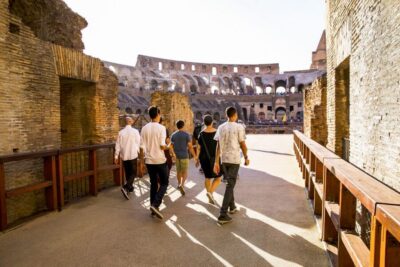 ★ 4.7Colosseum: Underground and Ancient Rome TourFrom $16012,691 reviews
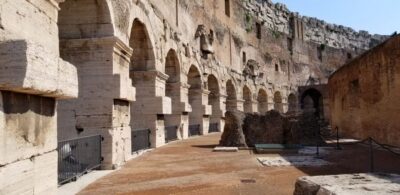 ★ 4.4Colosseum, Ancient Rome Tour or Self AudioGuided TourFrom $392,866 reviews
 ★ 4.9Appian Way, Catacombs, & Roman Aqueducts E-bike TourFrom $851,421 reviews
 ★ 4.9Appian Way E-bike Tour with Catacombs, Aqueducts & FoodFrom $961,210 reviews
 ★ 5.0Appian Way Aqueducts Bike Tour (Catacombs & Lunch Option)From $78975 reviews
 ★ 4.7Appian Way, Aqueducts, and Catacombs TourFrom $64942 reviews
 ★ 4.7Caracalla Baths & Circus Maximus — Private or SharedFrom $77835 reviews
 ★ 4.7Colosseum Arena Access and Ancient Rome Guided TourFrom $94774 reviews
Browse the lists this tour appears in