
Reviewed · MUSEUMS
Da Vinci Museum: Discover a World of Genius in the Heart of Rome
Leonardo in Rome, without the long wait. I love the life-size machines built from Leonardo’s codices, and I love how a pre-booked ticket helps you spend less time fiddling with entry. One consideration, the museum is small, so if you want a long, half-day plan, you’ll need to pair it with nearby sights.
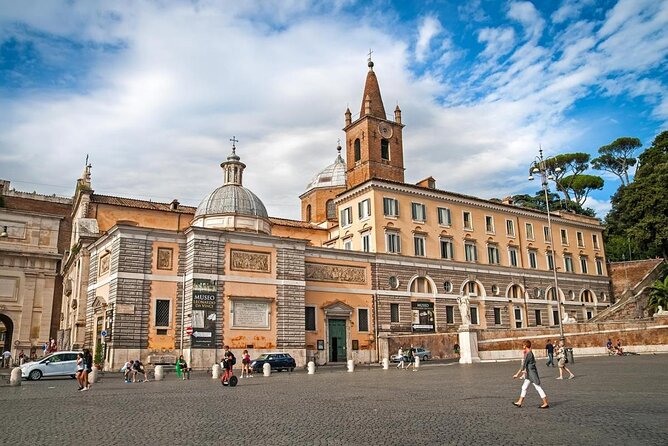
The museum is inside Basilica Santa Maria del Popolo, a short walk from the Spanish Steps and Villa Borghese. Plan on 1 to 2 hours for a relaxed visit, in English, with an optional audio guide if you want more detail as you go.
Key things to know before you go
- Pre-booked admission ticket saves you time versus buying on the spot.
- Machines made from Leonardo’s notebooks help you understand the ideas, not just admire the drawings.
- Art and science connections are built into the exhibits, including the Last Supper storylines and the Vitruvian Man.
- Small museum, fast pacing works well for families and rainy days, but not for a long museum day.
- No restroom facilities nearby, so plan ahead before you enter.
- You can’t expect originals everywhere since much of what you’ll see are reconstructions and reproductions, plus a few notebook-page displays.
Inside Santa Maria del Popolo: the setting you get for free
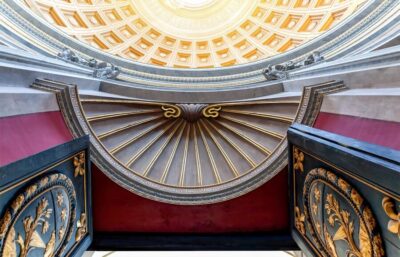
Museo Leonardo da Vinci is located inside Basilica Santa Maria del Popolo, in the heart of Rome. That matters because you are not just walking into a standalone exhibit, you are entering a real church setting where the museum becomes an add-on to an already beautiful area.
The location is also practical. You’re close enough to major landmarks that you can slot this in between bigger sights, and you can walk it as an easy stop rather than treating it like a whole day.
If the church area above is under renovation during your visit, you might notice coverings or changes to what’s visible. It does not stop the museum experience, but it can affect how “complete” the overall setting feels when you look around.
You can also read our reviews of more museum experiences in Rome

Price and ticket value for a 1 to 2 hour stop
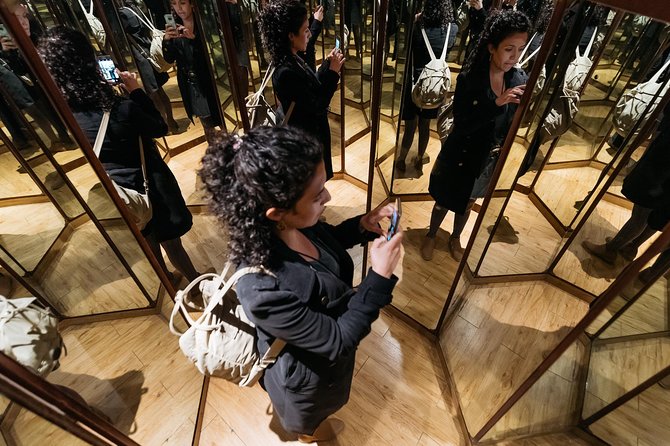
At $14.38 per person, you’re paying for admission, and that’s the key value. The ticket included is the main cost, and the experience length is usually short enough that you won’t feel like you overcommitted.
An audio guide is not included, and it’s listed at about €3 per person. I think that’s worth keeping in mind, because if you like explanation while you walk, audio can raise the total cost slightly, but it can also make the exhibits easier to follow.
Timing-wise, this kind of museum visit usually works best when you have about an hour and a half. You can move quicker if you’re short on time, or slow down if you enjoy tinkering with interactive pieces and reading the descriptions at each station.
One small detail that helps your day: the museum is designed so you can keep going afterward. Piazza del Popolo is right there, which makes it easier to make the most of your ticket price even if you finish faster than expected.
What happens at the museum: a self-paced walkthrough
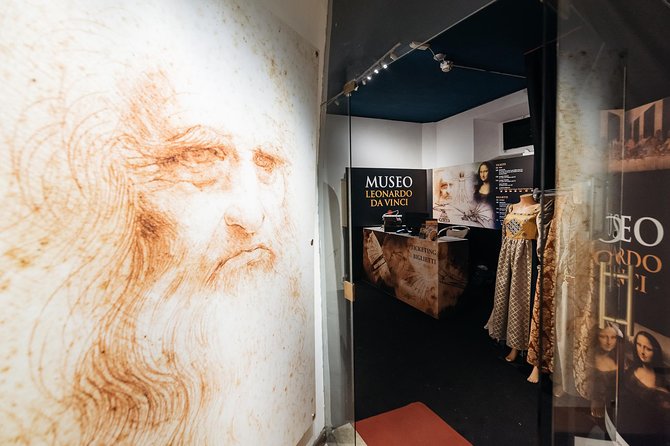
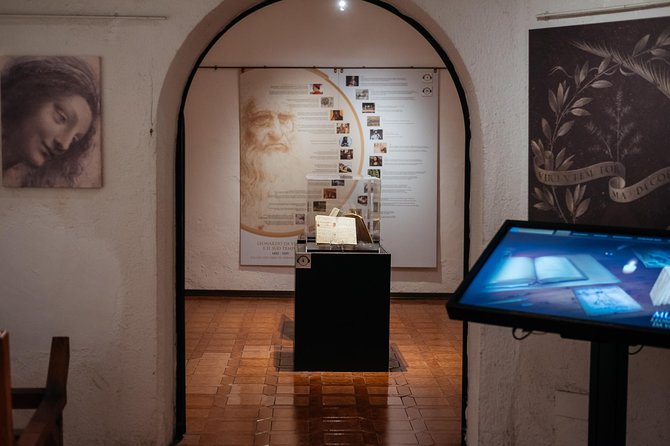
There’s one main stop: Museo Leonardo da Vinci. From the moment you get inside, the experience is built around Leonardo as an inventor, artist, scientist, anatomist, engineer, and architect, all at once.
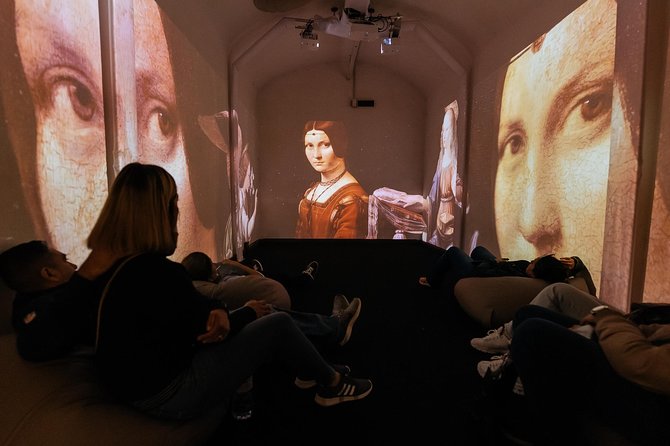
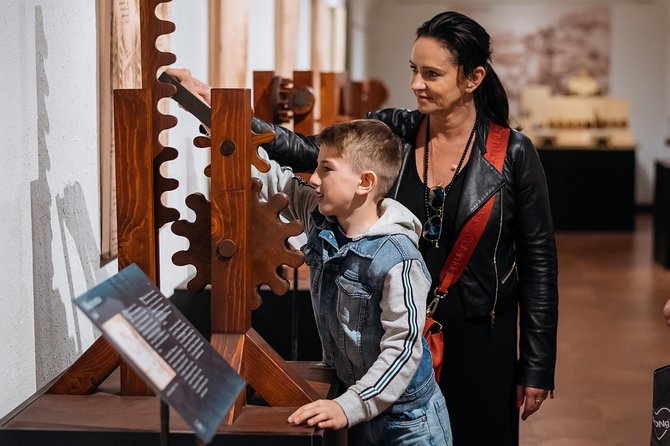
Instead of a long lecture, you get a sequence of installations that connect his drawings and ideas to tangible recreations. Expect to see machines crafted by Italian artisans based on Leonardo’s codices, plus displays tied to famous works and themes.
This is also a museum that tends to feel more hands-on than typical galleries. Some exhibits let you interact with models or try concepts, but it’s not a theme park with constant “push button fun.” Think more like, touch the idea, understand the mechanism, then move on.
Machines from Leonardo’s codices: the big reason to book
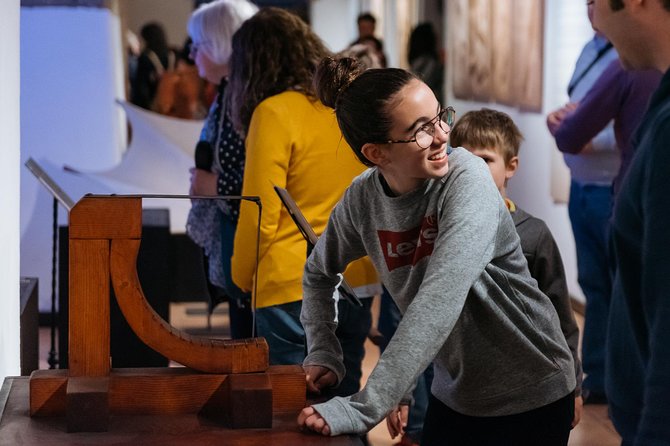
If you want one reason this museum earns its place in Rome, it’s the machines. The exhibits are built from Leonardo’s notebook studies and arranged so you can see how he reasoned through problems.
You’ll run into life-size recreations that help you visualize how his concepts might have worked. Even when a machine is a reconstruction, the point is clarity. You’re learning the logic behind the invention, not just admiring a label on a wall.
The strongest setups are the ones that combine:
- a drawing or study concept
- a related model or “how it might function”
- an explanation of what Leonardo was trying to solve
Some visitors also point out that the museum includes military-themed ideas and other engineering concepts beyond what they expected. That broader range can make the museum feel less predictable, especially if you already know the usual Leonardo highlights.
Leonardo the artist and scientist: Last Supper, Vitruvian Man, and anatomy
This museum does not treat Leonardo as only a painter. It keeps switching between art, engineering, and human anatomy, so you start understanding why he’s often described as a true Renaissance problem-solver.
One anchor display is tied to the Last Supper. You’ll see multimedia elements and story-based explanations that connect the work to Leonardo’s broader research mindset. If you already love the painting, it gives you a reason to think beyond the image.
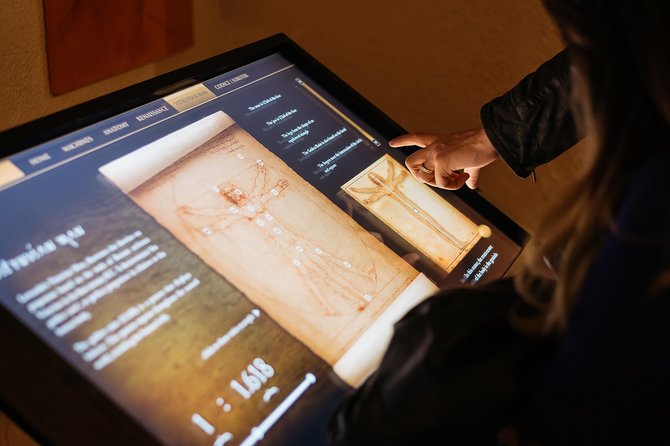
You’ll also encounter the Vitruvian Man theme. It’s one of those iconic Leonardo references that most people recognize, and the museum uses it to point toward his fascination with proportion, the human body, and the scientific way he observed.
Anatomy is another major theme. You’ll see anatomy sketches and related exhibit content that emphasize how much Leonardo studied the body, not just as an artistic subject but as something to measure and understand.
Keep your expectations balanced though. The museum does not present “walk-up to original masterpiece” style exhibits. Much of what you see are reproductions and reconstructions, and that’s fine. The value is in how the museum translates studies into models you can grasp quickly.


Interactive screens, audio guide, and the VR flight
There’s a mix of physical exhibits and tech support. Several installations use interactive screens where you can click through content about Leonardo’s paintings, drawings, and inventions before you see the corresponding displays. If you like starting with a quick overview, these screens can set the tone so the rest of the museum makes more sense.
The audio guide is optional. If you like self-guided museums where you can control the pace, audio can be a helpful add-on. Just know some people found the audio system does not always match the exhibit you are standing in, or that the exhibit order can feel a bit random. That does not ruin the visit, but it does mean you should stay flexible and read the text labels too.
A VR experience is also part of the mix. One version mentioned in the experience is a VR flight. If you’re interested, go earlier in your visit so you’re less likely to be stuck waiting. Some visitors also felt the VR option was expensive, so if budget is tight, you might skip it and spend the time you save on the machines instead.
No-restroom reality and other practical tips
This is where you win by planning a little. Multiple visitors specifically mention there are no restroom facilities in or around the museum. That means you should use facilities before you arrive, especially if you are visiting with kids or you’re planning to stay in the Piazza del Popolo area afterward.
Other practical notes from the experience:
- The museum is described as warm, so bring water if you’re sensitive to heat.
- The visit is short, so wear shoes you can walk in around Piazza del Popolo afterward.
- Staff are repeatedly described as friendly and helpful, which matters when you’re swapping a voucher for tickets or asking where to start.
Also remember this is a museum experience that works well for different ages, but it is most satisfying if you like a mix of art and science. If you prefer pure painting originals, you may find it less “museum classic” than you expected.
Where to go after: Piazza del Popolo is the payoff
The museum’s location is a major part of the value. Once you finish inside, you can immediately step into the Piazza del Popolo area for food, people-watching, and a comfortable walking loop.
This is especially useful if you’ve already been covering big-ticket sights earlier in the day. A short, quiet museum stop can reset your pace, and then you’re right where you want to be for dinner.
A smart approach is to schedule the museum earlier in the afternoon. Then you have energy left to enjoy the plaza and nearby streets without feeling rushed. If you do it later, you might feel ready to move on even though the museum itself can be enjoyed calmly.
Who this is best for (and who might not love it)
This museum is a strong fit if you:
- want a short Leonardo stop that does not eat half your day
- enjoy machines, anatomy, and the science side of art
- like interactive displays, even if the interaction is more about models than nonstop games
- travel with kids who learn well through touchable exhibits and visual explanations
It may be less ideal if you:
- expect to see Leonardo originals throughout, because the museum focuses heavily on reproductions and reconstructions
- want a long multi-gallery museum day
- need restroom access during the visit, since there are none in or near the museum
Final verdict: should you book Museo Leonardo da Vinci?
Book it if you want a compact, high-impact Leonardo experience in a very walkable Rome area. For $14.38 with admission included, you’re paying for an efficient visit that combines machines, art connections, and anatomy themes in a way that is easy to understand in 1 to 2 hours.
Skip or rethink if you are chasing original artworks only, or if your must-do list requires long museum time. Also consider skipping add-ons like VR if you want to keep costs under control.
My bottom line: if you’re building a Rome day around Piazza del Popolo or you want something calm and educational between bigger sights, this is the kind of ticket that tends to feel worth it.
FAQ
How long does the Museo Leonardo da Vinci visit take?
The experience is listed as about 1 to 2 hours.
Is admission included in the price?
Yes. Your admission ticket to Museo Leonardo da Vinci is included.
Is the experience offered in English?
Yes. The experience is offered in English.
Do I need to buy an audio guide?
An audioguide is not included, and it is available to purchase for approximately €3 per person.
Is there a restroom at the museum?
According to visitor feedback provided, there are no restroom facilities in or around the museum.
Where is the museum located?
It is located inside Basilica Santa Maria del Popolo in Rome.
Is this close to other major attractions?
Yes. It’s described as about a five-minute walk from the Spanish Steps and Villa Borghese.
Is it suitable for most visitors?
The information provided says most travelers can participate.
Are service animals allowed?
Yes, service animals are allowed.
Is there free cancellation?
Yes, free cancellation is available up to 24 hours in advance for a full refund.
More Museum Experiences in Rome

More Tour Reviews in Rome
Not for you? Here's more nearby things to do in Rome we have reviewed







Museums, compared.
 ★ 4.5Vatican: Museums & Sistine Chapel Entrance TicketFrom $38144,003 reviews
 ★ 4.3Vatican Museums & Sistine Chapel Tour with Optional BasilicaFrom $7967,413 reviews
 ★ 4.5Vatican Museums, Sistine Chapel & St Peter’s Basilica Guided TourFrom $2239,149 reviews
 ★ 4.3Vatican Museums, Sistine Chapel & Basilica TourFrom $13013,872 reviews
 ★ 4.4Vatican Museums & Sistine Chapel Skip-the-Line Entry TicketFrom $4313,838 reviews
★ 4.7Vatican Museums, Sistine Chapel & Basilica TourFrom $7213,217 reviews
Vatican Museums & Sistine Chapel Guided TourFrom $11812,117 reviews
★ 4.4Vatican Museums & Sistine Chapel Skip-the-Line Entry TicketFrom $4313,838 reviews
★ 4.7Vatican Museums, Sistine Chapel & Basilica TourFrom $7213,217 reviews
Vatican Museums & Sistine Chapel Guided TourFrom $11812,117 reviews
 ★ 4.2Vatican Museums & Sistine Chapel Skip-The-Line TicketFrom $4111,708 reviews