
Reviewed · ANCIENT ROME TOURS
Christianity in the Ancient Rome Private Tour
Christianity in Rome feels real when you move room to room. This private route layers major basilicas with gritty early-Christian sites, so you see the story of St Peter and St Paul in both public worship spaces and places tied to persecution. A big plus is the live guide approach, often with clear explanations that help you connect the monuments to what was happening in ancient Rome.
I also like the pacing. You get short, focused time where it matters most, like about 30 minutes inside St. Paul Outside the Walls and just enough time to step into the atmosphere before you move on. The one thing to plan around is cost at the door: some of the most meaningful stops, especially the catacombs and the prison, require extra entrance fees paid on site.
Key moments that make this tour work
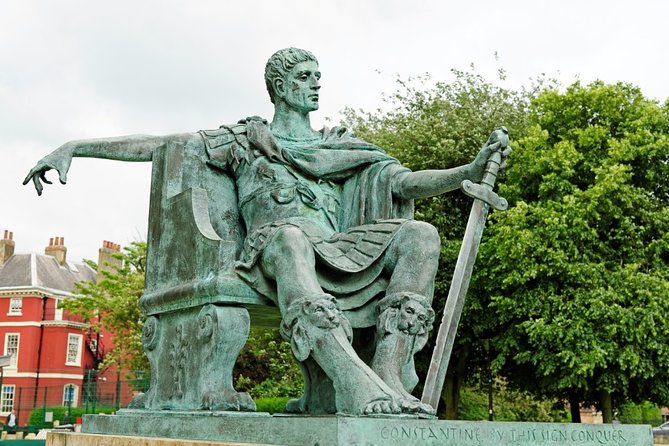
- St. Paul Outside the Walls: A 4th-century setting tied to Constantine I, plus real time to see the interiors
- Catacombs of Saint Callixtus: A guided underground visit focused on early burial history
- Basilica di Santa Sabina: One of the first churches in Rome, including carved wooden doors with Biblical scenes
- Chiesa del Domine Quo Vadis: The tradition of Peter’s encounter on the Appian Way, with the famous footprint site
- Mamertine Prison, also Carcer Tullianum: A chilling stop linked with Peter and Paul, with optional inside access
- Private, door-to-door comfort: Pickup and drop-off from your accommodation or the airport keeps the day efficient
A Morning Drive Through Rome’s Early-Christian Power Centers
This is the kind of Rome day trip that saves you from the usual trap: seeing church after church with no connective tissue. Here, the order matters because you are traveling through different kinds of Christian Rome, from state-adjacent monuments to underground spaces. You start at 8:30 am with pickup directly from where you’re staying or from the airport on arrival, then you ride between stops with a driver.
What you’re really buying is context plus access. The guide gives live commentary while you’re on the move, and you get briefings before each main site so you know what you’re looking at. It’s also a true private tour, so your day is shaped around your pace and questions, not a fixed herd schedule.
One practical note: you are on a 7-hour timeline, so the plan is built for “see the key things well” rather than lingering for hours at one location. If you love to get lost on your own, build in the idea that you will follow the guide’s structure first, then roam later if you have time.
You can also read our reviews of more private tours in Rome


Abbazia di San Paolo Fuori Le Mura: Constantine’s Rome, Up Close
You begin at Abbazia di San Paolo Fuori Le Mura, also known as St. Paul Outside the Walls. The headline here is its deep early importance. This abbey is tied to the 4th century AD and was founded by Constantine I, which instantly frames the shift from persecuted beginnings to a more public, monumental Christianity.
You’ll spend about 30 minutes at this stop. That’s enough time to get inside and appreciate the scale, without turning the day into a slow slog. Even if you have seen photos, the interiors hit differently because you feel the architectural confidence of a Christian Rome that has moved into a new phase.
Value for you: this is a strong anchor stop. If you are trying to understand how Christianity gained visibility in Rome, this is where the story stops sounding like theory and starts sounding like a real timeline. The downside is simple, and it’s not the tour’s fault: 30 minutes goes fast in any big basilica. If you want to read every inscription or study every detail, plan to treat this as a “first look” and then add extra time if you return to the area later.
Catacombs of Saint Callixtus: Underground Burial History You Can Feel
Next comes one of the most moving parts of the day: the Catacombs of Saint Callixtus. This is where the mood drops from daylight Rome into underground corridors that connect to early Christian burial practices. You get a guided visit of about 45 minutes.
You should expect to handle tickets directly for this one. The entrance fee is listed at about 8 to 10 euro per person, paid on site. The guide helps you with the process, so you are not stuck figuring it out in a rush.
Physical reality check: the tour notes a moderate fitness level for this experience, and catacombs are often not the easiest surfaces and stairs. Nothing here sounds extreme, but do go in with realistic expectations about walking, steps, and tight spaces.
Why this stop is worth it: the catacombs are not just spooky ambience. They connect Christianity in Rome to everyday lives, to families, and to how communities preserved memory when public visibility was risky. If you like history that comes with atmosphere, you will understand why this tends to be a highlight.
Basilica di Santa Sabina on Aventine Hill: A First-Church Stop With Real Detail
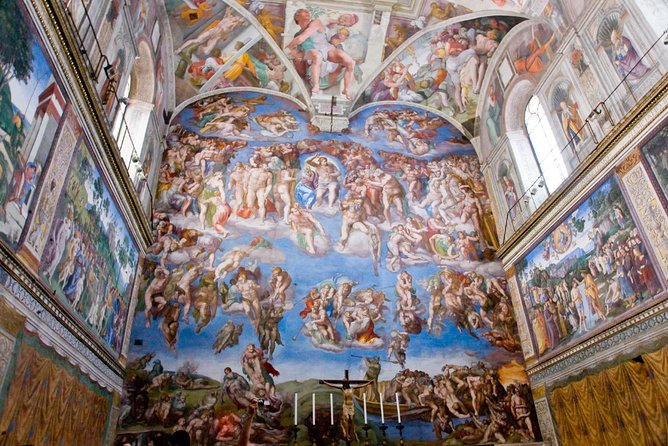
After the underground part of the day, you swing back into daylight at Basilica di Santa Sabina on Aventine Hill. The allotted time is about 15 minutes.
This one is short on purpose. It’s the classic value move on a day like this, because you get the key visual points without letting one church swallow the whole morning. Entrance here is listed as free, which is nice, and the basilica’s significance as one of the early churches in Rome gives it a lot of meaning per minute.
What stands out in the plan is the focus on the wooden doors carved with Biblical scenes and the interior you can view during your limited time window. You will likely want to pause, look, and then look again, because carved details reward a calm second look.
Potential drawback: 15 minutes is tight for people who love to linger. If you are the type who reads every panel and studies icons for a long time, you might find this stop too brief. In that case, use your time strategically: doors first, then interior.
Domine Quo Vadis: The Appian Way Footprint Tradition
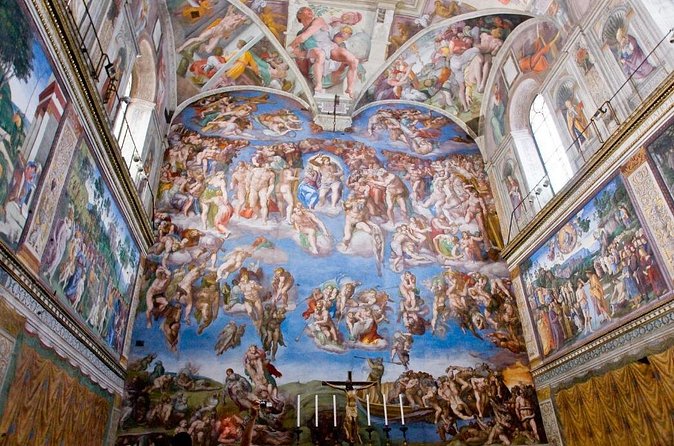
You then visit Chiesa del Domine Quo Vadis, a stop that plays like a story you can stand inside. The itinerary ties it to the tradition of Peter meeting Jesus on the way out of Rome on the Appian Way.
Expect about 15 minutes here, and entrance is listed as free. This is one of the places where you will likely care as much about the message and setting as you do about art history. The building and the tradition make you think about what Christians believed was happening, and why those stories mattered to the faith community.
A specific tradition you may hear discussed during your stop is the exchange where Peter asks, Quo vadis? and Jesus answers, Romam vado iterum crucifigi (I am going to Rome to be crucified again). Whether you treat that as literal or symbolic, the bigger point is how the story connects faith, fear, and choice in a period of pressure.
Practical note: because this is tied to a tradition, your enjoyment will depend on what kind of traveler you are. If you want pure architecture-only Rome, you may find this more devotional than you expected. If you want early Christianity’s meaning and how stories shaped believers, this is a strong match.






Mamertine Prison and Carcer Tullianum: Peter and Paul in a Real Cell

The final anchor stop is Carcer Tullianum, also known as Mamertine Prison. You have about 30 minutes here.
This is where the day can feel heavier, fast. The site is associated with the period when Peter and Paul were held in prison in Rome. And unlike a church interior, this is a place that can make ancient danger feel immediate.
Entrance costs apply. The data you get for planning lists interior access around 6 euro per person, and it also notes other admission pricing around 8 to 12 euro per person depending on what you choose. Kids up to 6 years old are listed as free. Since options can vary, it helps to ask the guide what ticket is best for your interests once you are there.
How to get value out of this stop: don’t just look at the stone and move on. Use the time to connect the prison to the wider picture you covered earlier. If the catacombs felt like memory and burial, the prison feels like pressure and risk. Put together, they give you a fuller sense of how a movement survives when the environment is not friendly.
What the Private Guide Really Changes (And What It Does Not)
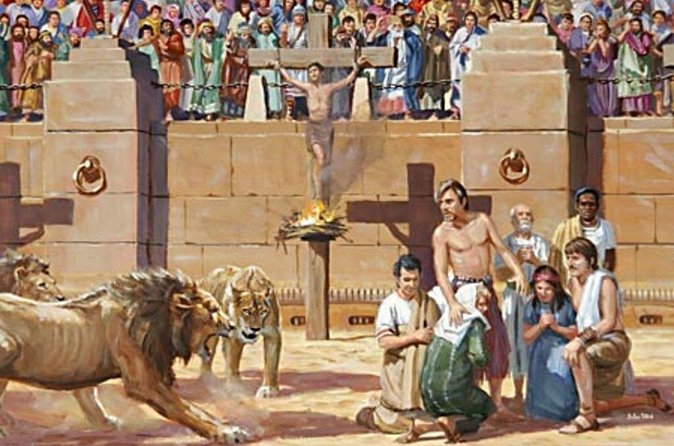
The “private” part is not a marketing slogan here. It changes how the day feels in two big ways.
First, you get real-time tailoring. You can ask questions, steer the pace, and spend your limited time at the right level. Multiple guides on this kind of route are praised for blending big-picture history with direct answers, and for handling interests like a Bible study conversation rather than a lecture.
Second, you get navigation and explanation that would be hard to recreate solo. The tour includes live commentary and site briefings, so you know what to look for before you enter key spaces.
What you should not expect: you are still visiting multiple sites with real time limits. Some places may enforce rules that affect how much a guide can lead you inside every room. So even on a private tour, you might do parts of the visit in your own flow after a briefing.
My advice for you: come with two or three specific questions. For example, ask how Rome’s political climate affected Christian growth, or ask how traditions around Peter and Paul were preserved. Those questions make the guide’s commentary feel like it clicks.
Timing, Dress Code, and Staying Comfortable for 7 Hours
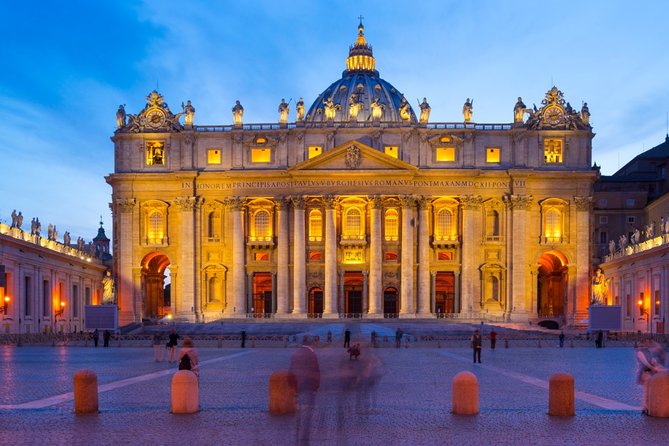
This is a walking and standing day, even if most of it is riding. The tour calls for moderate physical fitness, and it is smart to plan for steps and movement at each site, especially the catacombs.
Then there’s the dress code. For places of worship and selected museums, you need shoulders and knees covered. The rule is straightforward: no shorts, no sleeveless tops. If you show up out of compliance, you risk being refused entry, and that can wreck the flow of a tour like this.
Food matters too. Lunch is not included, so you either eat on your own before or after, or you plan a casual stop during the day if your schedule allows. The itinerary structure is built around short museum and church windows, so don’t count on a sit-down meal lasting long between stops.
If you want the day to feel easy, bring a light layer for churches and plan hydration. Rome mornings can turn warm quickly, and underground spots keep temperatures different. Comfortable shoes are non-negotiable.
Price and Value: When $469.14 Per Person Makes Sense
At $469.14 per person, this is not a budget tour. The math has to work for you, not just on paper. The value case here is pretty clear:
You get hotel pickup and drop-off, a private guide, a driver, and live commentary across multiple major early-Christian stops. You also save time because you are not figuring out transit and timing between far-flung areas like Aventine Hill and the sites tied to the Appian Way.
Entrance fees also sit outside the base price for key stops. The catacombs and the prison are the big add-ons, with amounts listed around 8 to 10 euro for the catacombs and roughly 6 to 12 euro for the prison depending on the ticket option. That means the final cost is higher than the headline price, so it’s smart to add those figures into your mental budget now.
When this price tends to make the most sense:
- You care deeply about early Christianity and want context, not just a checklist of sites
- You prefer a private pace where you can ask questions
- You value transport ease and the ability to move quickly between sites
When it might not be the best fit:
- If you just want big-name churches and don’t care about the early-Christian storyline
- If you hate added on-site payments and rules like dress code
Who This Tour Suits Best in Your Rome Trip
This tour fits best if your brain lights up when you hear names like St Peter and St Paul, or when you want to understand Christianity’s move from underground survival into monumental visibility.
It’s also a good fit for travelers who like a balanced approach. Some guides are praised for separating historical context from stories that may be less provable. If you want to learn how the faith developed in real Roman conditions, this kind of framing tends to feel satisfying.
It may be less ideal if you want a strictly doctrine-focused experience, because the tone you’ll encounter is more historical and contextual. If your goal is religious ritual, you might prefer a different style of tour. But if your goal is how the movement formed, and how Rome shaped it, this route gives you a strong spine.
Should You Book This Christianity in the Ancient Rome Private Tour?
Book it if you want a one-day storyline for early Christianity in Rome, with the comfort of pickup, the focus of a private guide, and the emotional weight of the catacombs and prison. The mix of St. Paul Outside the Walls, Saint Callixtus, Santa Sabina, Domine Quo Vadis, and Mamertine Prison hits both the public and the hidden sides of the early era.
Consider skipping or adjusting if you hate extra on-site entrance fees or you are not comfortable with a dress-code-heavy day. Also, if you want to spend long, quiet hours in one place, the structure is designed for a quick, full-day arc, not slow immersion.
If you want early-Christian Rome to feel connected instead of scattered, this is a strong choice.
FAQ
What time does the tour start?
The tour start time is 8:30 am.
Is hotel pickup and drop-off included?
Yes. You can get pickup and drop-off from your accommodation in Rome or from the airport on arrival.
Is this a private tour?
Yes. It is a private tour/activity, so only your group participates.
Are the entrance fees included in the tour price?
No. Entrance fees are not included for sites like Catacombs of Saint Callixtus and Mamertine Prison/Carcer Tullianum. The catacombs are listed around 8 to 10 euro per person, and the prison has ticket options listed around 6 to 12 euro per person depending on the choice.
What dress code do I need for churches on this tour?
You must cover your shoulders and knees. That means no shorts or sleeveless tops for both men and women, and you may risk refused entry if you don’t comply.
Can I cancel for free?
Yes. You can cancel for a full refund if you cancel at least 24 hours before the experience’s start time.
More Private Tours in Rome
More Tours in Rome



More Tour Reviews in Rome
Not for you? Here's more nearby things to do in Rome we have reviewed












Ancient Rome Tours, compared.
 ★ 4.7Colosseum: Underground and Ancient Rome TourFrom $16012,691 reviews
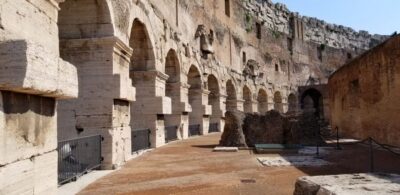 ★ 4.4Colosseum, Ancient Rome Tour or Self AudioGuided TourFrom $392,866 reviews
 ★ 4.9Appian Way, Catacombs, & Roman Aqueducts E-bike TourFrom $851,421 reviews
 ★ 4.9Appian Way E-bike Tour with Catacombs, Aqueducts & FoodFrom $961,210 reviews
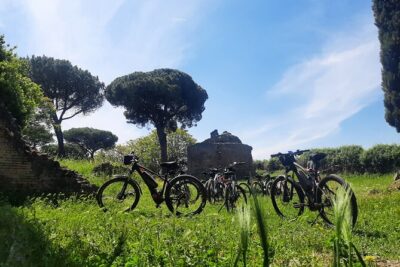 ★ 5.0Appian Way Aqueducts Bike Tour (Catacombs & Lunch Option)From $78975 reviews
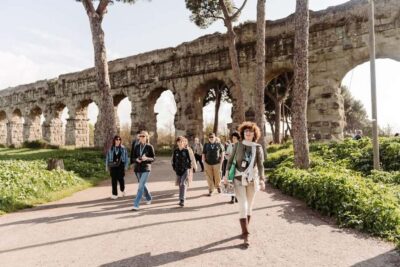 ★ 4.7Appian Way, Aqueducts, and Catacombs TourFrom $64942 reviews
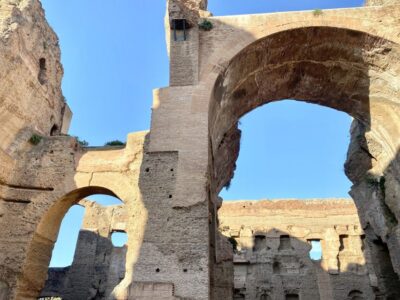 ★ 4.7Caracalla Baths & Circus Maximus — Private or SharedFrom $77835 reviews
 ★ 4.7Colosseum Arena Access and Ancient Rome Guided TourFrom $94774 reviews
Browse the lists this tour appears in