
Reviewed · ROME
Between Catacombs and ancient Quarries in Rome
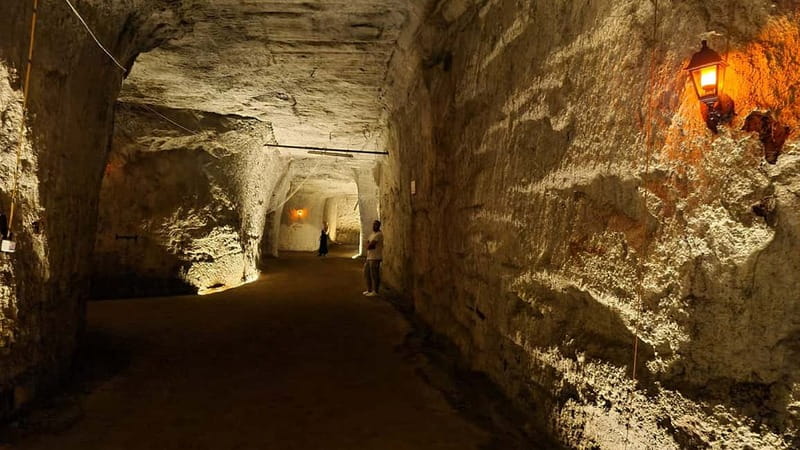
You get to walk into a Rome you never see. This tour strings together catacombs, quarry tunnels, and an ancient shrine into one practical, helmet-and-headlamp adventure.
I especially love how physical it feels. You are not just watching history, you are moving through it, with the guide handing you the gear and setting the mood like a mini expedition.
One possible drawback is the space and walking. You will cover about 2 kilometers on foot, and it is not a good match if you are claustrophobic or have limited mobility, plus it is not suitable for pregnant women.
Key things to know before you go
- A guided underground “labyrinth” under the Appian Way area, focused on how people lived underground
- Roman quarry tunnels that stretch for miles as builders cut stone for Rome’s monuments
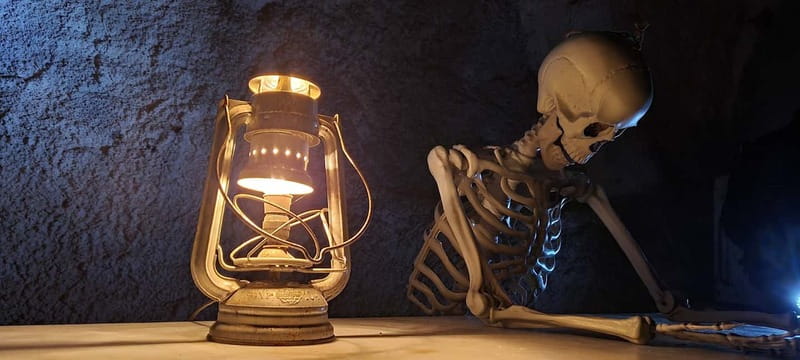
- Hands-on moment with a Roman lamp, plus the chance to see what light looked like in old catacomb spaces
- Underground mushroom cultivation where the tunnels found a second life
- A mithraeum visit tied to the story of faiths in Rome, including Christianity’s early context
- Small group size (up to 10), so you get more back-and-forth with your guide
Why Rome Has a Second Underground City
Rome is famous for what is above ground. I love that this experience flips the script and shows you the city’s underground as a working world, not just a spooky attraction.
You start by entering the kind of place that helped Rome grow, because quarries and underground spaces were part of building and survival. Then the tour shifts into how those same spaces were reused over centuries, including for worship and later practical farming.
The result is a single storyline you can actually follow while you walk. One stop leads naturally to the next, so you do not feel like you are hopping around to disconnected “history rooms.”
You can also read our reviews of more tours and experiences in Rome.



Caffarella Park and the Start Point That Keeps It Simple
The setting matters, and this one begins with a short walk after you meet at bar coffee Cancelliere on Via Amedeo Crivellucci, 8. It is a helpful warm-up before you go underground, and it also keeps the whole experience easy to manage because there is no hotel pickup.
That small approach is good value for your time. You show up, you meet your guide, you move toward the park area, and then the gear day starts.
If you like a bit of organization, this format works. You know where you start, where you end, and the walking rhythm is consistent right through the underground portion.
The Roman Quarries and Catacombs: Where Builders and Enslaved Workers Changed Everything
The core of the experience is the underground labyrinth connected to Rome’s ancient building materials. You go into Roman quarry spaces carved to extract stone, extending underground for more than five miles, and you will walk through the parts that help explain how the work happened.
This is where the tour becomes more than scenic. The guide focuses on the realities of underground labor, including how slaves lived and worked in spaces shaped by excavation. It is sobering, but it is also specific, and that clarity makes it easier to picture what life was like down there.
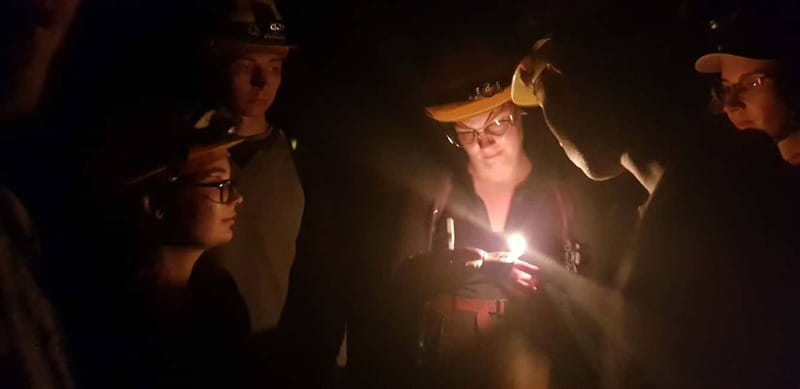
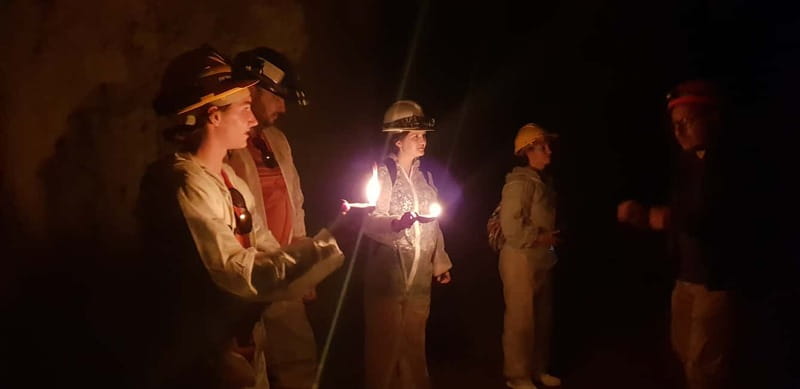
Then you move into the catacomb segment, where the atmosphere shifts from construction to burial and ritual use. You are given a helmet and headlamp, and you get to experience what darkness looked like in ancient catacomb spaces, including a hands-on moment with a Roman lamp.
I like that the light moment is practical. When you can turn on the light and compare the effect, it stops being abstract, and you understand how visibility, movement, and fear would feel in those corridors.
One small consideration: the spaces are underground, and the tour leans on helmets, torches style lighting, and close quarters. If you are expecting a big, open show cave experience, you might find it more tight and immersive than that.
Touching a Roman Lamp and Seeing Light the Old Way
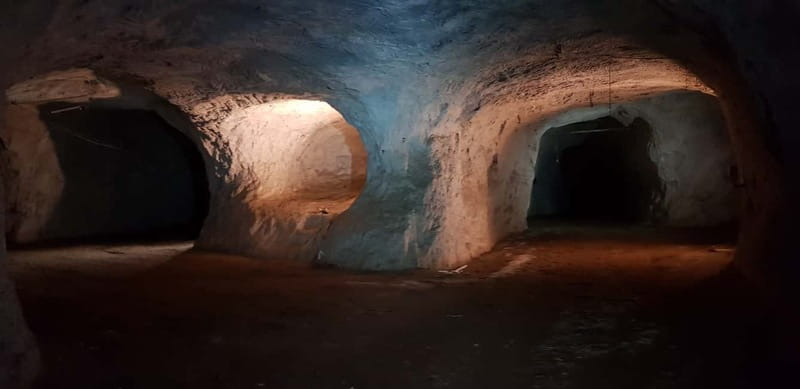
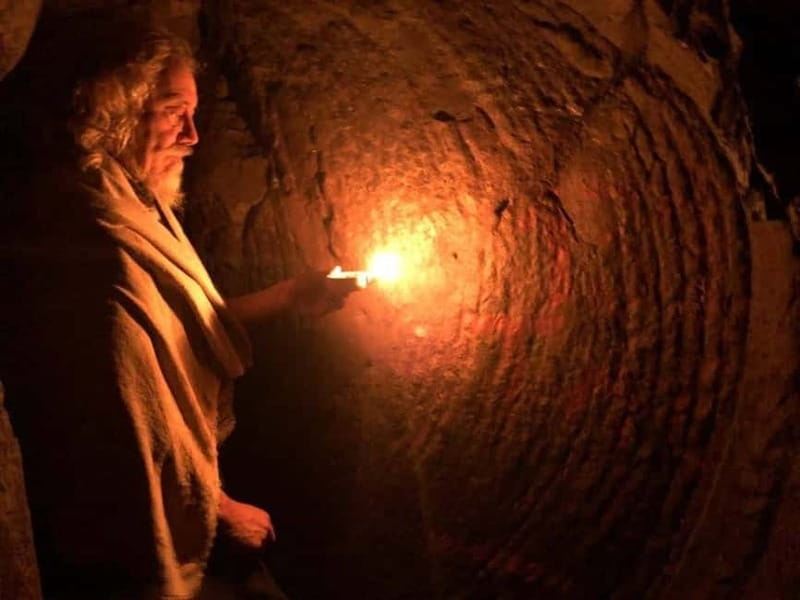
A highlight here is the tour’s focus on perception, not just facts. You get to touch a Roman lamp and light it, then use the moment to connect the guide’s story to something you can physically feel.
I find that kind of activity helps you remember details later. Instead of thinking, I saw a lamp, you start thinking in terms of how far it lit, how shadows worked, and why people relied on careful movement.
This is especially valuable in a tour like this, where the underground spaces can blur together. Light gives you anchors, and the guide uses those anchors to help you map what you are seeing.
It also makes the tour more fun without turning it into a gimmick. The point is to help you understand the past, not just collect photos.
Underground Mushroom Farms: A Surprising Second Life for the Tunnels
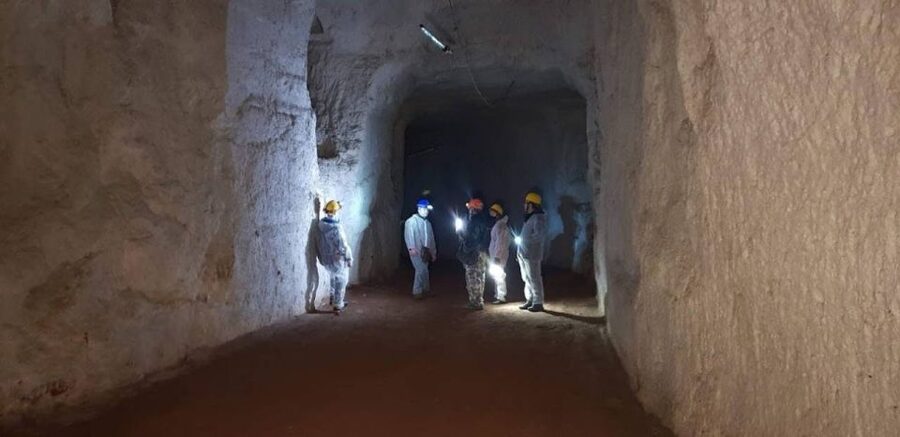
Rome’s underworld did not stay frozen in time. You will see how the underground spaces later became useful for mushroom cultivation, which changes how you think about these tunnels.
It is a great reminder that “ancient” does not always mean abandoned. People adapt environments, and underground spaces can offer steady temperature and humidity, which helps farming.
From a travel perspective, I love this stop because it adds variety to the story. After quarries and catacombs, mushroom farming feels like a logical twist, not a random detour.
If you are a history nerd, you will appreciate how reuse connects centuries. If you are more casual, you will appreciate that the tour keeps moving, so you stay engaged.






The Mithraeum: When Worship Lives in Underground Walls
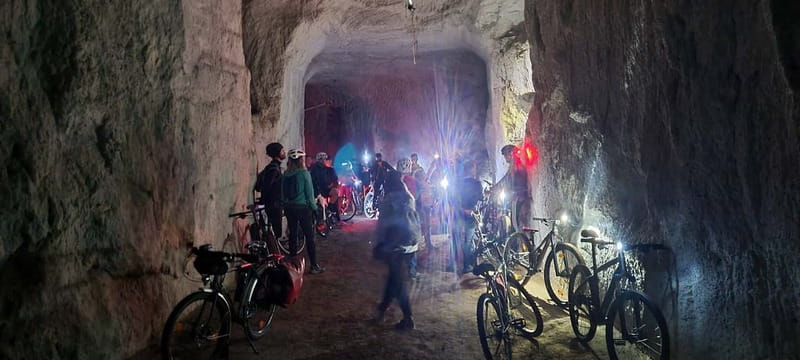
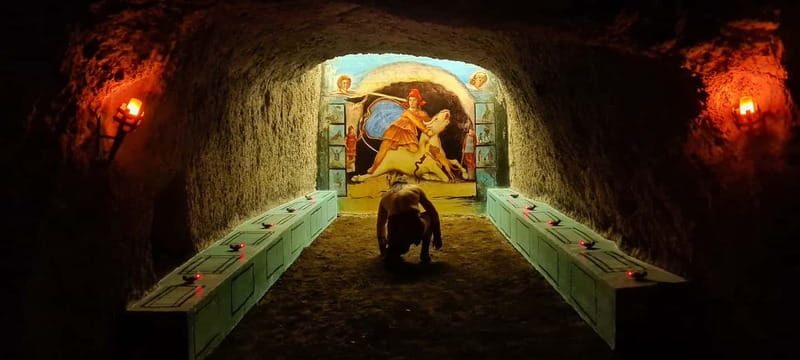
The tour continues to a mithraeum, an ancient place of worship connected to a religion that is now mostly forgotten. Your guide frames it as a space where Christianity’s early roots connect into the broader story of faith in Rome.
I think this is one of the most compelling parts because it shows how underground spaces served different purposes over time. Quarries were for making Rome, catacombs for mortuary life, mushroom farms for food production, and a mithraeum for spiritual practice.
Even if you already know the broad idea of Mithraism, the experience gives you a setting that feels physical. You are not only reading about an underground shrine, you are standing inside one while your guide connects it to the bigger religious shifts people were navigating.
One tip for getting more out of it: listen for the way the guide links the underground setting to the worship itself. The underground environment is not just background, it is part of the meaning.
How the Tour Runs: Small Group Energy, Helmets, and Real Walking
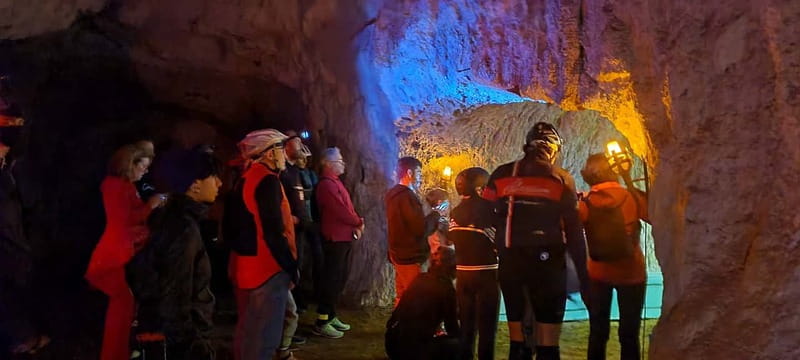
This is not a huge crowd event. The group is limited to 10 participants, and that size matters because it keeps questions from turning into a rush.
You also get a true equipment handoff: head lights and a helmet. That makes a difference underground, because it keeps you from fidgeting and it lets you focus on the guide and the spaces.
The total tour time is about two hours, with a moderate walking portion. You cover around 2 kilometers overall, plus the park walk before you go in, and you should plan for uneven footing and stairs or tight turns depending on the route.
Languages are English, Italian, and Spanish, which is handy if you want the explanations in your comfort zone. In one standout example, a guide named Giuseppe is praised for storytelling in clear English, which is a big deal for understanding why each space mattered.
If you like being able to follow the narrative, small group tours like this tend to work better than big bus-style underground stops.
Price and Value: What You Get for $113.29
At $113.29 per person for roughly two hours, the price is not the cheapest way to see Rome. But I think it is fair for what you get, mainly because you are buying a guided, gear-based underground experience that includes multiple distinct environments.
You are not just paying for entry into one site. You get quarries, catacombs, underground mushroom cultivation, and a mithraeum, plus the lamp interaction and a tasting at the end.
There is also the value of the format. With a small group capped at 10 and guided time through tight spaces, you get more explanation per minute than most large attractions.
And yes, you finish with Roman wine made according to ancient recipes. That is not essential to understanding the underground story, but it is a nice closure that turns the experience into something memorable you can take with you.
If you already plan to do only one underground stop in Rome, this kind of multi-stop approach is often where the value shows.
Who Should Book, and Who Should Skip This Underground Adventure
If you are the type who likes exploration and wants a different side of Rome, this tour fits well. You’ll enjoy it most if you can handle walking and you want a hands-on, story-forward guide who connects the dots between labor, worship, and reuse.
It is best for people comfortable with confined spaces underground. It is not suitable for people with claustrophobia, and it is also not suitable for people with mobility impairments. The tour notes it is wheelchair accessible, yet it also warns against limited mobility, so you should treat this as a “confirm first” situation and not a safe assumption.
It is also not suitable for pregnant women. If any part of that applies to you, it is worth skipping rather than forcing it.
For families, the experience can work well if kids can handle headlamps, helmets, and a more adventurous pace. One review highlighted that kids loved it, which tells me it can be engaging beyond adults alone, as long as expectations are realistic.
Bring comfortable shoes. That is the one practical item that will make or break your comfort level.
Should You Book Between Catacombs and Ancient Quarries?
I would book this if you want Rome below the surface, not just another list of famous landmarks. The strongest reason is the way the tour connects quarry life, catacombs, mushroom farming, and a mithraeum into one continuous underground narrative.
It is also a good choice if you prefer small group attention and you like a guide who can explain clearly, like Giuseppe is praised for doing in English. Add the lamp moment and you have an experience that sticks.
Skip it if you cannot handle underground confinement, have limited mobility needs that are hard to accommodate, or if pregnant.
FAQ
How long is the Between Catacombs and ancient Quarries experience?
It lasts about 2 hours.
Where does the tour start and end?
It starts and ends at the bar coffee Cancelliere outside, on Via Amedeo Crivellucci, 8.
What do I get during the tour?
You get a guide plus head lights and a helmet.
What languages are available for the live guide?
The live guide is available in English, Italian, and Spanish.
How big is the group?
The group is limited to 10 participants.
Is the tour wheelchair accessible?
It is listed as wheelchair accessible, but the information also says it is not suitable for people with mobility impairments and limited mobility, so you should confirm if you have access needs.
Is it good for people with claustrophobia?
No, it is not suitable for people with claustrophobia.
What should I bring?
Wear comfortable shoes.
Is hotel pickup included?
No, hotel pickup and drop-off are not included.
Who should not book?
It is not suitable for pregnant women, and it is not suitable for people with mobility impairments.











