
Reviewed · ANCIENT ROME TOURS
Ancient Rome: Archeological area Largo Argentina
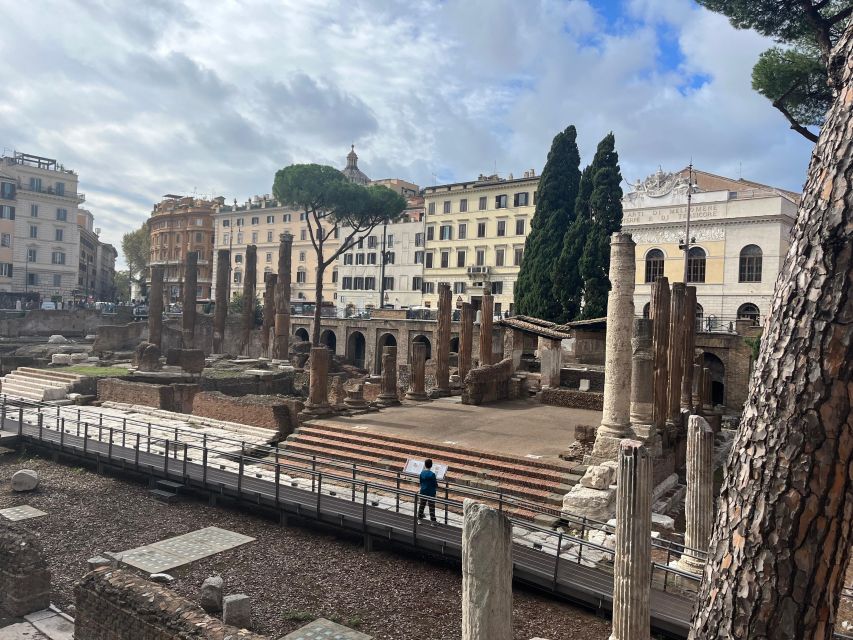
A street corner turns into a timeline in minutes. This experience guides you through Largo di Torre Argentina, a sacred area that kept living for over 2,000 years, with the added hook that it includes the spot tied to Julius Caesar’s killing.
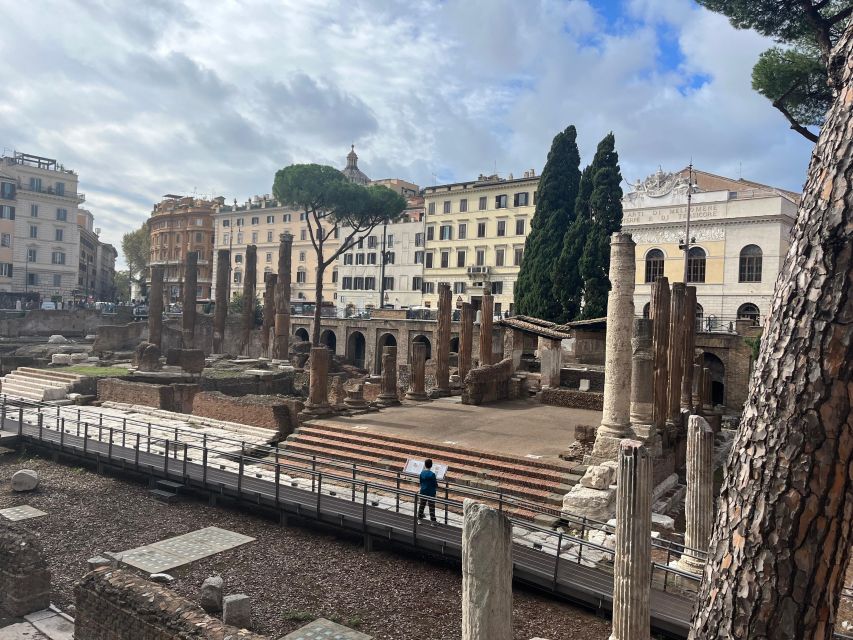
I especially like the way the site focuses on the big, tangible things you can actually see, including the four ancient temples (from the 4th to the 1st centuries BC). I also like that you get a structured head start with a 30-minute multimedia presentation, which helps you picture what you’re looking at while you’re walking the excavations.
One consideration: this is not a live guided tour, so if you want a person to narrate every turn, you’ll be leaning on the included audio/app and the on-site displays.
Key things to know before you go
- 30-minute multimedia video that aims to reconstruct what the buildings may have looked like
- Reserved entrance into the Largo Argentina excavations, not just a distant look
- Four temples dating roughly from the 4th to the 1st centuries BC
- Curia of Pompey tuff base, tied to the assassination on the Ides of March 44 BC
- Unbroken occupation layers, from ancient phases through medieval structures
- English audio support plus a paper city map and WiFi at the experience
Largo di Torre Argentina, where Rome kept rebuilding the same place
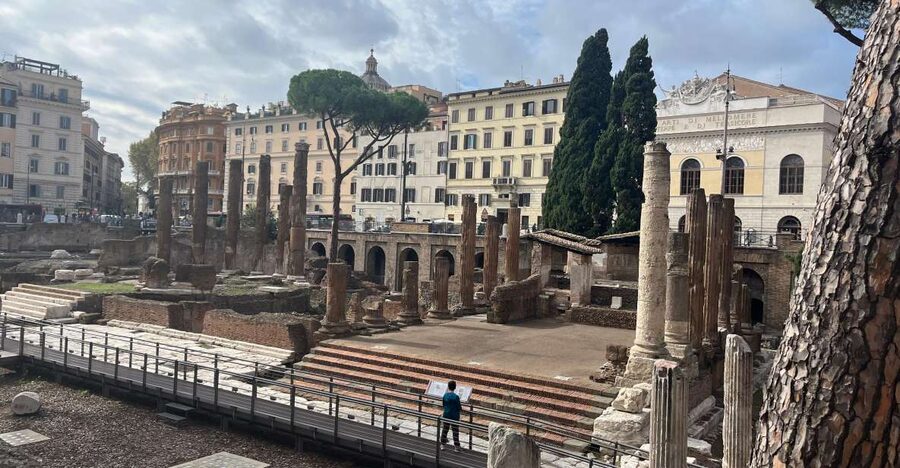
Largo di Torre Argentina is one of those Roman locations that feels oddly intimate. In the middle of modern city streets, you’re walking through an excavated pocket of ancient sacred space that stayed important across centuries, not just across one empire cycle.
What makes it gripping is that the ruins are not abstract. You’re looking at architecture that dates back to the late Republic era and earlier, and you’re standing near the remains associated with the moment Julius Caesar was killed on the Ides of March, 44 BC.
If you’re the kind of visitor who likes a clear “why this matters” trail, this is an easy stop to anchor your Roman days. It also pairs well with other nearby historic walks, because it’s in the heart of the old city area.
You can also read our reviews of more tours and experiences in Rome.


Start at Touristation Aracoeli and use the time wisely
Your booking time does not mean you meet at the ruins. The selected time refers to your arrival at the TOURISTATION ARACOELI office at piazza d’Aracoeli 16. That detail matters, because you’ll want to redeem your voucher first, then settle in for the presentation.
At the office, look for a fountain and orange flags in front of the entrance. Once you’re inside, you’re set up with everything you need for the visit, including the audio experience tools and the paper map.
The big practical benefit here is that your visit starts with context. If you show up a little rushed, you’ll feel it later when you’re trying to match what you see to what you’ve been told. If you show up calmly, the whole place clicks faster.
The 30-minute multimedia video that makes the ruins easier to read
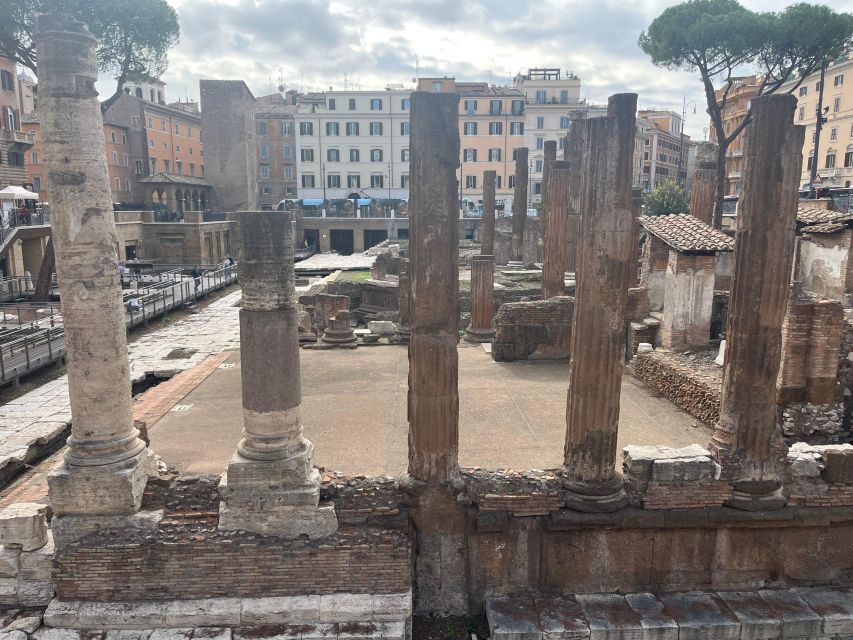
A lot of ruins can feel like a “guess what this was” game. Here, you get a 30-minute multimedia video before you head into the excavations.
The idea is straightforward. The film and audio support aim to help you visualize the structures as they once worked, which is a huge help when you’re looking at fragments, foundations, and reused building spaces. One of the most useful ways to think about this is as a translation device, taking you from today’s stone outlines into the ancient street-level reality.
You’re also getting a paper city map and WiFi included, which can be handy if you need to check your bearings or use the app support on your phone.
Tip: if you’re prone to tuning out in videos, stay engaged for the first half. The more clearly you understand the site layout up front, the less you’ll feel like you’re wandering.
Reserved entrance to the excavations, not just a glance from the street
A common Rome frustration is paying for something you can nearly see for free. This stop changes that math because your ticket is tied to entry for the Largo Argentina excavations area.
That means you can get closer to the core remains, including the zones around the temples and the tuff base associated with the Curia of Pompey. Even if you can spot some of the site externally, the reserved access is where the visit becomes more than a quick peek.
You’ll also be walking through an area shaped by archaeological work done between 1926 and 1930, when excavations and demolitions affected the surrounding space. That matters because you’re not just seeing “old Rome,” you’re seeing what archaeologists recovered, preserved, and interpreted.
In other words, you’re seeing Rome through two time periods at once: the ancient sacred complex and the modern work that uncovered it.
Four temples from the 4th to the 1st centuries BC
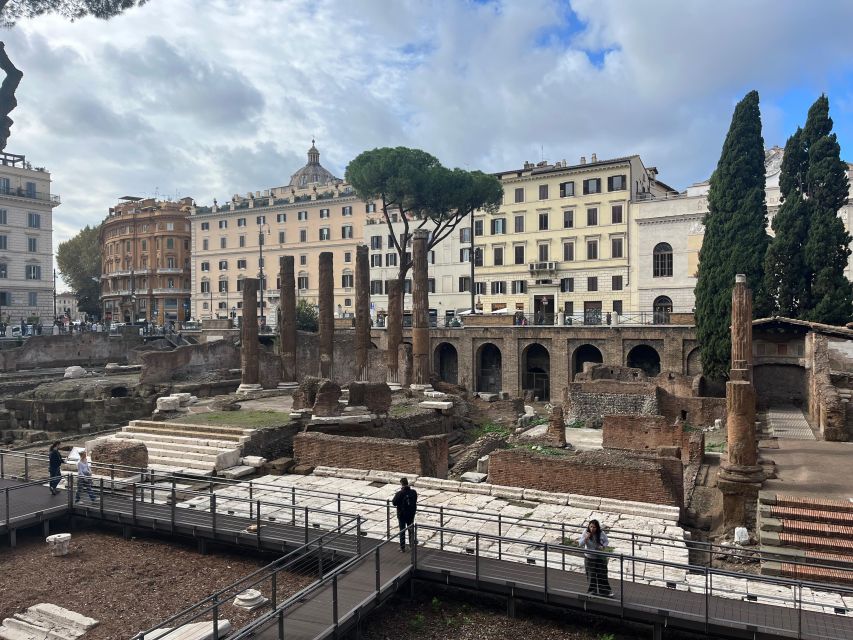
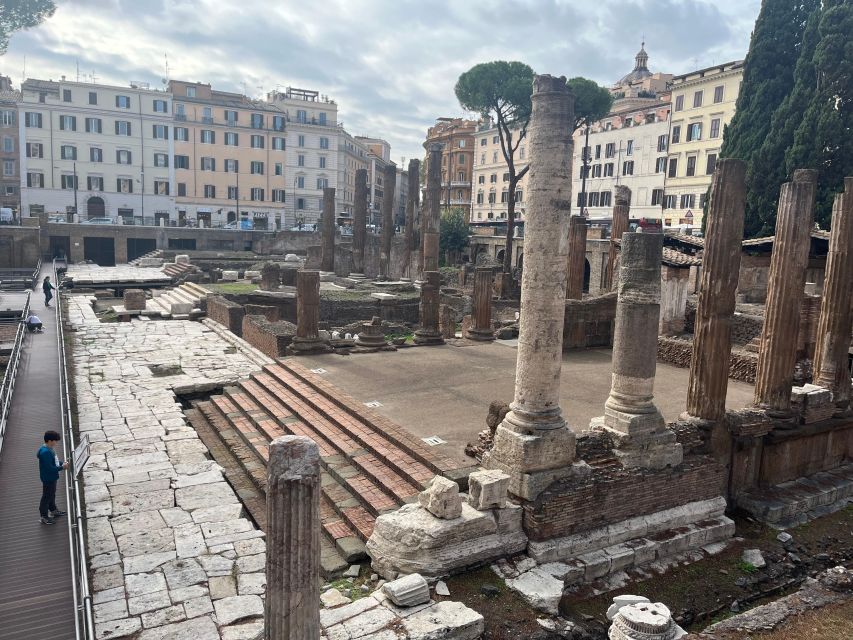
One of the main highlights is the chance to admire the four temples in the sacred area. These date roughly between the 4th and the 1st centuries BC, which puts them in a range that covers major shifts in Roman power and ideology.
What I like about this temple cluster is that it gives you more than one “data point.” You can look at the different building phases and think about how Roman religious space was adapted over time.
Also, the sacred area doesn’t read like a single snapshot. You can see how later phases were layered onto earlier ones, and that makes the site feel less like a museum display and more like a living place that kept changing its purpose as the city around it evolved.
Practical note: take a slow pace. The temples and remains can be visually similar at first glance, so give yourself time to spot differences in structure, placement, and the edges of what’s preserved.



The Curia of Pompey and the place tied to Julius Caesar’s assassination
This is the reason many people come. The experience includes remains that preserve the tuff base of the Curia of Pompey, the spot reported by ancient sources as the location of Julius Caesar’s assassination on the Ides of March in 44 BC.
Even if you know the story already, I find it hits harder when you’re standing near a physical anchor tied to that event. The ruins help you compress time in your head, from political drama and dramatic power shifts down to stone foundations and excavated layers.
The value here is in the combination of religion and politics. Largo Argentina was sacred space, and the assassination story lives right inside that same complex. So you’re not only learning what happened, you’re also grasping how deeply politics and public space intertwined in late Republican Rome.
If you’re a fan of Roman history, this stop works best when you don’t treat it like a headline. Pause, orient yourself, and let the site layout add meaning to the story instead of the other way around.
An ancient island in modern Rome, and why layers matter
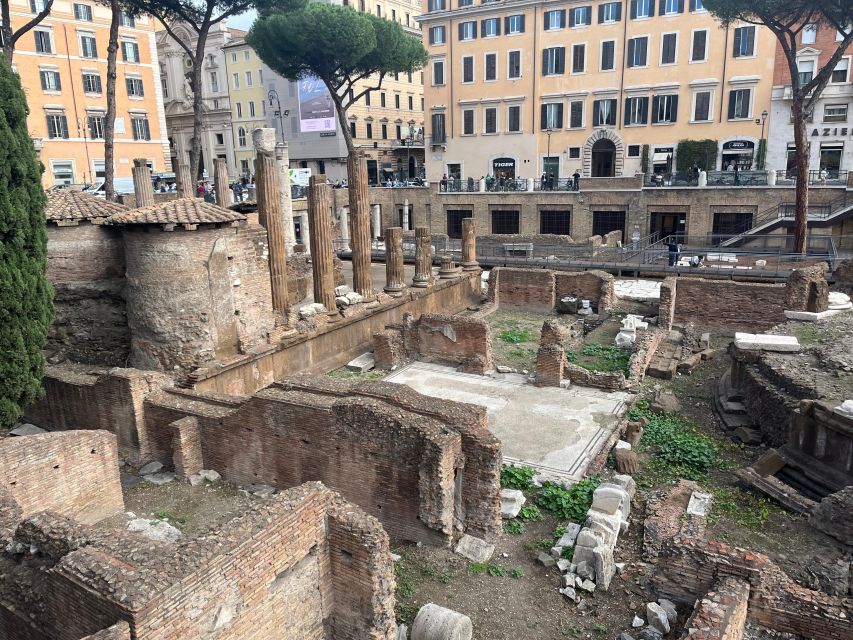
One of the most memorable ideas in this experience is the sense of an ancient island inside today’s city. The sacred area preserves evidence of uninterrupted life for more than 2,000 years, including ancient phases of the temples and later structures from the medieval period.
That layer cake effect changes how you interpret the site. Instead of looking for one perfect “original” moment, you’re learning how Rome reused and reshaped spaces. Sacred places especially tend to keep drawing people back, even after regimes change and architectural styles shift.
You’ll also see how the area’s long use affected what survived. Some pieces you look at feel ancient because they are ancient. Other pieces feel like evidence of continued community life, where medieval structures used what remained and reworked the space.
This is where the experience becomes more than famous names. It becomes about continuity, change, and how cities grow by building on what’s already there.
How the English audio guide and app support help you keep your footing
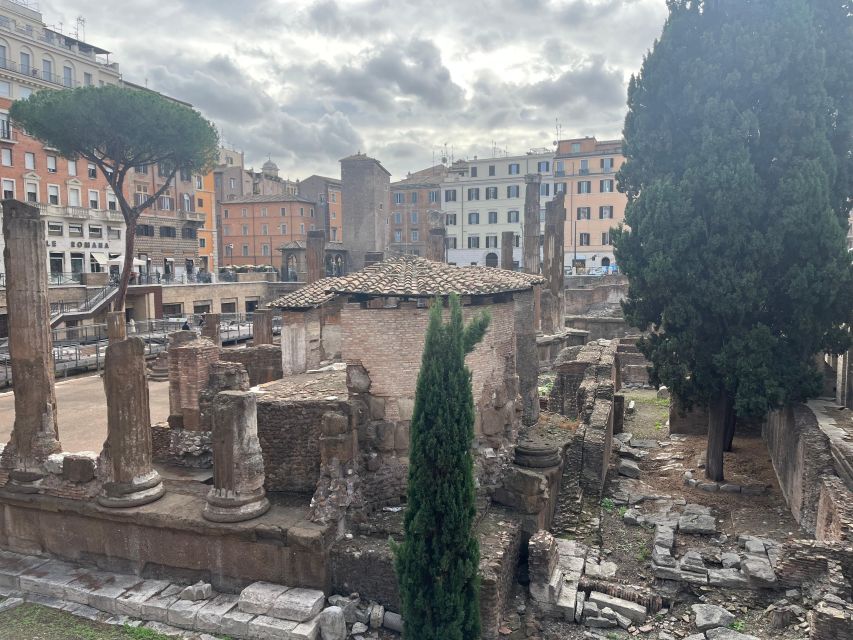
You get an audio guide in English, plus an App Audioguide of Rome. That setup is helpful because this is an outdoor archaeological area, and the flow can be a little non-linear if you rely on signage alone.
Here’s the best way to use the audio without getting overwhelmed: listen in short segments. When you reach a cluster of ruins that look like they belong to one story, play the relevant section, then take a few moments to look without the narration. That “look after listening” step helps you actually remember what you just heard.
The included WiFi can be useful if the audio app needs connectivity or if you want to keep track of where you are while you walk between viewpoints.
Also, don’t ignore the paper city map. In Rome, phones can die fast. A paper backup keeps you calm.
Timing and walking time, how to avoid the usual Rome stress
The overall duration is 1 hour, and the starting time you pick is for the Touristation Aracoeli meeting point, not the excavation site. That means your timeline needs a buffer for voucher redemption and getting oriented before the video and walk.
Because the duration is relatively short, you’ll want to keep your pace steady. This isn’t the best choice if you plan to linger for long photo sessions at every angle. It’s better as an intentional, structured stop where you learn something specific, then move on.
One more practical detail: the tour includes assistance at the meeting point. That’s a real advantage when you’re trying to figure out which office to use and how to get started.
Price and value: $23 for an hour with entrance and audio support
At about $23 per person for 1 hour, the value mainly comes from three things:
- Reserved entrance to the excavations, which is the difference between seeing ruins up close versus only from outside
- The 30-minute multimedia video, which gives you context fast
- The audio guide and app support, so you’re not just standing there hoping you understand what you’re looking at
The stop can feel less valuable if you already know the story and you prefer to rely on free exterior views. Since much of the site’s outline is visible from street level, you could mentally feel like you’re paying extra mostly for the audio and access.
But if you want the site experience tied to Caesar, the temples, and the layered archaeology, the paid component makes sense. You’re buying a guided-like framework, even though the listing does not include a live guided tour.
Who should book this stop, and who might skip it
This works best for you if you want:
- a short, focused Roman stop with clear themes
- the chance to see the temples and the assassination-linked remains up close
- an experience that’s history-first, with audio and video doing most of the narration
You might reconsider if:
- you strongly prefer live human guiding and explanation
- you’re only interested in a quick view from outside
- you’re traveling with items you cannot bring, since luggage or large bags are not allowed, along with pets and glass objects
If you like to pick one “anchor site” per neighborhood, Largo Argentina is a great choice. It’s compact, central, and story-driven.
Should you book Ancient Rome: Archaeological Area Largo Argentina?
Yes, if you want a short stop that meaningfully connects the temples, the assassination-linked remains, and two millennia of layers. The 30-minute multimedia warm-up and the English audio tools make the visit easier to understand, and the reserved excavation access gives you more than a roadside glance.
Hold off if you’re already satisfied with exterior views and you don’t plan to use the audio. Also, plan your arrival based on the meeting point time at piazza d’Aracoeli 16, not the ruins, so you don’t feel rushed.
If you’re building a Roman day around major stories and you like seeing how archaeology shapes what we know, this is a smart, efficient buy.
FAQ
Where do I redeem my voucher for this Largo Argentina experience?
You redeem your voucher at TOURISTATION ARACOELI, piazza d’Aracoeli 16. There is a fountain and orange flags in front of the office entrance.
How long is the visit?
The duration is 1 hour.
What is included in the price?
Included are a 30-minute multimedia video, reserved entrance to the Largo Argentina excavations, an App Audioguide of Rome, assistance at the meeting point, a paper city map, and WiFi.
Is a guided tour with a person included?
No. A guided tour is listed as not included.
What language is the audio guide available in?
The audio guide is included in English.
What items are not allowed, and what do I need to bring?
You need to bring a passport. Pets are not allowed, and you also cannot bring glass objects or luggage or large bags. Alcohol and drugs are not allowed.
More Tour Reviews in Rome
Not for you? Here's more nearby things to do in Rome we have reviewed








Ancient Rome Tours, compared.
 ★ 4.7Colosseum: Underground and Ancient Rome TourFrom $16012,691 reviews
 ★ 4.4Colosseum, Ancient Rome Tour or Self AudioGuided TourFrom $392,866 reviews
 ★ 4.9Appian Way, Catacombs, & Roman Aqueducts E-bike TourFrom $851,421 reviews
 ★ 4.9Appian Way E-bike Tour with Catacombs, Aqueducts & FoodFrom $961,210 reviews
 ★ 5.0Appian Way Aqueducts Bike Tour (Catacombs & Lunch Option)From $78975 reviews
 ★ 4.7Appian Way, Aqueducts, and Catacombs TourFrom $64942 reviews
 ★ 4.7Caracalla Baths & Circus Maximus — Private or SharedFrom $77835 reviews
 ★ 4.7Colosseum Arena Access and Ancient Rome Guided TourFrom $94774 reviews
Browse the lists this tour appears in