
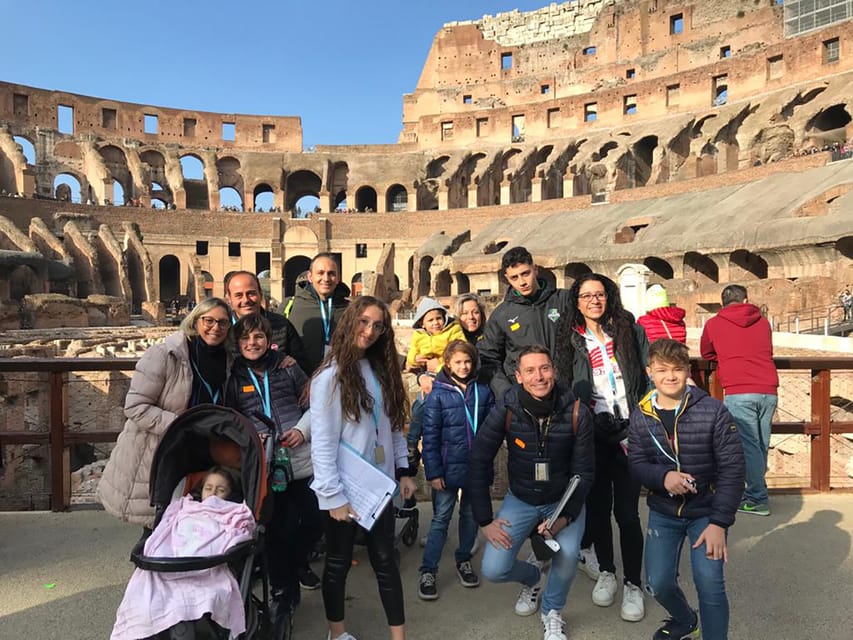
Reviewed · COLOSSEUM TOURS
Rome: Colosseum Arena Floor, Roman Forum & Palatine 10 pax
The Colosseum under your feet changes everything. This VIP experience takes you to the Colosseum Arena Floor and into the area many visitors never see, with entry through the Gladiator’s Gate. One thing to plan for: the Arena Floor time is short, so you’ll want your camera settings ready and your questions lined up.
I like how the tour keeps you moving through Rome’s power center first, then up to the hill where myths and emperors overlap. You also get headsets, so you can actually follow the story without craning your neck through crowds, and guides like Sylvia, Marcello V, and Francesca come through with a friendly, steady pace.
If you’re sensitive to weather, remember this runs rain or shine. It also includes airport-style security, so your timing matters, especially if you arrive late or miss your slot.
Key highlights to focus on
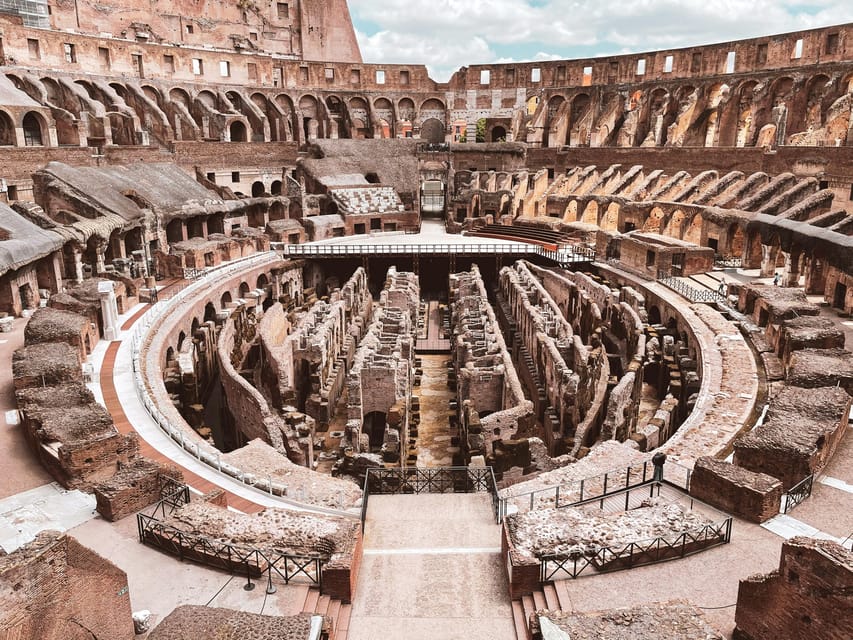
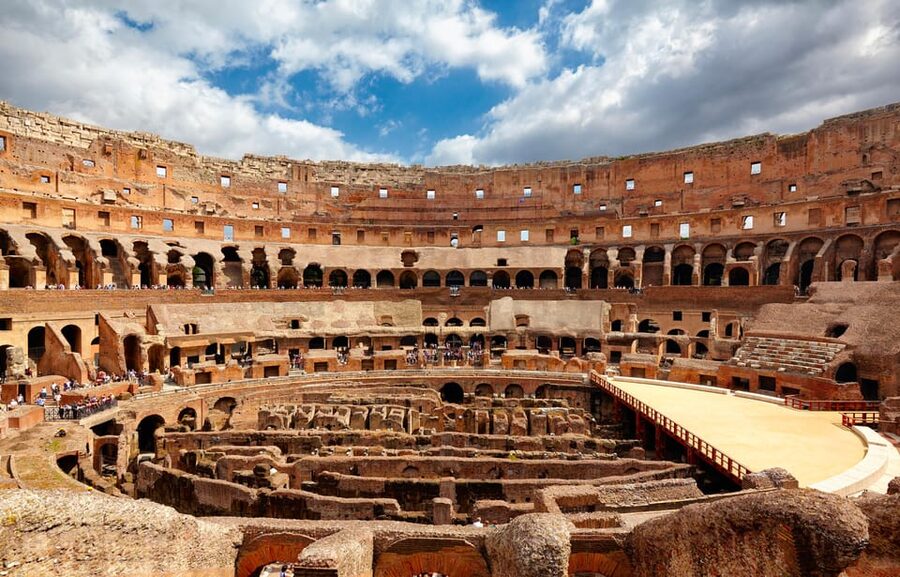
- Arena Floor access on the central wooden platform over the “sand” where fights took place
- Gladiator’s Gate entry used for carrying away gladiators and animals
- Panoramic terraces and upper tiers for photo angles most people never reach
- Roman Forum stops tied to daily life, law, religion, and famous speeches
- Palatine Hill walkthrough from Romulus mythology to imperial luxury
Why the Arena Floor Changes the Colosseum
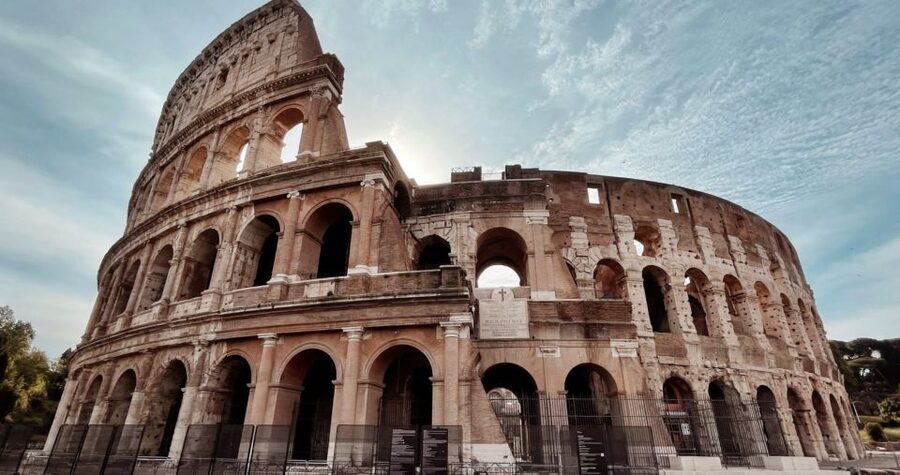
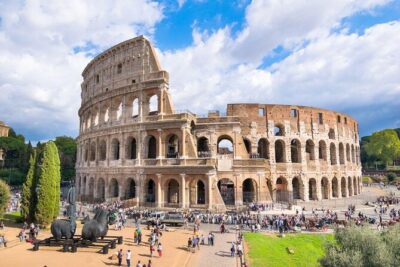
Most Colosseum visits feel like you’re looking at a giant ruin from above. Here, you go lower, onto the Arena Floor area where the spectacle happened. The tour has you stand on the central sand-covered wooden platform, and it explicitly connects the dots between the Latin word arena (sand) and what you’re seeing under your feet.
That physical perspective matters. When you’re at the ground level, the scale of the Colosseum stops being a “photo fact” and starts feeling real. You’re closer to the spaces where animals entered, where fighters prepared, and where the crowd’s energy would have landed. It’s also the part of the tour that makes people look up at the architecture differently, because you can trace the structure back to the purpose.
If you love history, you’ll get the story without turning it into a lecture. Expect history tied to scenes: why the Colosseum is named what it is, what the games were like, and the kind of gritty details that make the Romans feel specific instead of generic.
You can also read our reviews of more tours and experiences in Rome.



Gladiator’s Gate Entry and Security You Can Plan For
The most dramatic moment before you reach the arena isn’t the Colosseum facade. It’s passing through the special gate that’s linked to the events you’ll hear about once you’re inside. The tour route includes access through the Gladiator’s Gate, described as the route used to carry away dead bodies of gladiators and animals.
That alone makes the experience feel more intentional. It also changes your pacing as you enter, because you’re not just drifting with everyone else. You’re being guided through a structured path that helps you reach the arena area rather than spending your energy stuck in general lines.
On the practical side, the tour runs with express security rather than a slow, open-ended entry. You still have to go through airport-style screening. So if you want an easy start, show up early, keep your ID or passport in hand, and plan on moving through security calmly. This isn’t a “sprint and hope” situation.
Also, this tour is described as private and sized for up to 10 people. That matters because it makes it easier for the guide to keep the group together and keep your attention on what’s happening right now, not just what you missed 30 minutes ago.
Roman Forum: Where Daily Life, Law, and Religion Collide
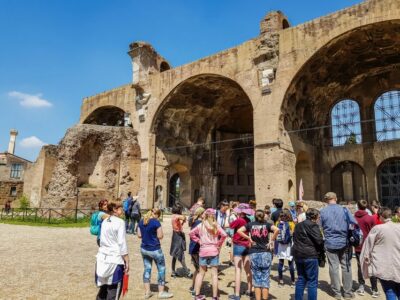
After the starting point near the Roman Forum ticket entrance, the tour shifts into the part of Rome that explains how the city ran. You’ll spend time in the Roman Forum guided first, then you get a photo stop, and you move on toward Palatine Hill.
Here’s the big value of doing the Forum with a guide: you don’t just see ruins, you get a map of what they were for. The tour focuses on public spaces, sacred temples, and market areas where daily life played out. You’re also pointed toward the Basilicas in the Forum, where major administrative trials happened and where big orators made famous speeches. That combination gives you a sense that the Forum wasn’t just a backdrop. It was where politics, justice, and performance blended.
You’ll walk along the Sacred Way, which is tied to religious processions. Then the route highlights the Temple of Vesta, where the Vestal Virgins guarded the sacred fire of the city. When you hear that these spaces were tied to ritual and continuity, it’s easier to understand why the Romans treated religion as infrastructure, not just tradition.
One caution: Forum walking can include uneven ground and frequent stopping. The tour keeps sessions planned, but you still want comfortable shoes. If you have mobility limits, you’ll appreciate that the experience is listed as wheelchair accessible, though you should still be ready for stone surfaces and tight areas.
Palatine Hill: Myth, Power, and the Life of Emperors
Palatine Hill is where Rome’s story jumps from “city that grew” to “city that claims a beginning.” The tour describes Palatine as the place where Romulus is said to have founded Rome around 753 B.C. That myth anchor matters because it gives you a reason to care beyond big-ticket monuments.
From there, you’ll hear how the hill connects to major Roman figures and eras. The tour highlights Mark Antony and Cleopatra, Julius Caesar, and the luxurious residences of Roman emperors. In other words, you’re not only walking through political origin stories. You’re also seeing where the elite lived, relaxed, and ran power from.
The practical payoff is that Palatine is often less chaotic than the Colosseum interior areas. Your guide can slow down at the right viewpoints so you get that “aha” moment where the terrain makes sense. You can also connect what you learned in the Forum to what you’ll later see in the Colosseum, because both places relate to spectacle, authority, and civic identity.
If you want a simple rule for your visit: use the Palatine time to build your mental model of who mattered, where they lived, and why Rome was obsessed with legitimacy. The ruins will start feeling like roles in a story, not just scattered stone.
The Colosseum Route After the Arena Floor: Tiers and Terraces
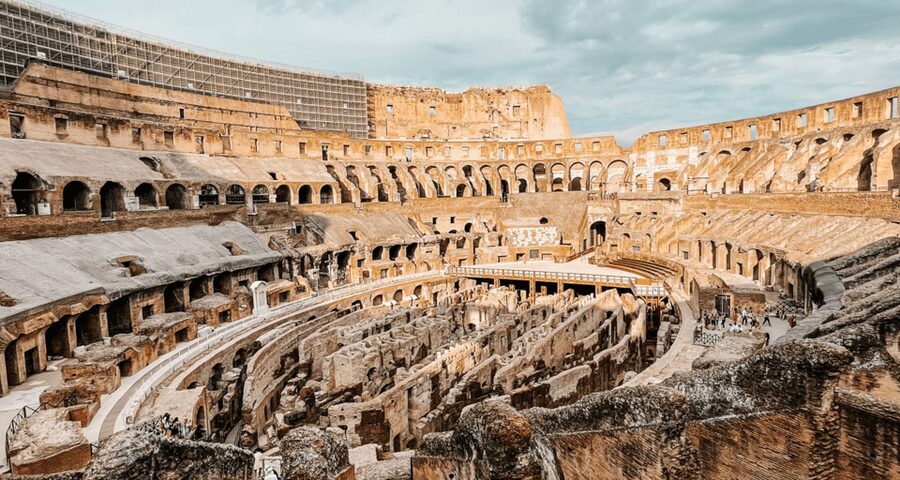
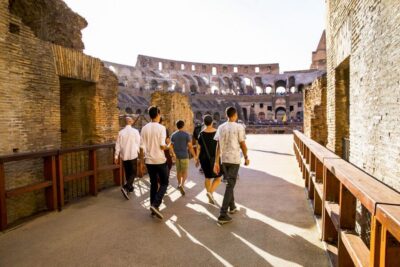
After the Arena Floor segment, the tour continues through the First and Second Tiers of the Colosseum. This is a smart design because it prevents the experience from feeling like a one-scene highlight. You get that rare floor access first, then you come back up to the structure itself to see it as an engine built for crowds.
You’ll also get time on panoramic terraces, described as giving privileged photo opportunities. This is where your camera strategy helps. If you’re photographing, you can use your earlier ground-level understanding to frame shots that show how the seating would have oriented people toward the arena.
The Colosseum is big, and it can feel like you’re just “moving between viewpoints.” With this order, you’re more likely to notice patterns. You’ll be thinking: where would someone stand, how would the crowd react, where would visibility be best, and how did the structure channel attention.
One more practical note: since you’ve already spent a chunk of time at the arena, your upper-tier time feels less like a repeat. It feels like the missing chapter, the part that explains how the whole show worked.






Photo Moments That Actually Make Sense
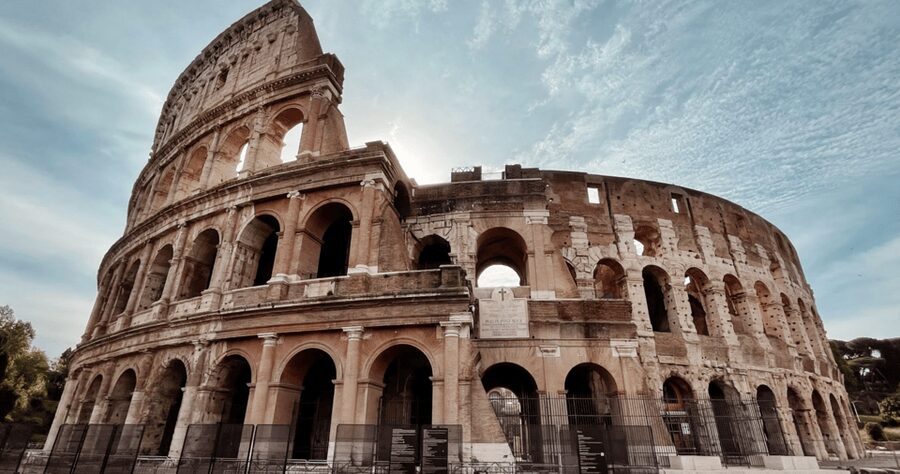
The tour builds in photo time rather than assuming you’ll find it between crowds. There’s a dedicated photo stop in the Roman Forum, and later you get panoramic terraces in the Colosseum.
I like this approach because the best photos in ancient sites come from knowing where to stand, not from luck. When you have a guide pointing out positions and contexts, your photos come out better and you leave with more than random angles. You also get photos that match the story you heard, which makes them more satisfying later.
For your own gear plan: bring a fully charged phone or camera. At the Arena Floor, you’ll be moving fast, and the window is brief. If you use a camera, check focus and battery before you head in, so you’re not troubleshooting while the group is waiting.
Guide Quality: The Human Part of the Value
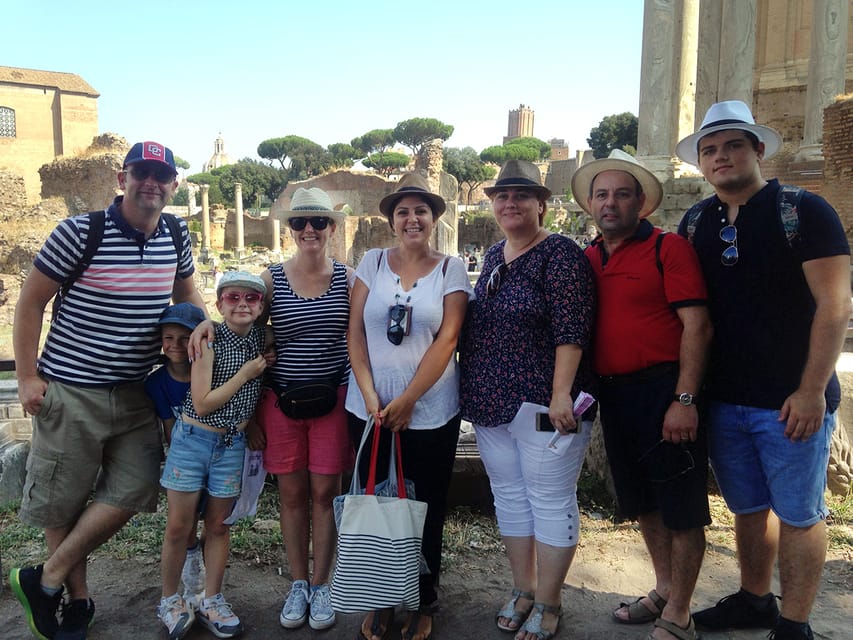
The tour’s biggest strength is how the guide turns stone into scenes. The experience is described as featuring guides like Sylvia, Marcello V, and Francesca, and the themes that come through are consistent: friendly energy, good pace, and lots of answers when people ask questions.
One review detail that matters for you: the pace has worked for older visitors when parents were able to keep up. That suggests the guide doesn’t drag the group at a slow shuffle, but also doesn’t run everyone through history at sprint speed.
Another useful detail is that the tour might run in two parts, sometimes with one guide starting and another taking over for a more intimate arena-floor segment. You’ll still get the overall story, just with a change in voice. If you’re the type who hates repeating questions, it helps to ask your top priorities early, then enjoy the flow later.
And because you get headsets, you won’t lose the plot when the group moves into busier pockets. That’s one of those small things that can make or break a guided day.
Price and What $36 Actually Buys You
At $36 per person, this is a strong value if what you want is access and interpretation, not just sightseeing. The key value drivers are the Arena Floor access and the structured guided time through the Roman Forum and Palatine Hill.
Skip-the-line express security is another part of the equation. Security lines around major sites can be the difference between a pleasant start and a stressful one. Here, you’re set up to move through that screening efficiently, which protects your limited time inside the Colosseum.
You’re also getting headsets and a private guided format. That matters because it reduces the usual cost of “doing it yourself,” which includes time spent figuring out routes and standing in confusion while you try to match your surroundings to what you read online.
Is $36 a miracle price? No. It’s still a premium experience compared to a basic Colosseum entry ticket. But for people who specifically want Arena Floor access, it’s the difference between looking up and standing where the action happened.
One more thing to consider: the tour is listed as non-refundable, and you can’t count on late arrivals being handled quietly. So this is best when your plans are solid.
Who This Tour Fits Best
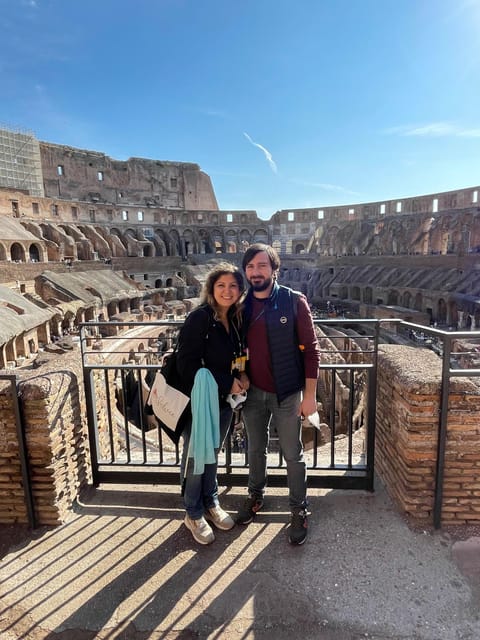
This tour fits you if you want the Colosseum to feel like a lived event, not a background prop for selfies. It’s also a good match if you like guided explanations tied to specific spaces in the Forum, Sacred Way details, and Palatine’s connection to the founding myth and later emperors.
It’s especially appealing if you’re traveling as a small group (up to 10 people) and you want a guide who can manage pace and keep people together. Families with mixed ages can do it too, since the pace has been reported as manageable for older visitors.
If you’re the kind of traveler who prefers to wander with no structure, this might feel too planned. But if you want the best use of limited time in Rome, this format gives you a strong “see and understand” result.
Final Take: Should You Book This Colosseum Day?
If Arena Floor access is on your Rome wish list, book it. The combination of Gladiator’s Gate entry, a guided walkthrough of the Roman Forum, and Palatine Hill makes this more than a single-site visit. It’s a connected day that links power, religion, and spectacle.
I’d particularly recommend it if you value:
- short, high-impact access where most people stop short
- a guided route that helps you find context fast
- the Forum and Palatine stops, not just the Colosseum
I’d hesitate if you know you struggle with crowds plus security plus walking uneven ground. In that case, focus on your comfort level first, and plan your shoes and arrival time like it matters, because it does.
FAQ
How long is the Colosseum Arena Floor, Roman Forum and Palatine tour?
The experience is listed at about 2.5 hours.
Where does the tour start?
You start at Largo della Salara Vecchia, with your guide waiting near the ticket entrance on the Roman Forum.
Where does the tour end?
It ends back at the meeting point.
What is included with the ticket price?
You get a VIP private guided tour, skip-the-line express security tickets, and headsets to hear the guide clearly.
Are there headsets for hearing the guide?
Yes, headsets are provided so you can hear the guide clearly.
Is the tour private?
It is described as a VIP private tour.
Will the tour run if it rains?
Yes, it takes place rain or shine.
Do I need ID to enter?
Yes, you should bring a passport or ID card.
What languages are offered?
The live guide is available in English and Italian.
Is the tour wheelchair accessible?
Yes, it is listed as wheelchair accessible.
Is this tour refundable if I change my mind?
It is non-refundable according to the cancellation policy.
More Tour Reviews in Rome
Not for you? Here's more nearby things to do in Rome we have reviewed












Colosseum Tours, compared.
 ★ 4.8Colosseum, Palatine Hill and Roman Forum Guided TourFrom $5232,814 reviews
 ★ 4.7Guided Tour of Colosseum, Roman Forum & Palatine HillFrom $5527,897 reviews
 ★ 4.2Colosseum & Forum with Audio Guide App -Optional ArenaFrom $4124,770 reviews
 ★ 4.5Colosseum, Roman Forum and Palatine Hill Guided TourFrom $5923,903 reviews
 ★ 4.4Colosseum, Forum & Palatine Hill Tour & Optional ArenaFrom $5813,839 reviews
 ★ 4.6Colosseum, Palatine Hill & Roman Forum Guided TourFrom $5112,703 reviews
 ★ 4.7Colosseum: Underground and Ancient Rome TourFrom $16012,691 reviews
 ★ 4.6Colosseum Arena, Palatine Hill & Forum Guided TourFrom $7310,584 reviews
Browse the lists this tour appears in