Reviewed · ROME
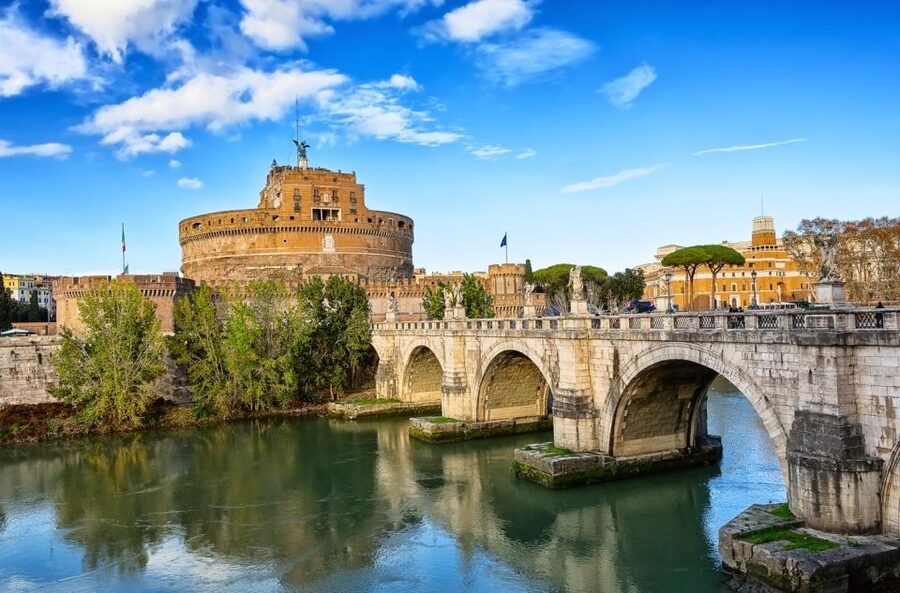
Castel Sant’ Angelo: The most famous Fortress of Rome
Rome has a secret fortress view. Castel Sant’Angelo is one of my favorite places to read the city in layers, and this visit gets you in with skip-the-line access plus the big payoff at Angel’s Terrace. One possible drawback to plan for: if you choose the audioguide option, you will need a smartphone and headphones, and you should download it before you start.
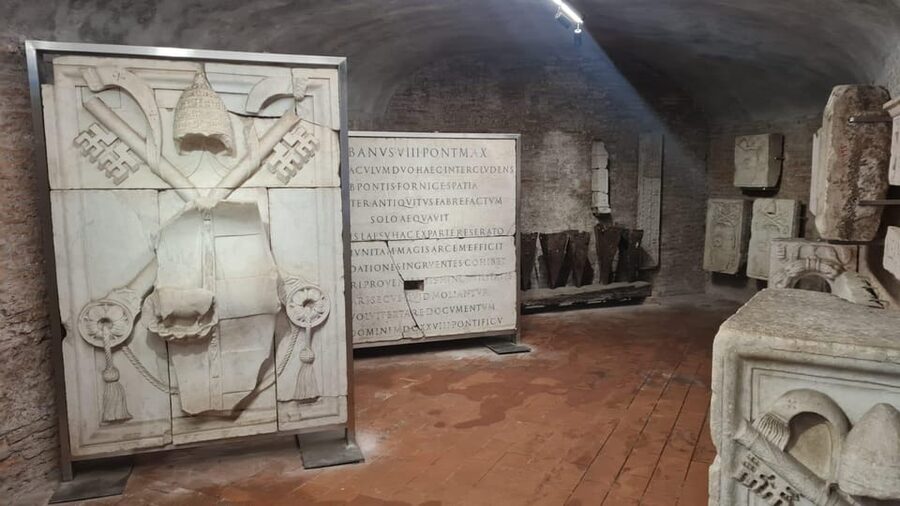
What I like most is the mix of styles and uses. Roman-era construction as Emperor Hadrian’s tomb, later turned into a papal fortress with escape routes, prisons, and even an execution space, makes the building feel like a time machine that still works.
Before you go, keep it practical. This is a self-paced experience (no live guide included), and you will also have to travel light because strollers, luggage or large bags, and sharp objects are not allowed.
Key things to know before you go
- Skip-the-line entry via a separate entrance helps you start your visit without the long outer queue.
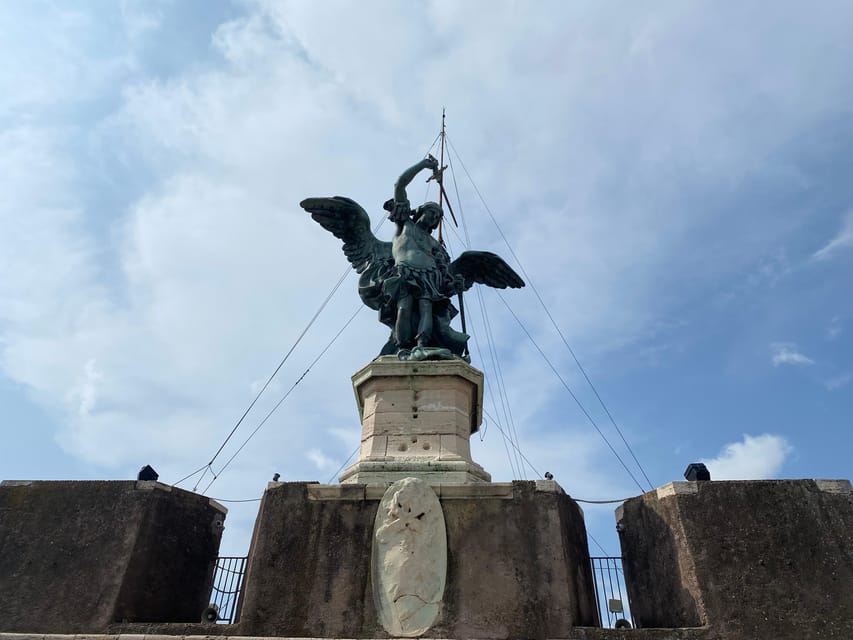
- Angel’s Terrace is your top viewpoint, with city views you will actually remember.
- Self-paced route lets you move at your speed through Papal Rooms, the Spiral Staircase, and more.
- A standout mix of Roman and papal spaces links Hadrian, the Popes, and the fortress era in one building.
- Optional audioguide works offline after download but only if you bring a smartphone and headphones.
- Your ticket is nominative so enter every participant’s full name correctly.
Why Castel Sant’Angelo still feels different from the usual Rome stops
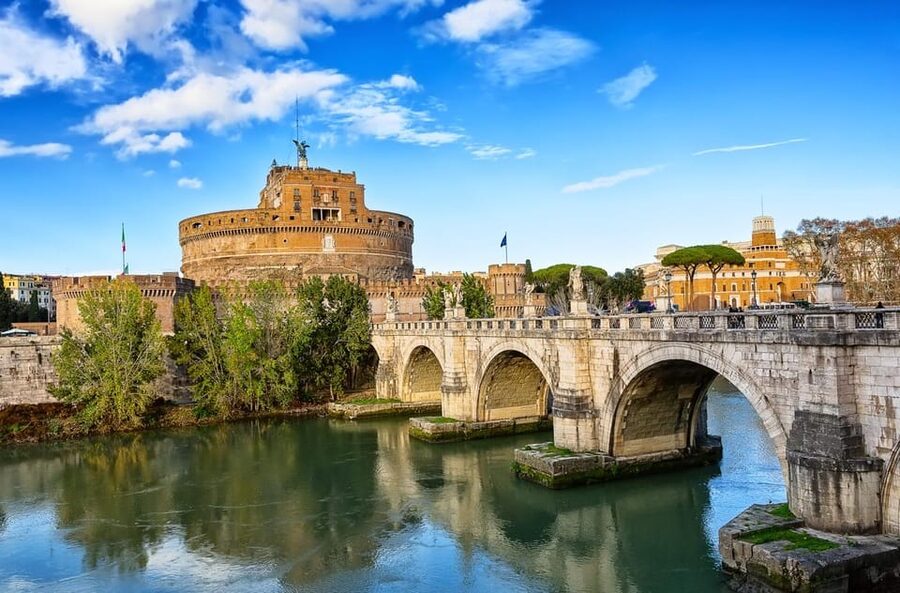
Castel Sant’Angelo is not just another “big monument” on a list. It is a fortress that evolved into a survival tool, and the building shows it. You start in spaces tied to Emperor Hadrian’s legacy, then you move into papal control, escape planning, and the darker side of imprisonment and executions.
That mix matters for your experience. If you like monuments that tell more than one story, this one delivers. You are not only looking at stone, you are walking through the same walls that once helped rulers act fast, hide, or run when danger hit.
It is also a good use of time. With a total visit time of about 2 hours, you can get the highlights without burning half a day.
You can also read our reviews of more tours and experiences in Rome.



The fortress story you will notice as soon as you enter
Castel Sant’Angelo began as the tomb of Emperor Hadrian in Roman times. Later, it was converted into a papal fortress in the early Renaissance, and it took on roles that were very different from a tomb.
As you tour, you will see how the building functioned:
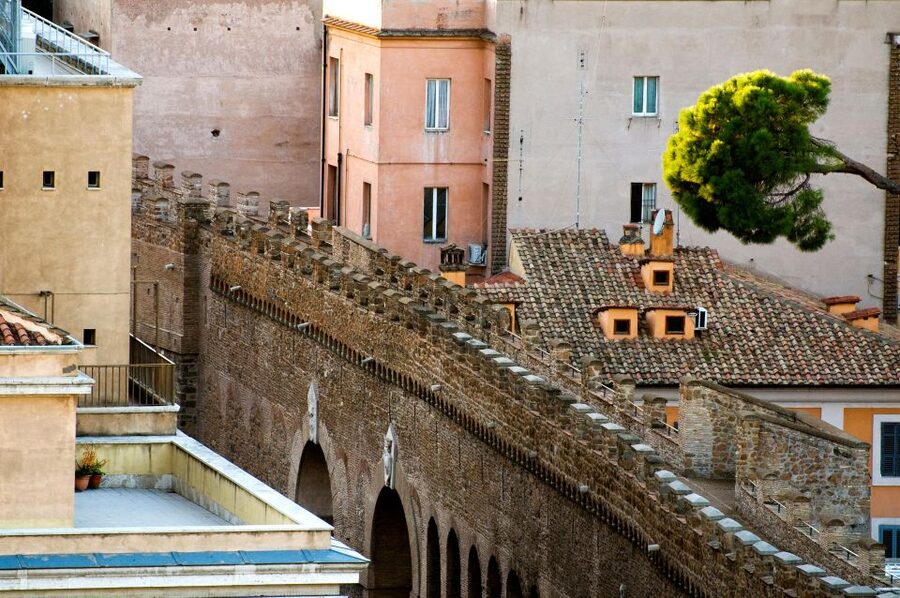
- Popes used it as a fortress, including an escape route connected to the Vatican Palace via an elevated walkway.
- It housed prisoners and also included spaces associated with executions.
- It became a place where history leaves fingerprints. Notably, it held famous captives such as the goldsmith Benvenuto Cellini and Cagliostro.
Why this is valuable for you as a visitor: it changes how you look at the architecture. Instead of thinking of it as a static museum, you can imagine it as infrastructure, built for defense and movement, later repurposed again and again.
Your route inside: Papal Rooms, the Spiral Staircase, and Hadrian’s Ashes hall

This visit is self-paced, and that is great if you hate rushing. Your time is structured around a set of key stops that cover both the fortress and the ceremonial parts of the site.
Papal Rooms
Your first major stop is the Papal Rooms. This is where the “papal fortress” idea becomes tangible. You are moving from the tomb legacy into a world shaped by papal authority, planning, and the practical needs of power.
Drawback to consider: if you are expecting only grand outdoor views, you still need to spend time indoors. Indoors is part of the value here.
Spiral Staircase
Next comes the Spiral Staircase. This is one of those Rome moments where the building itself feels like the experience. A spiral layout pushes you to slow down and look, because it naturally turns your attention.
If you do not do well with stairs or standing for long stretches, factor that in. The route includes the staircase, so you will want to pace yourself.


Hall of Emperor Hadrian’s Ashes
Then you reach the Hall of Emperor Hadrian’s Ashes. This is the payoff for history nerds, but you do not have to be one. It is the clearest reminder that you are inside a tomb structure that later got transformed.
If you like connecting dots, this stop helps you understand why the whole site feels layered. You are not just moving through “a fortress,” you are moving through a place with an original imperial purpose.
The best moment: Angel’s Terrace views over Rome
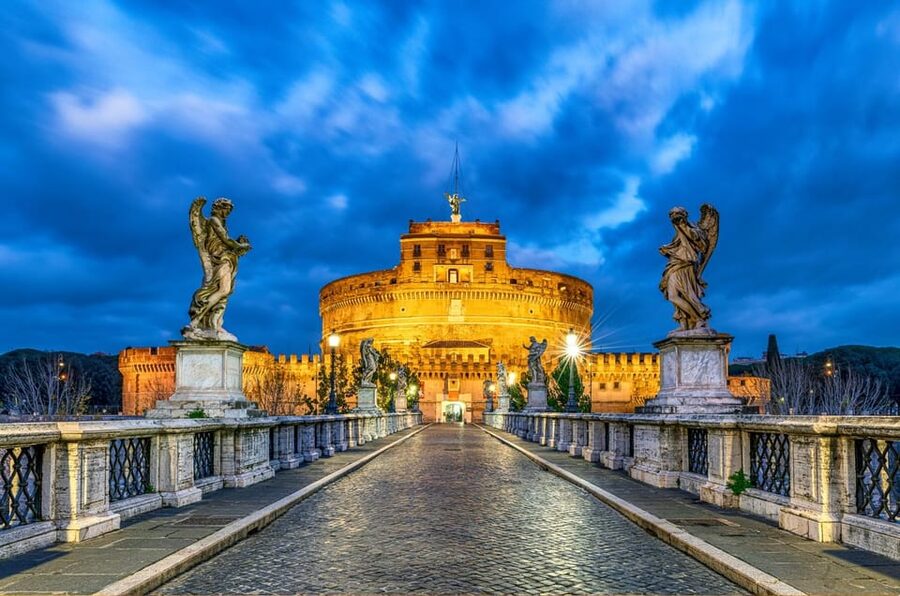
Every fortress needs a reason people keep climbing it. Here, the reward is Angel’s Terrace.
This is where you get one of Rome’s most beloved viewpoint moments from the fortress setting. You get the city spread out in front of you, and it feels different than a street-level view. You are looking down from a position that once mattered for defense, and that context makes the view feel sharper.
Practical tip: plan a slow minute here. You do not want to just snap a photo and rush off. Take a few minutes to look around and orient yourself. Even a quick scan of the rooftops helps you connect this view to what you will see later across central Rome.
Skip-the-line entry: what it means for your actual day
This experience includes skip the line through a separate entrance. That matters more than people think, because the time you save is not only minutes, it is stress.
Rome lines can drain your energy. With a separate entrance, you spend less time waiting and more time doing what you came for: exploring the fortress interior, then finishing at the terrace when your legs are ready.
One consideration: the meeting point can vary depending on the option you booked. If you have a tight schedule, check your specific meeting point details ahead of time so you do not waste your arrival minutes.
Audioguide option: when it helps and when it can trip you up
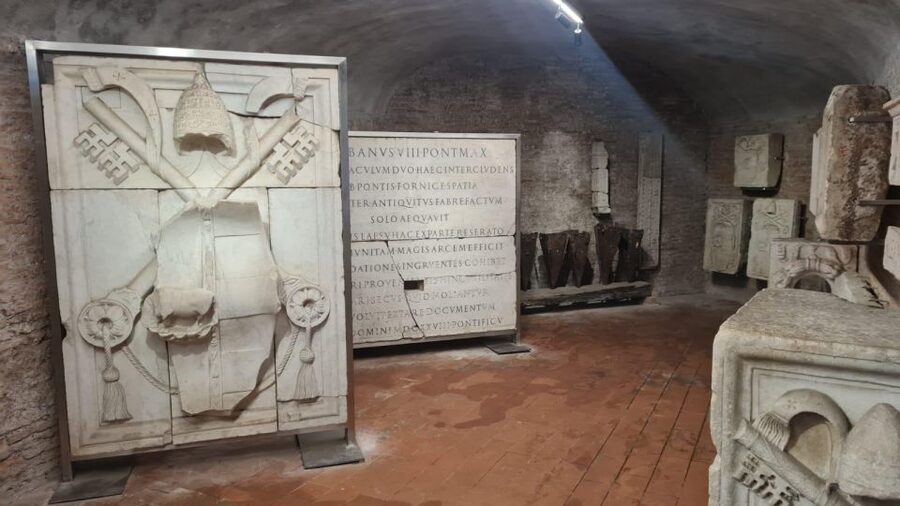
An audioguide is included only if you select that option. If you do, you can choose from languages including Spanish, French, Italian, English, German, and Chinese.
Here is the key part: you must have a smartphone and headphones to properly use the audioguide. Also, if you bought the audio guide option, download the audioguide before you start while you have wifi. After you download, it works without wifi.
That practical detail can make or break your experience. If you forget to download, you might be stuck trying to sort it out in the middle of the visit. So I suggest doing a quick setup before you reach the fortress entry area:
- confirm your audioguide access
- make sure headphones work
- download on wifi so you can go offline
Also, because tickets are nominative, double-check the full names for all participants. That is a small input detail, but it matters for entry.
One more thing, based on real-world hiccups I would not ignore: if you are booking multiple people, make sure each ticket has the correct access for its own audioguide. It is rare, but if something is mismatched, it can be hard to fix on site fast. Bring patience, and be ready to show the right information.
What’s included, what’s not, and how that changes your expectations

Included (only if you select those options):
- Castel Sant’Angelo ticket
- Audioguide
Not included:
- Live guide
- Transportation
So you should set your expectation to self-directed touring. You will guide yourself through Papal Rooms, the Spiral Staircase, Hadrian’s ashes hall, and Angel’s Terrace using the signage plus the optional audioguide.
This setup is often ideal if you like control. You can linger where you care and skip where you do not. If you prefer a human storyteller to connect every chapter, you might feel the absence of a live guide. But the tradeoff is you move at your own pace.
Price and value: is $39 reasonable for Castel Sant’Angelo?
The listed price is $39 per person for a 2-hour experience, with skip-the-line entry. You should also know the entrance ticket cost is €16 per person, plus additional charges for service and processing.
So where does your money go? You are mostly paying for:
- the convenience of separate-entrance entry
- the service layer that makes the process smoother
- optional audioguide support, if you select it
Value comes down to you. If you hate waiting, the skip-the-line piece alone can feel worth it. If you are happy standing in line, you may think twice, but that does not cancel the terrace payoff and the fortress route.
If you are traveling in a group, this can become even more worthwhile because one person holding the “let’s keep it moving” plan helps everyone.
Who this experience suits best
This Castel Sant’Angelo visit works best if:
- you want a high-impact Rome stop in about 2 hours
- you like monument viewpoints and historical layers
- you are comfortable self-guiding with an audioguide
- you want to minimize time in queues
It is probably not the best fit if:
- you specifically want a live guide to explain everything in detail
- you cannot manage stairs, since the route includes a Spiral Staircase
- you do not want to use a smartphone (the audioguide option requires one)
Small rules to keep your day smooth
Security rules are straightforward, but you should respect them before you arrive. Do not bring weapons or sharp objects. Baby strollers are not allowed. Luggage or large bags are also not allowed. Pets are not allowed, but assistance dogs are allowed. Alcohol and drugs are not allowed.
Also bring a passport or ID card.
These are not meant to be annoying. They reduce delays for everyone.
Quick booking checklist so you do not waste time at entry
Because this is a nominative ticket system, and because audioguides depend on tech, I recommend doing a short checklist:
- confirm full names for every participant
- if you chose the audioguide option, download it on wifi before you start
- pack headphones and confirm your smartphone battery
- if you want the Fast Track style option, book it at least one day before your visit
Fast Track tickets have a specific timing rule, so treat that as part of the plan, not an afterthought.
Should you book this Castel Sant’Angelo visit?
I would book it if you want the fortress highlights in a tight window, especially if skip-the-line entry matters to your schedule. The route hits the main internal sections, and Angel’s Terrace is a strong reason to go even if you are not obsessed with fortress architecture.
I would hesitate only if you are the type who prefers a live storyteller, or if you have no interest in using an audioguide and you might struggle without one. Also, if you are the sort of traveler who forgets to download apps ahead of time, do not pick the audioguide option unless you can handle the pre-download step.
In short: this is a practical, scenic, self-paced way to see one of Rome’s most useful viewpoints and most complicated buildings, in about two hours.
FAQ
How long does the Castel Sant’Angelo visit take?
The experience is valid for 2 hours, and you should check availability for starting times.
Do I get a live guide with this experience?
No. A live guide is not included.
Is an audioguide included?
An audioguide is included only if you select the audioguide option.
What languages are available for the audioguide?
The audioguide is available in Spanish, French, Italian, English, German, and Chinese.
Will I be able to use the audioguide without mobile data?
If you download it before you start using wifi, the audioguide works without wifi afterward.
What do I need to use the audioguide properly?
You need a smartphone and headphones.
Can I bring a stroller or large bags?
No. Baby strollers are not allowed, and luggage or large bags are also not allowed.
What identification do I need?
Bring a passport or an ID card.
Is the ticket personalized?
Yes. The ticket is nominative, so you must include all participants’ full names.
Are Fast Track tickets required to be booked in advance?
Fast Track tickets for Castel Sant’Angelo must be booked at least one day before your visit.